
How to Prevent Rats in Sheds and Outbuildings (2026 Guide)
Learn how to prevent rats in your shed or outbuilding with proven, step-by-step methods. Get practical rat prevention tips, tools, and long-term solutions for a rodent-free space in 2026.
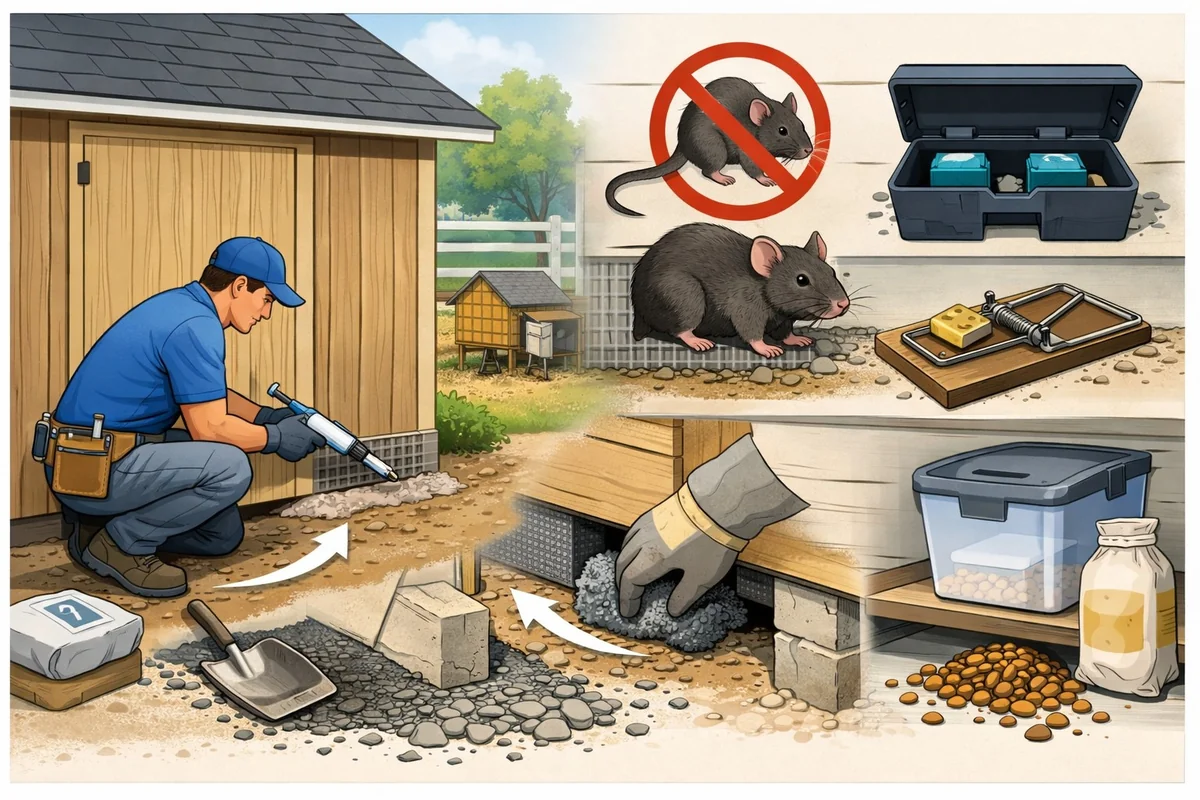
To prevent rats in sheds and outbuildings, eliminate food sources, seal entry points as small as 15mm, and store materials in chew-proof containers. This process takes a few hours to complete and requires basic tools and attention to detail. Regular maintenance is key - overlooked gaps or clutter will quickly undo your hard work.
Why Rats Target Sheds and Outbuildings
Rats are drawn to sheds and outbuildings because these spaces offer easy access to food, water, and shelter. Most sheds are quieter than homes, making them ideal for rats to nest and breed with minimal disturbance. If you’ve found droppings or heard scratching at night, you’re not alone - rat problems in sheds are common, especially in autumn and winter.
Common Attractants in Sheds
Stored animal feed and birdseed are two of the biggest attractants for rats. Even a small spill or a loosely sealed bag is enough to bring them in. Compost bins, especially those with fruit and vegetable scraps, also provide a steady food source.
Cluttered sheds give rats plenty of options for nesting. Piles of cardboard, newspapers, or garden textiles become perfect bedding. The more items you store at ground level, the more places rats have to hide and reproduce.
Moisture is another factor. Leaky roofs, poorly sealed windows, or condensation build up water sources that rats need. A shed with a damp corner is far more attractive than a dry, well-maintained one.
How Rats Access Outbuildings
Rats are notorious for squeezing through tight spaces - 15mm gaps are all they need. That’s about the width of a pencil. Common entry points include gaps under doors, loose boards, broken vents, or spaces where pipes enter the building.
Because rats can both climb and burrow, they aren’t limited to walking in at ground level. Roof edges, overhanging branches, and even utility wires can be used to reach higher access points. In older sheds, damaged eaves or loose roof tiles are frequent problem areas.
Seasonal changes are a big driver. When temperatures drop or rain becomes frequent, rats seek warmth and dry shelter. Sheds and outbuildings quickly become rat magnets in the colder months.
If you’re dealing with this issue now, you’re not alone - rodent prevention is one of the most common shed maintenance concerns. For a broader look at keeping rats out of any area, see our Rat Control guide for detailed prevention strategies.
Signs of Rat Activity in Sheds
Knowing what to look for is half the battle. Rats are secretive, but they leave clear signs behind when they’ve moved into your shed or outbuilding.
Visual Evidence to Look For
Rat droppings are a reliable indicator. They’re spindle-shaped and measure 1-2cm in length, often found along walls, near food storage, or in corners. If you spot fresh droppings, you likely have an active infestation.
Gnaw marks are another telltale sign. Rats chew constantly to keep their teeth from overgrowing. Look for bite marks on wood, plastic storage bins, and electrical wiring.
Damaged bags of seed or feed are often the first items hit.
Shredded insulation, paper, or fabric is a sign rats are building nests. You’ll find these materials stuffed into hidden areas, such as behind shelves or in rarely moved boxes.
Sounds and Smells
Rats are most active at dusk or night. Scratching, scurrying, or squeaking noises signal movement in walls or under floors. Sometimes, you’ll hear them before you see any physical evidence.
The smell is distinctive - a strong ammonia odor from rat urine, especially in confined spaces. It’s unpleasant and lingers even after rats are gone.
Pay attention to unusual pet or wildlife behavior around your shed. Dogs may bark or paw at shed doors, and cats might pace or sniff more than usual - animals often sense rats before you do.
Essential Tools and Materials for Rat Prevention
Effective rat prevention in sheds and outbuildings relies on the right tools and materials. Using the wrong sealants or storage solutions is one of the main reasons DIY efforts fail.
Recommended Sealants and Barriers
Steel wool and hardware cloth are your go-to materials for blocking rat entry. Unlike caulk or spray foam, which rats can easily chew through, steel wool fills gaps and hardware cloth provides a chew-resistant barrier.
For vents and larger gaps, galvanized mesh with 6mm or smaller openings is essential. Plastic mesh is useless - rats chew through it in days. Always opt for metal screening.
Weatherproof silicone caulk works for sealing small cracks, but only after you’ve backed the gap with steel wool or mesh. Pick a formula designed for outdoor use so it holds up to temperature swings and damp conditions.
Storage Solutions to Deter Rats
All food and animal feed should be stored in metal or heavy-duty plastic bins with tight-fitting lids. Rats can chew through thin plastic or cardboard in hours. Look for containers labeled as “rodent-proof.”
Elevated shelving keeps your belongings off the ground, reducing hiding spots and making it harder for rats to nest unseen. Organize tools and supplies so there’s minimal clutter near the floor.
Avoid cardboard boxes completely. They’re easy targets for chewing and make perfect nesting material. Opt for lidded bins instead, even for non-food items.
Step-by-Step Guide: How to Rat-Proof Your Shed
Ready to get started? Here’s a practical process to keep rats out of your shed or outbuilding for good. You’ll need a flashlight, steel wool, galvanized hardware cloth, weatherproof caulk, lidded storage bins, and basic hand tools.
Set aside an afternoon - most sheds can be secured in 2-3 hours if you have everything on hand.
Step-by-Step Guide
Preventing rats in sheds and outbuildings requires thorough inspection, sealing, and ongoing maintenance. Follow these practical steps to secure your space using current best practices and proven pest control methods.
Total Time
1 hour 45 minutes
Difficulty
Beginner
Inspect the Shed and Surroundings
Walk around and inside your shed, checking for gaps, holes, or cracks wider than 1/4 inch. Focus on door frames, vents, and roof edges. Identifying all entry points ensures you address vulnerable spots before sealing.
Pro Tips:
- Use a flashlight to spot small holes.
- Pay extra attention to corners and baseboards.
- Check for chewed wood or gnawed plastic—signs of rodent activity.
Important Warnings:
- Missed entry points are the most common cause of failed rodent prevention.
- Never skip inspecting less visible areas like under shelves or behind stored items.
Required Tools:
- Flashlight (LED, 100+ lumens)
- Tape measure (for accurate gap sizing)
- Notepad or phone (to record problem areas)
Seal Gaps and Entry Points
Fill all gaps larger than 1/4 inch with steel wool, then apply weather-resistant caulk or expanding foam. For larger holes, use galvanized wire mesh (1/4-inch grid) and secure with screws. Proper sealing prevents rats from entering and nesting inside.
Pro Tips:
- Steel wool deters gnawing—rats dislike chewing through metal fibers.
- Use caulk or foam rated for outdoor use to withstand weather.
- For wooden sheds, metal flashing can reinforce vulnerable corners.
Important Warnings:
- Do not use only foam or caulk for large gaps—rats can chew through them if not reinforced with mesh.
- Wear gloves when handling steel wool to prevent skin irritation.
Required Tools:
- Steel wool (medium grade, rodent-rated)
- Outdoor caulk or expanding foam
- Galvanized wire mesh (1/4-inch grid)
- Screwdriver or drill
- Work gloves
Remove Food Sources and Clutter
Store all animal feed, seeds, and pet food in metal or heavy-duty plastic containers with tight lids. Clear out cardboard boxes, paper, and unused materials. Keeping the area clean discourages rats from nesting or foraging in your shed.
Pro Tips:
- Metal bins with snap lids are most effective for rodent resistance.
- Declutter at least twice per year to maintain effectiveness.
- Avoid storing produce or compost inside the shed.
Important Warnings:
- Leaving food or clutter attracts rodents—even small crumbs or spilled feed.
- Don’t use thin plastic containers; rats can chew through them easily.
Required Tools:
- Metal storage bins (rodent-proof, 5-20 gallon capacity)
- Heavy-duty trash bags
- Broom and dustpan
Trim Vegetation and Maintain Perimeter
Cut back grass, bushes, and tree branches at least 2 feet from the shed walls. Remove piles of leaves or debris near the structure. This reduces shelter for rats and makes your shed less attractive for nesting.
Pro Tips:
- Keep ground clear of mulch or woodpiles—these are common rat hiding spots.
- Schedule monthly perimeter checks during peak rodent seasons (spring and fall).
- Install gravel or stone borders to discourage burrowing.
Important Warnings:
- Do not store firewood or compost against shed walls—this creates easy access and hiding places.
- Be cautious of sharp branches or thorns when trimming.
Required Tools:
- Garden shears or loppers
- Rake
- Wheelbarrow or yard waste bags
- Protective gloves
Set Traps and Monitor Regularly
Place snap traps or electronic traps along shed walls and near suspected entry points. Check traps every 2-3 days and reset as needed. Ongoing monitoring helps detect early signs of rodent activity and ensures your prevention measures are working.
Pro Tips:
- Peanut butter is an effective bait for snap traps.
- Record trap locations and results for consistent monitoring.
- Consider smart traps with notification features for remote alerts.
Important Warnings:
- Always place traps out of reach of children and pets.
- If you continue to catch rats after sealing and cleaning, consult a licensed pest control professional.
Required Tools:
- Snap traps or electronic rodent traps
- Non-toxic bait (such as peanut butter)
- Disposable gloves
Inspect and Identify Entry Points
Start by examining your shed from the outside in. Use a flashlight to check for holes, cracks, or gaps larger than 15mm - if a pencil fits, so can a rat. Focus on door frames, vents, roof edges, and spots where pipes or cables enter.
Look for signs of gnawing, disturbed soil, or fresh droppings near foundations. Rats often tunnel under shed walls, especially where wood meets soil. Pay close attention to hidden corners and behind stored items.
Seal and Reinforce Vulnerable Areas
Pack steel wool tightly into holes or gaps, then cover with galvanized mesh for long-term durability. The combination stops rats from pulling out the filler or chewing through the barrier.
Once the mesh is in place, seal edges with weatherproof caulk for a double layer. For large gaps under doors or around foundations, use concrete patch (for masonry) or metal flashing (for wood or siding). Choose the solution that matches the structure’s material and exposure.
Eliminate Food and Water Sources
Remove all food, animal feed, and seeds from open bags - store them in sealed, chew-proof bins. Even a small spill can attract rodents for weeks.
Fix leaks in roofs or walls, and remove any standing water in buckets or trays. Rats need a steady water source, so drying out your shed reduces their interest.
Clean up spilled food, pet waste, and fallen fruit regularly. Compost piles should be placed well away from the shed and secured with metal mesh if possible.
Maintain a Clean, Clutter-Free Shed
Get rid of excess cardboard, paper, and other soft materials that could be used for nesting. If it’s not needed, remove it - especially from floor level.
Organize tools and supplies on shelves, leaving a clear gap between items and the walls. The less clutter, the fewer places rats have to hide and breed.
Set a schedule for seasonal decluttering and inspection. Prevention is ongoing - don’t let things slide after your first deep clean.
Best Natural and Chemical Deterrents for Sheds
Many homeowners want to avoid poisons or harsh chemicals, but the reality is that most “natural” methods only work short-term, if at all. It’s important to know what’s worth trying and when to escalate to more serious measures.
Natural Repellents: What Works and What Doesn't
Peppermint oil and ammonia are popular DIY deterrents. They may repel rats for a few days but quickly lose effectiveness - rats adapt to the smell or simply move to a different part of the shed. These are best used as temporary measures while you’re sealing up entry points.
Predator scents, like used cat litter, might make some rats think twice. But many rats are bold enough to ignore them, especially if food is readily available. Ultrasonic repellents don’t have strong scientific support in real-world shed environments - don't expect miracles from these devices.
Safe Use of Rodenticides and Traps
Snap traps are still the most humane and effective way to catch rats if they’ve already gotten inside. Place them along walls behind objects, never in open areas. Always consider risk to pets or wildlife before setting traps.
Bait stations with tamper-proof designs are safer than open poison baits. They reduce accidental exposure to children and non-target animals. Rodenticides (poisons) should be a last resort due to environmental impact and local legal restrictions - always check your area’s regulations before use.
For a detailed breakdown of safe and effective trapping methods, see our Best Rat Traps and Baits 2026 guide for the latest recommendations.
Common Mistakes That Attract Rats
Even with good intentions, small missteps can ruin your rat prevention efforts. Here are mistakes we see all too often - and how to avoid them.
Improper Storage and Waste Management
Leaving animal feed or birdseed in open bags is probably the single fastest way to attract rats. Sealed bins are a must, not a “nice-to-have.”
Placing compost bins right next to your shed is another common error. Compost attracts rats looking for both food and nesting material. Keep compost at least 10-15 feet away and, if possible, use metal mesh as a base layer.
Letting old waste pile up, especially around the outside of your shed, creates a buffet for rodents. Stay on top of regular cleaning - don’t assume last month’s effort will last.
Neglecting Routine Inspections
Sheds shift and settle with the seasons. A gap that’s sealed in spring may reopen after a summer heatwave or winter freeze. That’s why annual checks aren’t enough - monthly inspections catch small issues before they turn into big problems.
Overgrown weeds, tall grass, or shrubs against shed walls provide cover for rats to approach unseen. Keep vegetation trimmed back so you can spot new tunnels or holes early.
Don’t assume a one-time sealing job will last forever. Weather, chewing, and normal wear can reopen entry points over time.
How to Monitor for Rats After Prevention
Once you’ve rat-proofed your shed, ongoing monitoring is your insurance policy. Early detection makes a big difference - you want to catch any returners before they re-establish nests.
Effective Monitoring Techniques
Non-toxic tracking dust or talcum powder sprinkled near entry points reveals rat tracks overnight. It’s a cheap and effective way to confirm whether rats are still visiting.
Motion-activated cameras provide visual proof of nocturnal activity. Even basic wildlife cams will capture rats running along shed walls or entering through gaps. Chew cards (corrugated plastic treated with scent) or baited monitoring blocks can also provide evidence of gnawing, even if droppings aren’t visible.
When to Take Further Action
If you spot fresh droppings, new gnaw marks, or re-shredded material, it’s time to reassess for missed entry points. Persistent activity may indicate a bigger infestation than DIY methods can handle - don’t be afraid to call a professional if your efforts aren’t working.
Keep a simple log of findings and actions. Tracking what works (and what doesn’t) helps refine your prevention plan over time and provides a record if you need outside help.
Frequently Asked Questions About Rats in Sheds
❓ Frequently Asked Questions
What attracts rats to sheds and outbuildings?
What attracts rats to sheds and outbuildings?
Rats are attracted to sheds and outbuildings by easy access to food, water, and shelter. Stacked firewood, pet food, birdseed, and clutter provide hiding places and nesting materials. Even small openings, as little as 0.5 inch, let rats enter. Regular cleaning reduces these risks.
How do I prevent rats from entering my shed?
How do I prevent rats from entering my shed?
To prevent rats from entering your shed:
- Seal all gaps and holes larger than 0.5 inch with metal mesh or caulk
- Store food, seeds, and pet supplies in airtight containers
- Remove clutter and debris near the building
- Trim vegetation and keep grass short
- Install door sweeps and weather stripping
Routine inspections help catch new entry points early.
How can I tell if rats are living in my outbuilding?
How can I tell if rats are living in my outbuilding?
Look for droppings (usually dark and pellet-shaped), gnawed wood or wires, greasy rub marks along walls, and nests made of shredded material. Noises at night, such as scratching or scurrying, are common. Most users find that a combination of these signs confirms rat activity.
What should I look for when choosing a rat trap for sheds?
What should I look for when choosing a rat trap for sheds?
When choosing a rat trap for sheds, focus on:
- Trap type: snap traps for quick action, electronic traps for no-touch disposal
- Material: durable plastic or metal lasts longer outdoors
- Safety: select designs that reduce risk to pets and children
- Size: ensure traps fit hidden corners
Reviewing multiple user ratings helps avoid ineffective models.
How often should I inspect my shed for rat activity?
How often should I inspect my shed for rat activity?
Inspect your shed for rat activity at least once per month, especially in autumn and winter when rodents seek shelter. Frequent checks allow early detection of droppings, nests, or entry points. Most users find that monthly inspections help prevent major infestations and reduce long-term damage.
When is the best time of year to rat-proof an outbuilding?
When is the best time of year to rat-proof an outbuilding?
The best time to rat-proof an outbuilding is late summer or early autumn, before colder weather drives rodents indoors. Sealing gaps and removing food sources in advance is most effective. However, you can rat-proof at any time; timely action prevents larger infestations during winter months.
Why do I need to use metal mesh instead of plastic to seal gaps?
Why do I need to use metal mesh instead of plastic to seal gaps?
Metal mesh is recommended because rats can chew through plastic, wood, and even some types of rubber. Using 1/4 inch galvanized hardware cloth provides a durable barrier that resists rodent teeth. While plastic is easier to install, it usually fails within months in areas with persistent rats.
Key Takeaways for Long-Term Rat Prevention
Keeping rats out of sheds and outbuildings takes ongoing vigilance. Regular monthly inspections and prompt repairs are your best defense - don’t let small gaps become big problems. Declutter each season so you’re not providing new nesting sites by accident.
Adapt your storage habits as your needs change. If you start keeping more pet food or gardening supplies, invest in better bins and more shelving to keep items off the ground. Long-term prevention is never “set and forget” - it’s about staying one step ahead.
If you’re facing a large or recurring infestation, don’t hesitate to seek professional pest control. Severe cases may require advanced treatments or legal compliance with local rodenticide rules. For most sheds, though, a thorough DIY approach is enough to protect your space and your peace of mind.
Related Articles

Best Rodent-Proofing Materials and Products 2026: Steel Wool, Mesh, Kits, and More
Find the best rodent-proofing materials, products, and exclusion kits for 2026. Compare steel wool, mesh, sealants, vent covers, and natural deterrents to keep your home rodent-free with expert DIY recommendations.

Best Rat Traps and Baits 2026: Top Picks for Every Infestation
Find the best rat traps and baits of 2026 for fast, safe, and affordable DIY rat control. Compare top snap, electric, live-catch, poison, and natural products to eliminate rats from your home.

Complete Guide to Pest Prevention in Homes: Stop Pests in 2026
Protect your home in 2026 with this complete pest prevention guide. Discover proven DIY methods, room-by-room tips, safe solutions for families, and expert advice to stop pests before they start.

Best Garden Pest Control Products for Yards and Gardens 2026
Discover the best pest control products for gardens and yards in 2026. Compare top-rated sprays, baits, traps, and natural solutions for safe, effective, and budget-friendly outdoor pest removal.