 Pest Pro Reviews Editorial Team • • 9 min read •
Best Rodent Repellents for RVs and Campers in Storage
The best rodent repellents for RVs and campers: Fresh Cab pouches, BugMD Vamoose Pro, Grandpa Gus's, Mighty Mint and steel wool for sealing, plus a storage plan.
The best rodent repellent for an RV or camper is Fresh Cab botanical pouches, which the maker lists for RVs and buyers say kept mice out of theirs. BugMD Vamoose Pro pouches use a pumice carrier mice cannot eat, Grandpa Gus's pouches are the budget pick, and Mighty Mint spray treats entry points. Seal plumbing and wiring gaps with steel wool and stainless mesh first.
- An RV in storage is a closed space, which is where scent pouches work best, but they need replacing about monthly.
- Mice get into campers through gaps around plumbing, wiring, slide-outs and the underbelly; sealing those with metal does more than any scent.
- Buyers of every pouch here report mixed results, and several report mice chewing pouches with food-based fillers.
Why RVs and Campers Attract Mice
A parked RV is everything a mouse looks for in autumn: a dry, quiet, insulated shelter with crumbs in the cabinets and stuffing in the cushions. UC IPM's house mouse guide notes that mice often move into buildings in autumn as nights get cold, and that they squeeze under gaps 1/4 inch tall and through openings 3/8 inch wide.
Campers are full of openings that size: where water, sewer and propane lines pass through the floor, around wiring and cable ports, at slide-out seals, inside the generator and battery compartments, and along the underbelly. Once inside, mice chew wiring, insulation and upholstery, which is why storage season is the time to act.
Repellents help most in a sealed, empty RV, where the scent stays concentrated and there is nothing to eat. For repellents and sealing products for the house as well, see our guide to the best rodent repellents for the home.
Identify your needs and get personalized recommendations
RV parked for months.
Pouches eaten or soiled before.
Pop-up or small trailer.
Ready to crawl under and seal.
How We Selected These RV Repellents
We compared products on whether they are made for enclosed spaces and list RVs or vehicles, how long they last per the maker, what they are made of and what buyers report about effectiveness, scent and mice chewing them. Our sources were manufacturer listings as described in them, Amazon's review digests and UC IPM guidance; we did not test the products.
We left out pouches whose buyer feedback on effectiveness was mostly negative, and ultrasonic units, which have little evidence behind them. The rodent repellents section covers sprays, pouches and car engine products in more detail. The first pick is the pouch with the strongest buyer reports from RV owners.
Fresh Cab Botanical Rodent Repellent: Best Overall for RVs
Fresh Cab pouches use balsam fir oil, 12 to a pack. The maker lists RVs, boats, cabins and storage units among the places to use them, and says Fresh Cab is the only bio-pesticide rodent repellent registered by the EPA for indoor and enclosed use.
- For prevention, the maker recommends one pouch per 125 square feet, lasting up to 90 days.
- Where rodents are active, the maker says one pouch per 8 square feet, replaced every 30 days.
- Buyers of Fresh Cab's pouches report no signs of mice in their homes and RVs and like the scent.
- Effectiveness feedback across the line is mixed, including reports of mice ignoring or eating pouches.
Choose it for winter storage: a pouch in each cabinet bank, the bedroom, the bathroom and the outside storage bays. Its pleasant scent is easier to live with when you open the RV again.
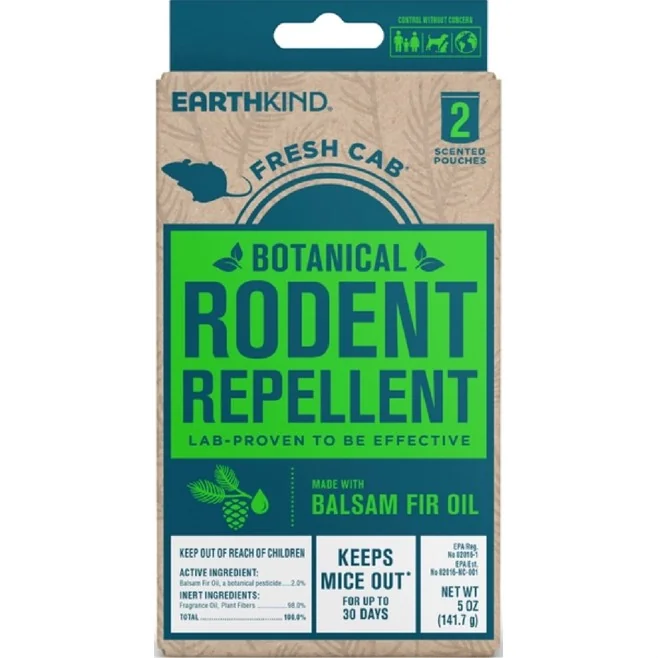
Fresh Cab Botanical Rodent Repellent 12 Pouches
Best for: Winter storage of RVs and campers
- ✓EPA-registered bio-pesticide, per the maker
- ✓Buyers say it keeps mice out of homes and RVs
- ✓Pleasant scent, per buyers
- −Mixed effectiveness feedback; some mice ignored it
- −Needs many pouches for active problems
Specifications (3)
- Number of Items
- 12
- Size
- 2.5 Ounce (Pack of 12)
- Material Features
- Plant Based
BugMD Vamoose Pro Pouches: Best Chew-Resistant Pouch
BugMD Vamoose Pro pouches hold peppermint, cinnamon and cedarwood oils on volcanic pumice rather than corn or grain. The maker says that leaves nothing for mice to eat, a direct answer to the most common complaint about cheaper pouches.
- The maker lists the actives as peppermint 3%, cinnamon 3% and cedarwood 2%.
- It is labeled for mice and rats, for RVs, boats, car engine bays and storage, at up to 30 days per pouch.
- Buyers find it easy to place; effectiveness feedback is mixed.
- Buyers say it does not last long, and value feedback is mostly negative.
Pick it for spots where mice have chewed into other pouches, such as cabinets and under seats. Plan on monthly replacement.
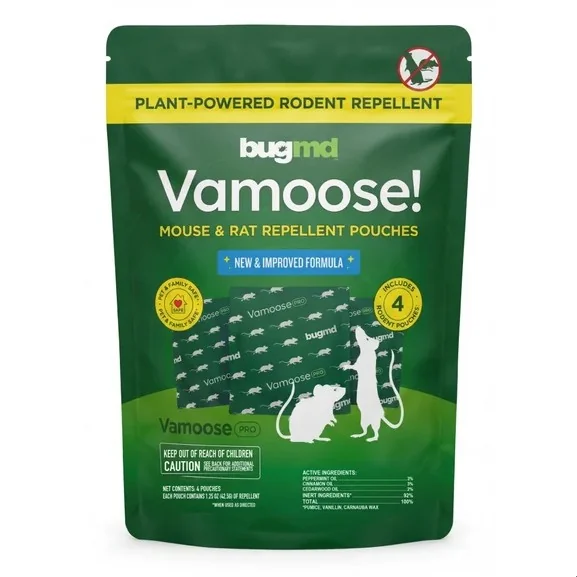
BugMD Vamoose Pro Mouse and Rat Repellent Pouches
Best for: Spots where mice chew into other pouches
- ✓Pumice carrier, no food-based fill, per the maker
- ✓Labeled for mice and rats
- ✓Easy to place, per buyers
- −Buyers say it does not last long
- −Mixed effectiveness and poor value feedback
Specifications (3)
- Scent
- Peppermint, Cinnamon, Cedarwood
- Item Form
- Pouch
- Unit Count
- 4 Count
Grandpa Gus's Mouse Repellent Pouches: Best Budget Pouch
Grandpa Gus's pouches use peppermint and cinnamon oils, 4 to a pack, with a time-release scent the maker says lasts up to 30 days. The maker lists RVs, cars, garages and cabins and advises dealing with active infestations before placing pouches.
- The maker advises placing pouches along walls and corners in enclosed spaces away from airflow.
- Buyers find them easy to use and like the scent.
- Many buyers report mice chewing through pouches, eating the contents and leaving droppings on top.
- Buyers say they last about a month, and value feedback is mostly negative.
Choose it for a small camper or a trial run before buying in bulk. Check the pouches when you visit the RV, and replace any that have been chewed.
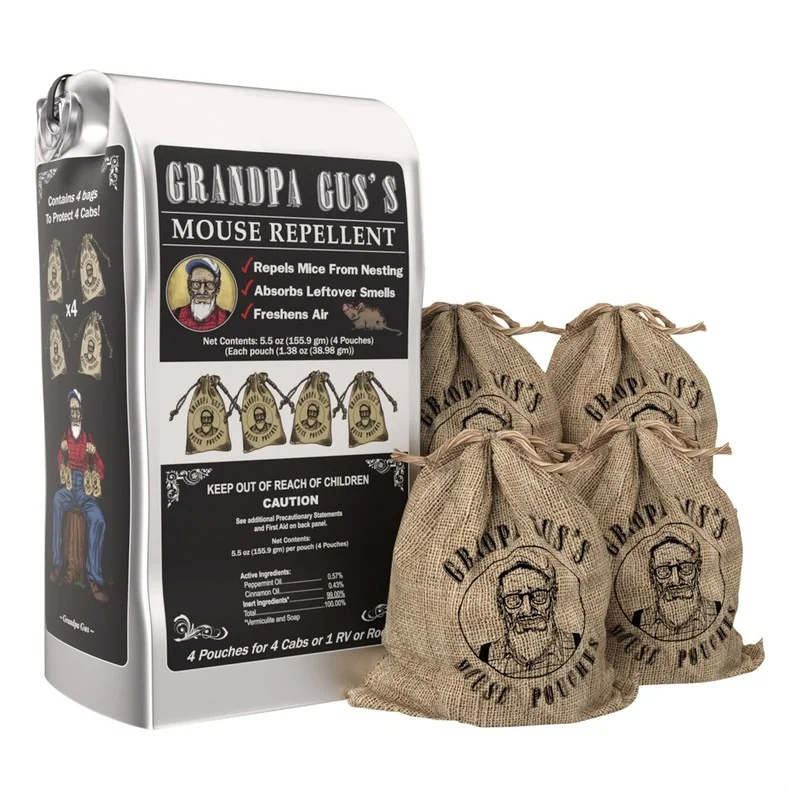
Grandpa Gus's Mouse Repellent Pouches 4 Pack
Best for: Small campers or a first try
- ✓Easy to place, per buyers
- ✓Buyers like the scent
- ✓Labeled for RVs, cars and cabins
- −Mice chew pouches and eat the contents, per buyers
- −Lasts about a month
Specifications (3)
- Number of Items
- 4
- Item Volume
- 7 fluid ounces
- Size
- 4 Count (Pack of 1)
Mighty Mint Peppermint Spray: Best Spray for RV Entry Points
Mighty Mint is a 16-ounce peppermint oil spray sold for indoor and outdoor use. In an RV, it suits the areas pouches cannot cover well: around hookups, wheel wells and the edges of storage bays.
- Buyers of Mighty Mint's sprays, in a digest pooled across sizes, like the minty scent.
- Effectiveness feedback is mixed, and many buyers say it wears off within hours or a day.
- Value feedback is mostly negative.
- It is a minimum-risk product that the EPA does not review.
Pick it for touch-ups when you visit a stored RV. Do not rely on it to protect a camper for months.
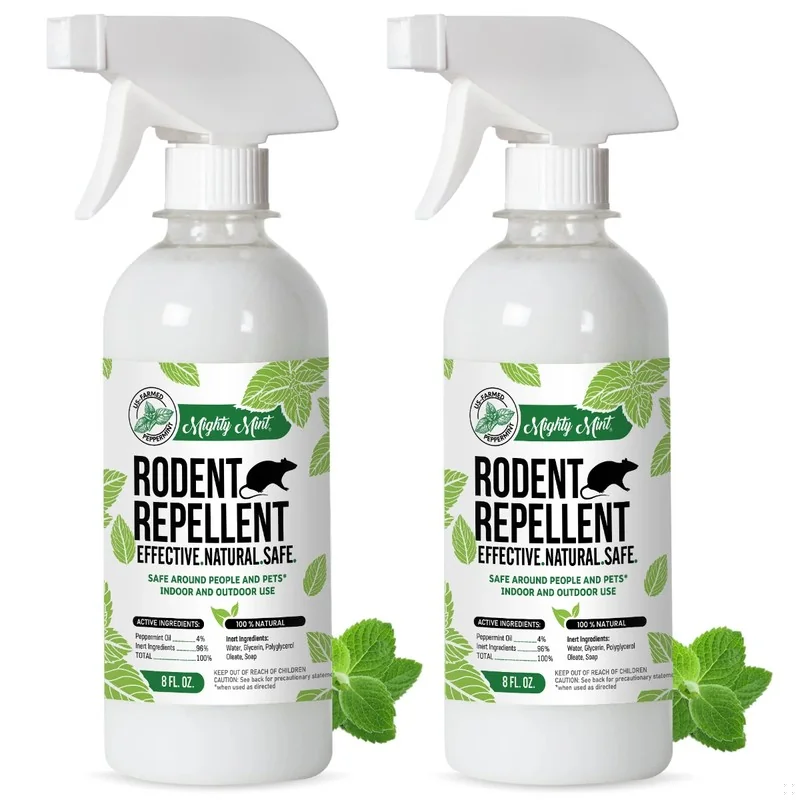
Mighty Mint Peppermint Spray 16 oz
Best for: Quick, low-cost touch-ups in small areas
- ✓Buyers like the minty scent
- ✓Ready to use, indoor and outdoor
- ✓Low cost to try
- −Wears off within hours to a day, per many buyers
- −Mixed effectiveness and poor value feedback
Specifications (4)
- Item Volume
- 473 ml
- Scent Name
- Mint
- Item Form
- Aerosol
- Unit Count
- 16 Fluid Ounces
UZLU Steel Wool and Stainless Mesh Kit: Best for Sealing RV Gaps
The UZLU kit pairs 6 rolls of #1 steel wool with a roll of 304 stainless steel mesh, plus gloves and scissors. It closes the gaps around plumbing, wiring and propane lines where mice get into the cabin.
- The maker suggests filling larger gaps with steel wool and covering them with the mesh.
- Stainless mesh does not rust, which matters on a vehicle exposed to road spray; UC IPM notes plain steel wool may rust over time.
- UC IPM says foam, rubber and wood are ineffective for plugging holes, because mice chew through them.
- There is no buyer review digest for this kit yet.
Choose it for the underbelly and floor penetrations, the one job that keeps mice out of an RV without monthly replacement.

UZLU Steel Wool and Stainless Mesh Kit
Best for: Sealing gaps around pipes, vents and cables
- ✓Six rolls of steel wool plus stainless mesh
- ✓Mesh does not rust, unlike plain steel wool
- ✓Gloves and scissors included
- −Steel wool alone can rust over time
Specifications (4)
- Grit Material
- Steel Wool
- Grit Number
- 1
- Unit Count
- 390 Feet
- Number of Items
- 6
- Fresh Cab Botanical Rodent Repellent wins for: winter storage of RVs and campers
- BugMD Vamoose Pro Pouches wins for: spots where mice chew pouches
- Grandpa Gus's Mouse Repellent Pouches wins for: small campers on a budget
- Mighty Mint Peppermint Spray wins for: touch-ups around hookups and bays
- UZLU Steel Wool and Stainless Mesh Kit wins for: sealing plumbing and wiring gaps
Products work best as part of a storage routine.
How to Keep Mice Out of a Camper for Winter
- Empty the food: remove all food, pet food and anything scented from cabinets, drawers and storage bays.
- Clean thoroughly: vacuum crumbs from under cushions and in the dinette, and wipe cabinets.
- Seal the underbelly: crawl underneath with a flashlight and stuff gaps around pipes, wires and propane lines with steel wool, covered with stainless mesh.
- Check seals: inspect slide-out seals, door seals and access hatches for gaps and damage.
- Place pouches: put them in cabinets, closets, the bathroom, under the bed and in exterior storage bays.
- Set traps inside: a few snap traps along walls catch any mouse that gets in anyway, before it nests.
- Visit regularly: check traps, replace pouches about monthly and look for droppings.
What to Do if Mice Are Already in the RV
Repellents will not drive out mice that have already nested. Set snap traps along the walls, inside cabinets and under the dinette, checking them daily, and only place pouches once catches stop. How to get rid of mice in an RV fast? Many traps at once, all food removed, and the gaps sealed as soon as the last mouse is caught.
Clean up carefully, because droppings in a closed space carry a disease risk. The CDC advises airing out the space before cleanup, never sweeping or vacuuming droppings, and soaking them with disinfectant before wiping them up wearing gloves. The same steps apply to rats, which need rat-size traps.
Common Questions About RV Rodent Repellents
Does Irish Spring soap keep mice out of campers?
Does Irish Spring soap keep mice out of campers?
There is no reliable evidence that it does. Strong-smelling soap is a popular storage trick, but mice have chewed into many scented products, and soap fades like any scent. Sealing gaps under the RV and removing food work far better.
How many pouches does an RV need?
How many pouches does an RV need?
Follow the maker's coverage, which for Fresh Cab is one pouch per 125 square feet for prevention and far more for active problems. In practice, put one in each enclosed area mice could use: kitchen cabinets, closets, under the bed, the bathroom and each exterior storage bay.
How can I get rid of rats in my RV?
How can I get rid of rats in my RV?
Trap first, then seal. Set rat-size snap traps along walls and in storage bays, pre-baited unset for a few nights, and check them daily. Once catches stop, close every gap around plumbing and wiring with steel wool and metal mesh, since rats chew through foam.
Should I leave the RV cabinets open in storage?
Should I leave the RV cabinets open in storage?
Yes, it helps. Open cabinets and drawers let you spot droppings quickly on visits, let scent from pouches spread, and leave fewer dark, closed spaces for nesting. Remove all food first.
Which One Should You Buy?
For most RVs and campers, buy Fresh Cab pouches for storage season and pair them with the UZLU steel wool and stainless mesh kit for the underbelly. The pouches suit the closed space of a stored RV, and the sealing keeps mice out without monthly replacement.
Choose BugMD Vamoose Pro where mice have chewed into other pouches, Grandpa Gus's for a small camper or a first try, and Mighty Mint spray for touch-ups around hookups and storage bays on visits. Whatever you buy, clear the food and set a few traps inside.
Before you park the RV for the season, empty every cabinet and crawl underneath with a flashlight to find the gaps.
Related Articles
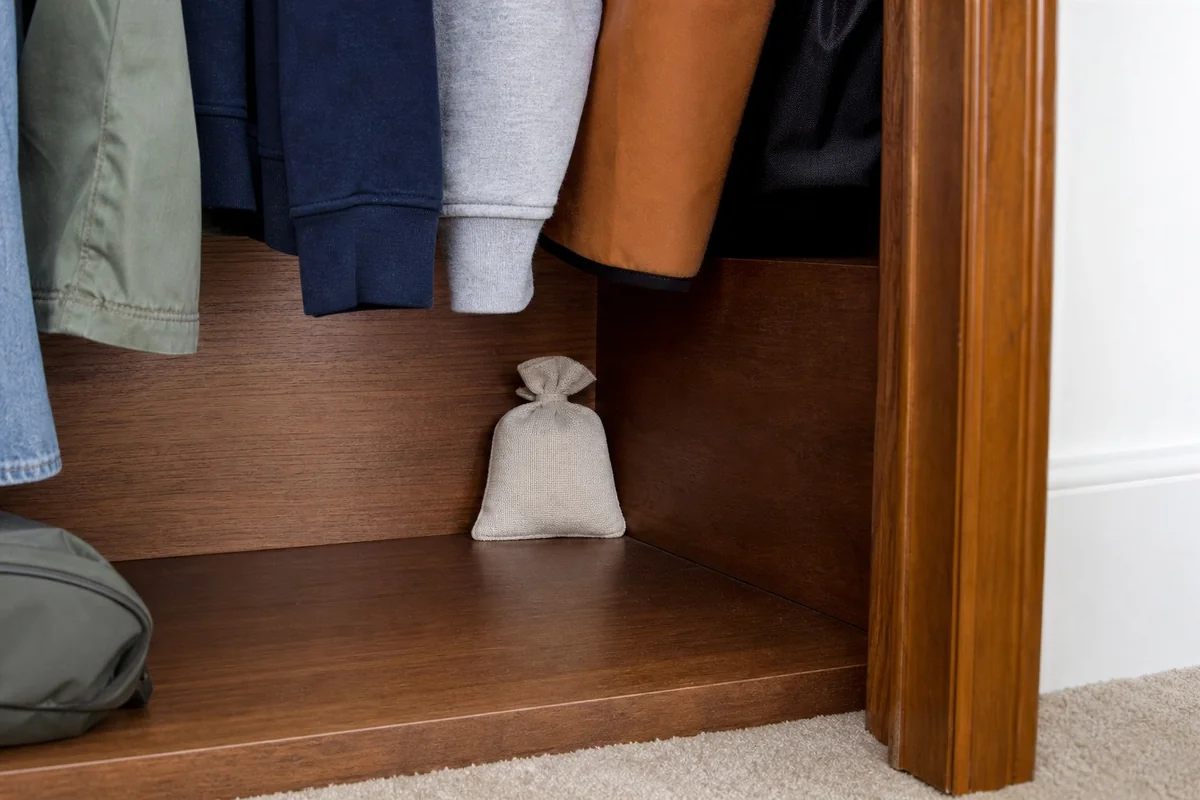
Best Rodent Repellent Pouches for Closets, Storage and Vehicles
Best rodent repellent pouches: Fresh Cab, Victor Scent-Away, Tomcat and ROTIAH, where pouches work and where they do not, and how to use them with traps and sealing.
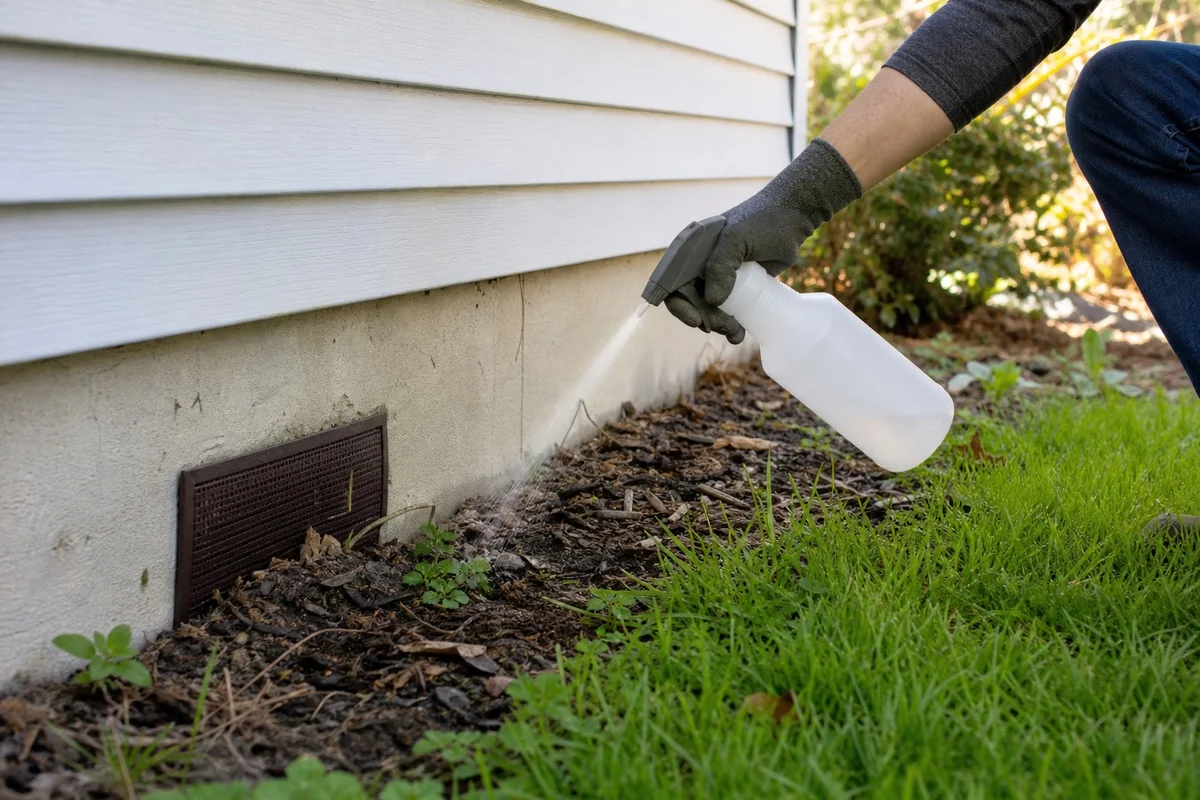
Best Outdoor Rodent Repellents: Barriers, Granules and Sprays
Best outdoor rodent repellents: YARDGARD hardware cloth, Tomcat granules and spray, Natural Armor and CONKAT pouches, plus how to keep rodents away from your house.
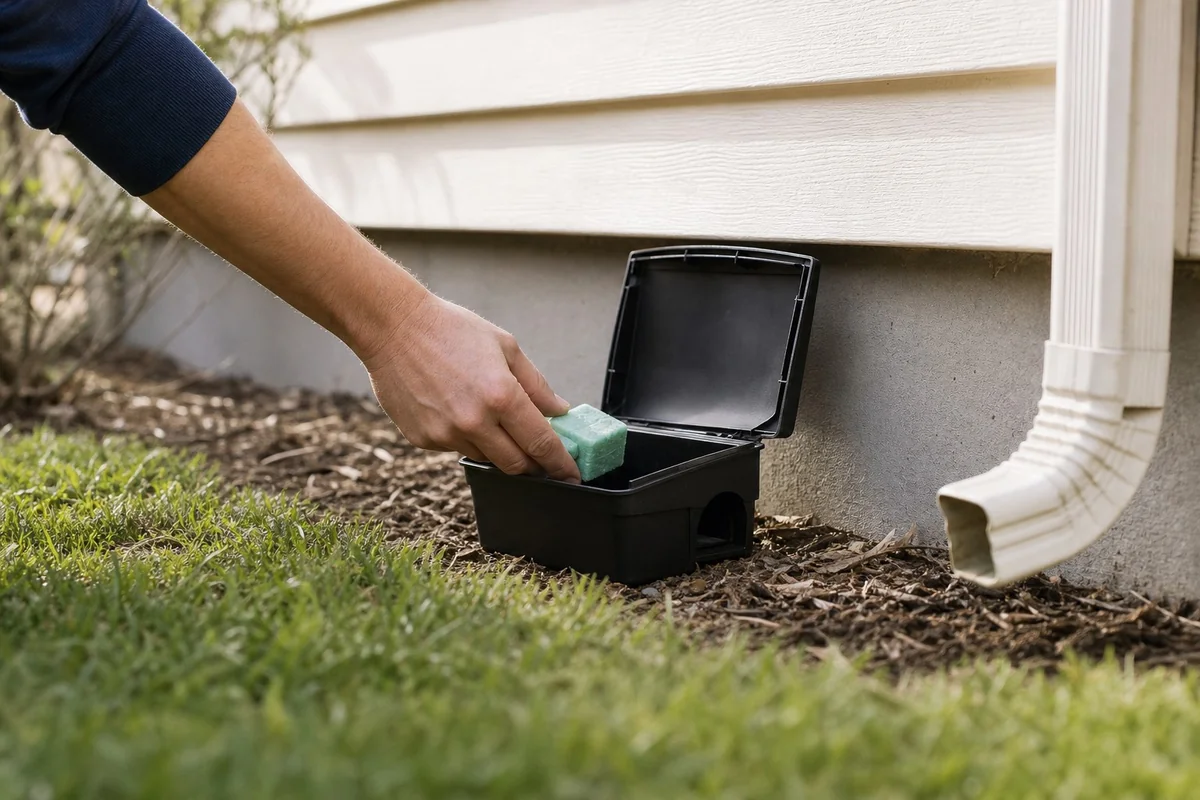
Best Rodent Repellents for the Home: What Actually Keeps Them Out
Best rodent repellents for the home: Xcluder door sweeps and steel wool, Fresh Cab pouches, Tomcat and Mighty Mint sprays, and why ultrasonic falls short.
Best Rodent Repellent Sprays: Aerosol, Peppermint and Vehicle
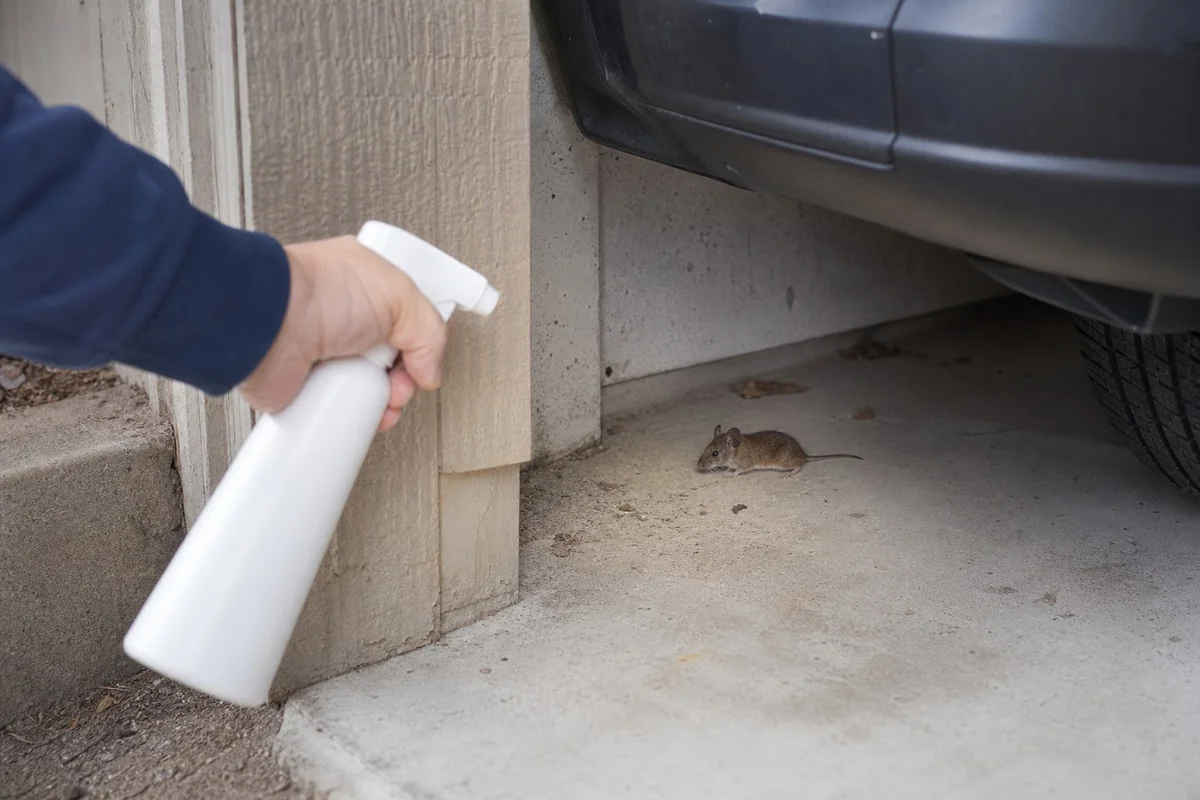
Best rodent repellent sprays: Tomcat Continuous Spray, Mighty Mint, BIO YOLO and Mighty Mint Vehicle Spray, how well sprays work and how to use them with sealing.