![Snap Traps vs Electronic Traps: Which Catches More Mice? [2026 Comparison]](/images/hero/hero_snap_traps_vs_electronic_traps_which_catches_more.webp)
 Pest Pro Reviews Editorial Team • • 18 min read •
 Snap Traps vs Electronic Traps: Which Catches More Mice? [2026 Comparison]
Compare snap traps vs electronic traps for mice in 2026. Discover which trap type catches more mice, offers better value, and is safest for your home. Expert advice, real product picks, and scenario-based recommendations.
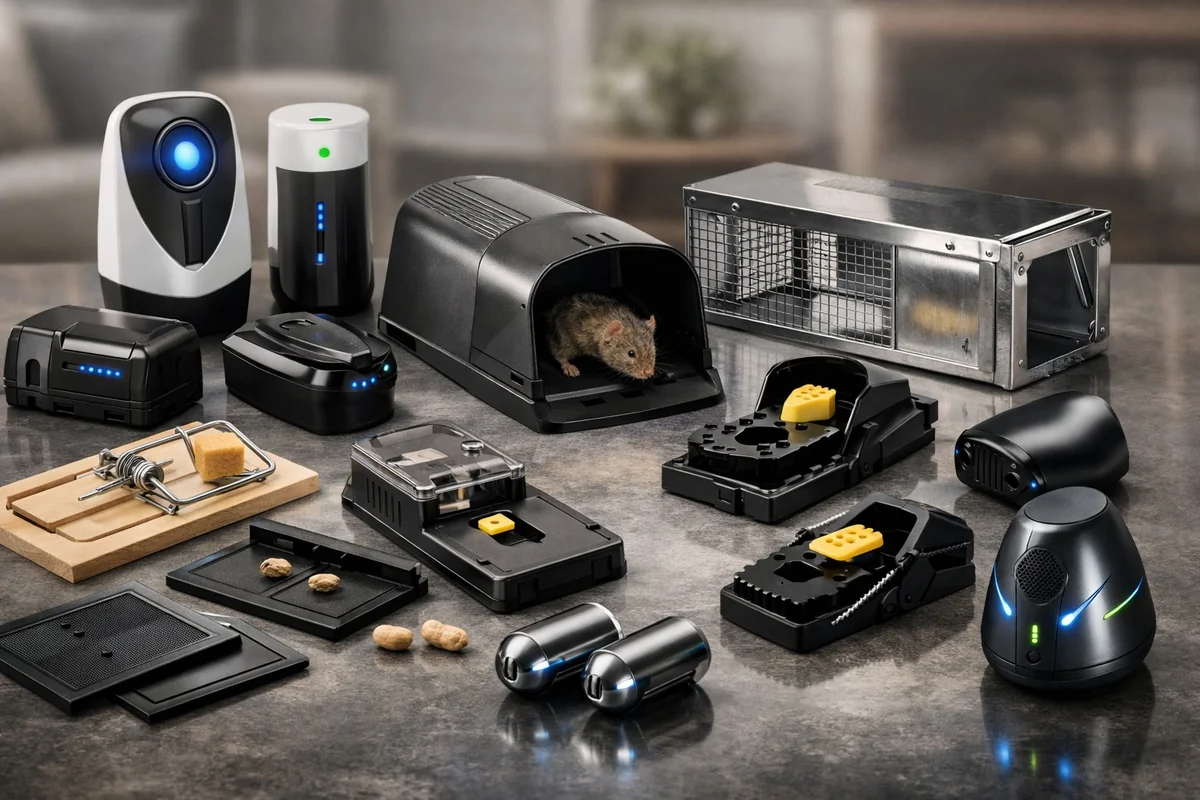
Snap traps vs electronic traps: snap traps win for rapid, large-scale mouse control and budget-friendliness, while electronic traps are safer and cleaner for homes with kids or pets. Electronic traps offer no-touch disposal and enclosed kills. For heavy infestations, snap traps catch more mice fast.
Choose electronic for ongoing, low-level issues or sensitive environments.
- Snap traps are best for knocking down large mouse infestations quickly and at low cost.
- Electronic traps excel in safety, cleanliness, and ease of use - ideal for kitchens and living spaces.
- Placement, bait, and infestation size matter more than trap type for catch rates; a mixed approach works best for most homes.
How We Compared Snap and Electronic Mouse Traps
We evaluated snap traps and electronic traps using criteria that matter most for homeowners: speed and consistency of mouse capture, safety for families and pets, overall ease of use, cleaning and disposal experience, upfront and recurring costs, and suitability for different infestation levels.
In 2026, homeowners want solutions that work fast, don’t break the bank, and minimize risk to kids and pets. That’s why we focused on user-friendly features, durability in real-world settings, and total cost of ownership over months - because most infestations aren’t solved in a night.
We also considered feedback from users who tried both approaches. Our goal: help you decide which trap type (and which specific model) fits your needs, not just which claims the top spot in a vacuum. For more on effective mouse control strategies, see our Mouse Control guide.
Key Differences Between Snap and Electronic Traps
Understanding how snap traps and electronic traps work is the foundation for choosing the right tool. Let’s break down the major differences in how these traps operate and what that means for real-world use.
Identify your needs and get personalized recommendations
Learning about pest removal for the first time and looking for straightforward, easy-to-use options.
Wants to understand the differences between traps and get the best fit based on features and performance.
Looking for the best performance for the price and keen on long-term savings.
Has done research and wants the most reliable and effective trap available quickly.
Prioritizes deals, discounts, and maximizing value at the point of purchase.
Wants advanced features, modern designs, and top-tier reliability regardless of price.
Trigger Mechanism and Kill Method
Snap traps use a spring-loaded bar triggered by a mouse disturbing the bait area. This classic approach, seen in the Victor Metal Pedal Mouse Trap, is designed for an instant, lethal blow. It’s purely mechanical - no batteries or power required.
Electronic traps, such as the Victor Electronic Mouse Trap, use a baited chamber. When a mouse enters fully, the trap delivers a high-voltage shock, killing the mouse quickly and humanely. These require batteries or occasional cleaning to keep working.
Snap traps sometimes only injure mice if triggered early or not set properly. Electronic traps, being fully enclosed, are designed to kill reliably every time a mouse enters the chamber.
Ease of Use and Setup
Electronic traps are made for convenience. Most have indicator lights, and models like the Rat Zapper Classic allow you to dispose of dead mice without touching them. Just empty the chamber and reset.
With snap traps, you have to manually bait and set the spring bar. Disposing of dead mice is a hands-on process, which some people find unpleasant. The Tomcat Press 'N Set Mouse Trap improves on this with an easy-set lever and bait cup, making setup less daunting for beginners.
Snap traps are simple mechanically, but setting them can be tricky if you’re not used to handling the spring arm. Electronic traps are easier and safer for most people, but if batteries die or parts corrode, you’ll need to troubleshoot.
Suitability for Different Infestation Levels
Snap traps shine when you need to deploy a dozen or more traps at once. They’re budget-friendly, so covering every baseboard or attic joist is realistic if you’re dealing with a heavy mouse invasion.
Electronic traps, on the other hand, are best for light to moderate infestations or for ongoing maintenance after the main population has been reduced. Their higher cost means you’ll usually own just a few, so they’re less practical for blanketing a large area.
The bottom line: snap traps work best when quantity matters. Electronic traps are the choice for convenience, safety, and homes with lower-level, recurring mouse issues.
Product Spotlight: Best Snap and Electronic Mouse Traps in 2026
Let’s look at standout products in both categories, with real-world strengths and weaknesses for each.
Victor Metal Pedal Mouse Trap
The Victor Metal Pedal Mouse Trap is the gold standard of classic wooden snap traps. It’s fully mechanical, easy to bait with peanut butter or seeds, and can be deployed in large numbers for maximum coverage.
This trap is ideal for those with heavy infestations who want quick results at the lowest cost per trap. The all-wood construction and strong spring mean it can be reused many times, but cleaning up after a kill can be messy and requires direct handling.
Best for: Homeowners tackling large-scale infestations in attics, basements, or garages where safety and appearance are less of a concern.
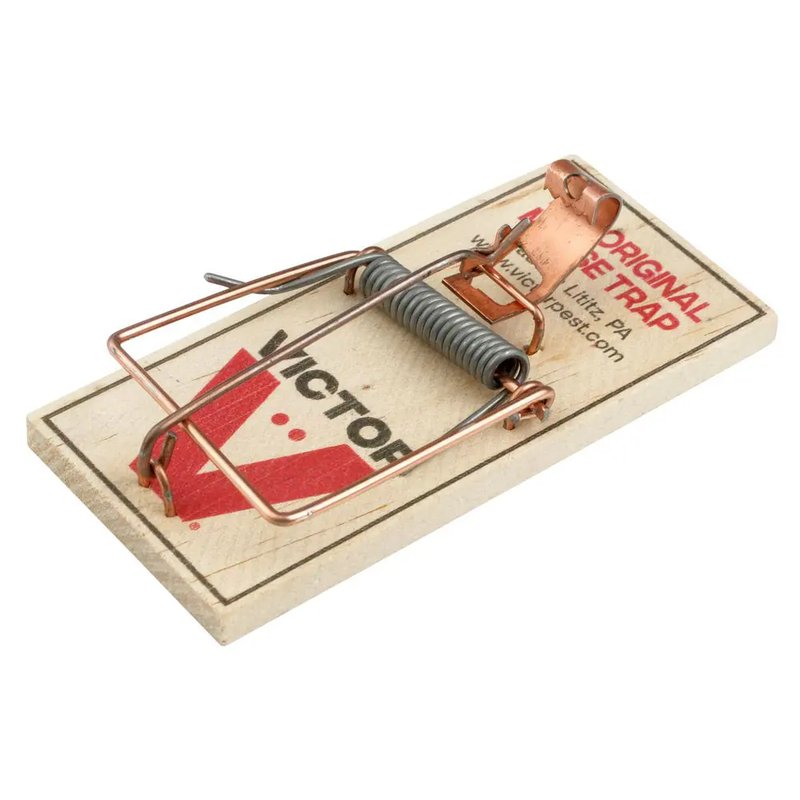
Victor Metal Pedal Mouse Trap
Delivers fast, reliable mouse control with a spring-loaded metal bar designed for instant lethality. The Victor Metal Pedal Mouse Trap operates entirely mechanically, requiring no batteries or power, making it ideal for deploying across multiple problem areas. Its compact, classic wooden build allows discreet placement in kitchens, basements, or storage rooms.
Why We Recommend This
We recommend the Victor Metal Pedal Mouse Trap for its proven reliability and effectiveness, especially when multiple traps are needed for fast control. Its fully mechanical design eliminates the need for batteries or maintenance, making it a top choice for users who value simplicity and immediate results over digital features.
vs Competitors: Compared to electronic traps, the Victor Metal Pedal offers a lower upfront cost and enables wider coverage in large spaces, though it requires more frequent manual intervention.
Best For:
Homeowners, property managers, and pest control professionals seeking a proven, cost-effective solution for rapid mouse removal without the need for electricity.
- Managing sudden mouse infestations in residential kitchens or pantries
- Bulk deployment in storage areas, basements, or garages where multiple traps are needed
- Spring-loaded kill bar delivers immediate results
- Metal pedal trigger increases sensitivity to light mouse contact
- Provides instant, humane kill with proper placement
- Enables large-scale, low-cost deployment for severe infestations
- Requires manual disposal and resetting after each catch
- Potential for accidental triggering during setup if not handled carefully
Tomcat Press 'N Set Mouse Trap
The Tomcat Press 'N Set Mouse Trap brings a modern update to the classic snap design. Its plastic construction is easier to clean, and the bait cup makes setting safer and less intimidating for first-timers.
This trap is reusable, reliable, and less likely to snap on your fingers during setup. It’s a bit more expensive per unit than traditional wood traps, but the convenience and safety features justify it for most users.
Best for: Renters or families who want a safer, cleaner handling experience without moving to electronic traps.
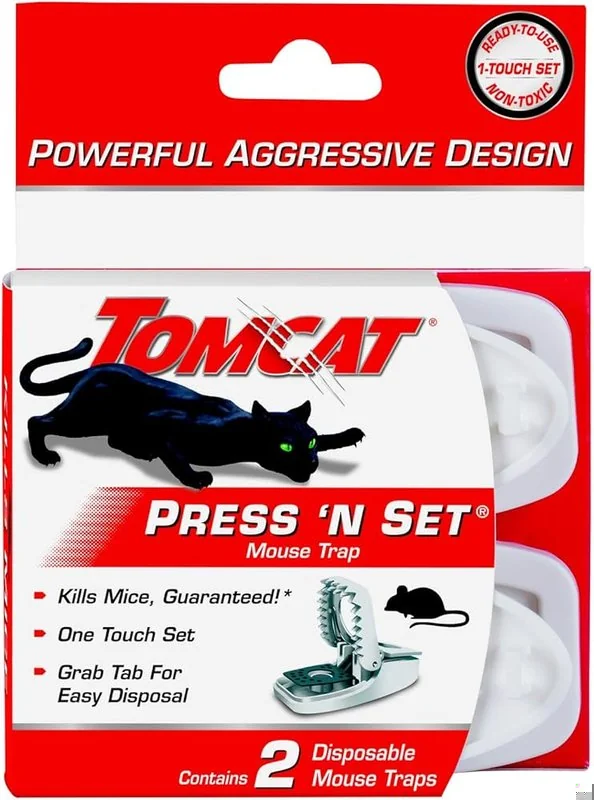
Tomcat Press 'N Set Mouse Trap
The Tomcat Press 'N Set Mouse Trap offers a safer, cleaner way to tackle mouse problems with its easy-set lever and removable bait cup, reducing direct contact and setup time. Its durable plastic build makes cleaning straightforward, and the compact 3.75-inch length fits easily along baseboards or tight corners. Ideal for households seeking a user-friendly snap trap solution.
Why We Recommend This
We recommend the Tomcat Press 'N Set Mouse Trap for readers who want the reliability of a snap trap without the hassle of traditional metal bars. Its user-friendly lever and removable bait cup make setup and cleaning much easier, especially for beginners or those squeamish about handling traps. This is a top pick for effective, low-cost mouse control in typical home settings.
vs Competitors: Compared to traditional wooden snap traps, the Tomcat Press 'N Set offers easier setup and safer baiting, though electronic traps provide hands-off disposal at a higher price point.
Best For:
Best for homeowners, renters, and DIY pest controllers seeking a straightforward, budget-friendly snap trap with improved safety and convenience features.
- Suited for homeowners addressing occasional indoor mouse activity
- Good fit for renters or first-time users needing a low-maintenance, affordable trap
- One-touch easy-set lever for simplified setup
- Removable bait cup for safer, cleaner baiting
- Quick, intuitive setup reduces risk of accidental snaps
- Minimal hand contact when baiting and disposing
- Requires manual disposal of trapped mice, which some may find unpleasant
- Must be checked and reset regularly for continued effectiveness
Victor Electronic Mouse Trap
The Victor Electronic Mouse Trap is a reusable, battery-powered solution with an enclosed kill chamber. Mice enter for the bait and receive a high-voltage shock - no chance of escape or injury-only triggers.
This trap is designed for indoor use, featuring indicator lights for quick checks and a no-touch disposal system. It’s a great fit for kitchens, pantries, or anywhere hygiene and ease of use are top priorities.
Best for: Households with children or pets where safety, cleanliness, and no-mess disposal are non-negotiable.
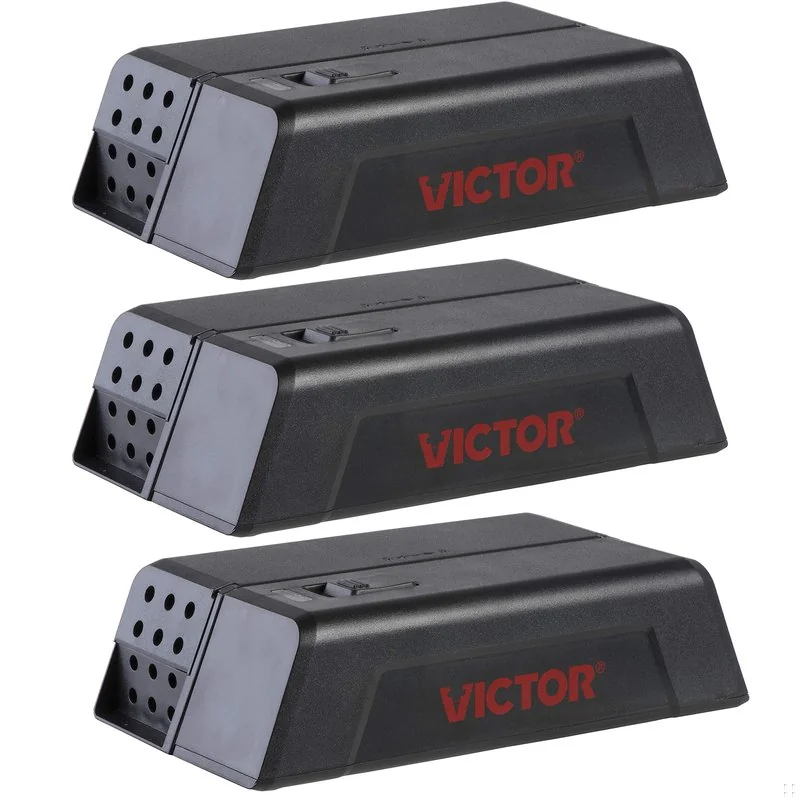
Victor Electronic Mouse Trap
Delivers instant, humane kill with a high-voltage shock in an enclosed chamber - reducing the risk of escapes or misfires. The Victor Electronic Mouse Trap is reusable, requires 4 AA batteries for up to 100 kills per set, and features no-touch, no-see disposal for cleaner, safer pest control indoors. Its compact 8.5 x 3.1 x 4.5 inch design fits discreetly in kitchens, basements, and garages.
Why We Recommend This
We recommend the Victor Electronic Mouse Trap for anyone prioritizing humane, hands-free rodent control indoors. Its enclosed kill chamber and no-touch disposal set it apart from traditional snap traps, making it especially appealing for those concerned about mess or safety. Based on customer reviews, it’s a consistent performer for ongoing or seasonal infestations.
vs Competitors: Compared to classic snap traps, the Victor Electronic Mouse Trap offers more reliable kills and eliminates the risk of injury-only triggers or escapes, though it does require ongoing battery maintenance.
Best For:
Homeowners, renters, and small business owners seeking a convenient, hygienic, and effective indoor mouse control solution without handling dead rodents.
- Ideal for homeowners needing discreet, maintenance-friendly mouse control in kitchens, pantries, or garages
- Useful for renters or office managers seeking a hygienic, reusable solution for low-to-moderate indoor infestations
- High-voltage shock kills mice instantly upon full entry
- Reusable design with easy-clean kill chamber
- Humane and quick kill minimizes mouse suffering
- No-touch disposal keeps hands clean and reduces mess
- Requires regular battery replacement for continued operation
- Not suitable for outdoor use or wet environments
Rat Zapper Classic
The Rat Zapper Classic handles both mice and small rats. It features a reusable design, battery operation, and LED kill indicator so you know instantly when it’s time to empty.
While more expensive than most mouse-only traps, the Rat Zapper excels in user-friendliness and reliability. It’s less suited for damp or dirty locations, as moisture can interfere with its electronics.
Best for: Homeowners wanting a long-term, low-hassle solution for recurring mouse or small rat problems indoors.
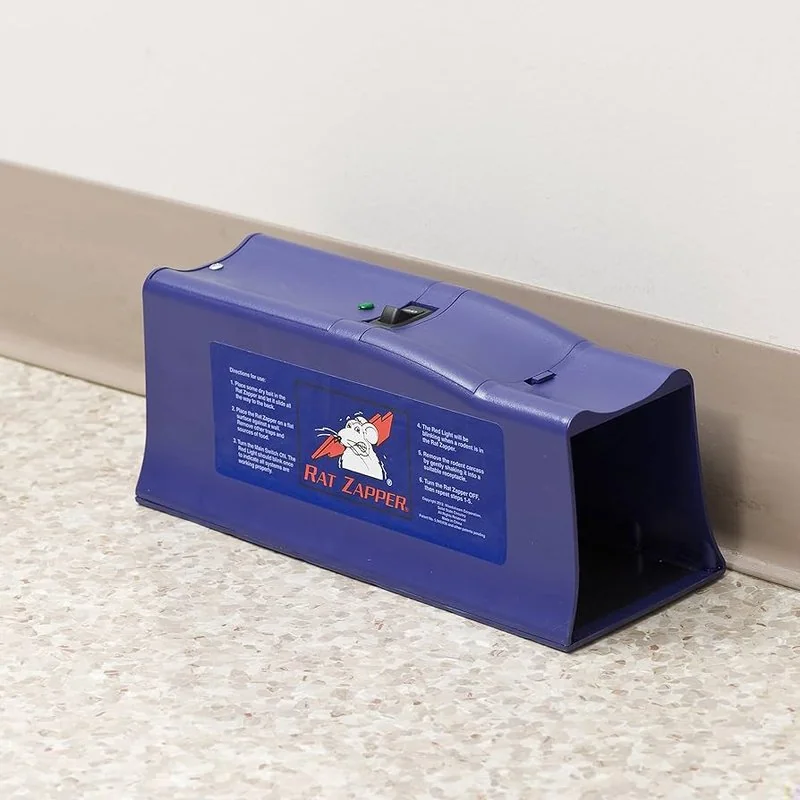
Rat Zapper Classic
The Rat Zapper Classic provides hands-free mouse and small rat control with a quick, humane electronic kill mechanism. Its LED indicator notifies you instantly when a rodent has been caught, allowing fast disposal without direct contact. Battery-powered operation and a reusable chamber make it ideal for hassle-free, low-maintenance pest management in homes and businesses.
Why We Recommend This
We recommend the Rat Zapper Classic for those who value convenience and minimal mess in their pest control routine. Its hands-free design, reliable LED alert, and easy cleanup set it apart from traditional snap traps, especially for users concerned about hygiene or direct rodent contact. While the upfront investment is higher, the user-friendly operation justifies the cost for many.
vs Competitors: Compared to standard snap traps, the Rat Zapper Classic offers a more sanitary and user-friendly experience but requires battery upkeep and a higher initial investment. It’s best suited for light to moderate indoor infestations where quick disposal and ease of use are priorities.
Best For:
Homeowners and small business operators seeking a hygienic, low-maintenance solution for controlling mice and small rats indoors.
- Effective for homeowners seeking a clean, touch-free mouse removal option
- Useful in small businesses or storage areas where traditional traps are impractical
- Instant electronic kill chamber for mice and small rats
- LED kill indicator notifies when disposal is needed
- Hands-free disposal minimizes contact with rodents
- Easy setup and operation, suitable for beginners
- Requires regular battery replacement for continued use
- Not suitable for large rat infestations or outdoor environments
Snap Traps vs Electronic Traps: Feature Comparison Table
| Feature | Snap Traps | Electronic Traps |
|---|---|---|
| Kill Method | Spring-loaded bar | High-voltage shock |
| Power Source | Mechanical | Batteries (AA/AAAs) |
| Setup Complexity | Manual, can be tricky | Easy, indicator lights |
| Disposal | Manual, direct handling | No-touch chamber |
| Safety (Pets/Kids) | Exposed, risk of injury | Enclosed, reduced risk |
| Infestation Size | Best for large outbreaks | Best for small/recurring |
| Cost per Trap | Low | Moderate to high |
| Reusable? | Yes, but may wear out | Yes, with care |
| Maintenance | Cleaning can be messy | Needs battery, wipe clean |
- Snap traps win for: fast, affordable control of large mouse infestations.
- Electronic traps win for: safety, no-mess disposal, and ongoing maintenance in family or pet environments.
Effectiveness: Which Trap Catches More Mice?
Catch rate is the number one concern for most people facing a mouse problem. Snap traps and electronic traps both work, but their strengths show in different scenarios.
Speed and Capture Rate
Snap traps can kill instantly - if a mouse trips the mechanism, it’s typically over in seconds. When deployed in large numbers, these traps can knock out a population fast.
The catch is, snap traps can be avoided by trap-shy mice, especially if they’ve seen mice killed or have survived a misfire. Electronic traps, requiring the mouse to fully enter, tend to be less intimidating and offer a more consistent kill if placed properly.
But here’s what actually matters: placement and baiting technique have a bigger impact on your catch rate than trap type alone. Even the best trap won’t catch much if it’s placed in the wrong spot or uses stale bait. For a deep dive on placement, see our Best Mouse Traps and Repellents 2026 guide.
Multiple Catches vs Single Use
Most snap traps can be reset in seconds. If you check traps regularly, a handful of snap traps can catch several mice each night - provided you rebait and reset promptly.
Most consumer electronic traps are single-catch: you need to empty and reset before the next mouse enters. Some commercial models are multi-catch, but they’re expensive and overkill for most homes.
If you have a large infestation, snap traps scale better. For small, ongoing issues, electronic traps are less hassle to check and clean.
Safety Considerations for Homes with Pets and Children
If you have kids or pets, safety becomes a top priority. Both snap and electronic traps are poison-free, but the risk of accidental injury isn’t equal.
Accidental Trigger Risks
Snap traps, especially the classic wood-and-metal design, can seriously hurt curious fingers or paws. They’re exposed and will snap on anything that disturbs the trigger.
Electronic traps, with their enclosed design, greatly reduce accidental contact. Mice have to enter completely to trigger the kill - making them much safer for households with children or pets roaming around.
No trap is 100% safe if left in the open, though. Always place traps in areas children and pets can’t access, like behind appliances or inside locked cabinets.
Poison-Free Alternatives
Both snap and electronic traps avoid the dangers of rodenticides - no secondary poisoning, no risk of a mouse dying inside a wall and creating odor problems.
Electronic traps contain the mouse and any mess, so you don’t have to see blood or fluids. Snap traps may leave visible remains, so you’ll need gloves and cleaning supplies to handle disposal.
For families prioritizing hygiene and safety, electronic traps are the clear winner. For outbuildings or low-traffic areas, snap traps are safe as long as they’re kept out of reach.
Cost and Value: Upfront and Long-Term Expenses
Let’s be honest: cost drives a lot of pest control decisions. Here’s how snap traps and electronic traps stack up for both your wallet and your peace of mind.
Initial Purchase Price
Snap traps are a budget-conscious choice. You can buy several for the price of one electronic trap, making it realistic to cover every mouse run or entry point without breaking the bank.
Electronic traps are a moderate to higher-end investment. For example, the Victor Electronic Mouse Trap and Rat Zapper Classic cost significantly more per unit, but offer features like indicator lights, enclosed kill chambers, and no-touch disposal that some users are willing to pay for.
If you have a heavy infestation, buying enough electronic traps to cover every hotspot can get expensive fast. For ongoing, low-level issues, one or two electronic traps may be all you need.
Ongoing Maintenance and Replacement
Snap traps can be reused if cleaned thoroughly, but springs and components may weaken over time, especially if exposed to moisture or frequent use. Many people simply throw them away after a kill, which adds up over time.
Electronic traps are designed for repeated use but do require battery replacements and periodic cleaning. If you keep them dry and clean, they can last for years - making the investment worth it for long-term control.
Both trap types require some maintenance, but electronic traps have a steeper upfront cost and ongoing battery expenses.
Cost-Effectiveness for Different Infestation Sizes
For large infestations, snap traps are the clear value winner. You can deploy a dozen for the same price as a single electronic trap, increasing your odds of catching multiple mice quickly.
Electronic traps are more economical in cases where you’re dealing with one or two mice at a time, or when you want the convenience of less handling and easy cleanup.
If you expect to need mouse control on a recurring basis, bulk packs of snap traps deliver the best value for the money.
Ease of Disposal and Cleanup
Dealing with dead mice is never pleasant. Here’s how the two trap types compare on the cleanup front.
Handling Dead Mice
Electronic traps like the Victor Electronic Mouse Trap let you dispose of dead mice without touching them. Simply tip the chamber into the trash and reset - no blood, no direct contact.
Snap traps require a more hands-on approach. You’ll usually have to remove the mouse from the trap manually, which means more exposure to fluids and bacteria.
If minimizing exposure is your top concern, electronic traps win hands-down. For those less squeamish or working in outbuildings, the extra handling with snap traps may not be a dealbreaker.
Cleaning and Maintenance
Snap traps can be cleaned and reused, but blood and residue can be tough to remove, especially from wood. Some users prefer to throw them away rather than clean up after each use.
Electronic traps need occasional cleaning too, especially if a mouse decomposes inside. Moisture can damage the electronics, so it’s important to keep them dry and avoid using wet baits.
Both types require some maintenance, but the enclosed design of electronic traps makes cleanup less messy - if you stay on top of regular emptying.
Durability and Reliability in Real-World Use
A trap that breaks or misfires is no use to anyone. Here’s how snap and electronic traps hold up over time.
Mechanical Failures and Longevity
Snap traps can lose spring tension or have the trigger wear out after repeated use. If you use them in damp locations, the wood can swell or mold, making them less reliable.
Electronic traps, like the Rat Zapper Classic, may suffer from battery corrosion or electronic failure if not maintained properly. Cheap batteries can leak, and moisture is a real threat to the circuitry.
High-quality materials matter for both trap types. Investing in better-built traps pays off in reliability and lifespan.
Environmental Suitability
Snap traps are more tolerant of dirt, dust, and moisture. They’ll work in garages, sheds, and crawl spaces where electronic traps might fail.
Electronic traps are sensitive to humidity and must be kept dry. They’re best reserved for indoor use - kitchens, pantries, or closets where the environment is controlled.
Choose your trap type based on where you plan to deploy them. For rugged conditions, snap traps have the edge.
Best Use Cases: When to Choose Snap or Electronic Traps
There’s no one-size-fits-all answer in the snap traps vs electronic traps debate. Here’s when each shines.
Large-Scale Infestations
If you’re dealing with more than a couple mice, snap traps are the practical choice. You can cover every wall and run for the price of a single electronic trap.
Electronic traps become cost-prohibitive here, both in terms of initial investment and the need for regular checking and resetting. Snap traps allow for rapid population knockdown in attics and basements where access is easy and safety less of a concern.
Ongoing Maintenance and Monitoring
Electronic traps are a smart solution for homes that battle the occasional mouse. Their indicator lights and no-touch disposal make them perfect for ongoing use in kitchens, bedrooms, or living spaces.
Snap traps require more frequent checking and hands-on resetting, but are still a good choice for garages and sheds where regular maintenance is less of an issue.
Sensitive Environments
Homes with children, pets, or food prep areas benefit from the safety and enclosure of electronic traps. No chance of a child’s finger or a pet’s paw getting caught, and no visible gore to deal with.
Snap traps are better for less sensitive spaces - garages, attics, or warehouses where safety and aesthetics are secondary.
If visible remains or odor is a dealbreaker, electronic traps minimize these issues for sensitive users.
User Experiences and Common Problems
Both trap types have their share of frustrations and quirks. Here’s what to expect from results owners report.
Trap Shyness and Bait Avoidance
Mice can learn to avoid snap traps that are poorly baited or set in the open. If a mouse is only injured or sees others caught, it may become “trap shy.”
Electronic traps are less intimidating - enclosed chambers hide dead mice and make the trap feel like a safe tunnel. Still, bait selection matters: peanut butter works for both, but drier baits are better for electronics to avoid sticky residue.
Rotating trap types and bait can overcome avoidance. If catch rates drop, change location, bait, or even trap type to keep mice guessing.
False Triggers and Missed Kills
Snap traps can misfire or be triggered by vibrations, insects, or debris - sometimes catching nothing. If a mouse isn’t fully in position, it might escape injured and become harder to catch.
Electronic traps can be triggered by small debris, dead batteries, or even spiders crawling inside. Regular inspection and cleaning help minimize false positives.
The most reliable setups pair careful placement with varied trap types and regular maintenance.
Frequently Asked Questions About Mouse Traps
❓ Frequently Asked Questions
What is the difference between snap traps and electronic traps for mice?
What is the difference between snap traps and electronic traps for mice?
Snap traps use a mechanical spring mechanism to kill mice instantly, while electronic traps deliver a high-voltage shock to euthanize mice quickly and hygienically. Snap traps are reusable and inexpensive, but electronic traps reduce contact with the rodent and minimize mess. Each type has unique pros and cons.
Which trap catches more mice: snap traps or electronic traps?
Which trap catches more mice: snap traps or electronic traps?
Most users report that snap traps generally catch more mice in a short period due to their simple trigger and bait mechanism. However, electronic traps are more consistent over time and excel in enclosed or high-traffic areas where hygiene is a concern. Effectiveness depends on placement and infestation level.
How do I set up and use an electronic mouse trap?
How do I set up and use an electronic mouse trap?
To set up an electronic mouse trap:
- Place bait (like peanut butter) in the designated bait cup
- Insert batteries and turn the device on
- Position the trap along a wall where mice travel
- Check the indicator light daily to remove any caught mice
Always wear gloves and follow manufacturer safety instructions for disposal.
What should I look for when choosing between snap traps and electronic mouse traps?
What should I look for when choosing between snap traps and electronic mouse traps?
When choosing between snap traps and electronic mouse traps, consider:
- Ease of use: electronic models are more hands-off
- Hygiene: electronic traps offer less mess
- Price: snap traps are generally cheaper
- Reusability: both can be reused, but electronic units last longer
Evaluate your budget and comfort with handling trapped mice.
Are electronic mouse traps safe for homes with pets and children?
Are electronic mouse traps safe for homes with pets and children?
Electronic mouse traps are designed with safety features like enclosed shock chambers to prevent accidental contact. However, always place traps in locations inaccessible to pets and children, such as behind appliances or inside cabinets. Industry guidelines recommend regular supervision and secure placement for maximum safety.
How often should I check and clean mouse traps?
How often should I check and clean mouse traps?
Check both snap and electronic mouse traps at least once daily. Remove caught mice promptly to reset traps and prevent odors. Clean reusable traps with gloves and mild disinfectant weekly or after each catch. Proper hygiene reduces disease risk and maintains trapping effectiveness.
Why do some traps stop catching mice after a few days?
Why do some traps stop catching mice after a few days?
Traps may become less effective if mice learn to avoid them, bait dries out, or the trap location is wrong. Most users find that rotating bait types, moving traps to new areas, and regularly cleaning traps improves long-term catch rates. Persistent infestations may require multiple trap types.
Our Verdict: Which Trap Should You Buy?
If you need to knock down a large mouse infestation quickly and affordably, snap traps are the clear winner. They scale easily, can be set in bulk, and deliver fast results when placed correctly. For most users in 2026, snap traps like the Victor Metal Pedal Mouse Trap or Tomcat Press 'N Set Mouse Trap get the job done at a fraction of the cost.
If your household prioritizes safety, hygiene, and ease of use - or if you have pets and young children - electronic traps are worth the investment. The Victor Electronic Mouse Trap and Rat Zapper Classic both offer enclosed kills, no-touch disposal, and easy maintenance, making them ideal for kitchens, bedrooms, and living areas.
Most homeowners get the best results by combining both types: snap traps in attics, basements, or outbuildings; electronic traps in high-traffic, sensitive, or family spaces. Rotating trap types also prevents mice from adapting and increases your total catch rate. Choose based on your infestation size, budget, and household needs, and you’ll regain control - and peace of mind - in short order.
Related Articles
Best Mouse Traps and Repellents 2026: Top Picks for Home Mouse Control
Discover the best mouse traps and repellents for 2026. Compare snap, electric, live-catch, bait stations, and natural solutions to control mice safely and effectively at home.

Best Pest Traps and Monitors 2026: Top Reviews for Every Pest Problem
Discover the best pest traps and monitors for 2026. In-depth reviews and expert buying advice for ants, roaches, rodents, bed bugs, flies, and more. Find safe, effective, and budget-friendly solutions for your home.

Complete Guide to Pest Prevention in Homes: Stop Pests in 2026
Protect your home in 2026 with this complete pest prevention guide. Discover proven DIY methods, room-by-room tips, safe solutions for families, and expert advice to stop pests before they start.

Best Rat Traps and Baits 2026: Top Picks for Every Infestation
Find the best rat traps and baits of 2026 for fast, safe, and affordable DIY rat control. Compare top snap, electric, live-catch, poison, and natural products to eliminate rats from your home.