 Pest Pro Reviews Editorial Team • • 20 min read •
 Steel Wool vs Foam Sealant for Rodent Control: Which Is Best for Your Home in 2026?
Comparing steel wool vs foam sealant for rodent control in 2026? Discover which material offers better protection, durability, and value for DIY rodent proofing. See top products, pros and cons, and expert recommendations.
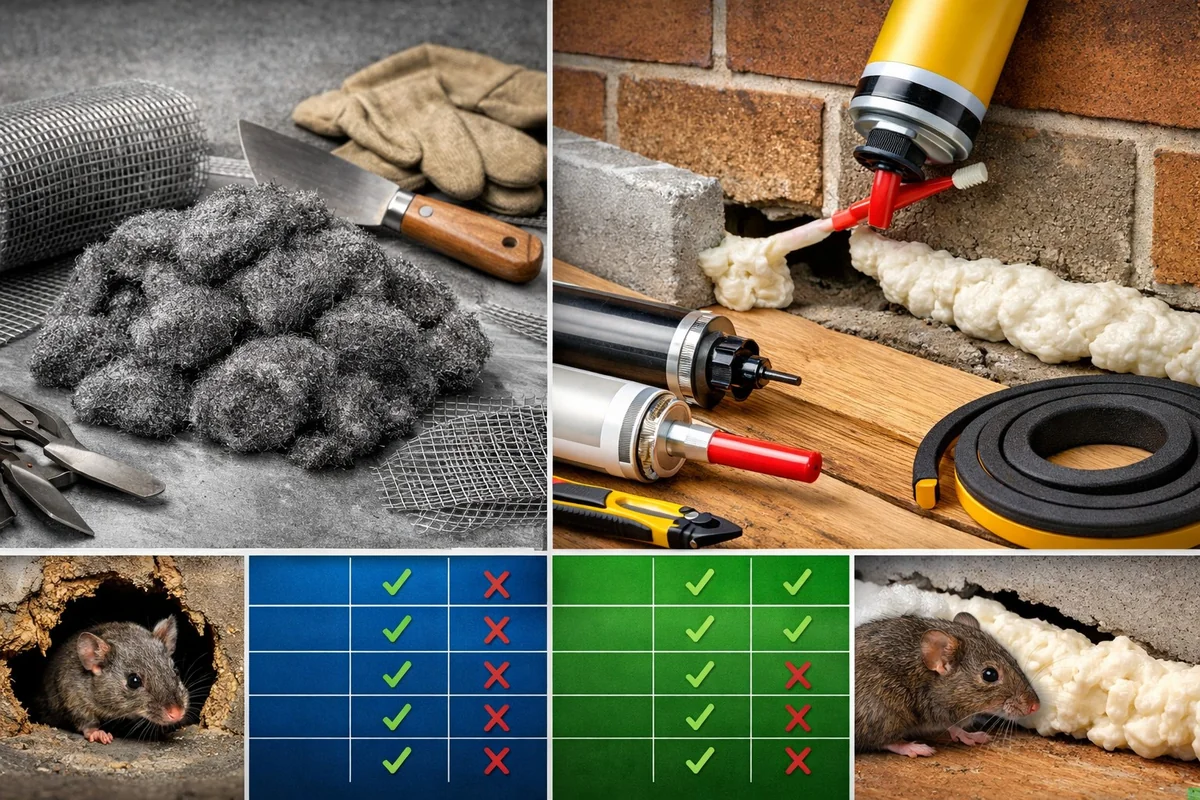
Steel wool vs foam sealant: Steel wool is the go-to for small gaps where lasting rodent resistance matters, while foam sealant fills large or irregular gaps but is less durable against chewing. Steel wool is best for persistent infestations or high-risk entry points. For most homes, combine both for the strongest defense.
- Steel wool delivers the most reliable rodent barrier for small-to-medium gaps indoors.
- Foam sealant alone is easily breached by rodents, but excels at filling irregularly shaped voids.
- For stubborn infestations or large gaps, embedding steel wool inside foam combines the strengths of both approaches.
Key Differences Between Steel Wool and Foam Sealant
Choosing between steel wool and foam sealant for rodent control comes down to understanding how each material works, where it excels, and where it falls short. Both have their place in a solid rodent-proofing strategy, but their effectiveness varies based on gap size, location, and rodent pressure.
Identify your needs and get personalized recommendations
Just starting out with pest removal and wants simple, safe, and easy-to-use solutions.
Researches key features and wants to understand what matters most for rodent control.
Compares technical specs, performance, and feature differences before deciding.
Wants the best overall value and is willing to compare mid-range and premium options.
Decided on rodent control and wants quick, effective, and available solutions right now.
Focuses on the best price-to-performance ratio with reliable long-term results.
Material Composition and How It Affects Rodent Proofing
Steel wool is made of interlocking metal fibers. When packed into gaps, it physically blocks rodents and damages their teeth if they attempt to chew through. This mechanical deterrent is what makes steel wool so effective - rodents rarely persist after encountering it.
Foam sealant, on the other hand, is composed of lightweight, expanding polymers. Standard foam expands to fill voids and creates an airtight barrier, but its texture and density aren't enough to stop a determined rodent. Even so-called “rodent-resistant” foams rely on additives to deter chewing, not true physical resistance.
Material density and texture are critical here. Steel wool’s abrasive surface injures rodents’ mouths, while foam is soft enough to gnaw through. That’s why foam alone is rarely a true barrier in high-pressure situations.
Installation Process and Time Commitment
Steel wool requires manual packing into the gap. For best results, it needs to be compressed tightly, sometimes layered or backed with caulk to stay in place. This takes more time and effort, especially for long or hard-to-reach gaps.
Foam sealant is applied using a spray applicator. It expands to fill gaps with minimal manual effort - just aim and spray. This makes it a faster choice for large or irregular openings, but you sacrifice some control over the final fill and density.
For big jobs or awkward locations, foam can save serious time. But the trade-off is durability if rodents are actively trying to get inside.
Cost and Availability in 2026
Steel wool remains a budget-friendly option, widely available in various grades at hardware stores. You’ll often find it in rolls, pads, or specialty blends (like those with added poly fibers for extra resilience).
Rodent-resistant foam sealants are more expensive per ounce and often require multiple cans to seal a full home. They are stocked in most home improvement stores but cost more than standard foams due to the added deterrents.
For large projects, the price difference adds up quickly. That’s one reason many DIYers stick with steel wool for small jobs and use foam only where absolutely necessary.
For a full breakdown of top-rated options and more detailed cost comparisons, see Best Rodent-Proofing Materials and Products 2026.
Steel Wool for Rodent Control: Pros and Cons
Steel wool is the old-school favorite for a reason - it works. But it’s not a cure-all, and knowing its strengths and weaknesses will help you avoid common mistakes.
Why Steel Wool Stops Rodents Effectively
The key to steel wool’s success is its structure. The sharp, tangled fibers injure rodents’ mouths and gums, causing pain and deterring further chewing. Rodents sense the danger and usually move on, looking for an easier entry point.
Unlike soft fillers, steel wool maintains its form even after minor disturbances. If a rodent tries to nose through and fails, the barrier remains in place. This durability leads to much lower reinfestation rates compared to foam alone.
When installed correctly, steel wool creates a physical obstacle that most rats and mice simply won’t challenge twice.
One of the highest performing options in this category is the Xcluder Rodent Control Fill Fabric. This product blends industrial-grade steel mesh with poly fibers, creating a dense, flexible mat that’s easy to work into gaps around pipes, vents, and baseboards. It stands out for its ability to maintain shape, resist crumbling, and block even persistent rodents looking for a weak point.
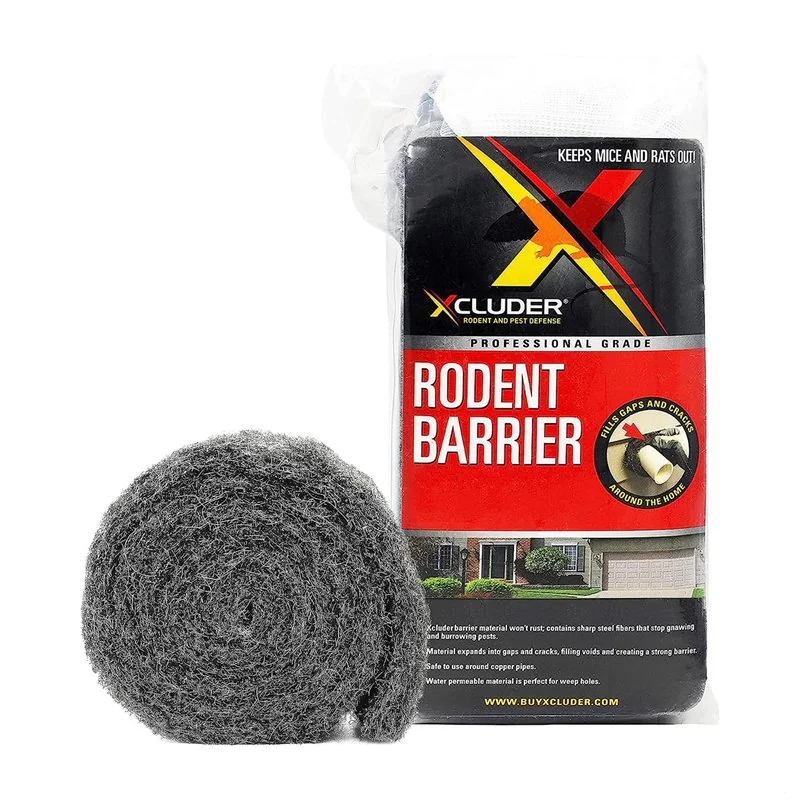
Xcluder Rodent Control Fill Fabric
Xcluder Rodent Control Fill Fabric uses industrial-grade steel mesh blended with poly fibers to create a dense, flexible barrier that blocks rodents from entering through gaps and cracks. The material maintains its shape without crumbling, making it easy to install around pipes, vents, and baseboards. Its durable construction withstands persistent gnawing and is ideal for long-term rodent exclusion.
Why We Recommend This
We recommend Xcluder Rodent Control Fill Fabric as the top choice for those needing a proven, physical barrier against rodents. Its blend of steel and poly fibers outperforms standard steel wool by maintaining shape and resisting breakdown, making it a dependable option for long-term pest exclusion in critical entry points.
vs Competitors: Compared to traditional steel wool and foam sealants, Xcluder offers superior durability and is less prone to crumbling or being chewed through by determined rodents.
Best For:
Homeowners, property managers, and pest control professionals seeking a reliable, non-toxic solution for rodent exclusion in residential or commercial settings.
- Sealing gaps around plumbing penetrations, vents, and baseboards
- Blocking access points in garages, attics, and crawl spaces
- Industrial-grade steel mesh reinforced with poly fibers
- Flexible mat design fits irregular gaps and tight spaces
- Effectively blocks rodents without chemicals or poisons
- Easy to cut and install in a variety of locations
- Requires gloves for safe handling due to sharp steel fibers
- May need additional securing in high-traffic or vibration-prone areas
For those dealing with moisture or worried about rust, copper mesh is an alternative. Stuf-Fit’s Copper Mesh Rodent Control offers a flexible, rust-proof barrier that packs tightly into holes and cracks. It won’t degrade in damp areas, making it a smart choice for bathrooms, basements, and exterior wall penetrations.
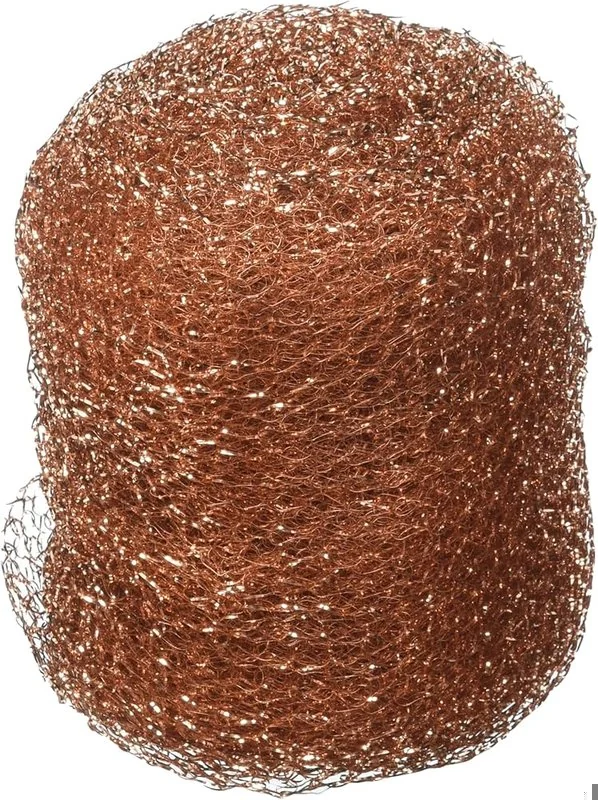
Copper Mesh Rodent Control
Stuf-Fit Copper Mesh Rodent Control delivers reliable, rust-proof protection for sealing gaps and holes where rodents try to enter. Its flexible copper design resists corrosion in damp areas, making it ideal for use in bathrooms, basements, and exterior wall penetrations. With a 100-foot roll, it provides ample coverage for both residential and commercial pest-proofing tasks.
Why We Recommend This
We recommend Stuf-Fit Copper Mesh Rodent Control for anyone sealing rodent entry points in damp or outdoor environments where steel wool may degrade. Its rust-proof copper construction ensures longevity, and pest control professionals consistently favor it for moisture-prone areas. This is an excellent choice when you want an effective, chemical-free rodent deterrent that holds up over time.
vs Competitors: Compared to steel wool, Stuf-Fit’s copper mesh offers superior resistance to rust and degradation in wet conditions, though it may be less cost-effective for very large openings.
Best For:
Homeowners, property managers, and pest control professionals needing a rust-proof, flexible barrier for rodent exclusion in moisture-prone or exterior locations.
- Filling small to medium wall penetrations in bathrooms or basements exposed to moisture
- Sealing around plumbing or HVAC lines to prevent rodent entry in kitchens, crawlspaces, or utility rooms
- 100-foot roll of 4-inch wide woven copper mesh
- Corrosion-resistant material - will not rust, even in damp conditions
- Resists rust and corrosion for long-term outdoor or wet-area use
- Can be cut to size and shaped for custom fit in various gap sizes
- May require tools (scissors or snips) to cut to desired length
- Less suitable for very large openings compared to rigid barriers
Potential Drawbacks and Limitations of Steel Wool
Steel wool isn’t perfect. In damp or humid conditions, it can rust within 1-3 years, breaking down and leaving new gaps for pests to exploit. That’s a deal-breaker for outdoor use unless you combine it with a weatherproof sealant or use copper mesh instead.
It also needs to be secured. Rodents can sometimes push loose wool out of place, and airflow or vibration from nearby appliances can cause shifting over time. Packing it tightly and sealing with caulk or mesh backing helps, but it adds to installation time.
Finally, steel wool isn’t a stand-alone solution for large holes or wide voids. If a gap is larger than a golf ball, you’ll need to supplement with mesh, foam, or a more structural repair.
Best Use Cases for Steel Wool
- Sealing small to medium cracks around utility lines, pipes, and vents
- Blocking holes in baseboards, under sinks, or behind appliances
- Indoor use in dry areas, where rust is less likely
- Combining with caulk or foam for extra hold in tricky spots
Steel wool shines where physical deterrence is needed most and the opening is small enough for a tight, secure fit.
Foam Sealant for Rodent Control: Strengths and Weaknesses
Foam sealant has become a staple for DIYers because it’s quick and covers a lot of ground. But when it comes to rodent resistance, not all foams are created equal - and relying on foam alone can backfire.
How Foam Sealant Works for Sealing Gaps
Spray foam - typically polyurethane or latex - expands after application, filling irregular cracks and voids. Once cured, it forms an airtight and sometimes water-resistant barrier. That’s great for drafts, insects, and weather, but rodents are another story.
Some foams are labeled “rodent-resistant.” These include additives (like capsaicin or bitter agents) meant to discourage chewing. Two of the best-known rodent control foams for DIYers are Great Stuff Pestblock Insulating Foam Sealant and Tomcat Rodent Block Expanding Foam Barrier.
Great Stuff Pestblock is a popular choice for indoor and outdoor use. It’s formulated with pest-resistant additives and expands enough to fill wide or oddly shaped gaps. Many users find it easy to apply, and it cures quickly, letting you move on to the next task.
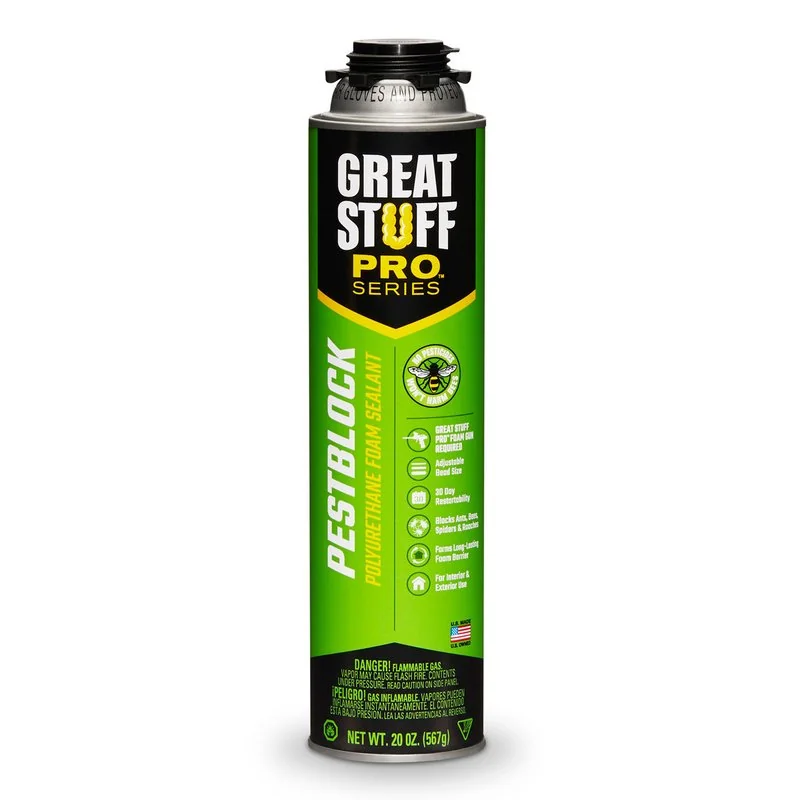
Great Stuff Pestblock Insulating Foam Sealant
Great Stuff Pestblock Insulating Foam Sealant quickly expands to seal gaps up to 1 inch wide, forming a durable barrier that deters rodents and insects. Formulated with pest-resistant additives, it adheres to most building materials for effective DIY rodent exclusion. Use it to block entry points around pipes, vents, and foundations for reliable pest control.
Why We Recommend This
We recommend Great Stuff Pestblock for DIYers and homeowners needing a fast, affordable solution to seal common rodent entry points. Its pest-resistant formula and strong adhesion make it a practical choice for blocking gaps around pipes and foundations. Compared to traditional steel wool, it covers more area quickly and minimizes maintenance.
vs Competitors: Compared to other rodent control foams like Tomcat Rodent Block, Great Stuff Pestblock offers similar pest-deterring additives but is often preferred for its ease of application and availability in hardware stores.
Best For:
Homeowners, DIYers, and property managers seeking an easy-to-apply, effective barrier against rodent and insect intrusion.
- Ideal for sealing cracks and holes around utility penetrations, foundations, and vents in residential homes
- Useful for property managers needing to block rodent entry points in multi-unit buildings
- Expands to fill gaps up to 1 inch wide
- Contains pest-resistant additives (capsaicin, bitter agents) to deter chewing
- Seals large and irregular gaps quickly for thorough rodent exclusion
- Easy to apply for DIY users with minimal tools required
- Not intended for high-moisture environments or direct water exposure
- May require multiple cans for extensive sealing projects
Tomcat Rodent Block Expanding Foam Barrier is another purpose-made foam. It’s designed specifically to block rodents, with a dense structure and deterrent ingredients. It works well for larger gaps and is convenient when you need to seal a lot of linear footage quickly.
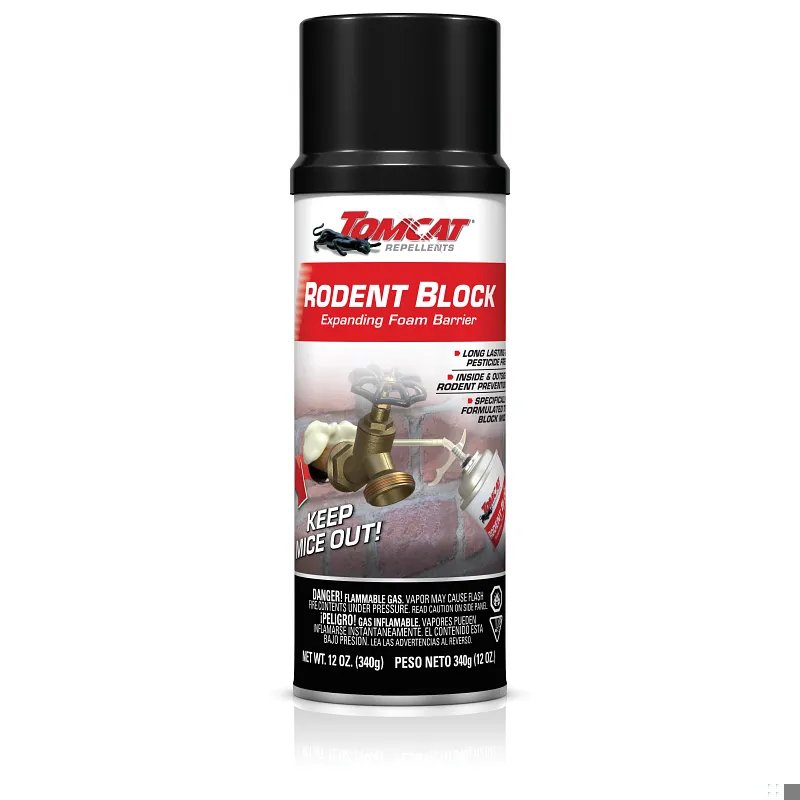
Tomcat Rodent Block Expanding Foam Barrier
Tomcat Rodent Block Expanding Foam Barrier creates a dense, rodent-resistant seal for gaps up to 1 inch wide, making it ideal for blocking entry points in basements, attics, and crawl spaces. The foam is specially formulated with bittering agents to deter chewing and expands to fill larger voids, providing a long-lasting physical and chemical barrier against mice and rats.
Why We Recommend This
We recommend Tomcat Rodent Block Expanding Foam Barrier for anyone looking to effectively seal out rodents in areas where steel wool is impractical or insufficient. Its dense structure and added deterrents provide a reliable barrier, especially for larger gaps, making it a trusted pick for DIY pest-proofing projects. While it’s not a substitute for professional exclusion in severe infestations, it’s one of the best foam options for residential use.
vs Competitors: Compared to Great Stuff Pestblock, Tomcat’s foam offers a similar expanding seal but is known for a denser structure and strong bitter additives, which may provide extra resistance to chewing in challenging locations.
Best For:
Homeowners, DIYers, and property managers seeking an easy-to-apply, rodent-resistant foam for blocking medium-to-large entry points indoors or in sheltered exterior locations.
- Sealing gaps around pipes, vents, and utility penetrations to prevent rodent access
- Blocking larger holes in walls, foundations, or crawl spaces where traditional materials are difficult to install
- Expands to fill gaps up to 1 inch wide
- Contains bitter additives to discourage rodent chewing
- Effectively seals larger entry points that steel wool cannot cover
- Deterrent ingredients help prevent rodents from gnawing through the foam
- Not suitable for very small or irregularly shaped holes where steel wool excels
- Foam can degrade if exposed to prolonged UV light outdoors
Where Foam Sealant Falls Short Against Rodents
The biggest problem with foam is chew-through. Standard foams offer little resistance - rodents can tunnel through in hours or days. Even “rodent-resistant” foams slow them down but rarely stop determined mice or rats for long.
Foam can also shrink, crack, or detach as temperatures change or buildings settle. This creates new entry points over time, especially in older homes with shifting foundations or high humidity.
If you use foam as a stand-alone solution, expect to re-inspect and patch annually, especially in high-pressure areas.
Best Situations for Using Foam Sealant
- Filling large, irregular, or inaccessible gaps (such as behind cabinets or utility chases)
- Combining with steel wool or copper mesh for a chew-proof core
- Temporary fixes where speed matters more than longevity
- Draft-proofing or insect prevention alongside rodent exclusion
Foam is a tool, not a silver bullet. Use it to fill space, but don’t rely on it as your only barrier if rodents are a real concern.
Head-to-Head Comparison: Steel Wool vs Foam Sealant
To help you make an informed decision, here’s what really separates steel wool from foam sealant for rodent control.
Rodent Resistance and Long-Term Effectiveness
Steel wool consistently prevents rodent entry because it physically injures and deters gnawing. It stands up better over time, even after repeated attempts by persistent rats or mice.
Foam sealant, especially standard types, is much easier for rodents to breach. Even premium rodent-resistant foams buy you time, but don’t guarantee a permanent fix. Over a year, steel wool almost always outlasts foam for rodent-proofing.
Combination approaches - where you embed steel wool or copper mesh inside expanding foam - give you the best of both worlds: a filled, insulated gap with a chew-proof core.
Safety Considerations for Homeowners and Renters
Steel wool can cause injury if handled without gloves. The sharp fibers can puncture skin, and loose fragments are dangerous for pets or children who might touch or ingest them.
Foam sealant emits fumes during application and requires good ventilation until fully cured. Some additives can irritate skin or eyes, so protective gear is recommended.
Both materials should be installed out of reach and fully sealed where possible - especially in homes with kids or curious pets.
Ease of Removal and Future Repairs
Steel wool can be removed or replaced using basic hand tools, though rusted wool may crumble and require careful cleanup. It’s relatively straightforward to patch or upgrade as needed.
Foam sealant is much harder to remove once cured. It can bond tightly to wood, drywall, or masonry, and removing it often damages the surrounding material. This is a real consideration if you need future access for plumbing or wiring repairs.
Always think about whether you’ll need to revisit the sealed area before choosing a permanent filler.
- Steel wool wins for persistent rodent problems, small indoor gaps, and homes where long-term rodent resistance is the top priority.
- Foam sealant is better suited for large, irregular gaps or as a quick fix - but only when combined with steel wool or mesh for lasting results.
For more context on how these methods fit into a full DIY exclusion plan, see Rodent-Proofing & Prevention.
How to Choose the Right Material for Your Situation
There’s no single answer for every home. Matching the material to your specific needs is the fastest route to reliable results.
Assessing Gap Size, Location, and Severity
- For small, dry indoor gaps (such as those found around pipes or in baseboards), steel wool or steel mesh is usually the best choice.
- Large or irregular gaps - especially those with uneven edges or awkward access - are easier to fill with foam. Embedding steel wool or copper mesh inside the foam gives added chew resistance.
- Outdoor and high-moisture areas demand corrosion-resistant solutions. Copper mesh won’t rust and is ideal for exterior gaps or damp environments.
Take the time to inspect every suspected entry point. If you miss one, even the best material won’t keep rodents out for long.
Budget, Time, and DIY Skill Level
Steel wool is cost-effective but requires more hands-on work and a careful approach during installation. If you’re sealing just a handful of gaps, it’s hard to beat for value.
Foam sealant costs more per use, especially for a whole-home application, but drastically reduces installation time for big jobs or hard-to-reach areas. If you’re new to DIY, foam is easier to apply, but you risk missing spots or leaving weak points if not paired with a chew-proof core.
If you want the best possible results with minimal experience, use both materials together.
When to Use Both Materials Together
Embedding steel wool or copper mesh within foam sealant is the gold standard for sealing high-risk entry points. The foam fills and insulates the gap, while the steel or copper provides a physical barrier rodents can’t chew through.
This hybrid approach is especially effective in older homes, basements, crawl spaces, and anywhere you’ve had recurring infestations. The key is proper layering: pack the mesh or wool deeply, then cover with foam to hold it in place and seal the edges.
Done right, this combination rarely needs more than annual inspection to stay effective.
Product Comparison: Top Steel Wool and Foam Sealant Options
Here’s a closer look at four standout products for rodent-proofing in 2026 - two in the steel/copper mesh category, two in rodent-resistant foam sealants. Each has a clear use case and target audience.
Xcluder Rodent Control Fill Fabric
Xcluder’s Rodent Control Fill Fabric is an industrial-grade blend of steel mesh and poly fibers. It’s highly flexible, so it works into tight spaces and odd-shaped gaps without losing density.
What sets it apart is its ability to stay put - once packed in, it resists pulling, shifting, and crumbling, even if rodents try to push through. It’s a top choice for kitchens, utility rooms, and anywhere you need a lasting barrier without constant reapplication.
This is ideal for homeowners who want a premium, long-term solution for small to medium indoor gaps. The main trade-off is it’s not suitable for damp or outdoor use unless paired with weatherproofing.
Great Stuff Pestblock Insulating Foam Sealant
Great Stuff Pestblock is designed for DIYers who need to seal a lot of space quickly. It expands to fill big gaps, adheres to most building materials, and contains pest-resistant additives to slow down chewing.
It’s a strong pick for filling wide or irregular voids behind walls, under sinks, or around utility entry points - especially when paired with steel wool or mesh inside the foam.
Its quick application and fast curing make it convenient, but don’t expect it to stop determined rodents on its own. Use it as part of a layered defense.
Copper Mesh Rodent Control by Stuf-Fit
Stuf-Fit Copper Mesh Rodent Control offers an alternative to steel for areas where moisture is a concern. It’s flexible, rust-proof, and easy to trim to size, so you can pack it tightly into holes in brick, stucco, or concrete without worrying about breakdown over time.
This product is best for exterior wall openings, around outdoor pipes, or in damp basements. It’s a smart investment if you want to avoid the headache of rusted steel wool and repeated repairs.
The main limitation is cost - copper mesh is a moderate investment compared to standard steel wool, but the durability pays off in the long run.
Tomcat Rodent Block Expanding Foam Barrier
Tomcat’s Rodent Block Expanding Foam Barrier is formulated specifically for rodent deterrence, with a dense foam structure and bitter additives. It’s particularly good for sealing larger gaps and voids where a lot of foam coverage is needed.
It’s easy to apply and cures quickly, so you can move from room to room without waiting. However, like all foams, it’s best used in combination with a physical barrier if rodents are actively seeking entry.
This is a good fit for DIYers tackling a whole-home sealing project or anyone needing a fast, easy solution for big gaps.
Frequently Asked Questions About Rodent Proofing Materials
❓ Frequently Asked Questions
What is the difference between steel wool and foam sealant for rodent control?
What is the difference between steel wool and foam sealant for rodent control?
Steel wool physically blocks rodents from chewing through gaps, while foam sealant expands to fill cracks and holes. Steel wool resists gnawing due to its abrasive fibers, but may rust if exposed to moisture. Foam sealant is easy to apply and seals air leaks, but rodents can sometimes chew through cured foam alone.
How do I use steel wool and foam sealant together to block mice?
How do I use steel wool and foam sealant together to block mice?
To block mice with steel wool and foam sealant:
- Locate all small holes or gaps where rodents may enter
- Tightly pack steel wool into each opening
- Apply foam sealant over the steel wool to secure it in place
- Allow foam to cure fully
Tip: Use coarse-grade steel wool, as finer grades break down faster.
Which is more effective for long-term rodent prevention: steel wool or foam sealant?
Which is more effective for long-term rodent prevention: steel wool or foam sealant?
Steel wool is generally more effective for long-term rodent prevention because mice and rats struggle to chew through its metal fibers. However, it can rust, especially in damp areas. Foam sealant alone provides an airtight seal but is vulnerable to gnawing. For best results, use both materials together.
What should I look for when choosing materials to seal rodent entry points?
What should I look for when choosing materials to seal rodent entry points?
When choosing rodent control materials, consider:
- Durability: metal fibers resist chewing longer than plastics
- Moisture resistance: stainless steel wool won’t rust in damp areas
- Expansion: foam sealants fill irregular gaps
- Safety: avoid materials toxic to pets/children
Test in a small area before sealing all entry points.
How often should I inspect and replace steel wool or foam sealant in rodent-proofing?
How often should I inspect and replace steel wool or foam sealant in rodent-proofing?
Inspect steel wool and foam sealant at least twice a year, especially after heavy rain or extreme temperatures. Steel wool may rust or degrade in 1–3 years, while foam sealant can crack or shrink over time. Replace any damaged material promptly to maintain effective barriers.
Why do I need to combine steel wool with foam sealant for rodent control?
Why do I need to combine steel wool with foam sealant for rodent control?
Combining steel wool with foam sealant provides both a physical and airtight barrier. Steel wool discourages rodents from chewing through, while foam sealant holds the wool in place and seals air leaks. This dual approach is recommended for most homes, especially where rodents have repeatedly found entry points.
When is the best time to seal rodent entry points with steel wool and foam?
When is the best time to seal rodent entry points with steel wool and foam?
The best time to seal rodent entry points is before peak rodent activity, typically in late summer or early fall. Sealing gaps early helps prevent rodents from entering as temperatures drop. Inspect for new holes after severe weather, as shifting structures can create new access points.
Our Verdict: Which Material Should You Use?
For most homes facing rodent issues in 2026, steel wool remains the gold standard for small to medium gaps indoors. Its physical deterrence and long-term durability make it the best first line of defense against persistent mice and rats.
If you’re dealing with larger or irregular gaps, rodent-resistant foam sealants like Great Stuff Pestblock or Tomcat Rodent Block are valuable tools - especially when paired with steel wool or copper mesh for added chew resistance. The hybrid approach gives you both coverage and reliability.
If you face extensive infestations, recurring entry points, or structural damage beyond the reach of DIY repairs, it’s time to consult a professional. Pros can identify hidden vulnerabilities and build a comprehensive exclusion plan, ensuring your home stays rodent-free for the long haul.
Related Articles
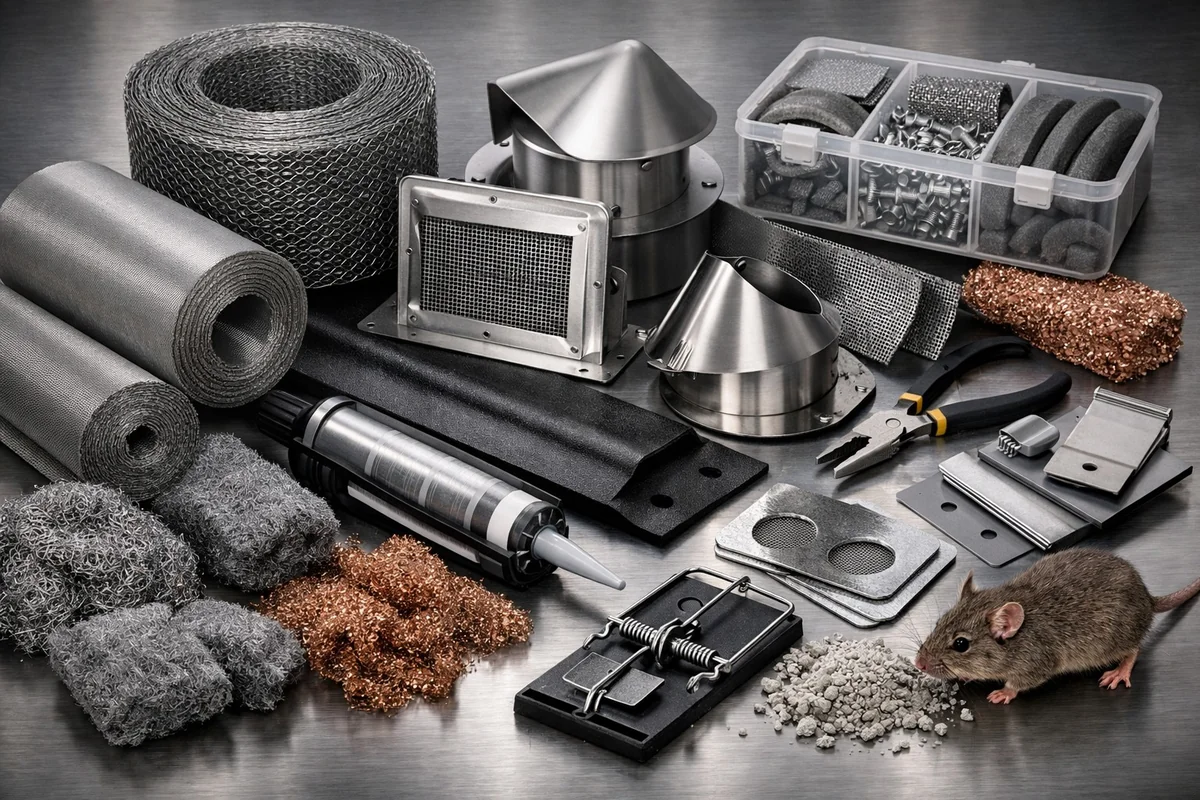
Best Rodent-Proofing Materials and Products 2026: Steel Wool, Mesh, Kits, and More
Find the best rodent-proofing materials, products, and exclusion kits for 2026. Compare steel wool, mesh, sealants, vent covers, and natural deterrents to keep your home rodent-free with expert DIY recommendations.

Best Rat Traps and Baits 2026: Top Picks for Every Infestation
Find the best rat traps and baits of 2026 for fast, safe, and affordable DIY rat control. Compare top snap, electric, live-catch, poison, and natural products to eliminate rats from your home.

Complete Guide to Pest Prevention in Homes: Stop Pests in 2026
Protect your home in 2026 with this complete pest prevention guide. Discover proven DIY methods, room-by-room tips, safe solutions for families, and expert advice to stop pests before they start.

Best Mouse Traps and Repellents 2026: Top Picks for Home Mouse Control
Discover the best mouse traps and repellents for 2026. Compare snap, electric, live-catch, bait stations, and natural solutions to control mice safely and effectively at home.