
Termite Infestation Signs: Early Detection Tips for 2026
Learn how to identify termite infestation signs early with practical tips for homeowners and renters. Spot mud tubes, frass, hollow wood, and more to prevent costly damage in 2026.
Termite infestation signs are the physical and environmental clues that indicate termites are actively feeding, tunneling, or reproducing in a structure. Recognizing these early symptoms - like mud tubes, frass, or hollow-sounding wood - can prevent extensive damage. Homeowners and renters who spot warning signs early can apply targeted solutions to minimize costs and avoid major repairs.
What Are Termite Infestation Signs?
Termite infestation signs are the telltale indicators that termites are present and active within a building. Unlike many other pests, termites work behind the scenes, making their early symptoms subtle and easy to miss. That’s why learning to differentiate termite activity from other pest issues is so important.
Termite Activity vs Other Pests
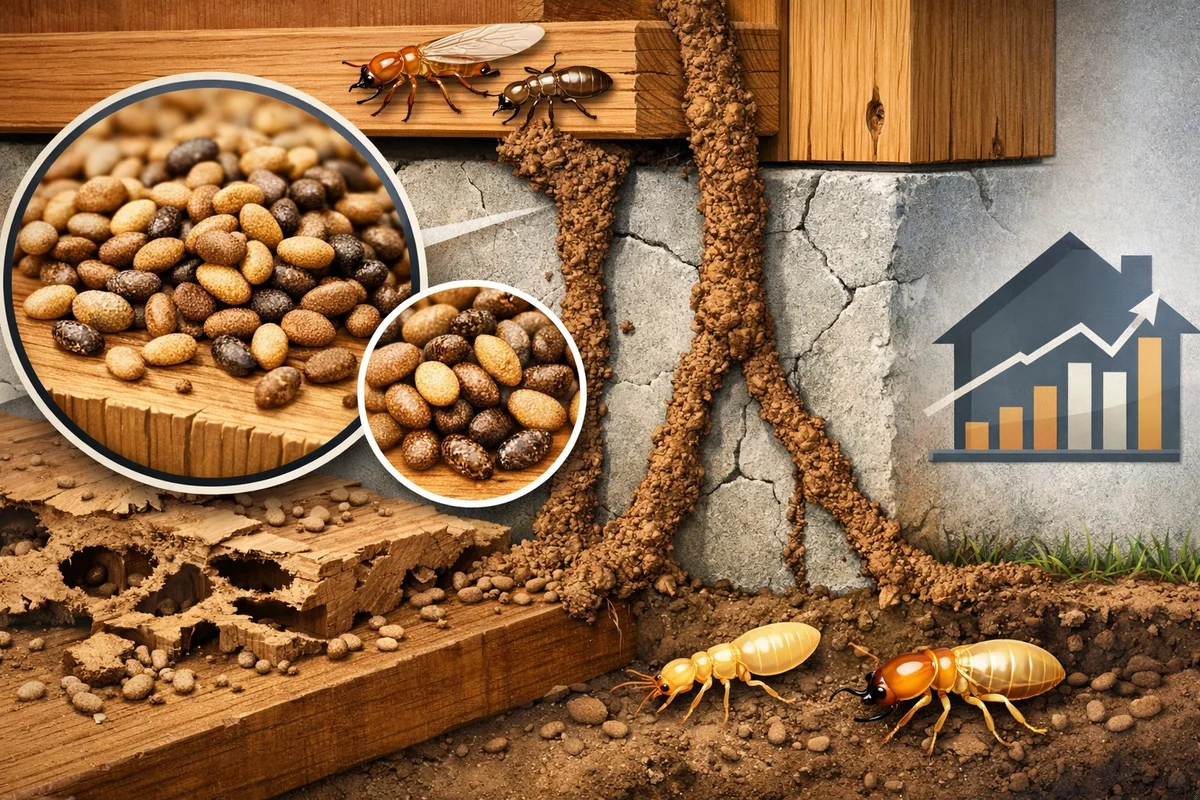
Termites often create mud tubes - thin, earth-colored tunnels on walls or foundations. These are unique to termites; ants and carpenter bees don’t make them. Carpenter ants, for example, leave behind fine, sawdust-like debris, while termite droppings (frass) are hard, pellet-shaped particles. Confusing these signs can lead you to buy the wrong treatment and let the real problem worsen.
Understanding the differences is crucial because using ant bait or wasp sprays on termites simply wastes time and money. If you’re not sure what you’re dealing with, check multiple signs before acting.
Drywood vs Subterranean Termite Signs
Drywood termites and subterranean termites display different infestation patterns. Drywood termites produce visible piles of pellets (frass) near kick-out holes in wood, while subterranean termites build mud tubes to travel between the soil and their food source. Subterranean termites need moisture, so their signs typically appear near foundations, crawl spaces, or leaky plumbing.
Drywood termite infestations can stay hidden for months, sometimes years, because their galleries are buried deep inside wood. By the time you spot them, damage is often more advanced. Knowing which type you’re dealing with guides your next steps and choice of control method.
For more comprehensive background on termite species and how they affect treatment, see our Termite Control guide.
Why Early Detection of Termites Matters
Early detection of termite infestation signs isn’t just about catching a few bugs - it’s about protecting your home from thousands of dollars in structural damage. Termites multiply rapidly, and the longer they go unnoticed, the more extensive and costly the repairs become.
Cost of Delayed Termite Treatment
Putting off termite treatment leads to escalating repair bills. The average cost to fix termite damage ranges from $3,000–$8,000, sometimes even higher for major structural repairs. Most homeowner insurance policies don’t cover termite damage, so every month you wait can mean more out-of-pocket expense.
By acting early, you can often resolve the issue with DIY methods and avoid calling in expensive professionals. If the infestation spreads, professional treatment may be your only option, and that’s rarely budget-friendly.
Termite Colony Growth Timeline
A termite colony starts small but grows incredibly fast. In 2–3 years, a single queen can produce over a million offspring. The damage isn’t linear - it accelerates as the colony grows, so what starts as a few pinholes in wood can quickly become major structural weakness.
Catching termites early interrupts their reproductive cycle and limits the scale of required repairs. That’s why vigilance and routine inspections save you money and stress in the long run.
Visible Wood Damage and Hollow Sounds
One of the classic termite infestation signs is wood that looks fine on the outside but is hollow or brittle underneath. Termites consume wood from the inside out, making it tricky to spot damage until it’s advanced.
Patterns of Termite Wood Damage
Termites carve out maze-like tunnels or honeycomb patterns inside wood beams, floors, or furniture. The exterior surface may remain intact, but pressing it gently often reveals a thin, fragile layer. Sometimes, you’ll notice blistering or bubbling under paint or finishes - another hint that termites are active below the surface.
Testing for Hollow Wood
Tapping suspect areas with a screwdriver or the handle of a tool can reveal hollow or papery sounds, indicating internal damage. Compare the sound and feel to unaffected areas - healthy wood is solid, while infested wood feels weak or spongy.
Paint or varnish can hide subtle damage, so test in several spots if you suspect infestation. If you find even one hollow-sounding section, inspect the surrounding area closely for more signs.
Mud Tubes and Shelter Tunnels
Mud tubes are one of the most reliable termite infestation signs, especially for subterranean species. These pencil-thin tunnels allow termites to move safely between soil and wood, protecting them from light and predators.
Where to Find Mud Tubes
Check around foundation walls, crawl spaces, basement sills, and exterior concrete slabs for mud tubes. They often appear where plumbing pipes penetrate walls or inside wall voids. Termites prefer hidden travel paths, so always inspect less visible areas - behind appliances, under porches, or in crawl spaces.
How Mud Tubes Differ from Dirt or Mold
Termite mud tubes are narrow, about the width of a pencil, and have a gritty, clay-like texture. Unlike loose dirt, they stick firmly to surfaces and can even bridge gaps between soil and structural wood. Mold, on the other hand, grows in irregular patches and feels soft or fuzzy - not gritty and structured like a mud tube.
Discarded Wings and Swarming Behavior
Swarming is the termite colony’s way of producing new queens and kings. When you find piles of discarded wings near windows, doors, or light fixtures, it’s a major red flag that a colony is mature and reproducing.
When and Where Swarming Occurs
Termite swarms usually happen in spring or after heavy rain, especially in warm climates. Indoors, you’ll find wings on windowsills, around doors, or near lights - where termites are drawn by brightness. Finding swarmer wings inside your home almost always points to an established colony inside the structure, not just outdoor activity.
Distinguishing Termite Wings from Ants
Termite wings are equal in length and have a straight, uniform appearance. Ant wings are uneven - front wings are longer than hind wings - and ants have a pinched waist, unlike the thick termite body. Mistaking ant wings for termites can lead you to buy the wrong treatment and miss the ongoing infestation.
Frass and Unusual Droppings
Termite droppings, known as frass, are another key sign - especially for drywood termites. These pellets are not sawdust or loose debris, and their unique appearance helps separate termite infestations from carpenter ants or other wood pests.
What Termite Frass Looks Like
Drywood termite frass looks like tiny, oval-shaped pellets with ridges, often ranging from tan to dark brown depending on the wood type. You’ll usually find small piles beneath kick-out holes - the exit points termites create to expel their waste. If you spot frass inside cabinets, along baseboards, or under furniture, inspect the wood above for galleries or holes.
Frass vs Sawdust and Other Debris
Carpenter ants leave irregular piles of wood shavings, insulation, and insect parts - much messier than termite frass. Sawdust is fine and flaky, while frass is consistently pellet-shaped. Recognizing the difference helps you choose the correct control method and avoid wasting time on ineffective ant or beetle treatments.
| Item | ★Difficulty Level | ★Time Required | Cost Range | ★Detection Accuracy | Best For |
|---|---|---|---|---|---|
| Visual Inspection | Medium | 30-60 minutes for a standard home (1500 sq ft) | Budget | Moderate | Homeowners performing routine checks |
| Moisture Meter Assessment | Medium | 45-90 minutes including setup | Moderate | High | Users seeking early detection in hidden areas |
| Acoustic Monitoring | Hard | 1-2 hours with calibration | Premium | Very High | Professionals or advanced users inspecting large or complex structures |
| Termite Bait Stations | Easy | 20-30 minutes to install per station; ongoing monitoring needed | Moderate | High (for ongoing infestations) | Long-term monitoring and prevention; not for immediate detection |
Unusual Sounds and Movement in Walls
Termites aren’t silent. In quiet settings, you might hear faint clicking, tapping, or rustling noises coming from walls, floors, or ceilings. These sounds get louder as the infestation grows.
Clicking and Tapping Noises
Soldier termites bang their heads against wood to signal danger, producing subtle clicking or tapping sounds. These noises are most noticeable at night when other household activity quiets down. The volume and frequency depend on colony size and how close the termites are to the wall surface.
Detecting Termite Activity Without Tools
Place your ear directly against a suspect wall or use a drinking glass as an amplifier to listen for faint movement or feeding sounds. While the absence of noise doesn’t guarantee you’re termite-free, hearing these sounds is a strong indicator of active infestation.
Other Structural and Environmental Clues
Termite infestations often create symptoms that mimic water damage or settling. Watching for changes in your home’s structure can provide additional clues, especially when combined with wood damage or mud tubes.
Sagging Floors and Warped Doors
Termite tunnels can undermine floor joists, causing floors to sag or become uneven. Moisture from termite activity may also swell wood, making doors and windows harder to open or close. Similar symptoms can result from plumbing leaks or humidity, so always confirm with other termite signs before taking action.
Peeling Paint and Bubbling Surfaces
Moisture buildup from termite galleries can cause paint to bubble, peel, or blister - especially on walls and ceilings. These irregularities are easily mistaken for water leaks, but if you notice them along with frass, mud tubes, or hollow wood, suspect termites first.
Summary Table: Termite Signs vs Other Wood Pests
The following table summarizes the key differences between termite infestation signs and those left by other common wood-destroying pests. Use it as a quick reference if you’re unsure which pest you’re dealing with.
| Sign | Termites | Carpenter Ants | Powderpost Beetles |
|---|---|---|---|
| Mud Tubes | Yes (subterranean) | No | No |
| Frass/Droppings | Pellet-shaped, hard | Irregular, includes debris | Powdery, fine dust |
| Wood Damage | Internal tunnels, hollow | Galleries, but wood usually sound | Surface holes, powdery residue |
| Swarmers/Wings | Equal-length wings, thick waist | Uneven wings, pinched waist | Rarely seen |
If you confirm termite activity, see our Best Termite Treatments and Baits 2026 for guidance on safe, effective DIY solutions.
Frequently Asked Questions About Termite Infestation Signs
❓ Frequently Asked Questions
What are the early signs of termite infestation in 2026?
What are the early signs of termite infestation in 2026?
Early signs of termite infestation include mud tubes along walls, hollow-sounding wood, discarded wings near windows, and visible damage to wooden structures. Identifying these symptoms quickly can help prevent extensive damage. For example, tiny pinholes in drywall often indicate hidden termite activity behind surfaces.
How do I check my home for termites myself?
How do I check my home for termites myself?
To check your home for termites yourself:
- Examine baseboards and window sills for mud tubes or frass (termite droppings)
- Tap wood surfaces - hollow sounds may indicate damage
- Look for discarded wings near entry points
- Inspect crawl spaces and foundations for moisture or damage
A flashlight and screwdriver help probe hidden areas effectively.
What is the difference between termite damage and water damage?
What is the difference between termite damage and water damage?
Termite damage typically results in hollowed wood with maze-like patterns and the presence of mud tubes, while water damage causes wood to swell, warp, or discolor. Termite-damaged areas often sound hollow when tapped, whereas water-damaged spots feel soft or spongy. Both require prompt attention, but treatment methods differ significantly.
How often should I inspect my property for termites?
How often should I inspect my property for termites?
Most pest specialists recommend inspecting your property for termites at least once a year. In high-risk areas with a history of termite activity, semi-annual inspections are advised. Early detection can reduce repair costs by up to 70%. Spring and fall are the best times for thorough inspections.
Why is early detection of termites important?
Why is early detection of termites important?
Early detection of termites is crucial because these pests can cause structural damage within months. Most users find that repairs cost significantly less when infestations are caught early. Waiting too long may require extensive wood replacement and can lower property value. Regular checks help limit long-term expenses and safety risks.
What should I look for when choosing a termite inspection service?
What should I look for when choosing a termite inspection service?
When choosing a termite inspection service, consider:
- Certification: confirm licensing and insurance
- Experience: look for specialists with 5+ years in the field
- Inspection methods: ask if thermal imaging or moisture meters are used
- Detailed reporting: clear written findings
Check reviews and compare pricing before committing to a service.
Which termite treatments are most effective in 2026?
Which termite treatments are most effective in 2026?
In 2026, most users report that liquid soil treatments and baiting systems remain highly effective for termite control. Liquid treatments create chemical barriers, while bait stations target colonies directly. Effectiveness depends on proper application and follow-up. However, some methods may not suit homes with high groundwater or specific soil types.
How do I prevent termites from returning after treatment?
How do I prevent termites from returning after treatment?
To prevent termites from returning after treatment:
- Eliminate wood-to-soil contact around your home
- Repair leaks and ensure proper drainage
- Store firewood away from structures
- Schedule annual professional inspections
Consistent maintenance and moisture control are key to long-term termite prevention and minimizing future risk.
Key Takeaways for Homeowners and Renters
Termite infestation signs are subtle but critical to catch early. Look for mud tubes, frass, hollow wood, discarded wings, and changes in your home’s structure. Each sign tells a story about the type and stage of the infestation, guiding you toward the right response.
Acting quickly when you spot these symptoms is the difference between a minor inconvenience and a major repair bill. Regular inspections - especially in basements, crawl spaces, and around plumbing - give you the upper hand.
If you’re unsure, consult a professional or use our DIY guides to act fast. Preventing termite damage in 2026 comes down to vigilance and knowing what to look for before it’s too late.
Related Articles
Best Termite Treatments and Baits 2026: Expert Picks for DIY Control
Best termite treatments and baits for 2026. Compare top-rated liquid barriers, bait stations, sprays, and natural solutions for effective DIY termite control.

Best Carpenter Ant and Wood Borer Treatments 2026: Top Baits, Sprays, and Safe Solutions
Discover the best carpenter ant treatments and wood borer control products for 2026. Compare effective baits, sprays, natural solutions, and expert tips to eliminate pests and protect your home - DIY-friendly and budget-conscious.
Complete Guide to Pest Prevention in Homes: Stop Pests in 2026
Protect your home in 2026 with this complete pest prevention guide. Discover proven DIY methods, room-by-room tips, safe solutions for families, and expert advice to stop pests before they start.
![Best Protective Gear for Pest Control 2026 [Expert Reviews]](https://pestproreviews.com/images/hero/hero_best_protective_gear_for_pest_control_2026_expert.webp)
Best Protective Gear for Pest Control 2026 [Expert Reviews]
Protect yourself during DIY pest control in 2026 with our expert-reviewed guide to the best protective gear. Compare top-rated respirators, gloves, coveralls, and more for safe, effective pest removal at home.