 Pest Pro Reviews Editorial Team • • 19 min read •
Top 5 Wood Borer Sprays for Furniture and Structures (2026)
Compare the top 5 wood borer sprays of 2026 for furniture and structures. See safe, effective, and affordable options to treat wood pest infestations at home.
The best wood borer sprays for furniture and structures are Bayer Premise Wood Protector, Tim-bor Professional Insecticide, Jecta Diffusible Borate Gel, a ready-to-use pyrethroid wood spray, and Orange Guard Home Pest Control. We compared products by active ingredient, penetration, safety, and ease of use. This guide helps homeowners and renters pick the right treatment for their wood pest problem.
- Borate-based sprays provide the deepest, longest-lasting protection for structural wood but require more prep.
- Surface sprays like Bayer Premise are easiest for furniture and quick spot treatments - visible results often in 2-3 days.
- Natural formulas are safer indoors but may need more frequent reapplication and struggle with severe infestations.
How Wood Borers Damage Furniture and Structures
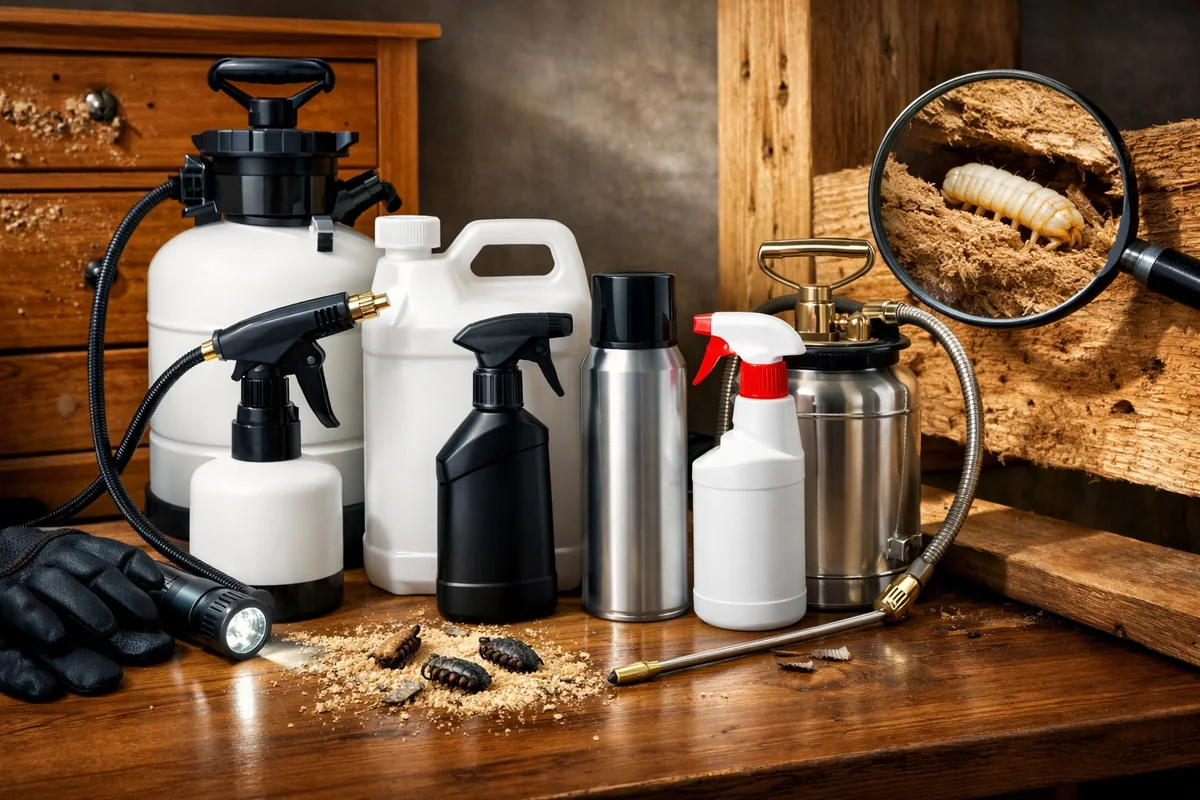
Wood borers are insects whose larvae tunnel through wood, causing both visible and hidden damage. They attack furniture, floors, beams, and even decorative trim, weakening the structure from the inside out. Left untreated, an infestation can turn a solid piece of furniture hollow in a matter of months.
Identify your needs and get personalized recommendations
Just starting out and want an easy, safe solution with clear instructions.
Learning about wood borer sprays and focused on understanding what matters most.
Compares features and reviews to find the best match for their needs.
Looking for strong performance at a reasonable price, balancing features and cost.
Wants to make a confident, quick purchase with no regrets.
Prioritizes safe, sustainable solutions that work for families and pets.
Types of Wood Borers Found Indoors
There are several indoor wood borer species, but the most common are powderpost beetles, woodworms (the larvae of various beetles, including the common furniture beetle), and longhorn beetles. Powderpost beetles prefer hardwoods like oak, ash, and walnut, while woodworms attack both soft and hardwoods. Longhorn beetles usually target structural timbers and can live inside the wood for years before emerging.
Each species has a different life cycle, but most lay eggs in cracks or old exit holes of wood. The larvae burrow deep, feeding and creating tunnels that weaken the material. Some, like powderpost beetles, leave fine, talc-like frass (dust), while others produce coarser debris.
Exit holes - usually round or oval - plus internal tunneling are telltale signs of activity.
Signs of an Active Infestation
The most obvious sign is fresh exit holes in the wood - usually 1–3 mm wide. Look for powdery frass collecting below or around holes, which indicates recent activity. In quiet rooms at night, you might even hear faint tapping or clicking from larvae chewing inside beams or furniture.
Severe infestations can cause structural weakening: sagging floors, splitting or crumbling wood, and a hollow sound when tapped with a screwdriver handle. If you see these signs, act quickly - surface sprays won’t be enough once the infestation is advanced. For a broader overview of wood pest problems, see Carpenter Ant, Beetle & Wood Borer Control.
How Wood Borer Sprays Work Against Infestations
Wood borer sprays kill larvae and adult beetles through direct contact or by leaving a residue that continues to work after application. The type of active ingredient determines how deep the spray penetrates and how long it keeps working. Understanding these differences is key to choosing the right treatment.
Active Ingredients and Their Mechanisms
Most wood borer sprays use one of four active ingredient types: synthetic pyrethroids (like permethrin or cypermethrin), neonicotinoids (such as imidacloprid), borates, or essential oil blends. Pyrethroids and neonicotinoids kill quickly on contact and provide a residual barrier against new infestations for weeks to months. However, their penetration is usually limited to the top few millimeters of wood.
Borate-based sprays and gels, on the other hand, diffuse slowly but can penetrate deep into the wood over time - sometimes reaching up to 2 cm inside. Essential oil blends work by repelling and suffocating pests, but their effect is usually limited to surface layers and doesn’t last as long between applications.
When Sprays Are Most Effective
Sprays work best when used at the first signs of infestation - fresh holes, frass, or minor surface damage. They’re ideal for spot-treating furniture, trim, and small areas of flooring. For deep or widespread structural infestations, a surface spray alone may not reach larvae hidden centimeters inside the wood.
Painted, varnished, or sealed wood blocks penetration, making even the best spray nearly useless without some prep. Gels or borate solutions can be injected into drilled holes to access deeper tunnels. If you’re dealing with thick beams, old wood, or heavy paint, be ready to sand or drill for meaningful results. For more on combination treatments for severe cases, see Best Carpenter Ant and Wood Borer Treatments 2026.
How We Selected These Products
We ranked dozens of wood borer sprays based on active ingredient efficacy, feedback from owners, and suitability for both furniture and structural wood. Our analysis emphasized kill speed, residual protection, and depth of penetration. Products were evaluated for ease of application, odor, staining risk, and safety profile - especially for households with pets or children.
We only included products with clear labeling, consistent supply, and up-to-date regulatory approval as of 2026. Discontinued or hard-to-source options were omitted, as were niche professional-use chemicals not suitable for DIY application. Our goal: solutions that a homeowner can actually use themselves with confidence and a reasonable budget.
Each product was also checked for packaging quality, reapplication guidelines, and whether it left behind any visible residue. We paid particular attention to whether the spray or gel could be safely used indoors, and how well it worked on both finished and unfinished wood. With those criteria set, here are the products that consistently outperformed the rest - starting with the one that works for most households.
Bayer Premise Wood Protector: Best Overall for Furniture and Small Structures
Bayer Premise Wood Protector stands out for its balance of convenience, safety, and lasting results. It uses imidacloprid, a neonicotinoid insecticide, to provide broad-spectrum knockdown of wood borers and a months-long residual barrier.
- Low-odor, non-staining formula - safe for most indoor furniture and woodwork
- Provides protection for up to 12 months on exposed wood surfaces
- Imidacloprid penetrates several millimeters, killing larvae and adults on contact
- Ready-to-use spray bottle - no mixing or dilution required
- Works on both hardwoods and softwoods, including antiques and modern furniture
- Users consistently praise its effectiveness and ease of application for small-to-midsize infestations
If you need a reliable, hassle-free solution for furniture, trim, or isolated beams, this is the spray to start with. The main trade-off is that it won’t penetrate deeply into thick, old, or painted timbers.
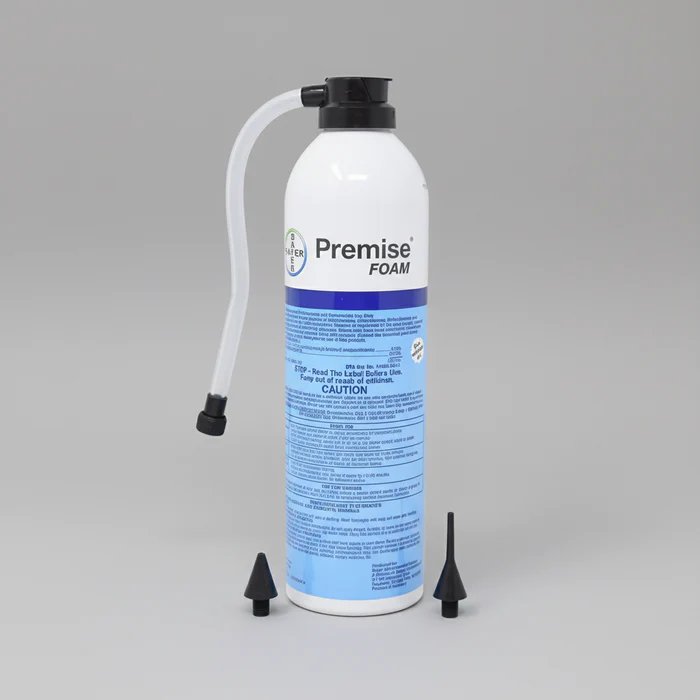
Bayer Premise Wood Protector
Provides long-lasting wood borer protection for furniture and indoor structures using 0.05% imidacloprid, a trusted active ingredient in professional pest management. The low-odor, non-staining formula ensures safe use indoors without damaging wood finishes. Suitable for homeowners seeking reliable defense against wood-boring insects in living spaces and small buildings.
Why We Recommend This
We selected Bayer Premise Wood Protector as our top overall choice for indoor wood pest control due to its proven ingredient, ease of use, and minimal disruption to households. Its low-odor, non-staining formula makes it ideal for treating furniture and living spaces without harsh chemical exposure. This product is especially recommended for those seeking effective, hassle-free wood borer protection indoors.
vs Competitors: Bayer Premise offers deeper penetration and a less noticeable scent compared to borate-based competitors like Tim-bor Professional, though it is not suitable for outdoor use.
Best For:
Homeowners and renters needing proven, low-odor wood borer protection for indoor furniture and small structures, especially those with children or pets.
- Treating infested furniture, doors, or cabinets within homes and apartments
- Preventive application in small indoor structures, such as sheds and workshops
- Contains 0.05% imidacloprid for proven wood borer control
- Low-odor, non-staining water-based formulation
- Highly effective against common wood borers and termites
- No strong chemical smell, suitable for occupied spaces
- Requires 24-hour drying time for optimal protection
- Not intended for exterior or weather-exposed wood surfaces
Tim-bor Professional Insecticide: Best for Deep Penetration and Structural Wood
Tim-bor Professional Insecticide is a borate powder concentrate that’s mixed with water and applied to raw or unfinished wood. Unlike surface-only sprays, Tim-bor diffuses deep into the wood over time, where it poisons wood-boring larvae as they feed.
- Penetrates up to 2 cm into bare or sanded wood - great for beams, joists, and subfloors
- Borate is highly effective against powderpost beetles, woodworms, termites, and carpenter ants
- Non-flammable, low-odor, and won’t stain most woods when properly applied
- Protection can last for years if the wood remains dry and unsealed
- Requires brush, spray, or injection application - some prep work needed for best results
- Users appreciate the long-term peace of mind for crawl spaces, attics, and historic homes
Tim-bor is ideal for large-scale or recurring infestations, especially in unfinished or accessible structural wood. It’s less convenient for quick spot treatments or already-finished furniture.
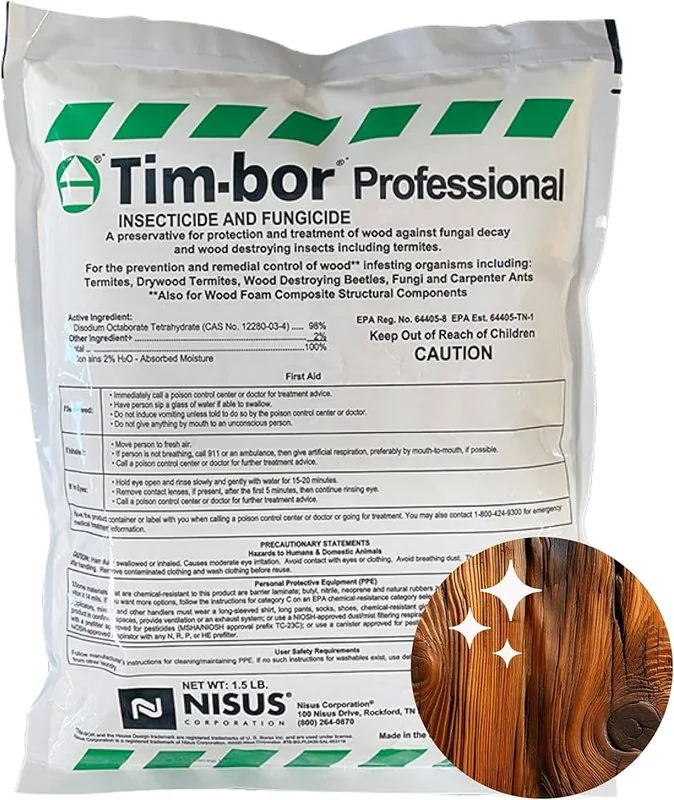
Tim-bor Professional Insecticide
Tim-bor Professional Insecticide delivers deep-penetrating wood protection using a borate-based formula that targets wood borers, carpenter ants, and other common wood-destroying pests. The powder concentrate mixes easily with water for spray or brush application, providing long-lasting pest prevention. Ideal for structural wood in homes, sheds, and crawl spaces prone to infestation.
Why We Recommend This
We recommend Tim-bor Professional Insecticide for its proven effectiveness against wood-destroying insects and its suitability for long-term wood protection. Its borate-based active ingredient is widely trusted by pest professionals and is a top choice for both treatment and prevention in vulnerable structures. This is especially valuable for those facing recurring infestations or renovating older buildings.
vs Competitors: Compared to ready-to-use sprays like Eco Defense, Tim-bor offers deeper penetration and longer-lasting residual protection, though it requires more preparation and is best for unfinished wood.
Best For:
Homeowners, pest control professionals, and property managers seeking long-term, professional-grade protection against wood borers and carpenter ants in exposed wood structures.
- Treating attic joists, crawl space framing, and other structural wood in homes with active or historic wood borer or carpenter ant infestations
- Preventative application during renovation or construction in areas prone to wood-destroying insects
- Boron-based active ingredient (Disodium Octaborate Tetrahydrate) for targeted insect control
- Mixes at 1.5 lbs per gallon for effective coverage of up to 200 sq ft per gallon
- Penetrates deep into wood, ensuring thorough pest elimination and prevention
- Long-lasting residual action reduces need for frequent reapplication
- Requires exposed, unfinished wood for maximum effectiveness; not suitable for painted or sealed surfaces
- Preparation and application can be labor-intensive compared to ready-to-use sprays
Is This Safe for Homes with Pets or Kids?
Tim-bor’s borate formula is less toxic to people and pets than most synthetic insecticides once dry. However, during application and drying, it can cause mild skin, eye, or respiratory irritation. Always keep kids and animals away from treated areas until surfaces are fully dry - usually several hours.
Do not use Tim-bor on food-contact surfaces or toys. For homes with sensitive individuals, ventilate the area well and follow label instructions for reentry.
Jecta Diffusible Borate Gel: Best for Spot Treating Active Borer Holes
Jecta Diffusible Borate Gel is designed for precise spot treatment of active wood borer tunnels. It’s injected directly into exit holes or drilled access points, where it slowly diffuses through the wood, targeting larvae deep inside.
- Thick gel formula - injects easily with a standard caulk gun or syringe
- Delivers borate right into hidden galleries and tunnels - where sprays can’t reach
- Great for targeting small, contained infestations in valuable furniture or structural timbers
- Minimal odor and residue - safe for indoor use with proper ventilation
- Works alongside surface sprays or borate soaks for comprehensive protection
- Users like the control and precision for antiques, door frames, and window sills
If you see active holes and fresh frass but don’t want to spray everything, Jecta is the fastest way to hit deep-seated larvae without over-treating.
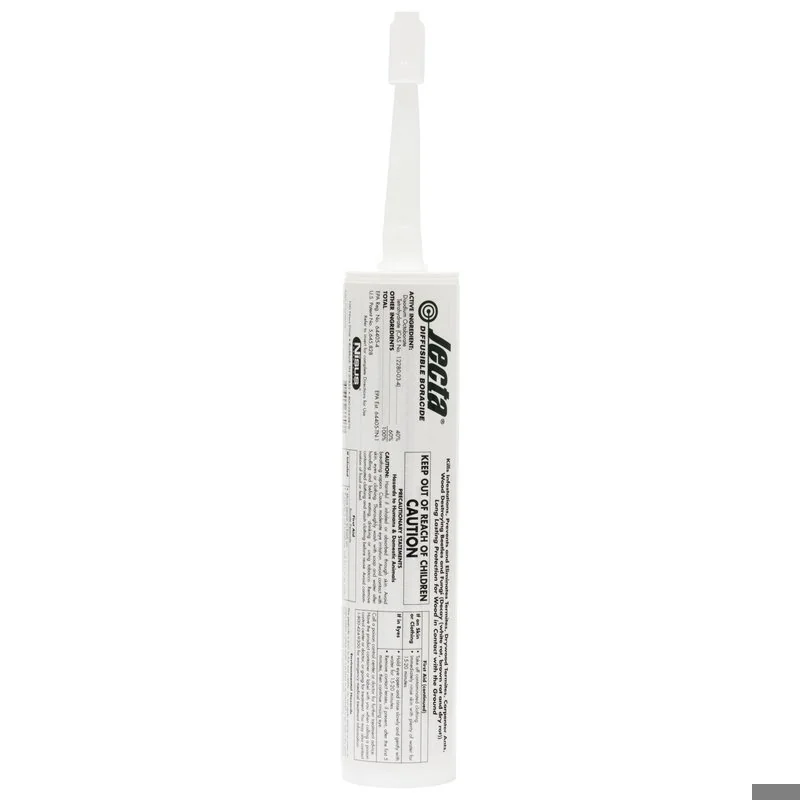
Jecta Diffusible Borate Gel
Jecta Diffusible Borate Gel offers targeted control of active wood borer infestations by delivering borate directly into visible tunnels and galleries. The gel formulation penetrates deep into wood fibers, stopping larvae and preventing reinfestation in treated areas. Ideal for precise spot treatments on furniture or timber structures without overspray or mess.
Why We Recommend This
We recommend Jecta Diffusible Borate Gel for anyone facing active wood borer holes in valuable or visible woodwork. Its precision application and deep-penetrating formula make it the best choice for spot treating infestations without damaging finishes or exposing large areas to chemicals. This product is especially useful for fine furniture or historic timber where preservation matters.
vs Competitors: Compared to broad-spray options like Bayer Premise or Eco Defense, Jecta provides more controlled and residue-free application, though it requires more labor for larger infestations.
Best For:
Homeowners, renters, or property managers dealing with small, visible wood borer infestations who require targeted, minimal-impact application.
- Treating active wood borer holes in antique furniture or decorative woodwork
- Spot-treating localized infestations in beams, joists, or window frames
- Injectable gel formula for direct application into active borer holes
- Contains disodium octaborate tetrahydrate (borate) as the active ingredient
- Enables precise spot treatment without affecting surrounding surfaces
- Effective at targeting hidden borer larvae inside wood
- Not suitable for treating large or inaccessible infestations
- Requires drilling or exposing borer tunnels for application
Pyrethroid Wood Insect Spray: Best Budget Option for Quick Treatments
A ready-to-use pyrethroid spray (permethrin, cypermethrin, or bifenthrin) kills wood-boring beetles on contact as they crawl on or emerge from treated surfaces. It’s a budget-friendly, practical choice for small jobs, but it does not reach larvae deep in the wood - use a borate treatment for that.
- Fast-acting cypermethrin kills adult beetles and larvae on exposed surfaces
- Ready-to-use trigger spray - no mixing, no complicated instructions
- Leaves a residual barrier for several weeks, deterring reinfestation
- Works on both softwoods and hardwoods - good for furniture, paneling, and trim
- Some users report a noticeable chemical odor during application - ventilation is recommended
- Does not penetrate painted or varnished wood - surface-only effectiveness
Choose this spray if you need a fast, low-cost fix for a recent infestation or spot treatment of exposed wood. If you need deep protection or have children or pets, opt for a gentler formula.
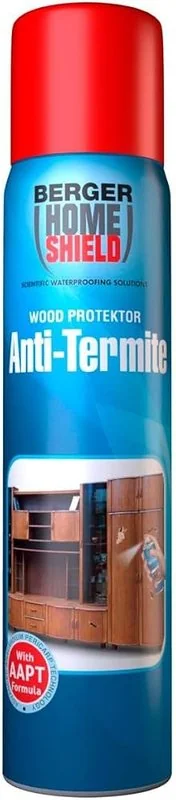
Pyrethroid Wood Insect Spray
Ready-to-use pyrethroid sprays (active ingredients such as permethrin, cypermethrin, or bifenthrin) kill wood-boring beetles that crawl on or emerge from treated surfaces. They act on contact and leave a surface residue, but they do not penetrate deep into wood to reach larvae the way borate treatments do. They are a low-cost option for quick spot treatments, best combined with a borate product for active infestations.
Why We Recommend This
A pyrethroid spray handles exposed beetles; pair it with a borate treatment for larvae inside the wood. This is a product type rather than a specific model - compare current listings and check the label before buying.
vs Competitors: Compared to borate products like Tim-bor or Jecta, a surface pyrethroid spray acts faster on exposed beetles but does not penetrate wood.
Best For:
Homeowners and renters who need an inexpensive surface treatment for minor wood borer activity.
- Spot-treating furniture and trim where beetles are emerging
- A low-cost follow-up to a borate treatment
- Contact action against exposed beetles
- Ready-to-use trigger or aerosol formats
- Affordable for small spot treatments
- Quick to apply with no mixing
- Does not reach larvae deep inside the wood
- Check the label: not every pyrethroid spray is labeled for wood-boring insects or indoor furniture
Orange Guard Home Pest Control: Best Plant-Based Option
Orange Guard Home Pest Control uses d-limonene from orange peel to kill insects on contact with minimal chemical residue. It is a greener option for spot-treating exposed beetles and exit holes in bedrooms or areas with sensitive occupants, but it does not penetrate deep into wood the way borate treatments do.
- Biobased active ingredients: peppermint oil, clove oil, and cedarwood
- Low chemical footprint - safe for use in bedrooms, nurseries, and kitchens (but not on food prep surfaces)
- Works as both a contact killer and a repellent - good for mild or preventive treatment
- Leaves little to no visible residue - no staining on most finished woods
- Reapplication needed every 2–4 weeks for ongoing protection
- Users appreciate the mild scent and peace of mind in sensitive homes
This is the best pick for anyone prioritizing safety and odor over brute-force kill speed. It’s not strong enough for heavy infestations, but it excels for light, active problems and ongoing prevention.
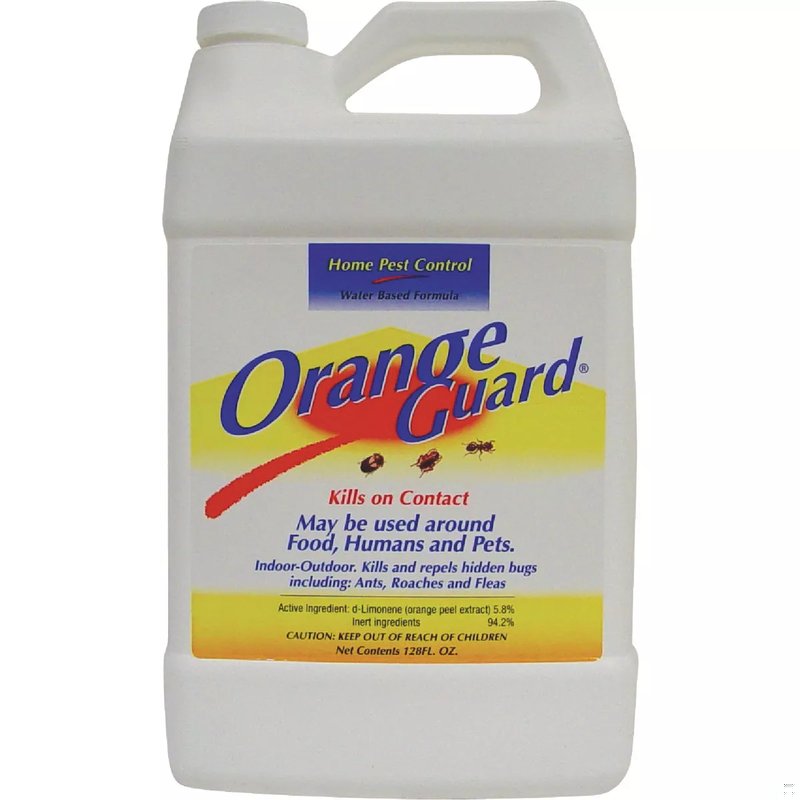
Orange Guard Home Pest Control Ready-To-Use
Orange Guard Home Pest Control Ready-To-Use uses d-limonene, a natural compound from orange peel oil, to effectively kill and repel wood pests. Its food-contact safe formula and fresh citrus scent make it ideal for treating pantry shelves, kitchen counters, and dining areas without harsh chemicals. The 32 fl oz trigger spray covers large areas quickly for convenient spot treatments.
Why We Recommend This
We recommend Orange Guard for homeowners who prioritize safety and natural ingredients in indoor pest control. Its EPA registration, food-contact safe certification, and owner feedback on effectiveness make it a trustworthy choice for kitchens and pantries. While it requires direct contact for best results, its citrus formulation stands out in the natural pest spray category.
vs Competitors: Compared to many essential oil sprays, Orange Guard is one of the few EPA-registered options labeled safe for food-contact surfaces, offering a higher level of assurance for use in kitchens.
Best For:
Homeowners seeking a natural, food-safe pest spray for indoor use, especially in kitchens and dining spaces.
- Spot-treating kitchen cabinets, pantry shelves, and food storage zones
- Applying to baseboards or entry points where wood pests are active
- Contains d-limonene (5.8%) derived from orange peel oil
- Certified food-contact safe for use around kitchens and pantries
- Safe to use around food prep areas and pets when used as directed
- Quickly kills and repels common wood pests like ants and carpenter bees
- Requires direct spray contact for maximum effectiveness
- May need frequent reapplication in high-traffic or outdoor areas
- Bayer Premise Wood Protector wins for: quick, safe furniture and trim treatment
- Tim-bor Professional Insecticide wins for: deep penetration in unfinished or structural wood
- Jecta Diffusible Borate Gel wins for: precision spot-treating active borer holes
- Pyrethroid Wood Insect Spray wins for: budget-friendly, fast-acting surface treatments
- Orange Guard Home Pest Control wins for: plant-based spot treatment in sensitive indoor spaces
How to Choose the Right Wood Borer Spray for Your Needs
Choosing the best wood borer spray depends on how severe the infestation is, where it’s located, and what matters most for your household. Surface sprays are quick and easy, but only work on mild, recent infestations and exposed wood. For deep or long-term problems - especially in beams, joists, or painted wood - borate gels or concentrates work better but require more prep and patience.
Matching Spray Type to Infestation Severity
- Surface sprays: Best for mild, active infestations in unsealed furniture, trim, or new holes
- Borate solutions/gels: Needed for structural wood or infestations with widespread tunneling and old exit holes
- Painted or varnished wood: Requires sanding, drilling, or injection for any real effect
- Professional help: Necessary for advanced damage - if wood is crumbling, sagging, or riddled with holes
Spray selection is just the start - effective treatment often involves combining methods based on your situation. For more severe cases, you may need to supplement sprays with gels, dusts, or even call in a professional if the structure is at risk.
Balancing Safety, Odor, and Indoor Use
If you’re treating bedrooms, kitchens, or areas with kids and pets, low-odor and natural sprays are much less intrusive. Synthetic insecticides like cypermethrin or imidacloprid offer longer-lasting protection, but require more care with ventilation and drying time.
Always check the label for drying and reentry times, and make sure treated surfaces are fully dry before allowing family or pets back in. Ventilation is key for all sprays, but especially for chemical-based options - open windows, use fans, and leave the area if possible.
If you’ve worked through the criteria, you already know which direction to go. Here’s the short version.
Application Tips and Safety Precautions for DIY Wood Borer Treatment
The difference between a quick fix and a lasting solution often comes down to preparation and safety. Here’s what we recommend for anyone treating wood borers at home.
Preparation and Application Best Practices
- Vacuum or brush away loose frass and dust before spraying - this allows better absorption and ensures you’re not just coating debris
- For deep infestations, drill small holes (2–4 mm) at regular intervals to inject gel or allow liquid to soak in
- Follow label instructions for coverage rates, drying times, and recommended reapplication intervals
- Don’t rush - allow time for the spray or gel to fully dry and penetrate
Protecting Yourself and Your Home
- Wear gloves, a mask, and safety goggles when applying chemical sprays or powders
- Keep children and pets away from the area until all surfaces are completely dry
- Ventilate well - open windows, use fans, and leave the area for several hours if needed
- Dispose of any leftover solution safely according to local regulations
Frequently Asked Questions About Wood Borer Sprays
❓ Frequently Asked Questions
What is a wood borer spray and how does it work?
What is a wood borer spray and how does it work?
A wood borer spray is a chemical treatment designed to eliminate wood-boring insects from furniture and structural wood. It penetrates wood surfaces to kill larvae and prevent future infestations. Most sprays use insecticides like permethrin, providing fast-acting results - one example is a water-based formula safe for indoor use.
How do I apply wood borer spray to furniture or wooden structures?
How do I apply wood borer spray to furniture or wooden structures?
To apply wood borer spray effectively:
- Clean affected areas to remove dust or debris
- Shake the spray well and apply evenly to infested zones
- Allow the product to penetrate for the recommended contact time (usually 24–48 hours)
- Ventilate the space during and after application
- Repeat treatment as advised by manufacturer
Wear gloves and mask for safety during application.
What should I look for when choosing a wood borer spray?
What should I look for when choosing a wood borer spray?
When choosing a wood borer spray, consider these key factors:
- Active ingredient: permethrin or borate are widely used
- Coverage area: check how many square feet per bottle
- Safety: non-staining and low-odor options are best indoors
- Residual effect: longer-lasting protection reduces reapplication
Compare at least 3 sprays and read recent user reviews before purchase.
How often should I reapply wood borer spray for ongoing protection?
How often should I reapply wood borer spray for ongoing protection?
Most wood borer sprays should be reapplied every 6–12 months, depending on the product and infestation level. Heavily infested areas may require more frequent treatments. Always follow manufacturer guidelines for best results. Regular inspection of treated wood helps catch early signs of reinfestation.
What is the difference between water-based and solvent-based wood borer sprays?
What is the difference between water-based and solvent-based wood borer sprays?
Water-based wood borer sprays are low-odor, quick-drying, and safer for indoor use, minimizing staining. Solvent-based sprays penetrate deeper and may offer longer-lasting effects but often have stronger fumes and can discolor wood. Choose water-based for living spaces and solvent-based for outdoor or structural treatments.
Why do I need a specialized spray for wood borers instead of general insecticide?
Why do I need a specialized spray for wood borers instead of general insecticide?
Wood borers require specialized sprays because their larvae live inside wood, making surface treatments less effective. Wood borer sprays contain active ingredients and formulations designed to penetrate wood and kill larvae within. General insecticides often lack this deep penetration and may not prevent reinfestation.
Are wood borer sprays safe to use around children and pets?
Are wood borer sprays safe to use around children and pets?
Most modern wood borer sprays are formulated to be safe for use in homes when applied according to instructions. However, treated areas should be kept off-limits to children and pets until fully dry and ventilated. Always follow label safety precautions and opt for low-toxicity products for indoor applications.
Which Wood Borer Spray Should You Buy in 2026?
Bayer Premise Wood Protector is the best all-around pick for most homes, thanks to its combination of safety, convenience, and reliable results on furniture and trim. If you’re facing a deep, structural, or recurring infestation - especially in unfinished wood - Tim-bor Professional Insecticide offers long-term protection that surface sprays can’t match.
Jecta Diffusible Borate Gel is the best tool for targeting active holes and tunnels without over-treating your entire home. A ready-to-use pyrethroid wood spray is the budget choice for quick surface fixes, while Orange Guard Home Pest Control is the plant-based option for spot treatments in bedrooms or sensitive spaces. Choose based on your infestation’s severity, wood type, and household safety needs.
There’s no single right answer for every scenario - but for most homeowners, a combination of surface spray and deeper borate treatment covers all the bases. If you need more in-depth solutions or are dealing with carpenter ants or termites in addition to borers, check out our guide on Best Carpenter Ant and Wood Borer Treatments 2026 for advanced recommendations.
Related Articles
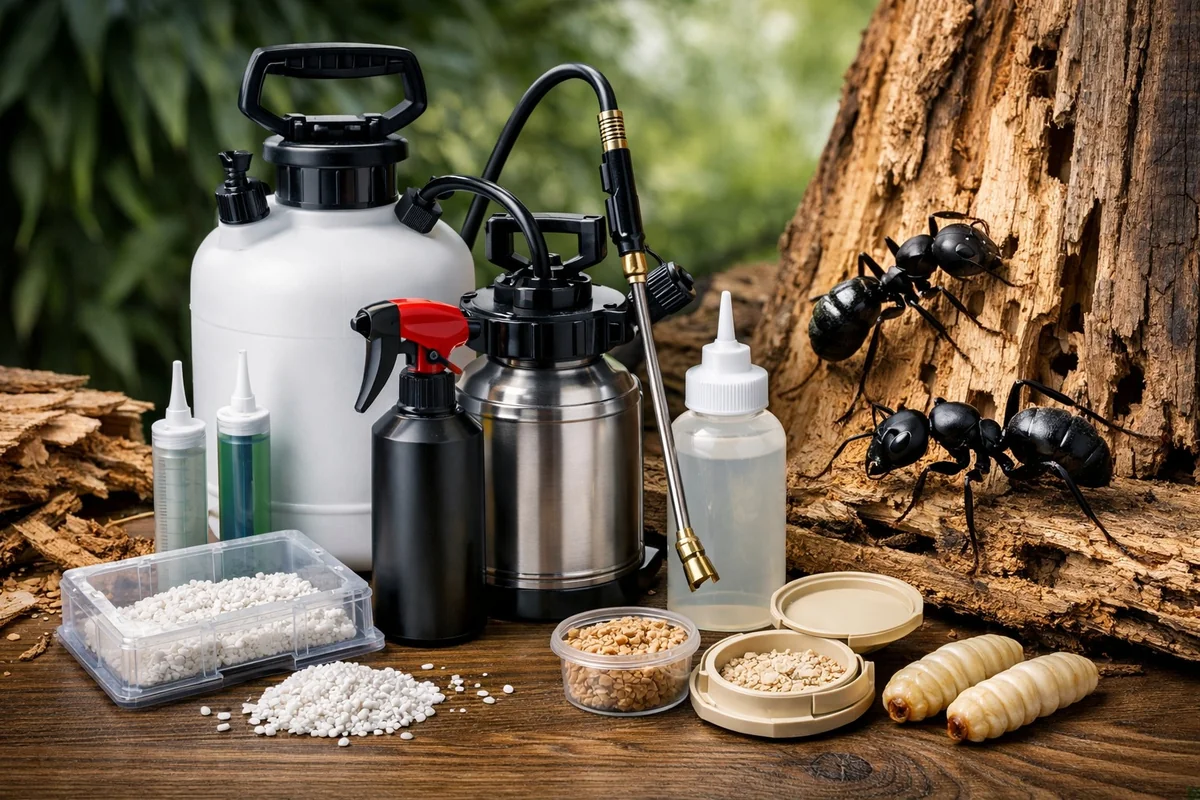
Best Carpenter Ant and Wood Borer Treatments 2026: Top Baits, Sprays, and Safe Solutions
Discover the best carpenter ant treatments and wood borer control products for 2026. Compare effective baits, sprays, natural solutions, and expert tips to eliminate pests and protect your home - DIY-friendly and budget-conscious.
Best Termite Treatments and Baits 2026: Expert Picks for DIY Control
Best termite treatments and baits for 2026. Compare top-rated liquid barriers, bait stations, sprays, and natural solutions for effective DIY termite control.

Complete Guide to Pest Prevention in Homes: Stop Pests in 2026
Protect your home in 2026 with this complete pest prevention guide. Discover proven DIY methods, room-by-room tips, safe solutions for families, and expert advice to stop pests before they start.
Best Protective Gear for Pest Control 2026 [Expert Reviews]
Protect yourself during DIY pest control in 2026 with our expert-reviewed guide to the best protective gear. Compare top-rated respirators, gloves, coveralls, and more for safe, effective pest removal at home.