 Pest Pro Reviews Editorial Team • • 8 min read •
Best Ant Killer Sprays for Indoors: Residual and Plant-Based
The best ant killer sprays for indoors: Raid Ant and Roach, Harris odorless residual, STEM plant-based, Mighty Mint and EcoVenger, and how to use sprays with bait.
The best ant killer spray for most homes is Raid Ant and Roach Killer, a fast contact aerosol with residual action on treated cracks. Harris Home Insect Killer is the odorless residual option by the gallon, STEM's aerosol is the plant-based pick, and Mighty Mint and EcoVenger are lower-toxicity sprays for trails. No spray reaches the colony, so pair any of them with bait.
- Sprays kill only the ants they touch; UC IPM notes indoor sprays are usually unnecessary and will not stop more ants coming in.
- Residual sprays keep killing on treated surfaces for weeks; plant-oil sprays kill on contact but leave little lasting effect.
- Spraying near ant baits kills the workers that would carry bait back to the colony.
When an Ant Spray Makes Sense
A spray is the right tool for one job: killing ants you can see, right now, where you cannot simply wipe them away. UC IPM's ant pest notes say spraying ants indoors will not prevent more from entering, and that vacuuming or wiping trails with soapy water may work as well as an insecticide for removing foragers.
So use a spray for a trail in a spot you cannot clean easily, a crack where ants keep emerging, or a quick treatment while baits get to work elsewhere. For the colony itself, use bait; our guide to the best ant killers for the home covers the baits that reach it.
Never spray on food-prep surfaces or near open food, and keep sprays away from bait stations so the ants feeding there can carry bait home.
Identify your needs and get personalized recommendations
A steady trail from an entry point.
Wants the gentlest option.
Wants little or no odor.
Treating many cracks for several pests.
Residual vs Contact Ant Sprays
Ant sprays fall into two groups. Residual sprays, such as Raid's and Harris's, leave a film that keeps killing insects that cross treated surfaces for weeks. They suit cracks and baseboard gaps where ants keep emerging, and they are the stronger chemicals, so their labels limit where and how you use them indoors.
Contact sprays, mostly plant-oil products, kill the ants they soak and little else. UC IPM notes these oils have excellent contact activity but limited residual activity, which makes them a good fit for a quick cleanup in a kitchen or around pets and a poor fit for stopping a steady stream from a crack.
How We Selected These Sprays
We compared ant sprays on whether they kill on contact, leave residual action, the active ingredient or oils listed, where the label allows indoor use, odor and residue, and what buyers report about effectiveness and sprayers. Our sources were manufacturer listings, Amazon's review digests and UC IPM guidance; we did not test the products. Marketing claims such as kill percentages and timings were left out.
We left out perimeter sprays meant mainly for outdoor foundation treatment and products without buyer feedback. The indoor ant killers section covers baits and safety in more detail. The first pick is the residual aerosol buyers rate highest.
Raid Ant and Roach Killer: Best Overall
Raid's Ant and Roach aerosol comes in a 17.5-ounce can and does two jobs: it kills ants it hits, and the maker says the film it leaves keeps killing roaches and carpenter ants for up to 13 weeks. Its label covers a long list of household insects, from ants and roaches to spiders, silverfish and earwigs.
- Buyers find it fast-acting, often killing insects in seconds, and like the scent.
- Value feedback is mostly positive.
- Spray performance is mostly negative for some cans.
- The listing does not state the active ingredients; read the label for indoor directions before use.
Choose it for cracks and crevices where ants emerge, along baseboards away from food. Its residual action is the reason to pick it over a plant-oil spray.

Raid Ant & Roach Killer Spray 17.5 oz
Best for: Residual treatment of entry cracks
- ✓Kills on contact, per buyers
- ✓Residual action, per the maker
- ✓Good value, per buyers
- −Spray performance problems on some cans
- −Does not reach the colony
Specifications (2)
- Item Form
- Aerosol
- Liquid Volume
- 17.5
Harris Home Insect Killer: Best Odorless Residual Spray
Harris Home Insect Killer is a 1-gallon odorless, non-staining residual spray with an extended trigger sprayer, EPA-registered for indoor residential use. The maker says it keeps killing roaches, ants and other insects for weeks after application.
- The odorless formula suits people who dislike spray smells.
- The extended sprayer reaches cracks and behind appliances.
- Buyers like the lack of odor and find it easy to use; effectiveness is mixed.
- Sprayer and nozzle complaints are common, and the listing says it is not sold in California, Connecticut or New York.
Pick it for treating many cracks around a house over a season, where a gallon makes sense. Consider moving it into a sturdier sprayer.
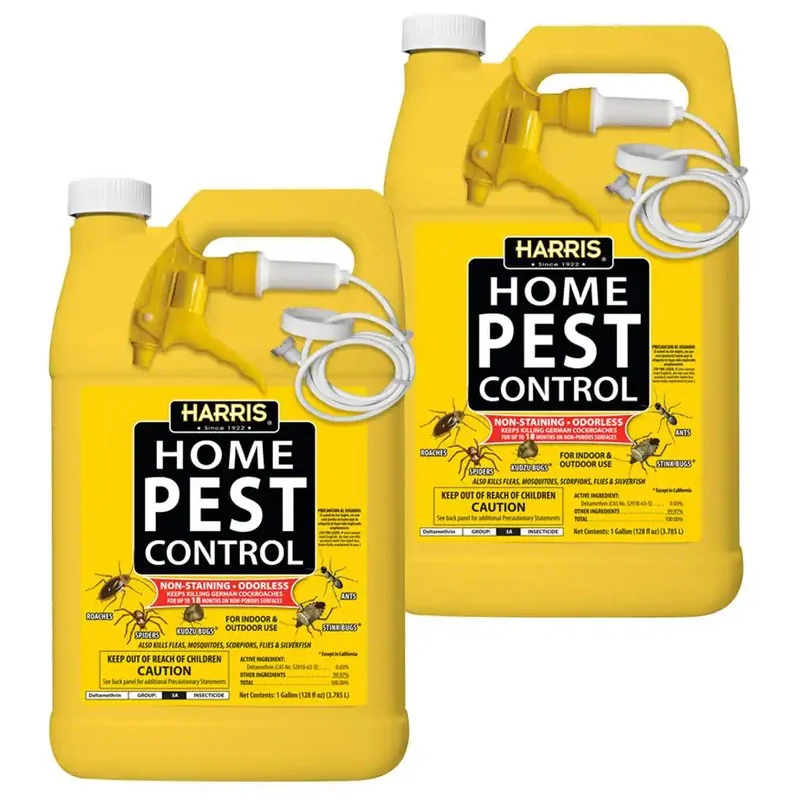
Harris Home Insect Killer 1 Gallon
Best for: Odorless residual spraying across a whole house
- ✓Odorless, per buyers
- ✓Residual action for weeks, per the maker
- ✓Extended trigger sprayer
- −Sprayer and nozzle complaints
- −Not sold in California, Connecticut or New York
Specifications (2)
- Item Form
- Spray
- Liquid Volume
- 1 gallons
STEM Plant-Based Bug Spray: Best Plant-Based Aerosol
STEM's 10-ounce aerosol from SC Johnson uses a plant-based active ingredient to kill ants, roaches and spiders indoors and outdoors. The aerosol format avoids the trigger failures buyers report with pump bottles.
- The maker says it is safe around people and pets when used as directed.
- Buyers appreciate its pet safety; effectiveness feedback is mixed.
- Buyers often report an oily residue that can stain walls and surfaces.
- A 12-ounce trigger version is also sold.
Choose it for quick botanical contact kills where you can wipe the surface afterward. Test it on a hidden spot first, and avoid painted walls and fabrics where an oily mark would show.

STEM Plant-Based Bug Spray Aerosol 10 oz
Best for: Botanical aerosol contact kills
- ✓Plant-based active ingredient
- ✓Aerosol avoids pump failures
- ✓Pet-safe, per buyers
- −Oily residue that can stain, per buyers
- −No lasting effect, per some buyers
Specifications (3)
- Item Form
- Aerosol
- Liquid Volume
- 10 fluid ounces
- Target Species
- Ants, Roaches, Spiders
Mighty Mint Ant Killer Spray: Best Budget Peppermint Spray
Mighty Mint Ant Killer is a 16-ounce spray of peppermint oil and geraniol for ant trails, baseboards and entryways, indoors and out. The maker says it is safe around dogs, cats and children when applied as directed.
- Buyers like the scent and its use around pets and in kitchens.
- Effectiveness is mixed, with some saying ants were gone and others seeing more.
- Value feedback is mostly negative.
- Like other plant oils, it has limited lasting effect once dry, as UC IPM notes.
Pick it for wiping out a visible trail in a household with pets, then follow with bait.
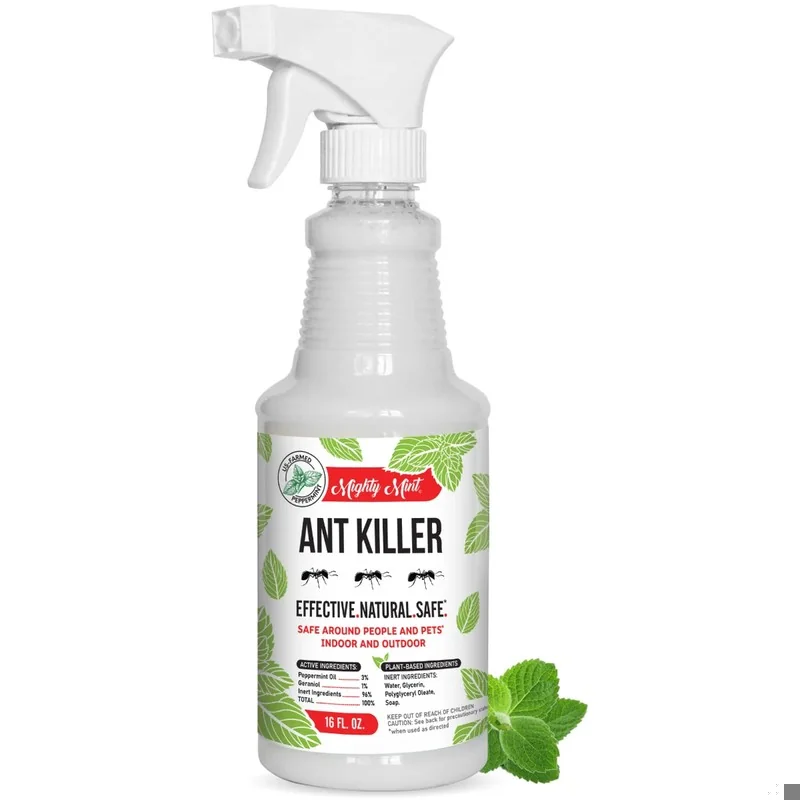
Mighty Mint Ant Killer Spray 16 oz
Best for: Low-cost peppermint spray around pets
- ✓Pet-safe, per buyers
- ✓Pleasant scent, per buyers
- ✓Indoor and outdoor use
- −Mixed effectiveness; some saw more ants
- −Poor value feedback
Specifications (3)
- Item Volume
- 16 fluid ounces
- Scent Name
- Mint, Peppermint
- Item Form
- Aerosol
EcoVenger Ant Killer: Best Multi-Oil Botanical Spray
EcoVenger Ant Killer is a 16-ounce spray with geraniol, citronella oil, cedarwood oil and sodium lauryl sulfate, labeled for odorous house ants, fire ants, roaches, fleas and spiders. The maker says it disrupts pheromone trails as well as killing on contact.
- Buyers appreciate that it is less toxic and usable in the kitchen.
- Effectiveness feedback is mixed.
- Sprayer complaints are common, with triggers failing.
- Value feedback is mostly negative.
Choose it if you want a botanical blend beyond peppermint, and keep a spare spray bottle ready.

EcoVenger Ant Killer Spray 16 oz
Best for: A multi-oil botanical blend
- ✓Less toxic, usable in kitchens, per buyers
- ✓Multi-oil formula
- ✓Labeled for several crawling pests
- −Trigger sprayers fail, per buyers
- −Poor value feedback
Specifications (2)
- Active Ingredients
- Citronella Oil Geraniol Cedarwood Oil Sodium Lauryl Sulfate
- Item Form
- Spray
- Raid Ant and Roach Killer wins for: residual treatment of entry cracks
- Harris Home Insect Killer wins for: odorless residual spraying by the gallon
- STEM Plant-Based Bug Spray wins for: botanical aerosol contact kills
- Mighty Mint Ant Killer Spray wins for: low-cost peppermint spray around pets
- EcoVenger Ant Killer wins for: a multi-oil botanical blend
Whichever spray you choose, use it alongside bait, not instead of it.
How to Use an Ant Spray Safely and Effectively
- Spray cracks, not counters: treat entry cracks, baseboard gaps and behind appliances; never food-prep surfaces.
- Keep away from baits: leave several feet between a sprayed area and any bait station.
- Read the label: follow indoor directions, ventilation advice and re-entry times for children and pets.
- Test plant-oil sprays: try a hidden patch first, since several leave oily residue.
- Seal after spraying: caulk the crack once ants stop using it.
Common Questions About Ant Killer Sprays
What do professionals use to kill ants?
What do professionals use to kill ants?
Mostly baits and targeted crack treatments rather than broad sprays. UC IPM advises asking pest companies for baits and spot treatments instead of monthly perimeter sprays, because baits reach the colony and perimeter sprays only knock ants back.
How do I get rid of sugar ants?
How do I get rid of sugar ants?
Sugar ants are small ants that trail to sweets. Wipe the trail with soapy water, seal the entry, store sweets in sealed containers and set a sweet liquid bait near the entry. A spray only clears the ants on the counter.
Why do I suddenly have flying ants in my house?
Why do I suddenly have flying ants in my house?
Flying ants are winged reproductives leaving a mature colony to mate, often on a warm day after rain. Indoors, they can mean a nest in the structure; collect a few and compare them with termites, which have straight waists and equal-length wings, before treating.
Is an ant spray safe to use with pets in the house?
Is an ant spray safe to use with pets in the house?
Follow the label: keep pets out until the spray dries, treat cracks rather than open floors, and store the can out of reach. Plant-based sprays are lower in toxicity but can still upset a pet that licks a wet surface.
Which One Should You Buy?
For most homes, Raid Ant and Roach Killer is the spray to buy. It kills on contact, buyers rate it fast and good value, and its residual action keeps treated entry cracks working for weeks, which plant-oil sprays cannot do.
Choose Harris for odorless residual treatment across a whole house, STEM's aerosol for plant-based contact kills, Mighty Mint for a low-cost peppermint spray in pet households, and EcoVenger for a multi-oil botanical blend. Whichever you buy, use bait for the colony and keep sprays away from it.
Today, wipe the trail with soapy water, spray only the crack where it starts and set a bait station a few feet away.
Related Articles
Do Ant Killers Work? Baits, Sprays and Why They Fail
Do ant killers work? Baits reach the colony while sprays and powders kill only the ants they touch. Why ant killers fail, how to fix it and how long baits take.
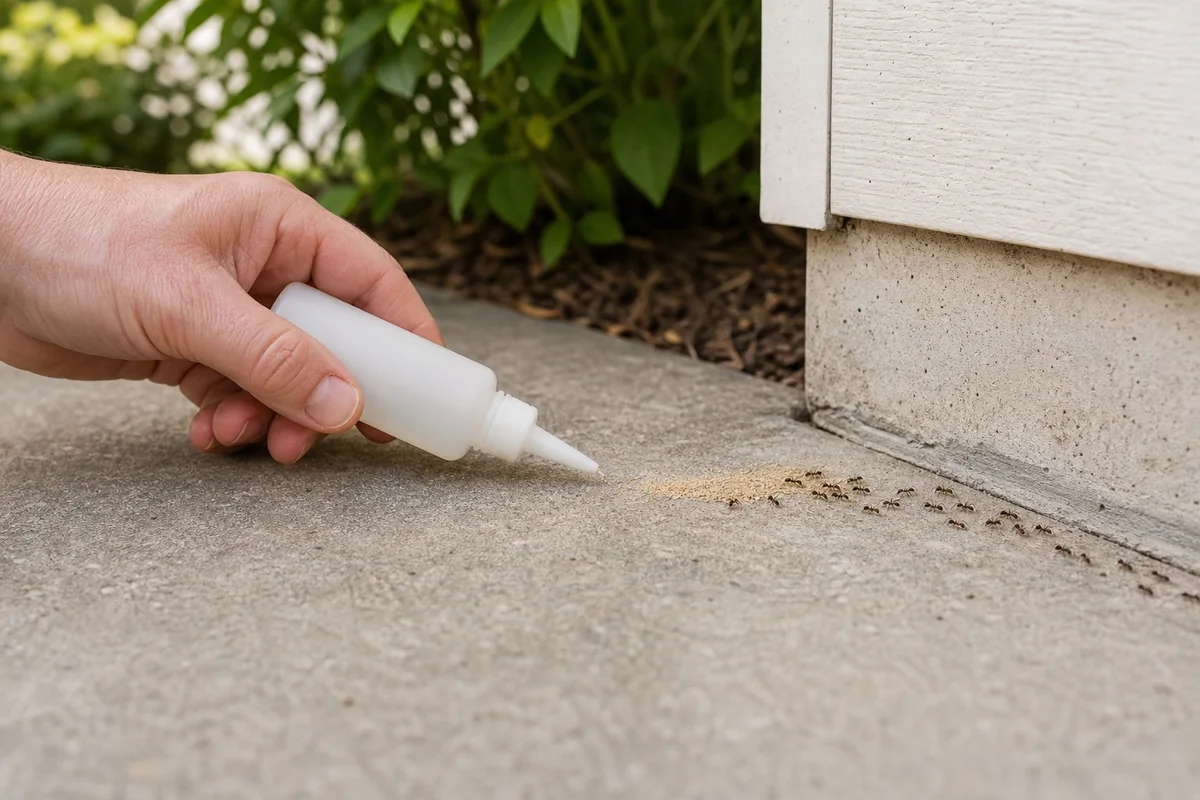
Is Ant Killer Toxic to People and Pets? Risks by Ingredient
Is ant killer toxic? How risky borax baits, pyrethroid sprays, granules and diatomaceous earth are for people, dogs and cats, and how to use ant killers safely.
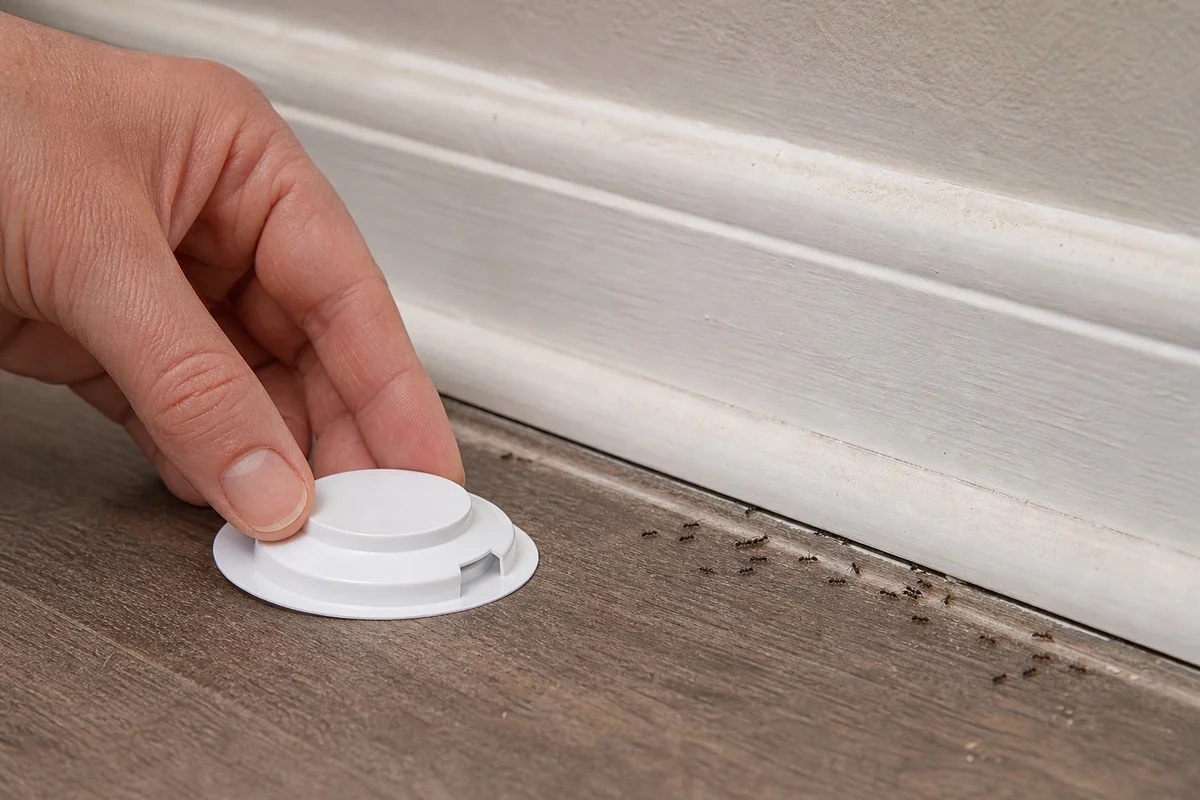
Best Ant Killers for the Home: Baits, Gels and Sprays
The best ant killers for the home: TERRO liquid bait stations and bottles, Raid Ant Baits, Advion gel, plus STEM and Raid sprays, and why baits beat sprays indoors.
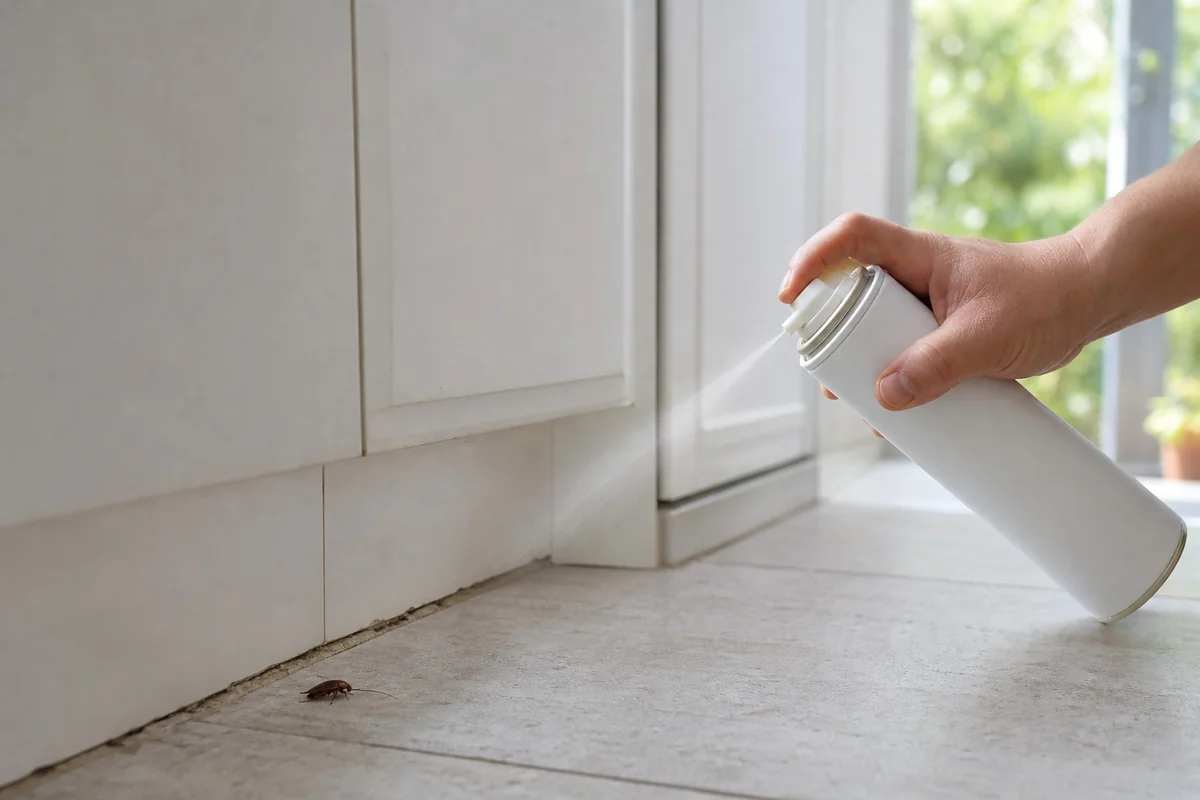
Best Home Roach Sprays: Dry Aerosol, Residual and Plant-Based
Best roach killer sprays for home use: Bengal Gold dry aerosol, Raid and Harris residual sprays, Raid MAX Perimeter and STEM, how to spray without spoiling bait.