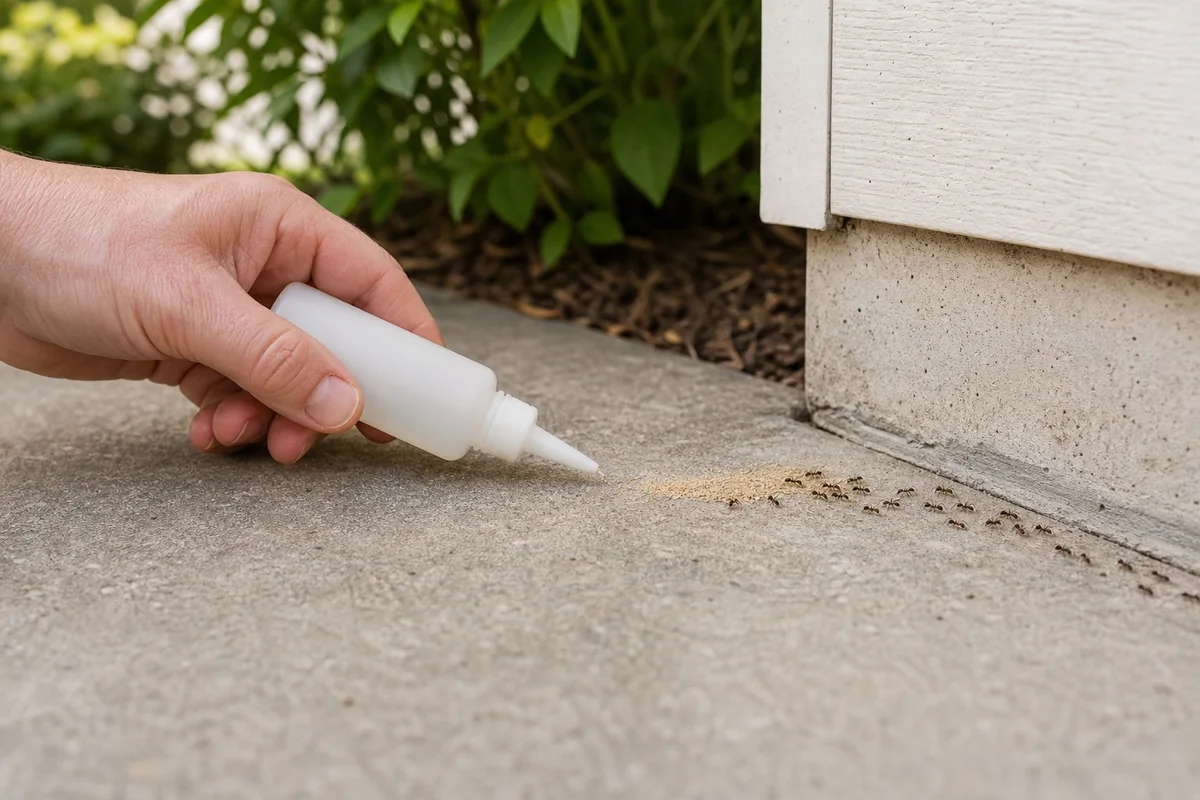

Is Ant Killer Toxic to People and Pets? Risks by Ingredient
Is ant killer toxic? How risky borax baits, pyrethroid sprays, granules and diatomaceous earth are for people, dogs and cats, and how to use ant killers safely.
Ant killer is toxic, but how toxic depends on the ingredient, the form and how much is swallowed. Enclosed bait stations hold small amounts of low-toxicity ingredients such as borax, while sprays, dusts and granules expose more people and pets. Used as the label directs, most household ant killers carry low risk; the danger comes from chewed stations, spills and wet spray.
What Makes an Ant Killer More or Less Toxic
Every ant killer is a pesticide, and three things decide the risk. The active ingredient sets how poisonous it is; the form decides how easily someone can touch, breathe or swallow it; and the amount decides whether a contact is a nuisance or an emergency. A sealed bait station with a few drops of borax bait is a very different exposure from a fresh layer of insecticide dust on the floor.
Product labels carry a signal word, Caution, Warning or Danger, which reflects how toxic the product is in its concentrated form, with Caution the least toxic. Read it alongside the directions for where the product may be used indoors and how long to keep children and pets away.
Baits are both the most effective and usually the lowest-exposure ant killers, because ants carry them home; our guide to the best ant killers for the home covers the products, and the indoor ant killers section explains each type.
Common Ant Killer Ingredients and Their Risks
| Ingredient | Where You Find It | Main Concern | Practical Risk at Home |
|---|---|---|---|
| Borax or boric acid | Liquid bait stations, gels, homemade baits | Stomach upset if swallowed | Low in stations; higher with open bait or powder |
| Pyrethroids (deltamethrin, lambda-cyhalothrin) | Sprays, dusts, granules | Skin and breathing irritation; cats sensitive to some | Keep pets off until dry or settled |
| Fipronil, hydramethylnon, avermectin, indoxacarb | Bait stations and gels | Toxic if eaten in quantity | Low in closed stations; follow the label |
| Plant oils (peppermint, geraniol, cedarwood) | Botanical sprays | Irritation; cats sensitive to some essential oils | Lower, but keep pets off wet surfaces |
| Diatomaceous earth | Dusts | Breathing irritation | Low if eaten; avoid making clouds of dust |
Can Ant Poison Harm a Human?
In normal household use, rarely. The National Pesticide Information Center's boric acid fact sheet says boric acid is low in toxicity if eaten or if it touches skin, while people who swallowed it have had nausea, vomiting, stomach aches and diarrhea, and extreme amounts have caused serious skin reactions.
The people most at risk are young children, who put stations and spilled bait in their mouths. NPIC notes many boric acid products must be placed out of children's reach and suggests getting down to a child's eye level to check after placing them. If a child swallows any ant killer, call Poison Control at 800-222-1222 with the product label in hand.
Is Ant Killer Toxic to Dogs and Cats?
It can be. NPIC notes that boric acid affects animals in a similar way to people, and that signs of poisoning in animals can start within 2 hours of eating it. Dogs are the usual victims, because they chew bait stations and lick up sweet liquid bait; a single station holds little bait, but a dog that chews several, or finds an open bottle, can get a meaningful dose.
Cats are more often exposed to sprays and dusts by walking through them and grooming their paws. Keep pets out of treated rooms until sprays dry and dusts settle, and choose closed stations placed behind appliances or under furniture where pets cannot reach. Small pets such as tortoises and birds should be kept well away from any treated area.
How Ant Granules and Diatomaceous Earth Work
Ant granules come in two kinds. Bait granules are coated with an attractant that foraging ants carry back to the nest, like any bait; contact granules release an insecticide into the soil or surface they are spread on. Both are mainly outdoor products, and pets can eat or track granules, so follow the label on watering in and keeping animals off treated areas.
Diatomaceous earth works differently: NPIC says it makes insects dry out and die by absorbing the oils and fats from their outer layer, and stays effective only while dry and undisturbed. NPIC describes it as not poisonous when eaten, but warns that breathing it in can irritate the nose and airways, so apply it thinly in cracks rather than as a cloud.
Why Ants Eat the Bait but Do Not Die
That is how baits are meant to work. The insecticide is slow-acting so that workers survive long enough to carry bait home and share it with the colony, including the queens. Ants feeding at a bait for several days is a good sign; expect fewer ants after about a week.
If ants keep feeding for weeks with no drop in numbers, the bait may be too weak for a large colony, or a second colony may be involved. Switching to a different active ingredient is more useful than adding sprays, which kill the carriers. The slow action is also why baits put so little poison in each station: a small dose shared through the colony does the work.
How to Use Ant Killers Safely
- Prefer closed stations: they hold small amounts and keep bait away from hands and paws.
- Place out of reach: behind appliances, under furniture and inside cabinets, not on open floors or counters.
- Keep pets out until dry: after spraying or dusting, follow the label's re-entry time.
- Never use near food: no sprays or dusts on counters, cutting boards or pet bowls.
- Store products locked away: in their original containers, with labels intact.
- Keep the label: if exposure happens, the ingredient list tells doctors and vets what to treat.
Common Questions About Ant Killer Toxicity
What are the symptoms of ant powder poisoning?
What are the symptoms of ant powder poisoning?
For boric acid products, NPIC lists nausea, vomiting, stomach aches and diarrhea in people who swallowed it, and notes animals can show signs within 2 hours. Symptoms vary by ingredient, so call Poison Control or your vet with the label rather than waiting for symptoms.
My dog chewed an ant bait station. What should I do?
My dog chewed an ant bait station. What should I do?
Remove the pieces, check how many stations were chewed and keep the package. Call your vet right away with the active ingredient and amount; one station holds little bait, but several, or an open bottle of liquid bait, can be a real dose.
Is ant killer safe after it dries?
Is ant killer safe after it dries?
Most sprays are much lower risk once dry, which is why labels set re-entry times for people and pets. Residual sprays still leave insecticide on the surface, so keep them off areas pets lick or lie on, and never on food surfaces.
Are natural ant killers non-toxic?
Are natural ant killers non-toxic?
Lower in toxicity, not harmless. Plant-oil sprays can irritate skin, eyes and airways, cats are sensitive to some essential oils, and diatomaceous earth irritates if inhaled. Treat natural products with the same care as any other pesticide.
Key Takeaways
Ant killers are pesticides, and their risk depends on the ingredient, the form and the dose. Closed bait stations with borax carry the least exposure, while sprays, dusts and granules need more care around children and pets, and NPIC notes boric acid can make animals sick within hours.
Use closed stations out of reach, keep pets off wet or dusted areas, never treat food surfaces and keep the label. If a child or pet swallows ant killer, call Poison Control or your vet at once.
Today, check every bait station in your home from floor level and move any you can see.
Related Articles
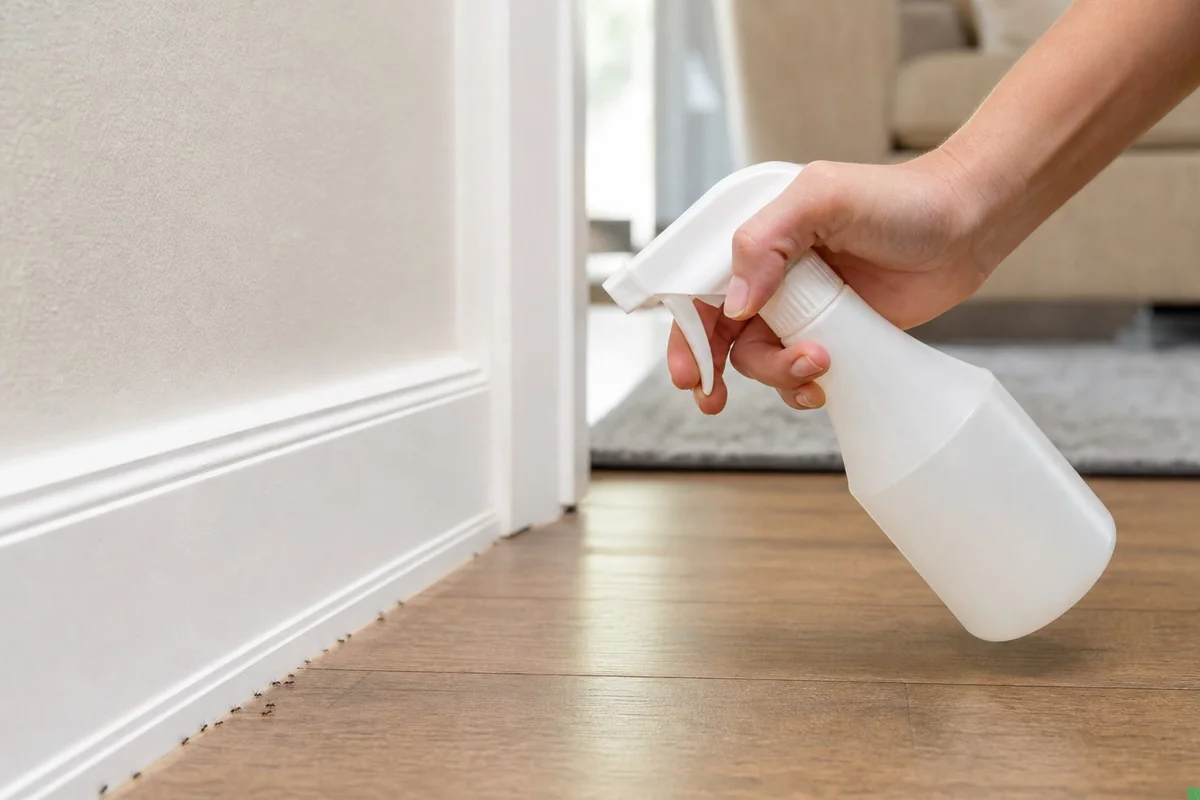
Best Ant Killer Sprays for Indoors: Residual and Plant-Based
The best ant killer sprays for indoors: Raid Ant and Roach, Harris odorless residual, STEM plant-based, Mighty Mint and EcoVenger, and how to use sprays with bait.
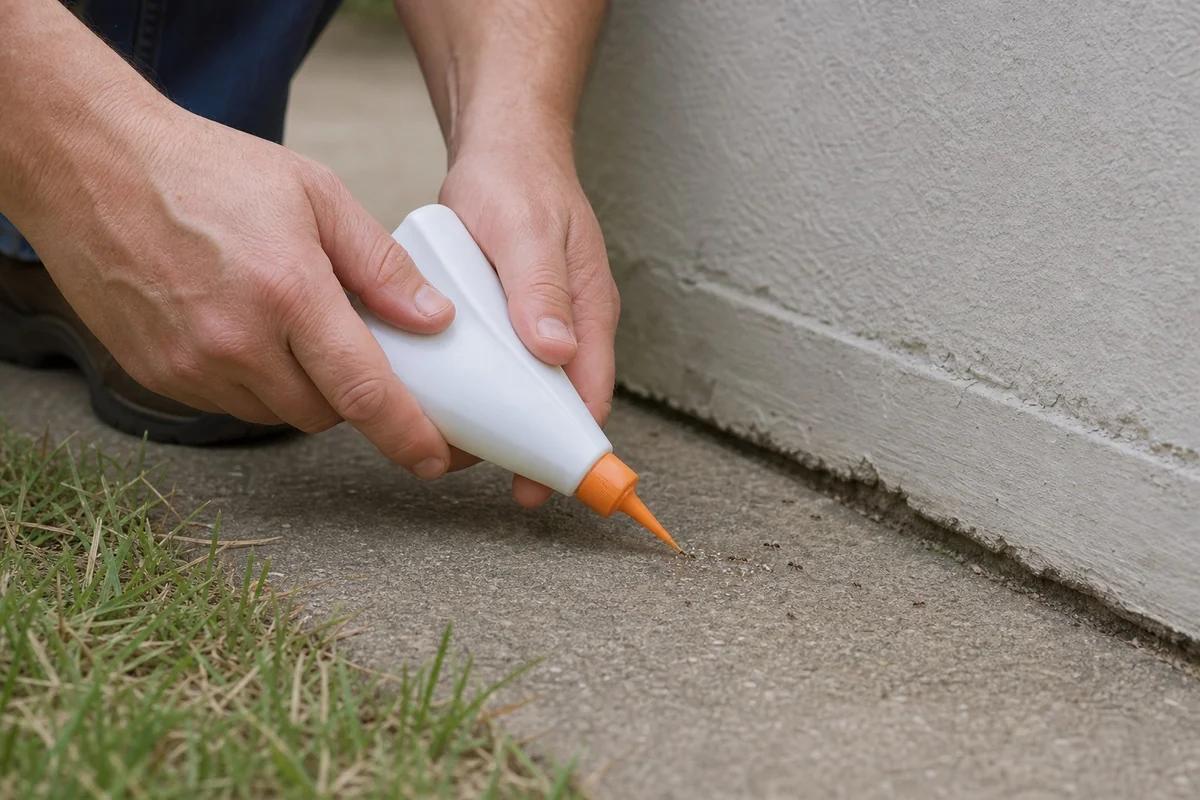
Do Ant Killers Work? Baits, Sprays and Why They Fail
Do ant killers work? Baits reach the colony while sprays and powders kill only the ants they touch. Why ant killers fail, how to fix it and how long baits take.
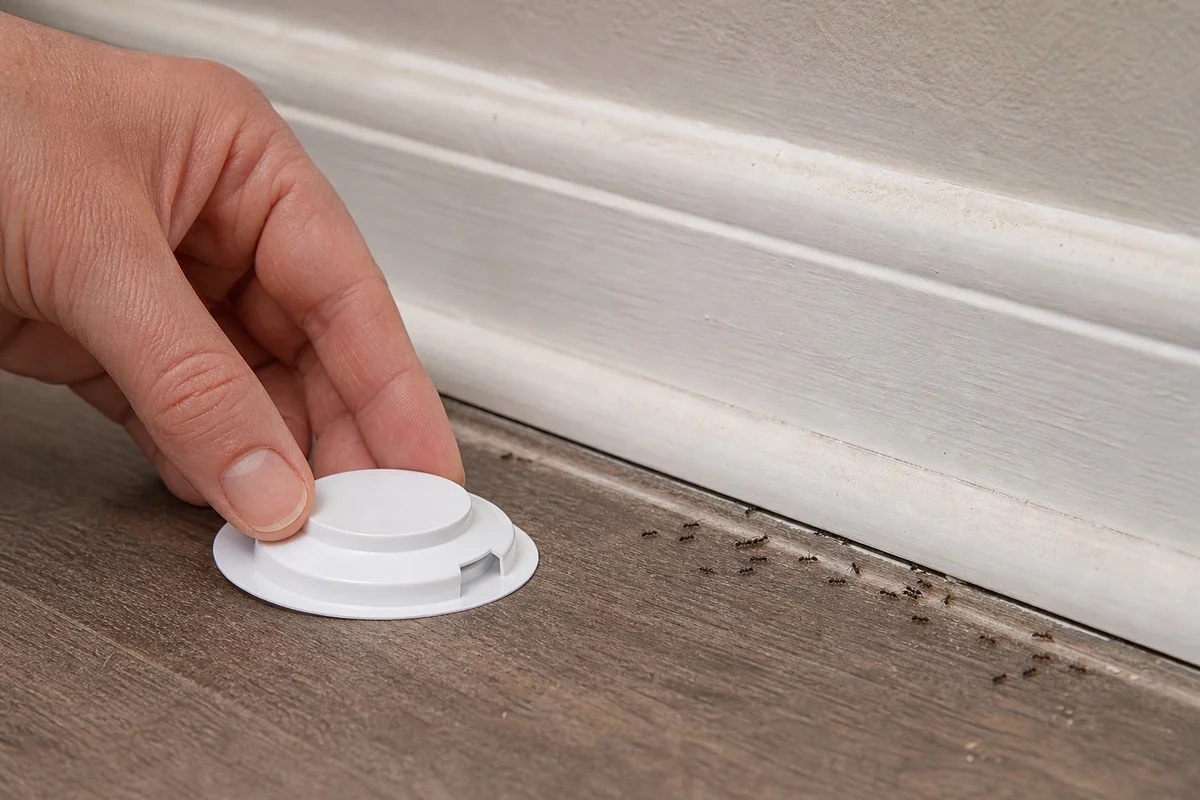
Best Ant Killers for the Home: Baits, Gels and Sprays
The best ant killers for the home: TERRO liquid bait stations and bottles, Raid Ant Baits, Advion gel, plus STEM and Raid sprays, and why baits beat sprays indoors.
Is Roach Killer Safe for People and Pets? Risks by Type
Is roach killer safe? Baits and gels carry the least risk, sprays and dusts need care, and foggers the most. How to use each safely around kids, dogs and cats.