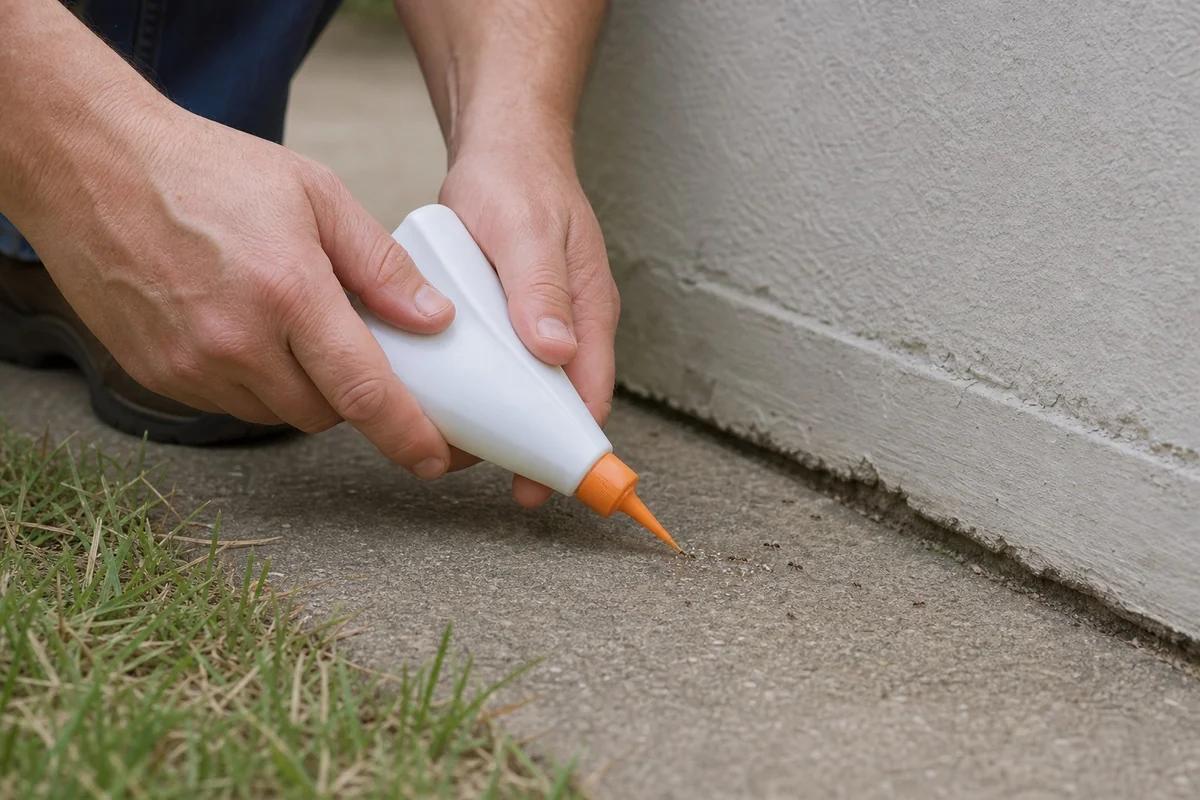

Do Ant Killers Work? Baits, Sprays and Why They Fail
Do ant killers work? Baits reach the colony while sprays and powders kill only the ants they touch. Why ant killers fail, how to fix it and how long baits take.
Ant killers work, but not all in the same way. Slow-acting baits can wipe out the colony because workers carry them home; sprays and powders kill only the ants they touch, so more ants keep coming. Most “ant killer doesn't work” problems come from spraying near baits, the wrong bait type, or giving baits too little time.
Which Ant Killers Actually Work
UC IPM's ant pest notes call baits a key tool and the only type of insecticide recommended in most situations, and say spraying ants indoors will not prevent more from entering. The table sums up what each type can and cannot do.
| Ant Killer Type | Kills Ants You See? | Reaches the Colony? | Typical Result |
|---|---|---|---|
| Bait station, gel or liquid | Slowly | Yes | Fewer ants in 5 to 10 days |
| Contact spray | Yes, at once | No | Ants return within days |
| Residual spray | Yes, for weeks on treated spots | No | Fewer ants at that crack only |
| Insecticide dust or powder | Yes, ants crossing it | Rarely | Works in cracks and voids, not on the colony |
| Soapy water | Yes, at once | No | Clears a trail and its scent |
So the honest answer to “is ant spray effective?” is yes for the ants on your counter and no for the problem. For the products in each category, see our guide to the best ant killers for the home.
How Ant Bait Works
An ant bait is food laced with a slow-acting insecticide. Foragers eat it, carry it back and share it mouth to mouth with other workers, larvae and queens. The poison has to be slow, UC IPM explains, so that workers live long enough to get home; a bait that kills too fast only removes foragers.
That is why a working bait looks like it is failing at first: more ants gather around it as foragers recruit nestmates to a good food source. The maker of TERRO's liquid stations says complete control can take 2 to 4 weeks, and UC IPM says to expect fewer ants within 5 to 10 days.
Why Your Ant Killer Isn't Working
- Spraying near the bait → kills the workers that would carry it home; keep sprays away from baits.
- Wrong food type → ants that want protein or grease ignore sweet bait; try a protein bait or offer both.
- Bait off the trail → ants never find it; place it right beside the line, near the entry.
- Competing food → crumbs and spills win; clean up and seal food so the bait is the best meal.
- Bait ran dry → the colony recovers; refill or replace stations as they empty.
- Strong bait on a big colony → UC IPM notes prepackaged 5.4% borate stations kill foragers but are less effective for major infestations than low-dose liquid baits.
- Several colonies or a second entry → new trails appear; follow each one and bait or seal it.
How to Make Ant Bait Work
- Clean the area first. Wipe spills and seal food, but leave the trail near the bait spot.
- Place bait on the trail near the entry. Close to where ants come in, not in open floor.
- Watch for an hour. Ants crowding on it means the right food; ants walking past means switch types.
- Leave feeding ants alone. No wiping, spraying or vacuuming near the bait.
- Refill as needed. Check every day or two and replace empty stations.
- Seal the entry when the trail stops. Then remove indoor baits and keep outdoor stations for next season.
The whole process usually takes one to two weeks of steady baiting, longer for large colonies.
Do Ant Traps Work on Tiny Ants?
Usually yes, if the bait matches the ant. Tiny sugar-feeding ants such as odorous house ants and Argentine ants take sweet liquid baits readily. Very small yellow Pharaoh ants and thief ants, which UC IPM notes prefer protein or greasy foods, often ignore sweet bait, so a protein bait works better for them.
Pharaoh ants nest inside walls and cabinet voids, so baits are the main option; spraying them kills only the ants it reaches and leaves the nests untouched. If tiny ants persist for weeks despite baiting, a professional who identifies the species can save time. Crushing one and checking for a strong smell is a quick clue: odorous house ants give off a distinct odor, Pharaoh ants do not.
How Ant Killer Powder Works
Ant powders and dusts are insecticides applied as a fine layer in cracks, wall voids and along edges. Ants walking through pick up the dust on their bodies and die, and some dust may be carried back, but powders mainly protect the spot where they lie. They suit hidden cracks where a spray would run off; they are not a colony killer like a bait.
Keep dusts out of open living areas and away from children and pets, and use only products labeled for indoor use in the places you apply them. The indoor ant killers section covers each product type and its safety.
Common Questions About Whether Ant Killers Work
How long does it take TERRO to kill an ant colony?
How long does it take TERRO to kill an ant colony?
The maker of TERRO's liquid stations says ant activity drops within days and complete control may take 2 to 4 weeks, depending on the size of the infestation. Keep stations stocked and avoid spraying nearby during that time.
When should I use a protein ant bait?
When should I use a protein ant bait?
When ants ignore sweet bait, or when they were feeding on grease, meat or pet food. Pharaoh and thief ants prefer protein and grease, and other species shift preferences through the year, so offering a protein bait beside a sweet one shows which they want.
Can ants become resistant to bait?
Can ants become resistant to bait?
Ants more often avoid a bait than resist it: they stop taking it when it is the wrong food, has dried out, or is near a sprayed area. If a bait stops working, refresh it, check for spraying nearby, or switch to a different food type or active ingredient.
Do ant killers work outdoors?
Do ant killers work outdoors?
Baits do, and UC IPM recommends using them mainly outdoors near nests and along the foundation. Outdoor perimeter sprays only knock ants back briefly, and pyrethroid sprays can pollute waterways, so they are a poor choice.
Key Takeaways
Baits are the ant killers that end the problem, because workers carry them back to the colony; sprays, powders and soapy water clear the ants you see but not the nest. A working bait draws more ants at first and shows results within about 5 to 10 days.
When an ant killer seems to fail, check the usual causes: sprays near the bait, the wrong food type, bait off the trail, competing food or a second colony. Fix those and give the bait a full week before switching.
Today, move your bait onto the trail beside the entry and put the spray away.
Related Articles
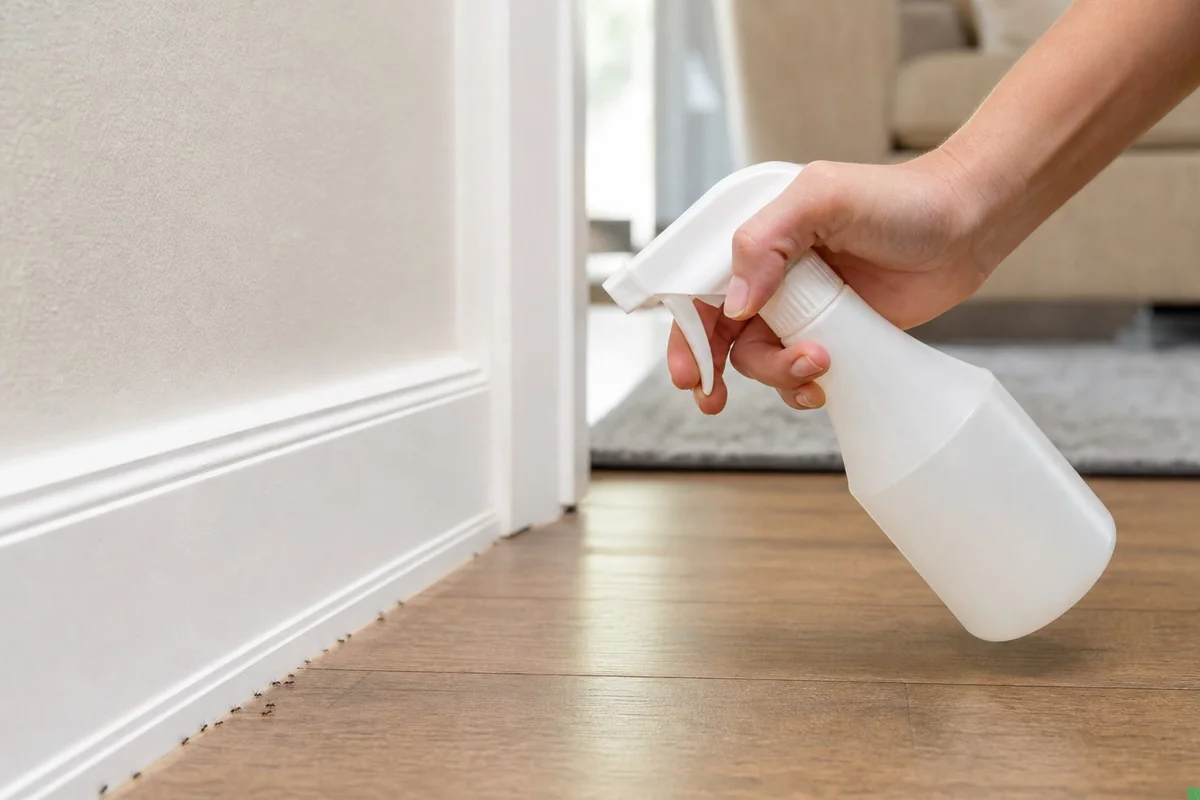
Best Ant Killer Sprays for Indoors: Residual and Plant-Based
The best ant killer sprays for indoors: Raid Ant and Roach, Harris odorless residual, STEM plant-based, Mighty Mint and EcoVenger, and how to use sprays with bait.
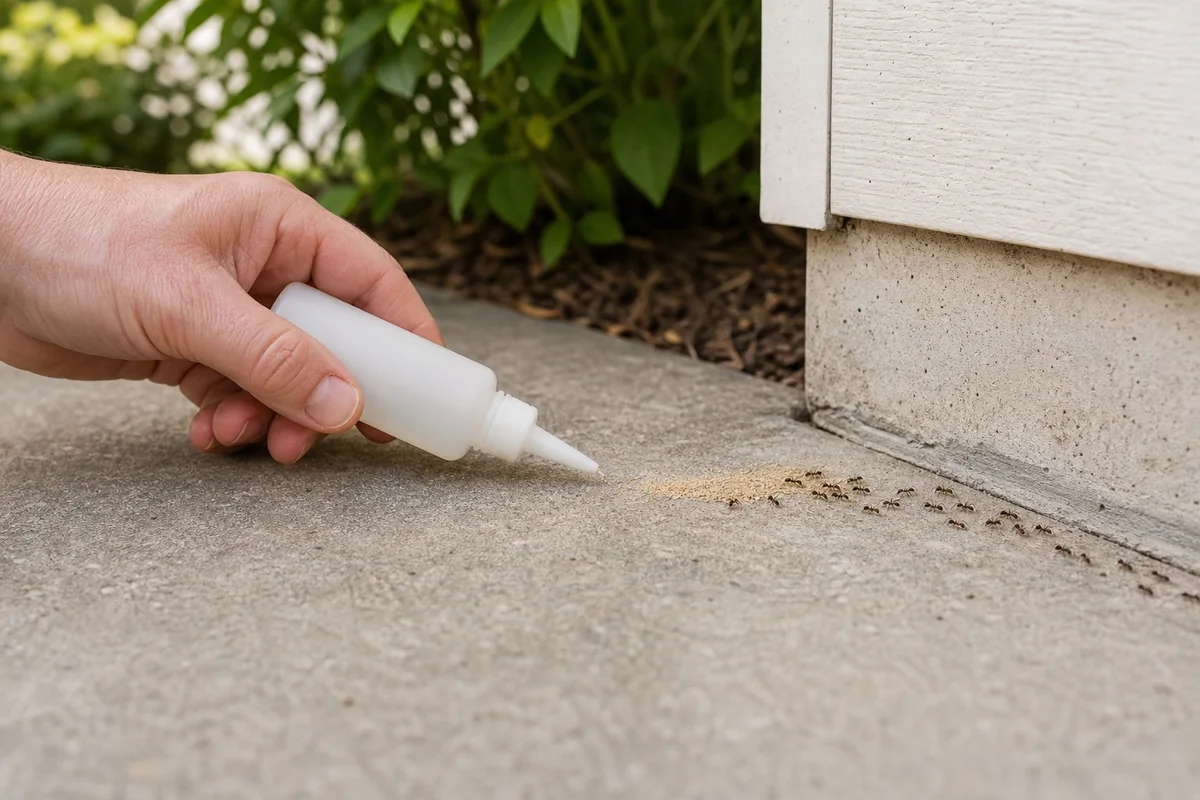
Is Ant Killer Toxic to People and Pets? Risks by Ingredient
Is ant killer toxic? How risky borax baits, pyrethroid sprays, granules and diatomaceous earth are for people, dogs and cats, and how to use ant killers safely.
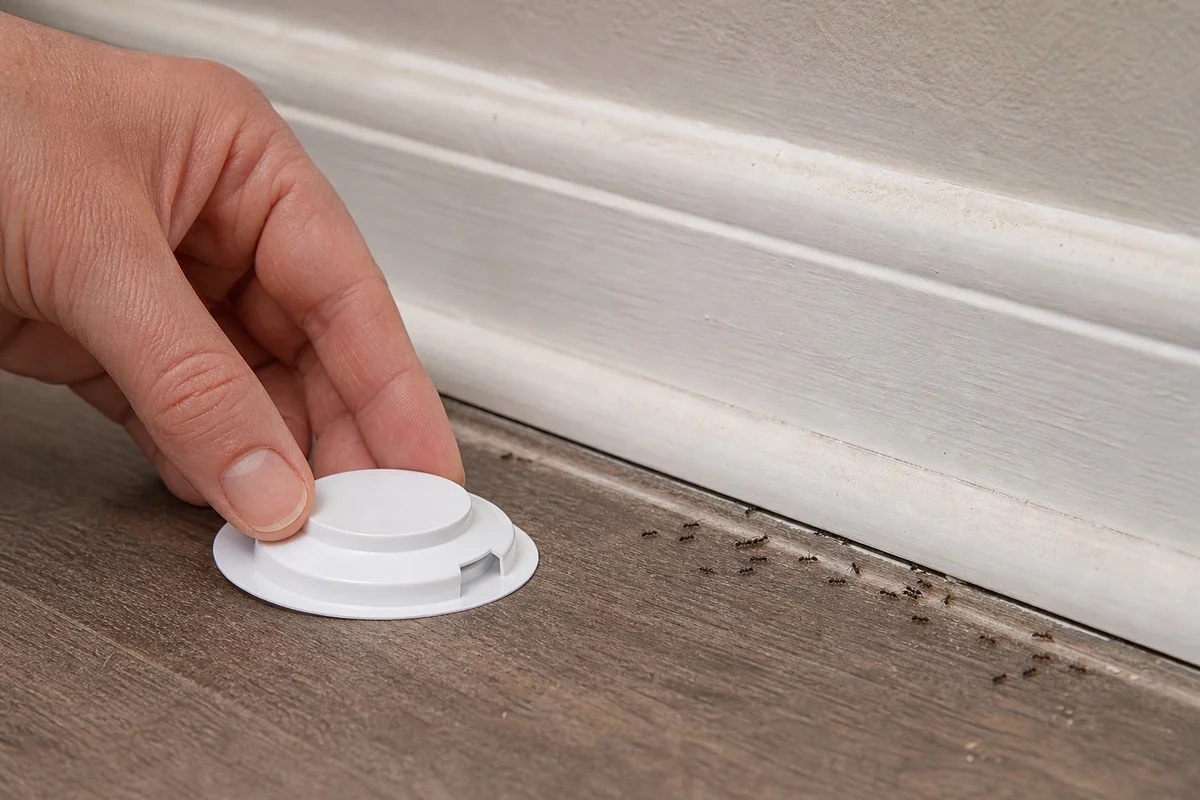
Best Ant Killers for the Home: Baits, Gels and Sprays
The best ant killers for the home: TERRO liquid bait stations and bottles, Raid Ant Baits, Advion gel, plus STEM and Raid sprays, and why baits beat sprays indoors.
Best Ant Killers for Indoors and Outdoors: Gels, Baits and Sprays
The best ant killers for indoors and outdoors: Savitri and Combat gel baits, Raid MAX stations, TERRO dust, a barrier spray and a carpenter ant aerosol.