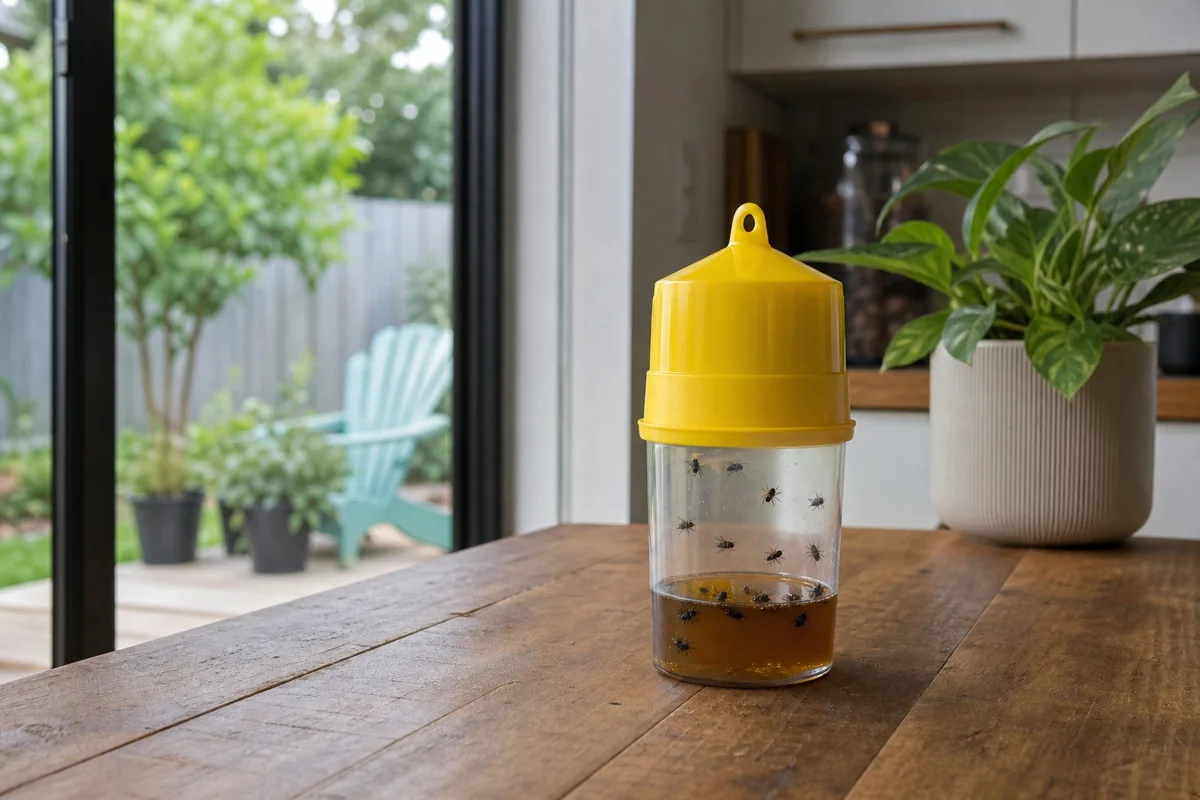

Are Fly Traps Worth Using? When They Pay Off and When They Don't
Are fly traps good? When sticky, light and bait traps are worth buying, when they are not, pros and cons by type, and cheaper alternatives that keep flies away.
Fly traps are worth using in the right situations: a few flies in a garage, porch or kitchen, a fly-prone patio or yard where a bait trap can hang far from seating, or a barn with steady fly pressure. They are not worth much when flies are breeding in an open trash can, compost or pet waste nearby, because no trap keeps up with a nearby source. Cheap sticky paper and a swatter cover most homes; plug-in light traps and outdoor bait traps earn their cost only in specific spots.
Are Fly Traps Good? The Verdict
Fly traps are a good finishing tool and a poor first line of defense. University of California IPM's pest note on flies describes sticky traps as effective at eliminating a few flies in relatively confined areas, and baited outdoor traps as effective only when they are not competing with nearby garbage or animal waste. That is a fair description of where the money is well spent.
The real value question is what you are trying to fix. A dozen flies that came in through an open door are an easy win for a strip of fly paper. Hundreds of flies every day mean something is breeding them, and the best spend is a trash can with a tight lid, a pooper scooper or a new window screen, with traps as backup.
If you decide a trap is worth it, our roundup of the best indoor fly traps compares fly paper, plug-in light traps and swatters by price and place, and the wider indoor fly trap collection answers questions about smell and pet safety.
When Fly Traps Are Worth It, and When They Are Not
Worth It
- Garages, porches and utility rooms: a few sticky ribbons catch flies that slip in through open doors at very low cost.
- Kitchens and bedrooms at night: a plug-in light trap catches small flies and gnats quietly, with the catch hidden.
- Yards, kennels and trash corners: a bait bag hung away from seating draws flies off the patio.
- Barns, stables and coops: large bait traps reduce constant fly pressure where breeding cannot be fully stopped.
- After a cleanup: traps mop up the adults left once the source is gone.
Not Worth It
- When the source is still there: an open bin, rotting produce or a dead animal will out-produce any trap.
- Bug zappers for house flies: they kill mostly other insects and miss day-active flies.
- Bait traps near people: the smell and extra flies make a patio worse, not better.
- Light traps in sunny rooms: daylight outshines them and catches stay low.
- Fruit flies with a house fly trap: each fly needs its own bait and design.
Pros and Cons by Trap Type
| Trap Type | Pros | Cons | Worth It For |
|---|---|---|---|
| Sticky fly paper | Very cheap; no chemicals; works day and night | Unsightly; can catch hair and pets | Garages, porches, sheds |
| Plug-in light trap | Hidden catch; quiet; doubles as a night light | Refill costs; weak in daylight | Kitchens and bedrooms |
| Decorative sticky trap | Looks better; no odor | Fewer catches; pricier per trap | Kitchen windows |
| Outdoor bait bag | Catches the most flies | Strong odor; needs distance from people | Yards, trash areas, barns |
| Bug zapper | Kills many flying insects | Few flies; kills harmless insects; noise | Rarely worth it for flies |
| Fly swatter | Instant; reusable; almost free | One fly at a time | The odd fly indoors |
The hidden cost of traps is upkeep. Light traps need fresh glue cards every month or two, bait bags are single-use, and a reusable canister needs refill packets and a strong stomach to empty. Before buying, think about how often you will actually replace or clean the trap, since a neglected trap catches little.
On cost alone, fly paper and swatters are hard to beat. Light traps make sense where looks and a hidden catch matter, and bait traps where you need to catch large numbers outdoors.
Cheaper and Better Alternatives to Fly Traps
- Screens and door sweeps: UC IPM notes that well-fitted screens limit flies' access to buildings, and they work every day for years.
- Tight-lidded trash cans: bag waste and take it out at least weekly.
- Pet waste cleanup: picking up after dogs removes one of the biggest yard breeding sites.
- Produce storage: refrigerate ripe fruit and clear forgotten potatoes and onions.
- A fan on the patio: flies struggle to land in a steady breeze.
- Homemade traps: a bottle or jar trap costs almost nothing and works as well as many store-bought ones for small numbers of flies.
These steps cost less than a season of trap refills and address the reason flies are there. Traps then become a small, occasional purchase instead of a constant one.
Common Questions About Whether Fly Traps Are Worth It
Does fly paper work?
Does fly paper work?
Yes, for a few flies in a confined space such as a garage, porch or utility room. Hang it where flies rest, near windows and lights, and replace it once it is covered or dusty.
Are fruit flies attracted to UV light?
Are fruit flies attracted to UV light?
Somewhat. Plug-in light traps catch fruit flies and gnats, especially at night in dim rooms, but a cider vinegar trap near their breeding spot is usually more effective for fruit flies.
Are fly traps safe to use around food?
Are fly traps safe to use around food?
Sticky and light traps contain no insecticide, but keep them away from counters and food prep areas so dead flies and glue do not end up near food. Hang ribbons near windows or doors instead.
Is it better to buy or make a fly trap?
Is it better to buy or make a fly trap?
For a few fruit flies or house flies indoors, a homemade bottle or jar trap works about as well as many store-bought ones. For large numbers outdoors or a hidden indoor catch, store-bought bait bags and light traps are more convenient.
Key Takeaways
- Fly traps are worth it for a few flies in confined spaces, for drawing flies away from patios and for steady fly pressure in barns.
- They are not worth much while flies keep breeding in trash, compost or pet waste nearby, so fix the source before buying more traps.
- Sticky paper and swatters are the cheapest effective options for most homes, and homemade bottle traps cost almost nothing.
- Light traps suit dim rooms and small flies; bait traps belong far from people outdoors.
- Screens, tight trash lids and pet waste cleanup do more than traps and cost less over time.
Related Articles
Do Fly Traps Work? What Each Type Catches and Why Some Fail
Do fly traps work? How sticky, light, zapper and bait traps perform, whether they attract more flies, why traps fail, and how to make them effective at home.
Best Indoor Fly Traps: Fly Paper, Light Traps and Swatters
Best indoor fly traps: Black Flag fly paper, Zevo and Safer plug-in light traps, RESCUE! TrapStik and Kensizer swatters, plus where to place traps and stop breeding.
Best Fly Traps for the Garage: Sticky, Light and Outdoor Bait
Best fly traps for the garage: Black Flag fly paper, BugBane Fly Sticks, a Zevo light trap and a RESCUE! bait trap for outside, plus how to keep garage flies away.
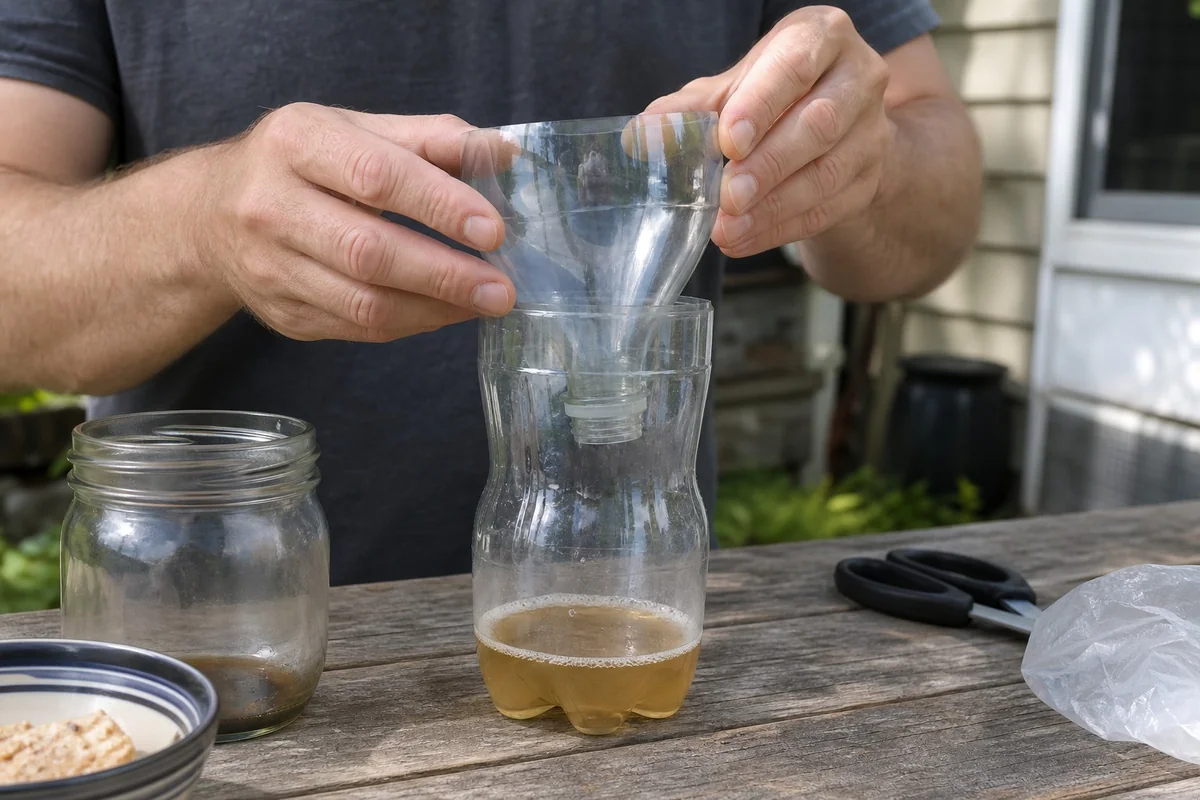
How to Make a Fly Trap: Bottle, Jar and Homemade Fly Paper
How to make a fly trap at home: a bottle funnel trap with sugar and vinegar, a cider vinegar jar for fruit flies, homemade fly paper, and the best baits to use.