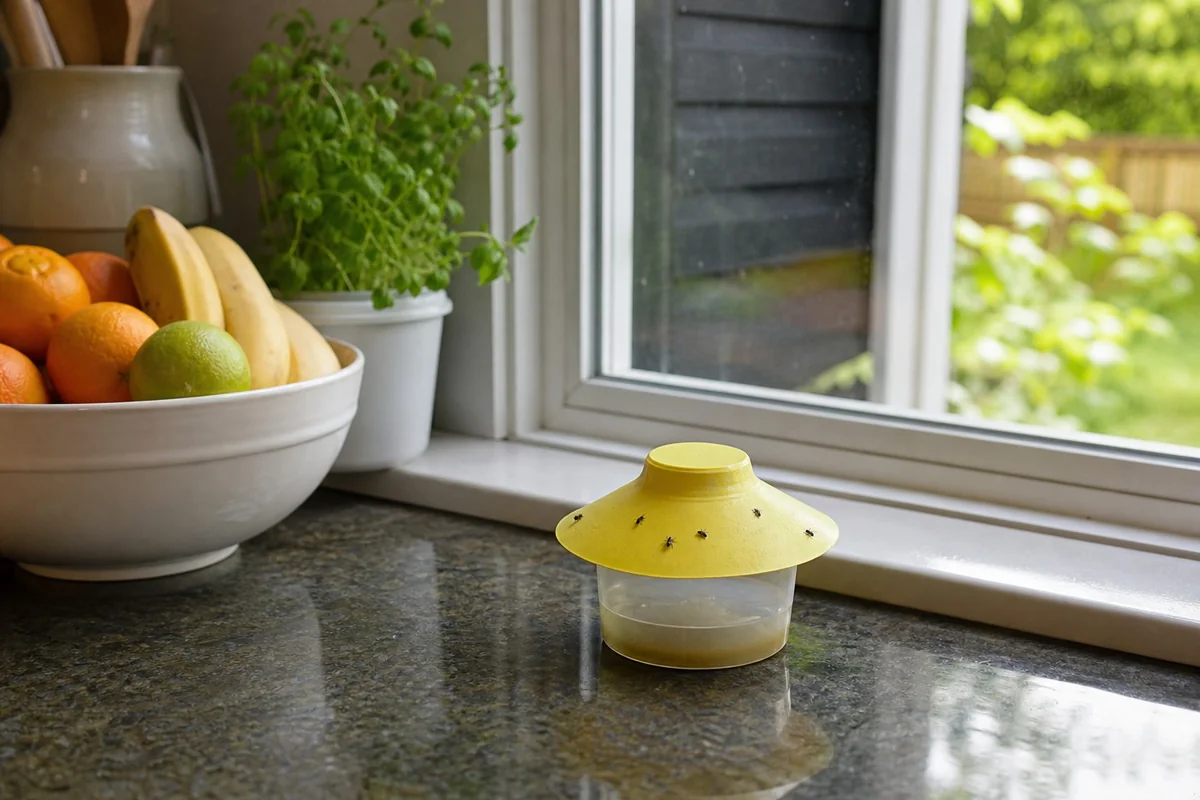

Do Fly Traps Work? What Each Type Catches and Why Some Fail
Do fly traps work? How sticky, light, zapper and bait traps perform, whether they attract more flies, why traps fail, and how to make them effective at home.
Fly traps work, but only for part of the job. Sticky traps and indoor light traps catch the flies already in a room, and baited outdoor traps pull large numbers of flies away from a patio or barn. None of them stops flies breeding, so traps work best after you have removed the garbage, pet waste or rotting produce that flies are coming from; without that, even a full trap barely dents the problem.
Do Fly Traps Work? The Short Answer
Yes, when the trap matches the place and the fly. University of California IPM's pest note on flies sums up the evidence: sticky traps are effective at eliminating a few flies in relatively confined areas, ultraviolet light traps may be effective indoors where they do not compete with daylight, and baited outdoor traps work when they are placed away from buildings and not competing with nearby garbage or animal waste.
Read closely, that is a set of conditions rather than a blanket promise. Traps shine at finishing off a small number of flies, keeping a steady stream away from an outdoor living area or catching the stragglers after a cleanup. They struggle when flies are breeding in large numbers nearby, when a light trap sits in a sunny room, or when a bait trap hangs next to an open trash can.
For specific products, see our guide to the best indoor fly traps; the indoor fly trap section also covers whether traps smell, stick to pets or are safe to use.
How Each Type of Fly Trap Works
Sticky Traps and Fly Paper
Flies land to rest on surfaces near windows, lights and doorways, and a sticky ribbon or card placed there catches them. These traps contain no insecticide and work around the clock. They are best for a garage, porch, utility room or a single problem room, and they catch flies only where flies already go, so placement decides almost everything.
Indoor Light Traps
Plug-in traps use blue or UV light to lure flies onto a hidden glue card. They work best at night or in rooms without bright windows, and they catch small flies such as fruit flies and gnats more reliably than larger house flies. In a sunny kitchen during the day, the windows outshine the trap and catches drop sharply.
Electric Bug Zappers
Zappers kill flying insects on an electric grid. Outdoors, they mainly kill beetles, moths and other harmless insects attracted to light, while flies are a small share of the catch; house flies are active by day, when a zapper's light is weakest. Indoors, zappers can scatter insect fragments, which makes them a poor fit for kitchens and dining areas.
Baited Outdoor Traps
Bags, jars and jugs with a smelly attractant lure house flies, blow flies and stable flies to drown in water. They are the most effective trap for catching large numbers of flies, often hundreds within days, but they smell strongly and belong well away from doors and seating.
| Trap Type | Works Best | Works Poorly |
|---|---|---|
| Sticky traps and fly paper | Garages, porches, single rooms | Large open yards |
| Indoor light traps | Dim rooms, at night, small flies | Sunny rooms by day |
| Electric zappers | Rarely the right choice for flies | Kitchens and patios |
| Baited outdoor traps | Yards, trash areas, barns | Indoors or near seating |
Do Fly Traps Attract More Flies?
Baited traps do, and that is the point. Their smell draws flies from the surrounding area, which is helpful when the trap sits at the edge of the yard, between the fly source and your patio, and unhelpful when it hangs next to the table. Placing a bait trap near seating or doors can bring more flies toward people than there were before.
Sticky traps and light traps do not draw flies from outside in any meaningful way. They catch flies that are already present, which is why they suit indoor use. Using an outdoor bait trap inside a house or closed garage is a mistake; the odor builds up quickly and the trap may lure flies in through open doors.
Why Fly Traps Fail
- A breeding source nearby: house flies can go from egg to adult in about a week in summer, so a trap cannot keep up with an open trash can, compost pile or pet waste.
- The wrong trap for the fly: vinegar jars catch fruit flies but few house flies; bait bags catch house flies but are wrong indoors.
- Poor placement: traps in the middle of a room or in the shade catch far less than traps where flies rest, feed or enter.
- Competing light or smell: sunny windows outshine light traps, and garbage outsmells bait traps.
- Too few traps: one trap rarely covers a whole house or yard.
- Stale traps: dusty glue, dried bait and full bags stop catching.
Fix these and traps become a useful tool. The order that works is source first, then screens and closed doors, then traps for the flies that remain.
Common Questions About Whether Fly Traps Work
How quickly do fly traps work?
How quickly do fly traps work?
Sticky and light traps start catching within hours if they sit where flies gather. Outdoor bait traps often take a day or two, until the bait ripens in the sun, and then can fill within a week in summer.
How effective are electric fly traps?
How effective are electric fly traps?
Enclosed indoor light traps with glue cards catch small flies reasonably well in dim rooms. Open electric zappers kill many insects, but flies make up only a small part of the catch outdoors, and zapping can scatter insect bits indoors.
Why are flies attracted to my home?
Why are flies attracted to my home?
Food and breeding sites: garbage, pet food and waste, ripe produce, drains and compost, plus warmth and light. Gaps in screens and doors let them in, and a dead animal in a wall can produce a sudden swarm of large flies.
Can I use an outdoor fly trap inside the house?
Can I use an outdoor fly trap inside the house?
No. Outdoor bait traps rely on a strong rotting smell that quickly fills a room or closed garage and can draw more flies in through open doors. Use sticky or light traps indoors instead.
Key Takeaways
- Fly traps work for catching flies already present and for drawing flies away from outdoor living areas.
- Sticky traps suit confined spaces, light traps suit dim indoor rooms, and bait traps belong outdoors far from people.
- Bait traps attract flies from the surrounding area, so place them between the fly source and where you sit.
- Electric zappers mostly kill insects other than flies, so enclosed glue-card light traps are the better electric option indoors.
- Removing garbage, pet waste and rotting produce is what makes any trap effective.
- Replace dusty glue, dried bait and full bags on time, since stale traps stop catching.
Related Articles
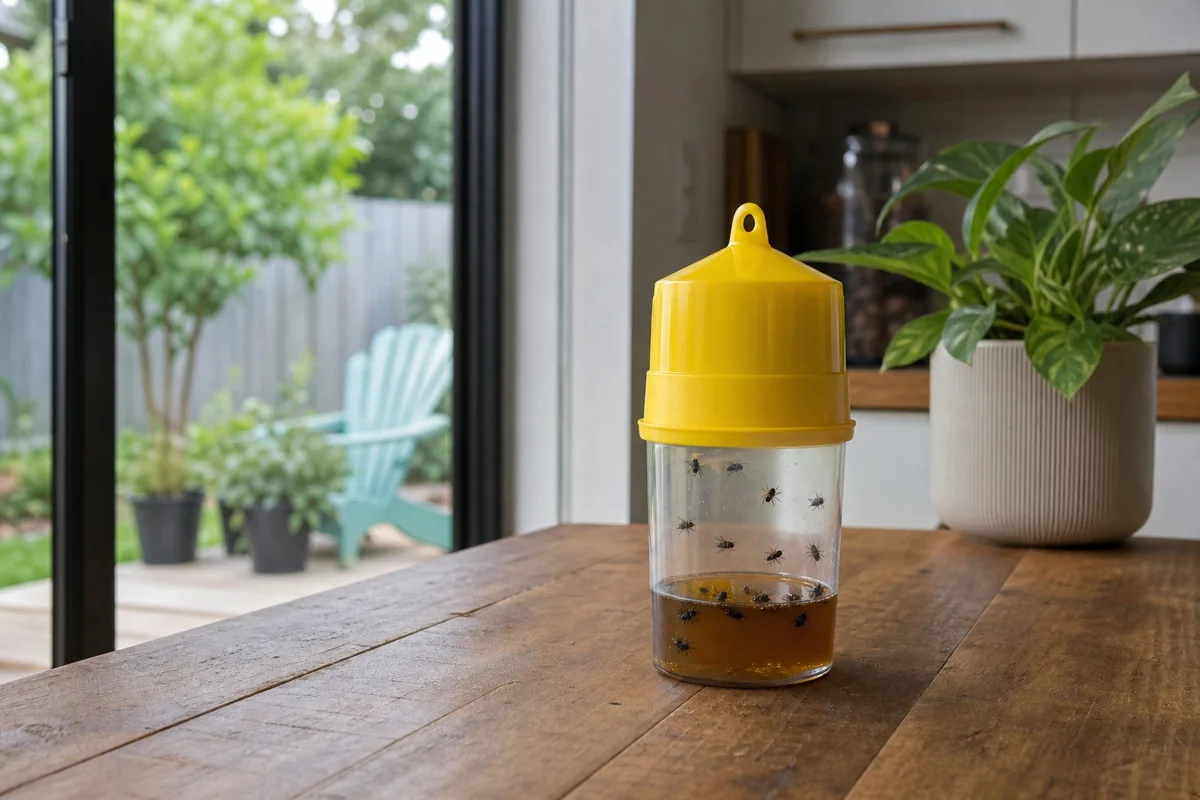
Are Fly Traps Worth Using? When They Pay Off and When They Don't
Are fly traps good? When sticky, light and bait traps are worth buying, when they are not, pros and cons by type, and cheaper alternatives that keep flies away.
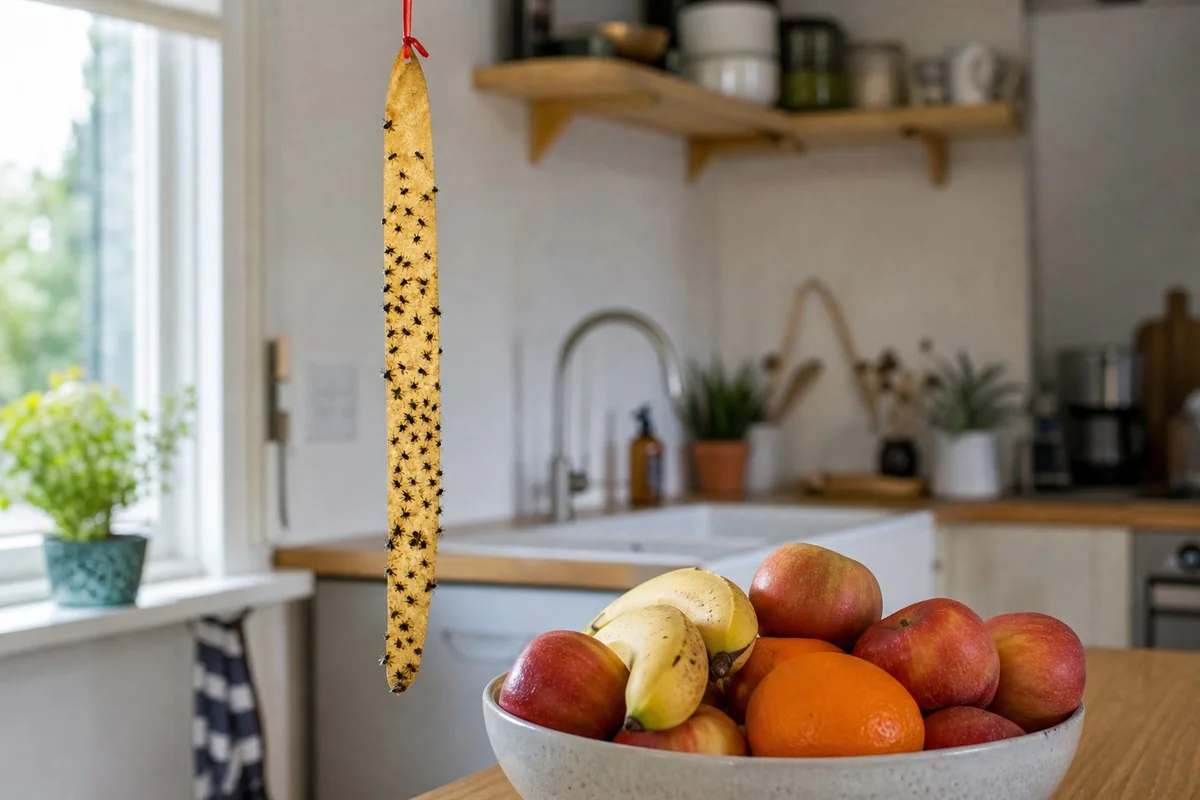
Best Indoor Fly Traps: Fly Paper, Light Traps and Swatters
Best indoor fly traps: Black Flag fly paper, Zevo and Safer plug-in light traps, RESCUE! TrapStik and Kensizer swatters, plus where to place traps and stop breeding.
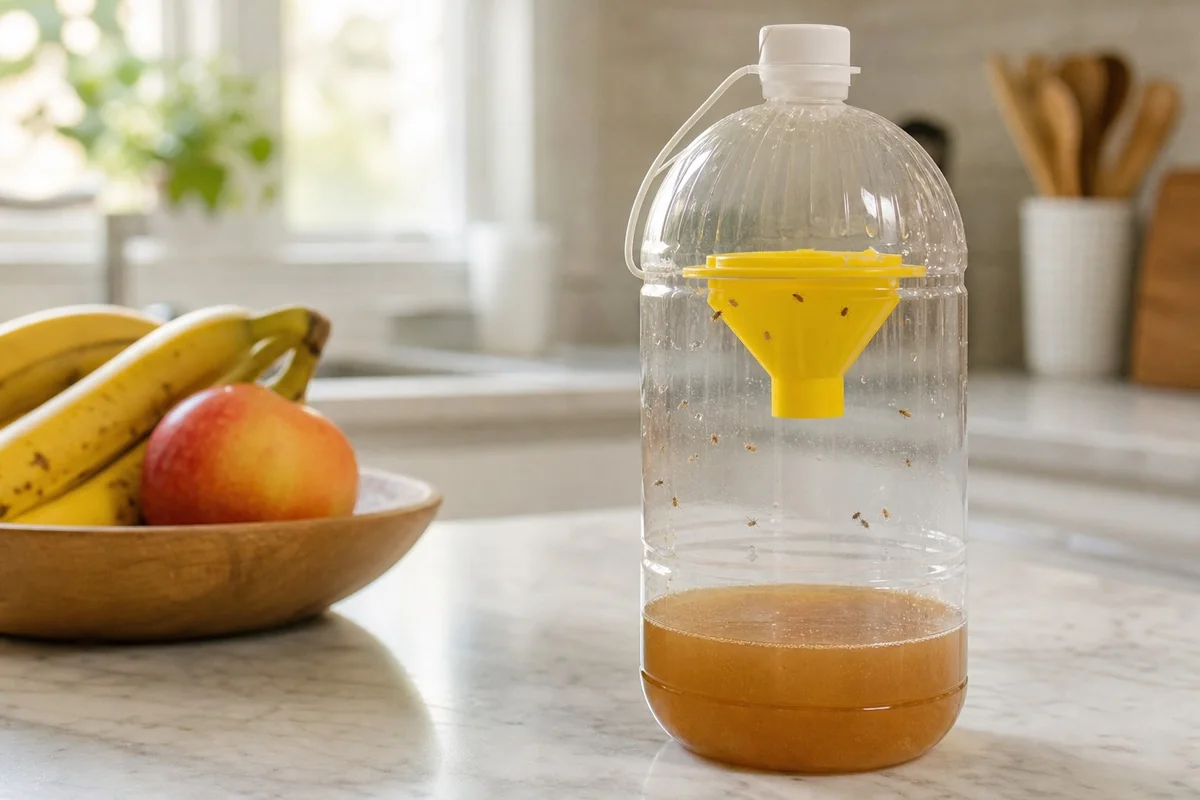
Best Fruit Fly Traps: Bait Bottles, Fan Traps and Light Traps
The best fruit fly traps: Super Ninja bait bottles, a DOVSAV fan trap, LFSYS light trap and cup covers, and Zevo, plus how to find the source and stop fruit flies.
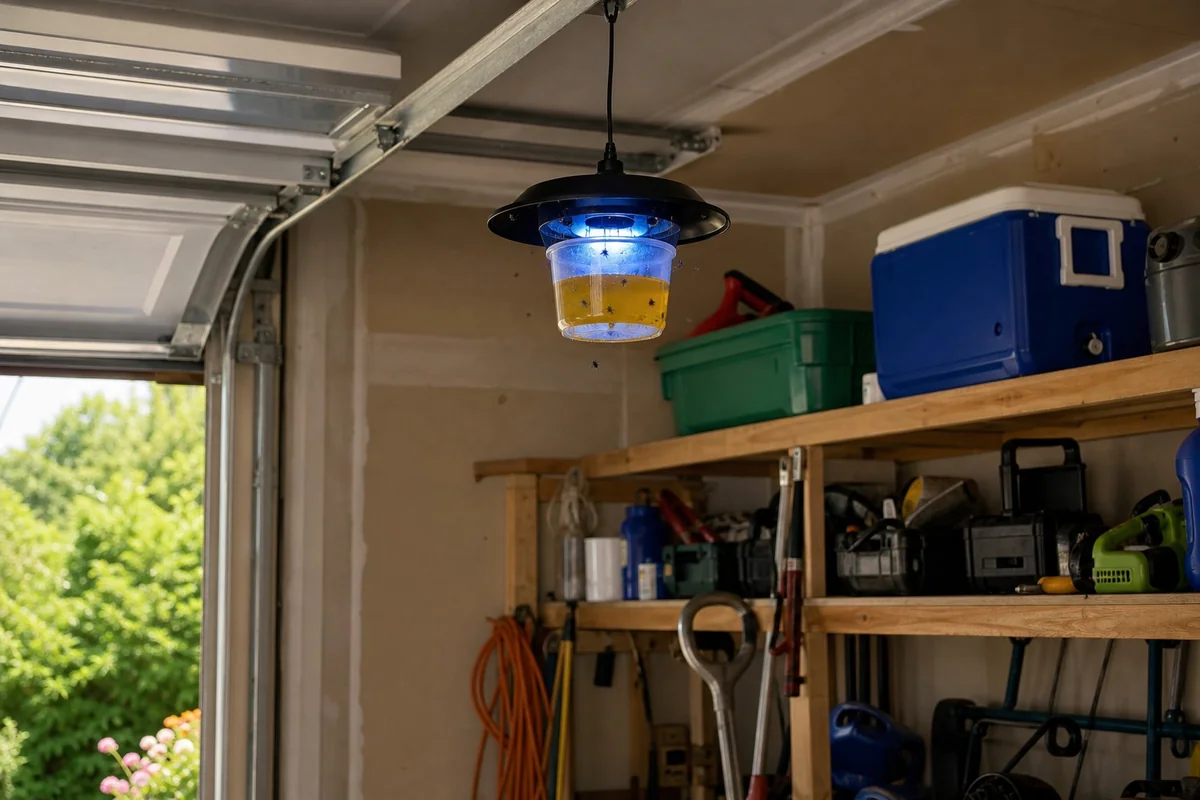
Best Fly Traps for the Garage: Sticky, Light and Outdoor Bait
Best fly traps for the garage: Black Flag fly paper, BugBane Fly Sticks, a Zevo light trap and a RESCUE! bait trap for outside, plus how to keep garage flies away.