
Bed Bug Treatment at Home: What Works and What Doesn't
Bed bug treatment at home: confirm the signs, then combine hot laundering, vacuuming, steam, encasements, interceptors and labeled insecticides. Skip foggers.
Bed bug treatment at home means combining several methods rather than relying on one spray: encasing the mattress and box spring, washing and hot-drying bedding, vacuuming and steaming hiding spots, using interceptor traps and applying labeled insecticides or dusts to cracks. It takes weeks, and a confirmed infestation often needs a professional.
How to Confirm You Have Bed Bugs
Bites alone do not prove bed bugs. University of California IPM's bed bug guide notes that bites look like those of other insects and that some people do not react at all, so finding the bugs or their signs is the only reliable confirmation.
- The bugs: adults are about one-fifth of an inch long, flat, oval and rusty red; nymphs are smaller and pale; eggs are about 1/20 inch and white.
- Fecal spots: dark reddish-brown to black spots on mattress seams, sheets and nearby surfaces.
- Blood spots: small smears on sheets from crushed, fed bugs.
- Shed skins and egg cases: pale, papery remains in seams and cracks.
- A musty odor: noticeable only in heavy infestations.
Look first where people sleep and rest. UC IPM notes that bed bugs usually hide within about 6 feet of a bed or couch, in mattress seams and tufts, box spring joints, bed frame cracks, behind headboards and in upholstered furniture, and that about 85% of infestations are in or near the bed.
Why Bed Bugs Are Hard to Get Rid Of
Bed bugs hide in cracks too small to see, survive long periods without feeding and breed steadily. UC IPM notes that females lay 200 to 500 eggs over their lifetime, that eggs hatch in about 10 to 15 days at room temperature, and that bed bugs can survive from 20 to 400 days without feeding, depending on conditions.
Resistance makes the job harder. Many bed bug populations resist pyrethroid insecticides such as bifenthrin, deltamethrin and permethrin, the ingredients in many consumer sprays, which is why spraying alone so often fails. Rutgers Cooperative Extension researchers likewise report that the majority of field populations they studied are resistant to pyrethroids.
For a broader view of crawling pests, see our overview of ants, roaches and other crawling bugs; the bed bugs section links our spray and remedy guides.
Bed Bug Treatment Methods Compared
Each treatment method does one job well and has a clear limit. The table compares the main options, from laundering to insecticides, so you can see which ones belong in your plan and which to skip.
| Method | What It Does | Where It Fits | Limit |
|---|---|---|---|
| Hot laundering and drying | Kills all stages in fabrics | Bedding, clothes, curtains | Only for washable or dryer-safe items |
| Mattress and box spring encasements | Traps bugs inside, removes hiding spots | Every bed in affected rooms | Must stay on for a year or more |
| Vacuuming | Removes live bugs and shed skins | Seams, frames, carpet edges | Misses eggs glued in cracks |
| Steam | Kills all stages it reaches | Mattress seams, upholstery | Must reach into hiding spots |
| Freezing and heat chambers | Kills bugs in small items | Shoes, books, electronics | Freezer must hold 0°F for days |
| Interceptor traps | Catch bugs climbing to the bed | Under bed and couch legs | Monitoring tool, not a cure |
| Labeled insecticides and dusts | Kill bugs in cracks and frames | Bed frames, baseboards, voids | Resistance to many pyrethroids |
| Foggers | Little; fog misses cracks | Not recommended | Ineffective and potentially harmful |
No single method in the table eliminates bed bugs on its own. The plans that work combine non-chemical steps that kill or trap bugs with targeted insecticides in cracks and crevices, followed by weeks of monitoring. Most homes use five or six of the methods at once, chosen for what is infested: a bedroom needs laundering, encasements and interceptors, while a sofa calls for vacuuming, steam and crack treatment.
A Step-by-Step Home Treatment Plan
The EPA's do-it-yourself bed bug control guidance lays out a sequence: identify the problem, make a plan and keep records, keep the infestation from spreading, prepare for treatment, kill the bugs, then evaluate and prevent. It warns that the steps may need repeating to catch every bug and egg.
- Confirm and map the infestation: inspect beds, couches and nearby cracks and note where you find bugs or spots.
- Contain it: bag bedding, clothes and small items in sealed plastic bags before moving them, so bugs are not spread through the home.
- Launder and dry: wash washable items in hot water and dry on the hottest setting the fabric allows.
- Treat non-washables: heat, freeze or steam items that cannot be laundered.
- Vacuum and steam: vacuum mattress seams, bed frames, carpet edges and baseboards, then steam seams and upholstery.
- Encase and isolate the bed: fit encasements on the mattress and box spring, move the bed a few inches from the wall and keep bedding off the floor.
- Install interceptors: put interceptor cups under each bed and couch leg.
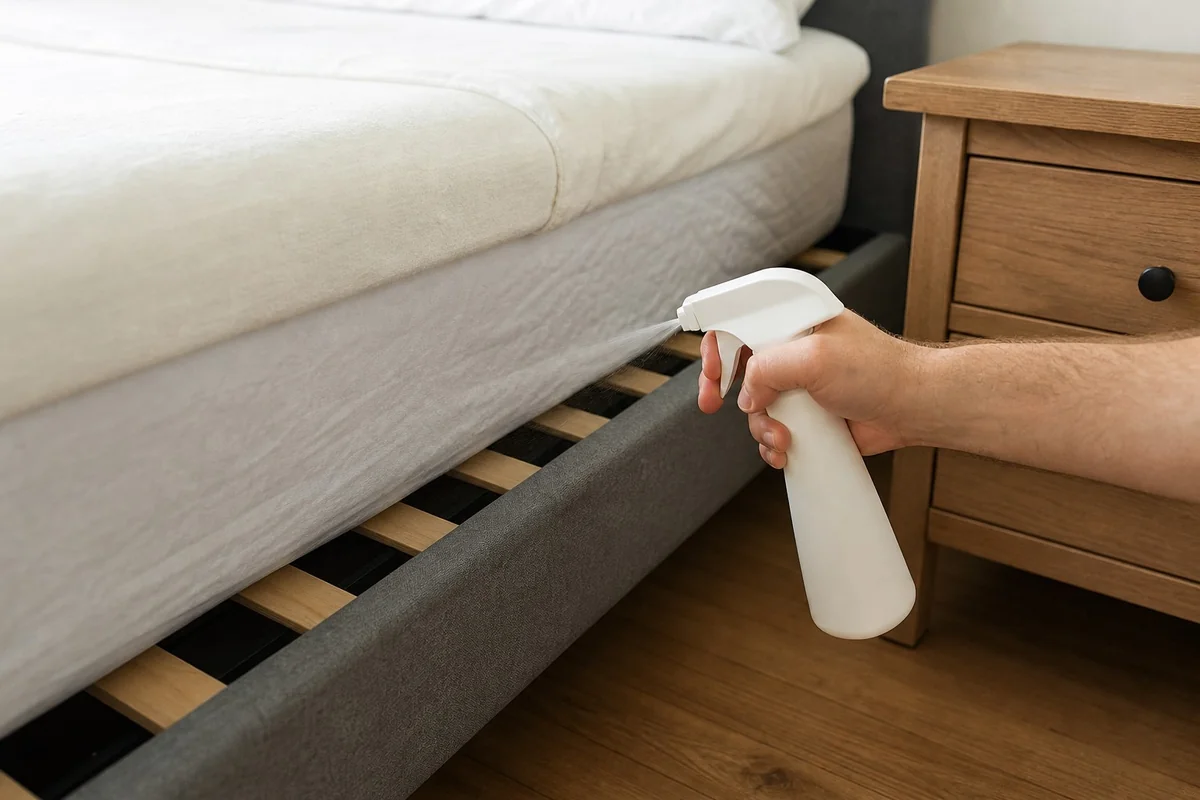
- Apply insecticides carefully: use products labeled for bed bugs on cracks, bed frames and baseboards, not on bedding.
- Monitor: check interceptors and hiding spots at least weekly and repeat treatments as needed.
Preparing a Room for Treatment
Preparation decides how well every later step works, and careless preparation is how bed bugs spread to new rooms. Bag clothing, bedding, pillows and stuffed toys in sealed plastic bags inside the infested room, then carry the bags straight to the washer or dryer rather than setting them down elsewhere.
Clear clutter from the floor, under the bed and around furniture, since every pile of books, boxes or laundry is another hiding place to treat. Rutgers Cooperative Extension researchers recommend storing items in sealed plastic boxes or heavy-duty bags, which bed bugs cannot easily climb into, and moving furniture away from walls so you can reach behind it.
Resist the urge to move belongings or sleep in another room. Rutgers notes that bed bugs can survive in an empty room for months and follow people to a new sleeping spot, so moving around usually spreads the problem rather than escaping it.
How to Treat a Mattress for Bed Bugs
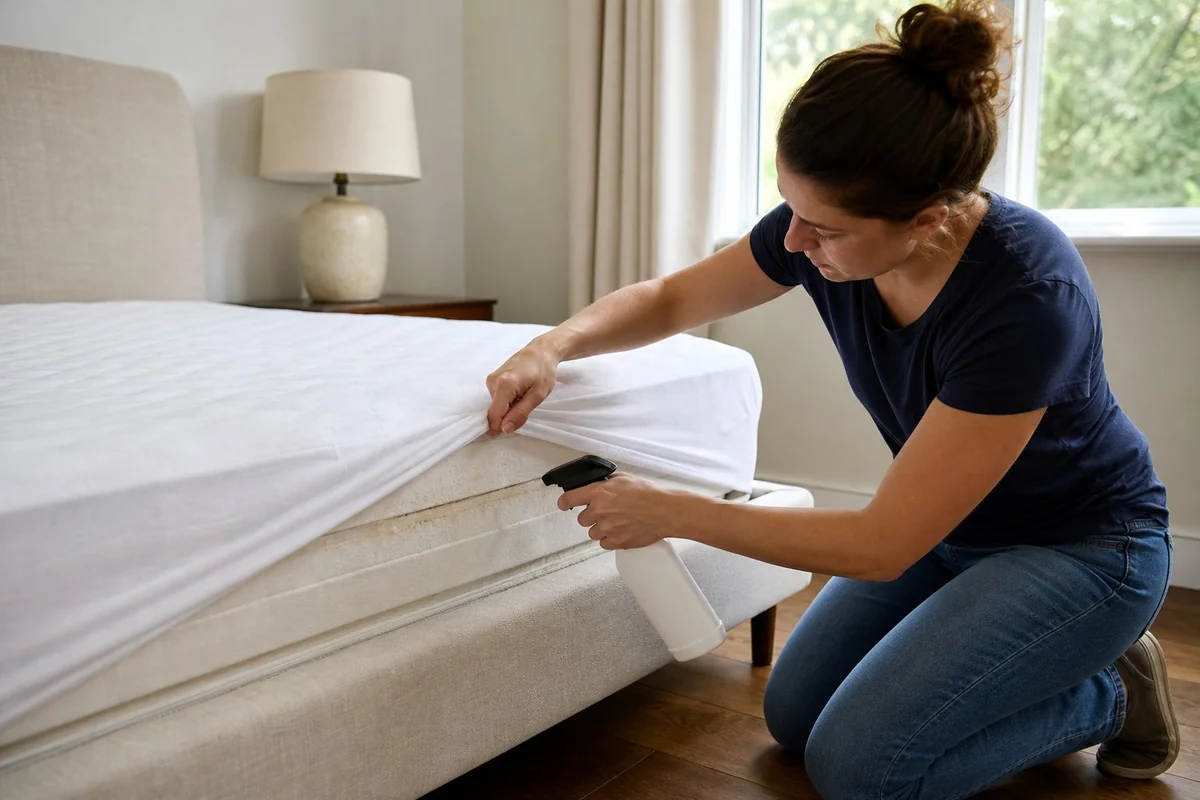
The mattress is where most bed bugs live, and it can usually be saved. Vacuum the seams, tufts and edges thoroughly, then steam them slowly; UC IPM notes that steam kills all life stages when it reaches into hiding spots, and EPA advises steam of at least 130°F applied with a diffuser so the airflow does not scatter bugs.
After treating, fit bed bug encasements on the mattress and box spring. Encasements trap any bugs inside, where they eventually die, and remove the seams and tufts where new bugs could hide, making inspection much easier. Keep them on for at least a year, since bed bugs can survive long periods without feeding.
Insecticide sprays generally belong on bed frames, cracks and baseboards rather than on mattresses or bedding, unless a product's label specifically allows mattress use. Check any spray's label before treating where you sleep.
Treating Clothes, Bedding and Belongings
Heat is the most reliable home tool for belongings. UC IPM recommends washing in hot water at 120°F and drying on the hottest setting the fabric allows, with at least 10 to 15 minutes of dryer heat, and notes that bed bugs die at 113°F and above.
- Clothes and bedding: wash hot and dry hot, or simply run dry items through a hot dryer cycle.
- Shoes, books and electronics: use a portable heat chamber, or freeze small items in sealed bags at 0°F for several days, as EPA advises.
- Luggage: vacuum and steam seams, or heat-treat if possible.
- Storage: keep treated items in sealed plastic bags or bins until the infestation is gone.
EPA warns against trying to heat a whole room with a thermostat, space heater or fireplace, which does not work and can be dangerous. Whole-room heat treatment is a professional job.
Bed Bug Sprays and Dusts
Insecticides help, but only as part of the plan. EPA advises choosing registered products that list bed bugs on the label and following the directions carefully. UC IPM lists options such as pyrethroid and neonicotinoid mixtures, chlorfenapyr, insect growth regulators and dusts such as silica gel and diatomaceous earth, noting that some act slowly.
Dusts are useful in places that stay dry and undisturbed, such as behind outlet covers, under baseboards and in bed frame joints. Our guide to the best bed bug sprays compares products, and if you are worried about bringing bugs home from a trip, the best bed bug sprays for travel covers portable options.
Bed Bug Treatments That Do Not Work
- Foggers: UC IPM calls total-release foggers ineffective and potentially harmful, and EPA says foggers cannot reach the cracks where bed bugs hide.
- Rubbing alcohol: Rutgers researchers found direct sprays killed at most about half the bugs, and alcohol is a fire hazard.
- Moth balls, dryer sheets and ultrasonic repellers: Rutgers found no useful effect on bed bugs.
- Sleeping somewhere else: bed bugs follow people to the new spot and survive in the empty room.
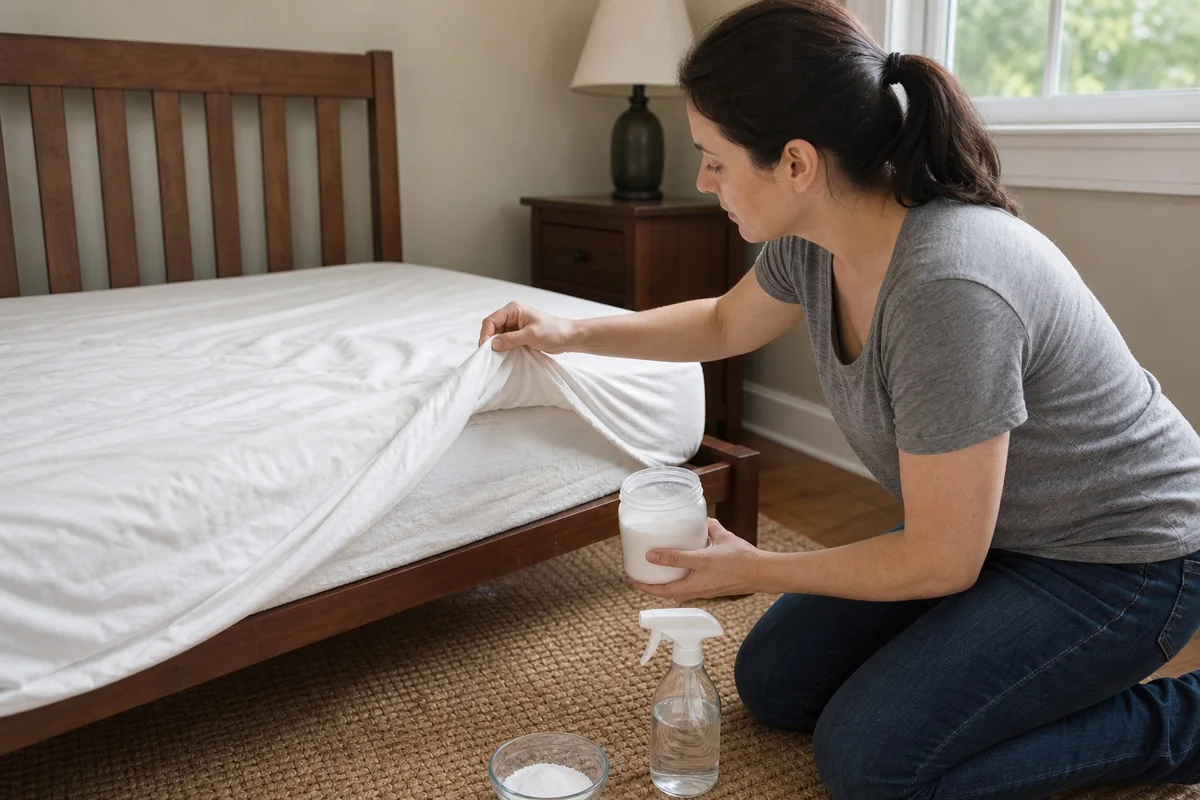
- Most home remedies: baking soda, vinegar and most plant-based sprays show little or no reliable effect.
Our guide to bed bug home remedies looks at baking soda, vinegar and other popular fixes in more detail.
Bites and Health
Bed bug bites are usually painless at first, and itchy, swollen welts can appear a day or more later; some people never react. UC IPM notes that bed bugs have not been shown to transmit disease, but scratched bites can become infected. Wash bites with soap and water, avoid scratching and see a doctor if bites look infected or you have a strong reaction.
If you have slept in an infested bed while traveling, put your clothes through a hot dryer cycle as soon as you get home and keep your luggage out of the bedroom until it has been inspected and vacuumed.
Bed Bugs in Apartments and Shared Housing
Bed bugs travel between units through wall voids, along pipes and wiring, and on belongings carried through hallways and laundry rooms. Treating one apartment while a neighbor stays infested rarely works for long, which is why multi-unit buildings usually need coordinated treatment of the affected unit and the units beside, above and below it.
Report bed bugs to management in writing as soon as you confirm them, and do the preparation steps above before any professional visit. Avoid dragging infested furniture or mattresses through common areas without wrapping them in plastic first, and mark discarded items as infested so neighbors do not take them home.
Keeping Bed Bugs From Coming Back
Most new infestations start with travel or secondhand furniture. In hotels, check mattress seams and the headboard area before unpacking, keep luggage on a rack or in the bathroom rather than on the bed or floor, and run your clothes through a hot dryer cycle when you get home. Rutgers researchers found that DEET repellent applied to the outside of clothing helps people who must visit infested homes.
Inspect used furniture, especially mattresses and upholstered pieces, before bringing them inside. Keep mattress encasements on, and leave interceptors under bed legs as an early warning that catches a returning bug before it can start a new population.
When to Call a Professional
UC IPM recommends that confirmed infestations be handled by trained professionals, because elimination usually requires treating or removing infested items and follow-up monitoring, and professionals have access to whole-room heat and products homeowners cannot buy. Call one if bugs are in several rooms, if you live in a multi-unit building, or if bugs are still showing up after several weeks of home treatment.
Renters should notify their landlord in writing, since bed bugs spread between units and tenants often have rights to treatment. Keep doing the laundry, vacuuming and monitoring between professional visits, since professional treatments work best when the home side of the plan continues.
Common Questions About Bed Bug Treatment
What kills 100% of bed bugs?
What kills 100% of bed bugs?
No single product does. Heat comes closest: bed bugs die at 113°F and above, and professional whole-room heat treatments hold rooms at about 130 to 140°F for hours. At home, combining hot laundering, steam, vacuuming, encasements and labeled insecticides, then monitoring for months, is what achieves full elimination.
Do bed bugs go away if you shower?
Do bed bugs go away if you shower?
No. Bed bugs do not live on people; they feed for a few minutes and return to hiding spots in the bed and nearby furniture. Showering removes nothing from your home. Treating the mattress, bedding and cracks around the bed is what matters.
Can you see bed bugs with the naked eye?
Can you see bed bugs with the naked eye?
Yes. Adults are about 1/5 inch long, roughly the size of an apple seed, and reddish brown. Nymphs and eggs are much smaller and paler, so use a flashlight and look closely along mattress seams and in bed frame joints.
How do the Amish get rid of bedbugs?
How do the Amish get rid of bedbugs?
There is no special documented Amish method. Low-tech approaches that work for anyone include hot laundering and drying, steam, vacuuming, sealing cracks, heat and freezing for belongings, and patient monitoring. These are the same non-chemical steps extension services recommend.
How long does bed bug treatment take?
How long does bed bug treatment take?
Usually weeks to months. EPA notes treatment can take that long and advises checking for bugs at least every 7 days, then continuing to check for at least a year after you think they are gone, because eggs and hidden bugs can survive the first rounds.
Key Takeaways
Bed bugs are beaten by a combination of methods, not a single spray. Heat and laundering, vacuuming, steam, mattress encasements and interceptor traps do much of the work, with labeled insecticides and dusts in cracks and bed frames as support; foggers, rubbing alcohol and most home remedies waste time.
Expect treatment to take weeks to months and keep checking for at least a year. If bugs are in more than one room, you live in an apartment or numbers are not falling after several weeks, bring in a licensed professional.
Today, strip the bed, run the bedding through a hot dryer cycle and inspect the mattress seams with a flashlight.