 Pest Pro Reviews Editorial Team • • 20 min read •
 Bird Netting vs Bird Spikes: Which Works Better for Bird Control?
Compare bird netting and bird spikes for pest control in 2026. See which bird deterrent method is more effective, cost-efficient, and best for your home.
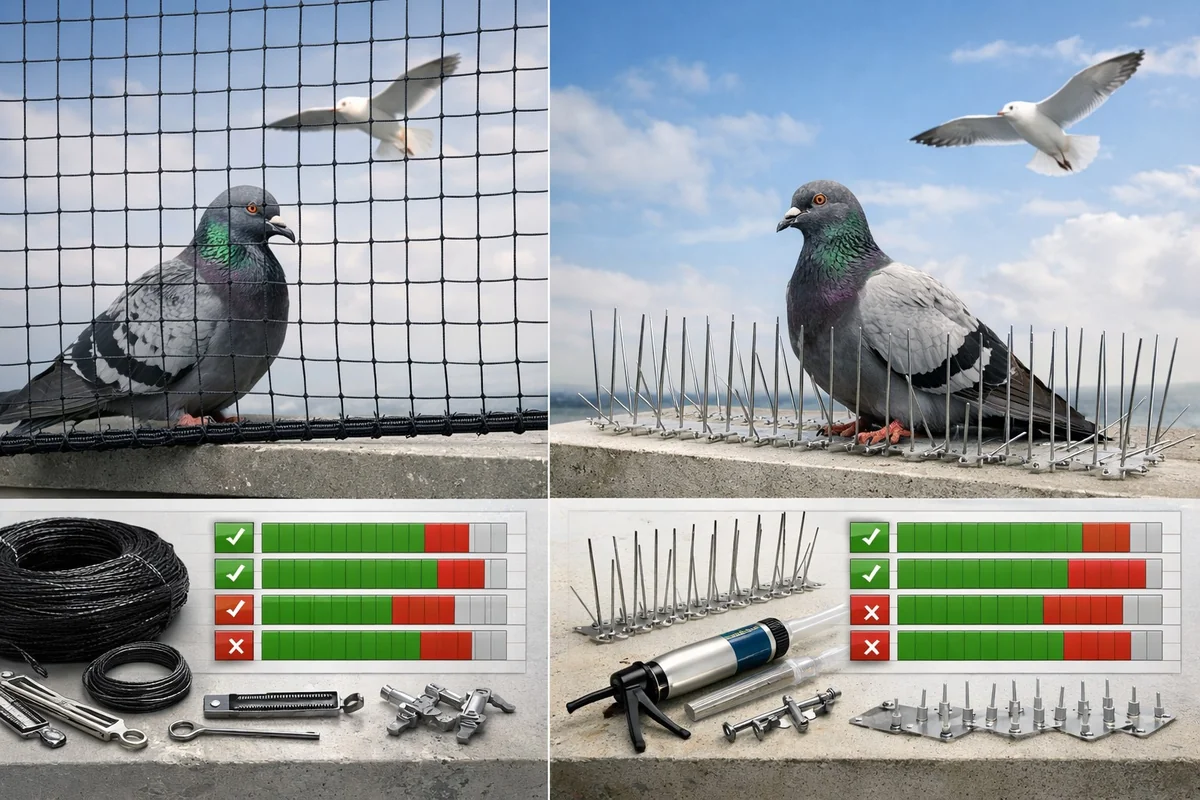
Bird netting vs bird spikes: Bird netting is best for keeping all birds out of gardens and structures, while bird spikes stop perching on ledges and signs. Netting creates a full barrier, spikes only deter landing and don’t block access. Choose netting for total exclusion; spikes for perching control and easy DIY use.
- Bird netting is the most reliable method for total exclusion in gardens, orchards, and large structures.
- Bird spikes work best for narrow ledges, sills, and signs where birds perch but don’t nest.
- Choosing the wrong method leads to wasted time, higher costs, and persistent bird problems.
Key Differences Between Bird Netting and Bird Spikes
Bird netting and bird spikes are the two most common DIY bird deterrents, but they work in very different ways. Netting physically blocks birds from entering or landing in a space, while spikes make flat surfaces uncomfortable to perch on.
Identify your needs and get personalized recommendations
Learning about bird control for the first time and want straightforward, safe options.
Interested in understanding the basics before making a choice.
Wants to compare detailed features and performance between netting and spikes.
Looking for the best balance of price and features.
Decided to buy and wants the most reliable, effective product available now.
Prioritizes keeping costs low while still solving the bird problem.
How Each Method Physically Blocks Birds
Bird netting acts as a solid barrier over the area you need to protect. If properly installed, it prevents birds from reaching plants, fruit, or building openings. The entire area is shielded - there’s no way for birds to slip through unless there’s a gap.
Bird spikes, on the other hand, use rows of pointed rods to make ledges, rooflines, signs, and other surfaces difficult or impossible to land on. Spikes don’t block access entirely - they just remove the incentive to perch by making the spot uncomfortable.
This difference matters: if birds want to nest or get at food, spikes won’t stop them from trying nearby spots, while netting blocks access altogether.
Best Use Cases for Each Deterrent
Netting dominates when the goal is total exclusion: protecting gardens, covering fruit trees, keeping birds out of open eaves, or sealing warehouse beams. For example, if sparrows are eating your strawberries or pigeons are roosting in your barn rafters, netting is usually the only way to guarantee results.
Spikes shine in urban settings with lots of flat, narrow perching spots: window sills, sign tops, gutters, and architectural ledges. If pigeons are leaving droppings on your window ledges or starlings are crowding your sign, spikes are the fast, visible fix.
Using the wrong tool (like netting on a tiny sill, or spikes on a wide garden fence) means wasted money and recurring problems.
Limitations and Potential Drawbacks
Netting can be unsightly - especially if stretched haphazardly - and installation is a project, not a quick fix. Poorly installed netting can sag, allowing birds to get trapped or sneak through small gaps.
Spikes aren’t foolproof, either. Small birds sometimes nest between widely spaced spikes, and determined species (like crows) can adapt or land beside the strips. Plus, spikes only defend the strip they’re on, not the whole area.
Both methods have legal and ethical requirements. Mistakes like loose netting or sharp spike tips can injure wildlife, attract legal trouble, and create more headaches than they solve. For a broader overview of safe DIY options, see Best Bird Deterrents, Spikes, and Netting 2026.
How Bird Netting Works for Pest Control
Bird netting keeps birds away by creating a physical barrier that’s impossible for them to cross. The effectiveness comes down to material, mesh size, and installation quality.
Materials and Mesh Sizes: What to Choose
Most modern bird netting uses polyethylene or nylon. Polyethylene nets, like Bird-X Bird Netting, are UV-resistant and handle rain, wind, and sun exposure better than older nylon designs. UV resistance is essential for outdoor installations that will see full sun.
Mesh size is critical. Large mesh (2" or more) works for pigeons and doves but lets smaller birds like sparrows and finches right through. Small mesh (1/4“ to 1/2”) blocks even the nimblest birds but can also snag beneficial insects or small mammals if you’re not careful.
Pick the smallest mesh that blocks your target species, but don’t go so tight you create a new set of problems. Bird-X sells its netting in several mesh sizes for exactly this reason, and it is a solid pick for residential and light commercial use.
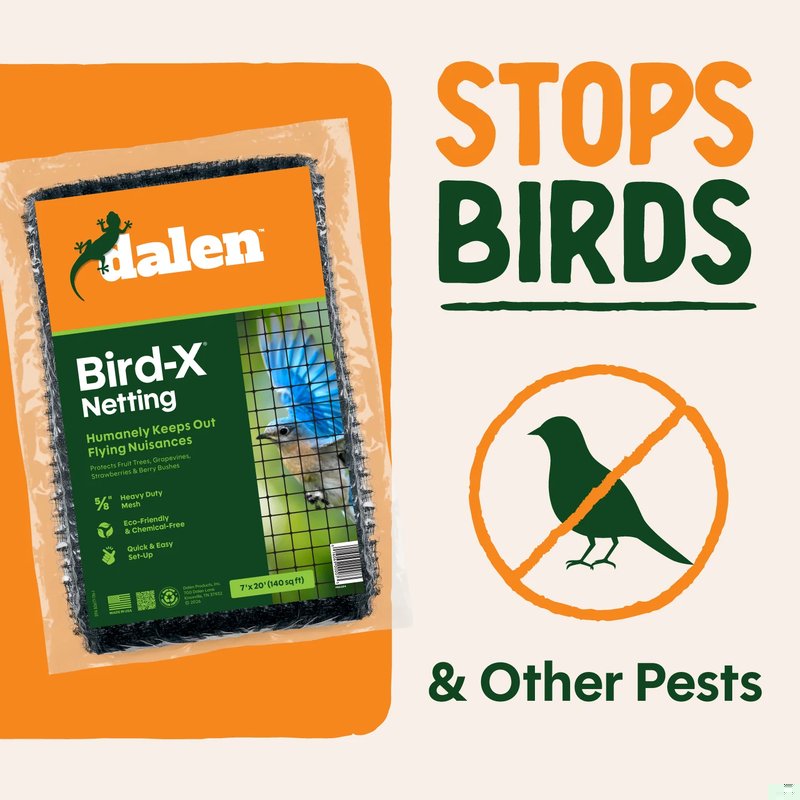
Bird-X Bird Netting
Bird-X Bird Netting provides long-lasting protection for gardens, balconies, and building eaves by physically blocking birds without harming them. The UV-stabilized polyethylene construction resists sun and rain damage, making it ideal for extended outdoor use in high-UV climates. Multiple mesh sizes allow precise targeting of different bird species for effective pest deterrence.
Why We Recommend This
We recommend Bird-X Bird Netting for its proven durability and humane design, especially for users in sunny or wet climates where nylon netting may degrade quickly. Its range of mesh sizes makes it a versatile option for both residential and commercial pest management, delivering effective protection with minimal maintenance.
vs Competitors: Compared to lighter nylon netting, Bird-X’s polyethylene construction provides superior longevity and maintains strength in full sun, making it a better choice for long-term outdoor installations.
Best For:
Homeowners, gardeners, and property managers seeking a durable, humane, and effective bird deterrent for outdoor spaces exposed to sun and weather.
- Protecting fruit trees, vegetable gardens, and vineyard crops from bird damage
- Covering balconies, eaves, and architectural features to prevent nesting or roosting
- UV-stabilized polyethylene for enhanced durability in sunlight and rain
- Available in mesh sizes from 3/4" to 2" for species-specific exclusion
- Lasts longer outdoors than nylon alternatives in high-UV environments
- Humane solution - blocks access without harming wildlife
- Requires secure installation to prevent sagging or gaps
- May need periodic cleaning if used in dusty or debris-prone areas
For budget-conscious gardeners, the Easy Gardener BirdBlock Netting is a lighter, more affordable option for fruit trees and small gardens. It’s easy to drape over bushes or rows and takes minutes to set up.
The trade-off is lower durability: BirdBlock netting is less resilient in high-wind or high-traffic spots, and may not last multiple seasons if left exposed all year. Still, for short-term use or light-duty needs, it’s a standout in the budget category.
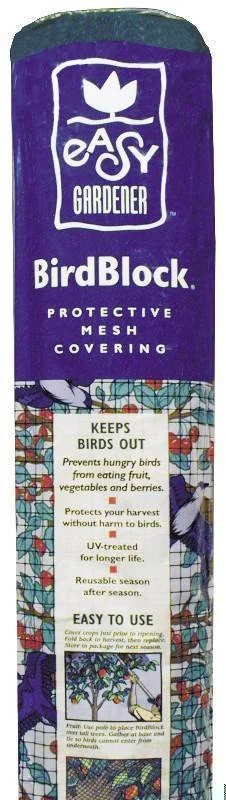
Easy Gardener BirdBlock Netting
Easy Gardener BirdBlock Netting provides lightweight, effective protection for fruit trees, shrubs, and small garden beds, helping to prevent bird damage without the use of harsh chemicals. Measuring 14 x 14 feet, this mesh netting is easy to drape and install in minutes, making it a practical choice for seasonal or ongoing use. Its fine mesh design allows sunlight and rain through while keeping out unwanted birds.
Why We Recommend This
We recommend Easy Gardener BirdBlock Netting for gardeners who need a cost-effective, flexible bird deterrent that’s easy to install and remove as needed. Its lightweight design and generous coverage make it ideal for seasonal use, especially for those with smaller garden plots or fruit trees. While not as heavy-duty as metal spikes, it offers solid protection for most backyard applications at a price point accessible to hobbyists.
vs Competitors: Compared to traditional bird spikes, BirdBlock Netting offers broader coverage and is less visually intrusive, though spikes may provide longer-term protection for ledges or building edges where netting isn’t practical.
Best For:
Home gardeners and property owners seeking an affordable, low-maintenance solution for preventing bird damage to small gardens, shrubs, and fruit trees.
- Protecting fruit trees, berry bushes, and vegetable beds from bird damage during ripening season
- Covering small garden plots or raised beds without restricting access to sunlight or water
- Lightweight polyethylene mesh construction for easy handling
- 14 x 14 ft coverage area (196 sq ft) suitable for small gardens and trees
- Quick and simple installation - users report setup takes less than 10 minutes
- Reusable and easy to store between growing seasons
- Mesh may snag on branches or thorns during installation
- Less effective against persistent or larger pest birds compared to rigid barriers like spikes
Installation Challenges and Tips
Proper tension is critical: sagging netting collects leaves, gives birds something to stand on, and quickly becomes ineffective. Anchoring every side tightly, using cable ties or special fasteners, keeps the net taut and hard for birds to push through.
Don’t leave gaps. Even 2-inch openings are enough for birds to sneak through, especially persistent sparrows and starlings. Cover all corners, overlaps, and entry points, even the spots you think are too small for a problem.
DIY installation is possible for most homeowners, but it can be a hassle. High-up spots require ladders, and large expanses may need a helper. Always plan for the time and tools needed before starting - rushing the job almost always leads to gaps or future headaches.
Maintenance and Longevity
UV-resistant netting (like Bird-X Bird Netting) can last several years outdoors, but all netting degrades over time. Frayed, torn, or sagging netting is an open invitation for birds to sneak in or get tangled.
Leaves, twigs, and debris will collect on top, especially if netting is installed near trees. Regular cleaning is essential, or the weight can pull netting down and create new gaps. Storms and animal chewing are the most common causes of sudden damage.
Annual inspections (or after any big storm) are a must. Prompt repairs keep netting effective and prevent accidental harm to wildlife.
For more on broader bird deterrent strategies, check out our Bird Control guide.
How Bird Spikes Work to Deter Birds
Bird spikes prevent birds from perching by making surfaces uncomfortable, not by creating an impenetrable barrier. They’re best for stopping droppings and mess on ledges, sills, and signage, not for blocking access to entire areas.
Types of Bird Spikes: Material and Design
Stainless steel spikes, like Defender Stainless Steel Bird Spikes, are designed for long-term outdoor use. They resist rust, stand up to sun and rain, and aren’t easily bent or broken. These are the go-to for anyone needing a “set it and forget it” solution on roofs, sills, and signs.
Plastic spikes, such as Bird B Gone Polycarbonate Bird Spikes, are lighter and easier to cut for DIY projects. They’re a solid choice for small jobs or places where weight matters (like lightweight signage). UV resistance is vital - cheap plastics degrade in the sun within a year or two.
The density and length of spikes matter: tall, wide spikes deter pigeons and crows, while denser, shorter spikes are more effective for small birds. Flexible bases allow installation on curved surfaces but can shift in heavy wind unless anchored well.
Defender Stainless Steel Bird Spikes are favored for durability and performance against larger birds, with high marks from both home and commercial users. They’re ideal for places where reliability is non-negotiable.
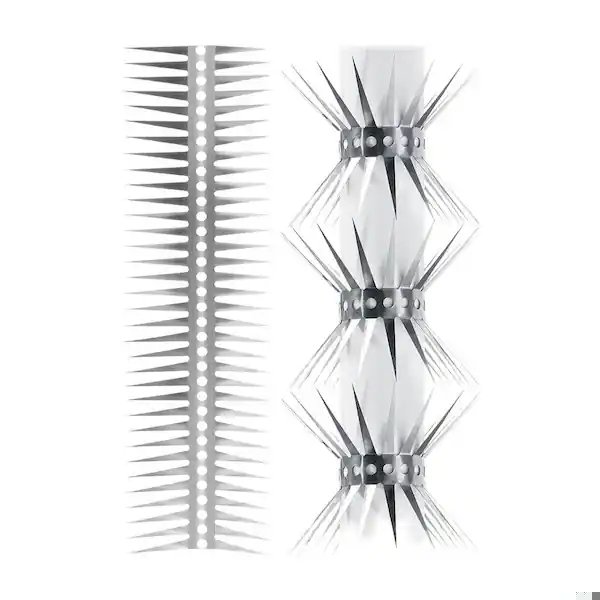
Defender Stainless Steel Bird Spikes
Defender Stainless Steel Bird Spikes provide long-lasting protection for ledges, roofs, and signs by deterring pigeons, gulls, and other large birds. Made from rust-resistant 304-grade stainless steel, these spikes deliver up to 10 years of maintenance-free performance in harsh outdoor conditions. The 50cm strips are easy to install and withstand UV exposure, rain, and snow, making them ideal for exposed locations.
Why We Recommend This
We recommend Defender Stainless Steel Bird Spikes for anyone needing reliable, long-term bird control in harsh outdoor environments. Their sturdy construction and proven 5-10 year lifespan make them a top choice for deterring pigeons and gulls, especially where plastic alternatives fall short. This is our go-to pick for low-maintenance, heavy-duty bird proofing.
vs Competitors: Compared to plastic spikes, Defender's stainless steel model offers superior durability and resistance to UV damage, making it the better choice for long-term outdoor use.
Best For:
Property owners, facility managers, and homeowners seeking a low-maintenance, durable solution for large bird deterrence on exposed outdoor surfaces.
- Protecting commercial building ledges and roofs from pigeon nesting
- Securing home window sills, fences, or signs in coastal or urban environments
- Constructed from 304-grade stainless steel for corrosion resistance
- UV- and weather-resistant for 5-10 years of outdoor durability
- Outlasts plastic spikes with 5-10 year lifespan in extreme weather
- Effective deterrent for pigeons, gulls, and similar large birds
- Not suitable for deterring small birds like sparrows or starlings
- Visible metal spikes may not be aesthetically pleasing on some buildings
Bird B Gone Polycarbonate Bird Spikes provide a cost-effective, lightweight alternative that’s easy to trim and install on small ledges, window sills, or signs. They’re best when birds are mostly perching and not nesting, and where budget is a concern.
The main trade-off is lifespan: plastic spikes tend to degrade faster in harsh weather and may need more frequent replacement, especially in sunny climates. Still, they’re a good fit for renters, DIYers, or anyone needing a quick, affordable deterrent.
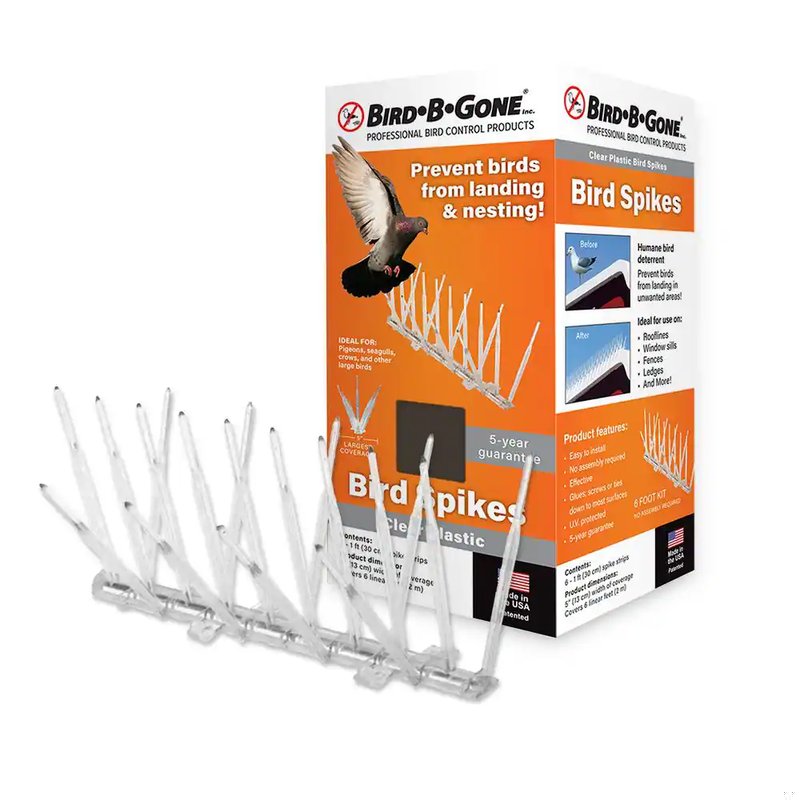
Bird B Gone Polycarbonate Bird Spikes
Bird B Gone Polycarbonate Bird Spikes provide discreet, UV-resistant protection for ledges, signs, and railings, deterring pigeons and similar birds without detracting from aesthetics. The lightweight plastic strips are easy to trim and install for DIY users, making them ideal for balconies or historic facades where appearance matters. Each strip measures 13 inches long, offering flexible coverage for smaller areas.
Why We Recommend This
We recommend Bird B Gone Polycarbonate Bird Spikes for users who value easy installation and minimal visual disruption, especially in residential or historic settings. While they offer effective deterrence for pigeons and similar birds, their lightweight design makes them best suited for areas where heavy, persistent bird pressure is not expected. For those prioritizing aesthetics and DIY convenience over maximum durability, these are a top pick.
vs Competitors: Compared to stainless steel spikes like the Defender, these plastic spikes are easier to cut and less visually obtrusive, but will not last as long in harsh sun or high-traffic areas.
Best For:
Homeowners, property managers, and renters seeking an unobtrusive, DIY-friendly bird deterrent for small or visible areas where aesthetics are important.
- Protecting residential balconies, window sills, or porch railings where visual appearance is a priority
- Deterring birds from signage or narrow architectural ledges on commercial or historic buildings
- UV-resistant polycarbonate construction resists sun damage
- Lightweight strips (0.2 lbs per strip) for easy DIY installation
- Easier to cut and fit for custom DIY projects than metal alternatives
- Less visible from a distance, preserving building aesthetics
- Polycarbonate plastic may become brittle and degrade after extended sun exposure (typically 2-3 years outdoors)
- Not as durable as stainless steel spikes for long-term or heavy-duty applications
Where Bird Spikes Are Most Effective
Spikes are unmatched for stopping perching and roosting on narrow, flat surfaces. Think window sills, sign tops, roof edges, and gutters - anywhere birds pause for a break or to scout for food.
They don’t work for wide-open spaces or on areas where birds are determined to nest. If you have a 10-foot beam or want to keep birds away from garden beds, spikes just won’t cut it. Placement is everything: even small gaps between strips allow birds to land.
Improper installation - leaving space between spike strips, or using spikes too short for the target birds - creates “landing pads” where persistent birds can squeeze in.
Common Misconceptions About Spikes
Many people think spikes hurt birds, but when installed according to instructions, they just make perching uncomfortable. The tips aren’t sharp enough to pierce or injure, but they do discourage landing.
Some species, especially smaller birds, can nest between widely spaced spikes if the density isn’t right. This is why it’s critical to choose spikes with the right spacing for your target problem - don’t just buy the cheapest strip and hope for the best.
Spikes work purely as a physical deterrent. They don’t emit scents, chemicals, or sounds. Birds avoid them because they’re awkward to land on, not because of any invisible repellent.
Effectiveness Comparison: Bird Netting vs Spikes
Comparing bird netting vs spikes isn’t just about blocking birds. It’s about matching the right tool to the bird, the location, and the problem you’re facing. Here’s how the two methods stack up in the real world.
| Deterrent | Works Best For | Bird Sizes | Durability | Visual Impact |
|---|---|---|---|---|
| Bird Netting | Gardens, crops, open beams, fruit trees | All sizes (mesh-dependent) | 3–7 years outdoors (UV-resistant) | Low at a distance, moderate up close |
| Bird Spikes | Ledges, signs, window sills, gutters | Medium–large (smaller may adapt) | 5–10 years (stainless steel), 2–5 (plastic) | Visible on most surfaces |
For small, agile species like sparrows or starlings, netting (especially with a tight mesh) is the only way to guarantee exclusion. Spikes may work for pigeons, doves, and crows if installed with no gaps and the right height.
Birds are persistent. Intelligent species like crows and pigeons can learn to work around spikes, especially if there’s any installation mistake. Netting, by contrast, is almost impossible for birds to defeat if installed and maintained properly.
Weather also plays a role. Stainless steel spikes (like Defender) shrug off rain, snow, and sun for 5 years or more. Plastic spikes (Bird B Gone) are more affordable but may need replacing after 2–3 years if exposed to full sunlight and extreme weather.
Quality netting (like Bird-X Bird Netting) resists UV and holds up to most storms, but branches and animal activity can cause tears, especially in cheaper netting. Regular checks are needed for both methods.
Aesthetically, netting can be nearly invisible from a distance but may be noticeable up close, especially if not installed neatly. Spikes are visible but can be chosen in colors that blend with the building for a less obtrusive look. Some neighborhoods or historic buildings have rules about visible deterrents - always check before you start.
- Bird netting wins for: full exclusion in gardens, crops, and large open spaces.
- Bird spikes win for: ledges, sills, and narrow surfaces where birds perch but don’t nest.
Cost and Value: Bird Netting vs Bird Spikes
When considering bird control comparison, think about both upfront and long-term costs. Netting materials tend to cost more per square foot, but a single installation can protect a whole garden or building section for years.
Spikes are more affordable for small jobs (like a single window sill or sign) but get expensive fast if you have a long roofline or multiple ledges. The price adds up as you cover more feet, and high-quality stainless steel spikes, while durable, aren’t cheap.
Hidden costs are real: improper netting installation can trap birds, leading to rescue or removal fees. Cheap plastic spikes may snap, bend, or discolor, requiring frequent replacement. Missed gaps or loosely anchored products create recurring infestations and ongoing expenses.
DIY installation matters. Netting often takes two people, a ladder, and careful planning. Spikes can be installed solo in under an hour per ledge using adhesive or screws.
If you’re short on time or don’t have safe access to high spaces, hiring a pro doubles or triples your cost but ensures longevity.
The trade-off? Invest more upfront for high-quality, weather-resistant netting or spikes, and you’ll save on repairs, replacements, and frustration down the road.
Safety and Legal Considerations for Homeowners
Both bird netting and spikes are legal for most homeowners, but there are important wildlife protection laws at the federal and local level. In the US, many native birds are protected under the Migratory Bird Treaty Act, making it illegal to harm or trap them - even unintentionally.
Certain areas, especially historic districts or HOAs, may restrict visible deterrents or require permits. Violating these rules can result in fines or forced removal of your deterrent setup.
Loose netting presents a real risk to pets and small animals. Spikes rarely injure birds if installed correctly, but can be a minor hazard to curious kids or pets if handled roughly. Choose netting and spike designs that minimize harm to non-target species, and inspect regularly to catch problems early.
Ethical pest control means keeping wildlife out, not harming them. Both methods are considered humane when installed right, but loose netting or poorly finished spikes can cause suffering. Prevention and exclusion - not lethal means - should always come first.
Choosing the Right Bird Deterrent for Your Home
Start by identifying your exact bird problem: Are they perching, nesting, or feeding? What species are you dealing with - pigeons, sparrows, starlings, or crows? The solution changes based on bird size, behavior, and the space you need to protect.
Evaluate the area: Is it a narrow ledge, wide garden bed, or open beam? Is the spot visible from the street, or hidden from view? Are you worried about aesthetics, or is function the only concern?
If you misjudge the problem, you’ll waste time and money. For example, using spikes to protect a berry patch won’t help, and throwing netting over a single window sill is overkill.
Combining methods is often the best answer, especially for complex or persistent infestations. Use netting to block access to gardens, eaves, or open spaces, and spikes to protect nearby window sills or signs. Layering your defenses prevents smart birds from adapting.
Visual deterrents like reflective tape or decoy predators can boost results but rarely work alone. Sound devices and gels aren’t reliable for most home users. Physical exclusion (netting and spikes) remains the most dependable long-term control for real-world bird pressures.
Frequently Asked Questions About Bird Netting and Spikes
❓ Frequently Asked Questions
What is the difference between bird netting and bird spikes?
What is the difference between bird netting and bird spikes?
Bird netting is a physical barrier that covers areas to block birds from entering, while bird spikes are rows of pointed rods attached to ledges to prevent perching. Netting works well for large open spaces, while spikes are best for narrow surfaces like window sills and signage.
How do I install bird netting for effective bird control?
How do I install bird netting for effective bird control?
To install bird netting effectively:
- Measure the area to determine net size needed
- Attach anchor points (hooks or cables) around the perimeter
- Stretch the net tightly over the area
- Secure the net to all anchor points, ensuring no gaps
- Inspect for sagging or entry points
Proper installation prevents birds from accessing protected spaces.
Which works better for large areas: bird netting or bird spikes?
Which works better for large areas: bird netting or bird spikes?
For large areas, bird netting is generally more effective than bird spikes. Netting creates a complete barrier, blocking birds from entering open spaces like warehouses or courtyards. Spikes are mainly suitable for ledges or beams, not for protecting wide or irregularly shaped zones.
What should I look for when choosing bird control products?
What should I look for when choosing bird control products?
When selecting bird control products, consider:
- Material durability: UV-resistant plastic or stainless steel lasts longer outdoors
- Area coverage: netting for large zones, spikes for narrow ledges
- Installation complexity: DIY-friendly options save on labor
- Maintenance needs: low-maintenance products reduce upkeep
- Local regulations: some areas restrict certain deterrents
Compare these factors based on your site’s needs.
How long do bird netting and spikes typically last?
How long do bird netting and spikes typically last?
Most bird netting and spikes last 3–7 years outdoors, depending on material and exposure. UV-resistant netting and stainless steel spikes have the longest lifespans. Regular inspections and cleaning help prevent damage from debris, weather, and bird activity, extending the product’s effectiveness over time.
Why do I need bird deterrents like netting or spikes?
Why do I need bird deterrents like netting or spikes?
Bird deterrents prevent property damage, health risks, and messes caused by nesting and droppings. Netting and spikes physically block birds from roosting or entering sensitive areas, reducing cleanup costs and potential disease spread. These methods are widely used where birds pose persistent problems or safety concerns.
Which bird control method is best for ledges and signage?
Which bird control method is best for ledges and signage?
Bird spikes are typically best for ledges, signs, and narrow architectural features. They physically prevent birds from landing or nesting on these surfaces without causing harm. Most users find spikes effective for pigeons and similar species, but not suitable for wide open spaces or small birds that can nest between spikes.
Our Verdict: Which Bird Deterrent Should You Choose?
For homeowners and renters facing persistent bird issues, here’s the verdict: Netting is the clear winner for large areas, gardens, orchards, and any situation where you need total exclusion. It’s more work up front, but nothing else blocks all bird species as reliably - especially the small, agile ones.
Spikes are unbeatable for stopping perching, droppings, and messes on narrow ledges, window sills, signs, and gutters. They’re fast to install, budget-friendly for small jobs, and less visually intrusive on buildings where appearance matters.
If your bird problem is severe or keeps coming back, don’t be afraid to use both methods together. Netting for total exclusion, spikes for adjacent perching spots, and a few visual deterrents for backup cover all bases. Weigh cost, installation effort, and visual impact, but prioritize what keeps your home and garden bird-free for the long haul.
Related Articles
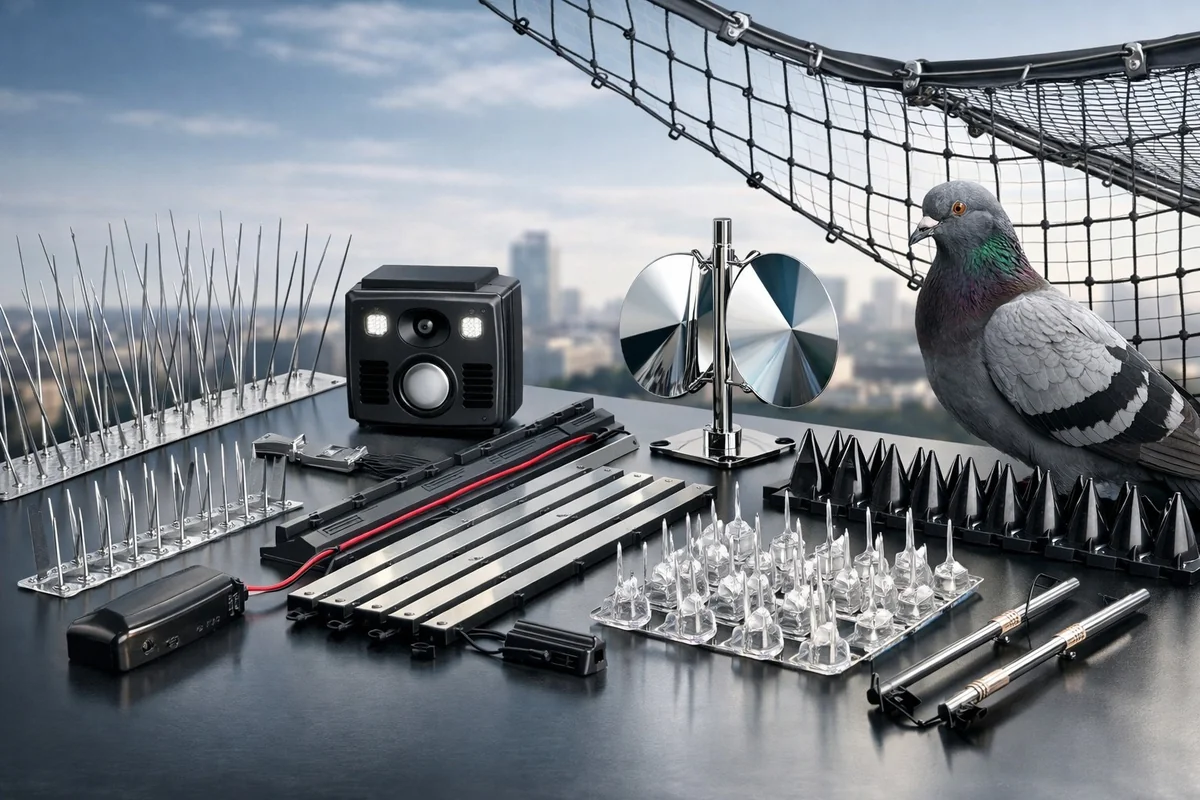
Best Bird Deterrents, Spikes, and Netting 2026: DIY Solutions Ranked
Find the best bird deterrents, spikes, and netting for 2026. Compare top DIY solutions to protect your home and garden from unwanted birds - safe, effective, and budget-friendly options reviewed.
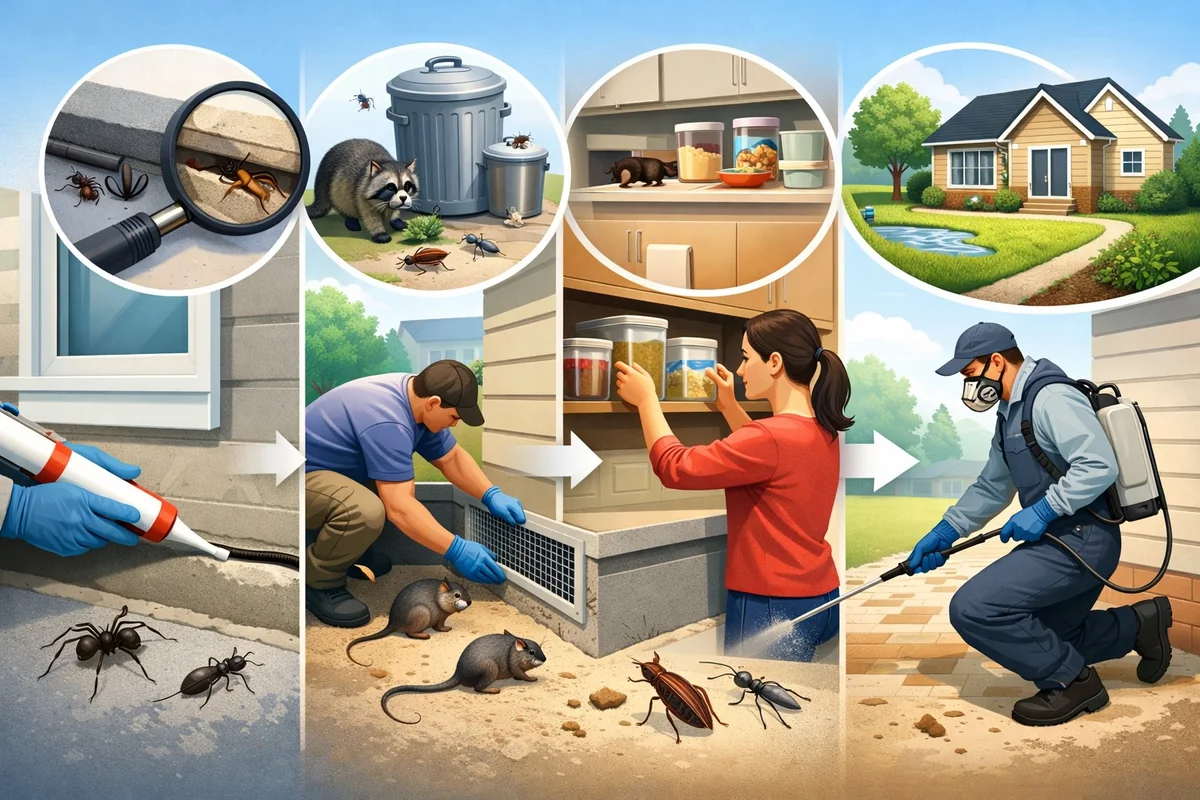
Complete Guide to Pest Prevention in Homes: Stop Pests in 2026
Protect your home in 2026 with this complete pest prevention guide. Discover proven DIY methods, room-by-room tips, safe solutions for families, and expert advice to stop pests before they start.
Best Garden Pest Control Products for Yards and Gardens 2026
Discover the best pest control products for gardens and yards in 2026. Compare top-rated sprays, baits, traps, and natural solutions for safe, effective, and budget-friendly outdoor pest removal.
![Best Protective Gear for Pest Control 2026 [Expert Reviews]](https://pestproreviews.com/images/hero/hero_best_protective_gear_for_pest_control_2026_expert.webp)
Best Protective Gear for Pest Control 2026 [Expert Reviews]
Protect yourself during DIY pest control in 2026 with our expert-reviewed guide to the best protective gear. Compare top-rated respirators, gloves, coveralls, and more for safe, effective pest removal at home.