How to Keep Birds Away from Balconies and Gardens (2026 Guide)
Learn practical, safe, and budget-friendly ways to keep birds away from balconies and gardens in 2026. Step-by-step bird proofing tips, deterrent comparisons, and answers to common questions for homeowners and renters.
To keep birds away from balconies and gardens, remove food and water sources, install physical barriers like netting or spikes, and use a mix of visual and scent deterrents. Most setups take 1-2 hours with basic tools. Consistent maintenance is key for lasting results and safety if you have pets or children.
Why Birds Invade Balconies and Gardens
If you've watched your balcony become a daily hangout for pigeons or your garden torn apart by crows, you're not alone. Birds gravitate to residential spaces because they find easy meals, water, and safe shelter. These attractants are often overlooked until the problem gets out of hand.
Common Attractants in Residential Spaces
Food is the main driver. Uncovered trash bins, spilled pet food, crumbs from outdoor dining, and especially bird feeders all lure species looking for a meal. If you have fruit trees or berry bushes, fallen produce will draw in birds fast.
Water features - like fountains, leaky hoses, or even pet bowls - give birds a reason to stick around. In hot months, a dripping faucet or neglected birdbath keeps them coming back. Dense plants, overgrown vines, and shaded ledges create ideal conditions for nesting and roosting, especially in urban environments with limited green space.
Seasonal Patterns and Bird Behavior
Expect a surge in bird activity during migration - usually spring and fall - when flocks stop to rest and refuel. Breeding season, typically early spring through midsummer, brings more aggressive nesting and territorial behavior. Some urban species like pigeons and house sparrows have adapted so well to city life that they become year-round residents, exploiting human-provided resources no matter the season.
If you're looking for more background or want to explore broader strategies, see our Bird Control overview for additional context on local species and regulations.
Quick Solutions to Deter Birds Immediately
When birds become a problem overnight, you need fast action. The most immediate way to keep birds away from your balcony or garden is to cut off what draws them in - food, water, and safe perching spots.
Removing Food and Water Sources
Clear away spilled seeds, fruit, or crumbs right after meals or gardening. Cover pet food when not in use, and make sure trash bins have tight-fitting lids. Even a single open compost bin is enough to attract flocks.
Standing water is a magnet, especially in dry weather. Drain birdbaths, cover unused water features, and fix leaky faucets. Regularly check gutters and plant saucers for pooling water.
Using Temporary Visual and Sound Deterrents
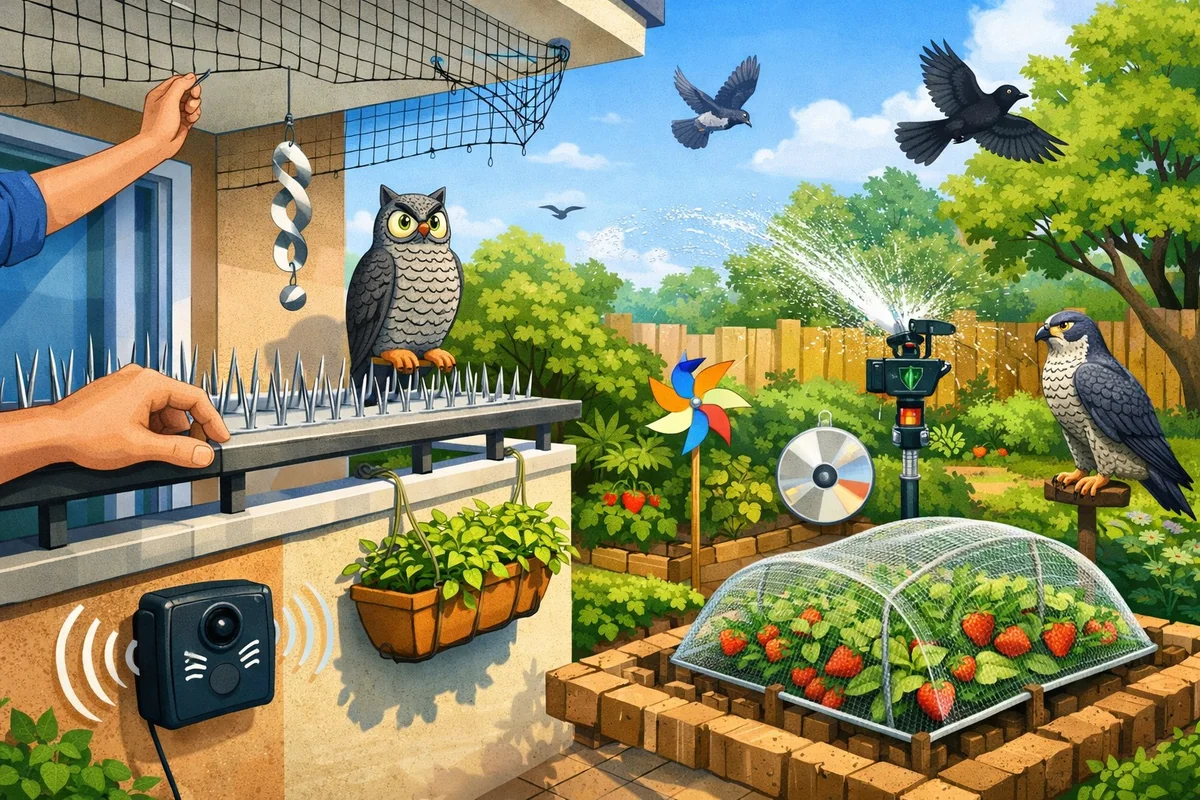
Hang reflective tape, old CDs, or aluminum foil strips - the sudden flashes and movement startle most birds. Wind chimes and motion-activated noise makers disrupt familiar routines and make birds think twice about settling in.
The catch? Birds are smart and adapt quickly. You’ll need to change locations, swap out objects, or combine several methods to avoid them getting used to your setup.
| Method | ★Difficulty Level | ★Time Required | Cost Range | ★Best For | Effectiveness |
|---|---|---|---|---|---|
| Physical Barriers (Netting, Spikes) | Medium | 2-4 hours for 100 sq ft installation | Moderate | Permanent exclusion in small to medium areas | Very High |
| Visual Deterrents (Reflective Tape, Decoys) | Easy | 30-60 minutes setup | Budget-friendly | Quick results; renters; areas under 500 sq ft | Moderate |
| Natural Repellents (Scented Sprays, Essential Oils) | Easy | 15-30 minutes per treatment | Budget-friendly | Organic gardens; frequent reapplication; sensitive environments | Low |
| Sound-Based Deterrents (Ultrasonic Devices, Noise Makers) | Medium | 30-90 minutes setup and calibration | Premium | Larger areas; minimal visual impact; tech-savvy users | High |
| Habitat Modification (Prune Attractants, Remove Food Sources) | Medium | 2-5 hours initial effort, ongoing maintenance | Moderate | Long-term prevention; gardens with recurring issues | High |
Physical Barriers: Netting, Spikes, and Screens
For persistent bird problems, nothing outperforms a physical barrier. Visual and sound deterrents lose power over time, but barriers like netting, spikes, and screens provide a long-term fix.
Bird Netting for Gardens and Balconies
Fine mesh netting is the gold standard for gardens and open balconies. It blocks birds entirely from landing on plants, ledges, or railings. This is especially important if you’re dealing with smart, stubborn birds who ignore shiny tape or fake owls.
Installation takes effort - you’ll need to secure netting tightly without gaps, which may mean custom-fitting corners or awkward railings. The trade-off is highly effective exclusion, but you might lose some easy access to your plants or outdoor space.
Anti-Bird Spikes and Strips
Plastic or metal spike strips prevent birds from landing where they aren’t wanted - think railings, window ledges, or light fixtures. Once installed, they’re discreet, weather-resistant, and low-maintenance. If installed properly, birds won’t even try to perch.
Spikes don’t suit every surface, and some people dislike their look in decorative spaces. But on utility areas, they work with minimal effort.
Balcony Screens and Mesh Panels
For open balconies, fine mesh screens can enclose the space without blocking your view. They’re almost invisible from a distance but keep birds out completely. Custom fitting is sometimes required for odd-shaped balconies or historical railings, but the result is a bird-proof outdoor room.
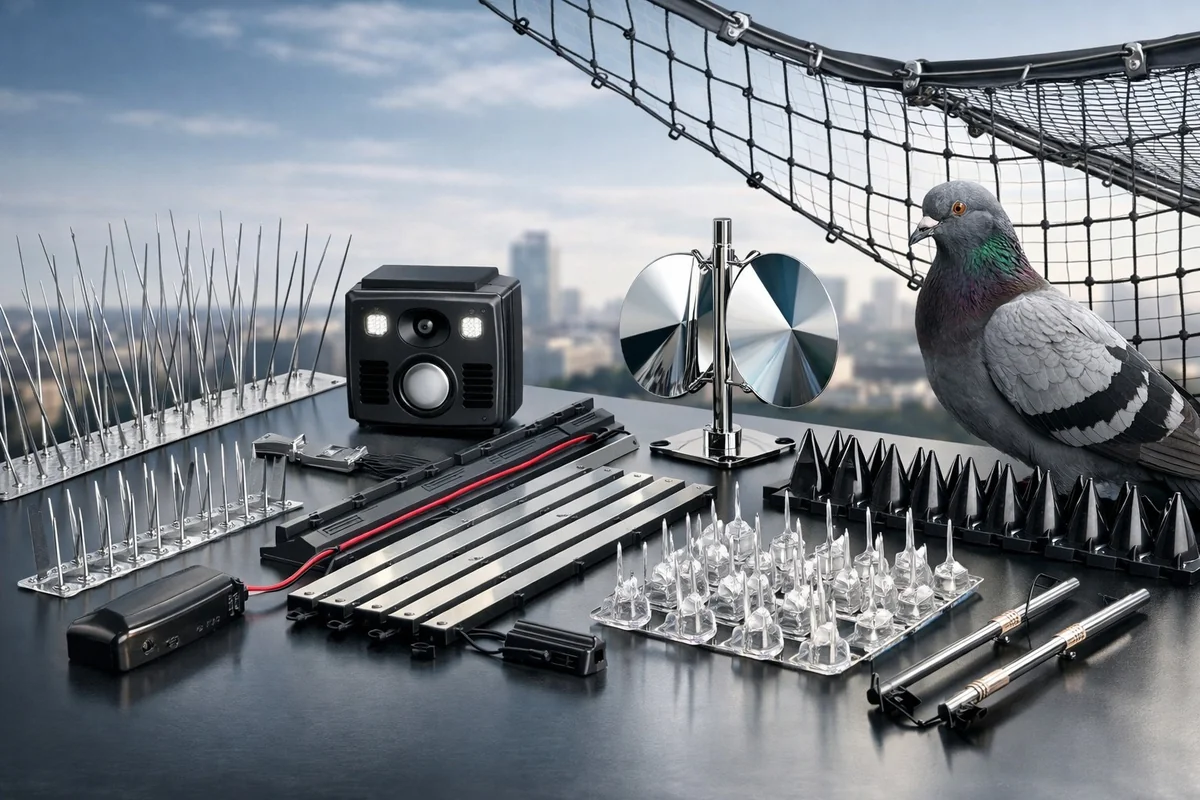
If you want a detailed breakdown of barrier types and how they compare, check our Best Bird Deterrents, Spikes, and Netting 2026 guide for in-depth analysis and recommendations.
Effective Visual Bird Deterrents for Gardens
Visual deterrents are quick to set up and can work well as part of a layered approach - just don’t rely on them alone for stubborn or urban-adapted species.
Reflective Objects and Moving Decoys
Reflective tape, pinwheels, and holographic discs disrupt birds’ vision with unpredictable flashes, making them uneasy. Predator decoys like plastic owls, hawks, or snakes tap into birds’ natural fear responses - especially when they move in the wind or are repositioned every few days.
If you notice birds ignoring a decoy, it’s probably because it hasn’t moved in a while. Movement and randomness are what keep birds guessing.
Color and Shape Considerations
Bright colors like red and yellow can signal danger to some bird species, especially when combined with patterns that resemble predator eyes. Large, bold shapes or contrasting patterns add to the threat effect.
But not all birds react the same way - urban pigeons, for example, may ignore colors entirely, while rural songbirds might avoid them. Always tailor your approach based on which species are causing problems locally.
Natural and Chemical Bird Repellents
Repellents can add an extra layer of defense, especially when used alongside barriers and visual cues. Just know that reapplication is part of the deal, and some products are better suited for gardens than balconies.
Scent-Based Repellents: Safe and DIY Options
Strong-smelling essential oils like peppermint or citronella can keep birds from landing or nesting nearby. DIY sprays made from chili, garlic, or vinegar are low-cost, non-toxic, and easy to prepare at home using a spray bottle.
Rain, wind, and regular watering will wear down scent barriers, so plan to reapply every few days or after heavy weather. Scent repellents are most effective for light bird pressure or as a backup to physical barriers.
Commercial Bird Repellent Gels and Sprays
Sticky gels leave an unpleasant feeling on birds’ feet without harming them, making perching less attractive. Look for gels specifically labeled for outdoor and garden use.
Methyl anthranilate-based sprays are EPA-approved and safe for use around food plants - they irritate birds’ senses but are harmless to people and pets. Be aware that some sprays can leave a residue, so test on a small area first if you’re concerned about surfaces.
Safe Bird Control for Homes with Pets and Children
Safety isn’t optional if you share your space with kids or animals. Most physical and visual deterrents are safe when properly installed, but some repellents demand extra caution.
Non-Toxic and Humane Deterrent Methods
Netting, spikes, and screens are generally safe for homes with pets and children. Visual deterrents like reflective tape or decoys pose no risk, as long as small parts are out of reach for toddlers or curious pets.
When choosing gels, sprays, or oils, always check labels for food and pet safety. Never use products with strong chemical irritants in areas where pets or kids may touch or ingest them.
Legal and Ethical Considerations
Most countries - including the U.S., Canada, and EU - prohibit harming native or migratory bird species. Stick to exclusion and deterrence methods, not trapping or poisoning. Humane, non-lethal approaches also protect beneficial species and support local biodiversity.
Always check local regulations if you’re unsure about protected species or allowable control methods. Enforcement varies, but fines can be steep for harming wildlife.
Step-by-Step Guide: Bird Proofing Your Balcony or Garden
Ready to tackle the problem directly? Here’s a hands-on guide to bird proofing, from prep to maintenance. Most homeowners can complete basic deterrent or barrier installation in one afternoon with supplies from a hardware store.
Preparation and Materials Checklist
- Fine mesh netting or screen (UV-resistant for outdoors)
- Plastic or metal bird spikes/strips
- Reflective tape, pinwheels, or predator decoys
- Sturdy scissors or wire cutters
- Zip ties, mounting clips, or weatherproof fasteners
- Protective gloves (for handling netting or spikes)
Walk your space to identify all food, water, and shelter sources. Look for ledges, beams, or dense plants that could serve as roosts or nests. Estimate your space - basic deterrent setup takes 30-60 minutes; full netting or screens may need 2-4 hours.
Step-by-Step Guide
Follow these proven steps to keep birds away from balconies and gardens using safe, modern deterrents. This guide provides practical, up-to-date solutions for protecting your outdoor spaces effectively.
Total Time
45 minutes
Difficulty
Beginner
Inspect and Clean the Area
Remove food sources, nesting debris, and standing water from balconies or gardens. Dispose of fallen fruit, seeds, or crumbs to reduce bird attraction. A clean area discourages birds from returning and makes later deterrents more effective.
Pro Tips:
- Check under furniture, planters, and in gutters for hidden food or nesting material.
- Sweep and hose down surfaces weekly during bird season.
- Store pet food and garbage in sealed containers.
Important Warnings:
- Neglecting this step reduces the effectiveness of deterrents and may attract rodents.
Required Tools:
- Outdoor broom
- Trash bags
- Garden hose
Install Physical Barriers
Place bird spikes, netting, or wire mesh on ledges, railings, and eaves. Secure barriers tightly to prevent birds from perching or nesting. Physical barriers are recommended by pest control professionals for long-term results.
Pro Tips:
- Measure areas precisely before purchasing materials.
- Choose stainless steel or UV-resistant plastic spikes for durability.
- Cover all access points, including under overhangs.
Important Warnings:
- Improperly installed barriers may injure wildlife or void building warranties.
Required Tools:
- Measuring tape
- Bird spikes or netting
- Cable ties or mounting clips
- Ladder (if needed)
Use Visual and Auditory Deterrents
Hang reflective tape, holographic discs, or predator decoys where birds gather. Set up battery-powered sound devices that emit distress calls. These methods disrupt birds’ routines and encourage them to find alternative locations.
Pro Tips:
- Change the position of decoys every 3-5 days to maintain effectiveness.
- Combine at least two deterrent types for best results.
- Select bird-specific sound frequencies to avoid disturbing neighbors.
Important Warnings:
- Some birds may become accustomed to static deterrents; rotate methods regularly.
Required Tools:
- Reflective bird tape
- Predator decoys
- Sound deterrent (battery-operated)
- String and scissors
Apply Safe Repellents
Spray a non-toxic, bird-safe repellent gel or liquid on railings and surfaces. Follow manufacturer instructions for coverage and reapplication intervals. Modern repellents create an unpleasant sensation for birds without harming plants or animals.
Pro Tips:
- Test spray on a small area first to check for staining.
- Reapply after heavy rain or cleaning.
- Use only EPA-registered repellents for safety.
Important Warnings:
- Avoid using sticky substances on surfaces accessed by pets or children.
Required Tools:
- Bird-safe repellent spray or gel
- Gloves
- Protective eyewear
Monitor and Adjust as Needed
Check your balcony or garden weekly for bird activity and signs of deterrent failure. Replace damaged barriers and reposition deterrents as needed. Consistent monitoring ensures long-term bird exclusion.
Pro Tips:
- Keep a log of bird sightings to track patterns.
- Inspect after storms or heavy winds for damage.
- Consult a licensed pest control expert if problems persist.
Important Warnings:
- Ignoring regular checks may allow birds to adapt and return.
Required Tools:
- Notebook or phone for logs
- Replacement deterrents
Installation Process for Common Deterrents
When installing netting, pull it taut and secure every edge - birds can squeeze through surprisingly small gaps. Cut netting to fit awkward corners, and double-check for holes, especially near railings or walls.
For spikes and strips, use the right mounting hardware for your surface - adhesive for metal or concrete, screws for wood. Place spikes end-to-end without gaps, and avoid sharp overhangs that could injure people or pets.
Arrange visual deterrents so they move in the wind and cover as much area as possible. Hanging them at different heights increases unpredictability.
Testing and Adjusting Your Setup
Monitor your balcony or garden for 1-2 weeks after installation. Look for fresh droppings, feathers, or signs of attempted nesting - these point to weak spots in your defenses.
If birds still find their way in, reinforce gaps, move decoys, or layer on scent repellents. Persistent, highly adaptive species may require a combination of all three deterrent types (physical, visual, scent) to break their routine.
Common Mistakes and How to Avoid Them
Even the best deterrents fail if you overlook the basics. Most bird problems come back to missed attractants, improper installation, or relying on just one method for too long.
Overlooking Hidden Attractants
People often forget about small food scraps, compost bins, or pet dishes. Even one uncovered gutter or plant saucer can collect water and undo all your other efforts. Cluttered balconies provide both food and nesting material - keep things tidy.
Improper Installation of Barriers
Loose netting, poorly secured spikes, or the wrong mesh size make it easy for birds to sneak in - or worse, get trapped. Maintenance matters: check regularly for damage after storms or high winds.
Relying on a Single Deterrent Method
Birds are quick learners. If you always use the same decoy, or never move your reflective tape, they’ll learn it’s safe. Layering multiple deterrent types keeps birds guessing and increases your chances of success.
Frequently Asked Questions About Bird Proofing
❓ Frequently Asked Questions
What is the most effective way to keep birds off balconies?
What is the most effective way to keep birds off balconies?
The most effective way to keep birds off balconies is to use a combination of deterrents, such as bird spikes, reflective tape, and ultrasonic repellents. These methods physically block perching and use visual or sound cues to discourage birds. Installing netting can also provide long-term, maintenance-free protection.
How do I keep birds away from my garden naturally?
How do I keep birds away from my garden naturally?
To keep birds away from your garden naturally:
- Place reflective objects like old CDs or metallic tape around plants
- Use decoy predators, such as plastic owls or snakes
- Install netting over fruiting plants
- Plant strong-scented herbs like mint or lavender
Rotate deterrents monthly to maintain effectiveness.
What should I look for when choosing bird deterrent products?
What should I look for when choosing bird deterrent products?
When choosing bird deterrent products, consider:
- Material durability: UV-resistant plastics or stainless steel last longer outdoors
- Coverage area: match product size to your balcony or garden
- Ease of installation: look for no-drill or adhesive options
- Maintenance needs: some require periodic cleaning
Read user reviews for reliability before purchasing.
How often should bird deterrents be checked or replaced?
How often should bird deterrents be checked or replaced?
Bird deterrents should be checked every 2-3 months for damage or effectiveness loss. Outdoor products may degrade due to sun or weather, especially plastic components. Replace worn spikes or faded reflective tape as needed. Netting typically lasts 1-3 years, but inspect for holes or loosening at least twice a year.
Are ultrasonic bird repellents safe for pets and humans?
Are ultrasonic bird repellents safe for pets and humans?
Ultrasonic bird repellents emit high-frequency sounds designed to deter birds without harming pets or humans. Most models operate above the human hearing range, but some sensitive pets may notice the sound. Always follow manufacturer guidelines and monitor pet behavior when installing any electronic repellent device.
What is the difference between bird spikes and bird netting?
What is the difference between bird spikes and bird netting?
Bird spikes are rows of narrow rods that prevent birds from perching on surfaces, while bird netting is a mesh barrier that physically blocks birds from accessing an area. Netting is best for protecting entire gardens or balconies, while spikes are ideal for ledges and railings.
Why do birds keep returning to my balcony even after using deterrents?
Why do birds keep returning to my balcony even after using deterrents?
Birds often return if deterrents lose effectiveness or if food, water, or nesting material remains accessible. Most users find that changing deterrent types and removing attractants - such as open trash, crumbs, or standing water - significantly reduces bird visits. Regularly rotate deterrents to prevent birds from adapting.
Key Takeaways for Successful Bird Deterrence
Maintaining a bird-free balcony or garden is an ongoing process, not a one-and-done fix. Consistent cleaning and removal of attractants prevent new infestations, while regular checks keep deterrents effective as seasons change.
Physical barriers like netting and spikes offer the most reliable long-term defense. Pair them with visual and scent deterrents for persistent or highly adaptive species. Document what works in your space, and don’t be afraid to adjust as bird behavior shifts over time.
Stick with humane, legal methods - protecting your home doesn’t mean harming local wildlife. If you hit a roadblock, consult local authorities or wildlife experts for advice tailored to your area.
Related Articles
Best Bird Deterrents, Spikes, and Netting 2026: DIY Solutions Ranked
Find the best bird deterrents, spikes, and netting for 2026. Compare top DIY solutions to protect your home and garden from unwanted birds - safe, effective, and budget-friendly options reviewed.
Best Garden Pest Control Products for Yards and Gardens 2026
Discover the best pest control products for gardens and yards in 2026. Compare top-rated sprays, baits, traps, and natural solutions for safe, effective, and budget-friendly outdoor pest removal.
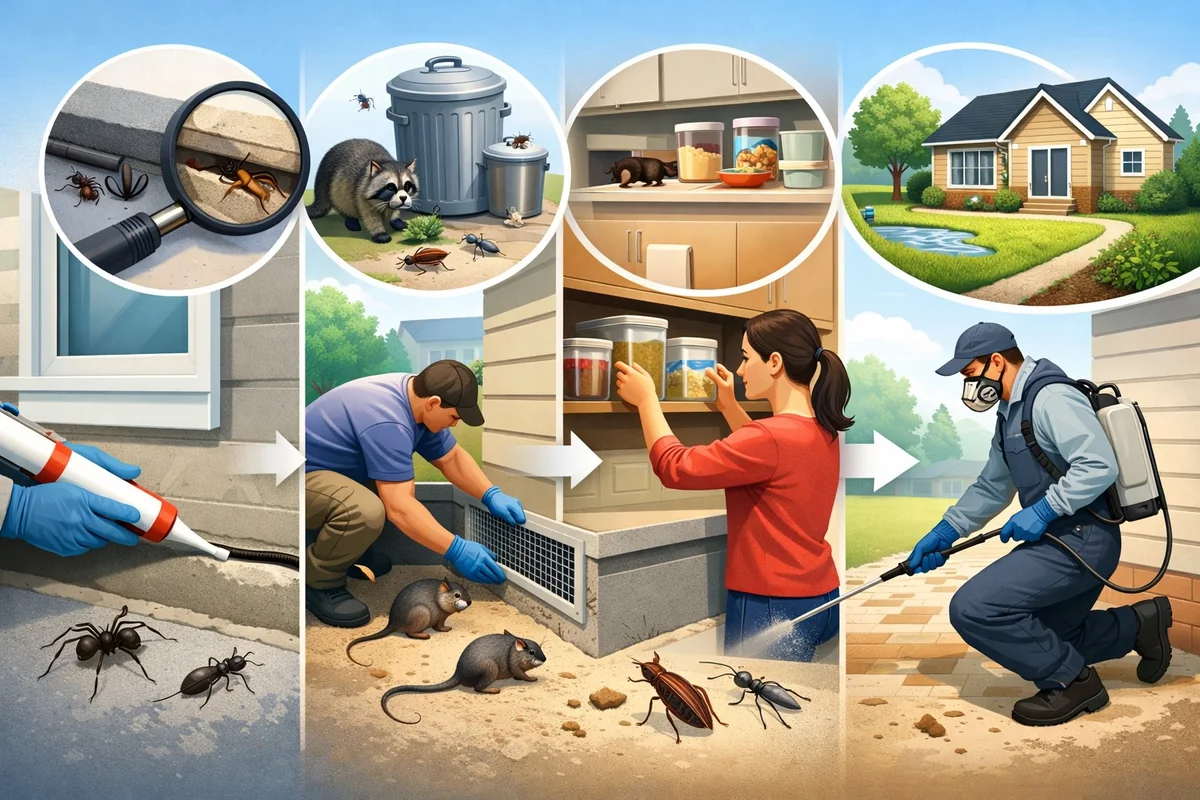
Complete Guide to Pest Prevention in Homes: Stop Pests in 2026
Protect your home in 2026 with this complete pest prevention guide. Discover proven DIY methods, room-by-room tips, safe solutions for families, and expert advice to stop pests before they start.

Best Natural and Organic Pest Control Products 2026: Safe, Eco-Friendly Solutions for Every Home
Find the best natural and organic pest control products for 2026. Safe, eco-friendly solutions for ants, roaches, rodents, and more - ideal for families and pet owners.