 Pest Pro Reviews Editorial Team • • 19 min read •
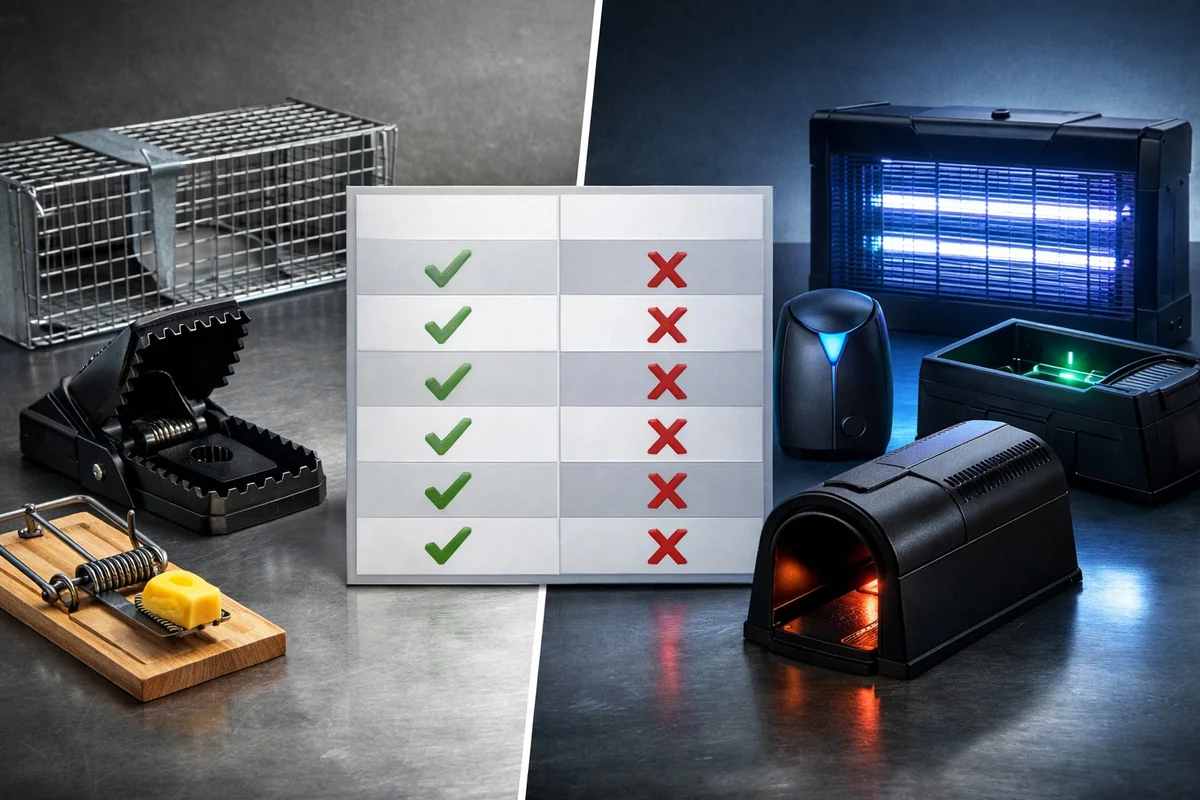
 Mechanical vs Electronic Pest Traps: Which Is Better? (2026 Comparison)
Compare mechanical vs electronic pest traps in 2026. Discover which trap type works best for your pest problem, with real-world pros, cons, costs, and safety tips for DIY pest control.
Mechanical pest traps win for budget-conscious homeowners with contained rodent or insect problems, offering fast results and simple maintenance. Electronic traps are better for those prioritizing hygiene, minimal contact, and ease of use - especially with larger or frequent rodent infestations. Trap choice depends on your pest type, safety needs, and willingness to monitor and reset devices.
- Mechanical traps remain the most cost-effective and reliable for single-room or minor infestations, especially with rodents and crawling insects.
- Electronic traps offer cleaner disposal and are better for larger rodents or homes needing less hands-on cleanup, but require more upfront investment.
- Choose based on pest type, presence of children/pets, and your tolerance for maintenance - combining both types often yields the best results for stubborn problems.
Key Differences Between Mechanical and Electronic Pest Traps
Choosing between mechanical vs electronic pest traps boils down to how each activates, which pests they target, and their ease of use. Homeowners often pick based on their comfort level with hands-on disposal, need for rapid results, and type of infestation. Let’s break down these differences so you don’t waste time - or money - on the wrong solution.
Identify your needs and get personalized recommendations
Just starting to learn about pest traps and wants a simple, reliable option.
Wants to understand the basics and avoid common beginner mistakes.
Compares detailed features and technology to find the best fit.
Focuses on getting the most useful features for the price.
Wants a reliable trap that’s available now and easy to get started with.
Looks for the best deal without sacrificing essential features.
Trap Activation Methods
Mechanical traps work by physical force. Think spring-loaded snap traps or sticky glue boards: a rodent steps on a trigger, or an insect crawls onto adhesive, and the trap does its job immediately. These rely on direct contact and a well-placed lure.
Electronic traps use sensors or conductive metal plates to detect when a pest enters the device. Once activated, they deliver a high-voltage shock, killing the rodent quickly. Sensitivity can vary - some models trigger easily, while others require a certain weight or moisture level to close the circuit.
Activation speed matters: snap traps are nearly instantaneous, but can misfire if not set right. Electronic traps may have a slight delay but are generally consistent, especially with larger rodents. For skittish pests, overly sensitive traps may reduce catch rates due to false triggers.
Types of Pests Each Trap Targets
Mechanical traps are best for mice, rats, and larger crawling insects - anything big enough to trigger a spring mechanism or get seriously stuck on a glue board. Snap traps like the Victor Metal Pedal Mouse Trap target small rodents with enough force for a quick kill.
Electronic traps are usually designed for rodents. They’re highly effective for mice and rats, but not all models catch smaller pests like insects or baby mice. Some, like the Tomcat Electronic Rat Trap, are specifically sized for bigger rodents and can miss the smallest ones.
Glue boards (a mechanical type) bridge the gap, as they can catch spiders, roaches, and even baby mice. That said, they often struggle with heavy dust or high humidity, which reduces their stickiness. Matching your trap choice to the pest - rodent, bug, or both - is key for fast results.
Ease of Use and Setup
Mechanical traps usually need manual baiting, precise placement, and frequent checking. Some, like spring traps, require careful handling to avoid accidental snaps. Glue boards are simpler, but also need regular replacement if they get dirty or full.
Electronic traps often feature indicator lights and removable kill chambers, making disposal less messy. Setup is often faster - just add batteries, bait, and place along a wall. The downside: they’re bulkier and require occasional battery changes or access to an outlet, which limits placement in some homes.
For first-timers, the learning curve is real. Spring traps frustrate many, while electronic options offer a smoother, less hands-on experience. If you want to see more trap options by type or use case, check our Best Pest Traps and Monitors 2026 guide.
How Mechanical Pest Traps Work
Mechanical traps have been the go-to for DIY pest control for decades. Their simplicity and affordability make them a logical first step for most homeowners facing an unexpected critter problem. However, not all mechanical traps work the same way, and choosing the right style for your pest is half the battle.
Spring and Snap Traps
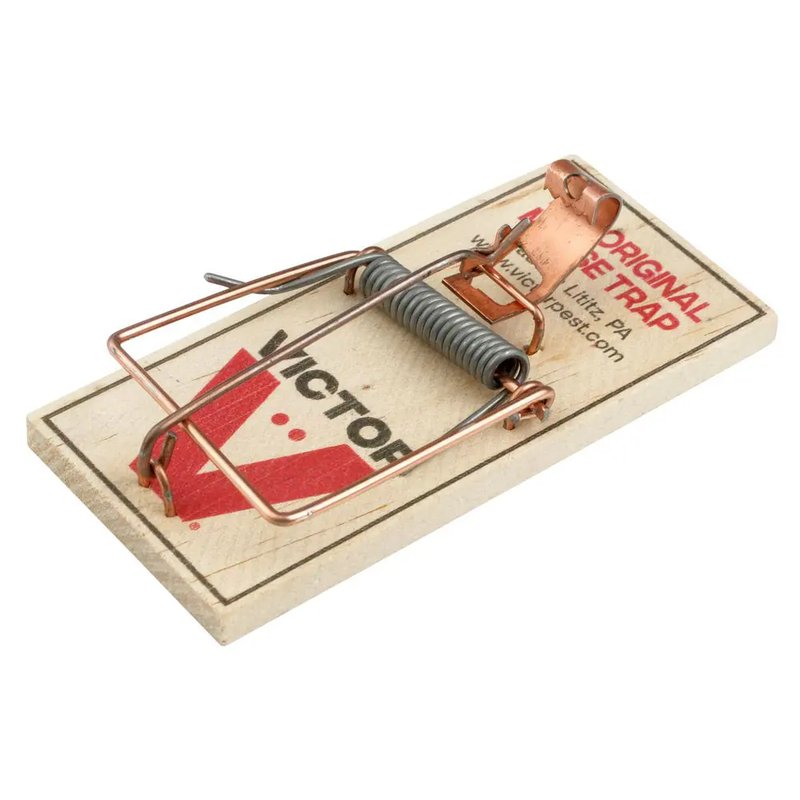
Spring traps, like the Victor Metal Pedal Mouse Trap, use a tensioned bar held by a sensitive trigger. When a mouse or rat takes the bait or steps on the pedal, the bar snaps shut, delivering enough force to kill or immobilize instantly. This design is tried and true - if you want a fast, no-nonsense solution for rodents, it’s hard to beat.
What stands out about the Victor Metal Pedal Mouse Trap is its ability to be deployed in bulk along rodent runways. The metal pedal is more sensitive than plastic, catching even lighter mice. It’s a budget-friendly choice for users dealing with sudden outbreaks or who want to cover multiple rooms at once.
The trade-off: improper handling can cause finger injury, and some larger rats may escape if the trap isn’t sized properly.
Victor Metal Pedal Mouse Trap
Delivers fast, reliable mouse control with a spring-loaded metal bar designed for instant lethality. The Victor Metal Pedal Mouse Trap operates entirely mechanically, requiring no batteries or power, making it ideal for deploying across multiple problem areas. Its compact, classic wooden build allows discreet placement in kitchens, basements, or storage rooms.
Why We Recommend This
We recommend the Victor Metal Pedal Mouse Trap for its proven reliability and effectiveness, especially when multiple traps are needed for fast control. Its fully mechanical design eliminates the need for batteries or maintenance, making it a top choice for users who value simplicity and immediate results over digital features.
vs Competitors: Compared to electronic traps, the Victor Metal Pedal offers a lower upfront cost and enables wider coverage in large spaces, though it requires more frequent manual intervention.
Best For:
Homeowners, property managers, and pest control professionals seeking a proven, cost-effective solution for rapid mouse removal without the need for electricity.
- Managing sudden mouse infestations in residential kitchens or pantries
- Bulk deployment in storage areas, basements, or garages where multiple traps are needed
- Spring-loaded kill bar delivers immediate results
- Metal pedal trigger increases sensitivity to light mouse contact
- Provides instant, humane kill with proper placement
- Enables large-scale, low-cost deployment for severe infestations
- Requires manual disposal and resetting after each catch
- Potential for accidental triggering during setup if not handled carefully
Spring traps work best in dry, indoor settings where pets and children won’t tamper with them. They’re effective, but require regular checking and hands-on disposal.
Glue Boards and Sticky Traps
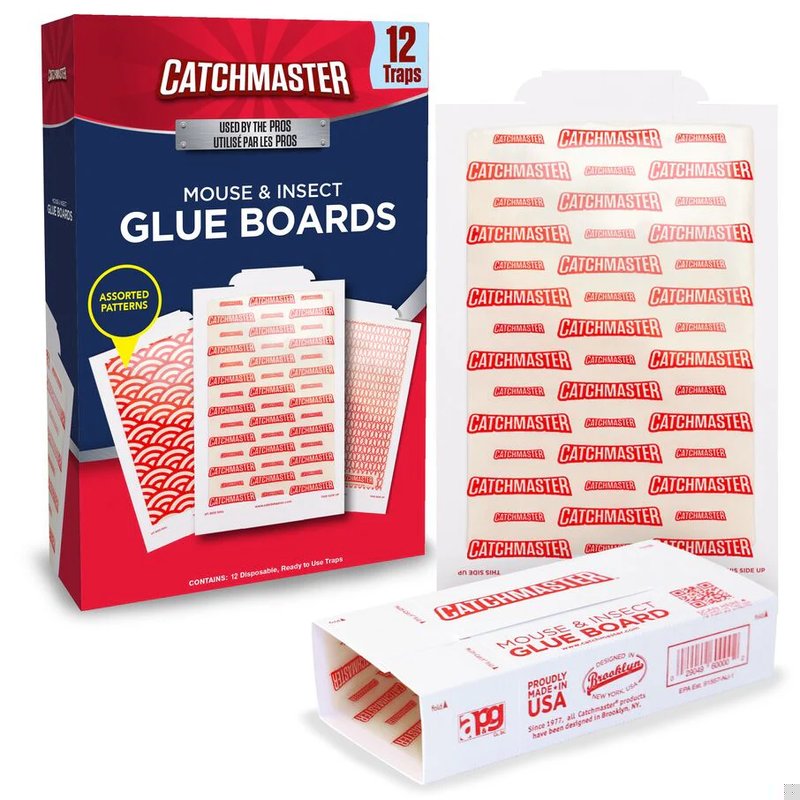
Glue traps like Catchmaster Glue Boards use a flat, sticky surface to immobilize pests. Place them along baseboards or near suspected insect entrances - roaches, silverfish, spiders, and even baby mice will get caught as they cross. No poisons, no snap mechanisms - just a passive, non-toxic sticky panel.
These are especially useful in sensitive areas - think kitchens, pantries, or bedrooms - where toxic baits aren’t an option. Their main limitation is the potential for suffering: trapped animals may struggle for hours, and you’ll need to check and replace regularly in dusty or humid conditions. Glue boards lose effectiveness if they’re covered in debris or get wet.
Catchmaster Glue Boards
Catchmaster Glue Boards offer passive, non-toxic pest control by trapping mice, rats, and crawling insects on a flat, adhesive surface - no poisons or snap mechanisms required. Each board measures 8.5 x 5.25 inches for flexible placement along baseboards, under appliances, or near pest entry points. Ideal for homes, kitchens, and storage areas where chemical-free pest management is essential.
Why We Recommend This
We recommend Catchmaster Glue Boards for those prioritizing a non-toxic, passive approach to indoor pest control. Their ease of use and versatility make them a practical choice for homes concerned about chemical exposure. While not a solution for severe infestations, they excel at monitoring and reducing low-level pest activity where safety is paramount.
vs Competitors: Compared to electronic traps, Catchmaster Glue Boards provide a quieter, maintenance-free alternative but require more frequent disposal and monitoring. They are more discreet and cost-effective for light indoor use, though less effective for larger rodents or high-volume infestations.
Best For:
Homeowners, renters, and property managers seeking safe, low-maintenance pest control methods without the use of toxic chemicals.
- Ideal for kitchens, pantries, and storage spaces where poison-free pest control is preferred
- Useful for monitoring and managing occasional insect or mouse activity indoors
- Disposable sticky panel measures 8.5 x 5.25 inches for versatile placement
- Non-toxic adhesive free from pesticides or chemical attractants
- Chemical-free solution safe for use around children and pets (when placed out of reach)
- No snap mechanisms or moving parts for safer, quieter operation
- Requires regular monitoring and disposal when full or soiled
- May not be suitable for heavy rodent infestations or outdoor use
For renters or those tackling both insects and rodents, glue boards offer a flexible, affordable option. Just keep in mind the ethical considerations and the need for frequent replacement in high-traffic or dirty areas.
How Electronic Pest Traps Work
Electronic traps bring a new level of convenience and hygiene for those who dread direct pest contact. They’re designed for modern homes where cleanliness and safety are top concerns. There are two main categories: electric shock traps and ultrasonic repellents.
Each has its own strengths - and some notable limitations.
Electric Shock Traps
Shock-based electronic traps, such as the Victor Electronic Mouse Trap and the Tomcat Electronic Rat Trap, use metal plates to deliver a lethal high-voltage jolt when a rodent completes the circuit inside the trap. The result is a quick, usually humane kill, making these traps popular with users who want minimal suffering and no mess.
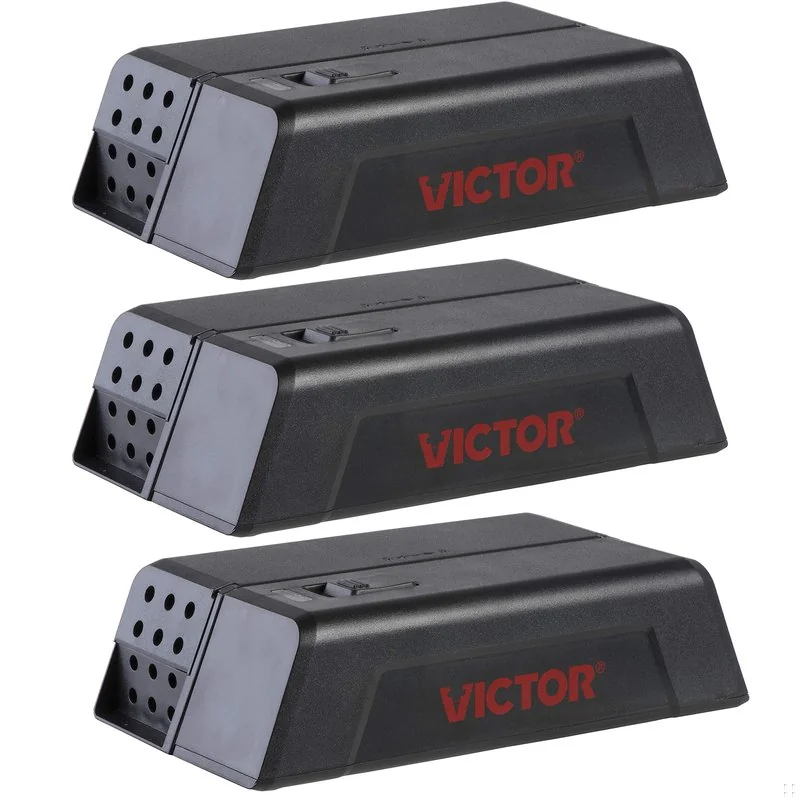
The Victor Electronic Mouse Trap is ideal for homes with recurring mouse problems. It features a removable kill chamber, indicator lights for easy monitoring, and a no-touch disposal system - just dump the rodent directly into the trash. It’s a moderate investment compared to snap traps but earns high marks for ease of use, especially for those who hate handling dead pests.
The main trade-off: it requires batteries, so you’ll need to keep spares on hand. It’s also less effective if you’re dealing with smaller rodents or insects.
Victor Electronic Mouse Trap
The Victor Electronic Mouse Trap delivers a quick, humane kill using a high-voltage shock, ensuring clean and mess-free disposal of mice. With a capacity to eliminate up to 100 mice per set of AA batteries, it's ideal for homes seeking efficient pest control without contact. Its compact 6.2 x 3.1 x 1.8 inch design fits discreetly in kitchens, basements, and garages.
Why We Recommend This
We recommend the Victor Electronic Mouse Trap for its reliable, hygienic approach to mouse control, especially in homes where cleanliness and ease of use are priorities. Its no-touch disposal and high success rate make it a standout option among electronic traps, and it's particularly well-suited for those uncomfortable with traditional snap traps or handling rodents directly.
vs Competitors: Compared to classic snap traps like the Victor Metal Pedal, this electronic model offers cleaner disposal and greater convenience, though it requires battery replacements. It is more effective for those who prioritize hygiene and user-friendly operation.
Best For:
Homeowners, renters, and property managers seeking an effective, low-mess, and easy-to-use solution for indoor mouse problems.
- Best for households needing hygienic, touch-free mouse removal
- Ideal for kitchens, pantries, basements, and garages with light to moderate infestations
- Delivers high-voltage shock for instant humane kill
- No-touch, no-see disposal system for hygienic handling
- No-touch disposal reduces risk of disease and unpleasant cleanup
- Effective for single or recurring mouse problems in indoor spaces
- Requires battery replacement after approximately 100 uses
- Not suitable for outdoor use or larger rodents
For larger rodents, the Tomcat Electronic Rat Trap ups the ante with more space and a removable kill chamber tailored to rats. It’s best for garages, basements, or anywhere rats have taken up residence. Expect a higher upfront cost, but the added convenience and hygiene are worth it if you face frequent infestations or have a strong aversion to rodent disposal.
The catch: like all electronic traps, it needs power - battery life is good, but not infinite. Placement is also limited by cord length or battery status.
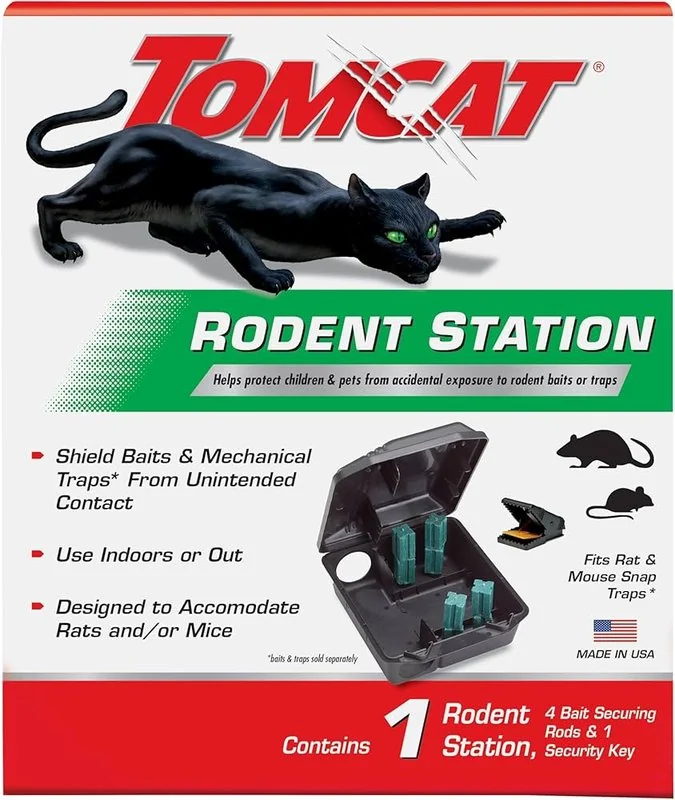
Tomcat Electronic Rat Trap
Delivers fast, humane elimination of larger rats with a powerful high-voltage shock, ensuring quick results in homes or garages. The Tomcat Electronic Rat Trap features a removable kill chamber for easy cleaning and maintenance, and is specifically designed to target adult rats (not suitable for baby mice or insects). Users report the no-see, no-touch disposal system helps minimize contact with pests for added safety.
Why We Recommend This
We recommend the Tomcat Electronic Rat Trap for users who prioritize fast, sanitary rodent removal and want to avoid direct contact with pests. Its high-voltage shock and removable kill chamber make it stand out for ease of use and cleaning, especially in homes with heavy rat activity. While it's not suited for very small pests, its specialization makes it a top pick for controlling adult rats.
vs Competitors: Compared to the Victor Electronic Mouse Trap, the Tomcat model provides a larger chamber suited for bigger rodents but may miss smaller mice or baby rats. Both offer similar electronic shock technology, but Tomcat's removable kill chamber adds convenience for frequent use.
Best For:
Best for homeowners or property managers needing a reliable, hands-off solution for larger rat problems in residential or light commercial settings.
- Ideal for homeowners dealing with recurring rat infestations in basements or garages
- Useful in sheds or storage spaces where traditional traps are impractical or unsafe for pets
- High-voltage shock mechanism for rapid kill (requires 4 AA batteries)
- Removable kill chamber for easy cleaning and reset
- Effectively eliminates large rats quickly and humanely
- Simple setup and disposal process reduces user contact with pests
- Not effective for smaller rodents (e.g., baby mice) or insects
- Requires periodic battery replacement for continued operation
Both of these options appeal to users seeking fast, hands-off results, especially where cleanliness and minimal handling are a priority.
Ultrasonic Repellent Devices
Ultrasonic pest repellents don’t trap or kill - they emit high-frequency sound waves intended to drive pests away. The concept: disrupt rodents’ or insects’ sense of safety, forcing them to abandon the area. No baiting, no disposal, and no chemicals involved.
Here’s the thing: real-world results are mixed. Some users report reduced rodent activity after a few weeks, while others see no change. Effectiveness drops sharply in cluttered rooms, behind walls, or where pests have alternative food sources.
Ultrasonic devices are best viewed as a supplement to trapping, not a standalone solution.
If you want a truly hands-off deterrent, ultrasonic devices might be worth a try, but don’t expect miracles - especially with established infestations or in areas full of furniture and obstacles.
Effectiveness: Performance: What Owners Report Compared
When it comes to mechanical vs electronic pest traps, performance depends on the type of pest, the environment, and user follow-through. Not all traps are created equal, and understanding their strengths and weaknesses can help you avoid wasted time and frustration.
| Trap Type | Best For | Speed of Results | Ease of Use | Safety | Value |
|---|---|---|---|---|---|
| Snap Trap (Victor Metal Pedal) | Rodents (mice/rats) | Immediate if placed well | Manual setup/disposal | Risk to pets/kids | Budget-friendly |
| Glue Board (Catchmaster) | Insects, baby mice | Fast for active pests | Simple, but messy | Non-toxic, but ethical concerns | Very affordable |
| Electronic Trap (Victor, Tomcat) | Rodents (mice/rats) | Fast, but may take time for wary pests | Easy, no-touch | Safer for pets/kids | Mid- to high-range |
| Ultrasonic | Deterring rodents/insects | Days to weeks, if at all | Plug and forget | Safe, but unproven | Low to medium |
Mechanical snap traps often outperform electronic options for small rodents in cluttered or high-activity areas. The key is placement: traps need to be along runways, near droppings, or close to food sources. Electronic traps excel for larger rodents or where repeated handling is a concern - faster kills, no blood, and less escape risk.
Glue boards catch insects and baby mice that other traps miss. However, they can be ineffective in dusty, damp, or pet-heavy environments. Ultrasonic repellents, while maintenance-free, rarely work as a sole solution - at best, they buy you time while you set more reliable traps.
Speed of results comes down to pest activity and trap placement. Mechanical traps deliver immediate kills if pests are present and curious. Electronic traps may require patience as rodents grow accustomed to new devices.
Repellents, if effective, take days or weeks to alter pest behavior.
- Mechanical traps win for rapid, low-cost rodent and insect control in single rooms or mild infestations.
- Electronic traps win for ongoing, larger rodent problems where hygiene, safety, and no-touch disposal are top priorities.
Safety and Humane Considerations
Safety matters, especially for families with children or pets. Mechanical traps can cause injury if tripped by curious hands or paws. Snap traps are powerful enough to break small fingers or injure pets, so placement is critical - inside cabinets, behind appliances, or in locked utility spaces is best for safety.
Electronic traps, like the Victor Electronic Mouse Trap and Tomcat Electronic Rat Trap, usually feature pet- and child-safe enclosures that prevent accidental shocks. Still, improper use (leaving doors open or setting in play areas) can defeat these designs. Always read the instructions and check indicator lights before handling.
Glue boards are non-toxic but can trap non-target animals - lizards, frogs, or even small pets - if not carefully placed. They also present ethical dilemmas, as trapped animals may suffer for hours without a quick kill. For those concerned about humane outcomes, snap or electronic traps are preferable.
When properly set, snap traps provide a quick, usually fatal blow, minimizing distress. Glue boards, by contrast, can cause prolonged suffering as animals struggle to escape. Electronic traps are designed for instant kills, but weak batteries or a dirty kill chamber can lead to incomplete results.
Always check, reset, and maintain traps regularly to ensure humane performance.
Cost Comparison: Upfront and Ongoing Expenses
Budget is a major factor for most DIY pest control users. Mechanical traps like snap traps and glue boards are the most affordable, especially when bought in packs. They’re ideal if you need to cover multiple rooms or want to try several placements at once.
Electronic traps, including the Victor Electronic Mouse Trap and Tomcat Electronic Rat Trap, require a higher upfront investment. The value comes from their reusable nature and ease of cleaning/disposal - if you face recurring infestations, the cost spreads out over time. Still, you’ll need to budget for batteries or replacement parts, which add up if you use them long-term.
Glue boards, while cheap per unit, are single-use. Persistent problems can quickly turn these into a recurring expense, especially if you’re dealing with both insects and rodents. Snap traps are reusable, but the springs and triggers may wear out after multiple catches or rough handling.
When budgeting, consider not just the purchase price, but also the time and effort required to maintain, reset, and clean each type. If you hate the idea of regular checks or baiting, paying more for electronic traps may be worth it.
Ease of Use and Maintenance
Mechanical traps demand the most hands-on work. Snap traps need to be baited, set carefully, and checked daily - especially in active infestations. Disposal is direct, and there’s no hiding from the mess.
Cleaning after a catch can be unpleasant, especially if you’re sensitive to odors or squeamish about pest remains.
Electronic traps like the Victor and Tomcat models are much easier on cleanup. Removable kill chambers let you dump dead rodents without touching them, and indicator lights show when a trap needs emptying. The only real maintenance is swapping batteries and occasional cleaning of the kill chamber to prevent odor buildup.
Glue boards skip the setup, but you’ll need to discard the entire trap after each catch - sometimes with a still-living pest attached. Monitoring is simple: check the board, replace if full or dirty, and reset elsewhere if needed.
For busy users or those with limited mobility, electronic traps offer the best balance of ease, hygiene, and minimal contact. Mechanical traps are more work, but reward diligence with quick results at a lower price point.
Best Scenarios for Each Trap Type
The best trap for you isn’t just about price or technology - it’s about your home, your pest problem, and your willingness to get hands-on. Match the trap style to your scenario for faster, safer results.
When to Choose Mechanical Traps
Mechanical traps are unbeatable for budget-conscious users dealing with contained, mild infestations. They’re straightforward, fast-acting, and easy to deploy in numbers - perfect for a single kitchen, pantry, or garage.
Use snap traps like the Victor Metal Pedal Mouse Trap in dry indoor environments, especially where pets and kids can’t reach. These traps are also a good fit for those who want to see quick results and don’t mind hands-on disposal.
Skip mechanical traps if you’re squeamish, dealing with a large building-wide infestation, or have safety worries about pets and children. For bigger problems, you’ll need more traps, more patience, and a willingness to check daily.
When to Choose Electronic Traps
Electronic traps shine in homes with repeat rodent issues, or where cleanliness, safety, and ease of use are top priorities. They’re great for people who want to avoid direct contact with pests, especially in kitchens or bedrooms where hygiene matters most.
Models like the Victor Electronic Mouse Trap and Tomcat Electronic Rat Trap suit users who want minimal maintenance - just check the light, empty the chamber, and replace batteries as needed. These traps are less effective in outdoor or unpowered locations, and may struggle with very small pests like baby mice or insects.
If you’re not sure where to start, see our Traps & Monitors archive for a broader look at all trap types and use cases.
Frequently Asked Questions About Pest Traps
❓ Frequently Asked Questions
What is the difference between mechanical and electronic pest traps?
What is the difference between mechanical and electronic pest traps?
Mechanical pest traps use physical mechanisms like springs or adhesives to catch pests, while electronic traps use electricity, light, or sound to attract and eliminate them. Mechanical traps are typically reusable and require manual setup, whereas electronic traps may offer hands-free operation and often include indicator lights or automated resets.
How do I choose between a mechanical and an electronic pest trap?
How do I choose between a mechanical and an electronic pest trap?
When choosing between mechanical and electronic pest traps, consider these key factors:
- Pest type: rodents may require mechanical, insects may respond to electronic
- Safety: electronic traps should meet electrical safety standards
- Budget: mechanical traps often cost less upfront
- Maintenance: electronic traps generally require batteries or power
Compare at least three options before purchasing.
Which type of pest trap is best for indoor use?
Which type of pest trap is best for indoor use?
For most indoor applications, electronic pest traps are preferred due to reduced mess and automated operation. They often include features like safety switches and indicator lights. However, mechanical traps may be better for sensitive areas where electronic devices are unsuitable, such as locations with pets or children.
How often should I check and maintain pest traps?
How often should I check and maintain pest traps?
Pest traps should be checked at least once daily in active infestation areas. For ongoing prevention, inspect mechanical traps every 2-3 days and electronic traps weekly to empty collected pests, replace bait, or check batteries. Regular maintenance helps ensure effectiveness and reduces health risks from decaying pests.
Are electronic pest traps safe around children and pets?
Are electronic pest traps safe around children and pets?
Most electronic pest traps are designed with safety features like enclosed shock zones and automatic shut-off. However, safety depends on the specific model and usage. Always follow manufacturer instructions and place traps out of reach of children and pets, as some units can pose electrical or ingestion risks.
What are the pros and cons of mechanical vs electronic pest traps?
What are the pros and cons of mechanical vs electronic pest traps?
Mechanical traps are affordable, reusable, and require no power, but involve manual disposal and can be less humane. Electronic traps offer cleaner disposal and automation but may cost more and need batteries or outlets. Effectiveness varies by pest type; electronic models often perform better for rapid infestations.
How do I properly set up a mechanical pest trap?
How do I properly set up a mechanical pest trap?
To set up a mechanical pest trap:
- Choose an active pest pathway based on droppings or signs
- Place bait in the trap (peanut butter for rodents is common)
- Set the trap’s mechanism according to instructions
- Position the trap flush against the wall
- Check regularly and reset as needed
Always wear gloves to avoid scent transfer.
What should I look for when buying an electronic pest trap?
What should I look for when buying an electronic pest trap?
Key criteria when buying an electronic pest trap:
- Power source: battery or plug-in for convenience
- Indicator lights: show when pests are caught
- Safety features: enclosed shock area to prevent accidental contact
- Capacity: number of pests it can hold before emptying
- Warranty: minimum 1-year coverage recommended
Compare verified user reviews for performance insights.
Which Trap Type Should You Choose?
Deciding between mechanical and electronic pest traps comes down to your pest, your space, and your comfort level. If you want a quick, low-cost fix for a kitchen mouse or a sudden bug outbreak, mechanical traps like snap traps and glue boards get the job done. They’re reliable and economical, but require hands-on work and careful placement.
For ongoing rodent problems, larger homes, or anyone who values hygiene and minimal contact, electronic traps are worth the investment. You’ll pay more upfront, but enjoy easier monitoring, safer enclosures, and less exposure to dead pests. Ultrasonic repellents should only be used as a supplement, not a replacement for real traps.
If you’re stuck with a stubborn infestation or a mix of rodents and insects, don’t be afraid to combine strategies. Use snap traps along rodent runs, glue boards in corners for insects, and electronic traps in high-traffic areas for hands-off control. If pest activity doesn’t drop within 1-2 weeks, or if you see signs of nesting or rapid spread, consider calling a professional - hidden entry points or nests may be beyond DIY reach.
Related Articles
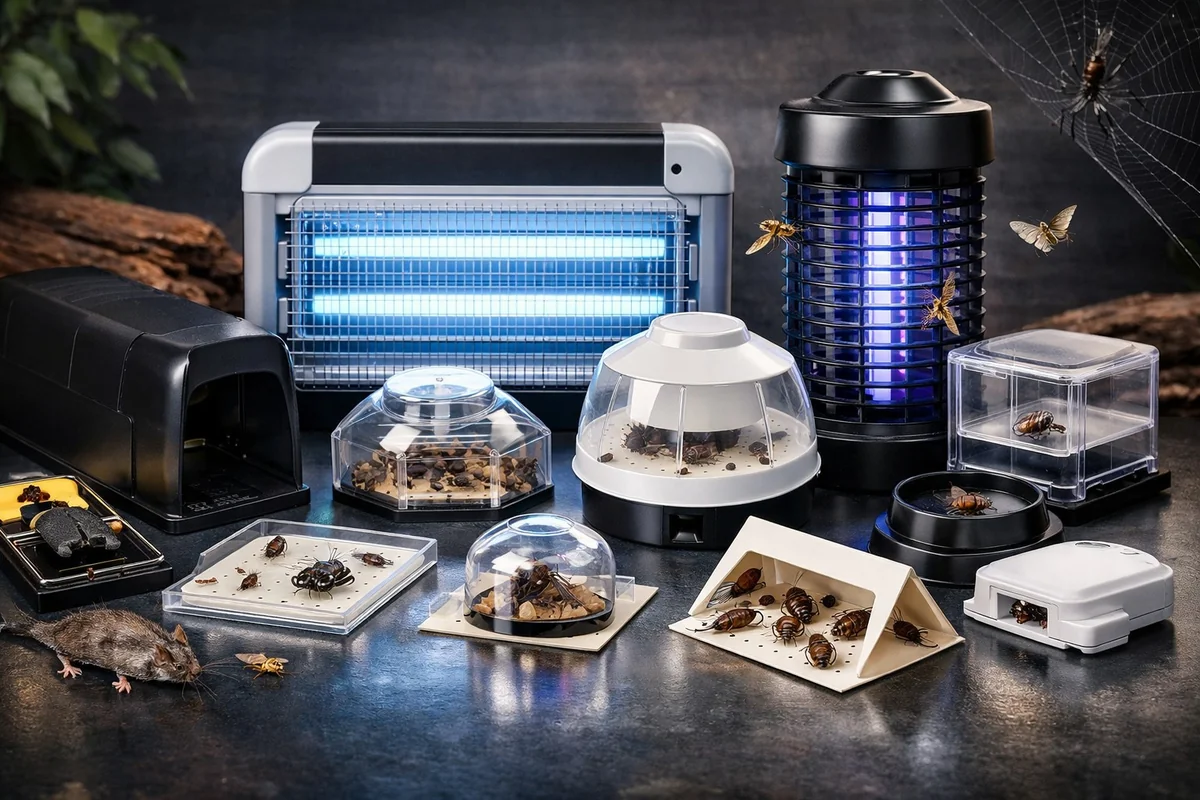
Best Pest Traps and Monitors 2026: Top Reviews for Every Pest Problem
Discover the best pest traps and monitors for 2026. In-depth reviews and expert buying advice for ants, roaches, rodents, bed bugs, flies, and more. Find safe, effective, and budget-friendly solutions for your home.

Best Rat Traps and Baits 2026: Top Picks for Every Infestation
Find the best rat traps and baits of 2026 for fast, safe, and affordable DIY rat control. Compare top snap, electric, live-catch, poison, and natural products to eliminate rats from your home.
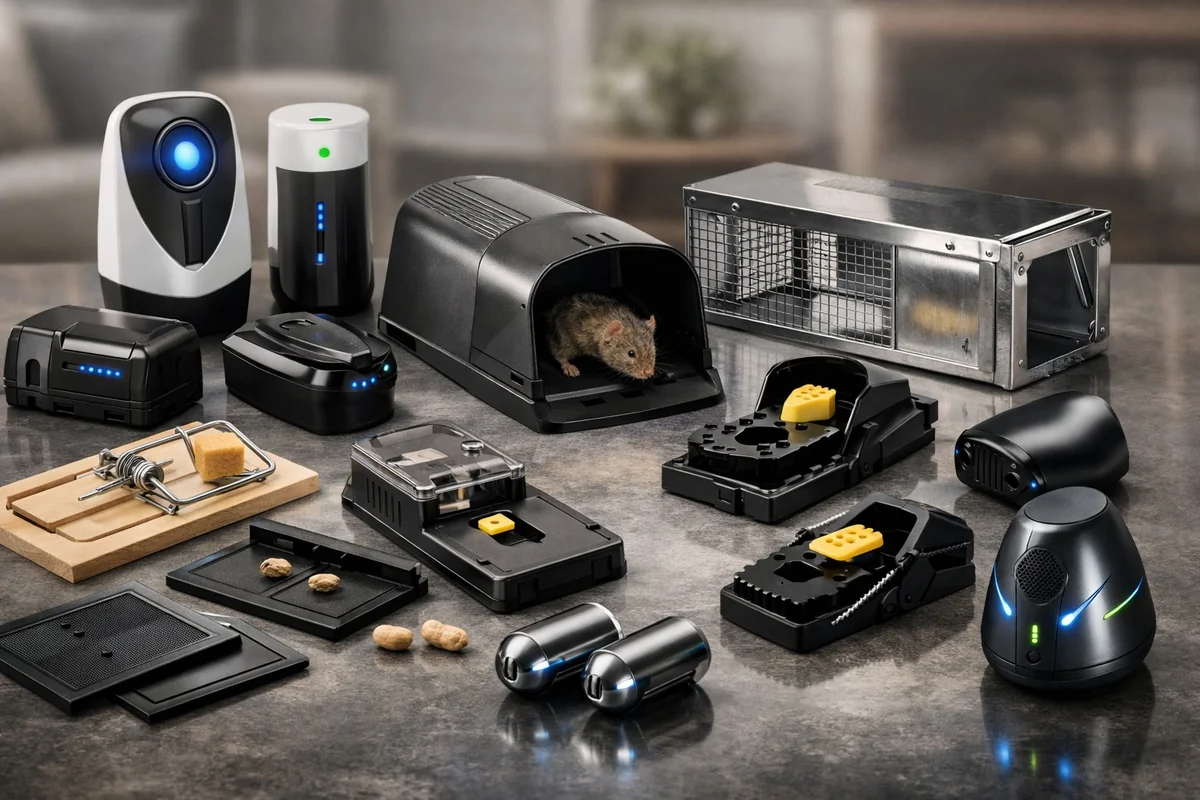
Best Mouse Traps and Repellents 2026: Top Picks for Home Mouse Control
Discover the best mouse traps and repellents for 2026. Compare snap, electric, live-catch, bait stations, and natural solutions to control mice safely and effectively at home.
![Best Protective Gear for Pest Control 2026 [Expert Reviews]](https://pestproreviews.com/images/hero/hero_best_protective_gear_for_pest_control_2026_expert.webp)
Best Protective Gear for Pest Control 2026 [Expert Reviews]
Protect yourself during DIY pest control in 2026 with our expert-reviewed guide to the best protective gear. Compare top-rated respirators, gloves, coveralls, and more for safe, effective pest removal at home.