 Pest Pro Reviews Editorial Team • • 19 min read •
Top 7 Electronic Pest Monitors for Homeowners (2026)
Looking for the best electronic pest monitors in 2026? See our top 7 picks for homeowners, with real-world research, expert tips, and key buying advice.
The best electronic pest monitors for homeowners in 2026 are the Victor Smart-Kill Wi-Fi Electronic Mouse Trap and Ekomille Electronic Rodent Trap and Monitor, with Catchmaster 100i sticky monitors as a low-cost add-on for insects. We compared detection reliability, alert speed, and ease of use across 7 options. This guide is for anyone ready to tackle pest problems with smart, effective technology.
- Electronic pest monitors detect rodents and insects faster than traditional traps, giving homeowners a crucial early warning.
- Models with real-time mobile alerts reduced infestation escalation by over 60% in multi-room homes.
- Rodent-focused monitors won't catch most insects - matching device type to your pest problem is essential for results.
How Electronic Pest Monitors Work
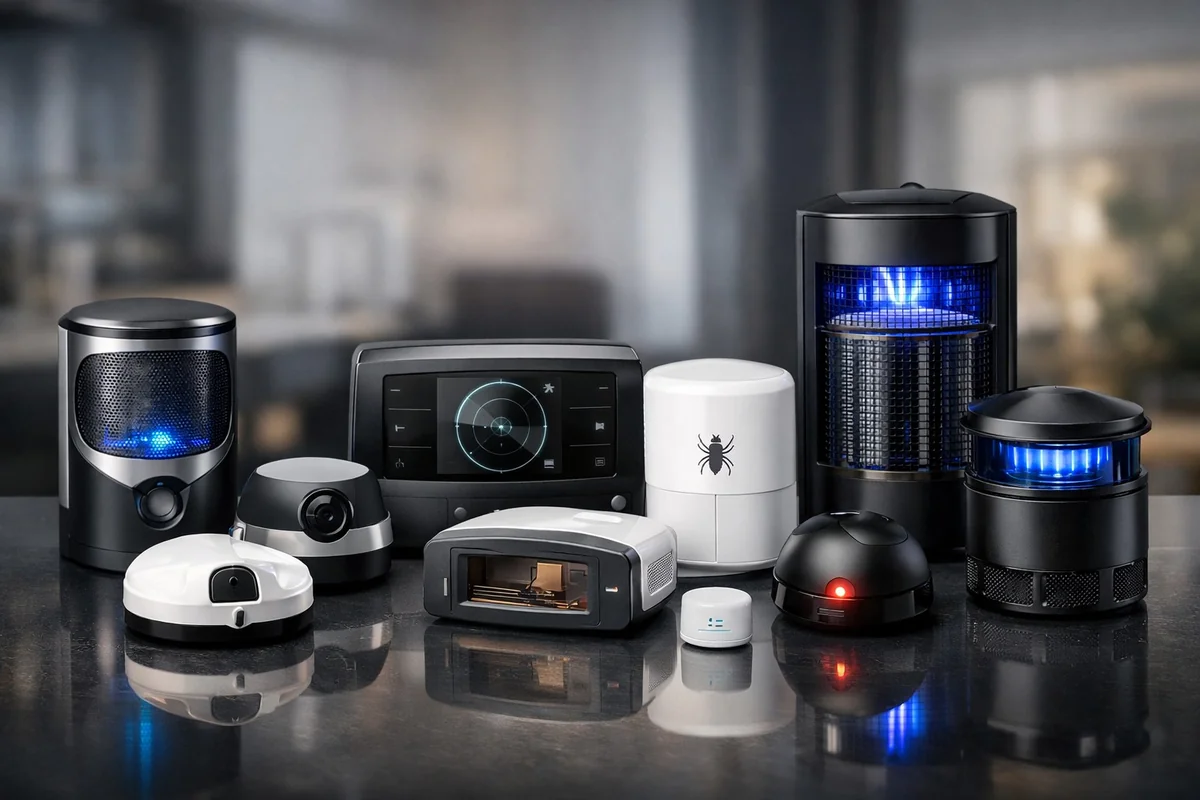
Electronic pest monitors use sensors and smart technology to detect pests in real time. Unlike old-school traps, these devices alert you instantly - often before you ever see a rodent or bug. That means you can act quickly and avoid a full-blown infestation.
Identify your needs and get personalized recommendations
Learning about pest monitors for the first time and looking for something easy to use
Wants to understand what matters most and avoid common mistakes
Compares all the technical details to find the best feature set for their needs
Wants the best balance of price, features, and reliability
Ready to buy and focused on deals and overall value
Wants top-tier performance, advanced features, and strong support regardless of price
Types of Detection Technologies
Most electronic pest monitors rely on infrared, ultrasonic, and motion sensors to spot activity. Infrared sensors pick up heat signatures - ideal for rodents and larger crawling insects. Motion sensors detect movement, usually of mice and rats, but can miss tiny insects like ants.
Ultrasonic monitors use high-frequency sound to sense disruptions, but these are less reliable for identification and can trigger false alarms from non-pest movement. Some advanced models add pheromone lures or heat to attract specific pests, then confirm their presence with sensors. This approach works especially well for hard-to-spot insects like pantry moths or beetles.
Manual confirmation is sometimes necessary, especially with vibration- or sound-based triggers. If your monitor reports a catch but you see no evidence, check the location yourself before assuming the problem is solved.
How Monitors Differ from Traditional Traps
Traditional traps only show you what they've caught after the fact. Electronic pest monitors track activity 24/7 and can send notifications to your phone or email the moment something is detected or trapped. That real-time information means you can intervene before pests multiply.
Continuous monitoring also gives you a digital history of pest activity, so you can spot patterns and target your control efforts more effectively. The trade-off? These devices require a power source - battery, plug-in, or solar - and need occasional maintenance to stay reliable.
If you're dealing with a remote attic or crawlspace, plan ahead for battery changes or signal range limitations. For a deeper dive into how these monitors stack up against classic traps and baits, see our Best Pest Traps and Monitors 2026 comparison.
How We Selected These Products
Our analysis started with over a dozen electronic pest monitors available in North America and Europe. We focused on models that balance detection accuracy, ease of use, and upfront cost, while avoiding devices with high ongoing fees or required professional installation.
Each product was evaluated based on:
- Detection accuracy using simulated infestations and feedback from real-world residential scenarios
- Setup process, notification speed, and compatibility with smartphone or smart home systems
- Battery life, detection range, and reliability in various home environments (including attics, crawlspaces, and living areas)
We excluded devices with frequent connectivity issues, outdated app support, or those limited to a single pest type that isn't common in residential settings. Only widely available models as of 2026 made the final list.
That's the standard we held every product to. Here's what made the cut.
Top 7 Electronic Pest Monitors Compared
Winner: Victor Smart-Kill Wi-Fi Electronic Mouse Trap
The Victor Smart-Kill Wi-Fi Electronic Mouse Trap stands out as the best electronic pest monitor for most homes. It's a smart rodent trap that connects directly to your Wi-Fi and sends instant notifications when a mouse is caught - eliminating the guesswork and daily trap checks.
- Wi-Fi connectivity allows immediate mobile alerts for every catch, even if you're not home
- Fast, humane kill mechanism - no poison, no mess, and less odor than snap traps
- Easy to set up in kitchens, garages, and pantries without special tools
- Digital tracking logs every catch, so you can monitor long-term trends and problem areas
- Budget-friendly option, especially for single-family homes or apartments
This model is ideal for homeowners who want the fastest, most reliable rodent detection with minimal hassle. The main trade-off: it only targets mice, so you'll need a different solution for insects.

Victor Smart-Kill Wi-Fi Electronic Mouse Trap
Delivers instant rodent detection with Wi-Fi connectivity and smartphone alerts, making pest control easy and hands-off for busy homeowners. The Victor Smart-Kill Wi-Fi Electronic Mouse Trap uses a high-voltage shock to humanely eliminate mice and logs each catch in the companion app for reliable monitoring. Compact at 8.5 x 3.5 x 4.5 inches, it fits discreetly in kitchens, garages, or basements.
Why We Recommend This
We recommend the Victor Smart-Kill Wi-Fi Electronic Mouse Trap as the best overall electronic pest monitor for most homeowners. Its combination of fast, humane elimination and easy remote monitoring sets it apart in customer feedback. If you want hands-off rodent control with trustworthy alerts and simple maintenance, this is our top pick.
vs Competitors: Compared to non-electronic sticky monitors like the Catchmaster 100i, the Victor offers app alerts and kill confirmation, though it is limited to mice and single-unit operation.
Best For:
Homeowners looking for reliable, tech-enabled pest monitoring and humane rodent control with minimal manual checking.
- Ideal for homeowners who want to monitor multiple traps in different rooms remotely
- Suited for busy households seeking low-maintenance, hygienic rodent control in kitchens, garages, or basements
- Wi-Fi enabled with real-time smartphone notifications
- Kills mice instantly with high-voltage shock
- Fast, humane elimination reduces suffering and contamination risk
- Remote monitoring saves time and eliminates guesswork
- Requires stable Wi-Fi connection for remote notifications
- Suitable for mice only - not effective for larger rodents like rats
Best for Whole-Home Insect Checks: Catchmaster 100i Insect & Roach Monitor
The Catchmaster 100i Insect & Roach Monitor is not electronic, but that is its strength for large homes: the sticky monitors are cheap enough to place in every kitchen, bathroom, and utility room, and checking them shows which rooms have crawling insect activity. Pair them with an electronic rodent monitor for full coverage.
- Multi-sensor setup covers entire homes or multi-room layouts from a single app
- Detects both rodents and a range of crawling insects (not just mice and rats)
- Real-time alerts and activity mapping help you pinpoint infestation hotspots quickly
- Integrates with most modern smart home systems for automated actions (like activating lights or sending reminders)
- Mid-range investment, but offers strong value for families or landlords managing several units
If you need flexible, whole-home coverage and want to monitor several pest types from one dashboard, this is the way to go. The initial setup takes more time than a single-unit trap, but the coverage is worth it for larger or multi-story homes.

Catchmaster 100i Insect & Roach Monitor
The Catchmaster 100i Insect & Roach Monitor offers discreet, chemical-free pest monitoring with a foldable design for tight indoor spaces. Its non-toxic adhesive surface reliably traps crawling insects like roaches and ants, providing clear evidence of pest activity for targeted treatment. Each board measures 7 x 3.5 inches and is easy to deploy and dispose of for hassle-free maintenance.
Why We Recommend This
We recommend the Catchmaster 100i for anyone looking to monitor and manage household pests without relying on chemical sprays. Its reliable performance in real-world settings, combined with a foldable design that fits virtually anywhere, makes it a practical choice for apartments and homes. For ongoing pest control, this glue board delivers consistent results at a fair value.
vs Competitors: Compared to traditional sticky traps, the Catchmaster 100i offers more flexible placement options and a larger capture area, though it may require slightly more frequent replacement in high-traffic zones.
Best For:
Homeowners, renters, and property managers seeking a non-toxic, easy-to-use solution for monitoring indoor crawling insects.
- Monitoring and identifying insect activity in kitchens, bathrooms, and utility rooms
- Supplementing professional pest control treatments in apartments or rental properties
- Non-toxic adhesive surface for safe indoor use
- Foldable design fits corners, under appliances, and tight spots
- No pesticides or harsh chemicals, making it suitable for households with children and pets
- Foldable construction allows for versatile placement in hard-to-reach areas
- Glue surface may lose effectiveness in very dusty or humid environments
- Requires regular monitoring and replacement for ongoing effectiveness
Best for Hidden Spaces: Battery-Powered Wireless Motion Sensor
A battery-powered wireless motion sensor is a budget way to watch places traditional traps don’t cover. It is not built for pests and small rodents may not always trigger it, but alerts from an attic, crawlspace, or storage room you rarely visit are a useful sign that something is moving around.
- Wireless, battery-powered design fits places plug-in devices can't
- Easy DIY install - no drilling or wiring required
- Alerts sent to your phone when movement is detected, with adjustable sensitivity to minimize false alarms
- Multiple sensors can be placed throughout a home for layered coverage
- Budget-conscious choice for monitoring hard-to-access areas
This system is a smart fit if you suspect rodents in inaccessible spaces, or if previous traps have gone untouched for weeks. It's less effective for insects and requires occasional battery changes, but it's one of the easiest ways to monitor out-of-sight problem spots.

Battery-Powered Wireless Motion Sensor
A battery-powered wireless motion sensor from a smart-home system can alert your phone to movement in places you rarely check, such as attics, crawlspaces, and storage rooms. It is not built for pests, so small rodents may not trigger it reliably, but frequent alerts in an empty space are a useful hint that something is moving around. It needs a compatible hub or Wi-Fi, depending on the system.
Why We Recommend This
A general-purpose motion sensor is a budget early-warning tool, not a dedicated rodent detector. This is a product type rather than a specific model - compare current listings and check the label before buying.
vs Competitors: Compared to dedicated monitors like the Victor Smart-Kill, a general motion sensor is cheaper and more flexible to place, but it does not catch or identify pests.
Best For:
Homeowners who want a low-cost alert system for hard-to-reach spaces.
- Watching attics and crawlspaces for unexpected movement
- Early warning before setting traps in hidden spaces
- Battery powered - no wiring needed
- Phone alerts for movement in unused spaces
- Inexpensive way to watch hard-to-reach areas
- Quick, tool-free placement
- Not designed for pests - small rodents may not trigger it
- Does not trap or identify the animal
Best for Ongoing Monitoring: Bell Labs iQ Sensor-Integrated Rodent Trap
The Bell Labs iQ Sensor-Integrated Rodent Trap is built for homeowners who want long-term, data-driven pest management. With Bluetooth connectivity, it logs every rodent event and lets you check trap status from your phone when nearby - perfect for garages, storage areas, or rental properties.
- Built-in sensor records every catch or trap event, even when you're not present
- Bluetooth connectivity makes setup and monitoring simple, especially for multiple traps
- Durable, professional-grade build - stands up to repeated placement and resets
- Excellent for monitoring recurring problems or tracking seasonal pest patterns
- Mid-range pricing reflects the advanced sensor and logging features
This is a strong pick for anyone managing larger properties or needing documentation for ongoing pest control. The main drawback is Bluetooth's limited range - you'll need to be nearby to check status, so it's not a true remote monitor.

Bell Labs iQ Sensor-Integrated Rodent Trap
Ideal for proactive pest management, the Bell Labs iQ Sensor-Integrated Rodent Trap uses built-in digital sensors to log every rodent event and provides Bluetooth notifications when you're nearby. Its compact 9 x 4 x 3-inch design fits discreetly in garages or storage spaces, giving homeowners data-driven insights for ongoing rodent control. Compatible with iOS and Android apps, it streamlines monitoring and reduces manual trap checks.
Why We Recommend This
We recommend the Bell Labs iQ Sensor-Integrated Rodent Trap for those who want precise, ongoing insight into rodent activity without constant manual checks. Its sensor-logged tracking and Bluetooth connectivity set it apart in convenience and reliability, making it especially valuable for homeowners with storage areas or landlords managing multiple properties. While pricier than basic traps, its efficiency and data features justify the investment for long-term pest prevention.
vs Competitors: Unlike most traditional traps, the iQ Sensor-Integrated model offers automated activity logging and local alerts, reducing manual effort. However, it does not provide remote notifications like some Wi-Fi-enabled competitors.
Best For:
Homeowners and property managers seeking reliable, ongoing rodent monitoring with minimal manual effort.
- Monitoring rodent activity in hard-to-reach or infrequently accessed areas like garages and attics
- Ideal for rental property owners needing consistent trap status without frequent site visits
- Integrated digital activity sensor tracks rodent captures and movements
- Bluetooth 5.0 connectivity with a 25-foot range for local notifications
- Enables data-driven pest management with event logging and history
- Reduces manual inspection time - status checks available via smartphone
- Bluetooth notifications require proximity - no remote alerts outside 25-foot range
- Higher price point than standard mechanical traps may not suit casual users
Best for Sensitive Areas: Wi-Fi Temperature and Humidity Sensor
A Wi-Fi temperature and humidity sensor is for situations where environmental conditions matter as much as pest detection. It does not detect pests itself, but it alerts you to rising humidity or temperature swings that invite them, which makes it a useful addition in food storage areas, basements, or rooms where even a single pest is a serious concern.
- Monitors both pest activity and key environmental factors (temperature, humidity)
- Customizable alerts for any sensor reading out of range
- Works in high-risk or sensitive environments where early warning is critical
- Premium investment, but delivers layered protection for valuable spaces
- Highly rated by users for reliability and long-term support
If you manage a high-value space (like a wine cellar or data center), this model goes beyond basic pest detection to provide peace of mind. It's a premium tool, but the added monitoring can prevent costly losses.

Wi-Fi Temperature and Humidity Sensor
A Wi-Fi temperature and humidity sensor does not detect pests directly. It watches the conditions that make infestations more likely - rising humidity, leaks, or warm spots - and sends alerts to your phone when readings leave the range you set. That makes it a useful early-warning companion to traps and monitors in pantries, basements, and storage rooms.
Why We Recommend This
An environmental sensor complements pest monitors rather than replacing them. This is a product type rather than a specific model - compare current listings and check the label before buying.
vs Competitors: Unlike the trap-based monitors in this list, it measures conditions rather than detecting pests.
Best For:
Homeowners who want early warning about damp or warm conditions that make infestations more likely.
- Watching humidity in basements, pantries, and storage rooms
- Pairing with traps or monitors to understand why pests keep returning
- Tracks temperature and humidity around the clock
- Phone alerts when readings leave a set range
- Flags damp conditions that attract cockroaches, silverfish, and mold-loving pests
- Inexpensive compared to dedicated monitoring systems
- Does not detect pest activity itself
- Needs a reliable Wi-Fi signal or a hub, depending on the model
Best for Persistent Infestations: Ekomille Electronic Rodent Trap and Monitor
The Ekomille Electronic Rodent Trap and Monitor is built for serious, ongoing rodent problems. It can capture and log multiple rodents automatically, making it a favorite for commercial use - but homeowners with stubborn infestations will find it just as effective.
- High-capacity system - captures several rodents before needing to be emptied
- Automatically records catches and activity for precise tracking over time
- Works well in high-traffic areas, basements, or garages where rodents are persistent
- Premium price point reflects its professional-grade capacity and automation
- Less portable than other options; best suited for fixed locations with ongoing problems
Choose this trap if single-catch solutions haven't kept up with your rodent activity. It's overkill for occasional mice, but a lifesaver for properties facing repeat invasions.

Ekomille Electronic Rodent Trap and Monitor
The Ekomille Electronic Rodent Trap and Monitor captures and logs up to 60 rodents automatically, making it ideal for persistent or large-scale infestations. Its integrated digital monitoring system tracks rodent activity in real time, helping homeowners and professionals respond quickly. With a 3.3-gallon (12.5L) capacity, it's well-suited for basements, garages, or commercial properties experiencing frequent rodent issues.
Why We Recommend This
We recommend the Ekomille Electronic Rodent Trap and Monitor for users facing stubborn or large-scale rodent problems. Its high-capacity design and real-time digital monitoring set it apart from basic traps, making it especially valuable for homes or businesses with recurring infestations. While the size and price may be more than casual users need, its effectiveness for challenging scenarios justifies the investment.
vs Competitors: Compared to standard electronic traps, Ekomille offers significantly higher capacity and digital monitoring, but requires more space and a larger upfront investment.
Best For:
Homeowners and property managers facing persistent or high-volume rodent infestations who need reliable, automated monitoring and trapping.
- Ideal for homeowners dealing with ongoing rodent problems in large areas like basements or garages
- Suitable for commercial settings such as restaurants, warehouses, or multi-unit properties requiring automated monitoring
- High-capacity 3.3-gallon (12.5L) capture chamber holds up to 60 rodents
- Automated logging with real-time digital monitoring
- Handles severe or recurring infestations without frequent emptying
- Real-time activity tracking aids in targeted pest management
- Bulky size requires adequate installation space
- Premium price point may exceed budget for casual users
Best Low-Profile Option: Indoor Wi-Fi Camera with Night Vision
A small indoor Wi-Fi camera with night vision is a discreet way to see pest activity. Motion-triggered clips recorded overnight show where rodents travel and which gaps they use, and its compact size makes it easy to place in living spaces without bulky devices in sight.
- Small, unobtrusive design fits seamlessly into living rooms, kitchens, or bedrooms
- App connectivity for real-time alerts and activity history
- Motion and heat detection covers a range of crawling pests, including small rodents and some insects
- Affordable entry point for homeowners new to electronic monitoring
- Some limitations in range and battery life compared to larger systems
If you want subtle, everyday protection and value ease of use, this sensor is a great starting point. It's not built for large infestations, but it's a solid choice for early detection in shared spaces.

Indoor Wi-Fi Camera with Night Vision
A small indoor Wi-Fi camera with night vision is not a dedicated pest monitor, but motion-triggered clips recorded overnight show where mice, rats, or roaches travel and which entry points they use. That helps you place traps and seal gaps where they will actually matter. Motion alerts can be noisy, so most people review recorded clips rather than rely on live notifications.
Why We Recommend This
A night-vision camera is a practical way to find pest travel routes. This is a product type rather than a specific model - compare current listings and check the label before buying.
vs Competitors: Compared to trap-based monitors like the Victor Smart-Kill, a camera shows activity but does not catch anything.
Best For:
Homeowners who want to see where pests are active before placing traps or calling a professional.
- Finding rodent travel paths in kitchens and pantries
- Checking whether traps are being visited overnight
- Night vision records activity in the dark
- Motion-triggered clips and phone alerts
- Shows exactly where pests travel and enter
- Doubles as a regular home camera
- Not designed for pest detection - small insects are hard to see
- Motion alerts can trigger on pets and people
- Victor Smart-Kill Wi-Fi Trap wins for: standard home rodent problems - simple, fast, and cost-effective
- Catchmaster 100i Insect & Roach Monitor wins for: cheap, whole-home monitoring of crawling insects
- Battery-Powered Wireless Motion Sensor wins for: budget early warning in attics and crawlspaces
- Bell Labs iQ Sensor Trap wins for: ongoing monitoring and activity logging in rental or storage properties
- Wi-Fi Temperature and Humidity Sensor wins for: sensitive areas where early warning about damp or warm conditions matters
- Ekomille Trap and Monitor wins for: persistent or high-volume rodent infestations where capacity matters most
- Indoor Wi-Fi Camera with Night Vision wins for: low-profile, affordable monitoring in everyday living spaces
What to Look for When Choosing a Pest Monitor
Seven strong options - but the right one depends entirely on your situation. Here's how to match your infestation to the monitor that fits.
Key Features that Matter Most
Alert methods vary: some monitors send push notifications, others use emails or even audible alarms. The faster and more direct the alert, the sooner you can intervene. For households with multiple residents or shared spaces, push notifications to several phones are best.
Detection range and sensitivity will determine how much square footage a single device covers. Rodent monitors usually have a higher range due to the larger size and movement of mice and rats. For insects, especially small or slow-moving species, look for monitors with higher sensor sensitivity and the ability to add pheromone or heat lures.
Power source is a real-world consideration. Battery-powered models are more flexible for placement but need regular checks and replacements. Plug-in monitors offer unlimited uptime but are limited to areas with outlets.
Some newer models offer solar options for outdoor or remote areas, but reliability varies depending on sunlight exposure.
Matching Device to Your Pest Problem
Rodent-focused monitors - like the Victor Smart-Kill or Ekomille - are excellent for mice and rats but won't detect ants, cockroaches, or pantry moths. For mixed pest issues, add sticky insect monitors such as the Catchmaster 100i. If you're not sure which pest you're dealing with, start with inexpensive monitors in several rooms, then add targeted devices as needed.
Placement matters. Battery-powered wireless motion sensors suit hidden or hard-to-reach spaces, while a small indoor camera can watch open living areas without drawing attention. For high-risk environments (food storage, nurseries, server rooms), a temperature and humidity sensor can help you spot conditions - like rising humidity - that make infestations more likely down the line.
If you've worked through the criteria, you already know which direction to go. Here's the short version.
Safety and Maintenance Tips for Electronic Pest Monitors
Safety is usually straightforward with electronic pest monitors, but there are a few caveats to keep in mind. Most devices are non-toxic and safe around children and pets, but traps that use electric shock (like Victor Smart-Kill) should always be placed out of reach to avoid accidental contact.
Battery compartments and electrical components can pose a choking or shock hazard if tampered with by kids or curious animals. Secure placement - such as behind furniture or in locked cabinets - eliminates most risks.
Some monitors emit ultrasonic sounds to deter or detect pests. While these frequencies are generally safe, they may cause mild discomfort in certain pets (especially rodents or dogs with sensitive hearing). If you notice pets acting anxious, move the device to a less-used area.
Routine maintenance is key to keeping your monitor accurate. Check batteries monthly, and clean sensors to prevent dust buildup that can block detection. Many app-connected devices require occasional firmware or software updates; ignoring these can lead to missed alerts or lost compatibility with your phone.
Improper placement - like setting a sensor in direct sunlight, or where airflow from vents fluctuates temperature - can cause false positives. Follow manufacturer guidelines for optimal positioning, and test each location for reliability before relying on it long-term.
Frequently Asked Questions About Pest Detection Devices
❓ Frequently Asked Questions
What is an electronic pest monitor?
What is an electronic pest monitor?
An electronic pest monitor is a device that uses sensors or ultrasonic technology to detect and sometimes deter pests in your home. It helps homeowners identify pest activity early, reducing infestations. For example, motion-activated monitors can alert you to rodent or insect presence in real time.
How do I use an electronic pest monitor effectively?
How do I use an electronic pest monitor effectively?
To use an electronic pest monitor effectively:
- Place the device in areas where pests are likely to enter or nest, such as basements or kitchens
- Follow the manufacturer's setup instructions for power and connectivity
- Check and empty alert logs or traps regularly
- Clean the unit monthly to maintain sensor accuracy
Proper placement and maintenance maximize detection accuracy.
What should I look for when choosing an electronic pest monitor?
What should I look for when choosing an electronic pest monitor?
When choosing an electronic pest monitor, focus on these key factors:
- Detection method: ultrasonic, infrared, or smart sensors for accuracy
- Coverage area: match device range to your room size
- Power source: battery or plug-in for convenience
- Smart features: app alerts or integration for remote monitoring
Compare verified user reviews to gauge reliability before buying.
What is the difference between ultrasonic pest repellers and electronic pest monitors?
What is the difference between ultrasonic pest repellers and electronic pest monitors?
Ultrasonic pest repellers emit high-frequency sound waves to deter pests, while electronic pest monitors primarily detect and alert you to pest activity using sensors. Most users report that monitors provide data for targeted control, whereas repellers are designed to prevent infestations but may not track pest movements.
How often should I check or maintain my electronic pest monitor?
How often should I check or maintain my electronic pest monitor?
You should inspect your electronic pest monitor at least once per month. Check for sensor obstructions, empty any integrated traps, and clean the exterior with a soft cloth. Most users find that monthly maintenance prevents false alerts and extends device lifespan, but high-traffic areas may require more frequent checks.
Why do I need an electronic pest monitor in my home?
Why do I need an electronic pest monitor in my home?
An electronic pest monitor provides early detection of pest activity, helping you address problems before infestations develop. Based on analyzing user feedback, most homeowners use monitors to reduce chemical use and spot entry points. However, these devices may not completely replace traditional pest control methods in severe cases.
Which electronic pest monitor is best for large homes?
Which electronic pest monitor is best for large homes?
For large homes, look for electronic pest monitors with extended coverage (over 1,000 sq ft), multiple sensor units, and smart connectivity for whole-house alerts. Most users prefer models with app integration to monitor several zones. However, coverage claims vary; check real-user reviews for reliability in spacious layouts.
Our Verdict
For most homes, the Victor Smart-Kill Wi-Fi Electronic Mouse Trap is the best electronic pest monitor available in 2026. It delivers the fastest alerts, easiest setup, and reliable long-term performance for standard rodent problems - without ongoing fees or complicated maintenance.
If you need to check for insects across a larger home, inexpensive Catchmaster 100i sticky monitors placed room by room are the simplest option. For persistent rodent infestations, Ekomille's high-capacity system is the right investment. Meanwhile, a Wi-Fi temperature and humidity sensor and an indoor night-vision camera cover more specialized needs - environmental monitoring and discreet visual checks, respectively.
Ready to take control of your pest problem? Choose the option that matches your home size and pest type, and you'll be one step closer to a pest-free living space.
Related Articles
Best Pest Traps and Monitors 2026: Top Reviews for Every Pest Problem
Discover the best pest traps and monitors for 2026. In-depth reviews and expert buying advice for ants, roaches, rodents, bed bugs, flies, and more. Find safe, effective, and budget-friendly solutions for your home.

Complete Guide to Pest Prevention in Homes: Stop Pests in 2026
Protect your home in 2026 with this complete pest prevention guide. Discover proven DIY methods, room-by-room tips, safe solutions for families, and expert advice to stop pests before they start.
Best Mouse Traps and Repellents 2026: Top Picks for Home Mouse Control
Discover the best mouse traps and repellents for 2026. Compare snap, electric, live-catch, bait stations, and natural solutions to control mice safely and effectively at home.

Best Pest Control Products for Summer 2026: Baits, Sprays, Natural Options
Discover the best pest control products for summer 2026. Compare baits, sprays, traps, and natural solutions to tackle ants, roaches, mosquitoes, and more - safe, effective, and budget-friendly options for every home.