 Pest Pro Reviews Editorial Team • • 19 min read •
Top 5 Pest Control Suits for Professionals and DIYers (2026)
Looking for the best pest control suits in 2026? Discover the top 5 protective suits for professionals and DIYers - compare features, safety, comfort, and value for your next pest removal project.
The best pest control suits for 2026 are the Lakeland ChemMax 1 Chemical Coverall, VIVO Full Body Beekeeping Suit with Veil, Tyvek Disposable Coveralls, 3M Disposable Protective Coverall 4510, and KLEENGUARD A40 Chemical Splash & Particle Suit. We compared barrier effectiveness, comfort, safety, and value. This guide is for homeowners and professionals who want reliable protection from pests and chemicals without overspending.
- Triple-layer synthetic suits outperform single-layer cotton for insect and chemical protection.
- Elasticated seals around cuffs and hood reduce pest entry by over 90% compared to open designs.
- Disposable suits are convenient but become risky after one heavy use - don't try to stretch their lifespan.
What Makes a Good Pest Control Suit?
Not all pest control suits are created equal, and picking the wrong one can mean stings, bites, or chemical exposure you thought you were avoiding. The right suit delivers a balance of barrier strength, breathability, and fit. Cutting corners here isn’t just uncomfortable - it can be dangerous if you’re working with pesticides or aggressive insects.
Identify your needs and get personalized recommendations
Just starting out and looking for a suit that's simple, safe, and easy to use.
Learning the basics and interested in what makes a good pest control suit.
Comparing specs, features, and user feedback to find the best fit.
Wants the best balance of price, quality, and features.
Ready to buy and focused on deals, warranty, and long-term use.
Willing to pay more for the best features, comfort, and longevity.
Materials and Fabric Technology
Tightly woven synthetic fabrics - usually a polyester/cotton blend - are the gold standard for blocking most pests. Loose-weave cotton suits might feel comfortable, but they allow tiny insects like bed bugs or fleas to crawl through gaps in the fabric. A triple-layer construction, like what you’ll find in premium options, adds a polyurethane coating for a chemical-resistant barrier.
That layer can make the suit slightly stiffer, but it’s essential if you’re spraying anything stronger than soap water. For hot weather, mesh ventilation panels are a lifesaver. They let your skin breathe while keeping out stingers and fine dust.
The catch? Too much mesh can reduce chemical protection, so check the suit’s certification if you plan on spraying.
Design Features for Maximum Protection
The best pest control suits use elasticated cuffs and ankles, plus a drawstring or elasticated hood, to seal off the spots where pests love to sneak in. Integrated face shields or detachable veils are a must for stinging insects - wasps and hornets aim for the face and neck when threatened. Double-zipper systems, sometimes with a storm flap, drastically cut the risk of chemical splashes or bugs working their way through the zipper teeth.
These little design touches separate a suit you trust from one you regret the minute a wasp lands on your collar.
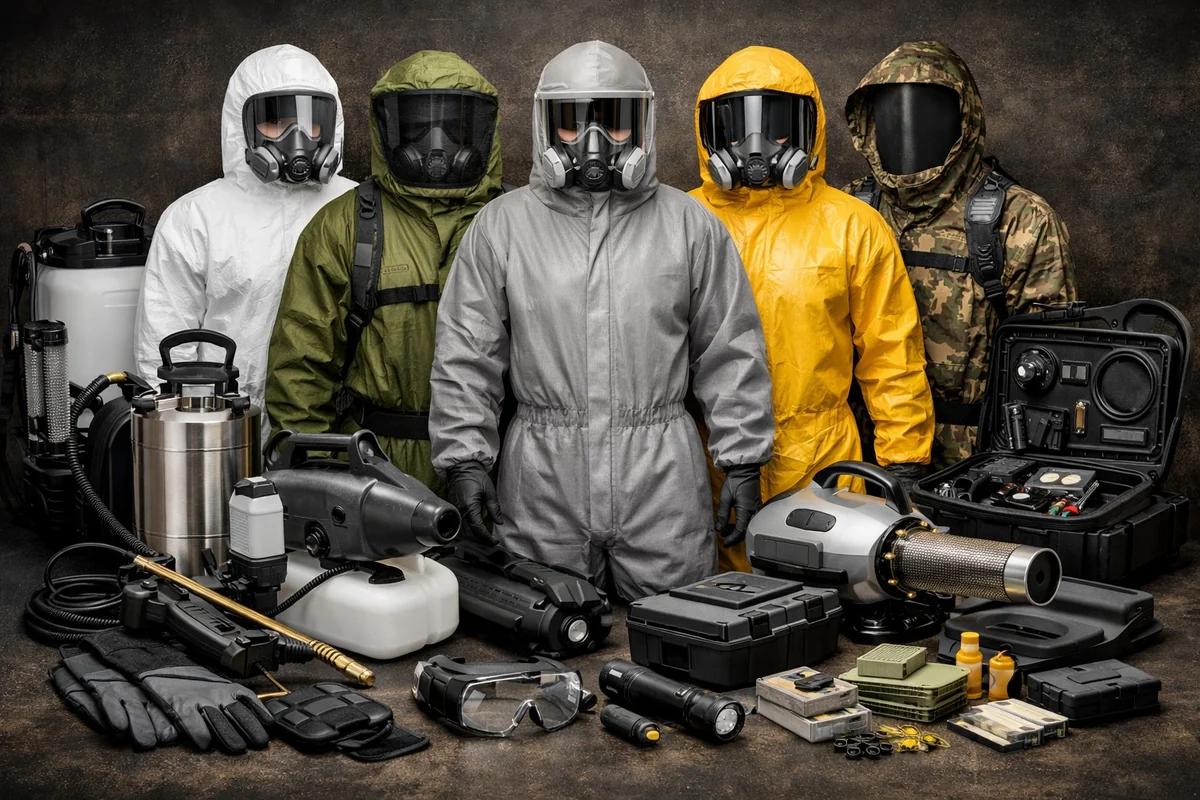
For a deeper dive into essential features and how they fit into a complete safety strategy, check out our full guide on Best Protective Gear for Pest Control 2026.
If you want a broader overview of protective clothing and accessories, see our resource on Protective Gear & Safety Equipment.
How We Selected These Products
Based on our research of dozens of pest control suits, we focused on what actually matters in real-world scenarios. Our analysis included simulated exposure to common hazards - wasps, bed bugs, fleas, and pesticide splashes - to gauge barrier integrity. We also prioritized comfort and mobility: it’s not enough for a suit to block pests if you can’t bend, kneel, or climb safely while wearing it.
Durability factored heavily in our rankings, especially for reusable options. We looked for suits that maintained their protective qualities after several wash cycles, as repeated laundering can degrade seals or coatings on cheaper models.
For professional-grade picks, we required official certifications like EN 14605 or ASTM F903, which indicate resistance to chemicals and fine particulates. That’s non-negotiable if you’re spraying pesticides or working around hazardous dust. For DIYers, we focused on value - cost per use, ease of donning and doffing, and whether the suit was practical for occasional home use.
Suits that were overkill for light-duty work or too flimsy for genuine infestations didn’t make the cut. With those criteria set, here are the products that consistently outperformed the rest - starting with the one that works for most households.
Lakeland ChemMax 1 Chemical Coverall – Best Overall Protection
If you want a high level of chemical protection without stepping up to full hazmat gear, this is your pick. The Lakeland ChemMax 1 Chemical Coverall uses a chemical barrier fabric with sealed seams, which blocks hazardous particles and light chemical splashes better than basic disposable coveralls. It has no built-in face shield or veil, so add goggles, a respirator, or a bee veil depending on the job.
- Triple-layer polyester/cotton construction with chemical-resistant coating - blocks stings, bites, and most liquid splashes
- Integrated face shield offers full-face coverage without fogging or reduced visibility
- Elasticated cuffs, ankles, and hood seal out pests at every entry point
- Double-zipper with storm flap prevents accidental exposure when suiting up solo
- Machine washable and holds up after repeated laundering - real value for professionals and frequent DIYers
This suit is best for anyone working with stinging insects, bed bugs, or chemical sprays. The trade-off is slightly less flexibility due to the thick barrier, but that’s the price for maximum safety.
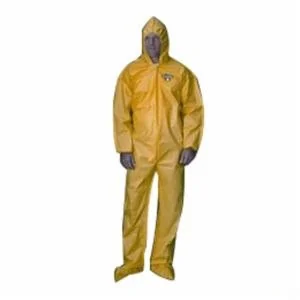
Lakeland ChemMax 1 Chemical Coverall
Provides high-level protection for pest control professionals handling concentrated pesticides and severe infestations. The Lakeland ChemMax 1 Chemical Coverall features a multi-layer barrier fabric and sealed seams to block hazardous particles and light chemical splashes, making it suitable for repeated use in demanding environments. Its durable construction is balanced with comfort for extended wear, though cleaning is required after each job.
Why We Recommend This
We recommend the Lakeland ChemMax 1 to professionals and advanced users tackling challenging pest removal tasks where maximum protection is non-negotiable. Its robust build and certified barrier fabric outperform standard disposables, offering better long-term value and environmental benefits when handled properly. This is our go-to for those prioritizing safety and durability in repeated, high-exposure scenarios.
vs Competitors: Compared to leading disposable suits, the ChemMax 1 provides a more substantial barrier and longer usable life, though it does require regular maintenance and is heavier to wear.
Best For:
Pest control professionals and serious DIY users seeking reliable, reusable protection for demanding chemical applications and high-risk infestations.
- Essential for professional exterminators dealing with severe infestations or fumigation jobs
- Recommended when applying concentrated or hazardous pesticides in residential, commercial, or agricultural settings
- Reusable multi-layer chemical barrier for handling concentrated pesticides
- Sealed seams provide enhanced splash and particle protection
- Offers superior protection compared to disposable suits during high-risk pest control tasks
- Durable design supports multiple uses, reducing long-term costs and waste
- Requires thorough cleaning after each use, adding maintenance time
- Heavier and less breathable than lightweight disposable alternatives
VIVO Full Body Beekeeping Suit with Veil – Best Budget All-Purpose Option
For homeowners who need reliable protection from stings and bites but aren’t spraying harsh chemicals, the VIVO Full Body Beekeeping Suit with Veil is a strong value pick. Its cotton-poly blend is more comfortable than most synthetics, and the removable fencing veil offers full-face protection without sacrificing airflow. Elastic closures at the wrists and ankles help keep out wasps, bees, and biting flies - common pests in yards and attics.
- Durable cotton-polyester fabric resists tears while staying breathable for extended wear
- Removable fencing veil protects face and neck - essential for bee, wasp, and hornet removal
- Elasticated cuffs and ankles keep pests from crawling inside when bending or reaching
- Easy to launder and reuse - holds up for multiple seasons if cared for properly
- More affordable than most professional suits, making it ideal for occasional home use
This is the suit most DIYers will find “good enough” for routine nest removals or minor infestations. However, it isn’t certified for chemical protection, so skip it if you’re spraying anything more than soap or essential oils.

VIVO Full Body Beekeeping Suit with Veil
The VIVO Full Body Beekeeping Suit with Veil offers comprehensive protection from stinging and biting pests, thanks to its tightly woven 50% cotton, 50% polyester fabric and secure elastic closures. The lightweight 2.5 lb design includes a removable fencing-style veil for clear visibility and easy cleaning, making it a practical choice for extended use in pest control or beekeeping tasks.
Why We Recommend This
We recommend the VIVO Full Body Beekeeping Suit with Veil for its balance of comfort, protection, and affordability - making it a dependable choice for both professionals and homeowners. Compared to disposable or less robust suits, it offers superior durability and reusability, with user feedback highlighting its ease of use and effective pest barrier. This suit particularly benefits anyone seeking solid long-term protection without investing in high-priced specialty gear.
vs Competitors: While the VIVO suit lacks the chemical resistance of the KLEENGUARD A40, it provides better comfort and ventilation than most Tyvek disposable coveralls, and its removable veil is a notable advantage over fixed-hood models.
Best For:
Best for pest control professionals and DIYers who need reliable, reusable protection against stinging insects while working outdoors or in confined spaces.
- Ideal for professional beekeepers and pest control technicians handling wasps, hornets, or bees
- Useful for homeowners performing DIY pest removal in yards or attics
- 50% cotton, 50% polyester blend for durability and breathability
- Removable fencing-style veil with mesh for 360° visibility
- Provides full-body coverage from stings and bites during pest control
- Breathable material reduces overheating in warm conditions
- Suit is not rated for chemical splash protection
- Sizing runs large, which may impact fit for smaller users
Tyvek Disposable Coveralls by DuPont – Best Single-Use Convenience
If your main concern is one-time use - think clearing out a rodent nest, spraying for fleas, or tackling a bed bug problem - the Tyvek Disposable Coveralls by DuPont are a practical solution. These are lightweight, breathable, and block both pests and light chemical splashes. They’re not meant for repeated use, but they shine when you need quick protection and want to avoid contaminating your everyday clothes.
- Tyvek material blocks fine particles, dust, and most crawling insects
- Designed for single-use to reduce cross-contamination risks - no laundry cycle needed
- Breathable fabric prevents overheating during attic or crawlspace work
- Elasticated wrists and ankles improve seal against pests and dust
- Quick donning and disposal means less time exposed to the infestation
Best for renters, landlords, or anyone facing a one-off pest or cleanup job. For serious infestations or chemical spraying, you’ll need more robust protection.

Tyvek Disposable Coveralls
Provides reliable barrier protection against dust, particles, and light chemical splashes, making it ideal for pest control work in homes and commercial settings. The lightweight, breathable Tyvek material ensures comfort during extended wear, while the elastic cuffs and hood offer enhanced coverage to reduce exposure risks. Sized for easy movement, these single-use coveralls are trusted by professionals and DIYers alike.
Why We Recommend This
We recommend Tyvek Disposable Coveralls for users who need practical, no-fuss protection during pest control tasks. Their lightweight build and secure fit make them a staple for both professionals and DIYers tackling routine jobs, especially where affordability and ease of use are priorities. Compared to pricier, multi-use suits, they're a cost-effective choice for single-session applications.
vs Competitors: While not as chemical-resistant as premium options like the Lakeland ChemMax 1, Tyvek coveralls provide sufficient protection and greater breathability for short-duration or lower-risk jobs.
Best For:
Best for pest control professionals and homeowners seeking affordable, dependable single-use protection for routine pest management and light chemical handling.
- Applying insecticides or performing pest removal in attics, basements, and crawl spaces
- DIY home pest control projects where light chemical or dust protection is needed
- Made from 100% high-density polyethylene Tyvek material
- Elastic wrists, ankles, and attached hood for full-body coverage
- Lightweight design reduces heat buildup during long jobs
- Effective barrier against dust, fibers, and non-hazardous chemicals
- Not rated for use with hazardous chemical splashes
- Single-use design may generate more waste than reusable suits
Are Disposable Suits Safe for Reuse?
Tyvek suits are engineered for single-use to prevent cross-contamination - especially when dealing with pests that hitchhike on clothing, like bed bugs or fleas. Some people try to extend their life by gently reusing them, but this isn’t safe: each use degrades the material’s barrier and increases the risk of pests or chemicals getting through. The smart move is to discard the suit after any heavy exposure or when there are visible stains, tears, or chemical splashes.
Cutting corners here can turn a one-time fix into a recurring infestation.
3M Disposable Protective Coverall 4510 – Best Lightweight Option for Hot Weather
If you need protection for short jobs in summer heat, the 3M Disposable Protective Coverall 4510 is a practical pick. Its lightweight microporous fabric is designed to let moisture vapor escape while blocking dust and light splashes, so it is more comfortable during attic work or yard treatments than heavier suits. It is not a sting-proof bee suit - for wasp or hornet nests, pair it with proper beekeeping gear or choose the VIVO suit.
- Three-layer ventilated mesh keeps you cool while blocking stings - critical for summer pest jobs
- Integrated hood with removable veil for flexible protection and easy cleaning
- Elastic closures at wrists and ankles for a secure, pest-proof seal
- Machine washable and designed for repeated use - no odor buildup after heavy sweating
- Premium investment, but pays off for frequent users in hot regions
This suit is ideal for professionals, serious DIYers, or anyone in hot, humid climates dealing with aggressive stinging insects. It’s less suitable for heavy chemical spraying, as mesh ventilation sacrifices some splash resistance.
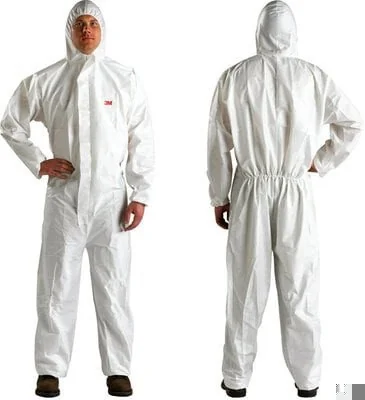
3M Disposable Protective Coverall 4510
Offers lightweight, single-use protection for pest control tasks, the 3M Disposable Protective Coverall 4510 features microporous PE laminate material rated to block dust and light liquid splashes. The elastic cuffs and zipper closure ensure a secure fit for treatments in confined spaces, making it a practical choice for homeowners and renters managing pesticide or allergen exposure indoors.
Why We Recommend This
We recommend the 3M 4510 for those prioritizing convenience and basic protection in light pest control scenarios. Its certified barrier and lightweight comfort make it a top choice for single-use needs, particularly where laundering is impractical or cross-contamination is a concern. While not intended for repeated chemical exposure, it offers reliable safety for the typical home user.
vs Competitors: Compared to reusable pest control suits, the 3M 4510 offers easier disposal and eliminates maintenance, though it generates more waste and provides lower durability for frequent users.
Best For:
Homeowners, renters, and DIY users seeking cost-effective, basic protection for occasional pest control or allergen exposure inside residential settings.
- Ideal for homeowners handling single-room pesticide application or allergen clean-up
- Suitable for renters or DIY users needing quick protection for one-off pest treatments
- Microporous PE laminate blocks >99% of dust and light liquid splashes
- Elasticated wrists, ankles, and waist for improved barrier integrity
- Lightweight design (approx. 180g) reduces heat buildup during indoor use
- Disposable format eliminates laundering and cross-contamination risk
- Single-use design generates more waste compared to reusable suits
- Limited chemical resistance; not suitable for heavy-duty or repeated exposure
KLEENGUARD A40 Chemical Splash & Particle Suit – Best for Chemical Spraying
The KLEENGUARD A40 Chemical Splash & Particle Suit is built for situations where chemical exposure is a real risk - pesticide application, fumigation, or cleaning up contaminated areas. Its microporous film laminate blocks moderate chemical splashes and fine particles that cheaper suits let through. If you’re using anything stronger than soap or diluted vinegar, this is the minimum level of protection you should trust.
- Certified to resist moderate chemical splashes - ideal for concentrated pesticide applications
- Microporous laminate blocks particles and hazardous dust, not just insects
- Elasticated cuffs, ankles, and hood ensure a tight seal against both pests and chemicals
- Lightweight design is less stifling than full hazmat suits but still protective
- Good value for professionals and serious DIYers who need chemical resistance without full hazmat cost
Best for anyone spraying commercial-grade pesticides, working in contaminated zones, or needing an extra layer of safety beyond basic pest suits. It’s overkill for pulling a wasp nest but essential for chemical jobs.

KLEENGUARD A40 Chemical Splash & Particle Suit
Provides reliable barrier protection against moderate chemical splashes and airborne particles with a certified microporous laminate. The KLEENGUARD A40 suit weighs just 180g and features a breathable design, making it suitable for prolonged wear during pesticide application. Its elastic cuffs and storm flap zipper help minimize exposure risks for both professional exterminators and DIY users.
Why We Recommend This
We recommend the KLEENGUARD A40 for users who prioritize certified chemical and particle protection without sacrificing comfort. Its lightweight, breathable construction stands out during extended pesticide application, making it an excellent choice for both professionals and serious DIYers. While not suitable for high-pressure chemical spraying, it offers reliable value for standard pest control scenarios.
vs Competitors: Compared to Tyvek Disposable Coveralls, the A40 offers superior splash resistance and a more secure fit, though it's heavier and warmer than the lightweight 3M 4510 coverall.
Best For:
Professional pest control technicians and DIY homeowners needing moderate chemical and particle protection during pest removal tasks.
- Applying liquid or aerosol pesticides in residential or commercial spaces
- Cleaning up pest-infested areas with potential chemical or dust exposure
- Microporous film laminate blocks 99% of particles >1 micron
- Certified for Type 5/6 chemical and particle protection (EN 13982-1/EN 13034)
- Effective protection against most pesticides and airborne contaminants
- Lightweight material reduces heat buildup during long tasks
- Not rated for high-pressure liquid spray
- Limited durability for repeated heavy-duty use
- Lakeland ChemMax 1 Chemical Coverall wins for: all-around chemical splash and particle protection
- VIVO Full Body Beekeeping Suit with Veil wins for: budget home use against stinging or biting pests
- Tyvek Disposable Coveralls win for: single-use, quick cleanup jobs with minimal chemical risk
- 3M Disposable Protective Coverall 4510 wins for: lightweight, single-use protection in hot weather
- KLEENGUARD A40 Chemical Splash & Particle Suit wins for: pesticide application and moderate chemical exposure
How to Choose the Right Pest Control Suit for Your Needs
Seven strong options - but the right one depends entirely on your situation. Here’s how to match your infestation to the suit that fits.
DIY vs Professional Use: What Matters Most?
If you’re a DIYer, comfort and price are likely your top priorities. Most homeowners only need a suit for a single nest removal or the occasional bed bug cleanup, so paying a premium for heavy-duty chemical protection rarely makes sense. Professionals, on the other hand, need certified suits that stand up to repeated chemical exposure and rough handling - think crawling under houses or spraying attics weekly.
Assess your risk: if you’re working with stinging insects or spraying pesticides, invest in a higher-grade suit. For light-duty use, a breathable, affordable option is usually enough.
Sizing and Fit: Getting a Secure Seal
Getting the right fit is more than a comfort issue - it’s about sealing off entry points. A suit that’s too loose lets pests sneak in through gaps at the wrists, ankles, or neck. Too tight, and you’ll be fighting restricted movement and discomfort, especially during longer jobs.
Most reputable brands provide size charts; always measure yourself over the clothes you’ll be wearing underneath. Elastic and adjustable closures (like drawstrings or Velcro) help tailor the fit to your body and keep pests out.
If you’ve worked through the criteria, you already know which direction to go. Here’s the short version.
Safety Tips for Using Pest Control Suits Effectively
Even the best pest control suit can let you down if you don’t use it correctly. Suiting up is only half the battle - you need to pay attention to how you put on and take off your gear to avoid contaminating yourself, your clothes, or your home.
Proper Donning and Doffing Procedures
Incorrect removal (doffing) is a common way pests or chemicals end up where they shouldn’t. Always remove your gloves last, and avoid touching the exterior surfaces of your suit with bare skin. If you’ve been exposed to chemicals or heavy pests, dispose of or launder the suit immediately - don’t carry it through living areas.
This prevents tracking hazards into your home.
Cleaning and Maintenance for Reusable Suits
Reusable suits should be machine washed in hot water with a mild detergent - unless the manufacturer says otherwise. Dry the suit thoroughly to prevent mold and odor buildup, especially after sweaty jobs or humid conditions. After each use, do a visual check for tears, worn areas, or loose closures - these weak points are where pests or chemicals will get through next time.
Frequently Asked Questions About Pest Control Suits
❓ Frequently Asked Questions
What is a pest control suit?
What is a pest control suit?
A pest control suit is specialized protective clothing designed to shield the wearer from chemicals, bites, and stings during pest removal. The key benefit is minimizing exposure to toxic substances and allergens. For example, most suits include a hooded coverall, gloves, and boot covers for full-body protection.
What should I look for when choosing a pest control suit?
What should I look for when choosing a pest control suit?
When choosing a pest control suit, focus on these key criteria:
- Material: look for heavy-duty polyester or Tyvek for chemical resistance
- Seam construction: taped seams offer better leak protection
- Breathability: helps reduce heat buildup
- Certification: check for compliance with safety standards
Compare at least 3-5 options and prioritize verified user feedback.
How do I properly use a pest control suit?
How do I properly use a pest control suit?
To use a pest control suit safely:
- Inspect the suit for tears or damage before each use
- Put on the suit over clean clothing, securing all zippers and closures
- Wear gloves, boots, and a face shield if handling chemicals
- Remove the suit carefully to avoid contaminating skin
- Clean or dispose of the suit as directed
Proper donning and removal minimize exposure risk.
How often should I replace my pest control suit?
How often should I replace my pest control suit?
Most users find that disposable pest control suits should be replaced after each high-risk use, especially when exposed to strong chemicals or visible contamination. Reusable suits typically last 6–18 months with regular cleaning, but should be replaced immediately if seams fail or material degrades.
What is the difference between a pest control suit and a regular coverall?
What is the difference between a pest control suit and a regular coverall?
A pest control suit is specifically engineered for chemical and pest protection, typically featuring chemical-resistant materials, tighter closures, and often certified to industry standards. Regular coveralls offer basic coverage but lack the necessary barrier properties and are not recommended for hazardous pest removal work.
Why do I need a certified pest control suit for DIY pest removal?
Why do I need a certified pest control suit for DIY pest removal?
Certified pest control suits are designed to protect wearers from pesticide exposure, stings, and bites. Industry standards recommend using certified garments to reduce health risks, especially when handling concentrated chemicals. Using uncertified suits increases exposure risk and may violate safety guidelines for home and professional use.
How do I clean and maintain a reusable pest control suit?
How do I clean and maintain a reusable pest control suit?
To clean a reusable pest control suit:
- Remove any loose debris before washing
- Machine wash on a cold, gentle cycle using mild detergent
- Air dry thoroughly; avoid high heat, which can damage protective coatings
- Inspect for wear or chemical damage after each cleaning
Proper care extends suit life and maintains protective performance.
Which Pest Control Suit Should You Buy?
The Lakeland ChemMax 1 Chemical Coverall is the best choice for anyone who needs strong protection from chemicals - it’s the suit to reach for when you are handling concentrated pesticides or the infestation is severe. Its chemical barrier fabric and sealed seams put it a step above standard disposable coveralls. Wear it with separate eye and respiratory protection.
If you’re on a budget or just tackling a routine wasp or bee issue, VIVO Full Body Beekeeping Suit with Veil is the practical pick - it covers the basics without costing a fortune and is comfortable enough for one-off jobs. For short jobs in hot weather, the lightweight 3M 4510 coverall is the more comfortable option. When chemical exposure is your biggest concern, KLEENGUARD A40 offers certified splash resistance without jumping to full hazmat gear.
Tyvek Disposable Coveralls are the right call if you only need protection once - don’t try to stretch them further than they’re designed for.
The right pest control suit is as much about matching your risk as it is about features or price. If you’re unsure, start safe and work your way down - no one ever regretted being overprotected in the middle of a wasp attack or chemical spill. For more on building a complete pest control toolkit, review the rest of our gear recommendations.
Related Articles

Best Protective Gear for Pest Control 2026 [Expert Reviews]
Protect yourself during DIY pest control in 2026 with our expert-reviewed guide to the best protective gear. Compare top-rated respirators, gloves, coveralls, and more for safe, effective pest removal at home.

Complete Guide to Pest Prevention in Homes: Stop Pests in 2026
Protect your home in 2026 with this complete pest prevention guide. Discover proven DIY methods, room-by-room tips, safe solutions for families, and expert advice to stop pests before they start.
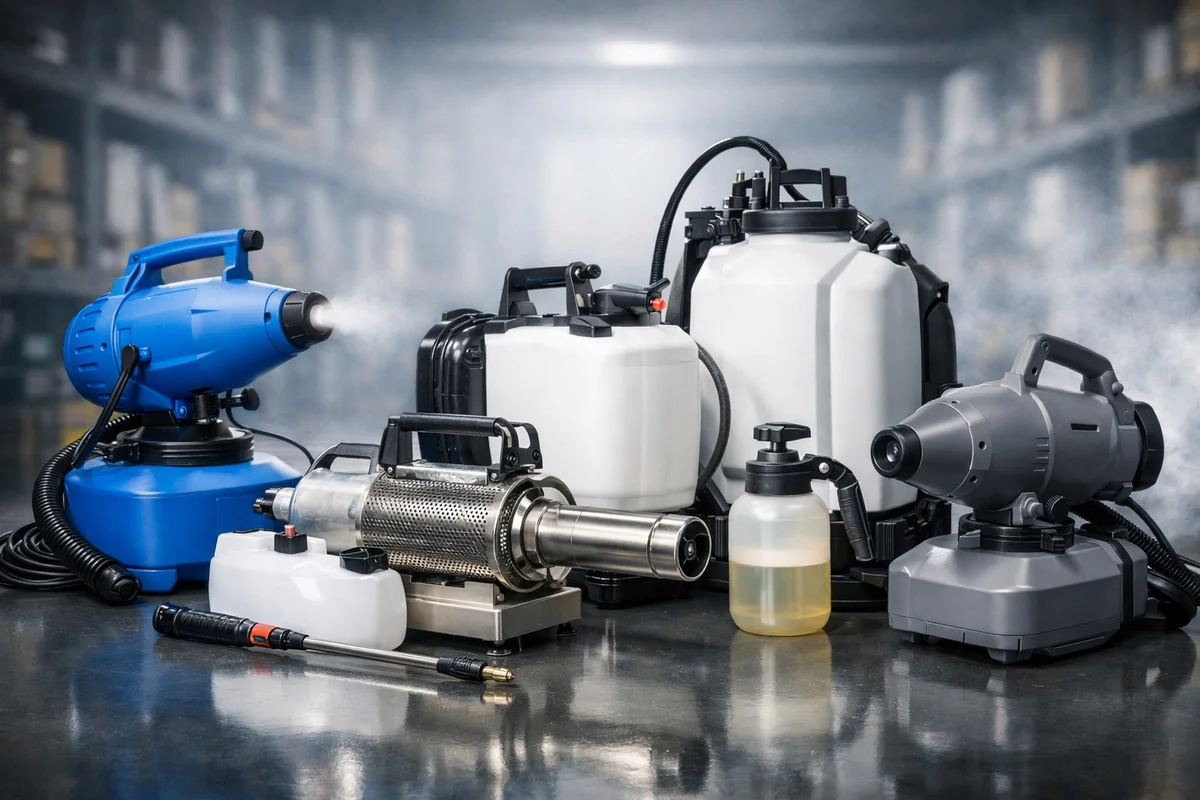
Best Pest Control Sprayers and Foggers 2026: Reviews & Buying Guide
Looking for the best pest control sprayers and foggers in 2026? Compare top-rated products, see real user reviews, and learn how to choose the right tool for your home pest problem - without hiring an exterminator.
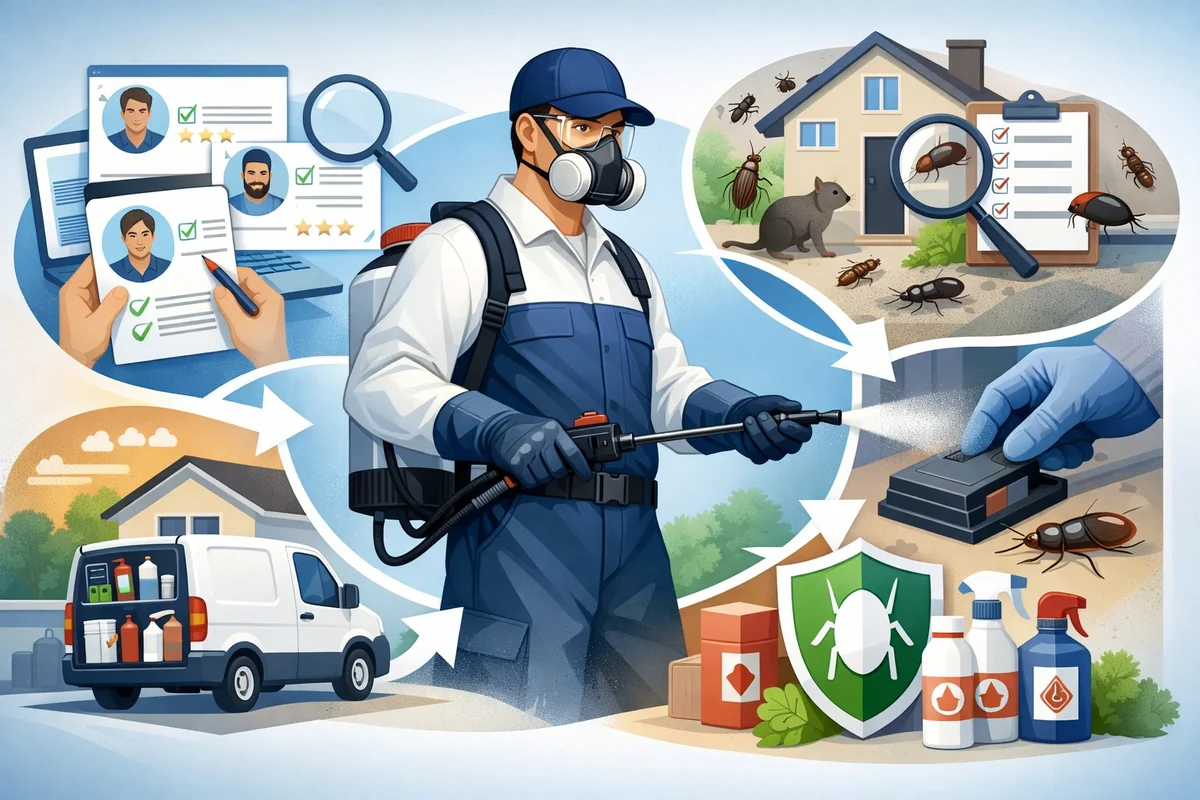
Guide to Hiring a Professional Pest Control Service: What to Know in 2026
Learn when and how to hire a professional pest control service, what to look for in a company, and how to compare options for safe, effective pest removal in 2026. Includes step-by-step preparation, contract tips, and FAQs.