How to Choose Pest Control Protective Gear: Safety Guide for 2026
Learn how to choose pest control protective gear for safe, effective DIY pest removal. This 2026 safety guide covers essential equipment, selection tips, and step-by-step instructions for homeowners and renters.
To choose pest control protective gear, match gloves, respirators, coveralls, and eye protection to the specific chemicals and pests you'll handle. Look for certified, snug-fitting PPE with chemical resistance and durability. Allow 10-20 minutes for selection and setup.
Always check labels for required gear and avoid shortcuts to prevent exposure.
Why Protective Gear Matters for Pest Control
Skipping the right protective gear during DIY pest control is one of the fastest ways to turn a simple job into a health problem. Pesticides and pest debris don't just stay where you spray - they linger on your skin, float in the air, and even soak into your clothes. Many people underestimate just how easily you can get exposed.
How Exposure Happens During DIY Pest Removal
Pesticides can enter your body through skin contact, by breathing in dust or fumes, or through your eyes if there's even a small splash. Applying sprays overhead or in tight spaces - think attics or under sinks - raises the odds of inhaling mist or getting chemicals on your face. Handling traps, bait stations, or nests (especially for rodents or stinging insects) means direct contact with pest allergens, droppings, or sharp mandibles.
Even after the job is “done,” dust and residues can hang in the air or settle on surfaces for hours. If you’re not protected, you can keep absorbing those chemicals every time you re-enter the area.
Risks of Skipping Protective Equipment
Immediate risks range from skin irritation and burning eyes to coughing fits or asthma-like symptoms. Bites and stings are common when working near nests or inside crawlspaces. Long-term, repeated exposure to certain chemicals can raise the risk of chronic respiratory issues or even neurological symptoms, especially if you’re handling concentrated or restricted-use products.
Some pests carry diseases that transmit through skin breaks, droppings, or even airborne particles - rodents can spread hantavirus, and ticks may carry Lyme disease. The right protective gear isn’t just about comfort; it’s the line between safe DIY and a serious health setback.
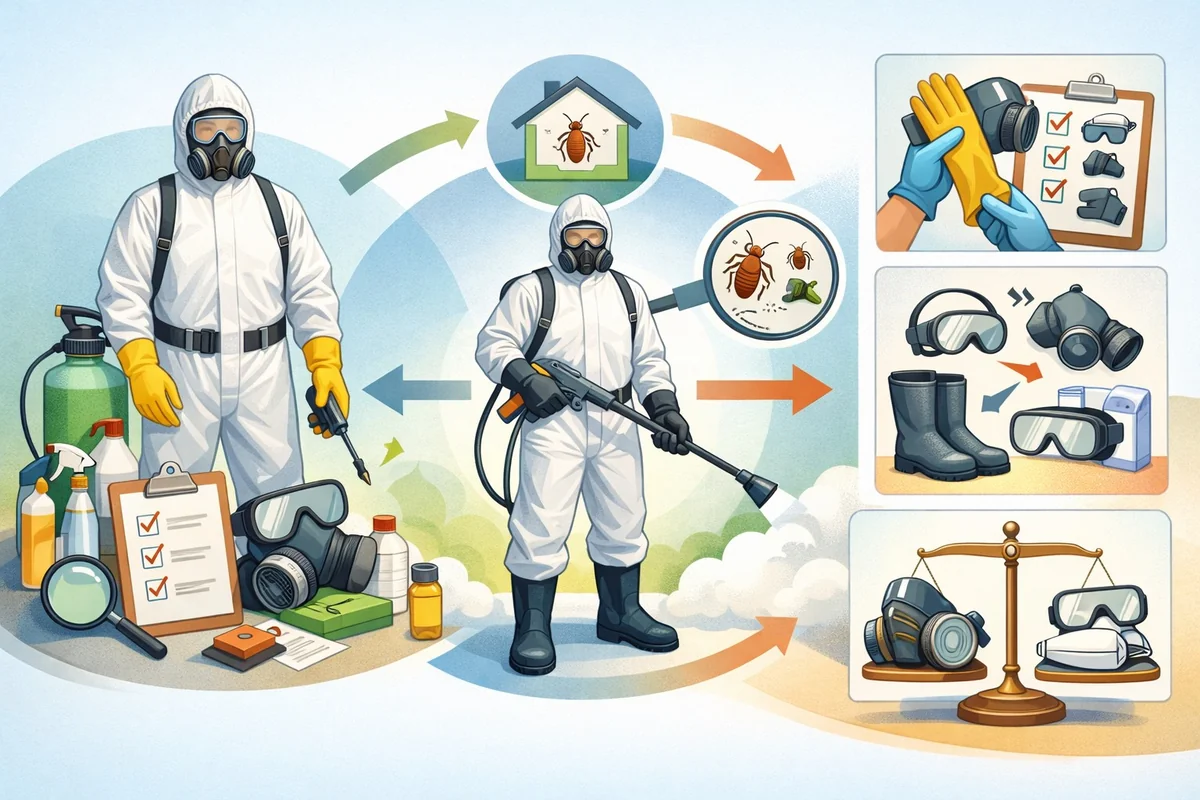
If you want a full breakdown of gear types and how they fit into your overall pest control toolkit, see our detailed overview at Protective Gear & Safety Equipment.
Types of Protective Gear for Pest Control
Choosing pest control protective gear comes down to matching the right equipment to the hazards you’ll face. Not all gloves, masks, or suits are created equal - and using the wrong type can be as risky as using nothing at all.
Gloves: Material, Length, and Chemical Resistance
Nitrile gloves are the gold standard for most DIY pest jobs. They resist a wider range of pesticides than latex or standard rubber and don’t degrade as quickly when exposed to oils, solvents, or harsh cleaners. Latex gloves can break down fast, especially with oily or solvent-based pesticides.
Rubber gloves (the thick, yellow dishwashing type) are better than nothing but often aren’t rated for pesticides.
Look for gloves with extended cuffs to protect your wrists and lower arms - especially if you’ll be reaching into brush, crawlspaces, or dealing with crawling insects. Disposable gloves are fine for a one-off task, but for recurring jobs, reusable nitrile or chemical-resistant gloves provide better long-term value and more protection against punctures or tears.
Respirators and Masks: Filtering Out Hazards
N95 masks filter out 95% of airborne dust and particulates - great for powders, dusts, or when cleaning rodent droppings. But they don’t block fumes or chemical vapors from sprays or foggers. For those, use a half-face respirator fitted with organic vapor cartridges. This setup blocks most pesticide fumes and is essential for concentrated chemicals or whole-room treatments.
Fit is non-negotiable. If you feel air leaking around the nose or cheeks, you’re not protected. Adjustable straps and a proper seal make or break mask effectiveness.
Coveralls and Clothing: Full-Body Protection
Disposable Tyvek suits are the standard for heavy spraying, attic dusting, or bed bug work. They block liquids, fine particles, and prevent pests from crawling inside your clothes. Treated cotton clothing can absorb chemicals over time, so opt for synthetic, coated, or dedicated barrier fabrics for real protection.
Loose clothing is a major mistake - it gives pests (especially fleas or bed bugs) a way to get under your protection. A snug, but not restrictive, fit is best.
Eye and Face Shields: Preventing Splashes and Irritation
Safety goggles that seal fully around your eyes block both splashes and airborne dust. Regular glasses or sunglasses won’t cut it - gaps allow particles and chemicals in. Face shields give added coverage for your nose and mouth, especially during overhead spraying or when working in close quarters.
Fog-resistant and anti-scratch coatings help keep visibility clear in humid or dusty situations, which is a bigger deal than most people think during attic or crawlspace jobs.
If you want to compare the top PPE picks for these categories, check our Best Protective Gear for Pest Control 2026 guide for research-based recommendations.
| Item | ★Difficulty Level | ★Protection Level | Time to Prepare | Cost Range | ★Best For | Meets Industry Standards (ANSI/OSHA) |
|---|---|---|---|---|---|---|
| Basic PPE (Gloves & Mask Only) | Easy | Low | 5-10 minutes | Budget | Quick, low-risk tasks; beginners | No |
| Standard PPE (Gloves, Respirator, Goggles, Coveralls) | Medium | Moderate | 15-20 minutes | Moderate | General pesticide application; DIY home users | Yes |
| Full-Body PPE with Chemical-Resistant Suit | Hard | High | 25-30 minutes | Premium | Professional use, high-toxicity chemicals, confined spaces | Yes |
How to Match Gear to Pest and Chemical Type
Not all pests or chemicals require the same level of protection. The best strategy is to start with the PPE recommendations on your pesticide’s label, then adjust up based on your specific pest and environment.
Matching Protection to Chemical Labels
Every EPA-registered pesticide lists mandatory PPE requirements on the label. Look for icons or instructions like “wear chemical-resistant gloves,” “use protective eyewear,” or “respiratory protection required.” These aren’t suggestions - they’re legal requirements based on toxicity and exposure risk.
If your chemical calls for a specific glove material (like “nitrile” or “butyl rubber”), using the wrong type leaves you at risk. The same goes for respirator cartridges - organic vapor filters for fumes, particulate filters for dust. Higher-toxicity products, such as foggers or concentrated sprays, usually require full-body suits and upgraded respirators.
Never substitute a dust mask for a real respirator when the label specifies vapor protection.
Adjusting Gear for Different Pest Species
Stinging insects need more than thin coveralls - thick, sting-resistant jackets and gauntlet gloves are necessary. Standard Tyvek suits won’t stop a wasp sting. For rodent cleanup, the risk is less about bites and more about airborne diseases from droppings and urine.
Here, gloves, a well-fitted mask (at least N95, sometimes better), and sealed goggles are non-negotiable.
Bed bugs and fleas call for full-body coverage - snug coveralls, tucked-in pants, and high socks. These pests are notorious for “hitchhiking” on clothing and can turn a routine spray into a weeks-long home infestation if you don’t suit up.
Essential Features to Look for When Choosing Gear
You want protective gear that you’ll actually keep on for the whole job, and that won’t fail when you need it most. Here’s what to prioritize when selecting PPE for pest control.
Comfort and Fit: Why It Matters for DIYers
If your gloves or mask are uncomfortable, you’ll be tempted to pull them off early - that’s when accidents happen. Breathable fabrics and adjustable closures make it possible to work for 30 minutes or more without overheating or fighting with your gear. The right fit also means fewer gaps for dust, pests, or chemicals to sneak in.
Durability and Reusability: Cost vs. Safety
Reusable equipment like heavy-duty gloves or multi-use coveralls can save money over time, but only if you clean and inspect them after every use. Disposable gear is convenient and reduces cross-contamination risk but can be less robust - it’s prone to tearing, especially when crawling or reaching. Always check for punctures, splits, or worn areas before suiting up again.
One small tear can make the entire suit useless.
Certifications and Standards to Check
Look for ANSI, NIOSH, or OSHA certification marks on masks, gloves, and eyewear. These labels mean the product has been tested to a recognized safety standard. Non-certified or counterfeit gear (especially online) is a growing problem - check for misspelled labels, missing certification numbers, or strange packaging.
When in doubt, buy from reputable retailers or check the manufacturer’s website for verification methods.
Step-by-Step Guide: How to Choose and Use Protective Gear
Getting the right PPE isn’t complicated, but it does require a little planning and reading between the lines. Here’s a proven approach to selecting and using gear for any DIY pest control job.
Assessing Your Pest Control Task
Start by identifying which pest you’re dealing with and where you’ll be working. Attics, crawlspaces, and basements mean more dust and tighter spaces - more protection is needed. Read the pesticide label carefully and write down every piece of required or recommended PPE.
Consider whether the job will be a quick spot treatment or a prolonged process (like attic fogging or rodent cleanup).
Selecting the Right Gear for the Job
Create a checklist for all body parts - hands, eyes, lungs, and skin. Make sure every area is covered with gear that fits well and meets at least the minimum label requirements. Prioritize products with real safety certifications, and don’t settle for “one size fits all” if it doesn’t actually fit you.
If you’ll be treating pests more than once in a season, reusable gloves or coveralls are usually worth the investment.
Proper Use and Maintenance of Gear
Put on your coveralls or protective clothing first, then goggles, mask or respirator, and finally gloves. This order keeps your hands clean for the final step and helps avoid contaminating your face or other surfaces. After the job, remove gloves last and dispose of or clean gear outside or in a utility area - never the kitchen or main living space.
Reusable gear should be cleaned according to the manufacturer’s instructions and stored in a sealed bag or container. Inspect everything before each use; a single missed tear or damaged strap can put you at risk.
Step-by-Step Guide
Follow these steps to select the right pest control protective gear for safe and effective pest removal. This guide uses current best practices to minimize health risks and ensure compliance with safety standards.
Total Time
35 minutes
Difficulty
Beginner
Assess Your Pest Control Needs
Identify the type of pests and chemicals involved. Check manufacturer labels for required protection levels. This ensures you select gear rated for the specific risks present in your environment.
Pro Tips:
- List all pesticides and read their safety data sheets (SDS).
- Check for respiratory or skin hazard warnings.
- Note any additional risks, such as confined spaces or ventilation issues.
Important Warnings:
- Never assume all protective gear is suitable for every pesticide. Some chemicals require specialized equipment.
Required Tools:
- Pest identification chart
- Access to product safety data sheets (SDS)
Choose Appropriate Respiratory Protection
Select a mask or respirator certified for the chemicals you’ll be using - look for NIOSH approval and match filter cartridges to the pesticide class. Proper respiratory gear prevents inhalation of harmful vapors and particulates.
Pro Tips:
- Full-face respirators offer eye protection and are recommended for liquid sprays.
- Check mask fit with a user seal check before each use.
- Replace filters as indicated by the manufacturer or after strong odors become detectable.
Important Warnings:
- Using the wrong filter or a poor-fitting mask can result in chemical exposure. Always verify compatibility.
Required Tools:
- NIOSH-approved respirator (half- or full-face)
- Appropriate filter cartridges (organic vapor, particulate, etc.)
Select Chemical-Resistant Gloves
Pick gloves made from materials rated for the pesticides used - nitrile and neoprene are commonly effective. Gloves should extend past the wrist and fit snugly to prevent skin contact with chemicals.
Pro Tips:
- Double-gloving can add extra protection when handling concentrates.
- Inspect gloves for pinholes or tears before every use.
- Choose gauntlet-style gloves for maximum forearm coverage.
Important Warnings:
- Avoid latex gloves for most pesticides—they often provide inadequate chemical resistance.
Required Tools:
- Nitrile or neoprene gloves (14" minimum length)
- Disposable glove liners (optional)
Wear Protective Clothing and Footwear
Select coveralls or suits made of chemical-resistant materials (such as Tyvek). Tuck pant legs into boots and fasten sleeves to block chemical entry. Waterproof boots protect against spills and splashes.
Pro Tips:
- Choose suits with sealed seams for added protection.
- Avoid cotton or woven fabrics, which can absorb chemicals.
- Decontaminate boots and suits after each use with soap and water.
Important Warnings:
- Loose clothing or gaps can allow chemicals to contact skin. Always ensure a snug, secure fit.
Required Tools:
- Chemical-resistant coveralls or suit
- Waterproof, chemical-resistant boots
Add Eye and Face Protection
Use safety goggles or a full-face shield rated for chemical splash. This prevents eye injuries from spray, mist, or accidental splashes during application or cleanup.
Pro Tips:
- Indirect-vent goggles provide better splash protection than standard safety glasses.
- Clean eyewear after each use to avoid chemical residue buildup.
- Choose anti-fog lenses for better visibility in humid conditions.
Important Warnings:
- Standard sunglasses or reading glasses offer no chemical protection. Only use gear certified for chemical splash.
Required Tools:
- Chemical splash goggles or full-face shield
Check Gear Certification and Condition
Inspect all gear for certification marks, expiration dates, and physical damage. Replace any equipment that shows wear or degradation to maintain full protective performance.
Pro Tips:
- Verify NIOSH or CE certification on respirators and suits.
- Check for cracks, fraying, or discolored patches before each use.
- Store gear in a clean, dry area away from direct sunlight.
Important Warnings:
- Using expired or damaged gear compromises safety. Always replace compromised equipment before use.
Required Tools:
- Inspection checklist
- Replacement parts (filters, seals, etc.)
Common Mistakes When Selecting or Using Gear
Even experienced DIYers slip up with PPE. Here are the errors that come up again and again - and how to avoid them.
Underestimating the Risks of 'Mild' Products
Just because a pesticide is labeled “eco-friendly” or “natural” doesn’t mean it’s harmless. Many of these products still cause skin or respiratory irritation, especially in enclosed spaces. People often skip gloves or masks for powders and gels, then end up with rashes or coughing fits. Don’t assume store-bought means safe - always check the label and use at least basic protection.
Improper Fit and Incomplete Coverage
Loose gloves, baggy coveralls, and ill-fitting masks are almost as bad as skipping PPE entirely. Chemicals and pests exploit every gap, especially around wrists, ankles, and the neck. If your gear doesn’t fit snugly, replace it or add tape to seal gaps for short-term jobs.
“One size fits all” rarely does - try gear on before you need it.
Reusing Disposable Gear or Skipping Cleaning
Disposable gloves and masks are single-use for a reason. Reusing them increases your risk of contaminating yourself and your home. If you use reusable gear, clean it thoroughly after every session - pesticide residues and pest debris can transfer to your skin or tools if you don’t.
Inspect all PPE before each use; tears or cracks make protection pointless.
Budget-Friendly Gear Options and Where to Buy
If you’re just starting out or only dealing with pests once or twice a year, you don’t have to break the bank for adequate protection. Home improvement stores like Home Depot and Lowe’s stock basic certified PPE for most household needs. Online retailers have more variety, but the risk of counterfeit or uncertified gear is higher - stick to reputable brands and sellers whenever possible.
Look for multi-packs or starter kits designed for DIY pest control. These often bundle gloves, goggles, and disposable coveralls at a discount. For high-risk or recurring jobs (like attic fumigation or rodent removal), it’s worth investing in premium gear with better comfort and durability.
Occasional users can rely on certified disposable options, but don’t skip safety just to save a few dollars - medical bills cost far more than proper PPE.
Frequently Asked Questions About Pest Control Protective Gear
❓ Frequently Asked Questions
What is pest control protective gear?
What is pest control protective gear?
Pest control protective gear includes specialized clothing and equipment designed to shield users from harmful chemicals, bites, and allergens during pest removal. Its main benefit is reducing exposure risks. Examples include chemical-resistant gloves, protective coveralls, respirators, and safety goggles.
How do I choose the right protective gear for pest removal?
How do I choose the right protective gear for pest removal?
To select effective pest control protective gear:
- Identify the specific pests and chemicals involved
- Check safety ratings for chemical resistance (look for EN or ANSI standards)
- Ensure proper fit to prevent gaps
- Choose breathable materials for comfort
- Confirm compatibility with respirators or goggles
Tip: Double-check the manufacturer’s recommendations for your application.
What should I look for when choosing pest control gloves?
What should I look for when choosing pest control gloves?
When buying pest control gloves, focus on these factors:
- Material: nitrile or neoprene offers strong chemical resistance
- Thickness: 8–15 mils for most pesticides
- Cuff length: long cuffs protect wrists and forearms
- Sizing: a snug fit prevents leaks
Always check for puncture resistance and replace damaged gloves immediately.
What is the difference between a respirator and a dust mask for pest removal?
What is the difference between a respirator and a dust mask for pest removal?
A respirator is a certified device that filters out hazardous chemicals and fine particles, offering much higher protection than a basic dust mask, which only blocks larger, non-toxic particles. For pesticide application, safety guidelines recommend using a NIOSH-approved respirator rated for organic vapors, not a standard dust mask.
How often should I replace pest control protective gear?
How often should I replace pest control protective gear?
Most users should replace disposable protective gear, such as gloves and coveralls, after each use with hazardous chemicals. Reusable items like respirators and goggles typically last 1–3 years but require regular inspection for cracks or degraded seals. Always follow manufacturer guidelines and replace gear at the first sign of damage.
Why do I need chemical-resistant clothing for pest removal?
Why do I need chemical-resistant clothing for pest removal?
Chemical-resistant clothing shields your skin and clothing from accidental spills and splashes of pesticides or cleaning agents. Most users report fewer skin irritations and allergic reactions when using proper gear. However, it may be less comfortable in hot weather, so choose breathable options when possible.
Which type of eye protection is best for pest control?
Which type of eye protection is best for pest control?
For pest control, safety goggles with indirect venting are recommended because they guard against chemical splashes and airborne particles. Features to look for include anti-fog coatings, adjustable straps, and compatibility with respirators. Regular glasses do not provide adequate protection during chemical use.
Key Takeaways for Safe and Effective Pest Control
Choosing pest control protective gear isn’t just about following rules - it’s how you keep yourself and your home safe from the hidden risks of both chemicals and pests. Always match your gear to the job and the chemical label, and never cut corners on fit, comfort, or certifications.
For occasional DIY jobs, certified disposable PPE from a local hardware store is usually enough. For bigger or riskier projects, invest in reusable gear and inspect it before every use. Cleaning and storing your equipment properly makes a big difference in long-term safety and cost.
The real mistake is thinking, “It won’t happen to me.” Take the time to suit up right, and you’ll avoid the most common pitfalls that catch even experienced DIYers off guard. Your health - and your peace of mind - are worth it.
Related Articles
![Best Protective Gear for Pest Control 2026 [Expert Reviews]](https://pestproreviews.com/images/hero/hero_best_protective_gear_for_pest_control_2026_expert.webp)
Best Protective Gear for Pest Control 2026 [Expert Reviews]
Protect yourself during DIY pest control in 2026 with our expert-reviewed guide to the best protective gear. Compare top-rated respirators, gloves, coveralls, and more for safe, effective pest removal at home.
Complete Guide to Pest Prevention in Homes: Stop Pests in 2026
Protect your home in 2026 with this complete pest prevention guide. Discover proven DIY methods, room-by-room tips, safe solutions for families, and expert advice to stop pests before they start.
Best Chemical Pesticides for Home Use 2026: Safe, Effective, and Affordable Options
Discover the best chemical pesticides for home use in 2026. Compare top-rated baits, sprays, gels, and natural options for ants, roaches, fleas, and more. Find safe, effective, and budget-friendly pest control solutions for every room.
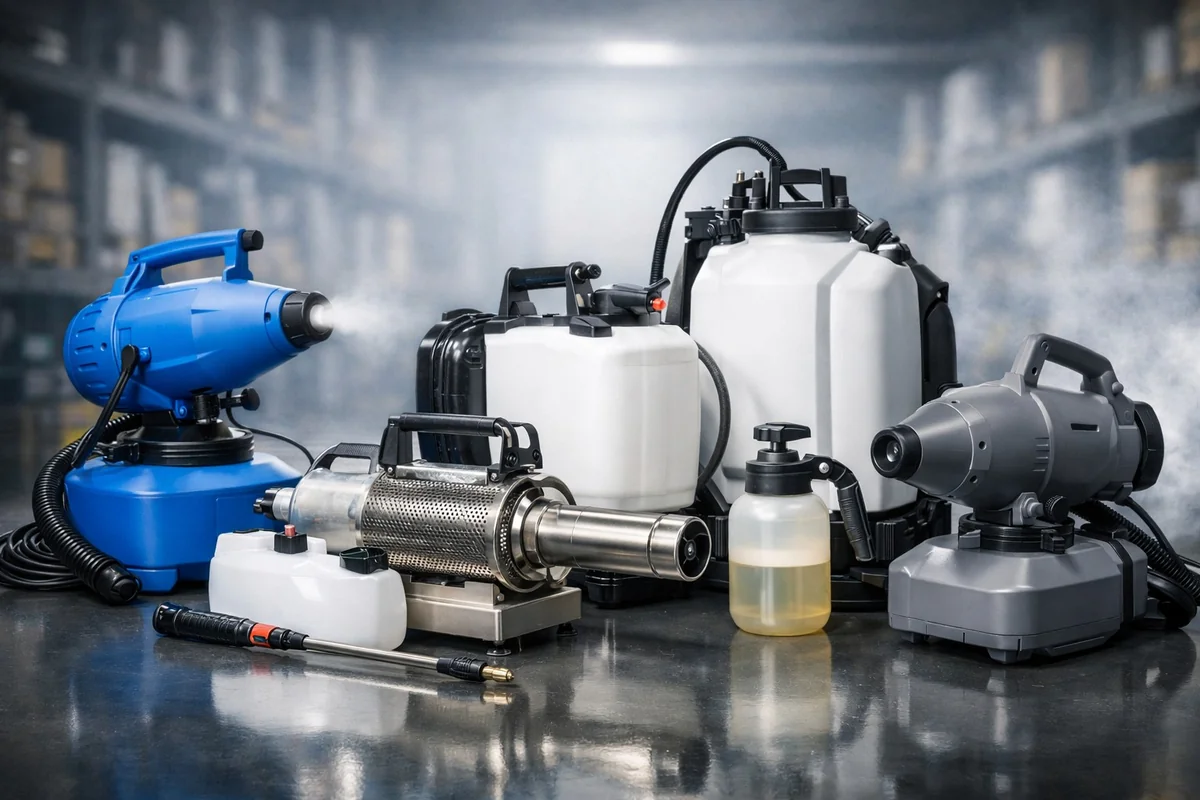
Best Pest Control Sprayers and Foggers 2026: Reviews & Buying Guide
Looking for the best pest control sprayers and foggers in 2026? Compare top-rated products, see real user reviews, and learn how to choose the right tool for your home pest problem - without hiring an exterminator.