 Pest Pro Reviews Editorial Team • • 19 min read •
 Disposable vs Reusable Pest Control Suits: Pros and Cons (2026)
Compare disposable vs reusable pest control suits for DIY pest removal in 2026. Discover protection levels, comfort, cost, environmental impact, and find the best suit for your needs.
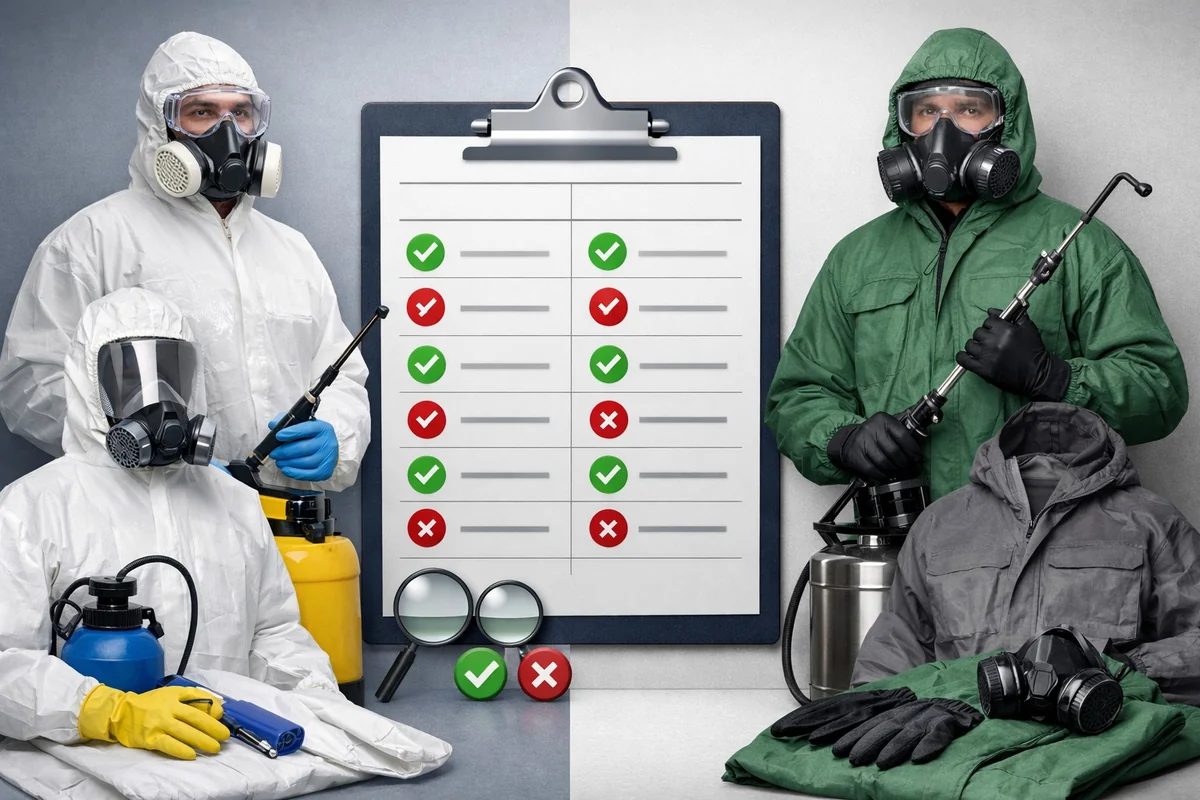
Disposable vs reusable pest control suits: Disposable suits are best for quick, high-contamination jobs, while reusable suits win for long-term protection, better chemical resistance, and lower waste. The main trade-off is convenience versus durability. Choose disposable for one-off emergencies; go reusable for ongoing or high-risk pest problems.
- Reusable suits offer superior long-term protection and value for regular DIY pest control.
- Disposable suits provide quick, hassle-free protection but generate more waste and cost more over time.
- Fit, certified protection levels, and comfort features determine which suit type is right for your home pest situation.
How We Compared Disposable and Reusable Pest Control Suits
Choosing protective clothing for pest removal means weighing safety, comfort, cost, and environmental impact. In this comparison, we looked at:
- Material strength and chemical resistance
- Barrier performance against pesticides and allergens
- Seam and closure reliability
- Breathability, comfort, and range of movement
- Purchase price, replacement frequency, and maintenance
- Waste generation and eco-friendliness
- Fit, sizing options, and home user safety certifications
Based on our research, we also factored in real-world use cases for homeowners and renters, from single-room treatments to recurring infestations. Throughout, we reference specific products like the 3M Disposable Protective Coverall 4510 and DuPont Tyvek 400 Reusable Coverall with practical, scenario-based insights.
For a broader look at all protective gear options, see the Protective Gear & Safety Equipment guide.
Key Differences Between Disposable and Reusable Suits
The choice between disposable and reusable pest control suits comes down to how often you need protection, the level of hazard, and how much maintenance you're willing to handle.
Identify your needs and get personalized recommendations
Just starting out with pest removal suits and want something simple and safe.
Learning about pest control gear, interested in understanding the basics and key differences.
Likes to compare features, specs, and real-world results before making a decision.
Focuses on getting the most for their money without sacrificing important features.
Wants the key info to buy right now – prioritizes price, availability, and support.
Willing to pay more for the best protection, durability, and proven real-world results.
Material Composition and Protection Levels
Disposable pest control suits, like the 3M Disposable Protective Coverall 4510, use lightweight materials such as polyethylene or polypropylene. These block dust and light splashes but aren’t built for repeated bending or exposure to harsh chemicals.
Reusable suits, such as the DuPont Tyvek 400 Reusable Coverall, use heavier-duty materials - high-density polyethylene or PVC-coated fabrics - that withstand tougher jobs, repeated use, and stronger chemical exposure. Material thickness and construction directly affect how well the suit blocks pesticides, pest allergens, and accidental tears.
For serious infestations or when applying concentrated pesticides, a suit like the Lakeland ChemMax 1 Chemical Coverall offers a more robust barrier than any disposable option.
Intended Use Cases and Lifespan
Disposable suits are made for single-use or short-term jobs. They’re the go-to when cross-contamination is a top concern - think cleaning up after a rodent infestation or applying powdery treatments in attics.
Reusable suits are designed to last for many uses - sometimes over a year with proper care. However, they require cleaning between uses to avoid spreading chemicals or allergens. This extra step pays off for users tackling recurring pest problems or larger homes where repeated treatments are likely.
Environmental impact and cost-effectiveness flow directly from lifespan. Frequent use tips the balance toward reusable; rare, messy jobs often justify disposables.
The 3M Disposable Protective Coverall 4510 is a classic example of what works for short bursts of pest control activity:
- Made for dust and light chemical splashes
- Lightweight, breathable, and easy to put on for quick use
- Best for one-off attic cleanouts, spot treatments, or jobs where you want to avoid cleanup
- Budget-friendly entry point, but costs add up if used regularly
- Some users report seams can split if stretched too far or reused
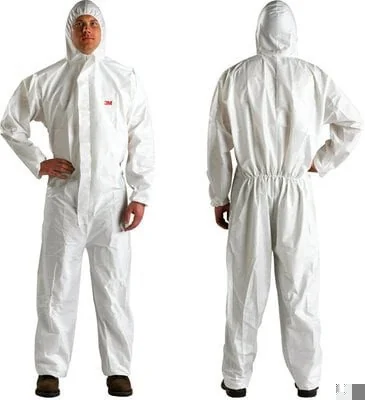
3M Disposable Protective Coverall 4510
Offers lightweight, single-use protection for pest control tasks, the 3M Disposable Protective Coverall 4510 features microporous PE laminate material rated to block dust and light liquid splashes. The elastic cuffs and zipper closure ensure a secure fit for treatments in confined spaces, making it a practical choice for homeowners and renters managing pesticide or allergen exposure indoors.
Why We Recommend This
We recommend the 3M 4510 for those prioritizing convenience and basic protection in light pest control scenarios. Its certified barrier and lightweight comfort make it a top choice for single-use needs, particularly where laundering is impractical or cross-contamination is a concern. While not intended for repeated chemical exposure, it offers reliable safety for the typical home user.
vs Competitors: Compared to reusable pest control suits, the 3M 4510 offers easier disposal and eliminates maintenance, though it generates more waste and provides lower durability for frequent users.
Best For:
Homeowners, renters, and DIY users seeking cost-effective, basic protection for occasional pest control or allergen exposure inside residential settings.
- Ideal for homeowners handling single-room pesticide application or allergen clean-up
- Suitable for renters or DIY users needing quick protection for one-off pest treatments
- Microporous PE laminate blocks >99% of dust and light liquid splashes
- Elasticated wrists, ankles, and waist for improved barrier integrity
- Lightweight design (approx. 180g) reduces heat buildup during indoor use
- Disposable format eliminates laundering and cross-contamination risk
- Single-use design generates more waste compared to reusable suits
- Limited chemical resistance; not suitable for heavy-duty or repeated exposure
The Medtecs Disposable Protective Coverall is another disposable option, focusing on economy and quick replacement:
- Minimalist design for splash and dust protection in short tasks
- Good for renters or occasional DIYers who want minimal storage needs
- Not recommended for heavy spraying or pesticide concentrate application
- Practical choice for emergency response or budget-limited users
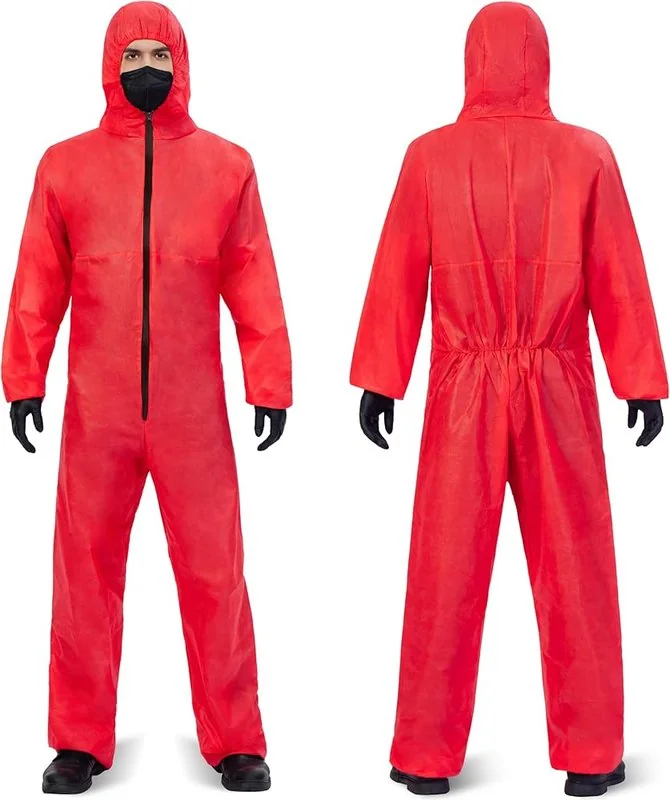
Medtecs Disposable Protective Coverall
The Medtecs Disposable Protective Coverall delivers quick, lightweight protection against dust and light chemical splashes, making it ideal for single-use pest control jobs. With a breathable design and easy-on zipper front, it’s suited for fast attic cleanouts or spot treatments where post-job cleanup isn’t desirable. Weighing just 180g, it's designed for comfort during short-duration use without sacrificing essential safety.
Why We Recommend This
We recommend the Medtecs Disposable Protective Coverall for those who need a budget-friendly, no-hassle solution for quick pest removal jobs. Its lightweight, breathable build is especially suited for users who want to avoid the time and mess of cleaning reusable suits. While not as durable as reusable options, it stands out for fast, one-off applications where convenience matters most.
vs Competitors: Compared to heavier-duty reusable suits, the Medtecs Coverall offers greater convenience and faster changeover, but lacks the durability needed for frequent or high-intensity use.
Best For:
DIY homeowners, pest control technicians, and contractors needing cost-effective, single-use protective gear for light pest removal tasks.
- One-off attic or crawlspace pest cleanouts where disposable gear is preferred
- Spot pesticide treatments where avoiding post-job laundering is important
- Made of non-woven polypropylene fabric for dust and splash resistance
- Elastic cuffs, ankles, and hood for secure fit and reduced exposure
- Quick and easy to put on for urgent pest control tasks
- Breathable design minimizes discomfort during short jobs
- Seams may split if overstretched or reused
- Not suitable for heavy chemical exposure or frequent, repeated use
Reusable options like DuPont Tyvek 400 Reusable Coverall stand out by offering:
- Multi-use durability for ongoing pest control routines
- High-density fabric blocks more particles and light splashes
- Comfortable enough for multi-hour jobs but heavier than disposables
- Requires cleaning after each use - factor this into your decision
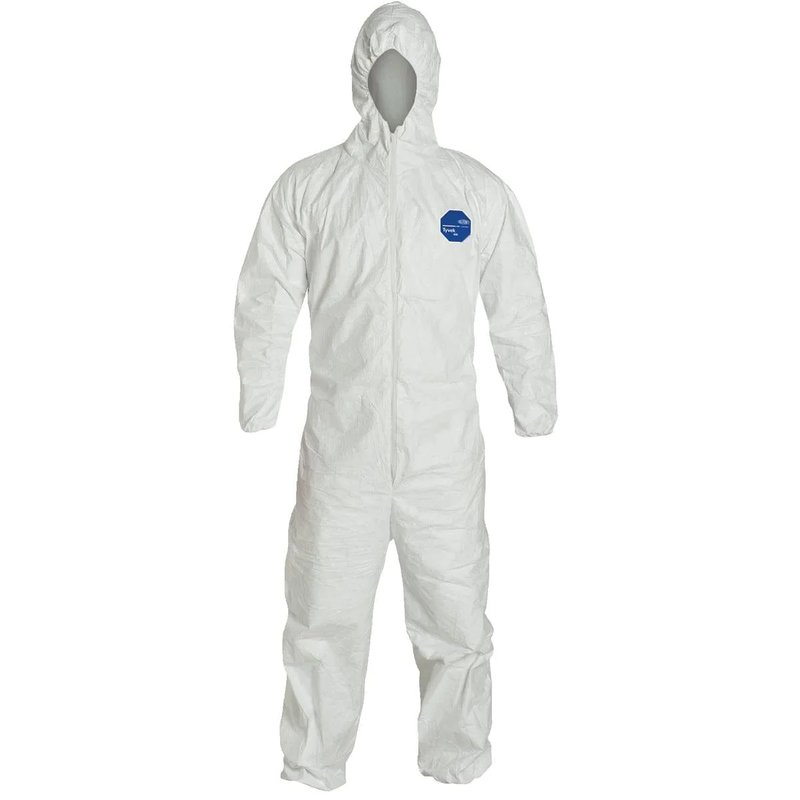
DuPont Tyvek 400 Reusable Coverall
Delivers long-lasting protection during pest control tasks with its high-density polyethylene build, offering tested resistance to pesticides and fine particulates. The DuPont Tyvek 400 Reusable Coverall features serged seams and a secure zipper closure, ensuring barrier integrity for routine or repeated home use. Lightweight at just 180g, it allows comfortable movement during attic, crawlspace, or single-room treatments.
Why We Recommend This
We recommend the DuPont Tyvek 400 Reusable Coverall for readers prioritizing reliable protection and sustainability in home pest control. Its lab-tested barrier performance, industry certifications, and reusable design make it a strong alternative to disposable suits - especially for those tackling recurring infestations or seeking to reduce environmental impact.
vs Competitors: Compared to single-use disposable suits, the Tyvek 400 offers greater material strength and reusability, offsetting its higher upfront cost over multiple uses. Some premium competitors offer added ventilation but at the expense of lower barrier ratings.
Best For:
Homeowners and renters looking for durable, eco-friendlier protective gear for safe, repeated pest control or allergen mitigation at home.
- Ideal for homeowners performing recurring pest treatments in attics, basements, or crawlspaces
- Suitable for renters seeking reliable protection during single-room pesticide application
- Made from 100% high-density polyethylene for superior particle and light liquid barrier
- Tested pesticide and allergen resistance (per ASTM F1670/F1671 standards)
- Reusable for multiple pest control sessions, reducing waste compared to disposable suits
- Strong barrier protection minimizes risk of pesticide and allergen exposure for DIY users
- Requires proper cleaning and drying after each use to maintain performance
- May feel warmer than ventilated disposable suits during extended use in hot climates
For users who expect to handle high-risk chemicals or repeated infestations, the Lakeland ChemMax 1 Chemical Coverall is a premium, reusable choice:
- Sealed seams and chemical-resistant construction for max safety
- Built for concentrated pesticide application and heavy contamination scenarios
- Suitable for serious DIYers or anyone remediating severe pest issues
- Maintenance and thorough cleaning required after use
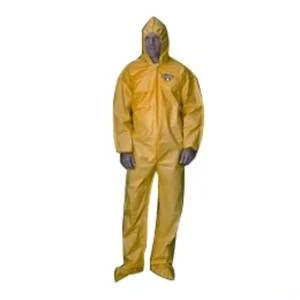
Lakeland ChemMax 1 Chemical Coverall
Provides high-level protection for pest control professionals handling concentrated pesticides and severe infestations. The Lakeland ChemMax 1 Chemical Coverall features a multi-layer barrier fabric and sealed seams to block hazardous particles and light chemical splashes, making it suitable for repeated use in demanding environments. Its durable construction is balanced with comfort for extended wear, though cleaning is required after each job.
Why We Recommend This
We recommend the Lakeland ChemMax 1 to professionals and advanced users tackling challenging pest removal tasks where maximum protection is non-negotiable. Its robust build and certified barrier fabric outperform standard disposables, offering better long-term value and environmental benefits when handled properly. This is our go-to for those prioritizing safety and durability in repeated, high-exposure scenarios.
vs Competitors: Compared to leading disposable suits, the ChemMax 1 provides a more substantial barrier and longer usable life, though it does require regular maintenance and is heavier to wear.
Best For:
Pest control professionals and serious DIY users seeking reliable, reusable protection for demanding chemical applications and high-risk infestations.
- Essential for professional exterminators dealing with severe infestations or fumigation jobs
- Recommended when applying concentrated or hazardous pesticides in residential, commercial, or agricultural settings
- Reusable multi-layer chemical barrier for handling concentrated pesticides
- Sealed seams provide enhanced splash and particle protection
- Offers superior protection compared to disposable suits during high-risk pest control tasks
- Durable design supports multiple uses, reducing long-term costs and waste
- Requires thorough cleaning after each use, adding maintenance time
- Heavier and less breathable than lightweight disposable alternatives
Protection Against Pesticides and Allergens
Protection level is where the disposable vs reusable pest control suits debate gets serious. If you’re handling anything beyond basic dust, this section matters.
Barrier Performance: Chemical and Particle Resistance
Most disposable suits block larger dust particles and light liquid splashes. However, they can let fine pesticide aerosols or tiny pest allergens through the seams or fabric, especially with extended exposure.
Reusable suits - especially those certified to standards like EN 14126 or ASTM F903 - are tested against both liquid and particle penetration. The Lakeland ChemMax 1 Chemical Coverall, for example, is engineered to resist strong solvents and concentrated pesticides without fabric breakdown or leakage.
For anyone using commercial-grade chemicals or treating severe infestations (think cockroach, rodent, or bat droppings), a certified reusable suit isn’t just a nice-to-have - it’s the difference between safe DIY and unnecessary health risks.
For more detail on how these suits fit into a complete safety setup, see Best Protective Gear for Pest Control 2026.
Seam Construction and Closure Systems
Disposable suits often use simple stitched seams, which can leave tiny gaps or loosen with movement. This is fine for dust but risky with liquid chemicals or pest residue.
The best reusable suits, including Tyvek 400 and ChemMax 1, use heat-sealed or taped seams that block both liquids and particles. Storm flaps over zippers and secure elastic cuffs further minimize leak points.
Poor closure or seam failure is the number one cause of accidental exposure during pest control - don’t overlook this detail when choosing a suit.
Comfort, Breathability, and Ease of Movement
It’s easy to underestimate how much comfort affects your ability to finish a pest job safely and efficiently. Here’s what actually matters when you’re crawling in an attic or working outside in summer.
Weight, Flexibility, and Ergonomics
Disposable suits like the 3M Disposable Protective Coverall 4510 are lighter and more flexible than any reusable alternative. This means less fatigue during short, focused tasks and easier movement in tight spaces.
But that lower weight comes at the expense of durability and chemical resistance. Reusable suits, while heavier, offer better protection but can feel bulky - especially in cramped crawlspaces or when worn over regular clothes.
Suit fit and design make a noticeable difference. Adjustable options (more common with reusables) let you customize cuffs, waist, and hood for a better seal and less bagginess.
Ventilation and Heat Stress Considerations
Both suit types can get hot - fast. Most disposable suits lack any form of venting, increasing heat risk during summer or multi-hour jobs. Sweat buildup is a real issue.
Some higher-end reusable suits, like certain Tyvek models, incorporate vented panels or mesh for airflow. This helps but doesn’t eliminate the need for breaks and hydration. If you’re prone to overheating, prioritize suits with breathable features or plan for shorter work intervals.
Cost Analysis: Upfront vs Long-Term Value
Cost is often the deciding factor for DIY pest control. But the sticker price only tells half the story - replacement frequency, cleaning, and waste add up quickly.
Initial Purchase Price and Replacement Frequency
Disposable suits look like a bargain for one or two uses. The Medtecs Disposable Protective Coverall and 3M Disposable Protective Coverall 4510 are both budget-friendly, but buying a new suit for every job drives up the cost for regular pest control.
Reusable suits like DuPont Tyvek 400 and Lakeland ChemMax 1 are a higher investment up front. However, they can last through dozens of uses if cleaned and stored properly. For frequent DIYers, the overall spend is often lower after 4-6 jobs compared to buying disposables each time.
Maintenance, Cleaning, and Hidden Costs
Cleaning reusable suits takes time and adds minor costs for detergent and water. Skipping cleaning risks cross-contamination or suit breakdown - especially with chemical residues.
Disposable suits save you the cleanup but create a recurring purchase cycle and extra waste. Some users find the “throwaway” approach easier, but it’s rarely cheaper in the long run for those tackling repeated infestations or whole-home treatments.
Environmental Impact and Waste Considerations
The environmental footprint is a growing factor for many home pest warriors. Suit choice has a direct impact on household waste, especially with repeated use.
Waste Generation and Disposal Challenges
Disposable suits contribute to landfill waste after every job. Worse, once contaminated with pesticides or pest residue, they must be treated as hazardous waste in many municipalities - check local disposal guidelines before tossing them in the trash.
Reusable suits reduce this problem by staying in service for much longer. When they do reach end of life, some can be recycled depending on the material, but this is less common than with other household goods.
Eco-Friendly Alternatives and Recycling Options
Some manufacturers now offer biodegradable or partially recycled disposable suits, but these are still rare in the pest control market. Look for verified eco-certifications if this matters to you.
Certain reusable suits are made from recycled plastics or can be recycled after decontamination. The overall environmental win still favors reusable suits when used for multiple jobs.
Safety, Sizing, and Fit for Home Use
Protection is only as good as the fit and safety rating of the suit you choose. Home users often overlook this - don’t make that mistake.
Choosing the Right Size for Effective Protection
Wearing a suit that’s too loose increases snagging risk and lets dust or aerosols inside. Too tight, and you risk tearing seams or restricting movement.
Disposable suits typically come in basic S/M/L/XL sizing with elastic wrists and ankles. Reusable suits offer more size variation and sometimes adjustable closures for a custom fit.
Always check the fit around high-risk entry points - wrists, ankles, and face. Gaps here are the top source of accidental exposure.
Safety Certifications and Home User Considerations
Look for clear safety ratings (EN, ASTM, or ANSI standards) on any suit you buy. Certification ensures the fabric, seams, and closures meet minimum protection requirements for chemicals and particles.
Some suits offer extra features like thumb loops, reinforced knees, or integrated hoods - these are especially useful for tasks involving overhead spraying or attic work.
Don’t skip the label check; uncertified suits may look similar but offer far less protection in real-world pest control scenarios.
Cleaning, Storage, and Maintenance Requirements
Suit lifespan hinges on following proper cleaning and storage instructions - overlooking these steps shortens life and reduces protection.
Proper Cleaning Methods for Reusable Suits
Each reusable suit has specific care instructions. Many recommend cold or lukewarm water, air drying, and mild detergent to preserve barrier properties.
Never use bleach or fabric softener - these can degrade the fabric and reduce chemical resistance. Some suits demand hand washing or special detergents, especially after exposure to strong pesticides.
Improper cleaning can leave residues behind or weaken the suit, turning a protective layer into a liability.
Storage Tips to Extend Suit Lifespan
Store reusable suits in a cool, dry location out of direct sunlight. Sunlight and heat degrade most synthetic fabrics over time.
Don’t fold suits tightly or compress them for long periods - this creates permanent creases that can weaken seams or barriers. Hang or loosely drape when possible.
Disposable suits should be discarded after each use. Storing used disposables risks accidental reuse and contamination spread.
When to Choose Disposable vs Reusable Suits
The right choice depends entirely on your pest problem, frequency of use, and willingness to maintain gear.
Best Scenarios for Disposable Suits
- One-time, emergency, or extremely messy pest jobs (dead animal removal, attic insulation cleanup)
- Situations where contamination risk is high and cleaning isn’t practical
- Renters or infrequent DIYers who need protection but have no storage space for gear
- Jobs with minimal chemical exposure (dusting, powder application, dry bait placement)
Best Scenarios for Reusable Suits
- Homeowners or frequent DIYers dealing with recurring infestations (cockroaches, bed bugs, rodents)
- Any job involving commercial-strength pesticides, foggers, or concentrated chemicals
- Eco-conscious users looking to reduce household waste from pest control
- Larger jobs where multiple suit changes would be costly or impractical
- Disposable suits win for fast, hassle-free protection during one-off or extremely dirty jobs.
- Reusable suits win for ongoing pest control, higher chemical resistance, and reduced waste over time.
Frequently Asked Questions About Pest Control Suits
❓ Frequently Asked Questions
What is the difference between disposable and reusable pest control suits?
What is the difference between disposable and reusable pest control suits?
Disposable pest control suits are single-use garments designed for limited protection against contaminants and pests; they're convenient for one-time projects and prevent cross-contamination. Reusable suits, made from more durable materials, offer extended use and cost savings over time. Most professionals use disposables for hazardous jobs and reusables for routine work.
What are the pros and cons of disposable pest control suits?
What are the pros and cons of disposable pest control suits?
Disposable suits offer easy cleanup and reduce contamination risks, but generate more waste and recurring costs. They're lightweight and usually less expensive upfront. However, they can tear easily and aren't suitable for long or repeated exposure. Most users find them ideal for quick, high-risk or messy pest removal tasks.
What are the advantages and disadvantages of reusable pest control suits?
What are the advantages and disadvantages of reusable pest control suits?
Reusable suits provide better durability, long-term cost savings, and increased protection for frequent users. They are often made from thicker, chemical-resistant materials and can be cleaned after use. However, they require regular maintenance, upfront investment, and proper sanitation to avoid spreading contaminants between jobs.
How do I clean and maintain a reusable pest control suit?
How do I clean and maintain a reusable pest control suit?
To clean and maintain a reusable pest control suit:
- Remove any loose debris and rinse with cold water after each use
- Wash using mild detergent - avoid bleach or harsh chemicals
- Hang dry in a well-ventilated, shaded area
- Inspect seams and closures for wear before storage
- Store in a clean, dry container
Regular cleaning prevents chemical buildup and extends suit life.
What should I look for when choosing between disposable and reusable pest control suits?
What should I look for when choosing between disposable and reusable pest control suits?
When choosing a pest control suit, consider:
- Material durability: thicker fabrics offer more protection
- Level of chemical resistance: essential for handling pesticides
- Fit and comfort: affects mobility during long jobs
- Cost per use: disposables cost less upfront, reusables save over time
- Waste generation: reusables reduce landfill waste
Match your choice to job frequency and exposure risk.
How often should I replace my reusable pest control suit?
How often should I replace my reusable pest control suit?
Most users find that reusable pest control suits last 6–18 months with regular use, depending on material quality and exposure to harsh chemicals. Inspect your suit after every job; replace immediately if you notice tears, worn seams, or loss of chemical resistance. Manufacturer guidelines usually recommend annual replacement for professional use.
Which type of pest control suit is best for handling toxic chemicals?
Which type of pest control suit is best for handling toxic chemicals?
Reusable pest control suits made from chemical-resistant materials, such as coated PVC or Tychem, provide superior protection against toxic chemicals. Industry standards recommend using full-body, sealed suits with gloves and boots for hazardous pesticide applications. Disposable suits may not offer adequate chemical resistance for high-risk jobs.
Which Suit Type Is Best for Your Pest Problem?
For most DIYers, the decision comes down to how often you’ll suit up and what kind of pests or chemicals you’re dealing with. Here’s how to match the right suit to your situation:
- Choose disposable if you’re tackling a single, messy job and want zero cleanup.
- Go reusable if you expect to handle pests or chemicals more than a couple times a year.
- If you’re unsure, consider starting with a budget-friendly disposable (like Medtecs) for your first job. If you find yourself needing protection again, invest in a reusable model.
- For concentrated pesticide use or severe infestations, prioritize a certified reusable suit like Lakeland ChemMax 1.
Picking the right suit is about balancing risk, comfort, and long-term value. Disposable suits solve the “one-and-done” problem; reusable suits pay off for anyone committed to safe, effective DIY pest removal.
If you’re still unsure, review our detailed safety gear breakdown at Best Protective Gear for Pest Control 2026 for more guidance on assembling your full protective setup.
Either way, don’t skip protective clothing - your health and safety are worth the investment, whether it’s for one job or a season of serious pest battles.
Related Articles
![Best Protective Gear for Pest Control 2026 [Expert Reviews]](https://pestproreviews.com/images/hero/hero_best_protective_gear_for_pest_control_2026_expert.webp)
Best Protective Gear for Pest Control 2026 [Expert Reviews]
Protect yourself during DIY pest control in 2026 with our expert-reviewed guide to the best protective gear. Compare top-rated respirators, gloves, coveralls, and more for safe, effective pest removal at home.
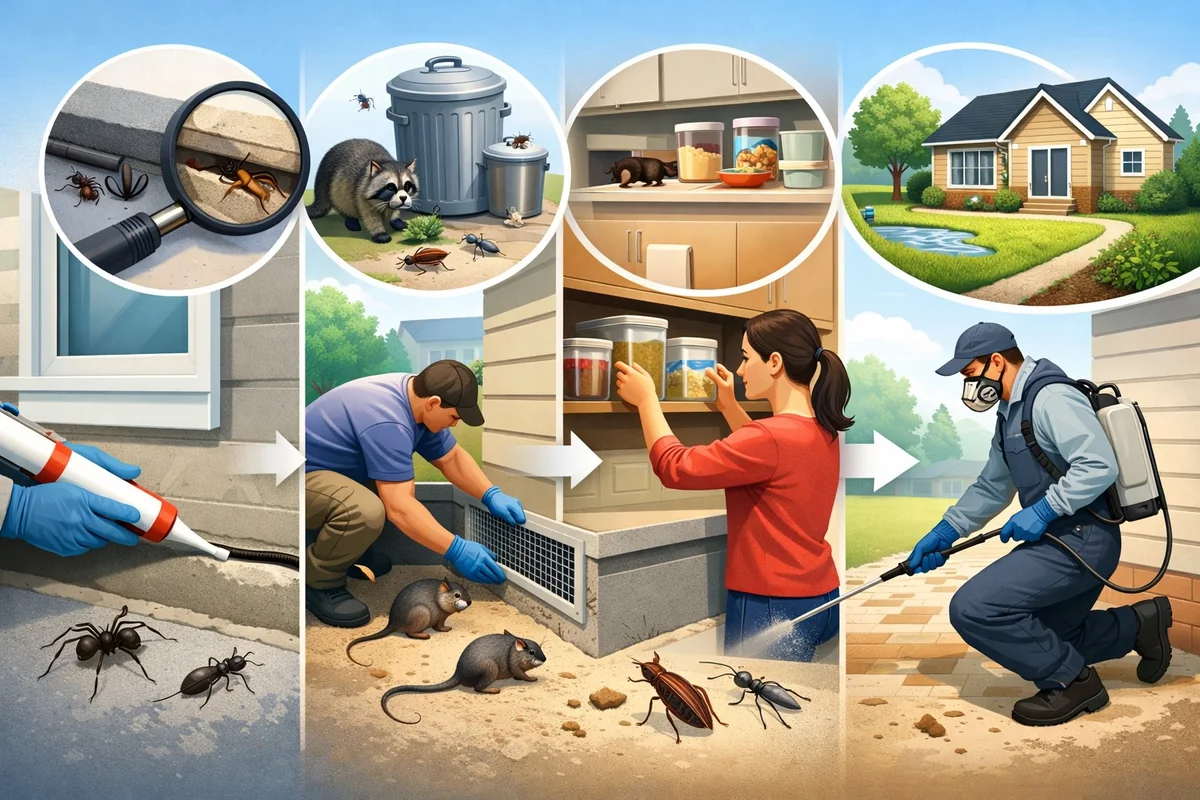
Complete Guide to Pest Prevention in Homes: Stop Pests in 2026
Protect your home in 2026 with this complete pest prevention guide. Discover proven DIY methods, room-by-room tips, safe solutions for families, and expert advice to stop pests before they start.
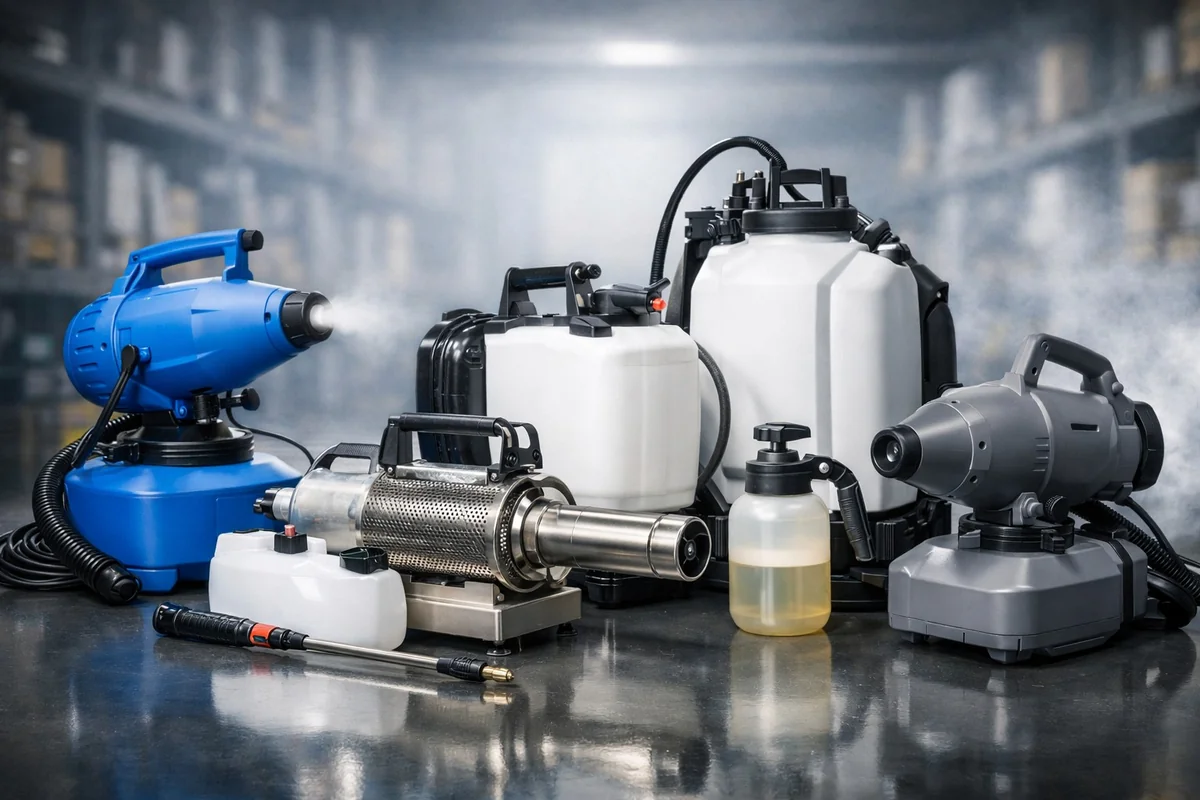
Best Pest Control Sprayers and Foggers 2026: Reviews & Buying Guide
Looking for the best pest control sprayers and foggers in 2026? Compare top-rated products, see real user reviews, and learn how to choose the right tool for your home pest problem - without hiring an exterminator.
Complete Guide to Pest Control Maintenance: Upkeep Tips & Ongoing Management 2026
Learn how to keep your home pest-free with our complete pest control maintenance guide. Discover expert pest upkeep tips, safe DIY solutions, and step-by-step ongoing pest management strategies for 2026.