DIY Pet-Safe Pest Control: Methods and Remedies That Work
DIY pet-safe pest control: sealed pet food, cleaning, sealing gaps, traps out of reach and which homemade remedies, like essential oils, can harm dogs and cats.
The best DIY pet-safe pest control removes what pests need instead of adding a chemical: sealed food storage, including pet food, fixed leaks, caulked gaps, frequent vacuuming and traps placed where pets cannot reach. Simple homemade sprays such as soapy water kill insects on contact, but many popular remedies, from essential oils to open borax baits, can harm pets more than they harm the pests.
Why DIY Methods Come First in a Pet Home
Every pest in the house is there for food, water or shelter. Take those away and the population shrinks without anything for a dog or cat to lick, sniff or step in. University of California IPM's guide to understanding pesticides puts this order into practice: identify the pest, use non-chemical methods first, and reach for the least toxic product only when those methods are not enough.
Pet homes have one problem that other homes do not: pet food. Kibble left in a bowl overnight, a torn bag in the pantry and crumbs around the feeding spot feed ants, roaches and mice as well as the dog. Fixing that alone often solves a kitchen ant problem.
When a product is needed after all, our guide to the best pet-safe pest control products covers bait stations, sprays and yard options, and the pet-safe pest control section has guides by pet and product type.
DIY Pest Control Methods That Are Safe for Pets
These methods use no insecticide at all, so they are safe for dogs, cats, birds and fish when done as described.
- Store food and pet food sealed: keep kibble and treats in airtight plastic or metal bins, not the paper bag, and pick up bowls once pets finish eating.
- Clean the feeding area daily: wipe spilled food and water from the floor and wash bowls, since crumbs and drips draw ants and roaches.
- Fix leaks and dry wet areas: roaches, silverfish and centipedes need moisture, so repair dripping pipes and run a dehumidifier in damp basements.
- Seal entry points: caulk gaps along baseboards, around pipes and at window frames, and fit door sweeps; use steel wool for holes mice might use.
- Vacuum often: vacuuming removes flea eggs and larvae, spiders, webs and crumbs; empty the canister outdoors.
- Wash pet bedding weekly: in hot water, which kills flea stages hiding in the fabric.
- Declutter: cardboard boxes and piles of paper give roaches, spiders and mice places to hide.
Homemade Remedies: What Is Safe and What Works
Homemade remedies get shared widely, but “homemade” and “natural” are not the same as safe or effective. The table shows how the common ones compare.
| Remedy | What It Does | Pet Safety |
|---|---|---|
| Soapy water spray | Kills soft-bodied insects it soaks | Low risk; wipe up residue |
| Vinegar and water | Wipes away ant scent trails | Low risk; does not kill colonies |
| Diatomaceous earth | Dries out crawling insects | Dust irritates lungs; use thin layers in gaps |
| Essential oil sprays | May repel some insects briefly | Many oils are toxic to cats |
| Homemade borax and sugar bait | Kills ants that carry it home | Open bait pets can lick; avoid |
| Boiling water | Kills ants in outdoor mounds | Burn risk; keep pets inside |
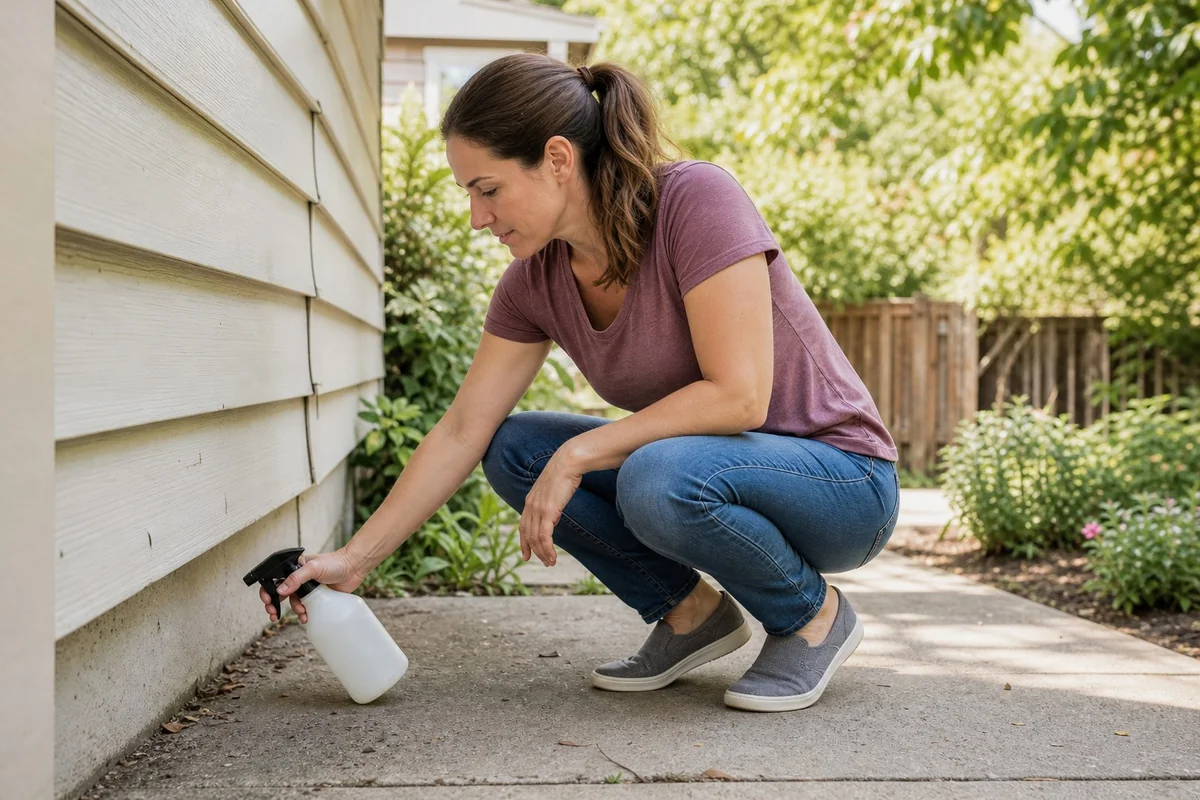
Soapy water, a teaspoon or so of plain dish soap in a spray bottle of water, is the most useful homemade spray. It kills ants, aphids and other soft insects on contact, but it leaves nothing behind, so it does not stop new ones. Vinegar is a cleaner, not an insecticide: wiping an ant trail with it removes the scent that guides other ants, which buys time while you find the entry point.
Essential oils are the remedy to treat most carefully. Peppermint, tea tree, clove, citrus and many other oils are toxic to cats, which lack some of the liver enzymes that break these compounds down, and concentrated oils can also upset dogs. Diffusing them or spraying them where cats walk and groom is not a pet-safe choice.
Homemade borax baits work on ants, but a jar lid of sweet borax syrup is exactly what a dog will lick. If you want a borax bait, a commercial station with the bait sealed inside is far safer than a homemade one.
DIY Pet-Safe Pest Control by Pest
- Ants: find the entry point, clean the trail with soapy water or vinegar, seal the gap and keep food sealed. If they return, use a bait station placed out of reach.
- Roaches: remove water and crumbs, seal gaps behind appliances, and use sticky traps under the fridge and stove to see where they hide.
- Fleas: treat every pet with a vet-recommended product, vacuum daily and wash bedding weekly. Home treatment alone does not end an infestation while pets carry fleas.
- Spiders: vacuum webs and egg sacs, reduce clutter, and fit window screens and door sweeps.
- Mice: seal holes with steel wool, store food and pet food in bins, and set snap traps inside a tamper-resistant box or behind appliances where pets cannot reach.
- Flies: pick up dog waste in the yard daily, keep trash lidded and use a fly swatter or a hanging sticky strip above pet height.
Traps are the backbone of DIY control in a pet home, since they kill without spreading anything. The trick is placement: behind and under appliances, inside cabinets with latches, or inside a covered box with openings too small for a paw or nose.
When DIY Methods Are Not Enough
Give DIY methods two to three weeks. If you still see pests daily, the colony is likely inside a wall or under the floor, out of reach of cleaning and traps. That is the point to add a low-exposure product: bait stations for ants and roaches, or a crack-and-crevice spray applied while pets are out of the room and allowed to dry before they return.
Call a professional for termites, bed bugs, large roach infestations and anything you cannot identify. Tell them about every animal in the home, including fish and birds, and ask how long pets must stay away from treated areas.
Common Questions About DIY Pet-Safe Pest Control
What is the best indoor pest control safe for pets?
What is the best indoor pest control safe for pets?
Prevention is the safest: sealed food and pet food, fixed leaks and caulked gaps. When you need more, enclosed bait stations and traps placed where pets cannot reach keep exposure lowest.
Is vinegar safe to use for pest control around pets?
Is vinegar safe to use for pest control around pets?
Diluted vinegar is low risk for dogs and cats once surfaces dry. It removes ant scent trails and cleans up crumbs, but it does not kill colonies or repel most pests for long.
How do Amish gardeners keep bugs out of the garden?
How do Amish gardeners keep bugs out of the garden?
Traditional gardens rely on methods that also suit pet yards: crop rotation, hand-picking pests, row covers, companion plants and encouraging birds and beneficial insects. None of these uses a pesticide.
Is diatomaceous earth safe for DIY pest control with pets?
Is diatomaceous earth safe for DIY pest control with pets?
It is low in toxicity, but the fine dust irritates the lungs and eyes of pets and people. Apply a thin layer into cracks and behind appliances rather than across floors, and keep pets away while you apply it.
Key Takeaways
- Removing food, water and shelter is the safest pest control in a pet home, starting with sealed pet food, clean feeding areas and caulked gaps.
- Soapy water kills insects on contact, and vinegar removes ant trails, but neither stops pests from returning.
- Essential oil remedies can poison cats, and homemade borax baits are easy for curious pets to lick.
- Traps work well around pets when they sit where pets cannot reach, such as behind appliances, inside latched cabinets or in covered boxes.
- If pests persist after two to three weeks, add enclosed baits or targeted treatments rather than more home remedies.
Related Articles
Best Pest Control Sprays Safe for Dogs: Home, Coat and Kennel
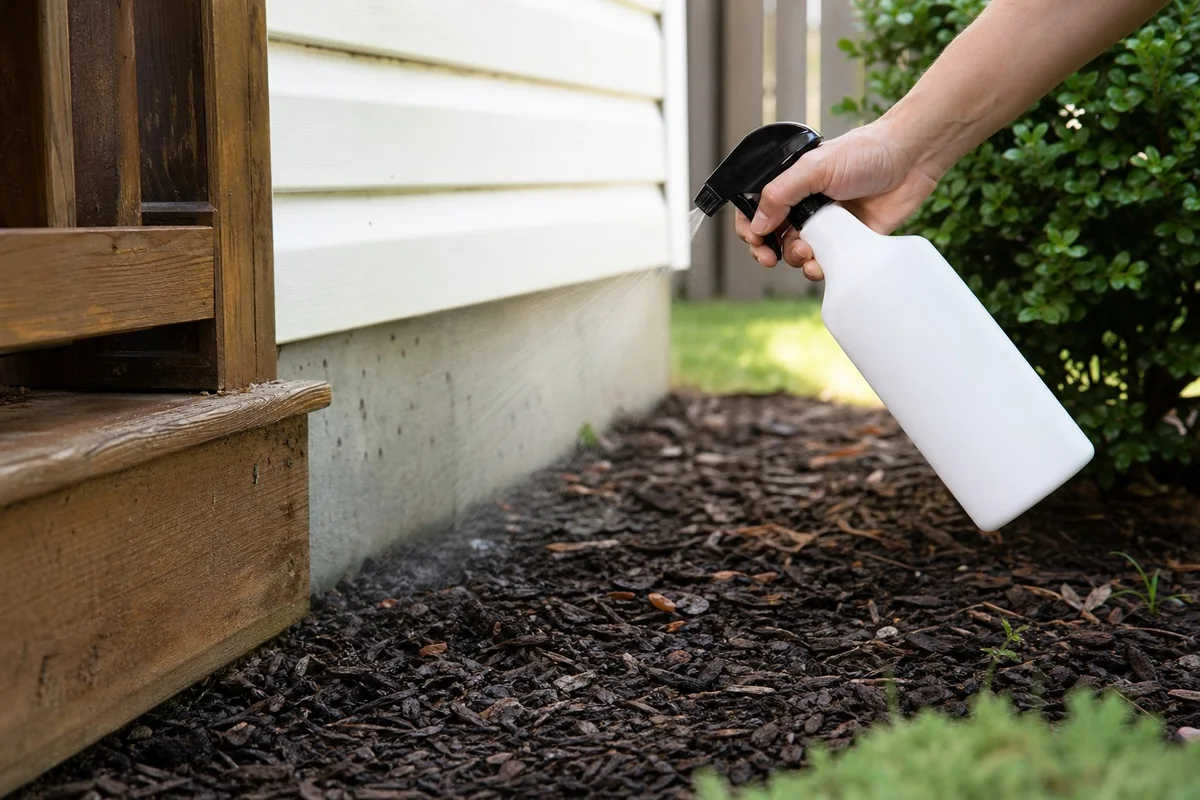
The best pest control sprays safe for dogs: STEM for the home, BugMD, Cedarcide, Wondercide and Vet's Best for coats, Absorbine for kennels, and how to spray safely.
Best Pet-Safe Pest Control Products: Baits, Sprays, Yard Options
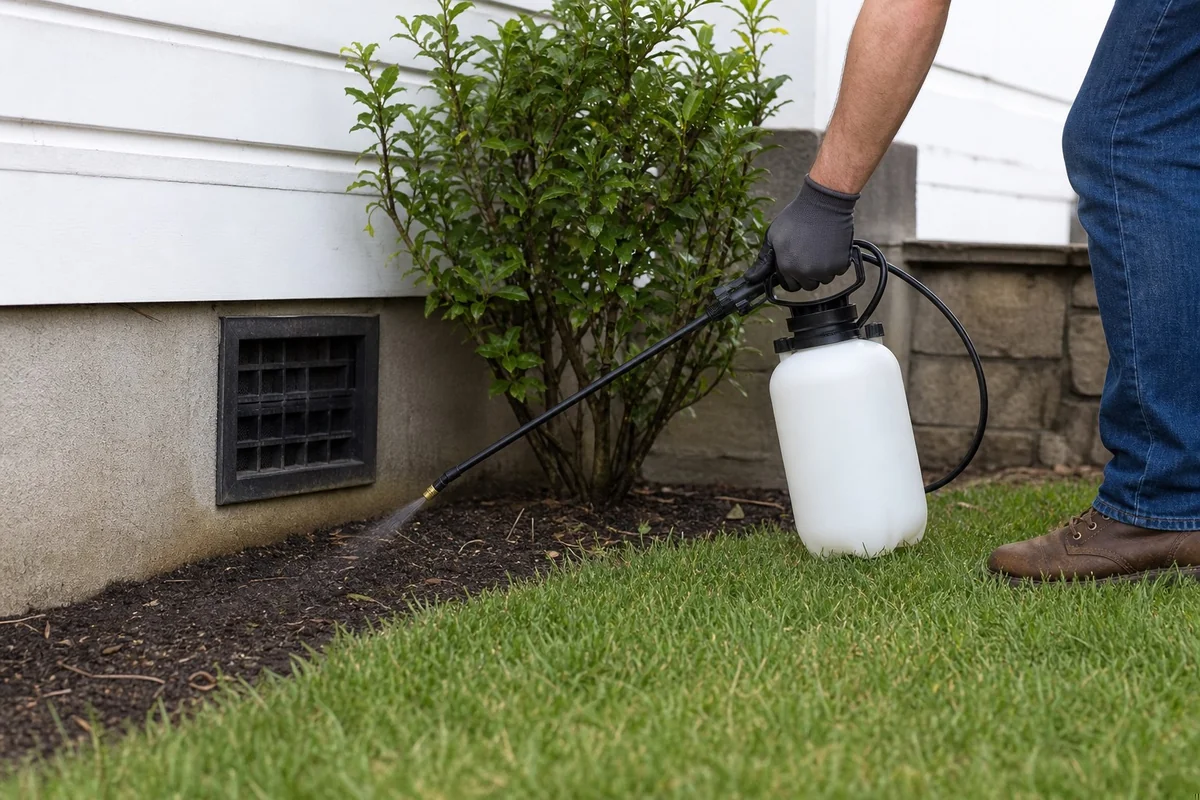
The best pet-safe pest control: TERRO and Combat bait stations, Ortho for cracks, STEM plant spray, yard dusts and granules, plus how long pets should stay away.
Natural Pest Control for Plants: DIY Methods and Safe Sprays
Natural pest control for plants: identify the pest, remove it by hand or water, make a safe soap spray, and choose soap, oil, neem or Bt for aphids, mites and more.
Natural Pest Control for the Home and Garden: What Works
Natural pest control for home and garden: prevention, beneficial insects and low-toxicity soap, oil, neem and Bt, with safety tips for pets and bees.