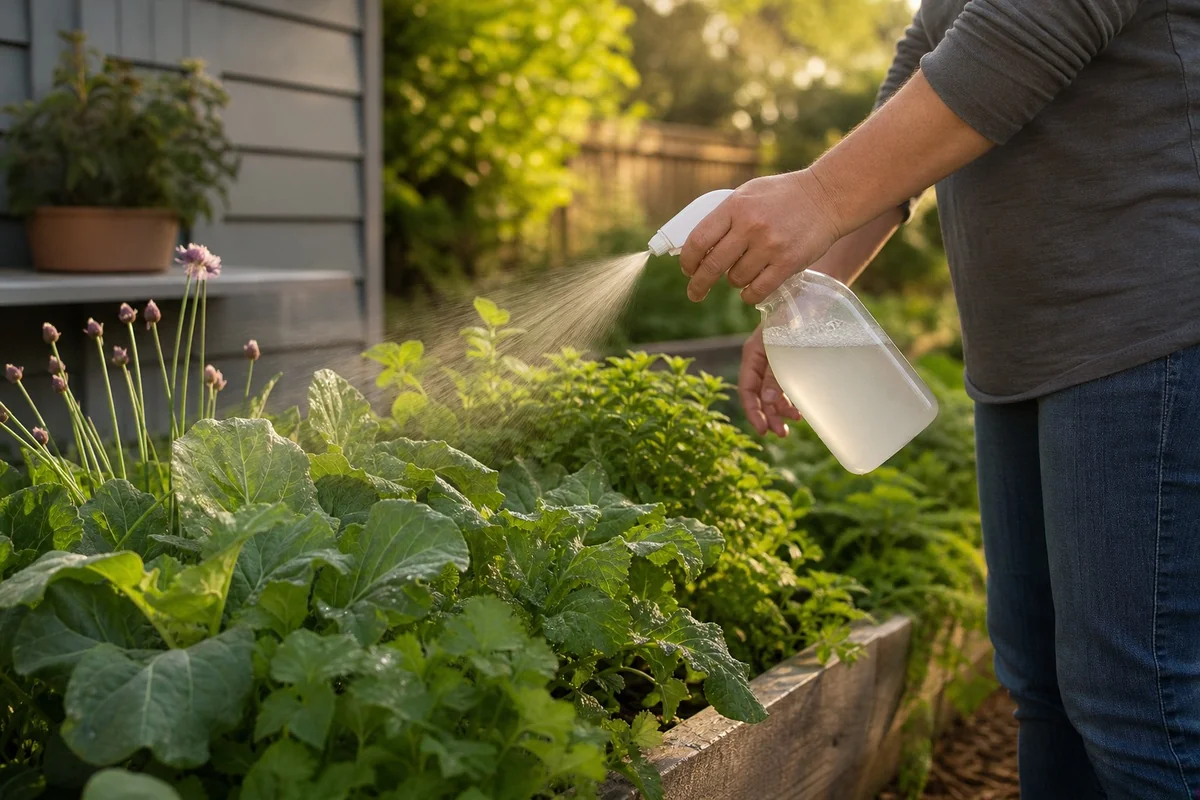

Natural Pest Control for the Home and Garden: What Works
Natural pest control for home and garden: prevention, beneficial insects and low-toxicity soap, oil, neem and Bt, with safety tips for pets and bees.
Natural pest control means managing pests with the least disruptive tools first: removing what attracts them, blocking their way in, letting predators and parasites do their work, and only then using low-toxicity products such as insecticidal soap, horticultural oil, neem, Bt or diatomaceous earth. It works best as a system, and “natural” does not mean harmless, so even plant-based products need careful use around pets, bees and fish.
What Is Natural Pest Control?
Natural pest control is less a list of products than an order of steps. Gardeners and pest managers call it integrated pest management: identify the pest, decide whether it is causing enough harm to act, prevent it with cultural and physical methods, protect the natural enemies that feed on it, and choose the least toxic product only when the first steps are not enough.
The word “natural” on a label has no legal meaning. Some natural products, such as pyrethrins from chrysanthemum flowers, kill a wide range of insects, including bees and the beneficial insects you want to keep. Others, such as many essential oil sprays, are sold as minimum-risk pesticides under an EPA exemption. The agency's page on minimum risk pesticides explains that these products are not reviewed by the EPA for effectiveness, so how well they work varies widely.
Most indoor problems respond to the same approach as garden ones. Our do-it-yourself pest control guides cover sprays, pet-safe methods and natural options for every room, and the natural pest control section collects the articles on the home, yard and plants.
Start With Prevention: Cultural and Physical Controls
Prevention costs little and leaves nothing behind. It is also the step that most often solves the problem on its own.
In the Home
- Remove food: store dry goods, pet food and birdseed in sealed containers, wipe counters at night and empty trash often.
- Remove water: fix dripping taps and pipes, dry the sink area and run a dehumidifier in damp basements.
- Seal entry points: caulk cracks along baseboards and around pipes, fit door sweeps and repair window screens.
- Reduce clutter: cardboard, paper piles and stored fabric give roaches, spiders and moths places to hide.
- Vacuum regularly: it removes insects, eggs, crumbs and pet hair from carpets and corners.
In the Garden
- Grow healthy plants: choose varieties suited to your climate and soil, and avoid heavy nitrogen fertilizer, which feeds aphids along with leaves.
- Use barriers: floating row covers keep flying pests off young vegetables, and collars of cardboard protect seedlings from cutworms.
- Hand-pick and hose off: drop beetles and caterpillars into soapy water, and knock aphids off with a strong spray of water.
- Rotate crops: moving vegetable families to new beds each year breaks the cycle of pests that overwinter in the soil.
- Clean up: remove fallen fruit, diseased leaves and boards where slugs and earwigs hide.
Our guide to natural pest control for a vegetable garden puts these steps into a season-by-season plan for edible crops.
Natural Enemies: Let Beneficial Insects Work
Most insects in a garden are harmless or helpful. University of California IPM's guide to biological control and natural enemies makes the point that a garden usually holds far more beneficial insects than pests. By its estimate, only about 1% of insects and mites are harmful. The rest include the predators, parasites and pathogens that keep pest numbers down.
- Predators: lady beetles, lacewings, syrphid fly larvae, spiders and predatory mites eat pests directly.
- Parasitoids: tiny wasps and flies lay eggs in or on pests, which die as the young develop; these wasps cannot sting people.
- Pathogens: bacteria, fungi, viruses and nematodes infect pests; some, such as Bt and beneficial nematodes, are sold as products.
The most useful thing you can do for them is avoid broad-spectrum insecticides. The same UC IPM guide warns that pyrethroids and similar products kill natural enemies present at spraying and those that arrive later, which can cause pests such as spider mites to flare. Planting a mix of flowers that bloom at different times gives beneficial insects nectar, pollen and shelter through the season.
Buying ladybugs is rarely the answer. UC IPM notes that lady beetles bought from retail outlets are unlikely to be enough in number or quality to control pests, and most fly off soon after release. Attracting and protecting the ones already in your yard works better. Our guide to the best natural pest control for the yard and garden compares products that leave beneficial insects alone.
How to Attract and Keep Beneficial Insects
- Plant small flowers: sweet alyssum, dill, fennel, cilantro, yarrow and other plants with clusters of tiny flowers feed adult parasitic wasps, lacewings and hover flies, whose larvae eat aphids.
- Keep something in bloom: choose plants that flower in spring, summer and fall so the food supply never stops.
- Leave some shelter: mulch, low ground covers and a few perennial beds give ground beetles and spiders places to hide.
- Control ants on plants: ants protect aphids and scale from predators to harvest their honeydew, so a sticky band or bait for the ants often lets lady beetles clear the aphids.
- Hose off dust: dusty leaves interfere with tiny predators and favor spider mites.
- Tolerate a few pests: predators need some prey to stay; a garden sprayed clean of every aphid has nothing to hold them.
Natural Pesticides Compared
When prevention and natural enemies are not enough, low-toxicity products fill the gap. Each works on certain pests in certain ways, so match the product to the problem.
| Product | How It Works | Best For | Caution |
|---|---|---|---|
| Insecticidal soap | Breaks down soft insect bodies on contact | Aphids, whiteflies, mealybugs, mites | No residue; can burn sensitive plants |
| Horticultural oil | Smothers insects and eggs | Scale, mites, overwintering eggs | Avoid hot weather and drought-stressed plants |
| Neem oil | Repels, reduces feeding, disrupts growth | Aphids, whiteflies, beetles, caterpillars | Slightly toxic to fish; harmful to cats |
| Bt (Bacillus thuringiensis) | Bacteria that kill larvae that eat it | Caterpillars (kurstaki), mosquito larvae (israelensis) | Each strain targets one group |
| Spinosad | Soil bacterium product; nerve action | Caterpillars, thrips, leafminers, beetles | Toxic to bees until dry; avoid flowers |
| Diatomaceous earth | Dries out crawling insects | Ants, roaches, fleas, slugs in dry areas | Works only dry; dust irritates lungs |
| Iron phosphate bait | Stops slugs and snails feeding | Slugs and snails | Keep pellets in beds, not piles |
| Pyrethrins | Fast nerve action | Many insects | Broad-spectrum; toxic to bees, fish, cats |
Contact Products vs Lasting Products
Most natural pesticides work only on contact and leave little or nothing behind. Insecticidal soap kills the aphid it soaks and nothing that lands afterward; horticultural oil smothers what it covers and then evaporates. That is why coverage matters more than strength: spray the undersides of leaves and the growing tips, where soft-bodied pests cluster, and repeat every five to seven days while pests are active, following the label.
The short life of these products is also their advantage. Beneficial insects that arrive after the spray dries are largely unharmed, so a garden treated with soap or oil keeps its natural enemies in a way a garden treated with a residual insecticide does not. Bt and spinosad are different: they work when pests eat treated leaves, which makes timing important. Apply them when caterpillars or larvae are small and actively feeding.
Neem deserves a closer look because it is so widely sold. The National Pesticide Information Center's neem oil fact sheet explains that its most active component, azadirachtin, repels insects, reduces their feeding and disrupts their growth. It breaks down quickly on leaves, so expect to reapply, and the fact sheet reports cats sickened after neem was used on them for fleas.
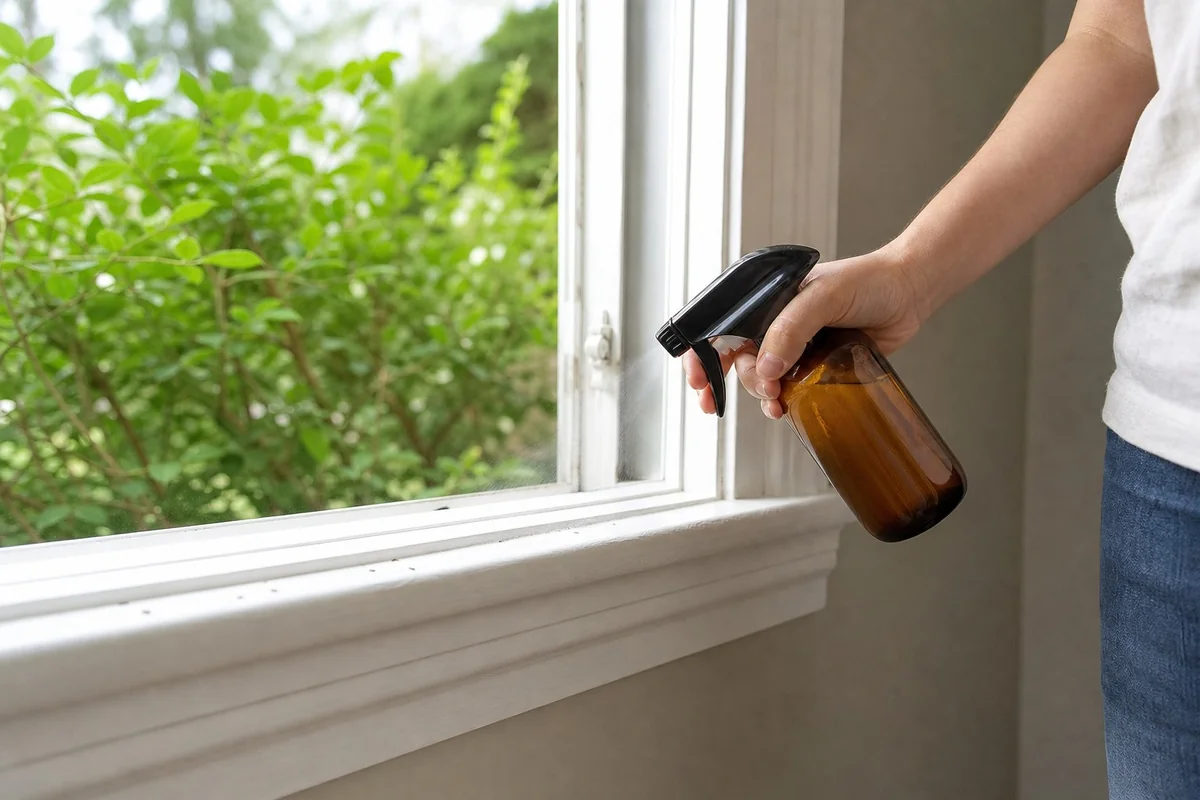
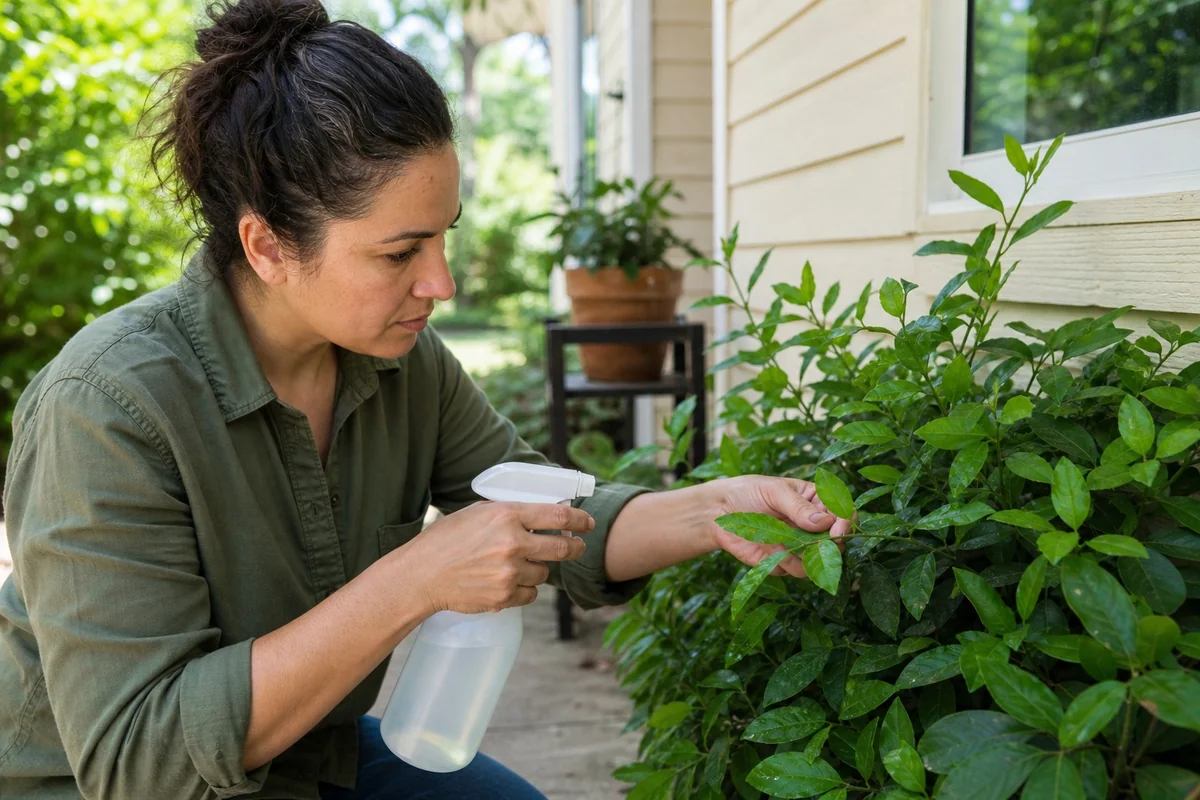
For houseplants and garden plants, our guide to natural pest control for plants explains how to use soaps, oils and neem on foliage, and the roundup of the best pesticides for plants at home compares the products. Inside the house, our guide to the best natural bug sprays for the home covers plant-oil sprays for ants, roaches and spiders.
Natural Pest Control by Pest
- Ants: clean the trail with soapy water, seal the entry and use a bait station; borax-based baits are low in toxicity but must stay out of reach of children and pets.
- Roaches: remove food and water, seal gaps behind appliances and use boric acid or diatomaceous earth in dry cracks.
- Spiders: vacuum webs and egg sacs, cut clutter and seal gaps; peppermint oil repels some species briefly but not all.
- Fleas: treat pets with a vet-recommended product, vacuum daily and wash bedding in hot water.
- Mosquitoes: empty standing water weekly and use Bt israelensis dunks in water you cannot drain.
- Aphids and whiteflies: hose them off, protect lady beetles and lacewings, and use insecticidal soap if numbers climb.
- Caterpillars: hand-pick, use row covers and apply Bt kurstaki on young larvae.
- Slugs and snails: water in the morning, remove hiding places and use iron phosphate bait.
A common question is which scents bugs hate. Peppermint, citronella, lemongrass, cedar and clove oils repel some insects for a short time, but the effect fades within hours and varies by species. Treat scents as a minor helper, never as the main defense, and keep concentrated oils away from cats.
Using Natural Products Safely
- Read the label: it lists the pests, plants and rooms the product is meant for and how long people and pets must stay away.
- Test first: spray a few leaves and wait a couple of days before treating a whole plant.
- Protect pollinators: spray in the evening when bees are not foraging, and never spray open flowers.
- Protect pets: keep cats away from essential oil products, neem and pyrethrins, and keep dogs off treated areas until dry.
- Protect water: do not spray near ponds, fish tanks or storm drains, since neem and pyrethrins harm fish.
- Skip homemade mixtures of unknown strength: soap, oil and vinegar recipes can burn plants and give unpredictable results; labeled products give a known dose.
When Natural Methods Are Not Enough
Some pests need professional help no matter how committed you are to natural methods. Termites, established bed bug infestations, large wasp or hornet nests near doors and rodents nesting inside walls are the main examples. Many pest control companies offer low-toxicity programs built on baits, heat, exclusion and targeted treatments, so ask what products they use and where before agreeing to a broad spray.
Natural methods work slower than synthetic insecticides, so start early, when pests first appear, and check plants and problem areas weekly. A few aphids or ants rarely need any treatment at all; acting at the first sign of real damage keeps the problem small without harming the insects that help you.
Common Questions About Natural Pest Control
What's the best natural pest control?
What's the best natural pest control?
Prevention: sealing entry points, removing food and water, and in the garden, healthy plants, row covers and hand-picking. When a product is needed, insecticidal soap and horticultural oil for soft insects and Bt for caterpillars are among the most targeted options.
Does natural pest control work as well as chemical pest control?
Does natural pest control work as well as chemical pest control?
It is usually slower and needs more attention, but for most home and garden pests it works when started early. Natural products have little or no residue, so expect to reapply and to combine them with prevention.
Is neem oil safe to use around bees?
Is neem oil safe to use around bees?
Neem affects insects that eat treated leaves, so bees are less exposed than with contact sprays. To be careful, spray in the evening when bees are not foraging and keep it off open flowers.
Are homemade natural pest sprays a good idea?
Are homemade natural pest sprays a good idea?
Simple mixes like plain soap and water can kill soft insects on contact, but strength varies and some recipes burn leaves. Labeled insecticidal soaps and oils give a known dose and directions, which makes them more reliable.
Key Takeaways
- Natural pest control is a sequence: prevent, protect natural enemies, then use the least toxic product that works.
- Sanitation, sealing gaps, row covers and hand-picking solve many problems without any product.
- Only a small share of insects are pests, and broad-spectrum sprays, natural or synthetic, kill the beneficial insects that control them.
- Insecticidal soap, horticultural oil, neem, Bt, spinosad, diatomaceous earth and iron phosphate each suit specific pests.
- “Natural” is not the same as harmless: protect bees, fish and cats, and follow every label.
- Termites, bed bug infestations, large wasp nests and rodents in walls usually need a professional, even in a natural-first home.
Guides in This Topic
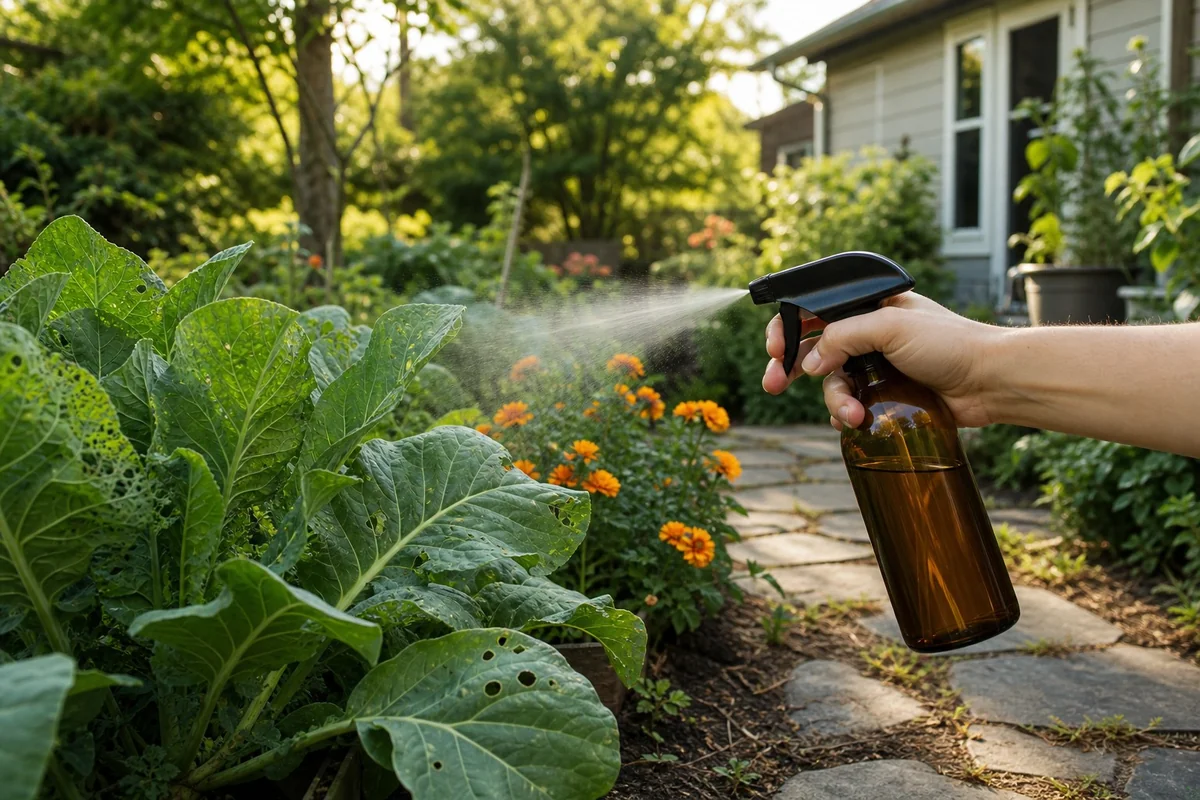 Best Natural Pest Control for the Yard and Garden: Lawn to Beds
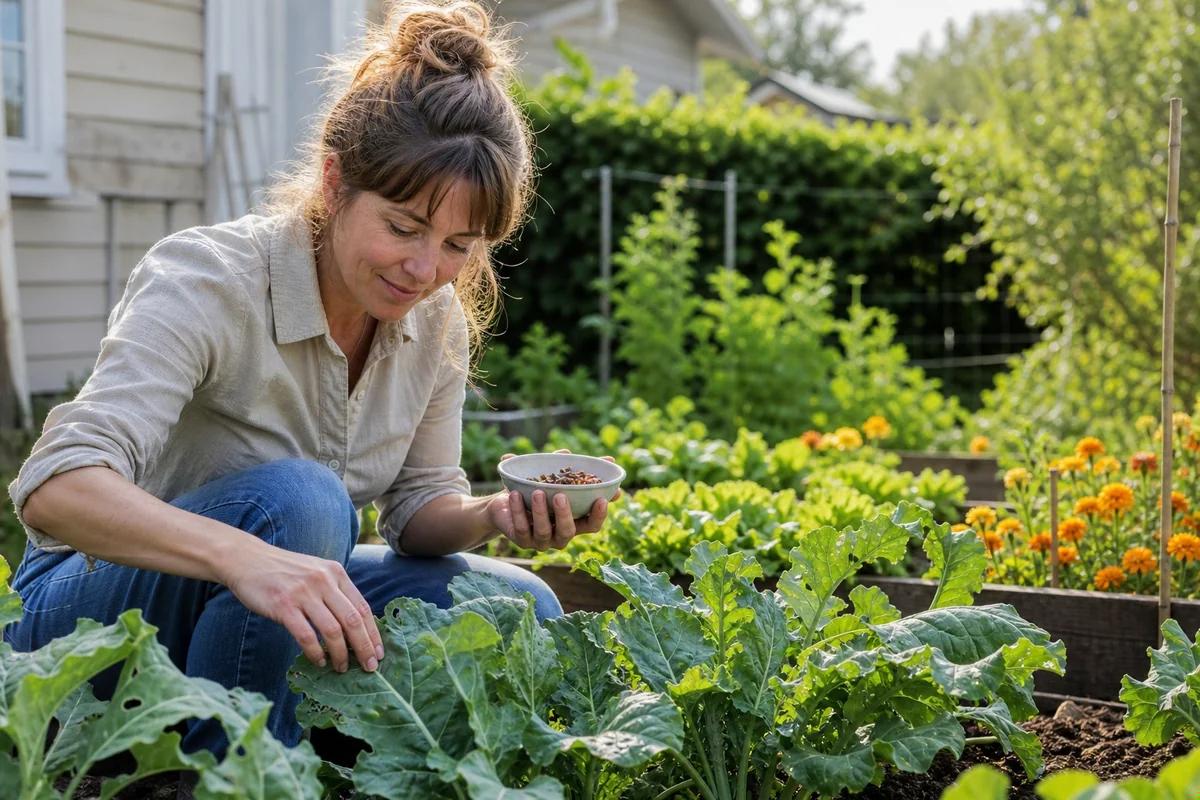 Natural Pest Control for a Vegetable Garden: A Season Plan
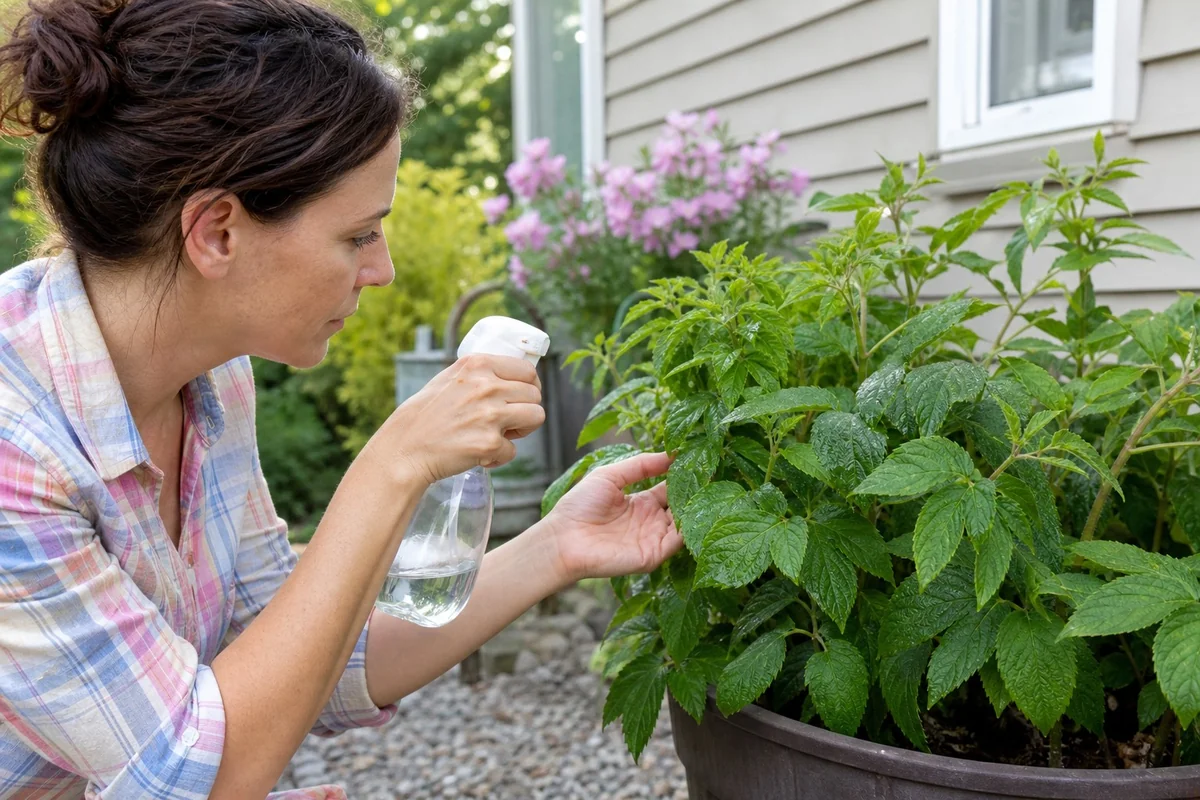 Natural Pest Control for Plants: DIY Methods and Safe Sprays
 Best Natural Bug Sprays for the Home: Contact Kill and Repellent
 Best Pesticides for Plants at Home: Soap, Neem and Systemic