Fly Infestation Signs: When to Act and How to Identify the Problem
Learn how to identify fly infestation signs in your home, spot key symptoms early, and know when to act. Protect your space with clear, practical guidance for 2026.
Fly infestation signs include frequent sightings of multiple flies indoors, maggots in hidden spots, and unusual odors or stains in kitchens or drains. These symptoms often mean flies are breeding inside your home. Recognizing and addressing them early is critical for homeowners and renters who want to avoid bigger health and nuisance problems.
What Is a Fly Infestation?
A fly infestation occurs when flies are not just entering your home from outside, but actively breeding and multiplying indoors. While it’s normal to see an occasional fly, consistent numbers - especially in the same area - signal a deeper issue. The line between a minor annoyance and true infestation comes down to numbers and persistence.
Difference Between Normal and Infestation Levels
Spotting a single fly every now and then doesn’t mean you have a problem. Flies are common and can enter through open doors or windows. But if you’re seeing five or more flies in one room on a daily basis, or you notice clusters in specific locations, that’s a red flag for an indoor breeding site.
Infestations develop when flies lay eggs on accessible organic matter - food scraps, dirty drains, or waste. Occasional fly appearances may resolve themselves, especially during spring and summer when outdoor populations spike. Persistent fly presence needs intervention, as it rarely fades without action.
Common Types of Flies in Homes
House flies, fruit flies, and drain flies are the most common culprits in homes. Each type has unique preferences for breeding and food sources, which affects where infestations start and how to handle them:
- House flies: Prefer garbage bins, food spills, and exposed waste. They’re larger and easy to spot.
- Fruit flies: Attracted to fermenting fruits, open juice containers, and sugary residues.
- Drain flies: Thrive in slow or clogged drains, feeding on decaying organic build-up.
Identifying the fly species makes removal faster and more targeted. For specific control solutions by fly type, see our Fly Control page.
Why Fly Infestations Are a Serious Problem
Flies are more than just an annoyance. They pose documented health risks and can cause property damage if left unchecked. Understanding the consequences will help you decide when it’s time to act.
Health Risks Linked to Flies
Flies are known carriers of bacteria like E. coli, Salmonella, and other pathogens. When they land on waste or decaying material and then move to your food or countertops, they transfer these germs - sometimes in seconds. This increases the risk of foodborne illness, especially in homes with young children, elderly, or immunocompromised occupants.
The fly’s feeding habits make this worse. They regurgitate digestive fluids on surfaces, which can further contaminate your food prep areas. If you’re preparing meals in a kitchen with active flies, you’re taking a real risk with your health.
Property Damage and Nuisance Factors
Fly infestations leave visible damage. Droppings create dark specks on walls, ceilings, and window sills, which are hard to clean off. Over time, these stains can become permanent, especially on porous paint or wallpaper.
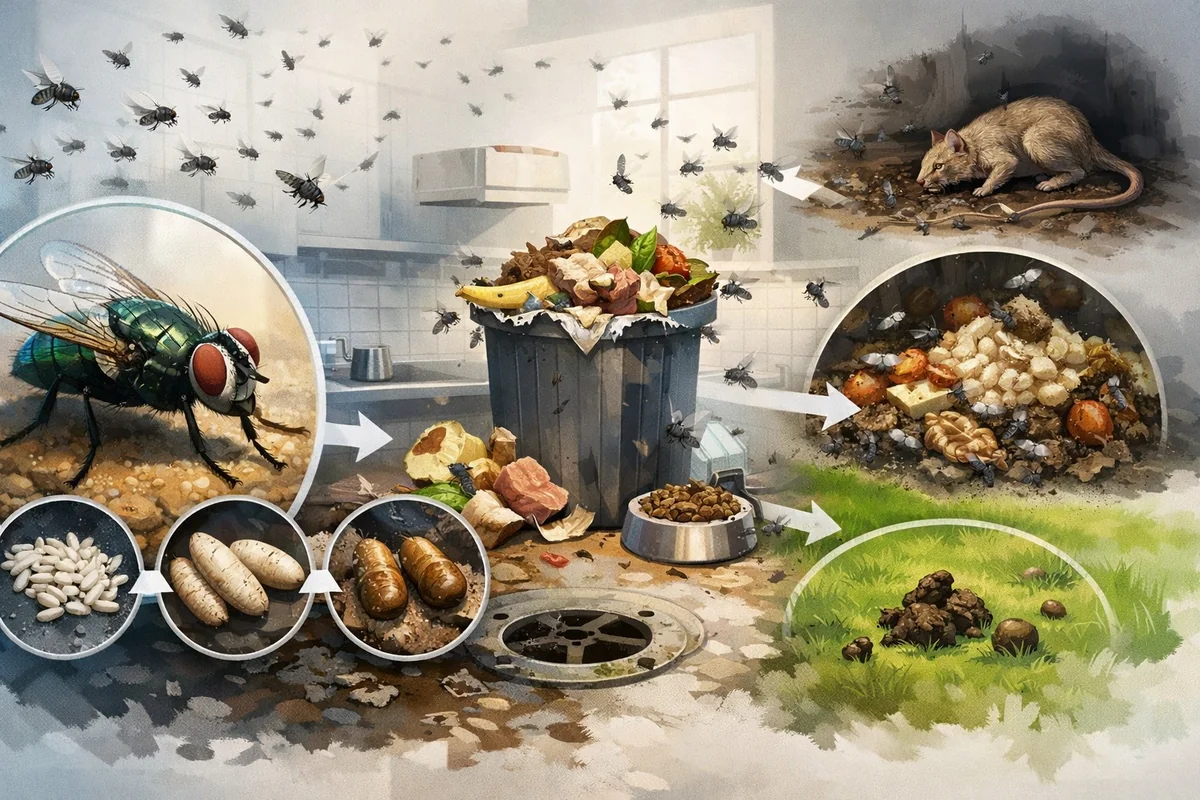
The constant buzzing, swarming, and landings disrupt daily routines and sleep. Ignoring the problem can lead to maggot outbreaks - clusters of larvae appearing in trash bins, drains, or under appliances. At that point, removal becomes much harder and often requires drastic cleaning.
Key Signs of a Fly Infestation in Your Home
Spotting fly infestation signs early lets you act before things spiral. Here are the symptoms you should never ignore:
High Numbers of Adult Flies Indoors
Seeing several flies daily - especially in the same room - means there’s likely a breeding site nearby. Pay attention to clusters of flies around windows, light fixtures, or food prep areas. Sudden spikes in fly numbers often follow a missed event, like a forgotten food spill or a clogged drain.
Maggots or Larvae in Unexpected Places
If you find maggots in trash bins, under kitchen appliances, or in drains, it’s a strong sign flies are breeding inside. Maggots are the larval stage, and their presence indicates eggs have hatched within the past 24-48 hours. Leaving maggots unaddressed allows a new generation of adult flies to emerge, continuing the cycle.
Unusual Odors or Stains
Rotting or musty smells in kitchens, pantries, or drains point to hidden breeding sites. Fly droppings leave small, dark specks on walls, ceilings, and window sills. Sticky residues or unexplained stains near food storage or trash areas also signal ongoing fly activity.
| Item | ★Detection Speed | ★Required Expertise | Coverage Area | ★Reliability | Best For |
|---|---|---|---|---|---|
| Visual Inspection | Immediate | Low | Up to 500 sq ft per check | Moderate | Homeowners spotting early signs |
| Sticky Trap Monitoring | 1-3 days | Low-Medium | Each trap covers ~100 sq ft | High | Ongoing monitoring in small to medium spaces |
| Professional Assessment | 2-4 hours per visit | High (certified technician) | Up to 2,000 sq ft per visit | Very High | Severe or recurring infestations; large properties |
Where Flies Breed and Hide Indoors
The key to breaking a fly infestation is finding and eliminating their breeding sites. Flies often lay eggs in overlooked or rarely cleaned spots, making control a challenge unless you know where to look.
Common Indoor Breeding Sites
- Kitchen trash bins - especially if food scraps are not bagged or bins are not emptied frequently.
- Compost containers or piles inside or near the home.
- Food spills and forgotten leftovers behind appliances.
- Drains in kitchens and bathrooms, where organic material builds up and feeds drain fly larvae.
- Pet waste, litter boxes, and diaper pails - flies find these irresistible if not cleaned regularly.
Hidden or Overlooked Problem Areas
- Behind, under, or inside appliances - crumbs and grease attract flies, and these areas are often skipped during routine cleaning.
- Attics, crawl spaces, and wall voids - dead rodents or birds can become fly breeding grounds without you realizing it.
- Potted plants with waterlogged soil may support fungus gnats, which are sometimes mistaken for other flies but require different treatment.
How to Distinguish Fly Infestation Signs from Similar Issues
Not every small flying insect signals a fly infestation. Accurate identification is crucial for choosing the right removal strategy.
Flies vs. Other Small Flying Insects
Fruit flies, fungus gnats, and drain flies each have different body shapes and behaviors than mosquitoes or moths. Fruit flies are tiny with red eyes and slow flight; drain flies have fuzzy, moth-like wings and hover near sinks. Mosquitoes rest with their bodies angled upward and bite humans, while moths flutter erratically and are attracted to light.
Identifying the species by size, color, and where you see them helps target your efforts. Mistaking non-fly pests for flies can waste time on the wrong control products. If you’re unsure, use sticky traps to capture a specimen and compare to online guides, or consult the resources on our Fly Control page.
Environmental Factors That Mimic Infestation
Seasonal changes - especially in spring and summer - bring more flies indoors, even in clean homes. Outdoor breeding sites like compost piles or dumpsters close to windows can also cause temporary spikes in fly numbers. After storms or nearby construction, you might see sudden fly activity that resolves itself in a few days.
If the fly problem fades after deep cleaning and removing food sources, it’s likely not a true infestation. Persistent or increasing numbers, especially with other signs like maggots or odors, mean it’s time to act.
When to Take Action Against Flies
Knowing when to act can prevent a minor fly issue from becoming a major headache. Here’s how to judge the right time for action - and when to call in professional help.
Thresholds for DIY vs. Professional Help
If you’ve deep cleaned, emptied trash, and scrubbed drains, but flies keep reappearing, you likely have a hidden breeding site. DIY methods such as cleaning, sealing entry points, and using traps usually work for small, contained outbreaks. But if you see large numbers of maggots, flies in multiple rooms, or the problem persists after several days of cleaning, it’s time for professional assessment.
If you’re dealing with a typical indoor fly problem, traps and zappers can help reduce adult numbers while you hunt for the source. For the most effective, up-to-date tools, see our in-depth review: Best Fly Traps and Zappers 2026.
Timing Matters: Why Early Action Is Critical
Flies reproduce at an alarming rate - one pair can turn into hundreds within two weeks. Early intervention stops this cycle, making control easier and lowering health risks. Delaying action almost always means more cleaning, more frustration, and potentially higher costs down the road.
Frequently Asked Questions About Fly Infestations
❓ Frequently Asked Questions
What are the main signs of a fly infestation?
What are the main signs of a fly infestation?
The main signs of a fly infestation include seeing clusters of flies, finding maggots near food or waste, noticing dark spots on walls or windows, and detecting a persistent buzzing sound indoors. Early identification helps prevent larger outbreaks. For example, small black specks on surfaces often indicate fly droppings.
How do I check for a fly infestation in my home?
How do I check for a fly infestation in my home?
To check for a fly infestation in your home:
- Inspect kitchen counters, garbage bins, and drains for adult flies or maggots
- Look for clusters of small dark spots (fly droppings) on walls and windows
- Listen for increased buzzing, especially near food sources
- Check for larvae in moist areas
A thorough inspection at dusk is often most effective.
What is the difference between a few flies and an infestation?
What is the difference between a few flies and an infestation?
A few flies indoors are usually random intruders, while an infestation means flies are breeding inside. Key differences include frequent sightings, maggots or pupae present, and clusters of flies near windows or food. Persistent fly activity over several days signals an active infestation that requires attention.
How do I get rid of a fly infestation?
How do I get rid of a fly infestation?
To get rid of a fly infestation:
- Remove all food waste and clean kitchen surfaces thoroughly
- Empty and disinfect garbage bins
- Seal entry points like windows and doors
- Use fly traps or insect light traps for monitoring
- Consider professional pest control for severe cases
Prompt action reduces health risks and prevents recurrence.
Why do I need to act quickly on a fly infestation?
Why do I need to act quickly on a fly infestation?
Acting quickly on a fly infestation prevents flies from laying more eggs, which can rapidly increase their numbers. Flies can spread bacteria and contaminate food, increasing health risks. Delays often make eradication more difficult and may require more intensive pest control methods.
How often should I check for fly infestation signs in my home?
How often should I check for fly infestation signs in my home?
It's best to check for fly infestation signs weekly, especially during warmer months when flies are most active. Regular inspection of kitchens, garbage bins, and drains helps catch problems early. If you notice any increase in fly activity, inspect immediately to prevent a larger issue.
What should I look for when choosing a pest removal service for flies?
What should I look for when choosing a pest removal service for flies?
When choosing a pest removal service for flies, consider:
- Certification: ensures compliance with safety standards
- Experience: providers with fly control expertise address infestations effectively
- Treatment methods: ask about eco-friendly or targeted options
- Reviews: positive customer feedback signals reliability
Compare at least three companies and request detailed quotes before deciding.
Key Takeaways for Homeowners and Renters
Fly infestations aren’t just about annoyance - they signal a deeper hygiene or maintenance problem. If you’re noticing more than a couple of flies daily, or you spot maggots or stubborn odors, don’t wait. These are clear infestation signs that require real action, not just a quick swat or spray.
Addressing the root cause - eliminating breeding sites and improving sanitation - offers the only reliable long-term solution. DIY traps and cleaning are effective in mild cases, but recurring or widespread infestations need professional intervention before the problem gets out of control.
Take a walk through your kitchen, bathrooms, and utility areas with a critical eye. Tackle any signs of fly activity immediately, and don’t hesitate to seek help if your own efforts stall. Acting early makes all the difference in keeping your home safe and comfortable.
Related Articles

Best Fly Traps and Zappers 2026: Expert Reviews for Every Home
Looking for the best fly traps and zappers in 2026? Discover top-rated products, expert reviews, and the most effective fly control solutions for your home - indoors and out.
Best Kitchen Pest Control Products 2026: Ant, Roach, Moth & Fly Solutions
Find the best kitchen pest control products for 2026, including safe ant baits, cockroach gels, pantry moth traps, fly solutions, and natural options. Expert advice on choosing safe, effective, and budget-friendly pest killers for food storage areas.
Guide to Identifying Household Pests: Spot, Compare, and Act on Common Pest Signs in 2026
Learn how to identify household pests quickly and accurately with our 2026 step-by-step pest identification guide. Spot common pest signs, compare DIY and professional methods, and take control of your home without costly exterminators.
Complete Guide to Pest Prevention in Homes: Stop Pests in 2026
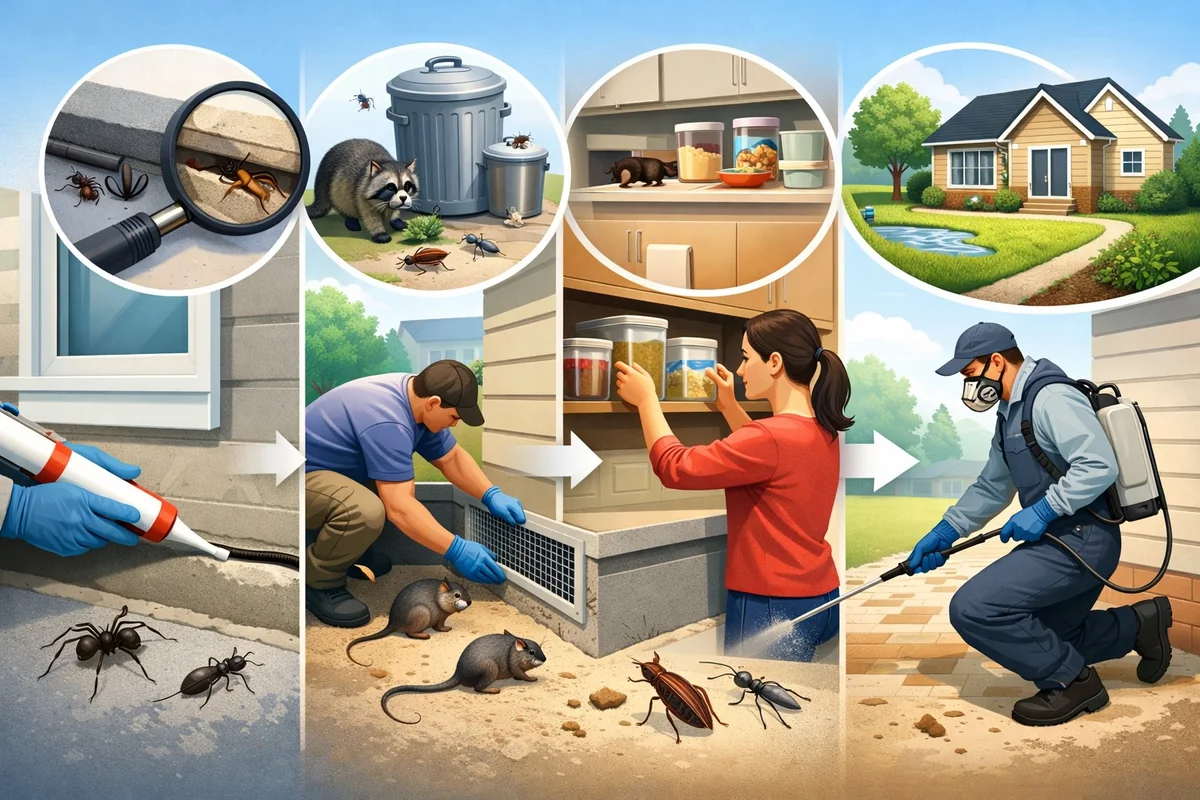
Protect your home in 2026 with this complete pest prevention guide. Discover proven DIY methods, room-by-room tips, safe solutions for families, and expert advice to stop pests before they start.