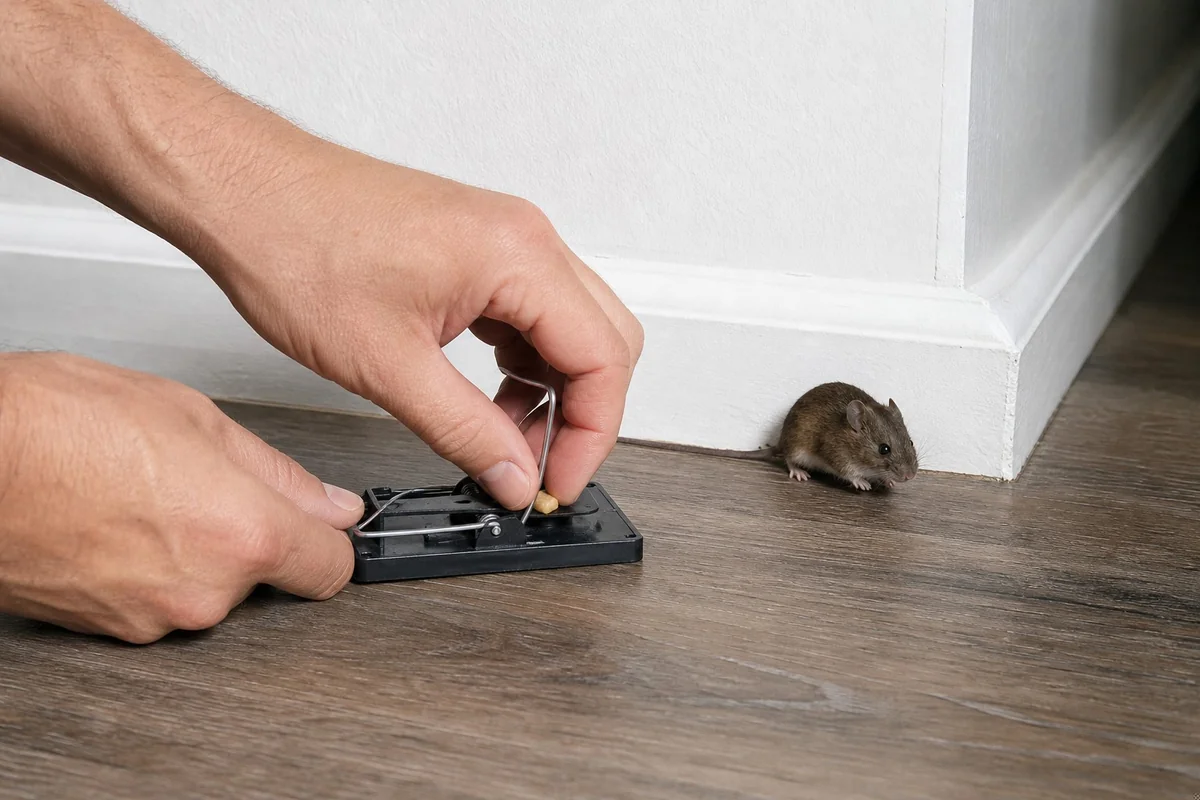

How to Get Rid of Mice in an Apartment
How to get rid of mice in an apartment: report it in writing, store food sealed, trap on the runways, seal gaps in your unit and get the building involved.
To get rid of mice in an apartment, report the problem to your landlord in writing, store every bit of food in sealed containers, set snap traps along the walls where you find droppings, and seal the gaps inside your unit around pipes, radiators and the front door. Because mice move between units, building-wide action is what keeps them from coming back.
Why Apartments Are Different
In a house, the mice in your walls are your mice. In an apartment building, they share wall cavities, pipe chases and basements with every other unit, so the mouse in your kitchen may be nesting next door or two floors down. Clearing your unit alone helps, but new mice can keep arriving through the same shared spaces.
That makes two jobs: the steps you control inside your apartment, and the steps only the building can take. Our main guide on how to get rid of mice covers trapping and cleanup in detail; this guide adapts it to renting and shared walls.
What You Need
- Snap traps, or enclosed traps if you have children or pets.
- Airtight containers for dry food and pet food.
- Steel wool and removable caulk or putty for gaps; check your lease before making permanent changes.
- A door sweep if there is a gap under your front door.
- Gloves, paper towels and disinfectant for cleanup.
- Your phone camera to document droppings, gnaw marks and catches.
It helps to know up front which parts of the job are yours and which belong to the building.
| Task | Usually Yours | Usually the Building's |
|---|---|---|
| Food storage and nightly cleanup | Yes | No |
| Traps inside your unit | Yes | Sometimes, through its pest service |
| Small gaps around pipes in your unit | Yes, with steel wool | Larger holes and repairs |
| Basement, trash rooms and shared walls | No | Yes |
| Poison bait and professional treatment | No | Yes, by a licensed service |
How to Get Rid of Mice in an Apartment Step by Step
- Report it in writing. Email or message your landlord or building manager with photos and dates, so there is a record and the building can treat shared spaces.
- Inspect your unit. With a flashlight, check under the sink, behind the stove and fridge, around radiators and pipes, in closets and at the base of the front door.
- Remove food. Move cereal, snacks, pet food and anything in paper or thin plastic into hard containers, and do not leave dishes, crumbs or pet bowls out overnight.
- Set traps on the runways. Place snap traps flat against the wall with the bait end touching it where you see droppings, with a few set in pairs.
- Seal the gaps you can reach. Pack steel wool into holes around pipes under sinks and behind appliances, and fit a door sweep if light shows under the front door.
- Clean up safely. Soak droppings with disinfectant before wiping, never sweep or vacuum them, and wash dishes stored where mice traveled.
- Check daily and keep records. Empty traps with gloves each morning, note where catches happen, and share the pattern with your landlord.
Quick Checklist
Clear mice from your unit and get the building involved so they stay out.
- Warning: Never sweep or vacuum droppings.
Sealing an Apartment Without Major Work
Mice fit through a hole about the width of a pencil, and apartments are full of them where pipes and radiator lines pass between floors. The CDC's guide to sealing up rodent entry points recommends steel wool for small holes, held in place with caulk or spray foam, and checking under and behind cabinets, around pipes and along floor drains.
- Under sinks: gaps around supply and drain pipes are the most common entry in apartments.
- Radiator and heating pipes: openings where pipes pass through the floor or wall.
- Behind the stove and fridge: holes for gas lines, water lines and outlets.
- Front door: the gap under the door to a shared hallway.
Ask before drilling or making permanent changes; steel wool, a door sweep and removable sealant are usually fine for renters. Larger holes in walls or floors are generally the building's job to repair.
Is It Unhealthy to Have Mice in an Apartment?
Mice can spread disease through their urine, droppings and saliva, and they contaminate food and surfaces. The risk is highest from droppings that are swept dry, food they have reached and living with an infestation for a long time.
Clean droppings by soaking them first, throw out food they reached and act quickly rather than waiting. More room-specific advice is in the getting rid of mice section.
Common Questions About Mice in Apartments
Is my landlord responsible for getting rid of mice?
Is my landlord responsible for getting rid of mice?
In many places, landlords must keep rental units free of pests under local housing codes, but the rules depend on your lease and your city or state. Report the problem in writing with photos, and check your lease and local tenant resources if the building does not act.
Will mice bother me while I sleep?
Will mice bother me while I sleep?
Rarely. Mice avoid people and spend the night foraging in kitchens, cabinets and walls. Keep food out of the bedroom, and set traps along walls rather than near the bed.
Is it possible to get rid of mice in an apartment for good?
Is it possible to get rid of mice in an apartment for good?
Yes, when your unit is sealed and the building treats shared spaces. If only your unit is treated, mice from neighboring units or the basement can keep coming in, which is why reporting and neighbor involvement matter.
Can I use traps if I have a cat or dog in my apartment?
Can I use traps if I have a cat or dog in my apartment?
Yes, but use enclosed tunnel or electronic traps, or place snap traps where pets cannot reach, such as behind the fridge or inside a closed cabinet. Avoid loose poison entirely in a pet home.
Key Takeaways
In an apartment, your part is food storage, traps on the runways and sealing the gaps you can reach; the building's part is treating shared walls, basements and trash areas. Both are needed, because mice move between units.
Report the problem in writing with photos, keep a record of catches, and ask neighbors to report too. If mice keep returning after several weeks, push the building for a professional treatment of the whole structure, and check your lease and local tenant resources if nothing happens.
Today, send your landlord a short written report with photos, then set your first traps tonight.
Related Articles
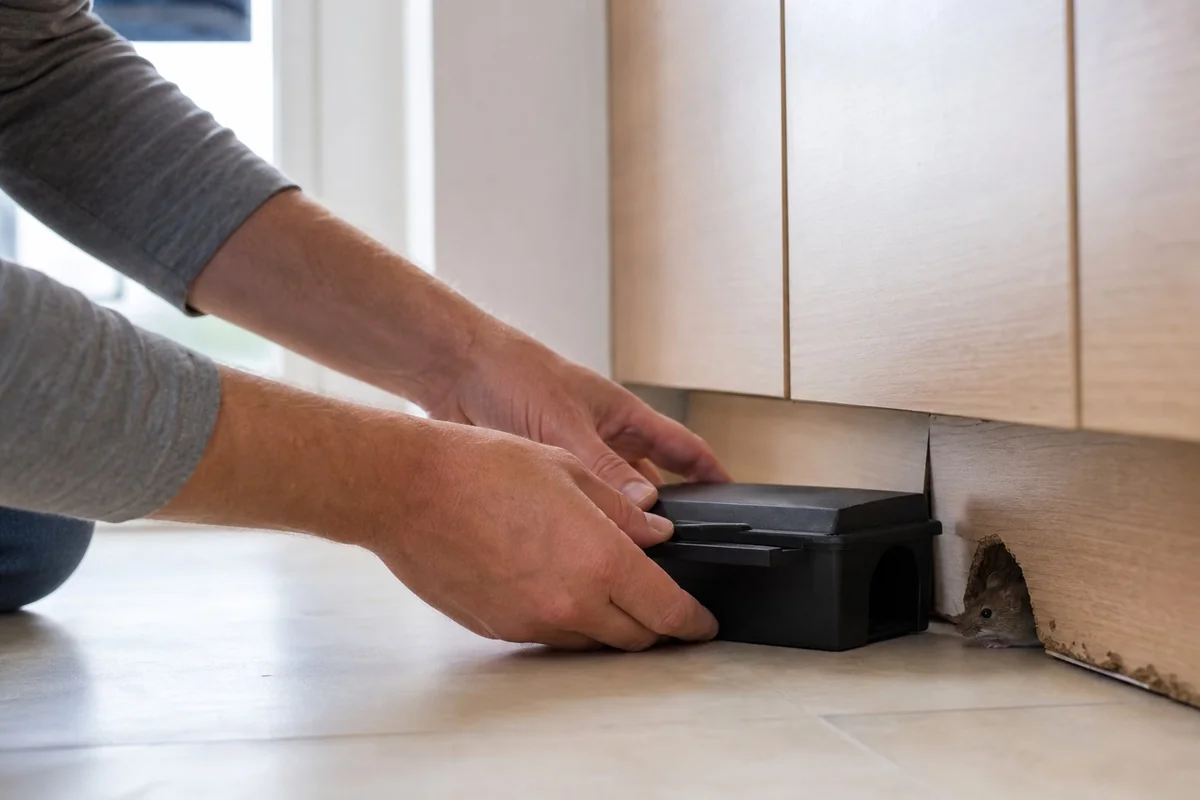
How to Get Rid of Mice in the Kitchen
How to get rid of mice in the kitchen: inspect, discard contaminated food, disinfect droppings, store food sealed, trap behind appliances and seal pipe gaps.
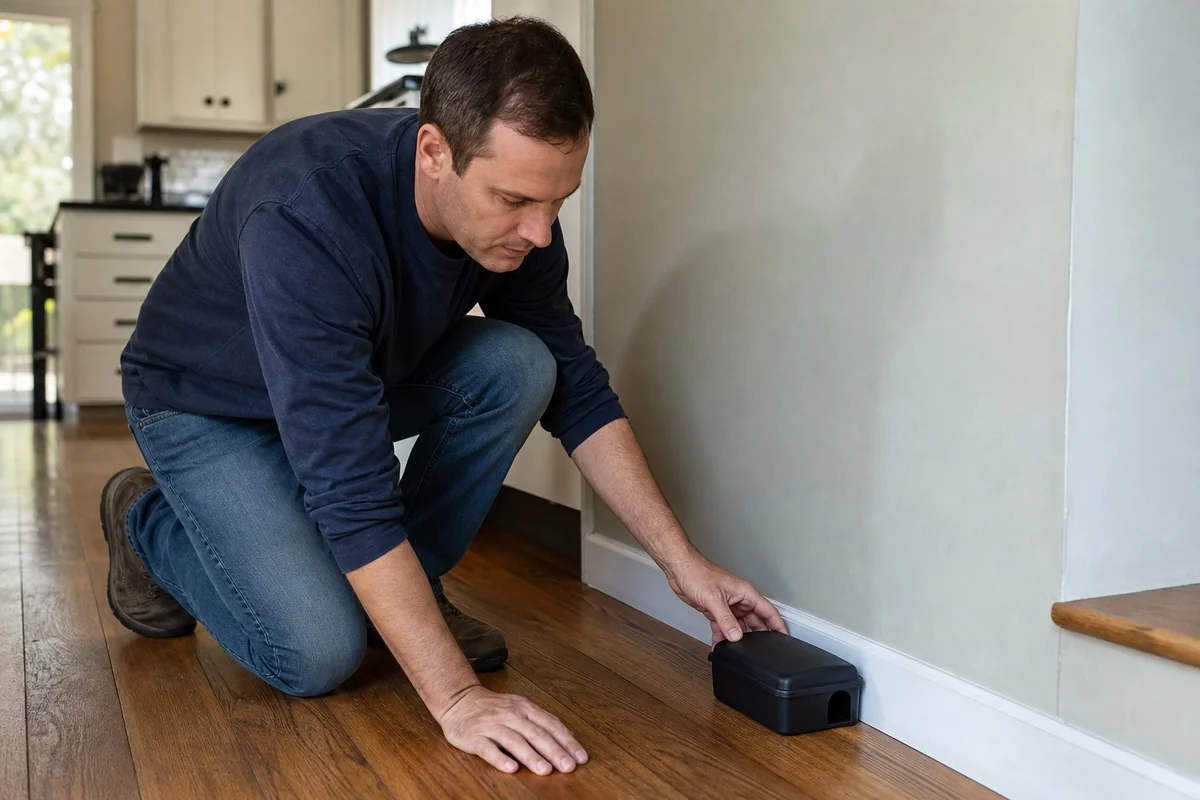
How to Get Rid of Mice in the House: A Whole-House Plan
The best way to get rid of mice in a house: map every room with droppings, trap them all at once, store food sealed and seal pencil-sized gaps outside.
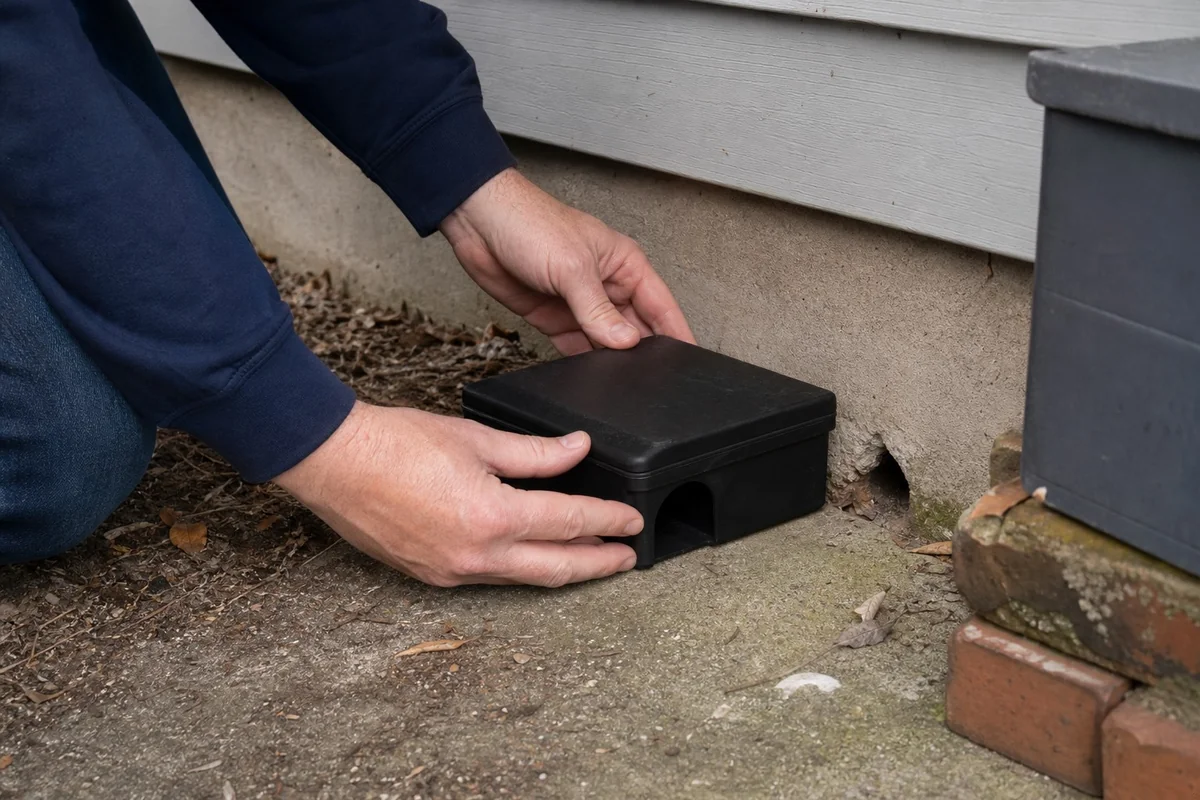
How to Get Rid of Mice: A Step-by-Step Plan That Works
How to get rid of mice for good: find their runways, set snap traps the right way, remove food, seal pencil-sized gaps and clean up droppings safely.
How to Get Rid of Mice Naturally: What Works and What Does Not
The best natural way to get rid of mice: chemical-free traps, sealed gaps and stored food. Why peppermint oil, dryer sheets and ultrasonic devices fall short.