
How to Get Rid of Mice in the Kitchen
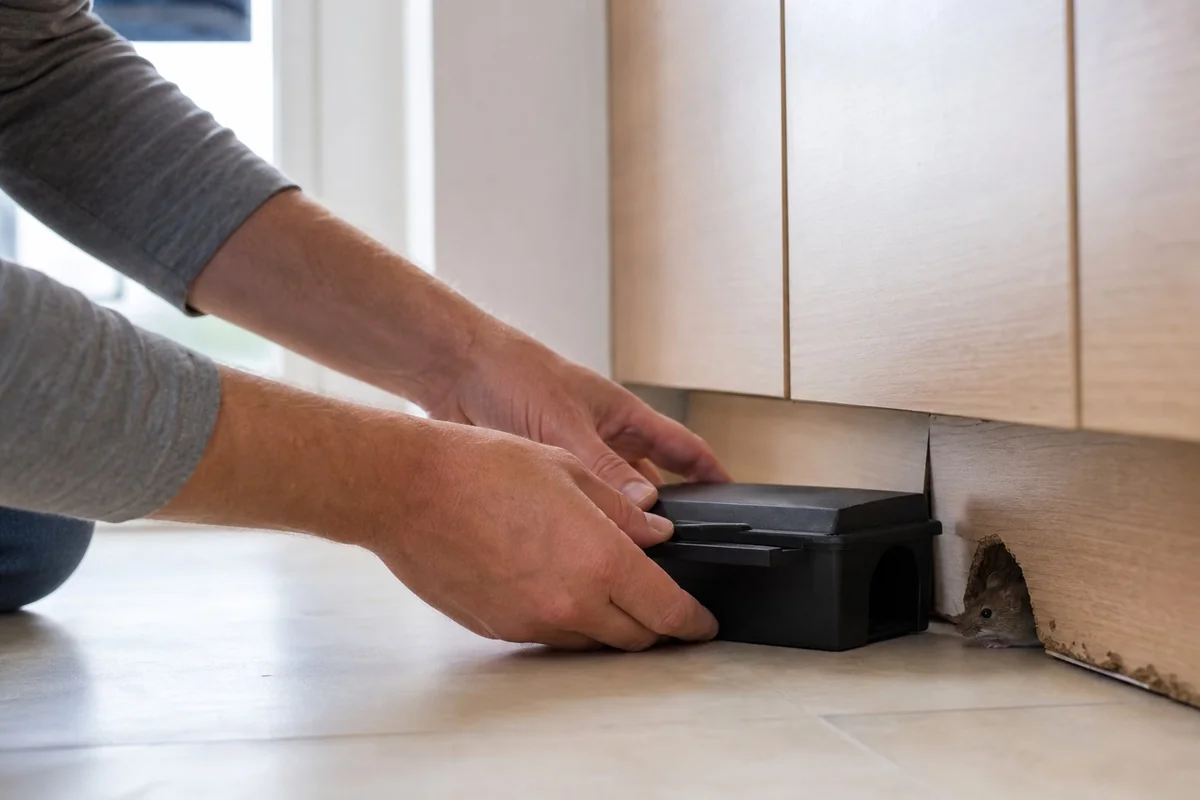
How to get rid of mice in the kitchen: inspect, discard contaminated food, disinfect droppings, store food sealed, trap behind appliances and seal pipe gaps.
To get rid of mice in the kitchen, empty and inspect the cabinets, throw out any food mice reached, disinfect droppings, move all food into sealed glass, metal or thick plastic containers, set snap traps behind the stove and fridge and under the sink, and seal the gaps around pipes. Keep the kitchen crumb-free every night until a week passes with no new signs.
Why Mice Choose the Kitchen
The kitchen gives mice everything in one room: food in cabinets and crumbs on the floor, water from the sink and dishwasher, warmth behind the fridge and stove, and hidden gaps where pipes and gas lines pass through the walls. The toe-kick space under lower cabinets is a sheltered highway that runs the length of the room.
That combination means a kitchen problem rarely ends at the kitchen door, so treat it as part of a bigger plan. Our main guide on how to get rid of mice covers the whole house; this guide focuses on the steps specific to cooking and food storage areas.
What You Need
- Snap traps, or enclosed traps if children or pets use the kitchen.
- Airtight containers in glass, metal or thick plastic with tight lids.
- Disposable gloves, paper towels and a spray bottle of bleach solution or household disinfectant.
- Steel wool and caulk or spray foam for gaps around pipes.
- A flashlight for checking behind appliances and inside the toe-kick space.
- Peanut butter for bait.
Before you start, decide what stays and what goes. Use this as a quick guide for food and kitchen items mice may have reached.
| Item | Keep or Discard | What to Do |
|---|---|---|
| Opened bags and boxes with gnaw marks | Discard | Bag and throw away |
| Unopened cans and sealed glass jars | Keep | Wipe the outside with disinfectant |
| Fruit and vegetables left out | Discard if nibbled | Store the rest in the fridge |
| Dishes and utensils near droppings | Keep | Wash in hot, soapy water |
| Pet food bags | Discard if chewed | Move new food into a sealed bin |
How to Get Rid of Mice in the Kitchen Step by Step
- Empty and inspect. Take everything out of lower cabinets and the pantry, and check behind the stove, fridge and dishwasher with a flashlight for droppings, gnaw marks and nesting material.
- Throw out what mice reached. Discard any food with gnaw marks, droppings or torn packaging, including bags of flour, cereal, rice and pet food.
- Disinfect before you wipe. Air out the kitchen, spray droppings and urine with a bleach solution until soaked, wait, then wipe up with paper towels; never sweep or vacuum them.
- Move food into sealed containers. Store dry goods, snacks and pet food in glass, metal or thick plastic with tight lids, and keep fruit in the fridge.
- Set traps where mice run. Place snap traps behind the stove and fridge, under the sink and at the back of lower cabinets, flat against the wall with the bait end touching it.
- Seal the gaps. Pack steel wool into holes around water pipes, drain lines and gas lines, then seal it in with caulk or spray foam.
- Close the kitchen every night. Wipe counters and sweep crumbs, empty the trash into a bin with a tight lid, and do not leave dishes or pet bowls out overnight.
- Check traps every morning. Empty catches with gloves, rebait, and keep going until a full week passes with no catches and no fresh droppings.
Quick Checklist
Clear mice from the kitchen and keep food areas safe.
- Warning: Never sweep or vacuum droppings.
Cleaning Up Safely in a Food Area
The kitchen is the one room where cleanup mistakes put food at risk. The CDC's rodent cleanup instructions call for airing the space for 30 minutes, wearing rubber or plastic gloves, and soaking droppings with 1.5 cups of household bleach in 1 gallon of water for 5 minutes before wiping them up.
After the droppings are gone, wash counters, shelves and the insides of cabinets with disinfectant, and wash any dishes, utensils or pans that were stored where mice traveled. Throw away the paper towels and gloves in a sealed bag, then wash your hands with soap and warm water.
Sealing the Kitchen Against Mice
Mice can squeeze through a hole about the width of a pencil, and kitchens are full of them. According to the CDC's guide to sealing up rodent entry points, the places to check include under and behind cabinets, around pipes and along floor drains.
- Under the sink: gaps where the water supply and drain pipes enter the wall or floor.
- Behind the stove: the opening for the gas line or power cord.
- Behind the fridge: the water line for the ice maker and any holes in the wall behind it.
- Dishwasher and toe kicks: gaps where cabinets meet the floor and wall.
Use steel wool for small holes, held in place with caulk or spray foam, and hardware cloth or metal for larger ones. For the rest of the house, including the attic and garage, see the room guides in the getting rid of mice section.
Common Questions About Mice in the Kitchen
Why can I hear mice in my kitchen walls?
Why can I hear mice in my kitchen walls?
Mice nest and travel inside wall cavities, especially where pipes and wiring run between the kitchen and other rooms. Scratching at night usually means a runway or nest nearby; set traps on the cabinet floor and behind appliances along that wall, and seal pipe gaps.
Do mice travel alone?
Do mice travel alone?
Seldom for long. One mouse in the kitchen often means others nearby, because mice breed quickly and nest in groups. Trap as if there are several until a week passes with no catches and no fresh droppings.
Do I need to wash dishes stored where mice were?
Do I need to wash dishes stored where mice were?
Yes. Wash dishes, pans and utensils from any cabinet or drawer with droppings in hot, soapy water before using them, and disinfect the shelf before putting them back.
Can mice get into the fridge or oven?
Can mice get into the fridge or oven?
Rarely into a closed fridge, but they often nest in the warm space behind or under it and in the insulation and storage drawer of an oven. Check those spaces with a flashlight and set traps behind the appliances rather than inside them.
Key Takeaways
A kitchen stays mouse-free when it offers nothing to eat and no way in: food sealed in hard containers, crumbs and trash dealt with every night, and gaps around pipes packed and caulked. Traps behind the appliances and under the sink remove the mice already there.
Throw out anything mice reached, and clean droppings by soaking them first rather than sweeping. If droppings keep appearing after two to three weeks, look for a missed gap behind an appliance or call a professional.
Start tonight by emptying the lowest cabinet and the pantry floor and setting your first traps behind the stove and under the sink.
Related Articles
How to Get Rid of Mice in an Apartment
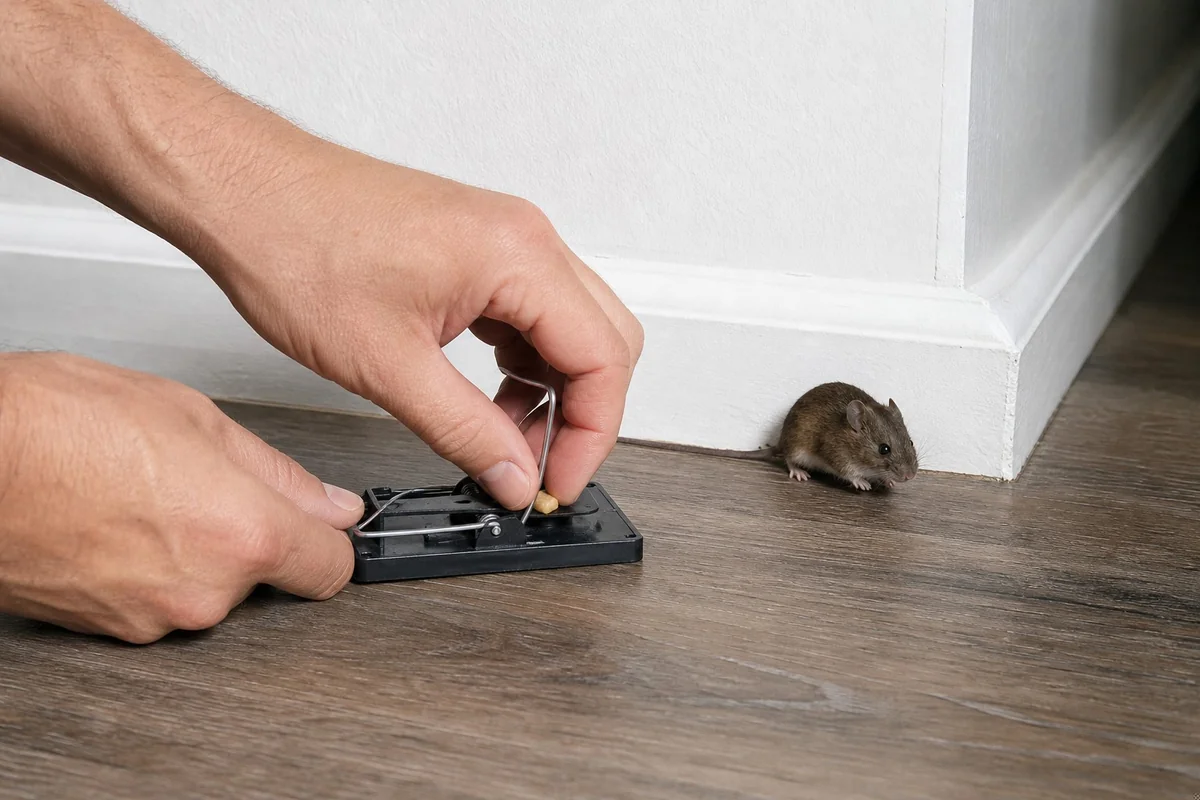
How to get rid of mice in an apartment: report it in writing, store food sealed, trap on the runways, seal gaps in your unit and get the building involved.
How to Get Rid of Mice in the House: A Whole-House Plan
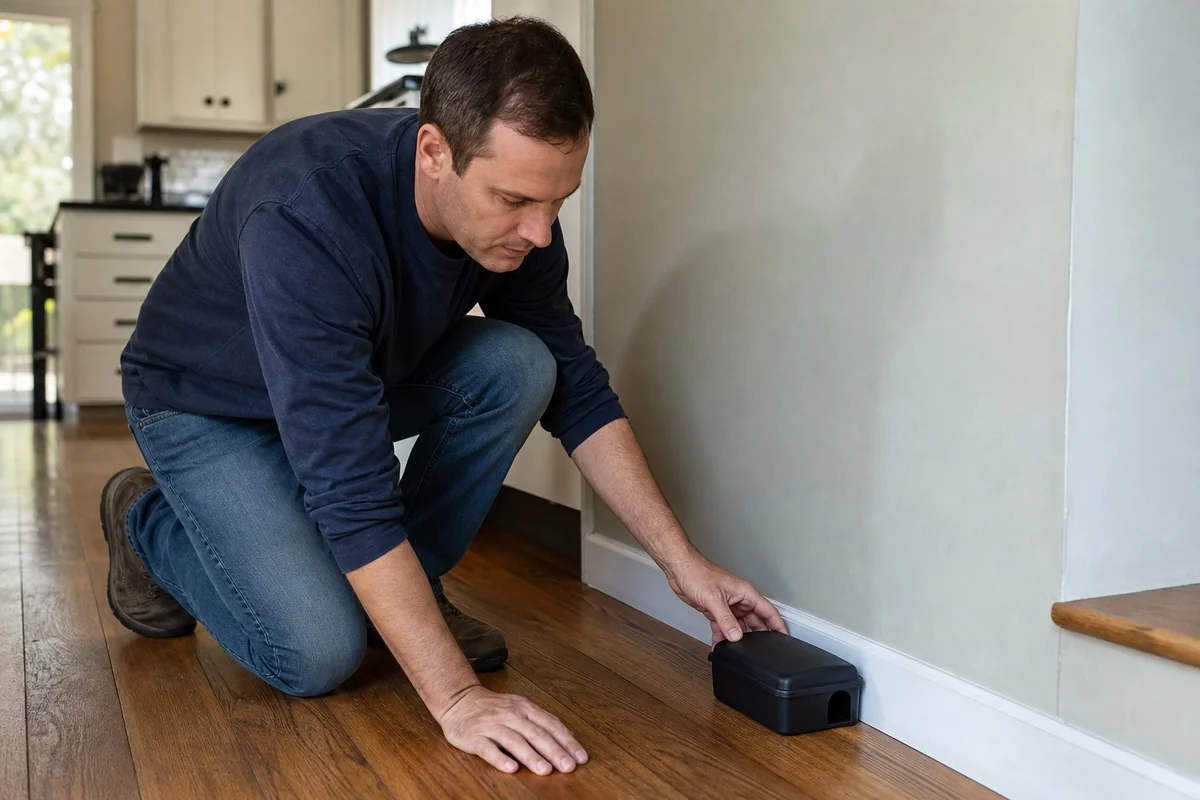
The best way to get rid of mice in a house: map every room with droppings, trap them all at once, store food sealed and seal pencil-sized gaps outside.
How to Get Rid of Mice: A Step-by-Step Plan That Works
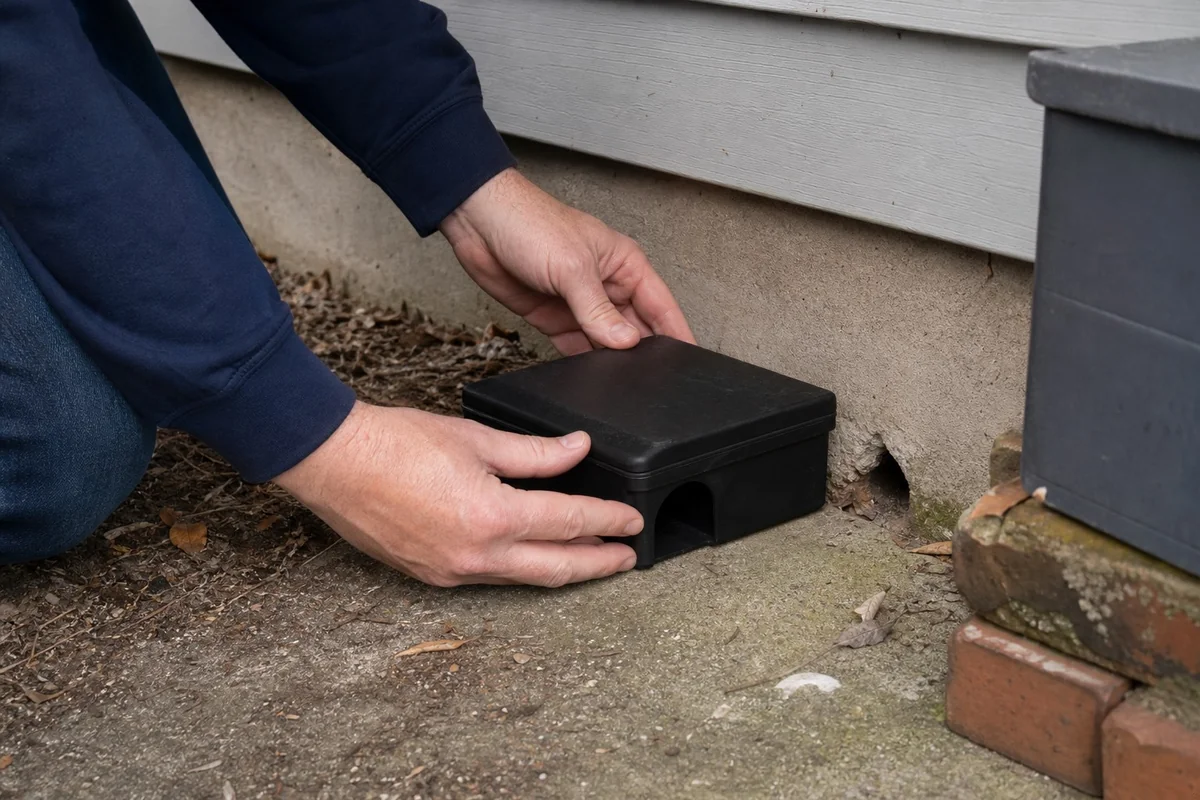
How to get rid of mice for good: find their runways, set snap traps the right way, remove food, seal pencil-sized gaps and clean up droppings safely.
How to Get Rid of Mice Naturally: What Works and What Does Not
The best natural way to get rid of mice: chemical-free traps, sealed gaps and stored food. Why peppermint oil, dryer sheets and ultrasonic devices fall short.