
Homemade Mouse Trap Bait: Easy Recipes That Work
How to make homemade mouse trap bait: peanut butter and oat bait balls, a peanut-free fat version, and nesting material bait, plus mistakes to avoid.
To make homemade mouse trap bait, mix chunky peanut butter with a little rolled oats and a few seeds into a stiff dough, roll it into pea-sized balls and press one into each trigger. Keep the rest sealed in the fridge. For a peanut-free version, use chilled bacon grease instead, or tie dental floss to the trigger.
What Makes a Good Homemade Bait
A good mouse bait does three things: it smells strong enough to pull a mouse to the trap, it stays stuck so the mouse has to work at it, and it lasts a few days without drying out or spoiling. Plain peanut butter does the first two well, which is why it is the base of most homemade recipes.
Adding oats and seeds makes it better. Mice naturally eat seeds and grains, and the extra texture gives the mouse something to pick at, keeping it on the trigger longer. UC IPM's house mouse guide also notes that the best bait is often the food mice are already eating, so a crumb of whatever they have been chewing in your pantry is worth mixing in.
For baits matched to each trap type, see our guide to the best mouse trap bait; the mouse trap bait section collects the rest.
What You Need
- Chunky peanut butter, or bacon grease or other animal fat for a peanut-free batch.
- Rolled oats and sunflower seeds or plain birdseed.
- A crumb of the mice's current food, if you found chewed packages.
- A small bowl and spoon, plus a sealed jar for storage.
- Disposable gloves for baiting traps.
- Unflavored dental floss or cotton balls for a food-free nesting bait.
That short list covers the three recipes below. The table shows which one fits your situation, so you can choose the best mouse trap bait for mice the DIY way before you start mixing.
| Homemade Bait | Base | Best For | How Often to Refresh |
|---|---|---|---|
| Peanut butter and oat balls | Chunky peanut butter | Most homes and snap traps | Every day or two |
| Fat and oat bait | Chilled bacon grease or drippings | Peanut-free homes | Daily, since fat spoils |
| Nesting bait | Dental floss or cotton | Cold months, food-shy mice, pet homes | When chewed or dirty |
How to Make Peanut Butter and Oat Bait Balls
- Scoop the base. Put a heaping spoonful of chunky peanut butter in a small bowl; chunky holds seeds better than smooth.
- Stir in oats. Add rolled oats a pinch at a time until the mixture is stiff enough to hold a shape but still sticky to the touch.
- Add seeds and familiar food. Stir in a few sunflower seeds or birdseed, and a crumb of whatever the mice have been eating.
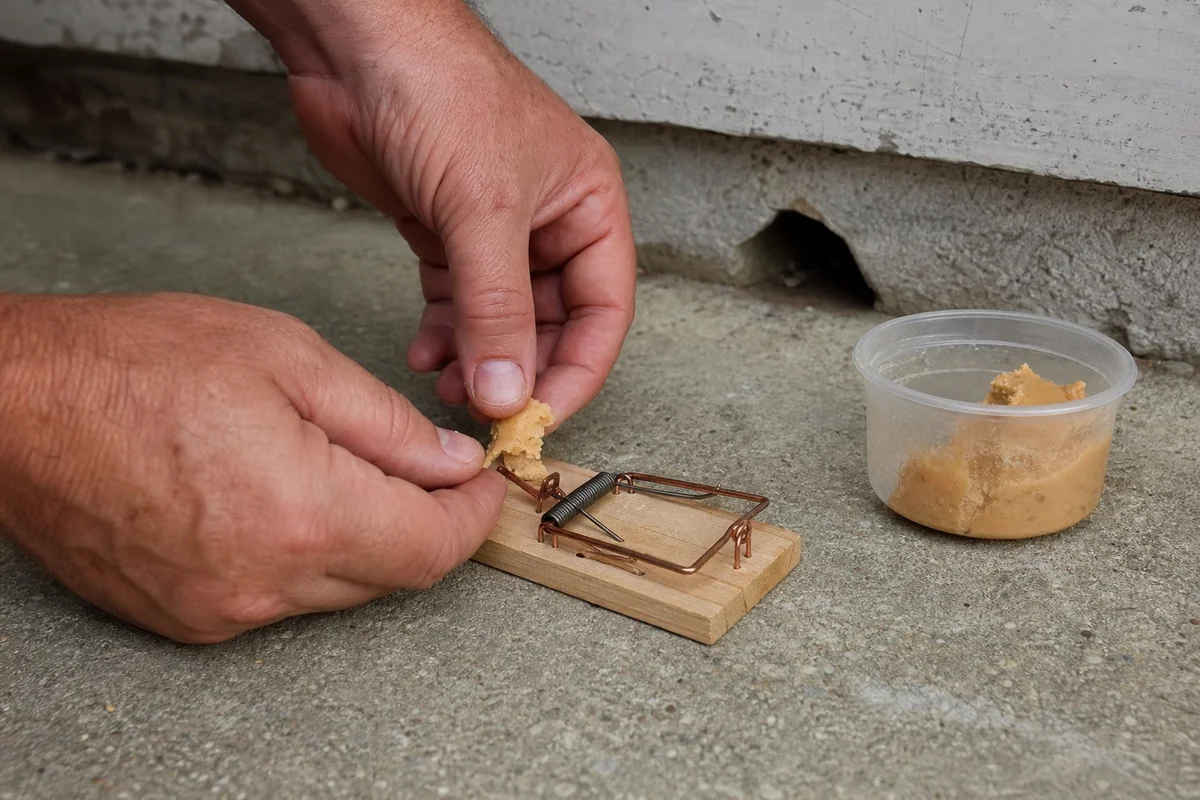
- Roll pea-sized balls. Wearing gloves, roll small balls about the size of a pea; larger pieces let a mouse feed without springing the trap.
- Press one into each trigger. Push the ball firmly into the bait cup or onto the pedal, toward the back, so the mouse must reach across the trap.
- Store the rest. Keep extra balls in a sealed jar in the fridge and use them within a few days, replacing the bait on each trap when it looks dry.
Peanut-Free Homemade Bait
If peanut butter is not an option, animal fat makes the best food base. The CDC's trapping guidance names mutton fat alongside chunky peanut butter as working best on snap traps, and bacon grease behaves much the same way.
- Let bacon grease or meat drippings cool until soft but not liquid.
- Mix in a few oats and seeds, as with the peanut butter recipe.
- Chill the mixture in the fridge until firm, then pinch off pea-sized pieces.
- Press a piece into each trigger and refresh it every day or two, since fat spoils faster than peanut butter.
Fat-based bait smells strong to pets, so use it only in traps dogs and cats cannot reach.
Nesting Material Bait
Bait does not have to be food. UC IPM notes that reproductive females are highly motivated to build nests, so a little cotton or dental floss can work as bait, especially in colder months when mice move indoors.
- Dental floss: wrap unflavored floss several times around the trigger and knot it, so a mouse has to tug at it.
- Cotton ball: pull off a small tuft and wedge it firmly under the bait clip or into the cup.
- Combination: wrap floss over a dab of bait, so a mouse that ignores the food may still go for the floss.
Nesting bait never dries out or spoils, and it does not tempt pets the way food does.
Common Mistakes With Homemade Bait
- Bait balls too big: the mouse eats around the edge and leaves; keep them pea-sized.
- Mixture too dry: crumbly bait falls off; add more peanut butter or fat until it sticks.
- Old bait left on traps: it loses its smell and attracts insects; replace it every day or two.
- Cheese instead of a sticky base: hard cheese dries out and is easy to pull off; use it only crumbled into peanut butter or fat.
- Adding household chemicals: homemade “poison” mixes are unreliable and dangerous to children and pets; let the trap do the killing.
Common Questions About Homemade Mouse Bait
How long does homemade mouse bait last?
How long does homemade mouse bait last?
Peanut butter bait balls keep for a few days in a sealed jar in the fridge, and fat-based bait for a little less. On a trap, replace any bait that looks dry, dusty or licked thin, usually every day or two.
Can I add sugar or honey to homemade bait?
Can I add sugar or honey to homemade bait?
A little can help, since many mice like sweet foods, but honey and sugar make bait runny and attract ants. If you add sweetness, stir in a small amount and add extra oats to keep the mix stiff.
Is homemade bait safe around pets?
Is homemade bait safe around pets?
The food itself is not toxic, but dogs and cats are drawn to peanut butter and fat, and the danger is the trap. Use baited traps behind appliances, inside cabinets or in enclosed traps pets cannot reach.
Does homemade bait work for rats too?
Does homemade bait work for rats too?
Yes, rats take peanut butter, fat and seeds as well. Use rat-size traps, and because rats are wary of new objects, leave baited but unset traps out for a few nights before setting them.
Key Takeaways
A stiff mix of chunky peanut butter, oats and seeds, rolled into pea-sized balls, is the most practical homemade bait. Chilled animal fat replaces the peanut butter when needed, and floss or cotton works when mice ignore food.
Size and freshness matter more than the recipe. Keep each piece small, press it firmly into the trigger, and swap it out every day or two. If one bait sits untouched for several nights while droppings keep appearing, change the bait before you move the trap.
Tonight, mix a small batch, bait three traps with three different versions, and keep the winner for the rest of the house.
Related Articles
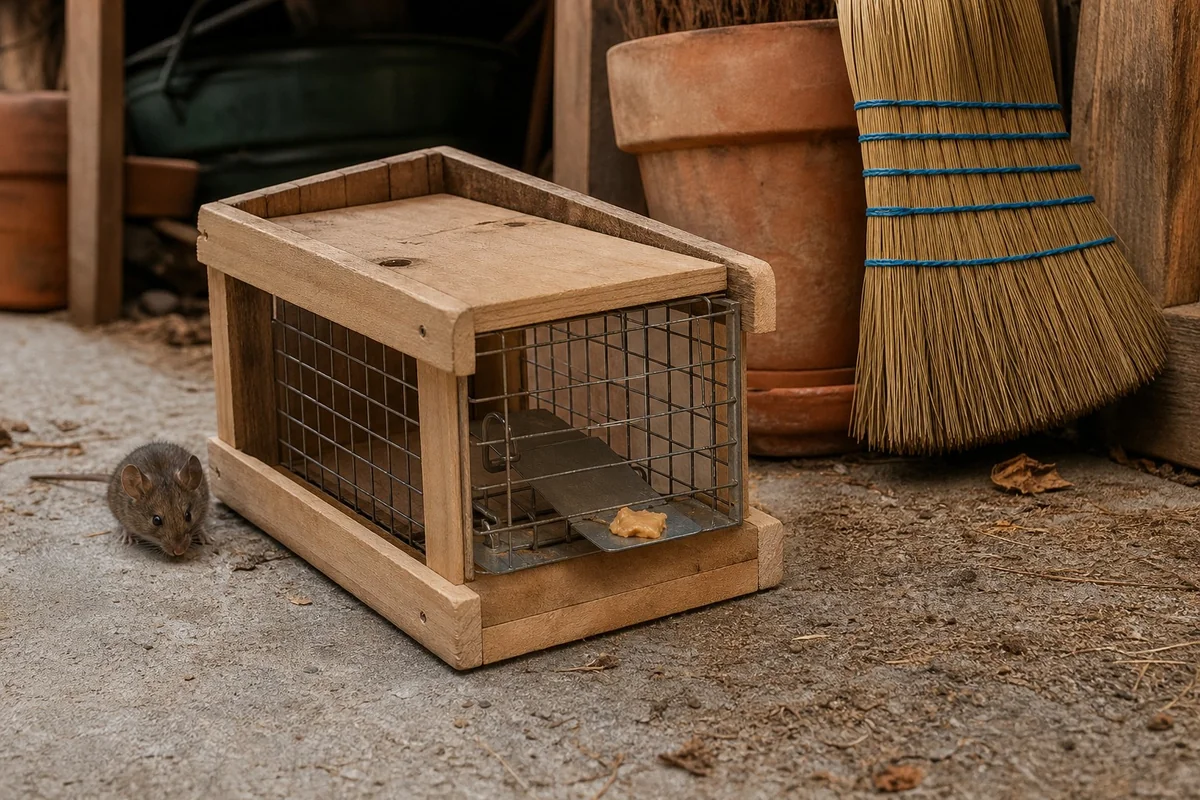
Best Bait for Live Mouse Traps: Non-Toxic Picks
The best bait for live mouse traps: non-toxic Tomcat and Provoke attractants, kitchen baits that work as well, and how to place bait past the trigger.
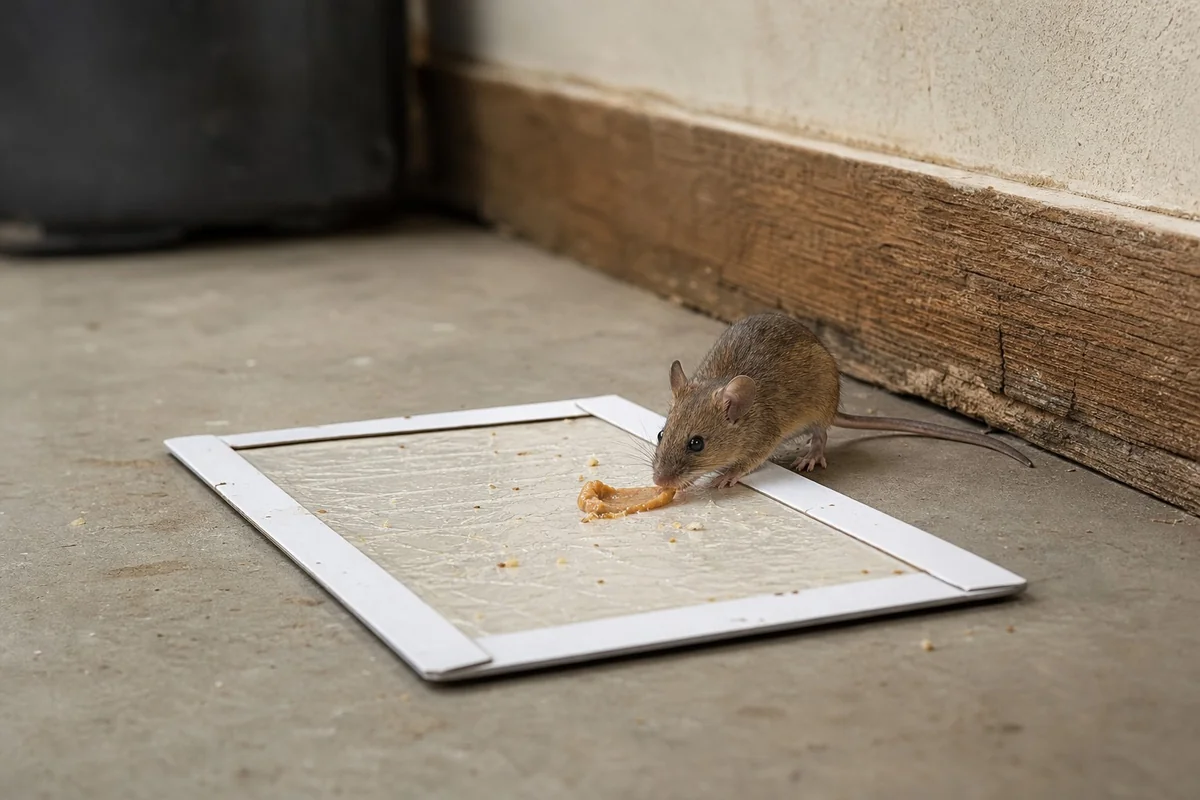
Best Bait for Glue and Sticky Mouse Traps
Do glue traps need bait? Most do not. When to bait a sticky mouse trap, what to use, where to put it, and why adult mice often avoid glue boards.
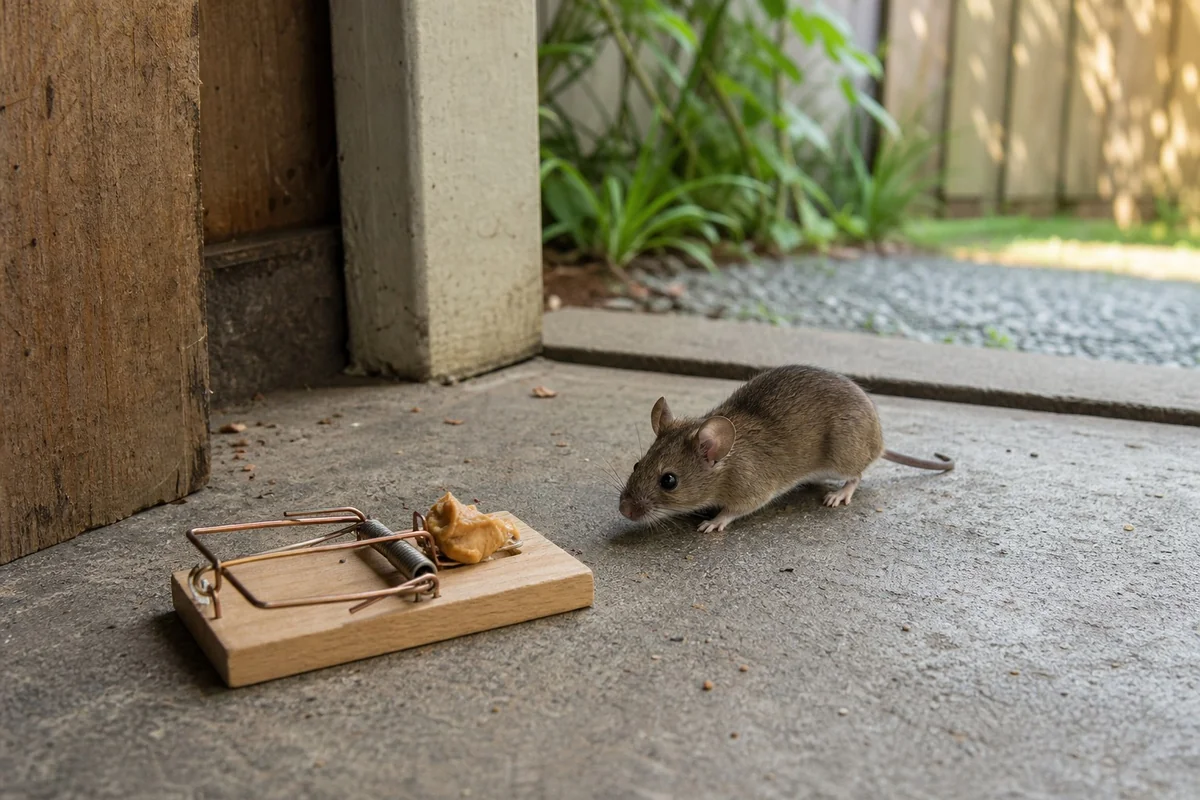
Best Mouse Trap Bait: What Works and How Much to Use
The best mouse trap bait is a pea-sized dab of chunky peanut butter or the food mice already eat. Bait by trap type, why peanut butter fails and what to try instead.
Best Mouse Trap Bait Besides Peanut Butter
The best mouse trap bait besides peanut butter: the food mice already eat, animal fat, dental floss, seeds, and peanut-free Provoke and Tomcat attractants.