
Best Mouse Trap Bait: What Works and How Much to Use
The best mouse trap bait is a pea-sized dab of chunky peanut butter or the food mice already eat. Bait by trap type, why peanut butter fails and what to try instead.
The best mouse trap bait is a small amount of chunky peanut butter or, even better, the food your mice are already eating. Nesting material such as a cotton ball or dental floss also works well, especially in colder months. How much bait you use and where it sits on the trap matter as much as which bait you choose.
Why the Amount of Bait Matters More Than the Type
Mice are nibblers. UC IPM's house mouse guide describes them eating many small meals through the night, often carrying food away to eat somewhere hidden. A mouse that can grab a chunk of bait and leave never has to stand on the trigger.
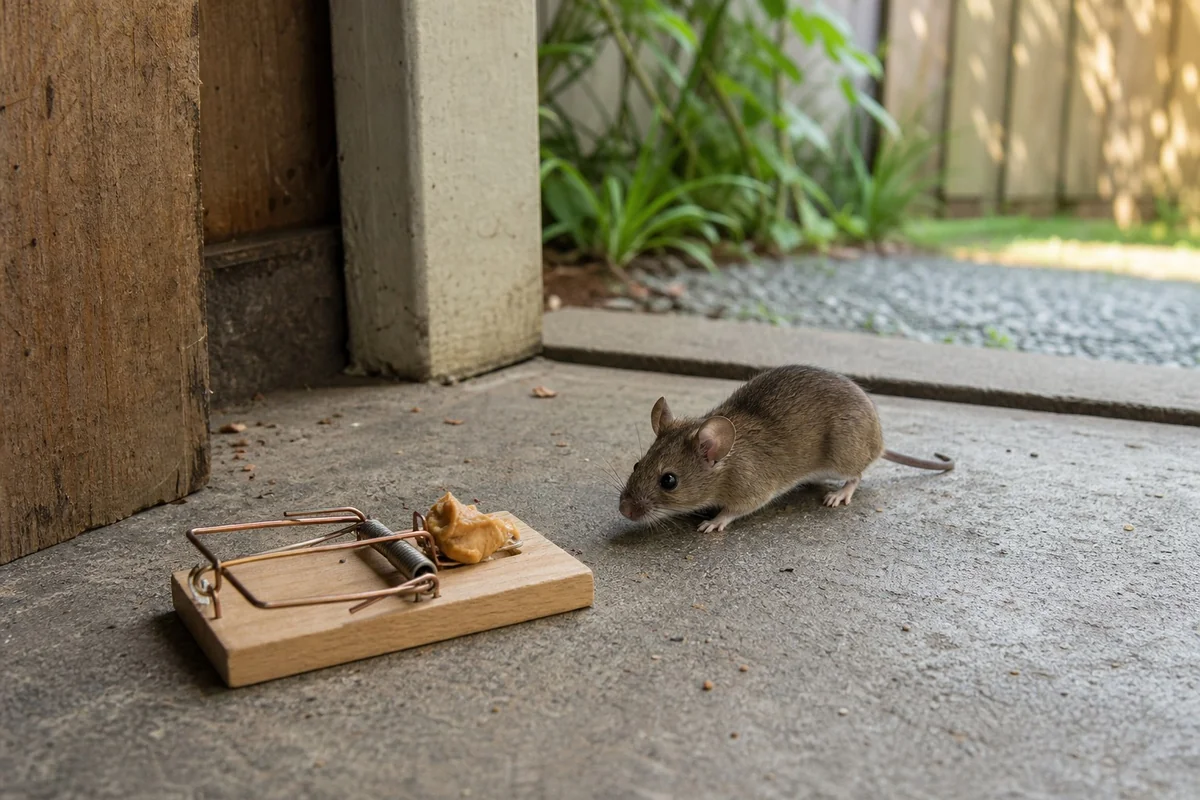
That is why the same guide warns that with too much bait, a mouse may be able to remove it without setting off the trap. A pea-sized amount pressed onto the trigger plate forces the mouse to stay and work at it, which is exactly what springs the trap.
Bait is one part of a trapping plan; our overview of mouse and rat control covers traps, placement and sealing, and the mouse trap bait section gathers every bait guide on the site.
The Best Mouse Trap Baits Compared
House mice are omnivores that eat whatever is available, from cereals and seeds to insect larvae, so many foods can work. The table compares the baits with the clearest support and the situations where each one fits.
| Bait | Why It Works | Best Use | Drawback |
|---|---|---|---|
| Chunky peanut butter | Strong smell, sticks to the trigger | Snap traps, first choice for most homes | Allergy concern in some households |
| Food the mice are already eating | Matches what they have learned to trust | Mice ignoring peanut butter | You have to find out what they are eating |
| Nesting material (cotton ball, dental floss) | Appeals to females building nests | Colder months, mice ignoring food | Must be wound or tied onto the trigger |
| Mutton fat or other animal fat | Rich, strong-smelling food | Snap traps where peanut butter is unwanted | Spoils faster than peanut butter |
| Seeds and oats | Natural foods mice already seek out | Mixed into a sticky base | Loose seeds can be taken without a trigger |
The CDC's trapping guidance names chunky peanut butter or mutton fat as working best on snap traps, in a small amount on the bait pan. UC IPM adds that the most effective bait is often the food mice are already eating, which is why a look at chewed packages in your pantry can point you to a better bait.
If someone in your home has a peanut allergy, our guide to the best mouse trap bait besides peanut butter covers the alternatives in detail, and homemade mouse trap bait shows how to mix sticky baits from kitchen staples.
How to Bait a Mouse Trap With Peanut Butter
Peanut butter is the default for good reason: it smells strong, stays put and costs almost nothing. Baiting it well takes about a minute per trap.
- Put on gloves. They keep droppings off your hands and your scent off the trap.
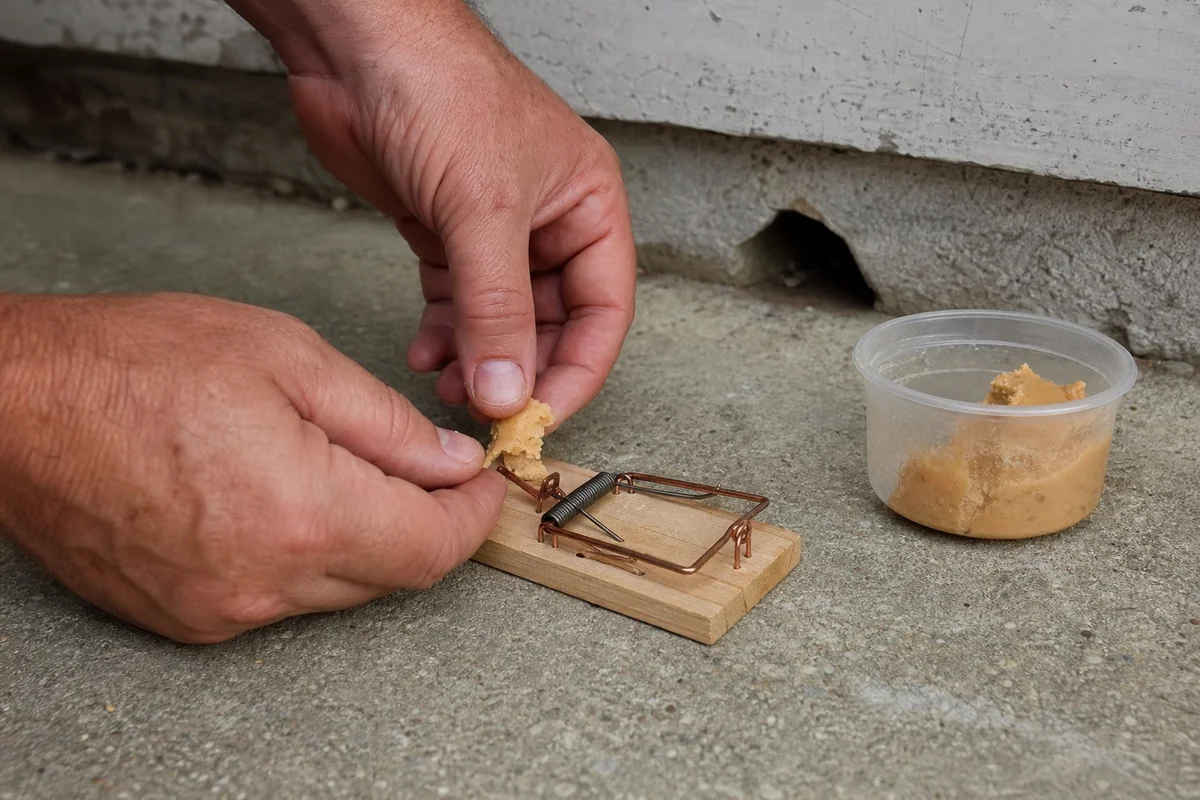
- Take a pea-sized amount. Use the tip of a cotton swab or a matchstick rather than a knife, so you do not overload the trigger.
- Press it into the trigger. Work the bait into the pedal or bait cup and toward its back, so the mouse has to lean across the trap to reach it.
- Set the trap gently. Hold a wooden trap by the edges and keep your fingers away from the bar's path.
- Place it against the wall. Set it on the floor with the baited end touching the wall, so it forms a T where mice run.
- Check and refresh daily. Replace bait that has dried, been licked thin or picked up dust.
The Best Bait for Each Type of Trap
Different traps ask different things of the bait. A snap trap needs the mouse on the trigger; a live trap or bucket trap needs the mouse to walk far enough inside; a glue board may need no bait at all.
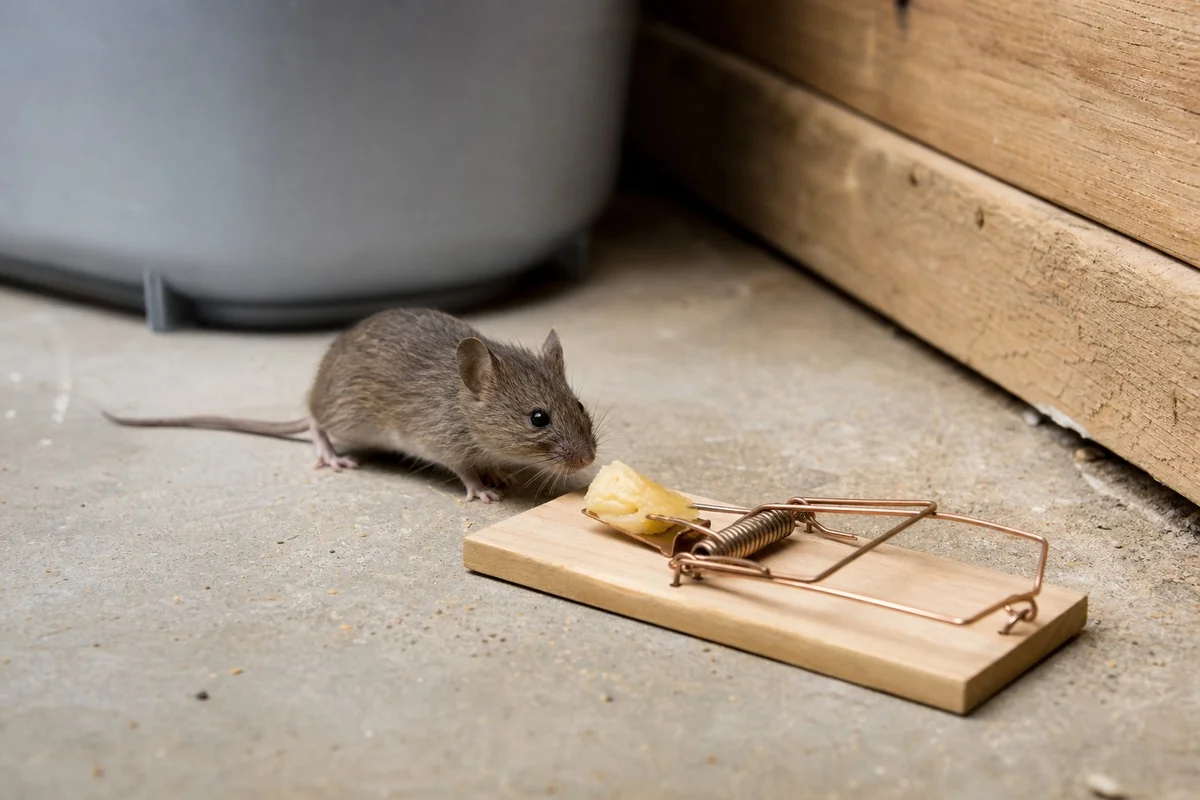
- Snap traps: a pea-sized dab of chunky peanut butter or fat pressed into the pedal, or wound nesting material in colder months.
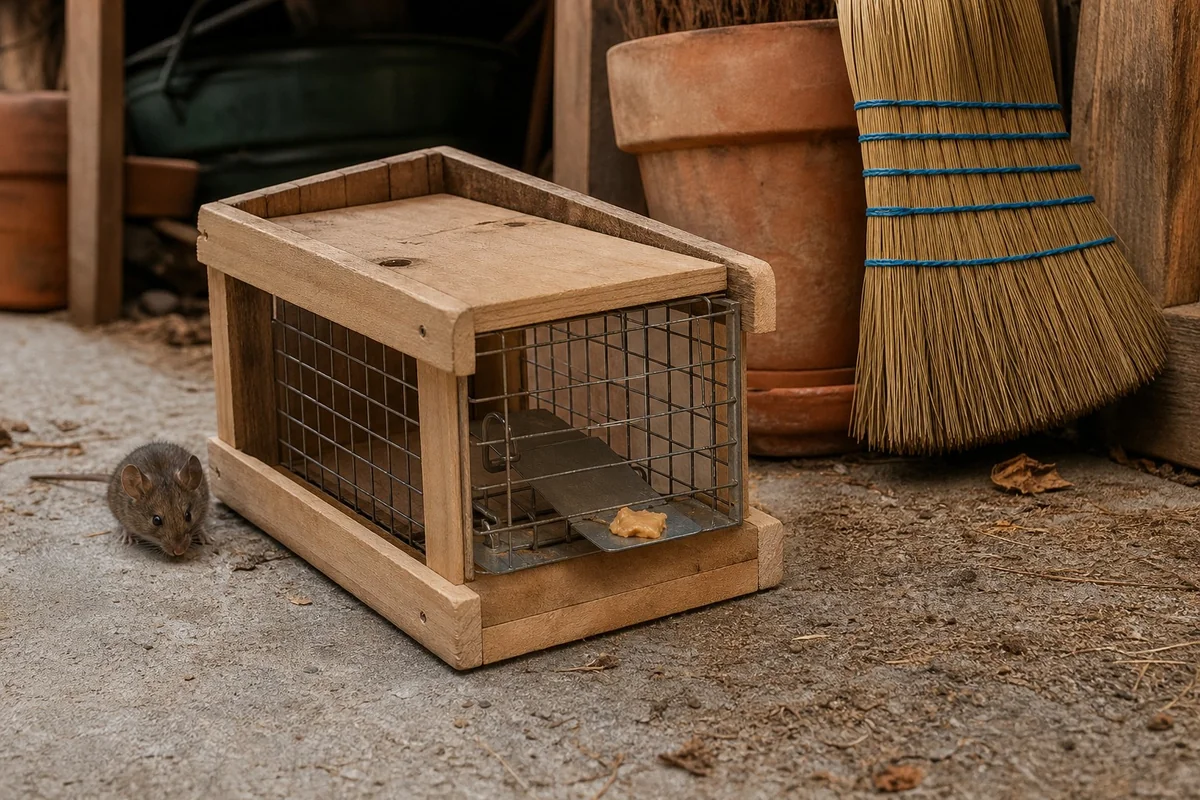
- Live-catch traps: bait placed at the far end, past the trigger, so the mouse goes all the way in; our guide to the best bait for live mouse traps covers baits that also keep a trapped mouse alive until release.
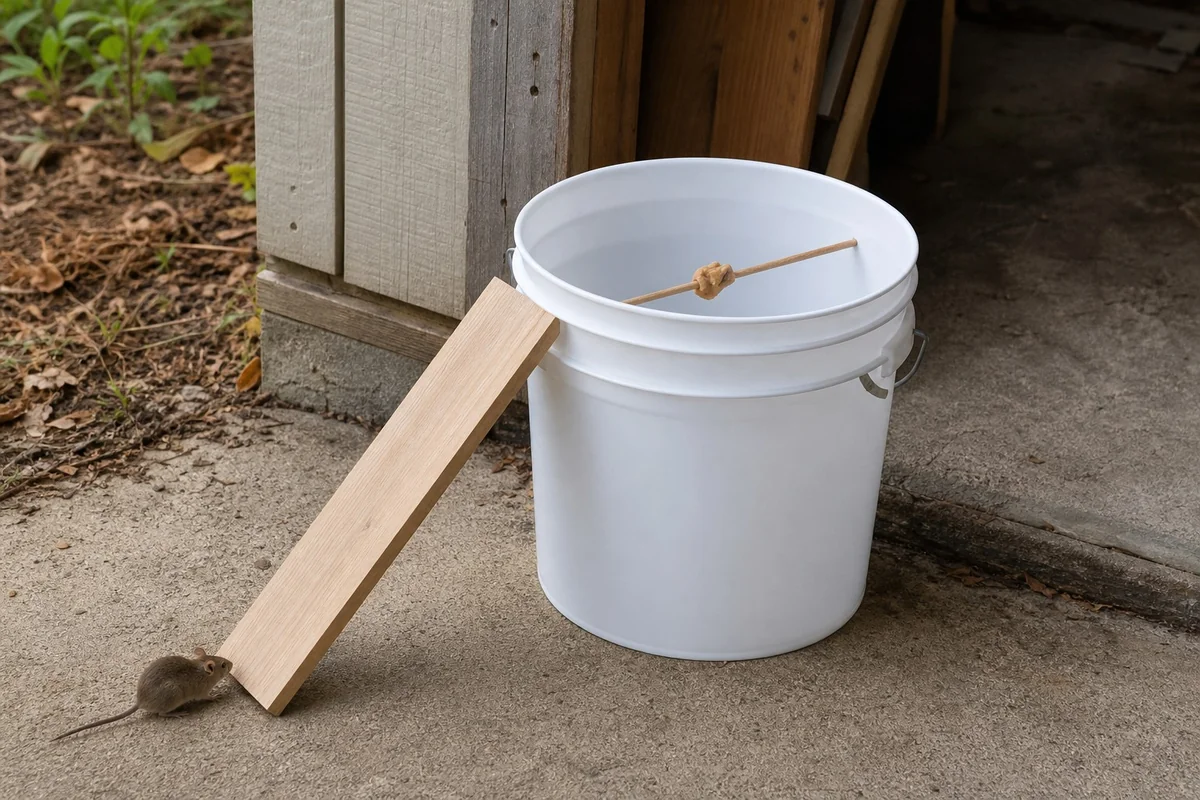
- Bucket traps: bait on the spinning or tipping part over the bucket, firm enough not to drop off; see the best mouse bait for bucket traps.
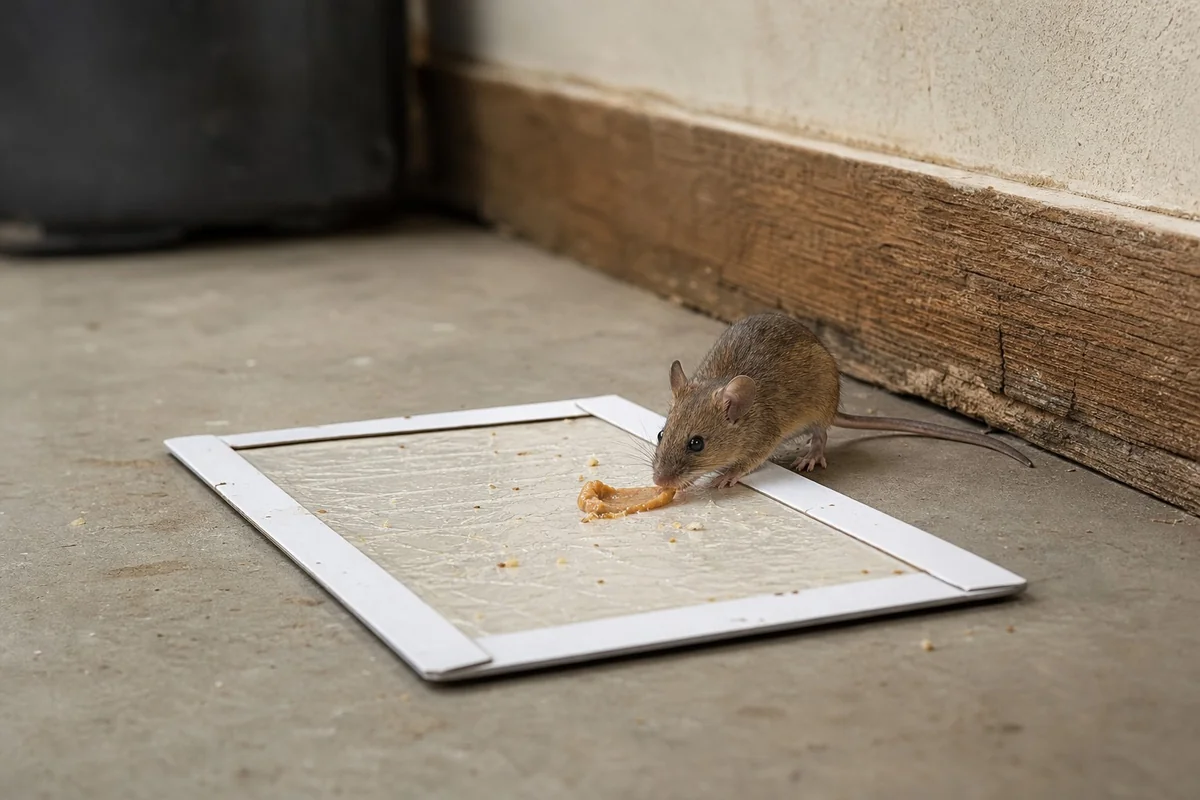
- Glue traps: many makers sell boards to be used without bait, and some say added bait reduces effectiveness; our guide to bait for glue and sticky traps explains when bait helps.
Whatever the trap, use the same bait across all your traps for the first few nights. If nothing happens, change one thing at a time, bait or position, so you learn which one made the difference.
How to Find Out What Your Mice Are Eating
Since the food mice already trust often beats any store bait, a few minutes of detective work pays off. Mice leave a trail of evidence around the food they use: chewed corners on boxes and bags, droppings in the pantry or behind the pet food bin, and small piles of seed husks or crumbs in hidden corners.
- Pantry: look for gnawed cereal, rice, pasta, flour or cracker packaging, especially on lower shelves.
- Pet supplies: check dry pet food bags and bowls left out overnight; kibble crumbs in odd places are a strong clue.
- Garage and shed: birdseed, grass seed and stored dog food are common targets.
- Kitchen floor: crumbs under the toaster, stove and refrigerator feed mice more often than people expect.
Once you know the food, use a little of it as bait and put the rest into a sealed container. A few kibble pieces or seeds pressed into a dab of peanut butter combine the familiar food with a sticky base that stays on the trigger.
Throw away any food with gnaw marks or droppings rather than using it as bait or eating it. Mice contaminate what they feed on, and handling it without gloves is an avoidable risk.
Why Peanut Butter Is Not Working in Your Trap
When the bait disappears but the trap stays set, or droppings appear next to an untouched trap, the bait is rarely the real problem. Work through these causes before switching foods.
- Too much bait: a big blob lets the mouse eat or carry some away without pressing the trigger; cut back to a pea-sized dab.
- Bait on top, not in the trigger: the mouse licks it from the edge; press it into the pedal or cup.
- Dried-out bait: old peanut butter loses its smell; refresh it every day or two.
- Competing food: open cereal, pet food or crumbs are easier to eat; store food in sealed containers.
- Wrong spot: a trap in open floor is off the runway; move it against the wall near droppings.
- Mice trust another food: switch to what they have been eating, or to nesting material.
Nesting material is worth trying when food baits fail. UC IPM notes that reproductive females are highly motivated to build nests, so a small tuft of cotton wool or a strand of dental floss wound around the trigger can catch mice that ignore food.
Baiting Safely Around Kids and Pets
The same bait that attracts mice attracts dogs, and a curious toddler sees a dab of peanut butter as a snack. An open snap trap baited with food is a real hazard on a floor that children and pets share.
- Put baited snap traps where only mice can reach: behind appliances, inside cabinets, in the basement or attic.
- Where traps must sit in shared rooms, use enclosed traps that keep the bait and the bar inside a tunnel.
- If anyone in the home has a peanut allergy, choose fat, seeds or nesting material instead of peanut butter, as UC IPM notes peanut butter can pose allergy risks.
- Store spare bait in its original sealed container, away from food you eat.
Nesting material is the safest bait in a home with pets, since a cotton ball or a strand of floss holds no appeal for a dog. It works best from fall into winter, when mice move indoors and females are building nests.
Trap Bait vs Poison Bait
“Mouse bait” also refers to rodenticide, which is a different thing from the food you put on a trap. Poison bait is eaten and kills later, often after the mouse has gone back into a wall or under the floor.
The CDC suggests poison or bait stations only for persistent infestations, using EPA-registered products and following the label exactly, and keeping bait away from children and pets. Never put poison on a snap trap: the trap already does the killing, and poison adds risk to anyone who handles it.
Common Questions About Mouse Trap Bait
Does cheese work as mouse trap bait?
Does cheese work as mouse trap bait?
It can, but it is not the best choice. Hard cheese dries out quickly and is easy for a mouse to pull off the trigger, while peanut butter or fat stays sticky and smells stronger. Use cheese only if mice in your home have been eating it.
How often should I change the bait?
How often should I change the bait?
Check bait every day when you check the traps and replace it whenever it looks dry, thin or dusty. Fresh bait smells stronger, and a trap with stale bait can sit on an active runway without catching anything.
Does human scent on bait scare mice away?
Does human scent on bait scare mice away?
House mice live around people and are used to human scent, so it rarely stops them. Gloves are still worth wearing, mainly to keep droppings and urine off your hands while you handle traps near mouse activity.
Can I use the same bait for mice and rats?
Can I use the same bait for mice and rats?
Yes, peanut butter and fats attract both. The difference is the trap and the timing: rats need rat-size traps, and because they are wary of new objects, it helps to leave bait on unset traps for a few nights before setting them.
Key Takeaways
Mice take the bait that is easiest and most familiar, so the winning combination is a sticky base, a little of the food they already trust and a trap set where they run. Getting the amount right does more than any switch of brand or flavor.
When traps stay empty, change one thing at a time: less bait, bait pressed deeper into the trigger, a different position, then a different food or nesting material. In homes with children or pets, keep baited traps out of reach or enclosed, and treat poison as a last resort in sealed stations.
Tonight, rebait every trap with a fresh pea-sized dab and check them first thing in the morning.