How Long Do Bed Bug Treatments Last? (2026 Guide to Duration & Effectiveness)
Wondering how long bed bug treatments last in 2026? Compare treatment durations for sprays, heat, and DIY solutions. Learn what impacts effectiveness, how to spot failures, and how to make results last longer - without hiring an exterminator.
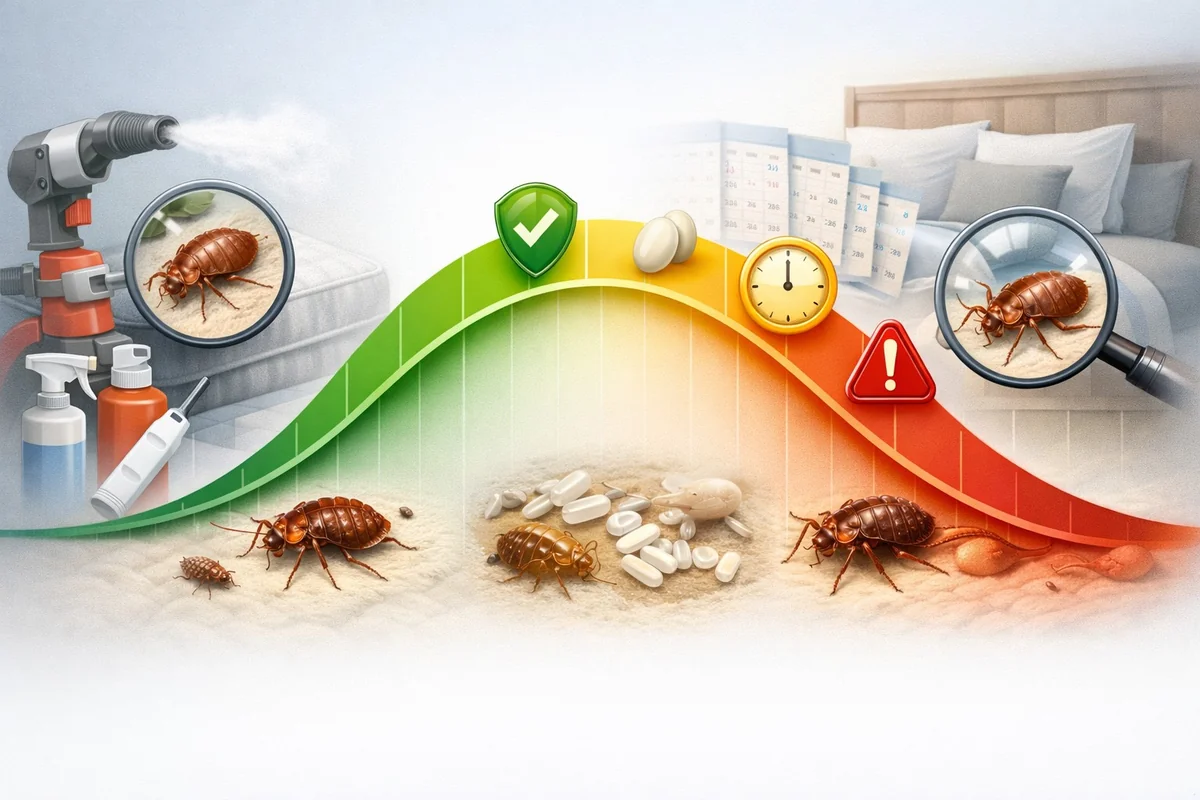
Bed bug treatment duration refers to how long a method continues working after application and the total time needed to wipe out an infestation. Results depend on the treatment type, infestation size, and your follow-up efforts. Knowing what to expect helps you plan, avoid wasted effort, and choose the right solution for your home.
What Determines Bed Bug Treatment Duration?
Several factors influence both how long bed bug treatments last and how quickly they work. Understanding these can save you time and frustration - especially if you’ve already tried DIY fixes that didn’t stick. Here’s what matters most.
Infestation Size and Severity
The bigger and deeper the infestation, the longer it takes to get rid of every bed bug. Large, established infestations often require multiple treatments over several weeks. That’s because bugs and eggs hide in hard-to-reach places - inside walls, behind baseboards, in electrical outlets, and deep within furniture.
Light infestations - think a few bugs, caught early - can sometimes be cleared up in a single well-executed treatment. But even in these cases, missing a batch of eggs can allow the problem to flare up again. When bugs are spread across multiple rooms or units (like in apartments), treatment and monitoring drag out much longer.
Treatment Method Used
The method you choose changes everything about timing. Heat treatments work fast - killing bugs and eggs in hours if every area reaches lethal temperatures. Chemical sprays and residual insecticides take longer to kill on contact and provide weeks of ongoing control, but they rarely get every bug on the first try.
Natural and DIY remedies, like diatomaceous earth or essential oils, act slowly and need repeated application. They’re generally less effective against large or hidden infestations. Professional-grade solutions (and pro-level application) can speed up results, but even then, follow-up is almost always necessary.
Best Bed Bug Sprays and Foggers 2026 break down which formulas last longest and how to apply them for the best results.
Home Environment Factors
Your space itself plays a big part. Clutter, dense furniture, and lots of hiding spots give bed bugs more places to escape treatment. If you can’t access cracks, seams, or behind heavy items, you’ll likely miss some bugs.
In apartments or multi-family buildings, shared walls let bed bugs move between units. This can extend treatment time and raise the risk of re-infestation - especially if neighbors aren’t also treating the problem. The more accessible and decluttered your rooms, the faster and more completely treatments can work.
If you need a bigger picture on how bed bugs operate and how control methods differ, see our detailed guide on Bed Bug Control.
How Long Do Different Bed Bug Treatments Last?
Not all bed bug treatments offer the same duration of effectiveness or speed of results. Here’s how the main types measure up.
Chemical Sprays and Residual Insecticides
Most residual bed bug sprays keep killing bugs for 2–12 weeks after application. The actual duration depends on the product’s formula, the surface it’s applied to, and environmental factors like sunlight and cleaning routines.
On porous surfaces (like unfinished wood or fabric), chemicals break down faster - sometimes within days. Frequent washing or scrubbing can also strip away protection. Overusing sprays or not following label directions can actually make things worse, creating resistant bugs that survive future treatments.
Heat Treatments
Heat is the closest thing to a bed bug “reset button.” When done right, it kills all life stages - adults, nymphs, and eggs - in a single session lasting a few hours. There’s no waiting for eggs to hatch or bugs to encounter residue.
The catch? Heat leaves no ongoing protection. If a single bug or egg is missed (maybe deep in wall voids or under clutter), or if new bugs are introduced, the cycle can restart. Heat is also less effective if the space is too cluttered or poorly insulated to reach every hiding place.
Natural and DIY Remedies
Natural methods like diatomaceous earth (DE) and essential oils can offer slow, ongoing control. DE works mechanically, drying out bugs that crawl through it, but this takes several days to weeks for visible impact.
DIY treatments (sprays, powders, or homemade solutions) require frequent reapplication to maintain effectiveness. On their own, these approaches rarely eliminate a moderate or heavy infestation. They work best as part of a comprehensive plan - never as the only line of defense.
| Option | ★Difficulty Level | ★Time Until Re-Entry | Average Cost | ★Residual Protection Duration | ★Effectiveness | Best For |
|---|---|---|---|---|---|---|
| Chemical Insecticide Treatment | Medium | 2-4 hours (ventilation required) | $250-$400 per room | Up to 30 days | High (with multiple applications) | Moderate to severe infestations in standard residential settings |
| Heat Treatment | Hard | 6-8 hours (includes setup and cool-down) | $700-$1,500 per treatment | No residual; kills all life stages instantly | Very High (single treatment, if thorough) | Whole-home or multi-room infestations; sensitive environments needing rapid elimination |
| Diatomaceous Earth (Non-Chemical Powder) | Easy | Immediate (safe for occupancy) | $20-$50 per room | Indefinite as long as powder remains undisturbed | Moderate (slow acting, requires direct contact) | Light infestations, ongoing prevention, or areas where chemical use is not preferred |
| Steam Treatment | Medium | Immediate (after area cools) | $100-$300 per treatment | No residual; effective only at time of treatment | High (on contact, but limited penetration) | Furniture, mattresses, and small spaces; chemical-free environments |
How Quickly Can Bed Bugs Be Eliminated?
Bed bug extermination time can range from a single day to several weeks, depending on how thorough your approach is and what methods you use. Here’s what to expect in real homes.
Single-Treatment vs. Multi-Treatment Scenarios
Some professional heat treatments can knock out all bugs in one session - if every room, hiding spot, and item is heated thoroughly. But in most homes, chemical or DIY methods will require 2–4 applications spaced a week or two apart.
This is because many treatments don’t kill eggs, or can’t reach bugs hidden deep in cracks. Each round of treatment reduces the population, but any survivors can quickly rebound if you stop too soon.
Eggs and Reproduction Cycles
Bed bug eggs hatch in 6–10 days, which is why retreatment is key. If you only treat once, any eggs laid just before or after will hatch and start the cycle over.
Scheduling follow-up treatments to hit newly hatched nymphs before they can lay eggs is the best way to break the reproductive cycle. Missing eggs - by skipping a treatment or not reaching all hiding spots - is the most common reason infestations come back, even after apparent success.
How Long Do Bed Bug Treatments Keep Working?
How long a treatment keeps working depends on whether it leaves a “residual” - an active ingredient that stays effective for days or weeks. Not all methods offer this ongoing barrier.
Residual Protection of Chemical Treatments
Some insecticide sprays remain active for weeks after application, killing bugs that hatch from eggs or wander into treated areas. This is especially helpful for spaces where eggs might be hidden out of sight.
However, regular cleaning, washing, or exposure to sunlight can break down these residues faster. Not all products are safe or labeled for long-term use, especially around pets or children. Overuse can also cause headaches, allergies, or skin irritation - always follow the directions strictly.
Why Heat and Steam Offer No Ongoing Protection
Heat and steam methods kill bugs and eggs instantly, but once the temperature drops, there’s no barrier left. This means re-infestation is always possible if bugs are carried in from another room, neighbor, or visitor.
Heat is great for a fast, thorough kill - especially if you need to clear an area quickly (like before moving in or out). But in high-risk environments, it works best as part of a broader plan, not as a one-time fix.
Signs That Bed Bug Treatments Are Still Working
It can be tough to judge if a treatment is doing its job, especially since bed bugs are masters of hiding. Here’s what to watch for so you know if you’re winning the battle - or need to regroup.
Reduced Bites and Fewer Live Sightings
One of the first signs of progress is a drop in new bites or visible bugs. If you’re still seeing live bugs or getting bitten after 2–3 weeks, you likely missed some areas or have a strain showing resistance to your chosen product.
Monitoring with traps or interceptors under bed legs can help you track activity over time. If bugs keep showing up in traps after repeated treatments, it’s time to switch tactics or double down on your efforts.
Eggshells, Fecal Spots, and Other Indicators
Shed skins, eggshells, or new fecal spots (tiny black stains) after treatment mean some bugs survived. Blood stains on sheets or pillowcases are also signs of an active infestation.
If you see no new evidence for 4–6 weeks, your treatment likely worked. But spotting even a single live bug or fresh spot means it’s smart to retreat or try a new approach.
When to Retreat or Try a Different Bed Bug Solution
If you’re still seeing bugs or getting bites weeks after treating, you’re not alone. Here’s how to tell when it’s time to change course - and what to do next.
Recognizing Treatment Failure
Persistent bites, live bugs, or new evidence after 3–4 weeks signal treatment failure. This can happen if certain bugs develop resistance to a chemical, or if eggs and hiding spots were missed during application.
Many infestations linger because people stop too soon or don’t treat every possible hiding place. If you’re in an apartment or shared building, untreated neighbors can also reinfest your space, making it feel like a losing battle.
Switching Methods for Stubborn Infestations
Combining methods - like using both heat and residual sprays, or adding mattress encasements and interceptors - usually delivers better results than any single approach. If one class of insecticide stops working, try switching to a different active ingredient.
For persistent infestations in apartments, coordinated action across all affected units is often the only way to prevent reinfestation. It may also be worth consulting a professional if DIY methods keep failing despite your best efforts.
How to Make Bed Bug Treatments Last Longer
Making your treatment efforts stick comes down to coverage, consistency, and prevention. Here’s how to boost the staying power of whatever method you choose.
Cleaning and Decluttering for Better Results
- Declutter rooms so sprays and powders reach every crack and seam
- Vacuum daily to remove live bugs and eggs - immediately bag and discard vacuum contents outside
- Seal cracks, baseboards, and outlets with caulk to block new hiding spots
- Use mattress and box spring encasements to trap any surviving bugs and eggs
Maintaining Residual Barriers
- Reapply residual sprays only as directed - more isn’t always better
- Avoid washing or scrubbing treated surfaces too soon (check label for drying times)
- Install bed bug interceptors under bed legs to monitor for new activity and prevent re-infestation
- Continue regular monitoring for at least 4–6 weeks after last signs disappear
Frequently Asked Questions About Bed Bug Treatment Duration
❓ Frequently Asked Questions
How long do bed bug treatments last?
How long do bed bug treatments last?
Bed bug treatments typically last from several weeks to a few months, depending on the method used and severity of the infestation. Chemical treatments often provide residual effects for up to 90 days, while heat treatments eliminate bugs instantly but offer no ongoing protection. Follow-up inspections are recommended to ensure complete eradication.
What is the difference between chemical and heat bed bug treatments?
What is the difference between chemical and heat bed bug treatments?
Chemical treatments use insecticides with residual action, lasting several weeks and targeting both bugs and eggs. Heat treatments raise room temperatures above 120°F to kill bugs instantly but offer no lasting protection. Chemical methods require multiple applications, while heat is typically a single treatment. Effectiveness depends on infestation severity and follow-up.
How often should I repeat bed bug treatments?
How often should I repeat bed bug treatments?
Most experts recommend repeating chemical bed bug treatments every 2-3 weeks until no signs of infestation remain. Heat treatments usually require only one application but may need a follow-up if bugs persist. Monitor for new activity with interceptors or visual checks to determine if additional treatments are needed.
What should I look for when choosing a bed bug removal service?
What should I look for when choosing a bed bug removal service?
When selecting a bed bug removal service, consider these factors:
- Certification: Ensure technicians are licensed for pest control
- Treatment methods: Look for options like heat, chemical, or integrated approaches
- Warranty: Choose services offering follow-up visits or guarantees
- Customer reviews: Confirm proven results with past clients
Request a detailed treatment plan before committing.
How effective are DIY bed bug treatments compared to professional methods?
How effective are DIY bed bug treatments compared to professional methods?
DIY bed bug treatments, such as sprays and powders, may reduce visible bugs but rarely eliminate infestations fully. Professional methods, including heat or residual insecticides, are over 90% effective according to most user reports. However, professionals cost more and require preparation. DIY can be used for minor problems but has limited success for large infestations.
Why do bed bugs return after treatment?
Why do bed bugs return after treatment?
Bed bugs often return after treatment due to incomplete coverage, surviving eggs, or reintroduction from infested belongings. Missed areas, cracks, or clutter can allow bugs to escape initial applications. Regular monitoring and follow-up treatments are necessary to break the breeding cycle and ensure long-term control.
When is the best time to schedule a bed bug treatment?
When is the best time to schedule a bed bug treatment?
The best time to schedule bed bug treatment is as soon as you notice signs of infestation, such as bites, blood stains, or live bugs. Early intervention prevents spread and reduces the number of treatments needed. Professionals recommend avoiding delays, especially before travel or hosting guests, to minimize further contamination.
Key Takeaways on Bed Bug Treatment Longevity
Bed bug treatments vary widely in how long they last and how quickly they work. Heat can clear bugs in hours, but leaves no barrier. Residual sprays last for weeks, but require careful, repeated application to fully solve the problem.
Success depends on treating every hiding spot, using the right method for your situation, and sticking with regular follow-up. Missing eggs or untreated areas are the main reasons infestations come back - even after things seem quiet.
If you’re struggling with a stubborn infestation, combine methods, keep up monitoring, and don’t hesitate to change tactics if you see signs of failure. The more proactive and thorough your approach, the faster you’ll get your home back to normal.
Related Articles
Best Bed Bug Sprays and Foggers 2026: Top DIY Removal Products Reviewed
Best bed bug sprays, foggers, powders, and natural options for 2026. Compare top-rated products and find safe, effective DIY solutions for your home.
Best Bedroom Pest Control Products 2026: Safe, Effective Picks for Every Home
Discover the best bedroom pest control products for 2026, including ant baits, bed bug sprays, natural solutions, and living room pest killers. Find safe, effective, and budget-friendly options for every home.
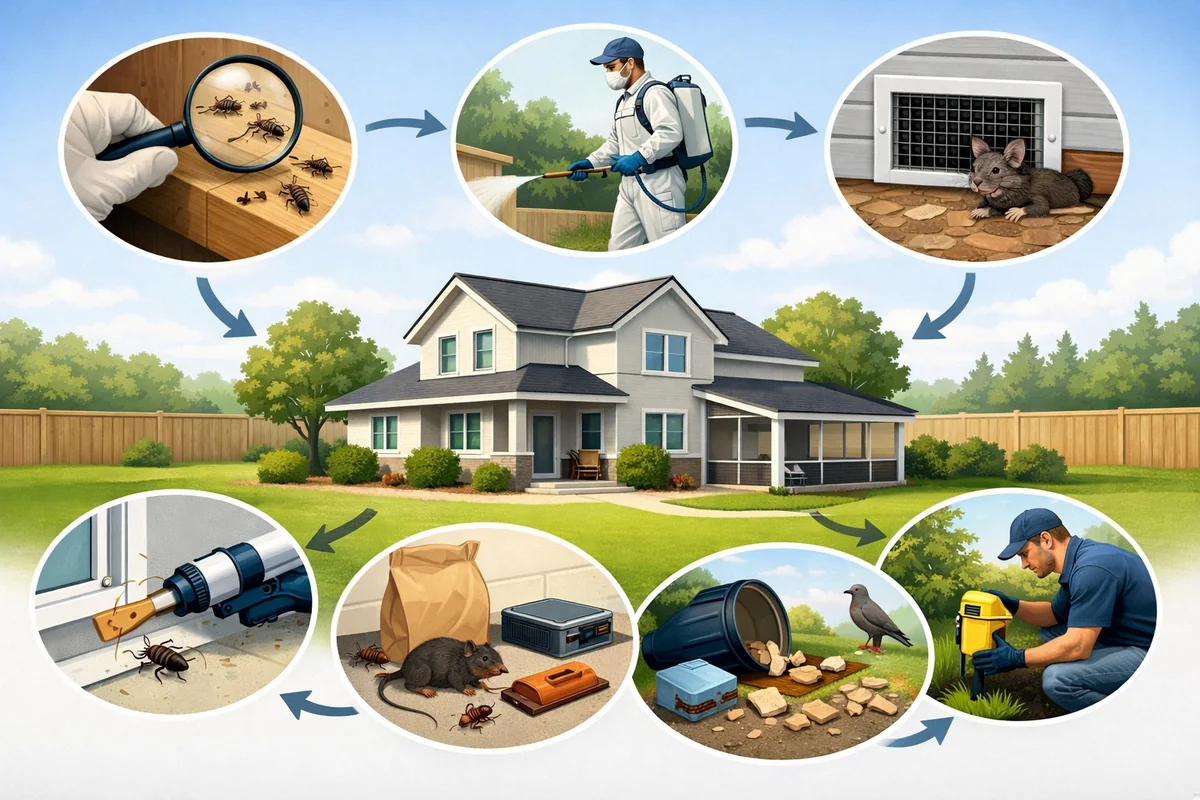
Complete Guide to Pest Control Maintenance: Upkeep Tips & Ongoing Management 2026
Learn how to keep your home pest-free with our complete pest control maintenance guide. Discover expert pest upkeep tips, safe DIY solutions, and step-by-step ongoing pest management strategies for 2026.
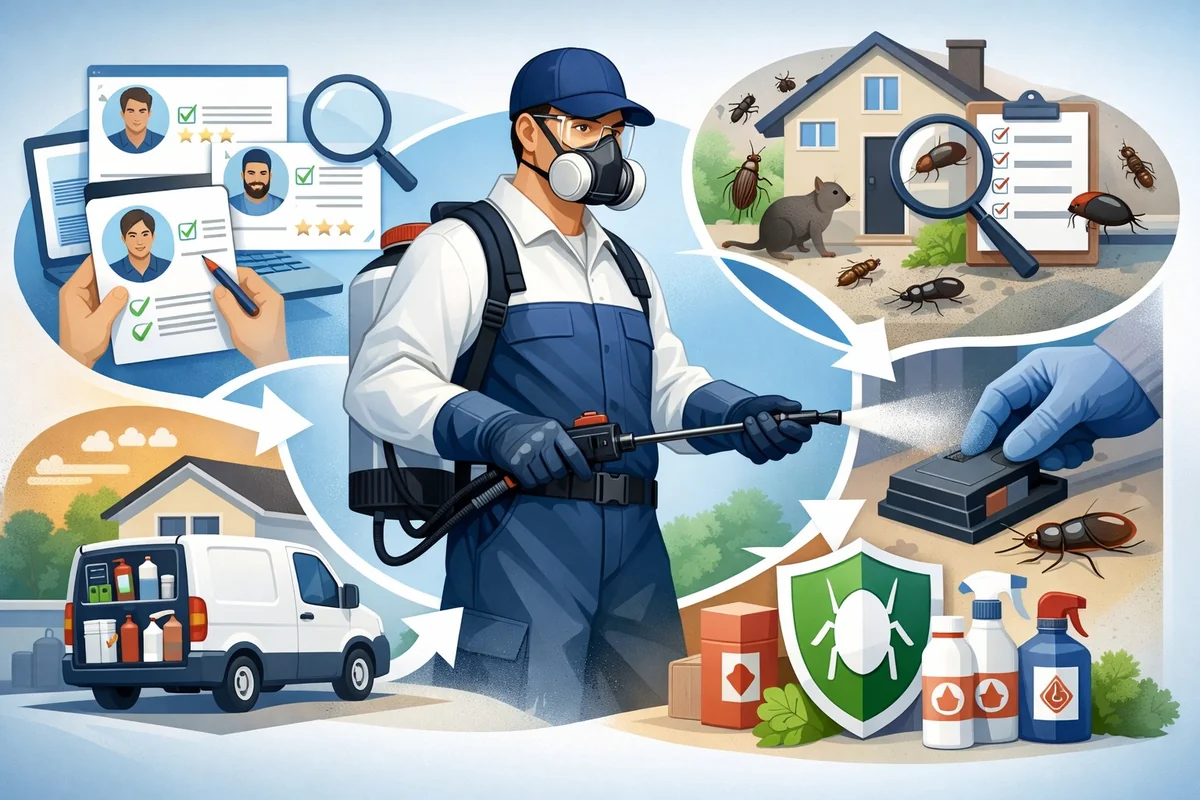
Guide to Hiring a Professional Pest Control Service: What to Know in 2026
Learn when and how to hire a professional pest control service, what to look for in a company, and how to compare options for safe, effective pest removal in 2026. Includes step-by-step preparation, contract tips, and FAQs.