

How Long Do Termite Treatments Last? Duration & Control Timeline 2026
Learn how long termite treatments last, what affects their duration, and how to maximize protection for your home. Compare treatment types, maintenance tips, and real-world timelines for effective termite control in 2026.
Termite treatment duration refers to how long a given method continues to protect your home from termite infestations. This depends on the termite species, treatment type, environment, and how well the application was performed. Understanding these timelines helps homeowners plan effective, long-term termite control without overspending.
What Determines Termite Treatment Duration?
Termite treatment duration is shaped by several factors. Each plays a crucial role in how long your home stays protected after the initial treatment. Knowing these variables helps you choose the right approach and maintain effective control over time.
Termite Species and Behavior
The type of termite invading your home directly impacts how long treatment lasts. Subterranean termites build large underground colonies and require barrier treatments that need to persist in the soil for many years. Drywood termites, on the other hand, nest inside wood and often get spot treatments, which don’t provide long-term residual protection.
Formosan termites are an especially aggressive subterranean species. Their massive colonies and ability to forage over broad areas mean that even well-applied barriers can break down faster than expected. If you’re dealing with Formosan termites, expect to monitor and possibly retreat sooner than with standard subterranean species.
Treatment Type and Application Method
Different termite treatments have very different lifespans. Liquid soil barriers can last up to 10 years if applied correctly and the soil remains undisturbed. Bait systems, which use slow-acting poisons to destroy colonies, need regular monitoring and bait replacement - usually every 12 to 18 months.
Foam and dust treatments are localized, making them effective for isolated drywood infestations but less so for ongoing protection. These spot treatments typically lose their potency after 1-2 years and do little to prevent future invasions unless paired with improved sealing and moisture management.
Environmental Factors Impacting Longevity
Your local climate and soil conditions matter. Heavy rainfall or flooding can wash away chemicals used in soil treatments, sometimes drastically reducing their lifespan. Sandy soil allows chemicals to drain more quickly than clay, which holds termiticides in place much longer.
High temperatures and direct sunlight can also degrade certain active ingredients, especially those not designed for UV resistance. If you live in an area with seasonal extremes, expect to re-treat more often than in milder climates.
For a broader view of treatment strategies and which ones work best in different conditions, see our Best Termite Treatments and Baits 2026 guide for updated recommendations.
How Long Do Popular Termite Treatments Last?
The actual termite treatment duration depends heavily on the method and how well it was installed. Here’s how the main types stack up in terms of real-world longevity and failure points.
Liquid Barrier Treatments
Modern termiticides like fipronil and imidacloprid can remain effective for 8-12 years under ideal conditions. This only holds true if the chemical is applied at the proper depth and concentration around the entire foundation. Missed spots or shallow trenches create weak points that termites can exploit.
Physical disturbances are another hidden threat. Plumbing repairs, new landscaping, or excavation work can break the barrier, letting termites bypass it and forcing an earlier reapplication. Annual visual inspections around the foundation are key to catching these issues before they lead to reinfestation.
Baiting Systems
Bait stations require regular attention to stay effective. The active baits generally last 12-18 months before needing replenishment. If you skip maintenance visits, termites can return and rebuild their colonies inside your property - often without obvious warning signs until damage is done.
Baits are best at eliminating existing colonies over time, but they don’t create a chemical barrier. Their success depends entirely on consistent monitoring and timely replacement. For those interested in a complete overview of baiting and monitoring, check our Termite Control resource for more details.
Spot Treatments: Foam, Dust, and Aerosols
Foam and dust treatments offer quick knockdown for drywood termites hidden inside walls or furniture. Their effectiveness usually tapers off after 1-2 years. These products kill what’s present but offer little ongoing protection unless every entry point is sealed.
Spot treatments work best when combined with careful sealing and moisture control. Otherwise, expect to see reinfestations as new termites find their way in through untreated gaps.
| Option | ★Difficulty Level | ★Expected Protection Duration | Typical Cost | ★Coverage Area | Best For | Limitations |
|---|---|---|---|---|---|---|
| Liquid Barrier Treatment | Medium | 5-10 years | Moderate | Up to 3,000 sq ft per application | Long-term protection for whole homes | Requires professional application; may not be suitable for homes with inaccessible foundations |
| Baiting System | Easy | Continuous (requires ongoing monitoring) | Premium | Flexible; modular for targeted or large areas | Sensitive environments, ongoing detection | Slower elimination; must maintain and monitor stations regularly |
| Fumigation | Hard | 1 treatment lasts 4-7 years (no residual protection) | High | Entire structure (full enclosure required) | Severe, widespread infestations in accessible structures | Requires vacating property; no ongoing protection after treatment |
| Localized (Spot) Treatment | Medium | 1-3 years (area dependent) | Budget-friendly | Isolated or small problem areas (under 500 sq ft) | Minor infestations, accessible spots, budget-conscious users | Not suitable for large or hidden infestations; risk of missed colonies |
Comparing DIY vs Professional Termite Treatments
Many homeowners wonder if they can match the results of a professional termite treatment with a DIY approach. There are key differences in both the products and the application methods that directly affect treatment duration and control timeline.
Active Ingredient Strength and Formulation
Professional products often contain higher concentrations of termiticides or more advanced formulas compared to those sold for DIY use. For example, a licensed pest controller might use fipronil at a rate that provides protection for up to 10 years, while DIY products may only be rated for a few years or require more frequent reapplication.
DIY baits also tend to use less potent active ingredients or attractants. This can slow the process of colony elimination, making it easier for termites to rebound if maintenance lags. EPA-registered professional products may carry longer residual claims, giving you a better safety margin.
Application Quality and Coverage
Professionals use specialized equipment to inject chemicals deeply into the soil, ensuring more complete coverage and a longer-lasting barrier. DIY applications often miss hidden areas or deliver uneven coverage, which shortens the treatment’s effective lifespan.
Improper mixing, under-dilution, or over-spraying can all reduce the potency and duration of DIY-applied chemicals. Unless you’re extremely thorough and follow manufacturer instructions to the letter, DIY treatments are more likely to fail early.
Cost vs Longevity Trade-offs
DIY termite treatments are more budget-friendly upfront but may require more frequent reapplication to maintain effectiveness. Professionals often offer warranties of 1-5 years, but the higher cost can be a barrier for some homeowners.
Skipping expert inspections can also lead to expensive surprises down the line. New infestations may go unnoticed until significant damage is done, especially if you rely solely on DIY methods with no regular follow-up.
Factors That Shorten or Extend Treatment Effectiveness
Even the best termite treatment can fail early if certain risk factors aren’t managed. Let’s look at the most common influences on how long your termite control actually lasts in the real world.
Home Construction and Foundation Type
The structure of your home determines how easy it is to achieve a continuous barrier. Slab foundations are notoriously difficult to treat thoroughly - pipes and expansion joints can leave termite-sized gaps that chemicals don’t reach. Crawl spaces and basements, while more accessible, still require careful attention to all possible entry points.
Older homes, particularly those with additions or foundation cracks, may have hidden routes for termites that standard treatments miss. These buildings are at higher risk for “breakthrough” infestations that show up months or years after initial treatment.
Ongoing Home Maintenance
Moisture is a magnet for termites and can speed the breakdown of soil-applied termiticides. Fixing leaks and ensuring proper drainage around your foundation will help treatments last longer. Mulch, firewood, and debris piled against the house can create new entry points, bypassing old barriers.
Wood-to-soil contact is another big risk factor. Deck posts, steps, and landscaping timbers that touch the ground can let termites into your home above the treated soil. Eliminating these contact points is often as important as the initial treatment itself.
Local Climate and Weather Patterns
Frequent heavy rains can leach chemicals from the soil, forcing you to re-treat much sooner than the product label suggests. In contrast, drought conditions tend to slow termite activity and may stretch out treatment intervals naturally.
Seasonal temperature swings also affect how quickly chemicals break down. In regions with harsh summers or winters, expect to monitor more closely and potentially re-treat more often than in stable climates.
How to Know When Termite Treatment Is Failing
Detecting early signs of treatment failure is crucial for preventing major damage. The sooner you catch a breakdown in your termite protection, the easier and less expensive it is to restore full control.
Signs of Reinfestation After Treatment
Be on the lookout for new mud tubes on exterior walls or in crawl spaces - these indicate active subterranean termites. For drywood species, piles of sawdust-like frass (droppings) or sudden appearance of “kick-out” holes in wood are a red flag.
Swarming termites inside your home, especially during spring or after rain, are a clear sign that your treatment has failed somewhere. Hollow-sounding wood or blistered paint can also signal termites are active behind the scenes, even if you can’t see them directly.
Routine Inspection and Monitoring
Annual self-inspections are a simple but effective way to catch early warning signs. For those with bait systems, checking monitoring caps every 3 months helps ensure you catch new termite activity before it becomes a problem.
Professional inspections offer an extra layer of protection. Trained eyes can spot subtle clues and hidden entry points you might miss on your own - especially in complex or older homes.
What to Do if Treatment Fails Early
If you confirm reinfestation, don’t wait - reapply the same treatment or switch to a different method that targets the failure point. Sealing new entry points and addressing moisture issues will help prevent repeat failures.
If you’ve attempted DIY control more than once and termites keep coming back, it’s time to get a professional assessment. Persistent reinfestation often signals a deeper issue with the structure or the surrounding environment that standard treatments alone can’t fix.
Extending the Life of Termite Treatments
Proactive maintenance makes a measurable difference in how long your termite treatment lasts. Here’s how homeowners can stretch the protection period and avoid unnecessary re-treatments.
Best Practices for Maintenance
- Keep soil around your foundation dry and well-drained - redirect downspouts, fix leaks, and avoid overwatering garden beds near the house.
- Avoid disturbing treated soil during landscaping, digging, or repairs. If you must dig, re-treat the exposed area promptly.
- Schedule regular bait station checks and replace baits as soon as they show signs of consumption or spoilage.
When and How to Re-Treat
- For liquid soil barriers, plan to re-treat every 8-10 years, or sooner if you see evidence of breakdown or disturbance.
- Bait systems require annual or biannual maintenance. Mark your calendar and don’t skip checks - termites exploit lapses in monitoring quickly.
- Spot treatments should be reapplied if any new activity is detected in previously treated areas, especially for drywood termites inside woodwork or furniture.
Frequently Asked Questions About Termite Treatment Duration
❓ Frequently Asked Questions
How long does a termite treatment last?
How long does a termite treatment last?
A typical liquid termite treatment lasts about 5 to 10 years, depending on soil conditions and application quality. Bait systems require yearly monitoring and replenishment. Most users report that professional applications provide reliable protection, but annual inspections remain essential to detect new infestations early.
What is the difference between liquid and bait termite treatments?
What is the difference between liquid and bait termite treatments?
Liquid treatments create a long-lasting chemical barrier in soil, usually effective for 5–10 years. Bait systems use stations to attract and eliminate colonies but require ongoing servicing. Most users prefer liquid for immediate results, while bait systems are better for long-term control in sensitive environments.
How often should I retreat my home for termites?
How often should I retreat my home for termites?
Retreatment frequency depends on the method used. Liquid treatments generally need reapplication every 5–10 years, while bait systems require annual monitoring and occasional replenishment. Industry standards recommend scheduling yearly inspections to catch early activity and maintain warranty coverage, even if no visible signs are present.
How do I know if a termite treatment is still working?
How do I know if a termite treatment is still working?
To check if your termite treatment is effective:
- Schedule professional inspections annually
- Look for new mud tubes, wings, or wood damage
- Test bait stations for activity
- Review treatment warranty terms
Most users find that visible signs and regular inspections help confirm ongoing protection. Promptly address any suspicious activity.
When is the best time of year to treat for termites?
When is the best time of year to treat for termites?
The best time to treat for termites is early spring, when termite activity increases due to warmer temperatures and moisture. Treating before swarming season helps prevent colonies from becoming established. However, modern products are effective year-round, so prompt action is recommended if termites are detected.
What should I look for when choosing a termite treatment?
What should I look for when choosing a termite treatment?
When selecting a termite treatment, consider:
- Longevity: liquid treatments last 5–10 years
- Safety: low-toxicity options for pets and children
- Local soil and climate compatibility
- Professional vs.
DIY application Compare at least 2–3 providers and ask about warranties. Prioritize proven efficacy and ongoing support over price alone.
Why do I need annual termite inspections after treatment?
Why do I need annual termite inspections after treatment?
Annual inspections are recommended because even quality termite treatments can degrade over time due to soil movement, moisture, or construction changes. Regular checks help catch new infestations early, maintain warranty validity, and ensure continued protection. Skipping inspections increases the risk of unnoticed structural damage.
Key Takeaways: What This Means for You
Understanding how long termite treatments last lets you plan and budget for effective, ongoing protection. Most liquid barriers provide 8-12 years of coverage in ideal conditions, while baits and spot treatments require more frequent maintenance. Environmental factors, construction type, and how thoroughly the application was performed all play a major role.
For homeowners and renters, the key is to match the treatment to your specific risk - then maintain it with regular inspections, moisture control, and prompt repairs. Ignoring warning signs or letting treatments lapse can quickly turn a minor issue into a major repair bill.
Ready to protect your home? Review your last treatment date, inspect for any signs of new activity, and set a reminder for routine maintenance. If you’re unsure about your current protection, consider a professional inspection or review the latest best practices for your region.
Related Articles
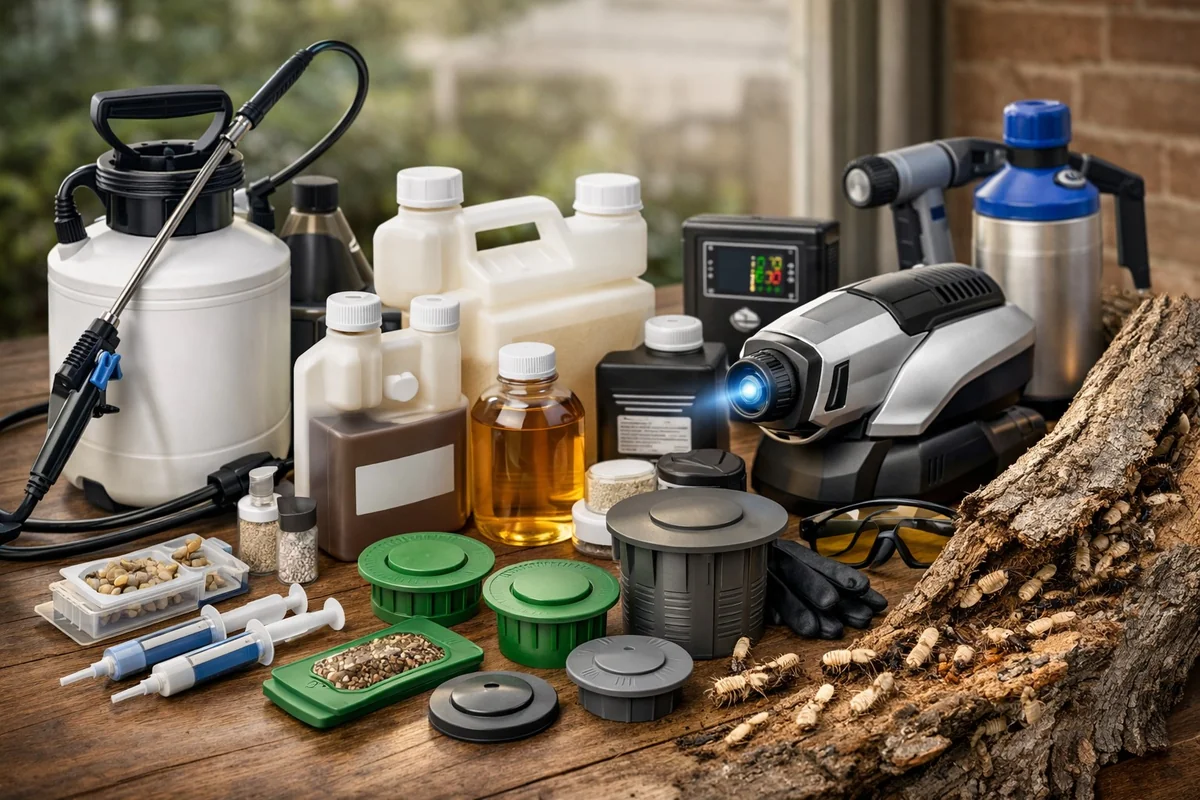
Best Termite Treatments and Baits 2026: Expert Picks for DIY Control
Best termite treatments and baits for 2026. Compare top-rated liquid barriers, bait stations, sprays, and natural solutions for effective DIY termite control.
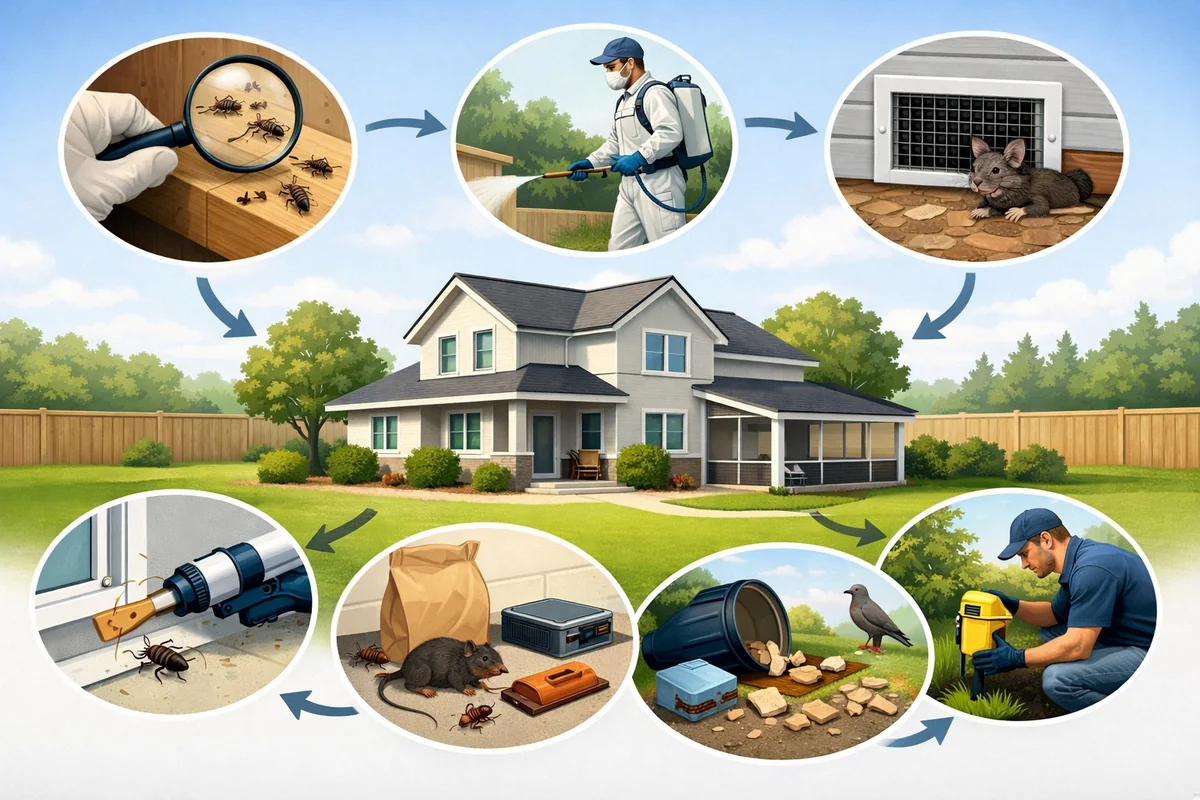
Complete Guide to Pest Control Maintenance: Upkeep Tips & Ongoing Management 2026
Learn how to keep your home pest-free with our complete pest control maintenance guide. Discover expert pest upkeep tips, safe DIY solutions, and step-by-step ongoing pest management strategies for 2026.
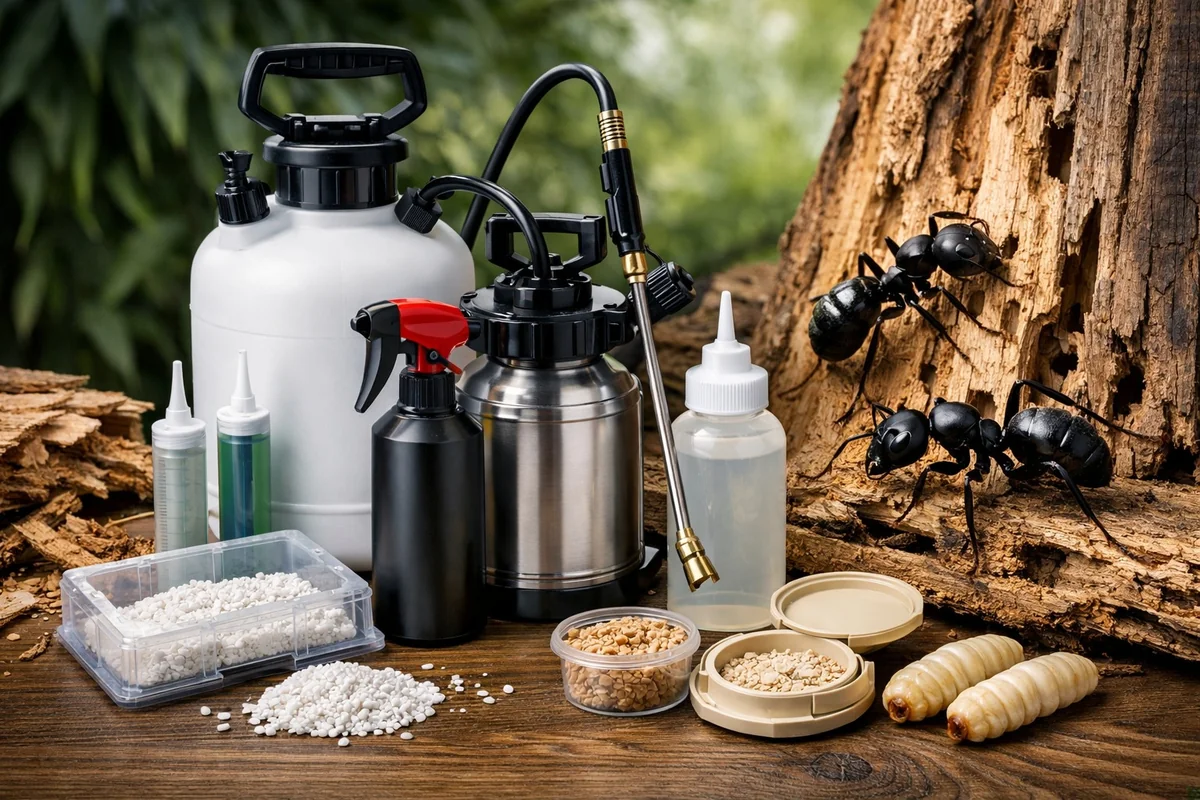
Best Carpenter Ant and Wood Borer Treatments 2026: Top Baits, Sprays, and Safe Solutions
Discover the best carpenter ant treatments and wood borer control products for 2026. Compare effective baits, sprays, natural solutions, and expert tips to eliminate pests and protect your home - DIY-friendly and budget-conscious.

Guide to Hiring a Professional Pest Control Service: What to Know in 2026
Learn when and how to hire a professional pest control service, what to look for in a company, and how to compare options for safe, effective pest removal in 2026. Includes step-by-step preparation, contract tips, and FAQs.