
How to Get Rid of Bed Bugs: Complete Process (2026)
Struggling with bed bugs? This 2026 step-by-step guide covers how to get rid of bed bugs, essential tools, DIY vs professional options, and proven extermination steps for fast, safe, and effective bed bug removal.
To get rid of bed bugs, start by confirming the infestation, declutter and isolate affected areas, then use a mix of heat, vacuuming, and targeted insecticides. The process usually takes 2–6 weeks of consistent effort. You'll need basic tools, protective gear, and patience to fully eliminate all bugs and their eggs.
How to Identify a Bed Bug Infestation
Bed bugs are notoriously elusive, which makes early detection challenging but crucial. Recognizing the right signs early can save weeks of frustration and help you avoid a larger, more expensive problem down the line. Don’t rely on bites alone - physical evidence matters more.
Recognizing Bed Bug Bites vs Other Insects
Bed bug bites typically appear as clusters or lines of small, red welts, often on exposed skin like arms, neck, and shoulders. Unlike single, random mosquito bites, these marks often follow a pattern.
Itching and swelling are common, but not everyone reacts - some people show no signs at all. This is why bites aren’t a reliable diagnostic tool by themselves. Flea bites usually target ankles and are more scattered, while spider bites are isolated and can be larger.
Physical Signs: Stains, Shells, and Odors
Look for rust-colored stains on sheets or mattresses - these are bed bug droppings or crushed bugs. Tiny, pale shed skins (exoskeletons) and pinhead-sized white eggs clustered in seams or crevices are strong evidence of active breeding.
In larger infestations, a musty, sweet odor develops - think of a dirty laundry smell that lingers even after washing. This is caused by pheromones the bugs release in large numbers.
Where Bed Bugs Hide in Homes
Bed bugs favor tight, dark places close to human hosts. Common hiding spots include mattress seams, box springs, headboards, and bed frames. But they don’t stop there - they’ll wedge into cracks, behind electrical outlets, under peeling wallpaper, and inside furniture joints.
Unlike fleas, bed bugs rarely infest pets or deep carpets. Instead, they stick to spots near where people sleep or rest, making bedrooms and living rooms the primary battlegrounds.
For more detailed identification tips and photos, check out the Bed Bug Control page.
Essential Tools and Supplies for Bed Bug Removal
Effective bed bug removal comes down to the right combination of products, tools, and preparation. Skimp on supplies and you risk missing eggs or survivors - it’s the #1 reason infestations come back. Here’s what works (and what doesn’t) for most homes as of 2026.
Choosing Safe and Effective Insecticides
Pyrethroid sprays are widely available, but bed bugs have developed resistance in many regions. Don’t expect quick results unless you’re combining them with other methods.
Desiccant dusts like diatomaceous earth or silica gel physically dehydrate bed bugs on contact - no chemical resistance possible. These remain effective for weeks in undisturbed areas and are a cornerstone of long-term control.
Foggers (“bug bombs”) are rarely helpful. They scatter bugs into new hiding spots and rarely reach where bed bugs actually live.
If you want more options with user reviews and real-world performance, see the Best Bed Bug Sprays and Foggers 2026 guide.
Non-Chemical Tools: Steamers, Vacuums, and Encasements
High-quality steamers kill all bed bug life stages - including eggs - when used at 160°F (71°C) or higher. Move the nozzle slowly to ensure lethal heat penetrates deep into seams and cracks.
HEPA vacuums with crevice tools are great for physically removing live bugs and debris. But remember: vacuums don’t kill eggs hidden in tiny cracks, so follow up with steam or dusts for those areas.
Mattress and box spring encasements trap bugs inside and keep new ones out. They don’t kill, but they do stop feeding and make future inspections much easier.
Protective Gear and Disposal Supplies
Nitrile gloves, sealed trash bags, and disposable coveralls help reduce the risk of carrying bugs from room to room (or out to your car). Bag and label any infested items clearly before moving them offsite or to the trash.
Always wear personal protective equipment when applying chemical sprays indoors - ventilate well and avoid skin contact. Take these precautions seriously; overexposure is a real health risk when working in poorly ventilated spaces.
Step-by-Step Bed Bug Extermination Process
You can’t shortcut bed bug removal - thoroughness wins every time. Here’s the step-by-step process that consistently delivers results for most homes, even with moderate infestations.
Step-by-Step Guide
Learn how to eliminate bed bugs safely and effectively using proven, modern pest control techniques. This guide provides clear, actionable steps with current best practices for thorough bed bug removal.
Total Time
4 hours 10 minutes (plus ongoing monitoring)
Difficulty
Intermediate
Inspect and Identify Bed Bug Infestation
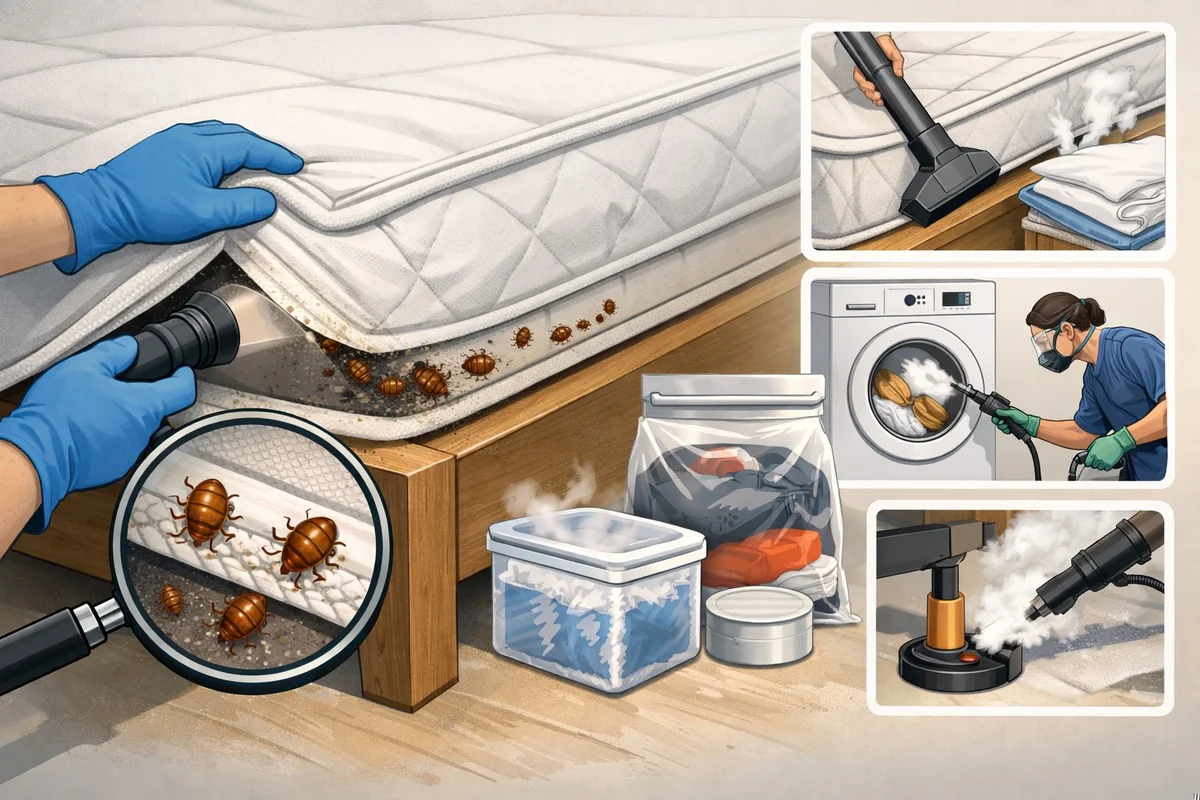
Check mattresses, box springs, bed frames, and seams for live bugs, shed skins, and small black stains. Use a flashlight and magnifying glass for better visibility. Accurate identification ensures you target the right pest and avoid unnecessary treatments.
Pro Tips:
- Inspect crevices, headboards, and behind wall hangings.
- Look for tiny white eggs (about 1mm) along mattress seams.
- Document findings with photos for reference or professional review.
Important Warnings:
- Don’t confuse bed bugs with carpet beetles or fleas—misidentification leads to ineffective treatment.
Required Tools:
- Flashlight (LED preferred)
- Magnifying glass (10x recommended)
- Disposable gloves
Declutter and Prepare the Area
Remove excess items from bedroom floors, under beds, and closets. Place infested or suspect items in sealed plastic bags before moving them. This step helps prevent bed bugs from spreading to new locations during cleaning.
Pro Tips:
- Sort items—washable vs. non-washable—for tailored treatment.
- Use heavy-duty, sealable plastic bags (2 mil or thicker).
- Label each bag to track treated and untreated items.
Important Warnings:
- Do not move unbagged items between rooms—this can spread the infestation.
Required Tools:
- Heavy-duty plastic bags (2 mil+)
- Permanent marker
- Laundry baskets
Launder and Heat-Treat Fabrics
Wash bedding, linens, and clothes in hot water (at least 130°F/54°C) and dry on the highest heat for 30 minutes. High temperatures kill all bed bug life stages. Promptly store cleaned items in sealed bags until the infestation is resolved.
Pro Tips:
- Treat pillows and soft toys the same way as bedding.
- Use commercial dryers for bulky items if needed.
- Check manufacturer labels to avoid damaging delicate fabrics.
Important Warnings:
- Items not exposed to sufficient heat may allow bed bugs to survive and reinfest.
Required Tools:
- Washing machine (hot water setting)
- Dryer (high heat)
- Sealable plastic bags
Vacuum and Steam Infested Areas
Vacuum mattresses, box springs, bed frames, baseboards, and floors thoroughly. Use a steam cleaner (at least 212°F/100°C) on seams, cracks, and crevices. This removes live bed bugs, eggs, and debris, reducing the population before using chemical treatments.
Pro Tips:
- Use a crevice tool for tight spaces.
- Empty vacuum outside and seal the bag immediately.
- Move slowly—steam needs several seconds per area for effectiveness.
Important Warnings:
- Don’t use steam on electrical outlets—risk of shock or damage.
- Improper vacuum disposal can cause re-infestation.
Required Tools:
- Vacuum with HEPA filter
- Steam cleaner (212°F/100°C minimum)
- Crevice tool attachment
Apply Approved Insecticides or Desiccant Dusts
Use EPA-registered bed bug sprays and/or silica gel or diatomaceous earth dust. Apply products to mattress seams, bed frame joints, and baseboards as directed. Follow all label instructions for safety and effectiveness - repeat as required by manufacturer.
Pro Tips:
- Use a hand duster for even dust application.
- Apply only to cracks, crevices, and hiding spots—not on bedding surfaces.
- Rotate products if resistance is suspected.
Important Warnings:
- Wear gloves and a mask—never overapply chemicals.
- Keep pets and children away from treated areas until dry.
Required Tools:
- EPA-registered bed bug spray
- Silica gel or diatomaceous earth (food-grade)
- Hand duster
- Nitrile gloves
- N95 mask
Install Bed Bug-Proof Encasements and Interceptors
Cover mattresses and box springs with certified bed bug-proof encasements. Place interceptor traps under all bed and furniture legs. These tools isolate remaining bugs and help monitor progress, reducing risk of reinfestation.
Pro Tips:
- Choose encasements labeled 'bed bug certified' with zipper locks.
- Leave encasements on for a minimum of 12 months.
- Check interceptors weekly for trapped bed bugs.
Important Warnings:
- Do not tear or remove encasements early—this may release trapped bugs.
Required Tools:
- Bed bug mattress and box spring encasements
- Bed bug interceptor traps
Monitor, Repeat, and Seek Professional Help if Needed
Inspect interceptors and treated areas weekly for signs of bed bugs. Repeat cleaning and treatment steps if any bugs are detected. For persistent or large infestations, contact a licensed pest control professional for advanced treatment options.
Pro Tips:
- Maintain a log of observations and treatments.
- Consider heat treatment for severe cases—professional equipment heats rooms to 120°F+.
- Professional help is recommended if bugs persist after 3–4 cycles.
Important Warnings:
- Delaying professional intervention can allow the infestation to worsen significantly.
Required Tools:
- Observation log or notebook
- Contact list for licensed pest control services
Preparation: Decluttering and Isolating Infested Areas
Clear out clutter - boxes, clothes piles, and unused furniture create perfect hiding spots for bed bugs. The fewer places bugs can hide, the easier it is to treat and inspect.
Seal clean items (bedding, clothes, electronics) in heavy-duty plastic bags. Launder what you can on high heat, and keep these bags isolated through the entire treatment process to avoid reinfestation.
Move beds and upholstered furniture away from walls and other objects, leaving at least 18 inches of clearance on all sides. This isolation makes it harder for bugs to escape treatment or return after you’ve cleaned.
Mechanical Removal: Vacuuming and Steaming
Vacuum all mattress seams, baseboards, bed frames, and furniture cracks. Pay special attention to screw holes, fabric folds, and the underside of box springs - these are classic hiding spots.
Immediately seal and remove vacuum bags or canisters outside your home to prevent survivors from crawling back in. HEPA filters are best, especially for allergy-sensitive households.
Use a steamer on mattresses, bed frames, and soft furnishings. Move slowly - about 1 inch per second - to ensure lethal heat soaks through eggs and nymphs hiding deep inside seams.
Chemical and Dust Treatments: Application Tips
Apply insecticides only to cracks, crevices, joints, and bed frames - not directly on bedding or where skin contacts surfaces. Focus on places where eggs and nymphs hide, not just visible bugs.
Desiccant dusts shine in dry, undisturbed areas: wall voids, electrical outlets (power off first), and behind headboards. They keep working long after sprays have dried up.
If you need to re-treat after a few weeks, rotate between different classes of insecticide (pyrethroids, neonicotinoids, desiccants) to minimize resistance. Don’t double up on the same chemical - this is a common mistake that leads to super-resistant bugs.
Final Steps: Encasement and Monitoring
After all cleaning and treatment, install mattress and box spring encasements to trap any remaining bugs and prevent new infestations. Once zipped, don’t remove them for at least 12 months.
Place interceptor cups under each bed leg - these trap bugs trying to climb up or down and make ongoing monitoring much easier. Check and empty interceptors weekly to track progress.
Keep inspecting weekly for at least 6 weeks after the last live bug sighting. If you see new bites or signs, repeat targeted treatments. Persistence is the real secret.
| Method | ★Difficulty Level | ★Time Required | Cost Range | ★Best For | Effectiveness |
|---|---|---|---|---|---|
| Manual Removal & Cleaning | Medium | 4-6 hours per room | Budget | Small infestations or early detection; ideal for renters and DIY beginners | Moderate |
| Heat Treatment | Hard | 6-8 hours (plus setup) | Premium | Severe or widespread infestations; suitable for whole-home treatment | Very High |
| Chemical Treatment | Medium | 2-4 hours for application, plus 2-3 days for full effect | Moderate | Moderate infestations; those comfortable handling insecticides | High |
| Encasement & Prevention | Easy | 1-2 hours initial setup | Budget | Ongoing prevention or supplementing other methods; not a stand-alone eradication solution | Low |
Comparing DIY Bed Bug Removal Methods
There’s no single “best” way to remove bed bugs, but some methods work far better than others - especially when used together. Here’s how the main approaches stack up in practice.
Heat Treatments vs Chemical Approaches
Heat is the most reliable way to kill all bed bug life stages, including eggs. Laundering bedding and clothes on high heat and using steamers on furniture can wipe out populations in hours - if you’re thorough.
Chemical sprays and dusts require careful, repeated application, and the results build up over 2–6 weeks. Heat is safer in sensitive environments (kids, pets, allergies) but can be tough to do at scale without professional equipment.
Professional-Grade Products vs Household Solutions
Professional insecticides often last longer on surfaces and cover a broader spectrum of resistant bugs. Most are only available to licensed exterminators, but some strong over-the-counter options bridge the gap for DIYers.
Household items like rubbing alcohol or essential oils may kill on contact but rarely eliminate a whole infestation. They evaporate quickly and don’t reach bugs hidden deep inside furniture or walls.
Improper use of strong chemicals poses real health risks - read and follow every label. Local regulations may restrict certain products, so check with your municipality before buying or applying anything unfamiliar.
Physical Barriers and Prevention Tools
Encasements and interceptor cups block bed bugs from feeding and make ongoing monitoring much easier. They’re non-toxic and provide passive protection, especially useful in apartments or after travel.
However, barriers alone won’t eliminate existing bugs - use them along with cleaning and chemical/heat treatments. For heavy infestations, barriers buy you time but don’t solve the root problem.
Common Mistakes and How to Avoid Them
Most failed DIY attempts come down to three things: underestimating the infestation, misusing products, or neglecting ongoing checks. Here’s how to avoid the traps that trip up most first-timers.
Underestimating the Infestation Size
Bed bugs spread beyond the bed - into nightstands, baseboards, and even neighboring rooms or apartments. If you only treat the bed itself, expect a swift comeback.
Missing hidden nests is the most common cause of recurrence. Early infestations are harder to spot but much easier to eliminate if you act fast and treat thoroughly.
Misusing Insecticides or Home Remedies
Spraying more doesn’t mean better results - overusing insecticides causes resistance and can harm your health. Focus application on hard-to-reach crevices, not open surfaces or bedding.
DIY remedies like essential oils or alcohol sprays offer only short-term relief. They rarely reach all bugs and evaporate before they can kill eggs or hidden nymphs.
Never spray bedding or sleeping surfaces directly. This is not just ineffective - it can cause rashes, breathing issues, or worse, especially for children and pets.
Neglecting Ongoing Monitoring
Stopping inspections too soon is a classic error. Bed bugs can survive months without feeding and may reappear long after you think they’re gone.
Check interceptors and encasements weekly for at least 6 weeks after the last visible bug. Survivors or missed eggs can trigger a full-scale resurgence if you drop your guard too early.
Is DIY Bed Bug Removal Right for You?
DIY methods can be extremely effective for small or moderate infestations, especially if you’re detail-oriented and persistent. But there are limits - sometimes, calling in a pro is the only real solution.
When Self-Treatment Is Effective
If the problem is limited to a single room or recently discovered, DIY is often enough. Strong attention to detail and willingness to repeat treatments make all the difference.
DIY is especially appealing if cost is a concern, and you have the time to do a thorough job. Many homeowners match professional results with patience and the right tools.
When to Consider Professional Help
Large, multi-room, or building-wide infestations need specialized heat equipment or advanced chemical rotations. If you have physical limitations or severe allergies, DIY may not be safe or practical.
If you’ve tried several rounds of treatment and still see bugs, or if you suspect resistance, it’s time to bring in a professional. They can access products and methods not available to the general public and diagnose hidden nests you may have missed.
Preventing Future Bed Bug Infestations
The best way to avoid a repeat infestation is to combine vigilance with a few simple habits - especially after travel or buying secondhand items. Prevention is less work than a full-blown eradication.
Travel and Guest Precautions
Always inspect hotel beds and headboards for stains, shells, or live bugs before unpacking. Keep luggage on racks, not floors or beds, and zip bags shut when not in use.
After travel, wash all clothing on high heat and vacuum suitcases before storing. Warn overnight guests about prevention steps - they can unknowingly bring bugs in from their own homes or previous stays.
Home Maintenance and Early Detection
Seal cracks in baseboards and walls to reduce hiding spots and entry points. Use interceptor cups under bed legs - especially after travel or when bringing in used furniture.
Inspect beds, sofas, and baseboards monthly for early signs. Early action stops small problems from turning into months-long battles.
Frequently Asked Questions About Bed Bug Removal
❓ Frequently Asked Questions
What are bed bugs and how can you identify them?
What are bed bugs and how can you identify them?
Bed bugs are small, reddish-brown insects that feed on human blood, typically at night. They are about 4-5 mm long and flat, making them hard to spot. Common signs include itchy bites, tiny blood stains on sheets, and dark fecal spots near mattresses or furniture seams.
How do you get rid of bed bugs completely?
How do you get rid of bed bugs completely?
To eliminate bed bugs, start by washing all bedding and clothing in hot water.:
- Vacuum infested areas thoroughly, focusing on mattress seams and cracks.
- Use a steam cleaner on soft surfaces.
- Apply EPA-approved bed bug sprays or powders.
- Encase mattresses and box springs.
Repeat treatments as needed. Professional extermination may be required for large infestations.
What should I look for when choosing a bed bug spray?
What should I look for when choosing a bed bug spray?
When selecting a bed bug spray, consider:
- EPA registration: ensures safety and effectiveness
- Active ingredients: look for pyrethroids or silica gel
- Residual action: longer protection between applications
- User reviews: check for proven results.
Always follow label instructions and test on a small area first for fabric safety.
How often should I treat my home for bed bugs?
How often should I treat my home for bed bugs?
Most experts recommend treating your home every 7-10 days until no signs of bed bugs remain. Multiple treatments are often needed due to bed bug eggs hatching after initial application. Consistent monitoring and follow-up treatments improve success rates and help prevent re-infestation.
What is the difference between chemical and non-chemical bed bug treatments?
What is the difference between chemical and non-chemical bed bug treatments?
Chemical treatments use pesticides to kill bed bugs on contact and provide residual protection. Non-chemical methods include heat treatments (above 120°F), vacuuming, and steam cleaning. While chemicals can be effective for long-term control, non-chemical options are safer for sensitive individuals and can be used alongside chemical approaches for best results.
Why do bed bugs keep coming back after treatment?
Why do bed bugs keep coming back after treatment?
Bed bugs may return due to missed eggs, hidden bugs, or re-infestation from nearby units. Most users find that incomplete treatment or lack of follow-up allows populations to rebound. It's essential to treat all affected areas, repeat applications, and monitor for several weeks after initial treatment.
Which home remedies are effective for bed bug removal?
Which home remedies are effective for bed bug removal?
Home remedies such as vacuuming, hot washing, and steam cleaning can help reduce bed bug populations. However, data shows these methods rarely eliminate infestations completely. Professional-grade treatments or EPA-approved sprays are typically required for full eradication. Avoid using alcohol or essential oils, as studies show limited effectiveness against bed bugs.
Key Takeaways for Successful Bed Bug Removal
Accurate identification, methodical preparation, and persistence are your best weapons against bed bugs. Combining heat, chemical, and physical methods gives you the highest chance of full eradication, especially for moderate infestations.
Ongoing monitoring - interceptors, encasements, and weekly inspections - are just as important as the initial treatment. If you’re still seeing signs after several rounds of treatment, reassess for missed hiding spots or chemical resistance and consider professional help.
Stay vigilant even after you’ve won - regular inspections and preventive steps keep your home bed bug free for good. Ready to tackle another pest or need more advanced tips? Explore related guides or reach out for expert advice if you hit a stubborn case.
Related Articles
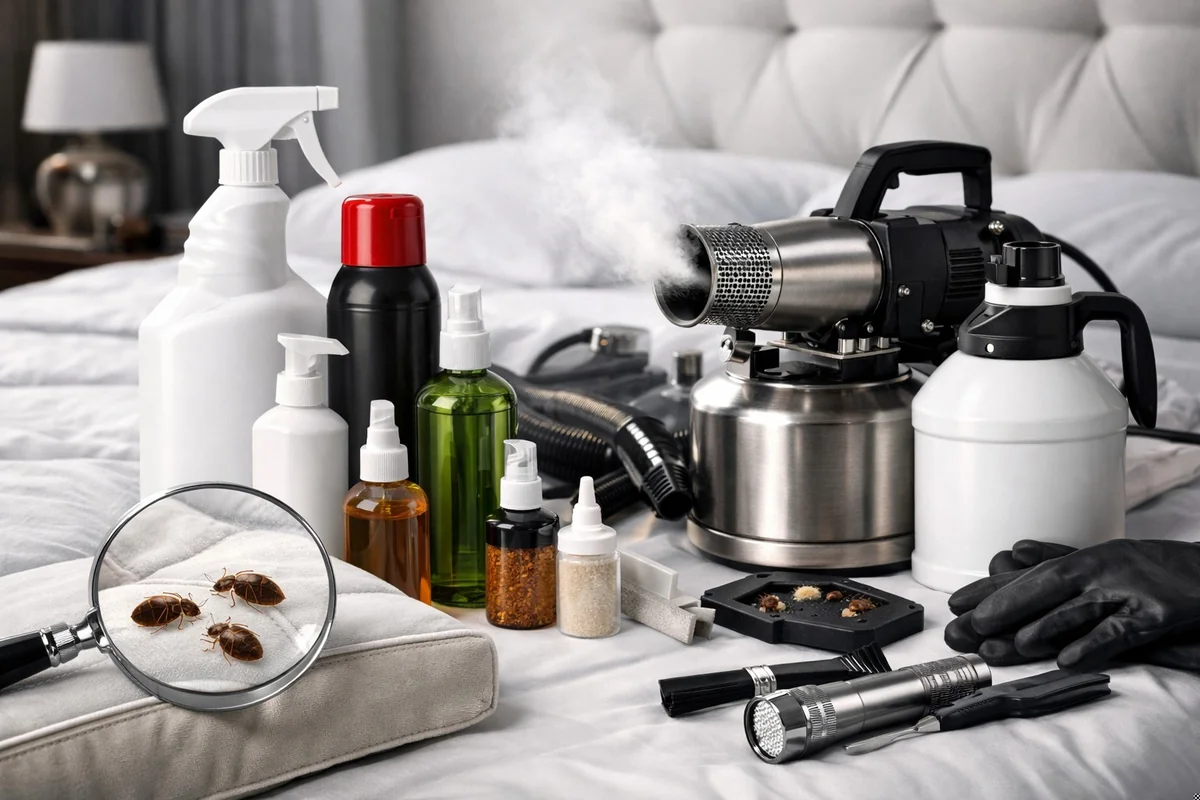
Best Bed Bug Sprays and Foggers 2026: Top DIY Removal Products Reviewed
Best bed bug sprays, foggers, powders, and natural options for 2026. Compare top-rated products and find safe, effective DIY solutions for your home.
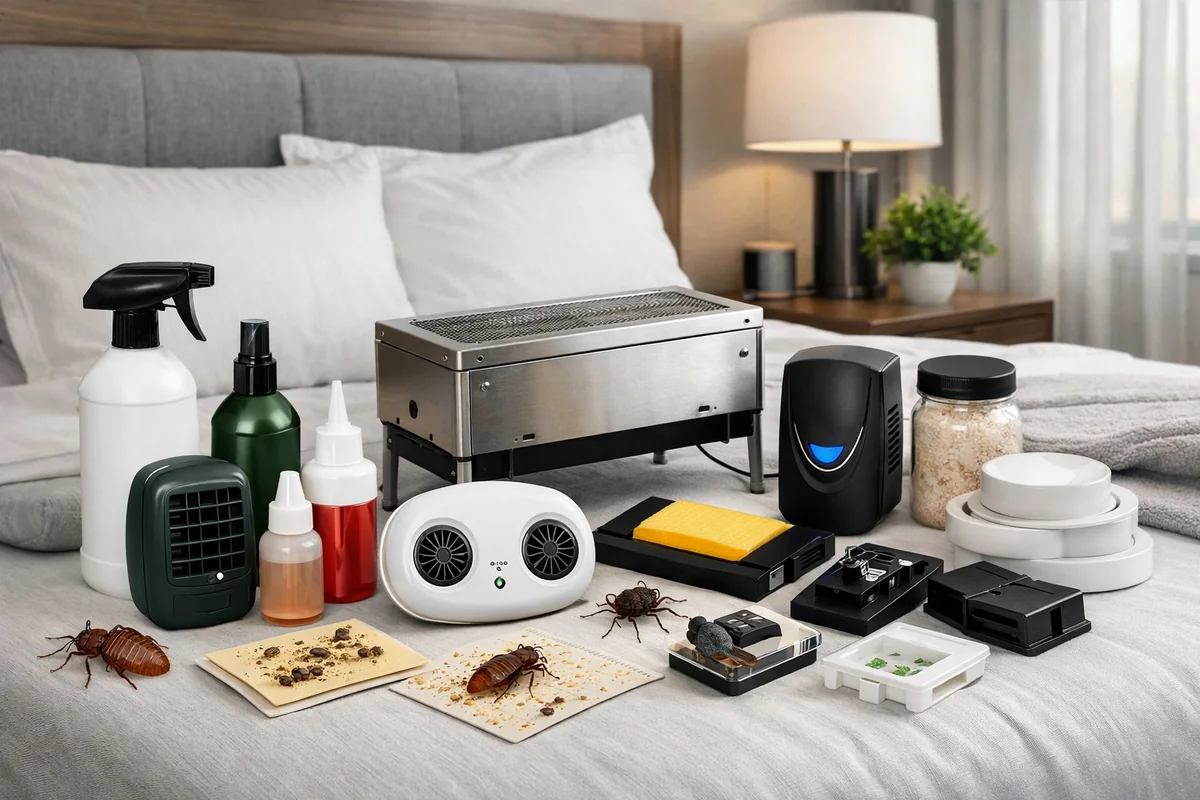
Best Bedroom Pest Control Products 2026: Safe, Effective Picks for Every Home
Discover the best bedroom pest control products for 2026, including ant baits, bed bug sprays, natural solutions, and living room pest killers. Find safe, effective, and budget-friendly options for every home.
![Best Protective Gear for Pest Control 2026 [Expert Reviews]](https://pestproreviews.com/images/hero/hero_best_protective_gear_for_pest_control_2026_expert.webp)
Best Protective Gear for Pest Control 2026 [Expert Reviews]
Protect yourself during DIY pest control in 2026 with our expert-reviewed guide to the best protective gear. Compare top-rated respirators, gloves, coveralls, and more for safe, effective pest removal at home.
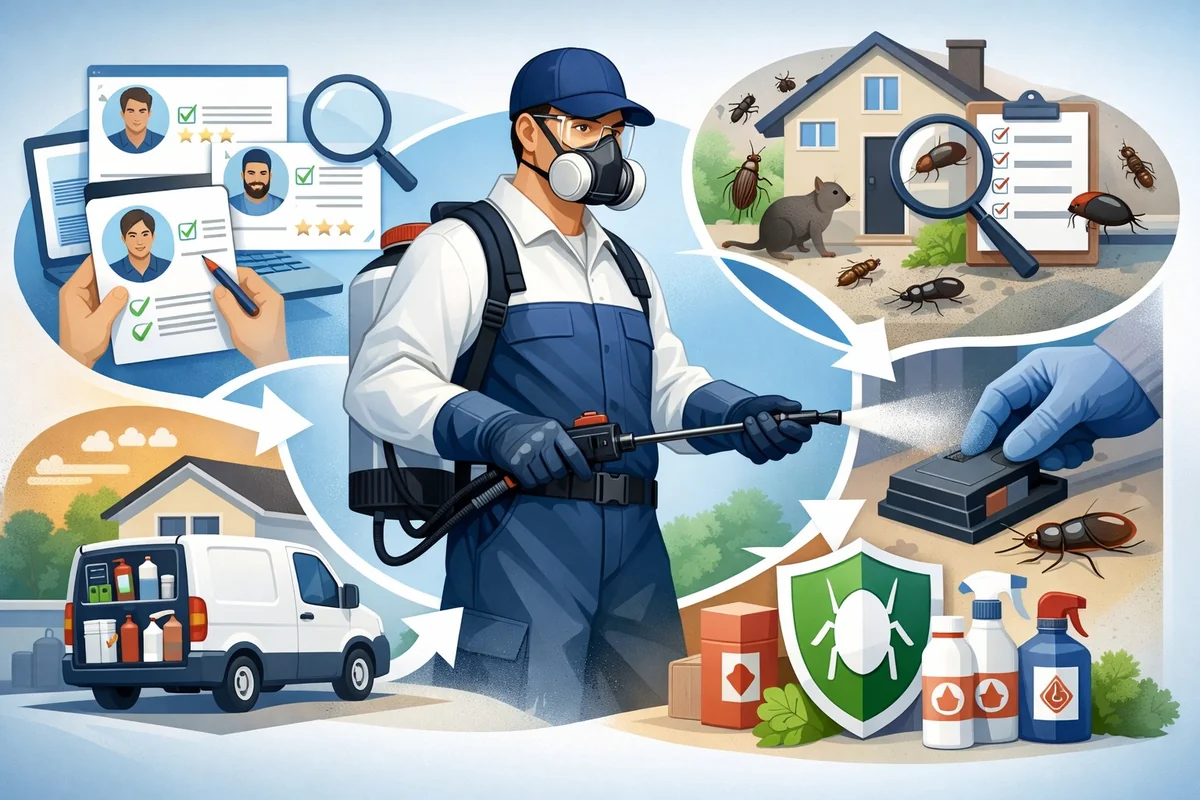
Guide to Hiring a Professional Pest Control Service: What to Know in 2026
Learn when and how to hire a professional pest control service, what to look for in a company, and how to compare options for safe, effective pest removal in 2026. Includes step-by-step preparation, contract tips, and FAQs.