How to Get Rid of Squirrels in Attics and Roofs (2026 Guide)
Learn how to get rid of squirrels in your attic or roof with proven DIY methods. Step-by-step removal guide, prevention tips, and answers to common questions - all updated for 2026.
To get rid of squirrels in your attic or roof, find their entry points, use live traps or one-way exclusion doors, and seal all access once they're gone. Expect 3-7 days for full removal. Wear protective gear - bites and insulation dust are real risks.
How Squirrels Invade Attics and Roofs
Squirrels are agile climbers, and houses built even in 2026 still have weak spots these animals can exploit. Gaps in soffits, roof vents, fascia boards, and even poorly installed solar panels become ideal entryways. Based on customer reports, one overlooked corner is all it takes.
Common Entry Points in Homes
Most homes have at least a few vulnerable areas: roof vents with loose screens, rotted wood at the roofline, or junctions where different materials meet. Squirrels only need a 2-inch opening - about the size of a golf ball - to squeeze inside.
Trees and shrubs that touch or overhang your roof create bridges for squirrels. Utility wires act as highways, so even a treeless yard isn't immune. Landscaping that seems harmless can turn into an express lane for pests.
Why Squirrels Choose Attics and Roofs
Attics offer what outdoor nests can't: warmth, protection from predators, and easy access to nesting material. Squirrels see your insulation as a perfect substitute for moss and leaves. It holds heat, is easy to shape, and is found in abundance in most attics.
Spring and fall are peak risk periods. That's when squirrels breed, and they seek out the safest, most hidden nesting sites. Outdoor nests are exposed to hawks and weather, but your attic is stable and rarely disturbed.
If you want a broader look at squirrel and chipmunk problems, see our Squirrel & Chipmunk Control resource.
Signs of a Squirrel Infestation
Spotting a squirrel problem early makes removal far easier. Listen and look for these clues before setting any traps or exclusion devices.
Noises and Movement Patterns
Squirrels are mostly active during the day - unlike mice or rats, which prefer the night. You'll hear scampering and scratching, especially in the morning or late afternoon. Heavy thumping or rolling noises often mean you have more than one, possibly adults and juveniles playing or chasing each other.
If the attic suddenly goes quiet after a period of noise, that could indicate a mother is tending to newborns. Changes in activity patterns matter - less noise doesn't always mean they've left.
Physical Evidence: Droppings, Damage, and Nests
Squirrel droppings are larger and more cylindrical than mouse droppings - about the size of a jelly bean, with blunt ends. Chewed wires are a tell-tale risk, not just an annoyance. Squirrels often strip insulation from electrical wires, which increases your chance of an attic fire.
Nests look like messy piles of insulation, leaves, and sometimes shredded paper. If you spot one, avoid disturbing it until removal - cornered squirrels can bite, and you may expose yourself to dust or droppings.
If you want more on effective traps and deterrents, see our guide on Best Squirrel Traps and Deterrents 2026.
| Method | ★Difficulty Level | ★Time Required | Cost Range | ★Best For | Safety Considerations | Effectiveness |
|---|---|---|---|---|---|---|
| Live Trapping and Release | Medium | 4-6 hours (plus daily checks for 3-5 days) | Moderate | Homeowners with moderate DIY skills and time to monitor traps | Requires safe handling; risk of bites if mishandled | High |
| Exclusion with One-Way Doors | Hard | 1 full day (setup and monitoring) | Premium | Attics with multiple entry points; advanced users or professionals | May require ladder work and roof access; follow safety standards | Very High |
| Repellents and Deterrents | Easy | 1-2 hours (application and setup) | Budget | Temporary relief or small infestations; beginners | Low risk; use gloves and follow label instructions | Moderate |
| Sealing Entry Points (After Removal) | Medium | 3-5 hours (varies by damage extent) | Moderate | Preventing re-entry after squirrels have been removed | Safe if done from inside; may require basic carpentry tools | Essential for long-term success |
Essential Tools and Materials for Removal
You'll need the right gear to remove squirrels from attics or roofs safely and legally. Some traps and tools are much more effective - and humane - than others.
Recommended Traps and Exclusion Devices
- Live-catch cage traps designed for squirrels: Mouse or rat traps are too small and won't work. Squirrel traps should be large enough for the animal to enter fully without getting stuck.
- One-way exclusion doors: These allow squirrels to exit but prevent them from coming back in. They're best installed over the main entry hole and work well if all young are mobile.
- Never use glue or snap traps: As of 2026, these are illegal for squirrels in many areas and cause unnecessary suffering. Plus, they can harm birds, bats, or even pets if misused.
Safety Gear and Inspection Tools
- Thick gloves and long sleeves: Squirrels can bite and scratch, and attic insulation can irritate skin.
- Headlamp or inspection mirror: Attics are dark and cramped. A headlamp frees up your hands, and a mirror lets you check behind beams or ductwork.
- Respirator mask: Squirrel droppings and insulation dust can trigger allergies or even spread disease. A mask rated N95 or better is recommended.
With these tools ready, you can move to the actual removal process.
Step-by-Step Guide: How to Remove Squirrels Safely
Getting rid of squirrels in your attic or on your roof is a process. Rushing it or skipping steps almost always leads to more damage - or squirrels returning within weeks.
Step-by-Step Guide
Safely and effectively remove squirrels from attics and roofs by following these industry-approved steps. This guide uses best practices for humane exclusion and home protection.
Total Time
3 hours 15 minutes (plus 48-72 hours monitoring)
Difficulty
Intermediate
Inspect and Identify Entry Points
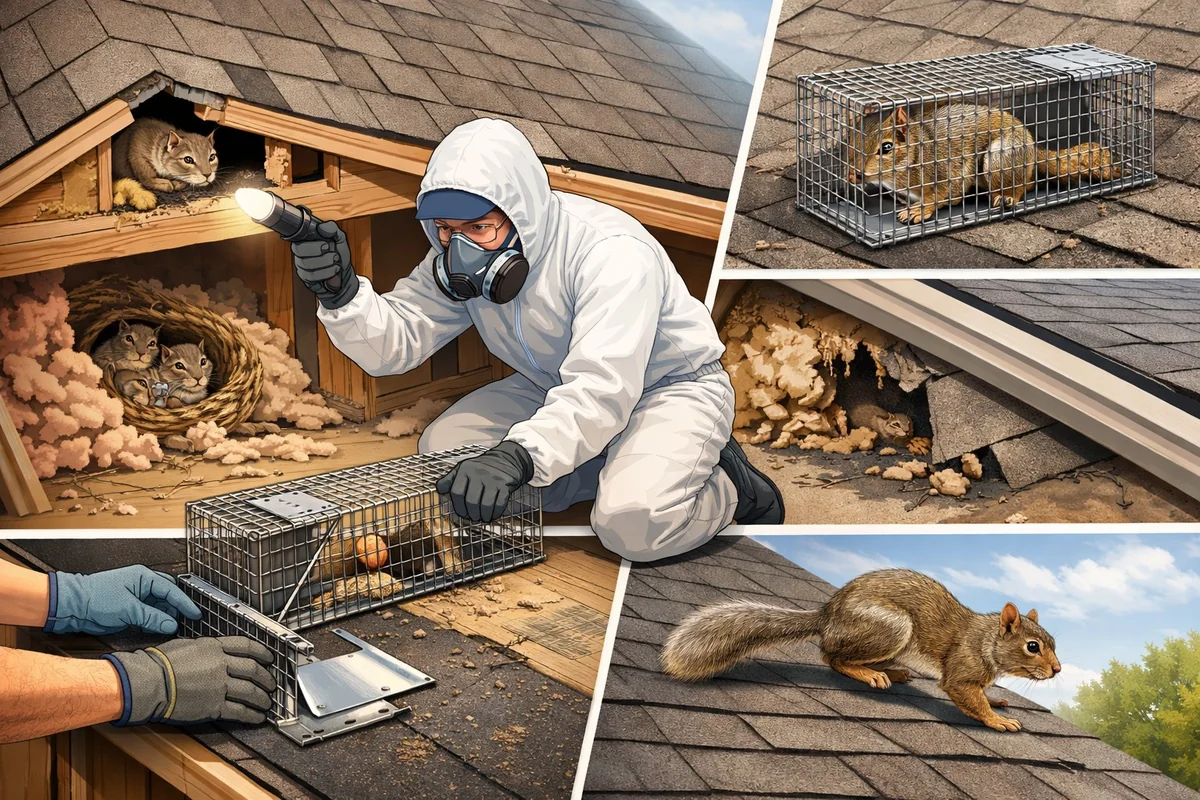
Inspect the attic and roof exterior for holes, gnawed openings, and loose vents. Use a flashlight to check dark corners and look for droppings or nesting material. Identifying all access points ensures you target the right locations for sealing later.
Pro Tips:
- Check for chewed wood near eaves and soffits.
- Look for tracks or greasy marks along beams.
- Early morning is ideal for spotting squirrel activity.
Important Warnings:
- Wear a dust mask and gloves—droppings may carry disease.
- Avoid handling nests directly to prevent exposure to parasites.
Required Tools:
- Flashlight (high-lumen recommended)
- Ladder (6-12 ft, rated for outdoor use)
- Work gloves (leather or heavy-duty)
Evict Squirrels Using One-Way Exclusion Doors
Install a one-way exclusion door over the main entry point. This device lets squirrels exit but prevents re-entry. Monitor the area for 48-72 hours to ensure all animals have left before proceeding.
Pro Tips:
- Check exclusion doors daily for proper function.
- Choose commercial-grade excluders sized for squirrels (2-3 inch opening).
- Install cameras or use talcum powder to confirm exit activity.
Important Warnings:
- Do not seal all holes before squirrels have exited—this may trap them inside.
- If you find babies, contact a wildlife professional for humane removal.
Required Tools:
- One-way exclusion door (metal or heavy-duty plastic)
- Cordless drill with bits (for temporary mounting)
- Protective eyewear
Seal All Entry Points Permanently
Once all squirrels have been excluded, seal every entry point with galvanized steel mesh (16-gauge, 0.5-inch openings) and construction-grade sealant. Secure with screws for durability. Proper sealing prevents new infestations and protects from other pests.
Pro Tips:
- Overlap mesh at least 1 inch beyond the hole’s edge.
- Use weatherproof sealant for outdoor joints.
- Inspect roofline vents and chimney caps for vulnerabilities.
Important Warnings:
- Do not use spray foam alone—squirrels can chew through it.
- Work on a dry day to prevent slips and ensure materials adhere properly.
Required Tools:
- Galvanized steel mesh (16-gauge, 0.5-inch openings)
- Tin snips
- Cordless drill/screwdriver
- Exterior-grade sealant
Clean and Sanitize the Attic Area
Remove nesting material, droppings, and contaminated insulation. Bag all waste in heavy-duty contractor bags. Spray affected surfaces with an enzyme-based cleaner. Thorough cleaning reduces odors that attract new squirrels and improves attic safety.
Pro Tips:
- Use a HEPA vacuum for fine dust and droppings.
- Replace insulation if heavily soiled or chewed.
- Let the area dry fully before reinstalling insulation.
Important Warnings:
- Wear an N95 mask and gloves to protect from airborne particles.
- Never use household vacuums for droppings—risk of contamination.
Required Tools:
- Heavy-duty contractor bags
- Enzyme-based cleaner (pet-safe)
- HEPA vacuum
- N95 respirator
- Work gloves
Reduce Outdoor Attractants and Monitor
Trim tree branches at least 6-8 feet away from the roof and remove bird feeders near the home. Store food and trash in sealed containers. Continue monitoring for new activity weekly for the next 2 months.
Pro Tips:
- Install metal squirrel guards on downspouts and rooflines.
- Schedule monthly attic checks in spring and fall.
- Keep gutters clear to remove nesting material.
Important Warnings:
- Use caution when working at heights—secure your ladder on level ground.
- If squirrels return, reassess for missed entry points or call a licensed professional.
Required Tools:
- Pruning saw or pole pruner
- Metal squirrel guards
- Sealable storage bins
- Ladder
Inspect and Locate Entry Points
Start by checking every inch of your roofline, soffits, and attic for signs of gnawing or greasy rub marks. Fresh wood shavings, tufts of fur, or spots where insulation is pulled out are classic entry indicators.
To confirm active routes, sprinkle a light dusting of flour or talcum powder near suspected entry holes. Check for footprints after a few hours - fresh prints mean it's an active path. Take photos or mark each opening so you know where to seal once removal is complete.
Set Traps and Exclusion Devices
Place live-catch cage traps as close to entry points as possible. Peanut butter, sunflower seeds, or walnuts make effective baits - squirrels have a strong sense of smell and can't resist these foods. For best results, pre-bait traps (leave them unset with bait inside for a day) so the squirrels get used to them.
Install one-way exclusion doors only after you're sure no young are left behind. If juveniles can't leave, you'll end up with a smell and mess that's much harder to fix. Once all animals are mobile, exclusion doors let squirrels exit but block re-entry.
Check all traps every 12 hours. This is both a humane requirement and a legal rule in most states as of 2026.
Remove Squirrels and Relocate Responsibly
Always wear gloves when handling live squirrels. Droppings or saliva can spread disease, and a scared squirrel may bite. Carry the trapped animal at least 5 miles from your house - closer than that, and it can easily return using its strong homing instincts.
Before relocating any wildlife, check your local laws. Some regions restrict where and how you can release squirrels in 2026, especially near parks or protected lands.
Seal All Entry Points Permanently
Wait until you're absolutely sure all squirrels are gone before sealing holes. Use heavy-gauge steel mesh or hardware cloth - foam and wood are too easy for squirrels to chew through.
To confirm the attic is empty, repeat the flour tracking or listen closely for another day or two. Seasonal inspection is your best defense against future invasions.
Comparing DIY Methods: Traps, Repellents, and Professional Help
Not all squirrel removal strategies deliver the same results. Understanding the differences helps you avoid wasted time and money.
Live Trapping vs One-Way Exclusion
Live trapping lets you physically remove squirrels but requires vigilance and legal compliance. If you miss hidden juveniles, you'll face odors or new holes as mothers try to get back in.
One-way exclusion is less stressful for squirrels and works best when all young are mobile. It prevents re-entry but doesn't remove any animals trapped inside.
Effectiveness of Repellents and Deterrents
Ultrasonic devices and scent-based repellents sound appealing, but squirrels adapt quickly. Most users in 2026 report only short-term results, if any. Mothballs, ammonia, or predator urine rarely deter a determined squirrel - and can make your home smell worse.
Repellents may buy you a day or two, but if you don't seal entry points, squirrels often dig right back in. Focus your budget and effort on exclusion and repair, not these quick-fix products.
When to Consider Professional Exclusion Services
If your attic is hard to access, or if the infestation is severe, hiring a licensed wildlife control operator makes sense. Professionals use advanced techniques like thermal cameras to track hidden animals and guarantee repairs that withstand squirrel gnawing.
Expect a higher upfront cost - usually $300–$800+ depending on region and attic complexity. The upside: most services include warranties and ensure full compliance with 2026 wildlife regulations.
Common Mistakes and How to Avoid Them
Many well-intentioned DIYers make mistakes that prolong the problem or cause new headaches. Here are the pitfalls we see most often.
Sealing Entry Points Too Soon
Sealing holes before all squirrels are gone traps animals inside. This leads to dead squirrels in your attic, bad odors, and frantic chewing as they try to escape. Always confirm the attic is empty using flour tracks or noise checks - especially in spring, when young may be hidden and silent.
Using Ineffective or Dangerous Removal Methods
Poisoned baits are illegal for squirrels in most areas as of 2026. They can kill pets, harm birds, and create lingering health hazards. Snap and glue traps are both inhumane and poorly suited to squirrel size and strength.
DIY repellents like ammonia or mothballs don't keep squirrels out and may worsen indoor air quality. Stick to proven physical exclusion and trapping methods.
Preventing Future Squirrel Infestations
Once you've removed squirrels, prevention is the final and most important step. Ongoing vigilance will save you time and money down the line.
Home Maintenance and Squirrel-Proofing
- Trim tree branches to keep them 8-10 feet from your roof. Squirrels can leap impressive distances.
- Install chimney caps and vent covers made from metal mesh. These block common access points without restricting airflow.
- Inspect and repair soffits, fascia boards, and roof edges each season - weather and wildlife can open new gaps quickly.
Habitat Modification Around the Home
- Remove bird feeders or use squirrel-resistant designs to limit easy food sources that attract wildlife to your property.
- Secure trash bins with tight-fitting lids and avoid leaving pet food outdoors. Squirrels are opportunistic and will return for easy meals.
- Clear away woodpiles, brush, and debris close to your house. These provide hiding spots and staging areas for roof access.
Frequently Asked Questions About Squirrel Removal
❓ Frequently Asked Questions
How do I get rid of squirrels in my attic?
How do I get rid of squirrels in my attic?
To remove squirrels from your attic, follow these steps:
- Locate and seal all entry points except one
- Install a one-way exclusion door at the main exit
- Remove any food sources inside the attic
- Use live traps if needed, then release squirrels far from your home
- Clean and disinfect the area afterward
Wearing gloves and a mask is recommended for safety.
What attracts squirrels to attics and roofs?
What attracts squirrels to attics and roofs?
Squirrels are attracted to attics and roofs by easy access points, warmth, and nesting materials. Gaps or damaged soffits, overhanging branches, and accessible food sources like bird feeders increase the risk. Most users report that sealing these entryways and trimming tree limbs can significantly reduce squirrel intrusions.
What is the difference between professional and DIY squirrel removal?
What is the difference between professional and DIY squirrel removal?
Professional squirrel removal involves licensed experts using humane exclusion and repair methods, while DIY relies on traps and home sealing. Professionals often guarantee results and follow safety standards. However, DIY may be less expensive but carries risks if entry points are missed or animals are improperly handled.
What should I look for when choosing squirrel removal products?
What should I look for when choosing squirrel removal products?
When selecting squirrel removal products, consider:
- Humane design: prevents injury to animals
- Durability: metal traps last longer than plastic
- Ease of use: clear instructions for setup
- Safety: child- and pet-safe mechanisms
- Warranty: at least 6-12 months coverage
Always check local regulations before purchasing traps or deterrents.
How often should I inspect my attic for squirrel activity?
How often should I inspect my attic for squirrel activity?
Inspect your attic for squirrels at least twice a year - ideally in early spring and late fall when nesting is most common. Most users find that routine checks help spot droppings, chewed wires, or entry holes early. Prompt action reduces damage and prevents larger infestations.
Why is it important to remove squirrels from attics quickly?
Why is it important to remove squirrels from attics quickly?
Removing squirrels quickly prevents costly damage to insulation, electrical wiring, and wood structures. Squirrels can also introduce parasites and unpleasant odors. Industry standards recommend fast removal to avoid fire hazards from chewed wires and to stop further infestations by other pests.
How can I prevent squirrels from returning after removal?
How can I prevent squirrels from returning after removal?
To prevent squirrels from returning:
- Seal all entry holes with sturdy materials like steel mesh
- Trim tree branches at least 8–10 feet from the roof
- Remove outdoor food sources near the house
- Install chimney caps and vent covers
Regular maintenance and inspections help keep squirrels out long-term.
Key Takeaways for DIY Squirrel Removal
Solving a squirrel infestation in your attic or roof means more than just setting a trap. You need to identify every entry point, use the right removal method for your situation, and seal up your home so squirrels can't return. Patience and thoroughness pay off here.
If squirrels come back, start by inspecting for new or overlooked gaps, especially after storms or roof repairs. Repeat the exclusion process, and if you find yourself repeating it often, it's time to bring in a professional. Keep a log so you can spot patterns - repeat offenders usually use the same routes.
As of 2026, most areas require humane, non-lethal removal and have clear rules about trapping and relocation. Check your local laws, use physical exclusion and relocation methods, and always prioritize animal welfare. You'll solve the problem - and avoid hefty fines or legal trouble.
Related Articles

Best Squirrel Traps and Deterrents 2026: Live, Snap, Electric, and Natural Picks
Discover the best squirrel traps, deterrents, and chipmunk solutions for 2026. Compare live, snap, electric, and natural options to protect your home - DIY-friendly, safe, and effective.
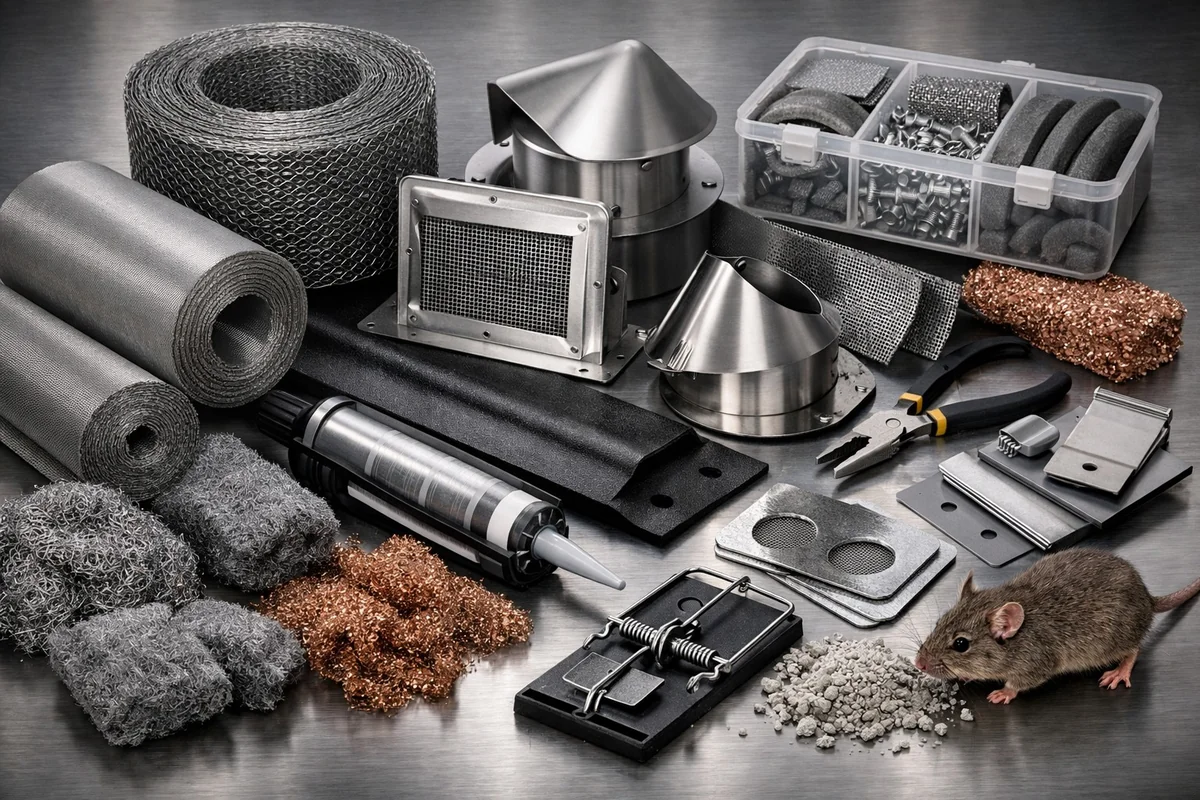
Best Rodent-Proofing Materials and Products 2026: Steel Wool, Mesh, Kits, and More
Find the best rodent-proofing materials, products, and exclusion kits for 2026. Compare steel wool, mesh, sealants, vent covers, and natural deterrents to keep your home rodent-free with expert DIY recommendations.
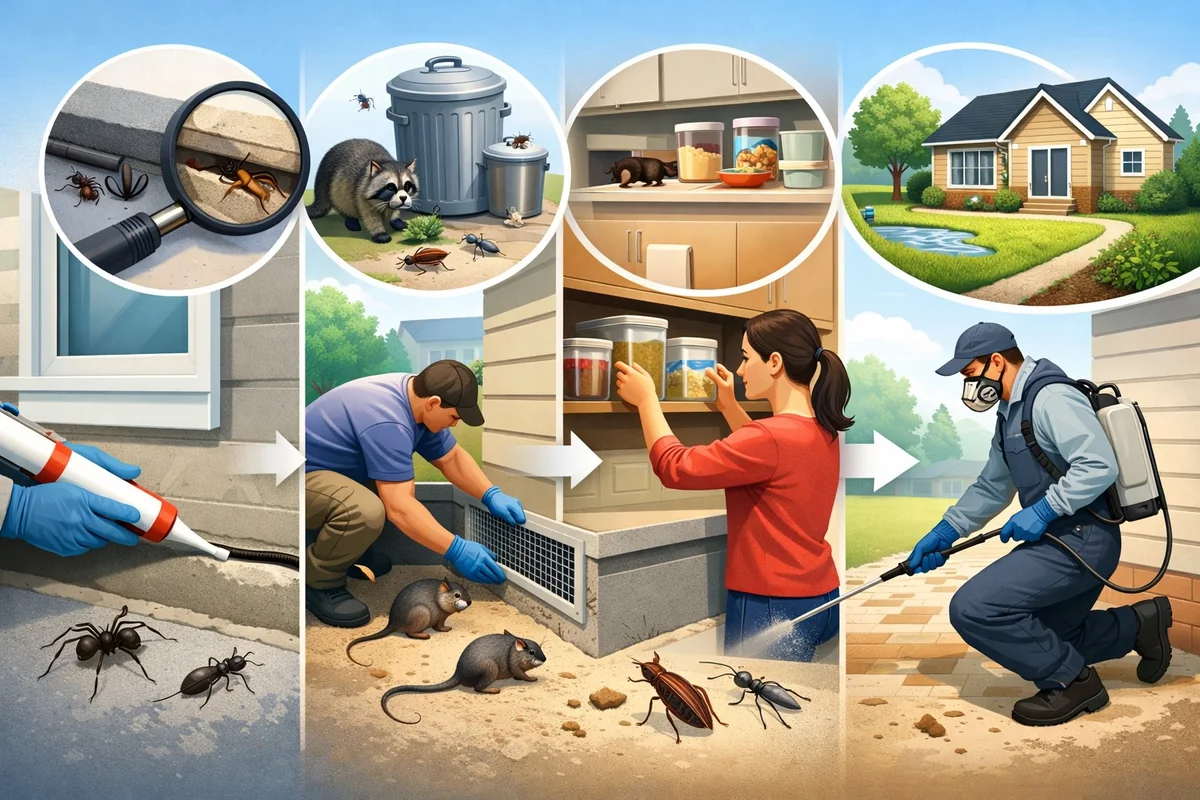
Complete Guide to Pest Prevention in Homes: Stop Pests in 2026
Protect your home in 2026 with this complete pest prevention guide. Discover proven DIY methods, room-by-room tips, safe solutions for families, and expert advice to stop pests before they start.
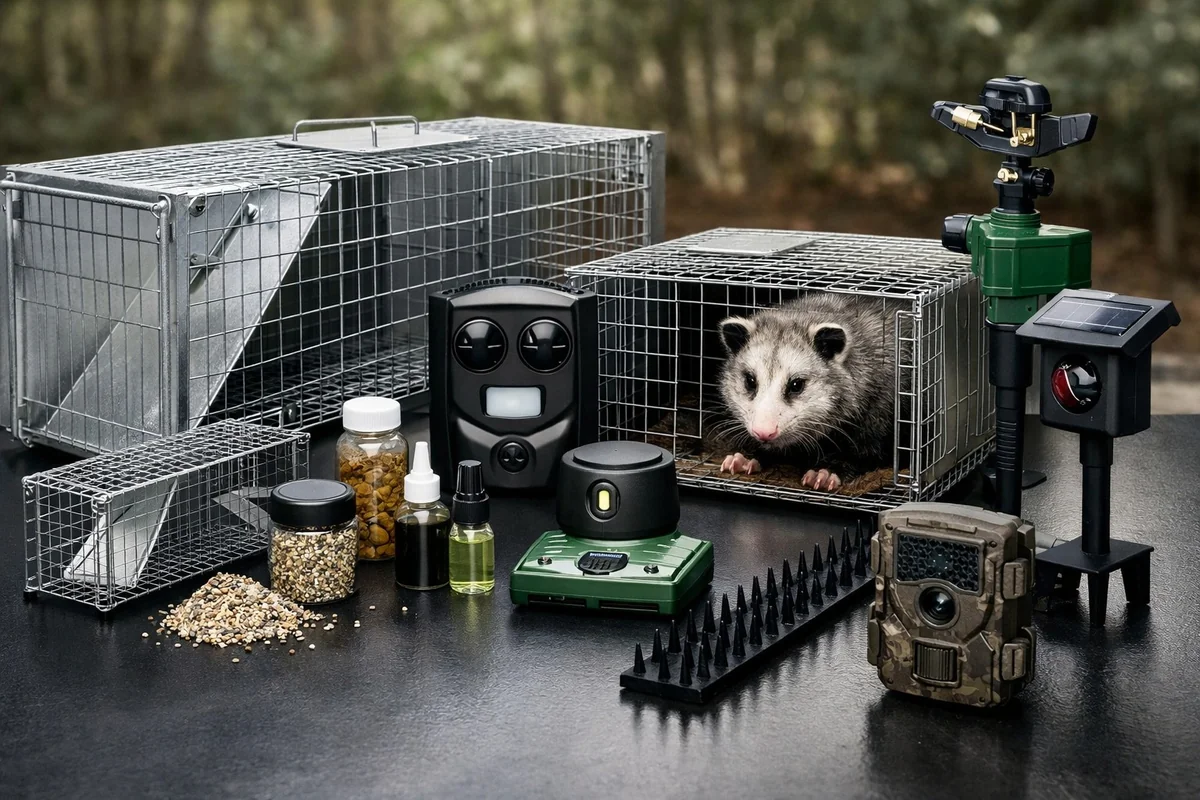
Best Raccoon Traps and Deterrents 2026: Live Traps, Repellents, and Safe DIY Options
Discover the best raccoon traps, deterrents, and opossum traps for 2026. Compare humane live-catch options, electronic repellents, and prevention tools to protect your home quickly and safely - DIY solutions for every budget.