
How to Make DIY Natural Pest Repellents (2026 Guide)
Learn how to make DIY natural pest repellents at home with safe, effective recipes. Step-by-step instructions for homemade pest sprays, ingredient tips, and expert advice for budget-friendly pest control in 2026.
To make DIY natural pest repellents, mix water, essential oils like peppermint or citronella, and a small amount of dish soap for a safe homemade pest spray. It takes about 15-20 minutes and basic kitchen tools. Test on a small area first to avoid surface damage and reapply every few days for best results.
What Makes a Natural Pest Repellent Effective?
Natural pest repellents work by targeting pests’ senses or physiology without harsh chemicals. The most effective homemade solutions rely on specific active ingredients to disrupt scent trails, suffocate insects, or repel invaders with odors they hate. Understanding how these ingredients work helps you choose the right recipe for your pest problem.
How Active Ingredients Target Pests
Essential oils like peppermint, citronella, eucalyptus, and tea tree oil disrupt pest scent trails or overload their nervous systems. For example, peppermint oil blocks ants from following each other, while citronella confuses mosquitoes’ sense of direction. Vinegar and citrus acids break down insect exoskeletons and leave behind odors that insects instinctively avoid.
Soap-based sprays coat soft-bodied pests like aphids and gnats, blocking their spiracles (breathing holes) and suffocating them in minutes. These simple ingredients don’t just mask scents - they interfere with the way pests communicate, feed, and even reproduce inside your home.
Natural vs Chemical Repellents: Pros and Cons
Natural repellents are safer for people, pets, and the environment. They break down quickly and don’t leave behind persistent toxins. In contrast, chemical options like pyrethroids and organophosphates last longer and can handle severe infestations, but they pose health concerns, especially around children and animals.
The trade-off is that natural solutions often require more frequent reapplication, especially after cleaning or rain. They may be less effective against deeply entrenched infestations, where professional-grade products or exclusion methods become necessary. For most everyday problems - ants in the kitchen, mosquitoes at the door - DIY pest control with natural sprays is enough to keep things under control.
For a broader look at eco-friendly options, see Natural & Organic Solutions for more strategies that fit a green home.
Essential Tools and Ingredients for DIY Pest Sprays
Before mixing anything, gather your ingredients and tools. This ensures safety and makes the process go faster, especially if you’re working with strong-smelling oils or vinegar. Choose your ingredients based on the pests you’re dealing with - what works for ants may not work for mosquitoes.
Selecting the Right Essential Oils
Peppermint, eucalyptus, and tea tree oils are the go-to choices for repelling most household insects. They’re effective against ants, spiders, and even roaches. Lemongrass and citronella work especially well against flying pests like mosquitoes and houseflies.
However, some essential oils are toxic to pets - tea tree and eucalyptus can cause problems for cats and dogs. Stick to lavender or cedarwood oil around pets, or skip essential oils entirely and use vinegar-based sprays if you’re concerned about animal safety.
Other Key Ingredients: Vinegar, Soap, and Alcohol
White vinegar is one of the most versatile options. It breaks up ant trails and kills some insects on contact. Liquid dish soap helps mix oil and water, ensuring your spray stays blended and sticks to surfaces where pests walk or nest.
Rubbing alcohol can kill insects by dehydrating them, but it might damage some surfaces like finished wood or screens - always spot-test first.
Tools You’ll Need for Mixing and Application
- Spray bottles with adjustable nozzles for misting or targeted streams
- Measuring spoons and cups to get the ratios right (too much oil can be harsh on skin and surfaces)
- Protective gloves and a basic mask to avoid skin or respiratory irritation during mixing
Having these tools ready streamlines the process and keeps you safer, especially if you’re making larger batches or working indoors.
For those considering store-bought options alongside DIY, see our Best Natural and Organic Pest Control Products 2026 for up-to-date recommendations.
Step-by-Step: How to Make a Homemade Pest Spray
Making your own pest spray is simple, but the effectiveness depends on ratios, mixing, and application. Here’s how to create and use three proven recipes for different pest types. Each method is safe, budget-friendly, and quick to prepare.
Step-by-Step Guide
Learn how to safely make and apply DIY natural pest repellents using proven 2026 best practices. This guide covers preparation, mixing, application, and maintenance for effective, eco-friendly pest control at home.
Total Time
30 minutes
Difficulty
Beginner
Identify Your Target Pest and Problem Areas
Inspect your home or garden to pinpoint which pests you need to repel and where they are most active. Focus on entry points, kitchen areas, and plant beds. This ensures you select the most effective repellent recipe and application method.
Pro Tips:
- Look for droppings, bite marks, or damaged leaves as evidence.
- Use sticky traps to confirm pest presence if unsure.
- Document locations with high activity for targeted treatment.
Important Warnings:
- Do not skip this step; applying repellents blindly often wastes time and materials.
Required Tools:
- Flashlight
- Notebook or phone for notes
- Sticky traps (optional)
Select the Appropriate Natural Repellent Recipe
Choose a proven repellent formula based on the pests identified. For ants, use vinegar and essential oils; for mosquitoes, citronella and lemon eucalyptus are most effective. Selecting the right ingredients maximizes results and minimizes risk to other wildlife.
Pro Tips:
- Research ingredient safety for pets and children.
- Check expiration dates on oils and vinegar.
- Start with small batches to test effectiveness.
Important Warnings:
- Some essential oils are toxic to cats and dogs—always verify before use.
Required Tools:
- Access to online pest control guides
- Measuring spoons
Prepare and Mix the Repellent Solution
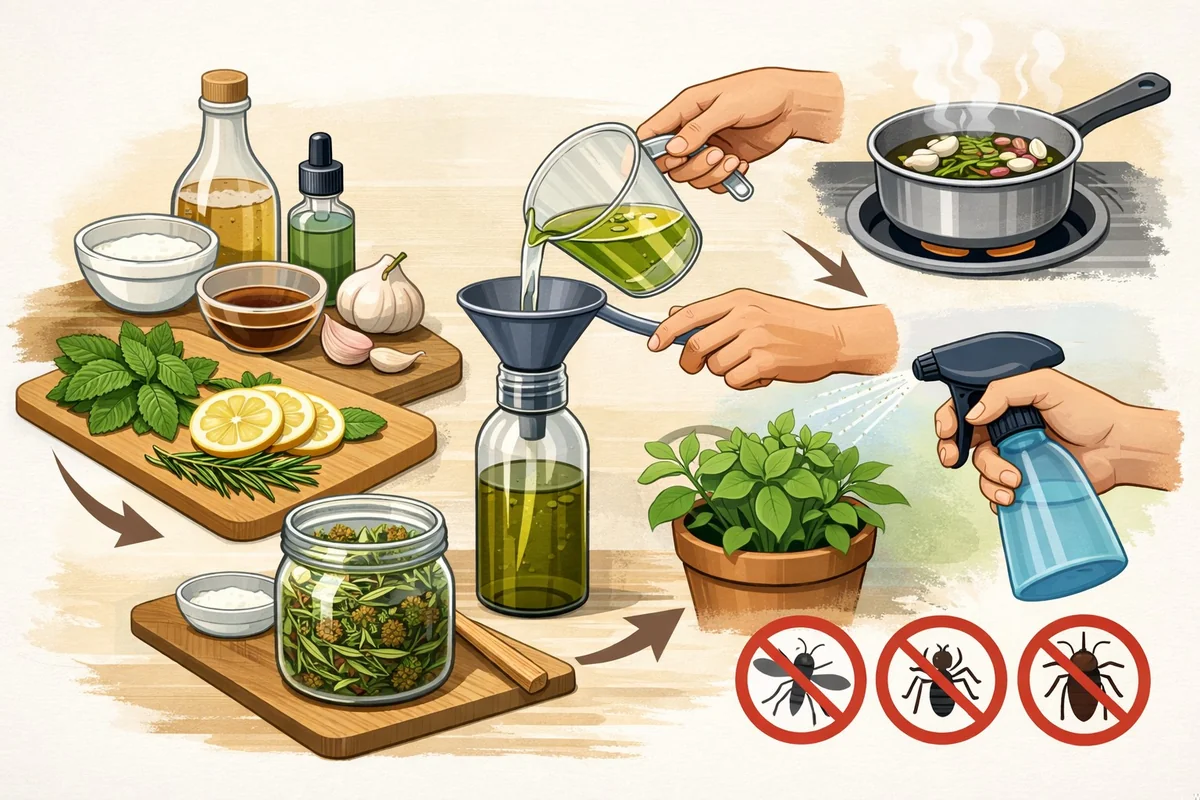
Measure and combine 1 cup of distilled water, 1/2 cup white vinegar, and 10-15 drops of chosen essential oil in a clean spray bottle. Shake vigorously for 30 seconds until well mixed. This creates a stable solution for even application.
Pro Tips:
- Use distilled water to prevent residue buildup.
- Label each bottle clearly with contents and date.
- Mix outdoors or in a well-ventilated area.
Important Warnings:
- Avoid direct skin contact with undiluted essential oils to prevent irritation.
Required Tools:
- Clean spray bottle (16 oz minimum)
- Measuring cup
- Measuring spoons
- Funnel (optional)
- Gloves
Apply the Repellent to Target Areas
Spray the prepared solution directly onto entry points, baseboards, window frames, and around plant beds. Apply evenly until surfaces are lightly damp but not saturated. Proper coverage increases effectiveness and reduces the need for reapplication.
Pro Tips:
- Reapply every 5-7 days or after heavy rain outdoors.
- Test on a small area before full application to check for staining.
- Apply in the evening to avoid rapid evaporation.
Important Warnings:
- Do not spray on food surfaces or directly on edible plants without verifying ingredient safety.
Required Tools:
- Prepared spray bottle
- Protective gloves
- Paper towels for spills
Monitor Effectiveness and Reapply as Needed
Check treated areas every 2-3 days for signs of pest activity. Reapply the repellent if pests return or after cleaning affected surfaces. Regular monitoring ensures continued protection and allows you to adjust your approach if needed.
Pro Tips:
- Keep a simple log of application dates and pest sightings.
- Increase concentration only if the standard recipe is not effective.
- Consult a licensed pest control professional for persistent infestations.
Important Warnings:
- Persistent or worsening infestations may require professional intervention.
Required Tools:
- Notebook or phone for tracking
- Replacement repellent solution
Mixing a General-Purpose Essential Oil Spray
Start with 2 cups of water in your spray bottle. Add 10-15 drops of your chosen essential oil (peppermint or eucalyptus for ants and spiders, citronella or lemongrass for mosquitoes). Add a teaspoon of liquid dish soap to help everything blend.
Shake vigorously before every use. Essential oils separate quickly - if you forget to shake, the first few sprays could be too strong or too weak. Always spray a small, hidden area first to check for surface staining or damage, especially on wood or fabrics.
Creating a Vinegar-Based Ant Repellent
Mix equal parts white vinegar and water in your bottle. This solution disrupts ant trails and deters new scouts from entering. Spray directly on visible ant lines, entry cracks, and problem areas like baseboards or behind appliances.
The vinegar smell fades quickly on hard surfaces but can linger on porous materials. Rinse or blot up excess if you’re using it near stone or unfinished wood.
Formulating a Citrus-Peel Mosquito Spray
Boil the peels of 2-3 oranges, lemons, or limes in a quart of water for 3-5 minutes. Let it cool, then strain out the peels and pour the liquid into a spray bottle. The natural oils in the peel repel mosquitoes and some flies.
This spray works best outdoors - apply it to window sills, porch railings, and patio doors. Indoors, it can attract fruit flies, so use it only where needed.
Best Natural Repellent Recipes for Common Household Pests
Different pests respond to different homemade sprays. Here’s a breakdown of what works for the most common household invaders and how to apply each solution for best results.
Repelling Ants, Roaches, and Spiders
- Peppermint oil spray: Overwhelms scent receptors in ants and spiders - spray along baseboards, corners, and entry points.
- Baking soda and sugar: Mix in a shallow dish (equal parts). Roaches eat the sugar, then the baking soda kills them by reacting with their digestive system.
- Vinegar or citrus oil sprays: Disrupt ant trails and make areas unappealing for nesting.
Repeat applications every few days, especially if you’re cleaning surfaces regularly or after it rains.
Keeping Mosquitoes and Flies Away
- Lemongrass and eucalyptus oil sprays: Proven to deter mosquitoes for up to 3 hours in most conditions.
- Clove and lavender oil: Repel houseflies and fruit flies without leaving toxic residue.
- Reapply outdoors every few hours or after rain, as natural sprays evaporate quickly.
Discouraging Mice and Small Rodents
- Cotton balls soaked in peppermint or spearmint oil: Place near entry points, under sinks, or in cabinets.
- Natural repellents mask food and nesting scents, making your home less attractive to rodents.
- For serious rodent problems, combine with physical exclusion - seal holes and use traps for lasting control.
Safety Tips for Using Homemade Pest Sprays
Natural doesn’t always mean harmless. Essential oils and vinegar can still irritate skin, eyes, or airways, and some ingredients are toxic to pets. Safe storage and cautious application are as important as the recipe itself.
Protecting Children, Pets, and Sensitive Individuals
Tea tree and eucalyptus oils are especially toxic to cats and dogs - even small amounts can cause vomiting, lethargy, or worse. Use lavender, cedarwood, or lemon oils as safer alternatives, or stick to vinegar-based mixes if you have pets or sensitive family members.
Store all sprays up high and clearly labeled. Accidental contact or ingestion is rare, but it’s better to prevent it entirely. Always ventilate rooms after spraying - open windows or run fans to disperse strong odors and reduce the risk of headaches or breathing irritation.
Safe Application and Storage Practices
- Never mix different repellents unless you’re sure they’re compatible - some combinations (like vinegar and bleach) produce toxic fumes.
- Use glass or high-quality plastic bottles. Some cheap plastics degrade with strong oils or vinegar, contaminating your spray and reducing effectiveness.
- Label bottles with ingredients and mix date. Most homemade sprays last 1-2 weeks before losing potency.
Common Mistakes When Making DIY Pest Repellents
DIY pest sprays are simple, but it’s easy to make mistakes that render them ineffective or even unsafe. Here’s what to avoid if you want reliable results and no unwanted surprises.
Using Ineffective Ingredient Ratios
- Too little essential oil = weak repellent, pests ignore the spray.
- Too much oil = risk of skin burns or surface damage, especially on wood and fabrics.
- Over-dilution reduces potency, especially for oil-based sprays - always use an emulsifier (like dish soap) to keep the mixture stable.
Incorrect Application Methods
- Spraying only visible pests misses the entry points and nests - target the source, not just the symptom.
- Forgetting to reapply after cleaning or rain creates gaps in your protection and lets pests return.
- Neglecting to check for surface compatibility leads to staining, especially with colored essential oils or vinegar on porous materials.
Troubleshooting: When Natural Repellents Aren’t Enough
Natural pest sprays work for most minor issues, but some infestations require a different approach. Knowing when to step up your efforts saves time, frustration, and sometimes money in the long run.
Signs Your Infestation Needs a Different Approach
- Heavy pest activity after repeated natural treatments means the infestation is too severe for sprays alone.
- If you see structural damage (chewed wood, gnawed wires) or persistent droppings, it’s time for exclusion or traps.
- Homes with infants, elderly, or immunocompromised residents may need professional-grade solutions for safety.
Combining Natural Repellents with Other Methods
- Use natural sprays as your first line of defense.
- Follow up with traps, barriers, and - most importantly - good sanitation. Clean up crumbs, seal food containers, and close cracks where pests enter.
- Rotate your repellent recipes every few weeks. Pests adapt quickly, and a new scent keeps them guessing.
Common Questions About Making DIY Natural Pest Repellents
❓ Frequently Asked Questions
What is a natural pest repellent?
What is a natural pest repellent?
A natural pest repellent is a substance made from plant-based or mineral ingredients that helps deter pests such as insects or rodents. These repellents reduce chemical exposure in homes and outdoors. Common examples include sprays using essential oils like peppermint or citronella, which are known for their effectiveness against ants and mosquitoes.
How do I make a DIY natural pest repellent spray at home?
How do I make a DIY natural pest repellent spray at home?
To make a DIY natural pest repellent spray at home:
- Combine 2 cups of water with 20 drops of essential oil (such as peppermint or eucalyptus) in a spray bottle
- Add 1 tablespoon of white vinegar
- Shake well to mix
- Spray directly on entry points and surfaces
Always test on a small area first to avoid staining.
What pests can natural repellents help control?
What pests can natural repellents help control?
Natural pest repellents can help control a range of common pests, including ants, mosquitoes, flies, spiders, and moths. For example, citronella oil is effective against mosquitoes, while peppermint oil can deter ants and spiders. However, effectiveness varies by pest type and home environment, so repeated application may be needed.
What should I look for when choosing ingredients for homemade pest repellents?
What should I look for when choosing ingredients for homemade pest repellents?
When choosing ingredients for homemade pest repellents, consider:
- Safety: use non-toxic, food-grade oils
- Effectiveness: select oils proven against target pests (e.g., citronella for mosquitoes)
- Scent: choose pleasant aromas for indoor use
- Availability: ensure ingredients are easy to source
For best results, check user reviews and safety guidelines before use.
How often should I apply natural pest repellents?
How often should I apply natural pest repellents?
Natural pest repellents should generally be applied every 2–3 days for best results, or after rain and cleaning. Most users find that regular reapplication maintains effectiveness, as natural ingredients tend to degrade faster than synthetic alternatives. Reapply more frequently in high-traffic or problem areas to ensure consistent pest deterrence.
Are DIY natural pest repellents safe for pets and children?
Are DIY natural pest repellents safe for pets and children?
Most DIY natural pest repellents are safer than chemical alternatives, but not all essential oils are pet- or child-safe. For example, tea tree and clove oils can be toxic to cats and dogs. Always check safety data and consult with a veterinarian or pediatrician before use around young children or animals.
What is the difference between natural and chemical pest repellents?
What is the difference between natural and chemical pest repellents?
Natural pest repellents use plant-based or mineral ingredients, reducing chemical exposure and environmental impact. Chemical repellents typically provide longer-lasting protection but may pose health risks with prolonged use. For example, DEET-based sprays last longer than essential oil blends but may irritate sensitive skin.
Which natural pest repellent is best for indoor use?
Which natural pest repellent is best for indoor use?
For indoor use, most users find that essential oil sprays - especially those with peppermint, lavender, or cedarwood - provide effective and pleasant-smelling pest control. Choose formulas with non-staining ingredients and avoid oils known to be toxic to pets or children. Reapply as needed for continued effectiveness in kitchens, bedrooms, and living areas.
Key Takeaways
Making DIY natural pest repellents is a quick, safe, and budget-friendly way to tackle everyday pest problems at home. Using essential oils, vinegar, and soap, you can mix effective sprays in under 20 minutes with basic kitchen tools. Ingredient ratios and application methods matter - always shake, test, and reapply for best results.
If you’re not seeing progress after a week of regular use, or if the infestation is severe, don’t hesitate to bring in professional help. Certain pests - like termites or bed bugs - require specialized treatment that goes beyond what homemade sprays can achieve.
For most kitchens, patios, and bedrooms, natural DIY solutions are a reliable first step. Start with the recipes above, keep pets and kids safe, and adjust your approach as you monitor pest activity over time.
Related Articles
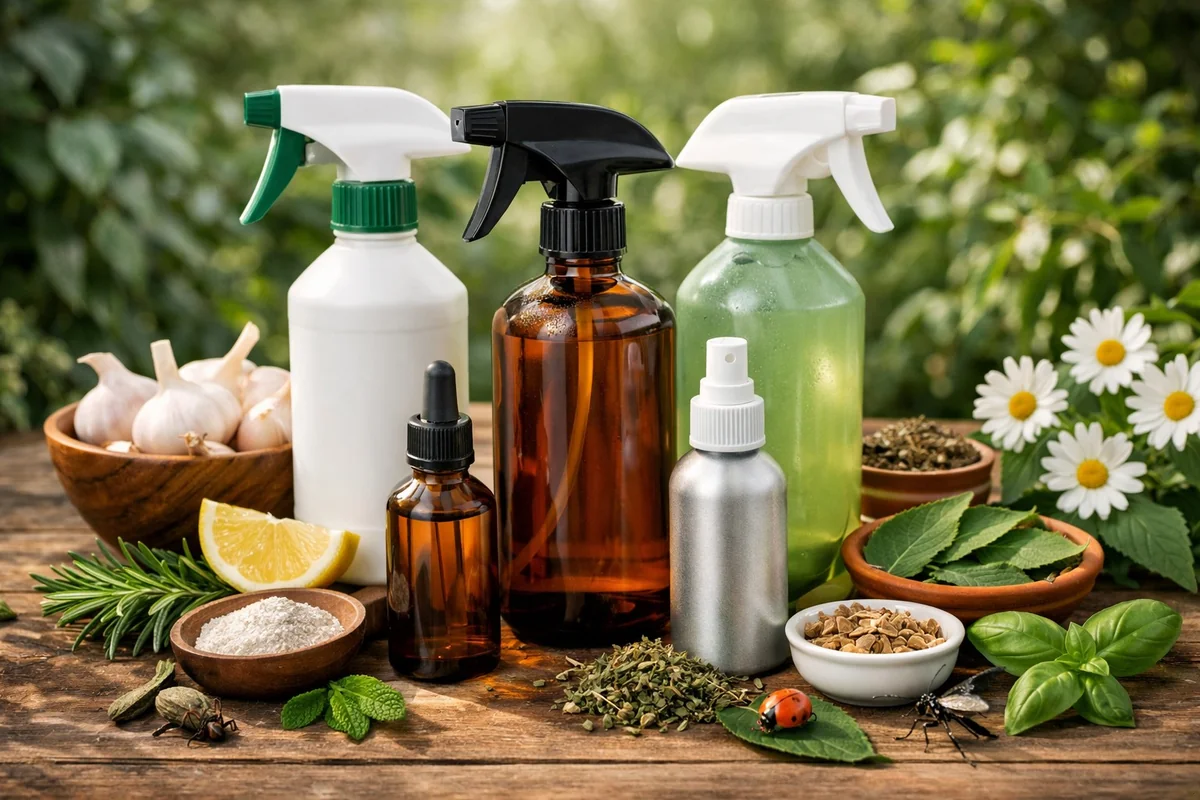
Best Natural and Organic Pest Control Products 2026: Safe, Eco-Friendly Solutions for Every Home
Find the best natural and organic pest control products for 2026. Safe, eco-friendly solutions for ants, roaches, rodents, and more - ideal for families and pet owners.
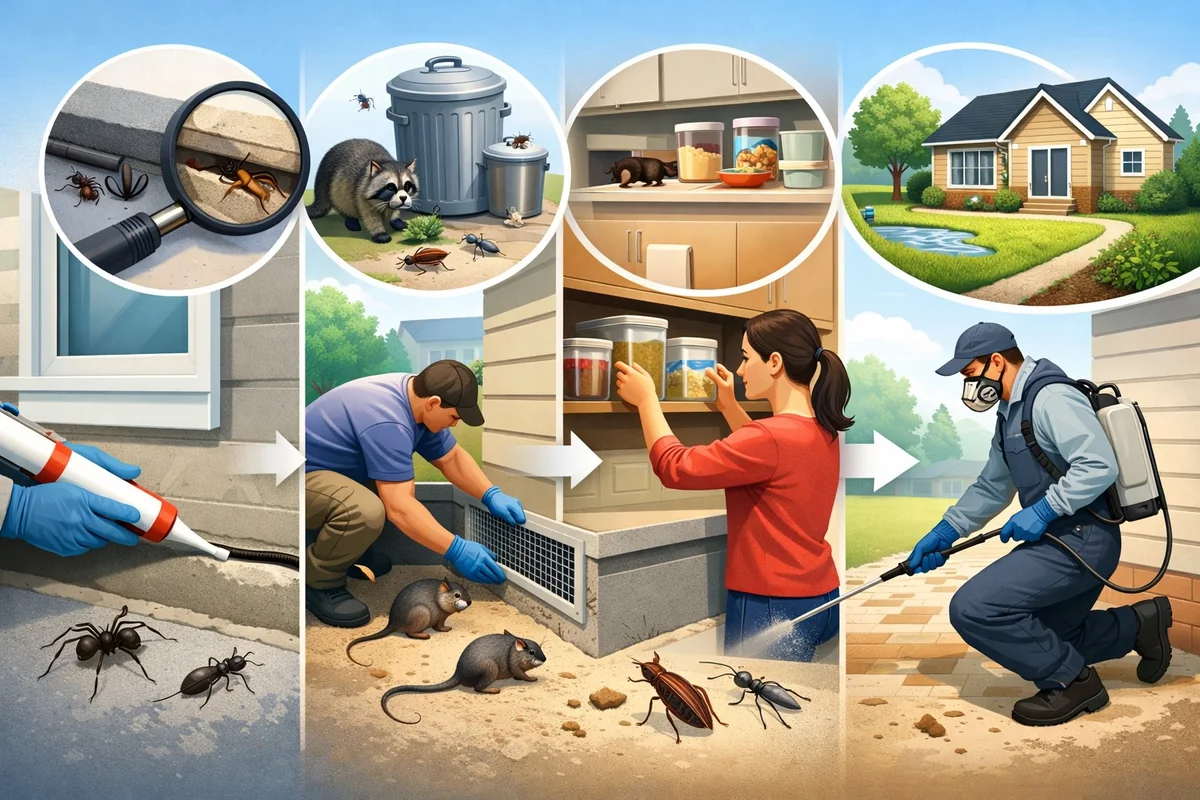
Complete Guide to Pest Prevention in Homes: Stop Pests in 2026
Protect your home in 2026 with this complete pest prevention guide. Discover proven DIY methods, room-by-room tips, safe solutions for families, and expert advice to stop pests before they start.
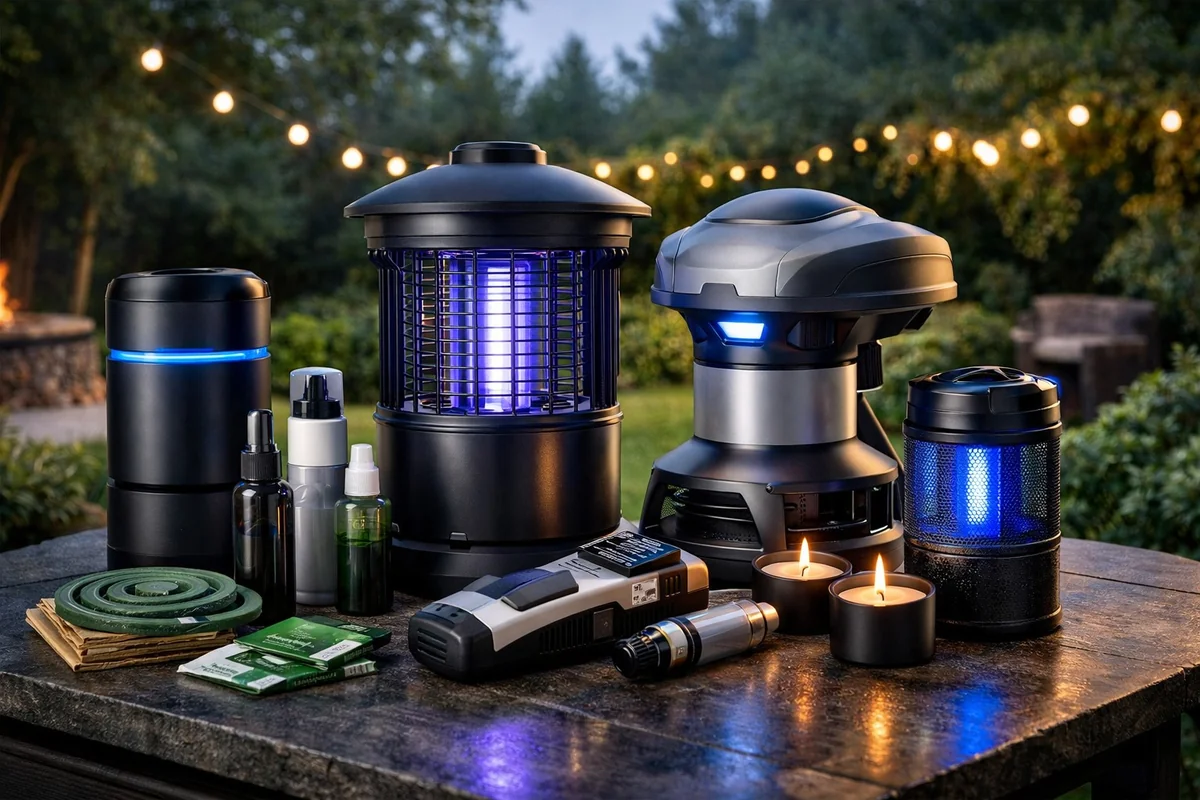
Best Mosquito Repellents for Home and Outdoor Use 2026
Find the best mosquito repellents for home and outdoor use in 2026. Compare sprays, lotions, traps, natural options, and devices with expert reviews and buying tips.
Best Pest Control Products for Summer 2026: Baits, Sprays, Natural Options
Discover the best pest control products for summer 2026. Compare baits, sprays, traps, and natural solutions to tackle ants, roaches, mosquitoes, and more - safe, effective, and budget-friendly options for every home.