
How to Prevent Bed Bugs in Bedrooms: Step-by-Step Guide for 2026
Learn proven, step-by-step bedroom bed bug prevention methods for 2026. Discover early signs, essential supplies, cleaning tips, and expert strategies to keep your sleeping area pest-free without hiring an exterminator.
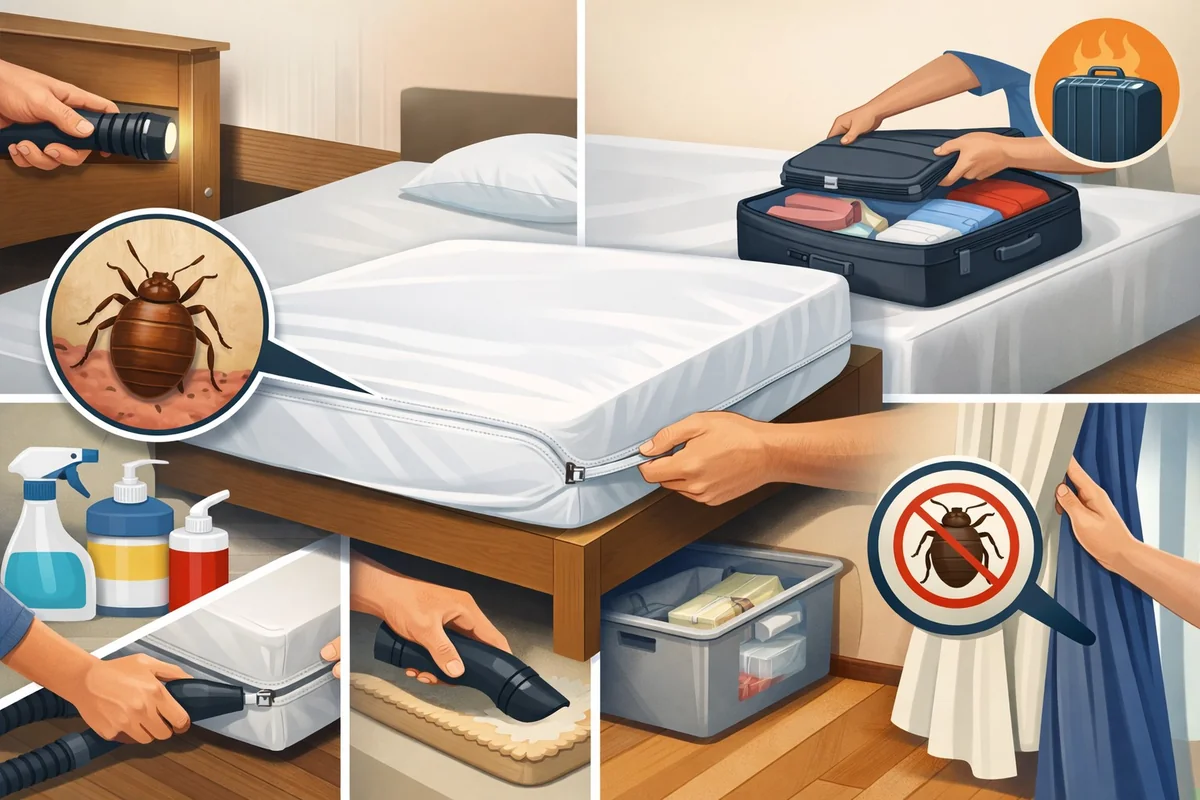
To prevent bed bugs in bedrooms, inspect and encase mattresses, reduce clutter, use interceptors under bed legs, and launder bedding weekly at high heat. The process is straightforward but requires consistency and attention to detail. Most prevention can be done in under two hours, with routine weekly upkeep to stay protected.
Understanding How Bed Bugs Invade Bedrooms
If you’re losing sleep over bed bugs, you’re not alone. These pests make their way into bedrooms more often than any other part of the home, thanks to their sneaky travel habits and our own routines. Knowing how they get in is the first step in effective bedroom bed bug prevention.
Common Entry Points for Bed Bugs
Bed bugs are world-class hitchhikers. They latch onto luggage, backpacks, purses, and even the seams of your clothes after a hotel stay or a visit to an infested home. Bedrooms are prime targets because that’s where bags, jackets, and travel gear are often dropped after returning home.
Cracks in walls, baseboards, electrical outlets, and even shared plumbing offer hidden corridors for bed bugs, especially in older homes and apartments. In multi-unit buildings, they move through gaps in shared walls, hallways, and under doors, making apartments higher risk - your neighbor’s infestation can quickly become yours.
Why Bedrooms Are High-Risk Areas
Bed bugs are drawn to the heat and carbon dioxide people emit while sleeping. Mattresses, box springs, and bed frames give them perfect hiding spots - close to their food source and full of seams and crevices. These areas stay dark and undisturbed most of the time, giving bed bugs safe harbor to breed and spread.
Because they feed at night and hide during the day, small infestations can go unnoticed for weeks. By the time you spot one, you may already have dozens or hundreds hiding nearby. That’s why a proactive approach beats waiting for the problem to surface.
If you want to go deeper on treating other living spaces, see our Bedroom & Living Room Pest Control resource for more targeted tips.
Recognizing Early Signs of Bed Bugs in Sleeping Areas
Catching a bed bug problem early makes all the difference. The earlier you spot the warning signs, the faster you can act - before a minor issue turns into a nightmare. Here’s what to look for around your sleeping area.
Physical Evidence to Watch For
The most reliable clues are physical traces left behind. Look for small rust-colored stains on sheets or mattresses - these are bed bug fecal spots and are often the first thing people notice. Check the seams and edges of mattresses and box springs for tiny shed skins and eggshells, which look like pale flakes or specks stuck in the fabric.
Live bed bugs are flat, oval, and reddish brown - about the size of an apple seed. They squeeze into tight crevices, so use a flashlight and check every fold, crack, and screw hole in your bed frame and nightstands. The earlier you catch these signs, the easier prevention becomes.
Unusual Bites and Skin Reactions
Bed bug bites often show up as clusters or lines of small, itchy welts on exposed skin - think arms, neck, and legs. The tricky part is that reactions can be delayed by hours or even days, making it hard to connect the dots right away.
Not everyone reacts to bites, and some people show no symptoms at all. That’s why relying on bite marks alone is risky - always combine skin checks with a search for physical evidence.
If you want to see the latest tools for early detection and prevention, check our Best Pest Control Products for Bedrooms 2026 guide for up-to-date recommendations.
Essential Supplies for Bed Bug Prevention
You don’t need a closet full of chemicals or professional gear to prevent bed bugs. But a few well-chosen supplies can dramatically cut your risk and help you sleep easier. Here’s what matters most for bedroom bed bug prevention.
Protective Mattress and Box Spring Encasements
Zippered encasements are one of the simplest and most effective tools you can use. They trap any bugs already inside the mattress or box spring and block new ones from burrowing in. Look for encasements labeled and certified as “bed bug-proof” - these are tested to block even tiny nymphs as small as 1mm.
Certification standards mean the zipper teeth are too small for bed bugs to squeeze through, and the fabric resists tearing. But keep in mind, encasements don’t kill bugs already hiding in the bed frame or nightstands - they’re just one layer of protection.
Clutter Reduction Tools and Storage Solutions
Plastic bins with tight-fitting lids are your best friend for storing clothes, shoes, and linens. Bed bugs can’t climb smooth plastic, so these bins cut off easy hiding places. Vacuum-sealed bags take it a step further, shrinking bulky bedding and closing off access completely.
This helps keep your sleeping area tidy and limits where bugs can hide. But remember, storage alone won’t remove any bugs already in the room, so pair it with routine cleaning.
Portable Bed Bug Interceptors and Monitors
Interceptors are small cups or traps that go under each bed leg. They work as a mechanical barrier, trapping bed bugs before they can reach your mattress - or catching them as they leave. Monitors (either passive or active) give you early warning, sometimes picking up on problems before you see bites or stains.
Both tools are only effective if your bed is isolated - meaning it doesn’t touch walls or other furniture. If you skip this, bugs can bypass your defenses completely.
Step-by-Step Guide to Preventing Bed Bugs in Bedrooms
Here’s the process research shows works best for DIYers. Done right, these steps minimize your risk and keep your sleeping area safe over the long term.
Step-by-Step Guide
Preventing bed bugs in bedrooms requires proactive inspection, cleanliness, and use of protective materials. Follow these steps to reduce risk and maintain a safe, pest-free sleeping space.
Total Time
1 hour 15 minutes
Difficulty
Beginner
Inspect Bedding and Furniture Regularly
Check all bedding, mattresses, and upholstered furniture for signs of bed bugs every week. Look for small reddish stains, dark spots, or shed skins along seams and edges. Early detection prevents infestations from spreading and makes treatment more manageable.
Pro Tips:
- Use a flashlight to thoroughly check seams and crevices.
- Inspect both sides of the mattress and box spring.
- Pay special attention after travel or guests stay overnight.
Important Warnings:
- Missing early signs allows bed bugs to multiply quickly, making removal much harder.
Required Tools:
- Bright flashlight
- Magnifying glass (optional)
- Disposable gloves
Encase Mattress and Box Spring
Install high-quality, zippered bed bug-proof encasements on your mattress and box spring. These covers trap existing bugs inside and block new ones from nesting, making routine inspections easier and protecting your bedding long-term.
Pro Tips:
- Choose encasements labeled 'bed bug certified' with reinforced zippers.
- Inspect covers for tears or gaps monthly.
- Replace damaged encasements promptly to maintain protection.
Important Warnings:
- Do not use torn or ill-fitting covers; gaps allow bed bugs to escape or enter.
Required Tools:
- Bed bug-proof mattress encasement
- Bed bug-proof box spring encasement
Minimize Bedroom Clutter
Remove unnecessary items from under and around the bed. Store belongings in sealed plastic containers instead of cardboard boxes. Reducing clutter limits hiding spots for bed bugs and makes inspections and cleaning more effective.
Pro Tips:
- Use clear storage bins to easily see contents.
- Vacuum under the bed and along baseboards weekly.
- Keep clothes and linens off the floor.
Important Warnings:
- Leaving clutter near the bed increases risk of undetected infestations.
Required Tools:
- Plastic storage bins with tight lids
- Vacuum cleaner with crevice tool
Vacuum and Clean Thoroughly
Vacuum your mattress, bed frame, and surrounding areas at least once a week. Focus on seams, cracks, and crevices where bed bugs may hide. Dispose of vacuum bags or empty canisters in a sealed bag immediately after cleaning to prevent re-infestation.
Pro Tips:
- Use a HEPA-filter vacuum for best results.
- Move and clean behind nightstands and headboards monthly.
- Wipe down hard surfaces with a mild detergent.
Important Warnings:
- Failing to empty the vacuum promptly can allow live bed bugs to escape back into your home.
Required Tools:
- HEPA-filter vacuum cleaner
- Disposable vacuum bags or trash bags
- Mild cleaning detergent
- Microfiber cloths
Monitor and Seal Entry Points
Install bed bug interceptors under each bed leg and seal cracks along baseboards and electrical outlets. Interceptors trap crawling bugs, providing early warning of new infestations. Sealing entry points reduces migration from neighboring rooms or apartments.
Pro Tips:
- Check interceptors weekly and clean as needed.
- Use silicone caulk to seal gaps or cracks.
- Apply outlet covers to minimize access points.
Important Warnings:
- Skipping this step can allow bed bugs to enter from adjoining units, especially in multi-family buildings.
Required Tools:
- Bed bug interceptor cups (1 per bed leg)
- Silicone caulk and caulking gun
- Outlet safety covers
Preparing the Bedroom for Prevention Measures
Start by reducing clutter. Remove piles of clothes, boxes, books, and anything else from the floor, under the bed, and in closets. The goal is to expose every corner where bed bugs could hide - especially areas close to where you sleep.
Launder all bedding, pillowcases, and washable clothing in hot water at least 120°F/49°C. High heat kills both bugs and eggs, which are surprisingly resistant to cold or lukewarm washes. Vacuum thoroughly along mattress seams, around baseboards, and behind any furniture near the bed to remove stray bugs, eggs, and debris before you install any barriers.
Installing Barriers and Monitoring Devices
Fit mattress and box spring encasements carefully - any tears or gaps render them useless. Zip fully and double-check for snags or openings. Place interceptors under every bed leg; make sure the bed is pulled away from the wall and no bedding touches the floor, or bed bugs will bypass the trap.
Set up passive or active monitors near sleeping areas - these are especially useful if you travel frequently or live in a multi-unit building. Early detection here can save you from a major infestation down the line.
Maintaining a Bed Bug-Free Sleeping Area
Inspect encasements and interceptors at least once a month for signs of wear or trapped bugs. Replace them immediately if you see holes or cracks. Launder bedding weekly and vacuum bedroom surfaces (especially near the bed) at least once a week - consistency is key.
Avoid tossing bags, shoes, or dirty laundry on the bed or upholstered furniture. These are easy entry points for hitchhiking bed bugs, especially after travel or visits from guests.
Best Practices for Travel and Guests to Avoid Bed Bugs
Travel and houseguests are two of the most common ways bed bugs get into bedrooms. A few simple habits make a huge difference in keeping your sleeping area pest-free.
Inspecting Luggage and Personal Items After Travel
When you return from a trip, carefully inspect your luggage in a garage, entryway, or bathroom - never on the bed. Check seams, zippers, and pockets with a flashlight, paying extra attention to folds and hidden areas.
Bed bugs are masters at hiding in dark fabrics and small crevices, so go slowly. Even with a careful inspection, tiny eggs or nymphs may be invisible to the naked eye, so always follow up with hot laundering for any clothes that traveled with you.
Safe Practices When Hosting Overnight Guests
If you have guests, provide a luggage rack and ask them to keep bags off beds and upholstered furniture. After they leave, immediately launder all guest bedding and towels in hot water to eliminate any stray bugs that may have come along.
Remember, even the most well-meaning guests may be unaware they’ve picked up bed bugs from a hotel or public transportation. Don’t skip these steps, even if you trust your visitors.
Cleaning and Laundry Techniques That Stop Bed Bugs
If bed bugs are already present - or you just want to be sure - regular cleaning and laundry are your most reliable tools. Here’s what actually works in practice.
Effective Laundry Methods for Bedding and Clothing
Washing any suspect items at 120°F/49°C or higher is the gold standard for killing all life stages of bed bugs. Just as important: dry items on high heat for at least 30 minutes to destroy eggs that might have survived the wash.
Delicate fabrics can make this tricky. For items that can’t handle high heat, consider dry cleaning or using a portable garment steamer to deliver lethal temperatures without damaging the material.
Vacuuming and Steam Cleaning Strategies
Use a vacuum with a HEPA filter - this traps fine particles and prevents bed bugs or eggs from getting blown back out. Focus on seams, edges, bed frames, and around baseboards. Go slow: missed spots are the number one reason bugs survive cleaning.
Steam cleaning is highly effective when done right. High-heat steam (at least 160°F/71°C) penetrates deep into fabrics and cracks, killing bugs and eggs on contact. But you need to move the steamer slowly - about 1 inch per second - to give the heat time to penetrate.
What to Avoid: Common Bed Bug Prevention Mistakes
Plenty of well-meaning advice online will waste your time - or make things worse. Here’s what doesn’t work (and what to do instead).
Ineffective Home Remedies and Myths
Essential oils and DIY sprays simply don’t have the data to back up their claims. While some people swear by tea tree oil or lavender, scientific studies show these are unreliable at best, and dangerous at worst.
Ultrasonic pest repellers are another common suggestion, but peer-reviewed research has repeatedly found them useless for bed bugs. Relying on these myths delays real prevention and can turn a small problem into an entrenched infestation.
Mistakes That Undermine Prevention Efforts
Don’t move infested furniture to another room - this spreads bed bugs throughout your home. Always treat or discard it safely. Ignoring baseboards, outlets, or cracks during cleaning leaves hidden pockets where bugs can regroup and multiply.
Overconfidence is another pitfall. A single thorough cleaning won’t solve the problem if you skip regular inspections and maintenance. Consistency beats intensity every time.
When DIY Prevention Isn’t Enough: Knowing When to Seek Help
DIY methods work well for early-stage or isolated problems, but there’s a point where professional help is your only real option. Knowing when to make that call saves time, money, and headaches in the long run.
Identifying Severe or Persistent Infestations
If you’re still seeing large numbers of live bugs or eggs after multiple cleaning sessions, you’re likely dealing with an entrenched infestation. The same goes for recurring bites or new sightings despite following all the prevention steps above.
DIY methods just don’t reach deeply hidden or widespread populations. At this stage, professional heat treatment or targeted fumigation may be your best bet.
Limitations of Over-the-Counter Bed Bug Treatments
Over-the-counter sprays and foggers rarely penetrate deep enough to kill bugs inside walls, electronics, or furniture joints. Improper use can also cause chemical resistance - making future infestations even harder to control - and pose health risks to people and pets.
Professional equipment delivers higher, more consistent heat and full-room coverage, which is nearly impossible to achieve with store-bought products. Don’t hesitate to seek help if you’re overwhelmed - sometimes it’s the only realistic solution.
Frequently Asked Questions About Bedroom Bed Bug Prevention
❓ Frequently Asked Questions
What are bed bugs and why are they a problem in bedrooms?
What are bed bugs and why are they a problem in bedrooms?
Bed bugs are small, flat, reddish-brown insects that feed on human blood, typically at night. They cause itchy bites and can lead to allergic reactions or sleep disturbances. Infestations are hard to control because bed bugs hide in seams, cracks, and furniture, making early detection essential.
How do I prevent bed bugs in my bedroom?
How do I prevent bed bugs in my bedroom?
To prevent bed bugs in your bedroom:
- Inspect bedding and furniture regularly for signs of infestation
- Use protective mattress and pillow encasements
- Reduce clutter where bugs can hide
- Vacuum floors, baseboards, and beds weekly
- Wash bedding in hot water (at least 120°F) regularly
Early action helps avoid major infestations.
How often should I inspect my bedroom for bed bugs?
How often should I inspect my bedroom for bed bugs?
Inspect your bedroom for bed bugs at least once a month, or more often if you live in an apartment building or travel frequently. Focus on mattress seams, bed frames, and furniture joints. Regular monthly checks help catch early signs before a major infestation develops.
What should I look for when choosing bed bug prevention products?
What should I look for when choosing bed bug prevention products?
When selecting bed bug prevention products, consider:
- Material quality: heavy-duty fabrics resist tears
- Zipper design: secure, tight closures block bugs
- Certified lab testing: look for independent effectiveness verification
- Size compatibility: ensure proper fit for mattresses or pillows
Check for user reviews mentioning real-world effectiveness before purchasing.
How do bed bugs enter bedrooms?
How do bed bugs enter bedrooms?
Bed bugs typically enter bedrooms by hitching rides on luggage, clothing, used furniture, or personal belongings. Most infestations begin after travel or by bringing in secondhand items. They can also move between apartments through wall cracks and electrical outlets, making vigilance important in multi-unit buildings.
What is the difference between bed bug sprays and mattress encasements?
What is the difference between bed bug sprays and mattress encasements?
Bed bug sprays are chemical treatments designed to kill bed bugs on contact, offering short-term control. Mattress encasements are zippered covers that physically trap and prevent bed bugs from hiding in mattresses, providing long-term prevention. Many experts recommend combining both methods for maximum protection.
Why do I need to use heat treatments for bed bugs?
Why do I need to use heat treatments for bed bugs?
Heat treatments are effective because bed bugs and their eggs die at temperatures above 120°F (49°C). Washing bedding in hot water or using professional heat remediation can eliminate bugs in hard-to-reach places. Chemical sprays may miss hidden insects, making heat a crucial step for thorough eradication.
When is the best time to call a professional for bed bug removal?
When is the best time to call a professional for bed bug removal?
Call a professional pest control service if you notice widespread bites, visible bugs in multiple locations, or persistent infestations after DIY treatments. Experts use specialized tools and integrated pest management strategies, which are often necessary for large or recurring bed bug problems.
Key Takeaways for Long-Term Bed Bug Prevention
Consistent, proactive prevention is the only way to keep your bedroom free of bed bugs for good. That means regular inspections, cleaning, and updating your supplies as needed. Prevention isn’t a one-time job - it’s an ongoing routine, especially after travel or changes in your home.
Stay flexible: replace worn encasements and interceptors, adapt your cleaning schedule if you move or have frequent guests, and keep an eye out for new research or tools as they hit the market. Staying informed and alert gives you the best chance at a restful, bug-free sleep in 2026 and beyond.
Related Articles
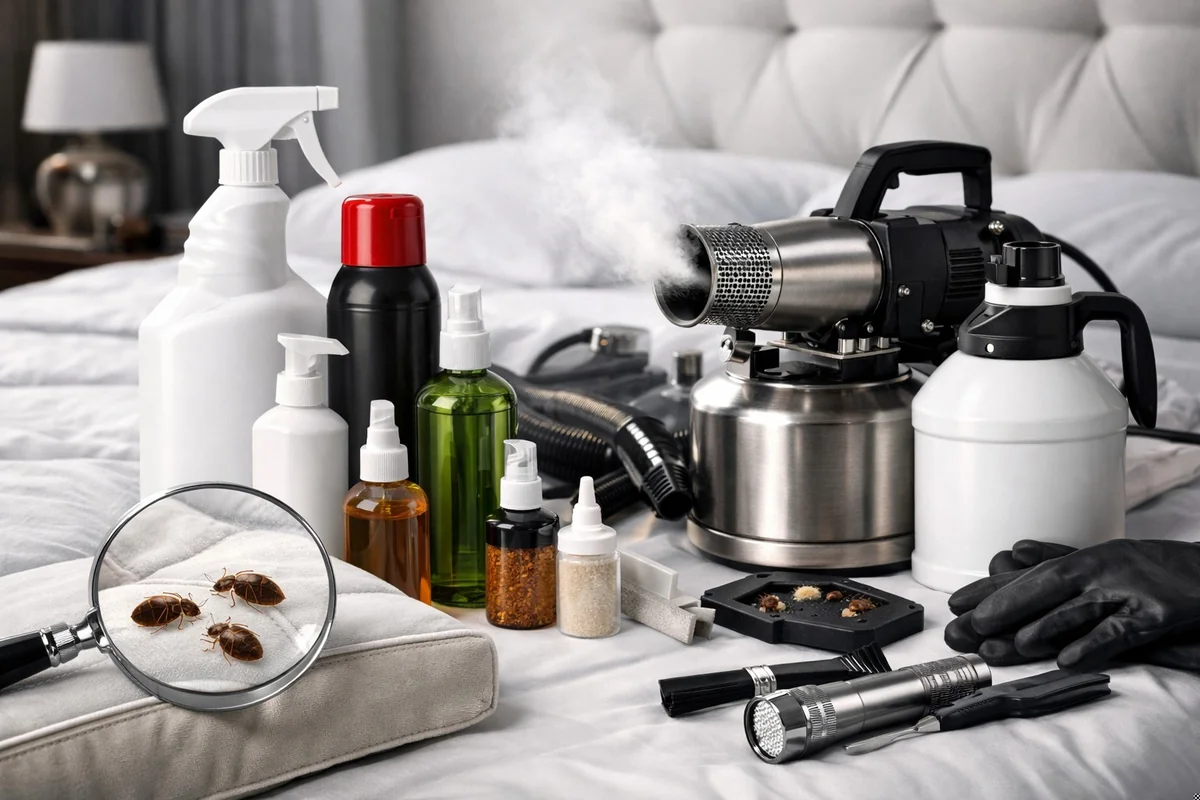
Best Bed Bug Sprays and Foggers 2026: Top DIY Removal Products Reviewed
Best bed bug sprays, foggers, powders, and natural options for 2026. Compare top-rated products and find safe, effective DIY solutions for your home.
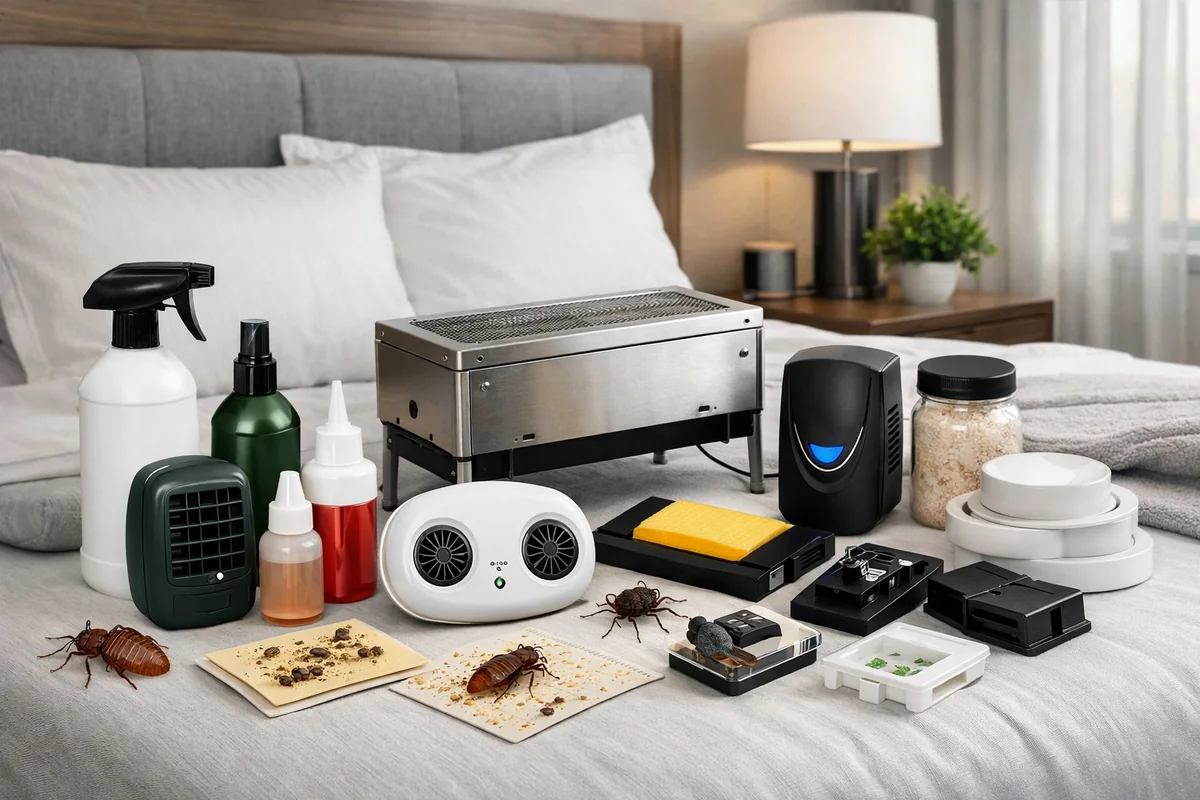
Best Bedroom Pest Control Products 2026: Safe, Effective Picks for Every Home
Discover the best bedroom pest control products for 2026, including ant baits, bed bug sprays, natural solutions, and living room pest killers. Find safe, effective, and budget-friendly options for every home.

Complete Guide to Pest Prevention in Homes: Stop Pests in 2026
Protect your home in 2026 with this complete pest prevention guide. Discover proven DIY methods, room-by-room tips, safe solutions for families, and expert advice to stop pests before they start.
![Best Protective Gear for Pest Control 2026 [Expert Reviews]](https://pestproreviews.com/images/hero/hero_best_protective_gear_for_pest_control_2026_expert.webp)
Best Protective Gear for Pest Control 2026 [Expert Reviews]
Protect yourself during DIY pest control in 2026 with our expert-reviewed guide to the best protective gear. Compare top-rated respirators, gloves, coveralls, and more for safe, effective pest removal at home.