How to Use Chemical Pesticides Safely at Home (2026 Guide)
Learn how to use chemical pesticides safely at home with this 2026 guide. Step-by-step instructions, essential safety tips, and expert advice help you protect your family, pets, and property from pests while minimizing health risks.
To use chemical pesticides safely at home, choose the right product, follow label instructions exactly, wear protective gear, ventilate treated areas, and keep children and pets away until it's safe to return. Most applications take 30–60 minutes plus additional drying time. Always read the label - improper use increases health risks and reduces effectiveness.
Understanding Chemical Pesticides for Home Use
Chemical pesticides for home use fall into a few main categories, each with its own risks and benefits. Knowing which type you're handling is the first step in using chemical pesticides safely and avoiding unnecessary hazards. Let’s break down the most common options and how they actually work against pests.
Types of Chemical Pesticides Commonly Used Indoors
- Synthetic pyrethroids: Fast-acting and effective on a wide range of insects. They target the pest’s nervous system but can irritate skin, eyes, and lungs in people and animals if misapplied.
- Insect growth regulators (IGRs): Disrupt pest life cycles, mainly by preventing eggs and larvae from maturing. Safer for humans and pets, but results are slower - think 2–4 weeks for full effect.
- Organophosphates: Highly toxic and effective, but rarely allowed for home use in 2026. If you have leftovers from old stock, do not use them - these are banned in most states due to health risks.
How Chemical Pesticides Work Against Pests
Most household pesticides either kill on contact (sprays, aerosols), require ingestion (baits), or leave a residue that continues working after application (barrier sprays, dusts). Contact killers act quickly but may miss hidden pests, while ingestible baits take longer but can wipe out entire colonies.
Some pests - especially cockroaches and ants - develop resistance when exposed to the same active ingredient repeatedly. That’s why switching products with different modes of action is crucial for long-term control.
Broad-spectrum chemicals don’t discriminate; they can kill beneficial insects like ladybugs and predatory mites. That’s a real concern if you garden or keep houseplants indoors.
For a comparison of the latest and most effective products this year, see our Best Chemical Pesticides for Home Use 2026 guide.
If you want a deep dive into the science and regulatory context, check our detailed overview of Chemical Pesticides.
| Method | ★Difficulty Level | ★Time Required | Cost Range | ★Coverage Area | Best For | PPE Required | ★Effectiveness |
|---|---|---|---|---|---|---|---|
| Handheld Manual Spraying | Easy | 1-2 hours for areas up to 500 sq ft | Budget | Up to 500 sq ft per session | Small indoor areas; beginners seeking control over application | Gloves, mask, safety glasses | Moderate |
| Pump-Action Tank Sprayer | Medium | 2-3 hours for areas up to 1500 sq ft | Moderate | 500-1500 sq ft per fill | Medium-sized homes or yards; users with some experience | Gloves, mask, safety glasses, long sleeves | High |
| Aerosol Fogging (Total Release) | Hard | 4-6 hours including ventilation and prep | Premium | Up to 3000 sq ft per canister | Large, unoccupied spaces; advanced users familiar with safety protocols | Full-face respirator, gloves, protective clothing | Very High |
When to Choose Chemical Pesticides Over Alternatives
Most people reach for a spray at the first sign of bugs, but chemical solutions aren’t always the best or safest answer. Sometimes, traps or natural remedies work just as well - if not better - for isolated problems. The key is understanding when chemical pesticides are worth the risks and when to use something else.
Comparing Chemical Pesticides to Natural and Mechanical Methods
- Chemical sprays provide fast knockdown, but may require you to leave the room or even the home until they dry and fumes clear.
- Natural sprays (like essential oil blends) are generally safer but much slower to work and may need frequent reapplication.
- Mechanical traps (sticky boards, snap traps) avoid chemical exposure, but won’t reach hidden nests or eggs inside walls.
- Integrated pest management (IPM) combines these approaches - chemicals, traps, prevention - for long-term control, but does demand more time and vigilance.
Situations Where Chemical Pesticides Are Most Effective
- Severe or widespread infestations where natural and mechanical methods have failed.
- Spot-treating cracks, wall voids, or behind appliances - areas you can’t reach by hand.
- If you need immediate reduction in visible pests, chemicals work faster than any alternative.
- But for households with allergies, asthma, or sensitive pets (like birds or reptiles), even low-toxicity products may be off-limits. Always check the label for warnings.
Essential Safety Precautions Before Applying Pesticides
If you skip this step, you’re gambling with your health and the effectiveness of your treatment. Using chemical pesticides safely means reading every word on the label and understanding what it actually means for your situation.
Reading and Interpreting Pesticide Labels
- Signal words matter: “Caution” (least toxic), “Warning” (moderate), and “Danger” (most toxic) tell you how serious the risks are.
- Check the active ingredient. For example, pyrethroids often require skin and eye protection, while organophosphates may need full respiratory gear - though these are rare in modern home use.
- Never use a product for pests or surfaces not listed on the label. Off-label use is both illegal and much more likely to cause health problems.
Personal Protective Equipment (PPE) for Home Use
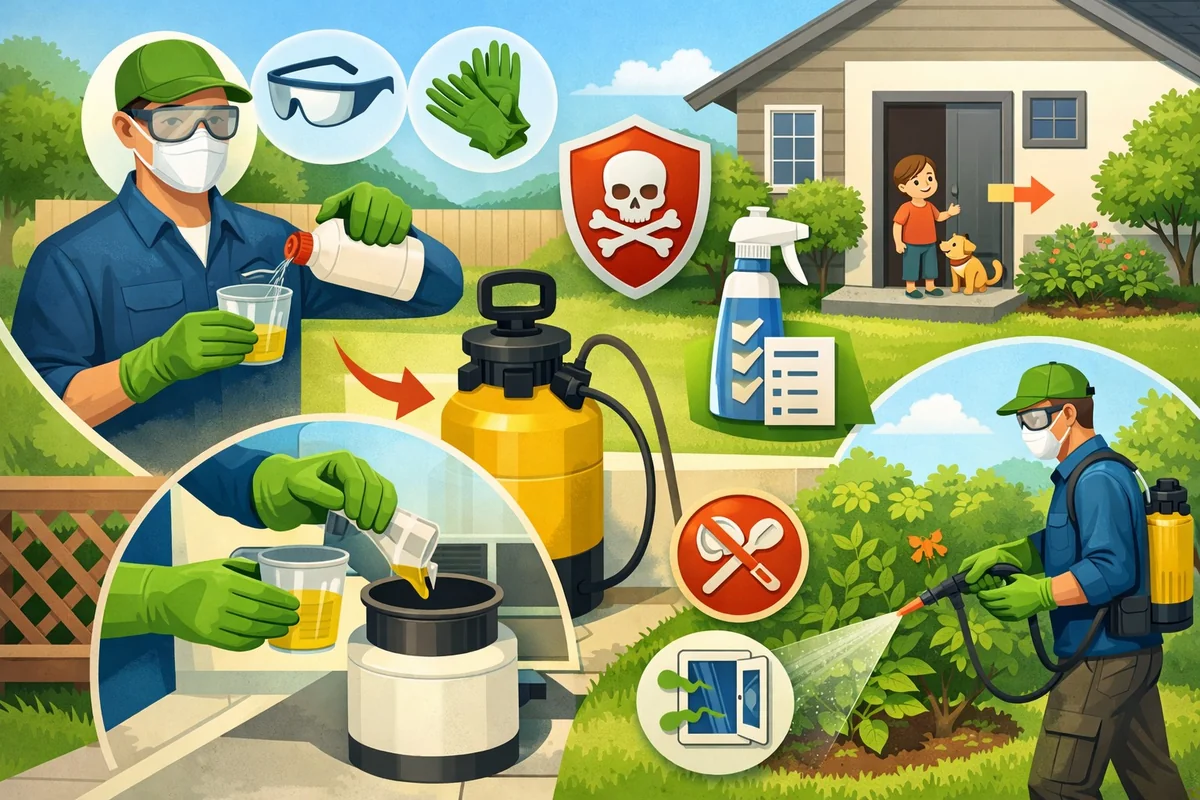
- Wear nitrile or rubber gloves, a disposable mask, and safety goggles (not just reading glasses). This keeps sprays and dusts off your skin and out of your lungs.
- Regular clothing (even long sleeves) isn’t enough. Many pesticides soak right through cotton or polyester.
- If you’re treating a poorly ventilated area - like a closet or crawl space - even PPE may not be enough. Air out the space or use a fan to disperse fumes.
Step-by-Step Guide to Safe Pesticide Application
Using chemical pesticides safely at home is all about preparation, precision, and patience. Missing a single step can mean wasted product, lingering odors, or even accidental poisoning. Here’s how to get it right from start to finish.
Preparing Your Home and Workspace
- Clear the area: Remove or cover all food, dishes, utensils, and toys. This goes double for baby items and pet bowls.
- Open windows or use fans to create airflow before, during, and after application. Most products require at least 1–2 hours of ventilation.
- Evacuate children, pets, and anyone with respiratory issues. Don’t let them back in until the label’s re-entry time has passed - sometimes up to 24 hours for certain sprays.
Mixing and Measuring Pesticide Solutions Safely
- Use only dedicated measuring cups or spoons, never kitchen utensils or cups you’ll use for food later.
- Stick to the dilution instructions - never “go stronger” for faster results. More concentrate means higher health risks and doesn’t always work better.
- Mix pesticides outside or in a garage with the door open. Vapors can build up fast in small, enclosed rooms.
Applying Pesticides: Best Practices for Indoor Use
- Target only cracks, baseboards, and known pest entry points. Avoid spraying entire floors, walls, or furniture unless the label specifically allows it.
- Apply just enough to wet the surface - no puddles or drips. Excess residue increases risk to pets and kids.
- Clean up spills immediately using disposable towels. Wash your hands thoroughly after every application.
Step-by-Step Guide
Learn how to use chemical pesticides safely at home, following modern best practices to protect your health, property, and the environment. This guide provides clear, actionable steps for effective and responsible pest removal.
Total Time
30 minutes
Difficulty
Beginner
Read and Follow the Product Label
Locate the pesticide label and read all instructions, warnings, and recommended safety measures before opening the container. Following label directions ensures legal and effective use, and helps prevent accidental exposure or misuse.
Pro Tips:
- Check the label for target pests and application areas.
- Review personal protective equipment (PPE) requirements.
- Look for disposal and emergency contact instructions.
Important Warnings:
- Never use a pesticide for purposes not listed on the label—this is both unsafe and illegal.
Required Tools:
- Pesticide product with intact label
Wear Appropriate Protective Gear
Put on recommended protective clothing such as gloves, long sleeves, goggles, and a mask before handling or applying pesticides. Protective gear reduces the risk of skin contact, inhalation, or accidental splashes.
Pro Tips:
- Use chemical-resistant gloves (nitrile or neoprene).
- Wear a respirator mask if the label requires it.
- Remove jewelry and tie back long hair to avoid contamination.
Important Warnings:
- Do not skip PPE—even brief exposure can cause irritation or long-term health effects.
Required Tools:
- Chemical-resistant gloves
- Safety goggles
- Long-sleeved shirt and pants
- Respirator mask (if specified)
Prepare the Application Area
Clear children, pets, and food items from the treatment area. Open windows or use fans for ventilation if applying pesticides indoors. Preparation prevents accidental exposure and ensures the pesticide works as intended.
Pro Tips:
- Cover or remove aquariums and pet cages before application.
- Move houseplants and delicate items to a safe location.
- Check for open flames or pilot lights if using aerosol products.
Important Warnings:
- Never apply pesticides near uncovered food or drinking water.
- Ventilate treated areas for at least 2 hours after use, unless the label states otherwise.
Required Tools:
- Plastic sheeting or drop cloths
- Portable fan (for ventilation)
Measure and Mix Pesticide Safely
Carefully measure the pesticide using tools specified on the label. Mix only the amount needed, following dilution instructions precisely. This reduces waste and minimizes environmental impact.
Pro Tips:
- Use a dedicated measuring cup—never food utensils.
- Mix outdoors or in a well-ventilated area.
- Label all mixing tools as 'For Pesticide Use Only.'
Important Warnings:
- Never mix different pesticides together unless the label allows it—this can create toxic fumes.
- Wear gloves and eye protection during mixing to avoid spills and splashes.
Required Tools:
- Measuring cup or graduated cylinder
- Mixing container
- Stirring stick
- Clean water (if dilution required)
Apply Pesticide Accurately
Apply the pesticide only to target areas at the rate specified on the label. Even coverage ensures pests are controlled while minimizing residue and off-target effects.
Pro Tips:
- Use a low-pressure sprayer for precise application.
- Spray in calm weather to prevent drift (for outdoor use).
- Wipe up any spills immediately using disposable towels.
Important Warnings:
- Do not apply more product than recommended—overuse increases health and environmental risks.
- Keep people and pets away from treated areas until fully dry, as specified on the label.
Required Tools:
- Handheld sprayer or applicator
- Disposable towels (for cleanup)
Store and Dispose of Products Properly
Store leftover pesticide in its original container with the label intact, away from children, pets, and food. Dispose of unused product and empty containers according to local hazardous waste guidelines to prevent environmental contamination.
Pro Tips:
- Check local regulations for hazardous waste disposal sites.
- Never pour leftover pesticide down the drain or toilet.
- Record the date and amount of product used for future reference.
Important Warnings:
- Improper disposal can pollute water sources and harm wildlife.
- Never reuse empty pesticide containers for other purposes.
Required Tools:
- Original product container
- Permanent marker (for labeling)
- Access to local hazardous waste facility
Protecting Children, Pets, and Sensitive Individuals
Children, pets, and people with allergies or asthma are most at risk from household pesticides. Even “pet-safe” or “child-friendly” products can cause reactions if used carelessly. Choosing the right product and applying it with extra care is non-negotiable in these households.
Choosing Safer Products for Vulnerable Households
- Look for products labeled “low-toxicity” or “pet-safe.” Avoid anything with organophosphates, carbamates, or other high-risk chemicals.
- Gel baits and enclosed bait stations are far less likely to be touched or eaten by kids and pets than powders or sprays.
- Just because a product says “safe for pets” doesn’t mean it’s safe for all animals or all people. Ferrets, birds, and reptiles are especially sensitive - even to small doses or residues.
Special Precautions During and After Application
- Always double-check for wet spots or residue on floors, couches, and pet bedding before letting anyone back into the room.
- Follow re-entry times strictly. Some products need only 30 minutes to dry; others require several hours or more for fumes to clear.
- Soft fabrics - carpets, sofas, bedding - may hold onto chemical residues much longer than hard surfaces. Consider extra cleaning or avoiding treatment in these areas if possible.
Disposal and Storage of Pesticides at Home
Pesticide accidents often happen not during use, but from improper storage or disposal. Safe handling doesn’t end when you put the sprayer down - it continues until the last drop is gone and the container is out of your house.
Safe Storage Practices to Prevent Accidents
- Keep pesticides in their original containers, with labels intact and readable. Never pour leftovers into a milk jug or water bottle.
- Store locked up, out of reach of kids and pets. A high shelf in a locked cabinet is best.
- Extreme heat or cold (common in garages and sheds) can break down chemicals or cause containers to leak. If possible, store in a temperature-stable area.
How to Dispose of Unused Pesticides Legally
- Never pour leftover pesticide down the drain, toilet, or into the trash. This is illegal in most places and contaminates water supplies.
- Most communities hold annual or seasonal hazardous waste collection events where you can drop off old chemicals safely.
- In rural areas, disposal options may be limited. Contact your local waste authority before disposing - penalties for improper dumping can be steep.
Common Mistakes and How to Avoid Them
Even seasoned DIYers make mistakes that can put their health - or their pest control success - at risk. Knowing what to avoid is as important as knowing what to do.
Overuse and Misapplication of Pesticides
- Twice the dose doesn’t mean twice the kill. It actually increases the odds of resistance and can make pests harder to eliminate over time.
- Blanket spraying an entire room is a waste of product and leaves dangerous residues on surfaces you touch every day.
- Repeated overuse can contaminate your air, floors, and furniture for weeks - especially in poorly ventilated homes.
Ignoring Re-Entry and Ventilation Guidelines
- Don’t rush back into the treated area. Most accidental poisonings happen when people ignore the label’s wait time.
- Always ventilate as instructed. Shutting windows and doors after spraying traps fumes and can lead to headaches, dizziness, or worse.
- Some products leave odors that stick around even after airing out. If this happens, deep clean soft furnishings and consider using an air purifier.
Common Questions About Safe Home Pesticide Use
❓ Frequently Asked Questions
What is a chemical pesticide?
What is a chemical pesticide?
A chemical pesticide is a substance designed to control or eliminate pests such as insects, rodents, or fungi. These products work by disrupting pest life cycles or killing them directly. For example, pyrethroid sprays target household insects and are commonly used for fast pest reduction indoors.
How do I use chemical pesticides safely at home?
How do I use chemical pesticides safely at home?
To use chemical pesticides safely at home:
- Carefully read and follow all label instructions
- Wear protective gloves, masks, and long clothing
- Ventilate the area during and after application
- Keep children and pets away until completely dry
- Store products in original containers, out of reach
Always wash your hands thoroughly after handling.
What should I look for when choosing a home pesticide?
What should I look for when choosing a home pesticide?
When choosing a home pesticide, check these key factors:
- Pest target: select products labeled for your specific problem
- Active ingredients: review toxicity and effectiveness
- Safety features: child-resistant caps, clear warnings
- Application method: sprays, baits, or powders
- EPA registration: ensures regulatory review
Always compare user reviews to assess real-world performance.
What is the difference between chemical and natural pesticides?
What is the difference between chemical and natural pesticides?
Chemical pesticides are synthetic substances designed to kill or repel pests quickly, often with broader effectiveness. Natural pesticides use plant-based or mineral ingredients, generally posing lower toxicity to humans and pets. However, natural options may require more frequent application and may be less effective for severe infestations.
How often should I reapply chemical pesticides indoors?
How often should I reapply chemical pesticides indoors?
For most chemical pesticides, indoor reapplication is recommended every 2 to 6 weeks depending on the product and pest severity. Always follow the specific timing on the label. Overuse can increase health risks and promote pest resistance, so only reapply as directed for ongoing control.
Why is it important to follow label instructions when using pesticides?
Why is it important to follow label instructions when using pesticides?
Following pesticide label instructions is essential for safety and effectiveness. Labels provide critical details on dosage, application areas, and protective measures. Ignoring instructions can lead to health risks, environmental contamination, or poor pest control. Regulatory standards require label compliance for safe home use.
Which type of chemical pesticide is best for indoor ant control?
Which type of chemical pesticide is best for indoor ant control?
Gel baits are often the most effective chemical pesticide for indoor ant control. They deliver active ingredients directly to colonies, minimizing surface exposure. Products containing fipronil or hydramethylnon are widely used. However, always check product labels to ensure compatibility with your specific ant species and home environment.
Key Takeaways for Safe Home Pesticide Use
Using chemical pesticides safely at home comes down to three main things: picking the right product, following the instructions to the letter, and protecting everyone who lives or visits your home. Cut corners and you risk making the problem worse - or putting your health in danger.
If pests keep coming back after several treatments, or if you notice symptoms of pesticide poisoning (like headaches, nausea, or trouble breathing), it’s time to call a professional. Some infestations - especially those showing signs of resistance - just aren’t worth the risk of endless DIY attempts.
When in doubt, always err on the side of caution. Your safety and that of your family, pets, and guests should always come first. For more in-depth advice or product-specific guidance, consult a pest control professional or your local extension office.
Related Articles
Best Chemical Pesticides for Home Use 2026: Safe, Effective, and Affordable Options
Discover the best chemical pesticides for home use in 2026. Compare top-rated baits, sprays, gels, and natural options for ants, roaches, fleas, and more. Find safe, effective, and budget-friendly pest control solutions for every room.
![Best Protective Gear for Pest Control 2026 [Expert Reviews]](https://pestproreviews.com/images/hero/hero_best_protective_gear_for_pest_control_2026_expert.webp)
Best Protective Gear for Pest Control 2026 [Expert Reviews]
Protect yourself during DIY pest control in 2026 with our expert-reviewed guide to the best protective gear. Compare top-rated respirators, gloves, coveralls, and more for safe, effective pest removal at home.
Complete Guide to Pest Prevention in Homes: Stop Pests in 2026
Protect your home in 2026 with this complete pest prevention guide. Discover proven DIY methods, room-by-room tips, safe solutions for families, and expert advice to stop pests before they start.
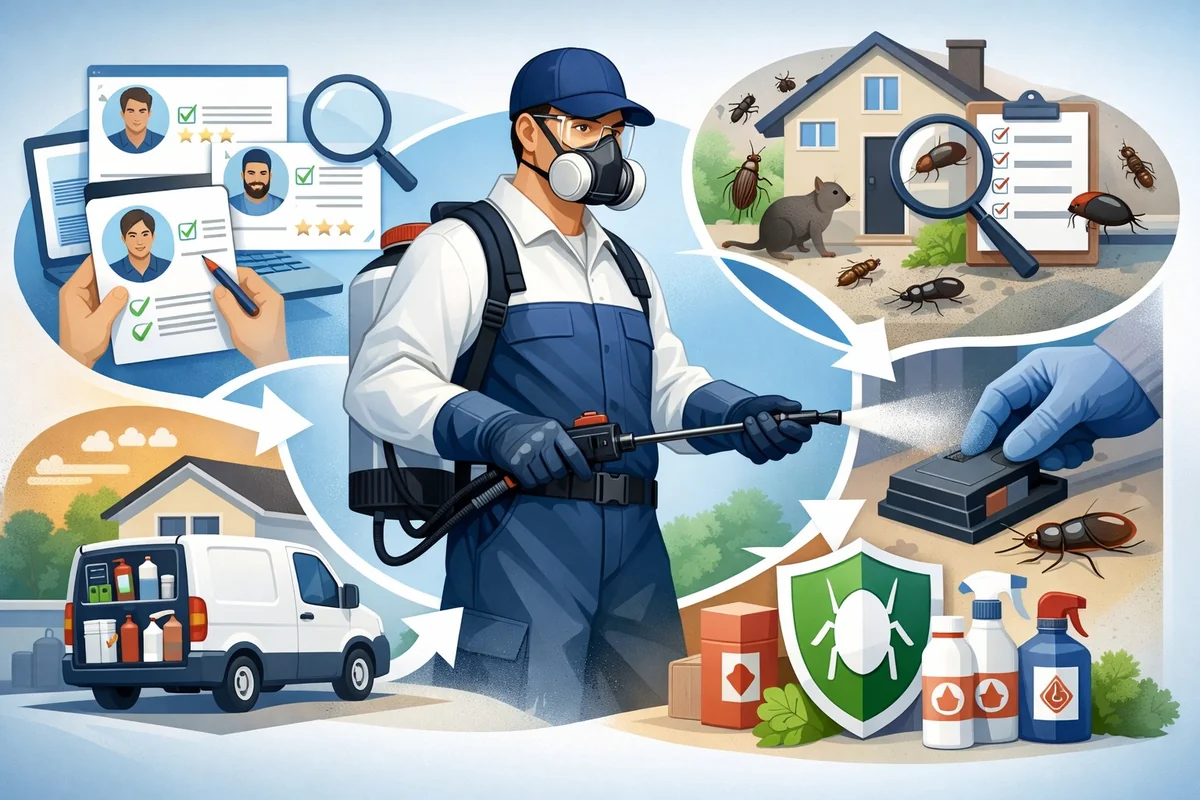
Guide to Hiring a Professional Pest Control Service: What to Know in 2026
Learn when and how to hire a professional pest control service, what to look for in a company, and how to compare options for safe, effective pest removal in 2026. Includes step-by-step preparation, contract tips, and FAQs.