
How to Prevent Mice in Garages and Basements (2026 DIY Guide)
Learn proven steps to prevent mice in your garage and basement in 2026. Get expert DIY mouse prevention tips, avoid common mistakes, and keep your home rodent-free - no professional required.
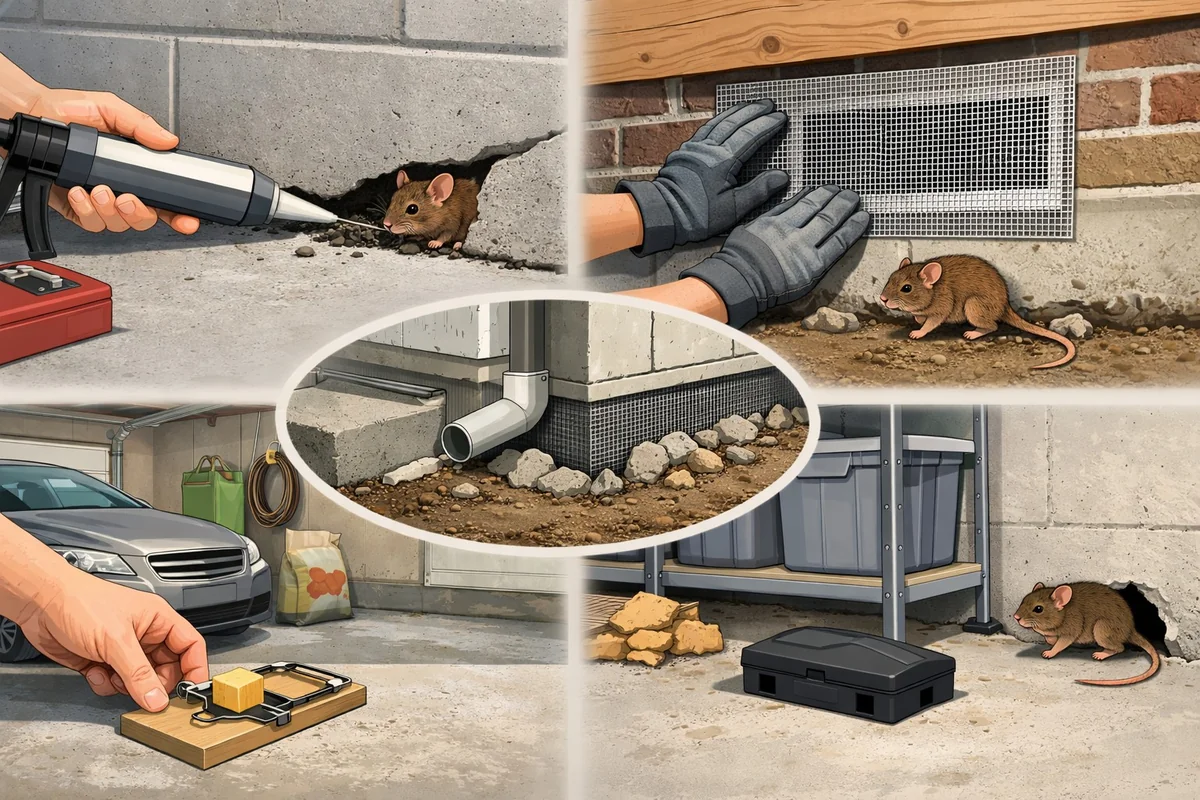
To prevent mice in garages and basements, seal all entry points smaller than 1/4 inch, remove food and nesting materials, and set traps near walls and corners. Allow 1-2 hours for inspection and sealing. Use steel wool, caulk, and weatherstripping for lasting results - quick fixes rarely keep rodents out for long.
Why Mice Invade Garages and Basements
If you've ever wondered why your garage or basement seems to attract mice, you're not alone. Most people assume it's just bad luck, but the truth is these spaces offer nearly everything a mouse needs: food, warmth, and a maze of hiding spots. Once a single mouse finds easy entry, more are likely to follow.
Common Attractants in These Spaces
Stored bird seed, grass seed, and pet food are like a buffet for mice. Even a bag with a tiny tear can keep a mouse colony fed for weeks. Cardboard boxes, old rags, and insulation scraps become perfect nesting materials, and cluttered corners offer protection from predators.
Appliances like water heaters or fridges give off just enough warmth to attract mice during colder months. Insulated walls and pipes are another big draw, especially in winter. Leaks or condensation create pockets of moisture - mice need water just as much as food, so they'll seek out these damp areas.
How Mice Enter: Typical Entry Points
The most common entry points are gaps under garage doors, holes around utility lines, and vents that aren't screened. Even the smallest opening - about 1/4 inch, or the width of a pencil - can let a mouse squeeze through. Don't assume a space is too tight; mice are flexible and persistent.
Cracks in foundations, poorly sealed basement windows, and rotted door frames are also prime targets. If you see daylight around a door or pipe, that's enough space for a mouse. For context, rats need about a 1/2-inch gap, so if you're only finding tiny droppings and small holes, it's likely mice - not rats - you're dealing with.
If you want a broader overview of rodent exclusion strategies, see our Mouse Control guide for more context on identifying entry points and species differences.
Signs of a Mouse Problem in Garages and Basements
Catching a mouse scurrying across the floor is rare - most infestations go unnoticed until you spot the evidence. The earlier you identify the problem, the easier it is to stop mice in your garage or basement before they multiply.
Visual and Physical Evidence
The most obvious sign is mouse droppings - small, dark pellets about the size of rice grains, often found along walls, in corners, or near stored food. You may also see urine stains, which can glow under a blacklight but usually appear as faint streaks or spots.
Gnaw marks are another giveaway. Mice chew through plastic storage bins, electrical wires, and even thin wood to keep their teeth trimmed and gather nesting material. Shredded paper, insulation, or bits of fabric in tucked-away spots signal active nesting.
Sounds, Smells, and Other Clues
Listen for scratching, squeaking, or rapid scurrying late at night - mice are nocturnal, so things often go quiet during the day. A musty, ammonia-like smell means urine has built up; the stronger the smell, the bigger the problem. If your cat or dog suddenly fixates on a certain corner or wall, don't ignore it - pets often sense hidden mice before you do.
Essential Tools and Supplies for Mouse Prevention
Stopping mice requires more than just a few traps. You need the right mix of exclusion materials, deterrents, and a plan for ongoing upkeep. Skimping on quality or using the wrong products wastes time and lets rodents return.
Sealants and Exclusion Materials
- Steel wool and copper mesh physically block mice. Unlike foam or caulk alone, rodents can't chew through these materials - use them to fill gaps around pipes, vents, and cracks.
- Silicone caulk is ideal for sealing over steel wool, making the patch weather-resistant and harder to dislodge. Expanding foam is tempting for large gaps but is easily chewed; only use it behind a primary barrier like steel wool.
- Weatherstripping for garage doors comes in several types: rubber, vinyl, or brush. Look for options labeled “rodent-resistant” and check that the seal fully contacts the floor - any daylight means a mouse can squeeze in.
Traps, Baits, and Deterrents
- Snap traps are reliable, quick-kill devices and work well for small infestations. Humane live traps catch mice without killing them, but you must release captured mice at least one mile away to prevent them returning.
- Ultrasonic repellents are controversial - some studies show temporary effects, but mice often adapt within days. Only try these as a supplement, not your main defense.
- Peppermint oil and mothballs may repel mice for a few days, but the scent fades fast and won't stop a hungry rodent. Use these only as a temporary measure or in combination with exclusion and traps.
For a detailed look at high-performing traps and deterrents, check our Best Mouse Traps and Repellents 2026 guide for current recommendations and setup tips.
Step-by-Step Guide: How to Mouse-Proof Your Garage and Basement
Ready to stop mice in their tracks? Here's exactly what to do, based on years of research and verified customer experiences preventing mouse infestations in garages and basements.
Step-by-Step Guide
Learn how to prevent mice infestations in your garage and basement using effective, modern DIY methods. This guide covers sealing entry points, eliminating attractants, and setting up prevention barriers to keep rodents away.
Total Time
1 hour 30 minutes
Difficulty
Beginner
Inspect for Entry Points
Examine all walls, floors, doors, and windows for cracks, gaps, or holes wider than 1/4 inch. Focus on corners, utility penetrations, and garage door seals. Identifying and marking these openings prevents mice from entering your garage or basement.
Pro Tips:
- Check behind appliances and inside closets for hidden gaps.
- Use a flashlight to spot small holes along baseboards.
- Mark each entry point with masking tape for tracking.
Important Warnings:
- Overlooking even small holes can allow mice entry—mice can fit through gaps as small as a dime.
Required Tools:
- Bright flashlight
- Measuring tape
- Masking tape
Seal Gaps and Holes
Fill all identified openings with steel wool, then apply silicone caulk or expanding foam to secure the barrier. Pay special attention to areas around pipes and vents, as these are common access routes for rodents.
Pro Tips:
- Steel wool blocks chewing and is the current best practice for small gaps.
- Use hardware cloth (1/4-inch mesh) for larger holes.
- Apply caulk generously to prevent future shrinkage.
Important Warnings:
- Do not use only foam—mice can chew through it if not reinforced.
- Wear gloves to avoid skin irritation from steel wool and caulk.
Required Tools:
- Steel wool (medium grade)
- Silicone caulk or expanding foam
- Caulking gun
- Utility gloves
- Hardware cloth (for holes larger than 1 inch)
- Tin snips (for cutting mesh)
Eliminate Food and Water Sources
Remove all food, bird seed, and pet food from exposed areas. Store items in sealed metal or heavy-duty plastic containers. Fix leaks and wipe up standing water to reduce attractants that draw mice into your garage or basement.
Pro Tips:
- Sweep up crumbs and debris regularly.
- Use airtight containers—thin plastic bins are easily chewed.
- Check for slow leaks under sinks or near water heaters.
Important Warnings:
- Leaving pet food out overnight is a major attractant for rodents.
Required Tools:
- Broom and dustpan
- Heavy-duty plastic or metal storage bins (with tight lids)
- Cleaning cloths
- Wrench (for tightening pipe fittings)
Reduce Clutter and Nesting Sites
Organize stored items on shelving at least 18 inches off the floor and away from walls. Dispose of cardboard boxes and excess paper, as mice use these for nesting materials. This minimizes hiding spots and discourages rodent activity.
Pro Tips:
- Use plastic shelving units for storage.
- Rotate stored items quarterly to spot early signs of mice.
- Keep stored fabrics in sealed containers.
Important Warnings:
- Stacking items against walls gives mice easy hiding paths.
- Cardboard boxes are easily chewed and should be replaced with plastic bins.
Required Tools:
- Plastic shelving units
- Heavy-duty trash bags
- Plastic storage bins
Install Physical Barriers and Traps
Place snap traps or electronic traps along walls where mice may travel. Install weather stripping on doors and door sweeps at ground level to prevent entry. These physical barriers and early detection measures further reduce infestation risks.
Pro Tips:
- Set traps perpendicular to walls for higher catch rates.
- Check traps daily and dispose of rodents using gloves.
- Professional-grade door sweeps create a strong seal—replace damaged weather stripping yearly.
Important Warnings:
- Keep traps away from areas accessible to children and pets.
- Do not use poison baits in garages/basements due to risk of secondary poisoning and odor from dead rodents.
Required Tools:
- Snap traps or electronic traps
- Weather stripping kit
- Door sweeps (aluminum or rubber)
- Screwdriver set
- Work gloves
Inspecting for Gaps and Entry Points
Grab a flashlight and a small mirror - these help you see behind pipes and into dark corners. Check along the floor, behind appliances, around vents, and where utility lines enter the building. If you can slide a pencil or even a pinky finger into a gap, that's big enough for a mouse.
Mice only need 1/4-inch openings to squeeze through. For example, a gap under a garage door that's thin as a pencil is all it takes for a mouse to get in. Don't ignore cracks high on basement walls or above ground-level vents - mice are excellent climbers.
Sealing and Excluding Mice
For best results, stuff steel wool or copper mesh tightly into each hole, then cover with silicone caulk. This two-layer approach keeps mice from pulling out the filler or chewing through the seal. For large or oddly shaped gaps, use expanding foam behind the steel wool as a backup, but never rely on foam alone.
Replace any worn weatherstripping or damaged door sweeps. Choose products labeled “rodent-proof” - these are reinforced with metal fibers or have extra-durable rubber. The goal is a tight seal with no visible light or air leaks.
Decluttering and Removing Attractants
Store all food - including pet kibble, birdseed, and grass seed - in hard plastic or metal containers with locking lids. Mice chew through cardboard and thin plastic in hours. Keep storage bins at least 6 inches off the floor and away from walls, so mice can't hide or nest behind them.
Get rid of old boxes, newspapers, and fabric scraps - these are prime nesting materials. A monthly sweep to toss out clutter goes a long way toward keeping mice away.
Setting Traps and Deterrents
Place traps along walls, behind storage, and in corners - mice tend to run along edges, rarely crossing open spaces. Rotate bait types (peanut butter, chocolate, or sunflower seeds work well) and switch up trap locations every few days so mice don't get wise to your tactics.
Check traps daily and reset as needed. Neglecting this step means surviving mice can learn to avoid traps, and dead mice start to smell quickly, especially in warm garages or damp basements.
Common Mistakes That Let Mice Return
Too many DIYers rely on a single solution, then wonder why mice keep coming back. Mouse prevention is a system - miss one piece, and the whole thing falls apart.
Relying Only on Traps or Repellents
Traps are great for catching a few mice, but new arrivals will keep coming if you miss the entry points. Repellents - natural or ultrasonic - lose their edge fast and don't stop determined, hungry rodents. Integrated pest management (IPM) means combining exclusion, sanitation, and trapping for lasting results.
Incomplete Sealing and Neglected Areas
People often overlook hidden gaps under stairs, behind water heaters, or above suspended ceiling tiles in basements. If you only seal what's obvious, mice will find the rest. Building materials expand and contract with the seasons - what was airtight in summer may open up after a winter freeze.
Always check upper wall penetrations and ceiling voids, especially if you've had a mouse problem before. Mice can climb wires and rough surfaces to reach these spots with ease.
Special Considerations for Homes with Pets or Children
Mouse-proofing is different when you share your home with pets or small kids. Safety must come first - some traps and baits can be dangerous if misused.
Safe Trap and Bait Placement
Use enclosed, tamper-resistant bait stations so pets and kids can’t access poison or get caught in snap traps. Place traps in locked utility rooms, behind heavy appliances, or inside cabinets when possible. If you prefer natural deterrents, remember they offer only temporary relief - physical exclusion is still required.
Cleaning and Decontamination After Mouse Activity
Always wear gloves and a mask when cleaning mouse droppings or nests to avoid inhaling dangerous particles like hantavirus. Double-bag contaminated materials before disposing in the trash, and disinfect all surfaces with a strong bleach solution. Ventilate the area for several hours - lingering odors are not just unpleasant but can attract new rodents.
When to Call a Professional Exterminator
Most mouse problems in garages and basements can be handled DIY if caught early, but some situations require expert help. Don’t waste time and money on endless traps if mice keep returning or if there’s damage to wiring or structure.
Situations Beyond DIY Control
- Large infestations that persist after multiple DIY attempts
- Visible structural damage or chewed electrical wires
- Recurring mouse problems despite thorough sealing and cleaning
What to Expect from Professional Services
- Detailed inspection and identification of entry points
- Custom exclusion plans and repairs beyond basic caulking
- Access to commercial-grade baits, traps, and monitoring systems
- Advice on long-term prevention and maintenance
In some cases, hiring a pro is more cost-effective if you factor in the time, frustration, and risk of recurring infestations.
Frequently Asked Questions About Mouse Prevention
❓ Frequently Asked Questions
How do I prevent mice from entering my garage or basement?
How do I prevent mice from entering my garage or basement?
To prevent mice from entering garages or basements:
- Seal all cracks and holes larger than 1/4 inch with steel wool and caulk
- Install door sweeps and weather stripping
- Store food in airtight containers
- Remove clutter and debris
- Keep the area clean and dry
Regular inspections help catch issues early.
What attracts mice to garages and basements?
What attracts mice to garages and basements?
Mice are attracted to garages and basements by food sources, water, warmth, and shelter. Pet food, birdseed, cardboard boxes, and clutter provide ideal nesting and feeding spots. Moisture from leaks or poor drainage also draws rodents. Minimizing these attractants is crucial for effective prevention.
What is the best sealant for blocking mice entry points?
What is the best sealant for blocking mice entry points?
A combination of steel wool and silicone-based caulk is recommended for sealing holes and gaps against mice. Steel wool physically blocks rodents from chewing through, while caulk secures it in place. For larger gaps, use metal flashing. Avoid using expanding foam alone, as mice can chew through it.
How often should I inspect my garage or basement for signs of mice?
How often should I inspect my garage or basement for signs of mice?
Industry guidelines suggest inspecting garages and basements for mouse activity at least once per month. Look for droppings, gnaw marks, nesting material, and entry holes. Increase frequency during fall and winter when mice seek warmth indoors. Regular inspections allow early detection and faster response.
Which mouse traps are most effective for garages and basements?
Which mouse traps are most effective for garages and basements?
For garages and basements, snap traps and electronic traps are most effective. Snap traps provide quick results and are budget-friendly. Electronic traps deliver a high-voltage shock for humane, enclosed disposal. Glue traps are less recommended due to animal welfare concerns. Place traps along walls near suspected entry points.
What should I look for when choosing rodent-proof storage containers?
What should I look for when choosing rodent-proof storage containers?
When selecting rodent-proof storage containers, prioritize:
- Material: thick, chew-resistant plastic or metal
- Sealed lids: airtight closure to block access
- Size: choose containers that fit shelving and stack securely
- Handles: for easy movement without cracks
Airtight, rigid containers significantly reduce mouse infestations in storage areas.
Why is it important to remove clutter from garages and basements to prevent mice?
Why is it important to remove clutter from garages and basements to prevent mice?
Removing clutter from garages and basements eliminates hiding places and nesting material for mice. Cardboard, paper, and stored fabric attract rodents. Keeping these areas organized and clean reduces the chance of infestation and makes it easier to spot early warning signs such as droppings or shredded material.
Key Takeaways for Lasting Mouse Prevention
Mouse prevention in garages and basements is a process, not a one-time fix. The key is consistency: monthly inspections, regular cleaning, and seasonal checks after major weather changes. Focus on exclusion first, then supplement with traps and deterrents as needed.
Remember to:
- Inspect seals, gaps, and entry points monthly
- Store food and supplies in rodent-proof containers
- Declutter to remove potential nesting sites
- Check for new vulnerabilities after storms or temperature swings
Take these steps seriously, and you'll keep your garage and basement mouse-free well into 2026.
Related Articles

Best Mouse Traps and Repellents 2026: Top Picks for Home Mouse Control
Discover the best mouse traps and repellents for 2026. Compare snap, electric, live-catch, bait stations, and natural solutions to control mice safely and effectively at home.

Best Rodent-Proofing Materials and Products 2026: Steel Wool, Mesh, Kits, and More
Find the best rodent-proofing materials, products, and exclusion kits for 2026. Compare steel wool, mesh, sealants, vent covers, and natural deterrents to keep your home rodent-free with expert DIY recommendations.

Complete Guide to Pest Prevention in Homes: Stop Pests in 2026
Protect your home in 2026 with this complete pest prevention guide. Discover proven DIY methods, room-by-room tips, safe solutions for families, and expert advice to stop pests before they start.

Best Rat Traps and Baits 2026: Top Picks for Every Infestation
Find the best rat traps and baits of 2026 for fast, safe, and affordable DIY rat control. Compare top snap, electric, live-catch, poison, and natural products to eliminate rats from your home.