
How to Prevent Squirrels from Eating Bird Seed: Step-by-Step Squirrel-Proofing Guide 2026
Learn how to prevent squirrels from eating bird seed with proven DIY methods, placement strategies, and squirrel bird feeder guards. Step-by-step guide, common mistakes, and expert tips for effective, safe, and budget-friendly squirrel-proof bird feeding in 2026.
To prevent squirrels from eating bird seed, use squirrel-proof feeders, install baffles, and place feeders at least 10 feet from trees or fences. Combine weight-activated or caged feeders with hot pepper-treated seed for best results. Most setups take about 30-60 minutes and basic tools - regular monitoring keeps clever squirrels at bay.
Why Squirrels Target Bird Feeders
If you’ve watched squirrels raid your feeder, you know how persistent they can be. The problem doesn’t mean you’ve made a mistake - it’s just how squirrels operate. They’re not being cute; they’re being relentless opportunists.
Squirrel Feeding Habits Explained
Squirrels are classic opportunistic feeders. They’re always after the most calorie-dense, easy-to-access foods. Seeds and nuts are at the top of their menu, especially sunflower, peanut, and corn blends. Bird feeders are essentially an open buffet for them - no digging, no hunting, just a steady supply of high-energy food. When natural sources run low, especially in early spring or late fall, they’ll target feeders even more aggressively.
It isn’t just hunger. Squirrels adapt their foraging behavior quickly to take advantage of new food sources, and residential yards are prime territory. Once one squirrel finds your feeder, word seems to get out fast.
What Attracts Squirrels to Your Yard
Squirrels don’t just want your seed. They’re looking for food, water, and shelter all in one place. Easy access to snacks, a nearby birdbath, and some mature trees or dense shrubs make your property a squirrel magnet. If you’re using sunflower, peanut, or corn mixes, you’re basically advertising a feast. Overhanging branches and fences act like highways straight to your feeder.
If you’re battling both squirrels and chipmunks, you’ll find more tips and exclusion strategies in our Squirrel & Chipmunk Control resource.
Choosing Squirrel-Proof Bird Feeders
Not all feeders are created equal when it comes to stopping squirrels. If you want to prevent squirrels from eating bird seed, you’ll need to invest in the right design - or upgrade your current setup with a few key accessories.
Weight-Activated Feeders: How They Work
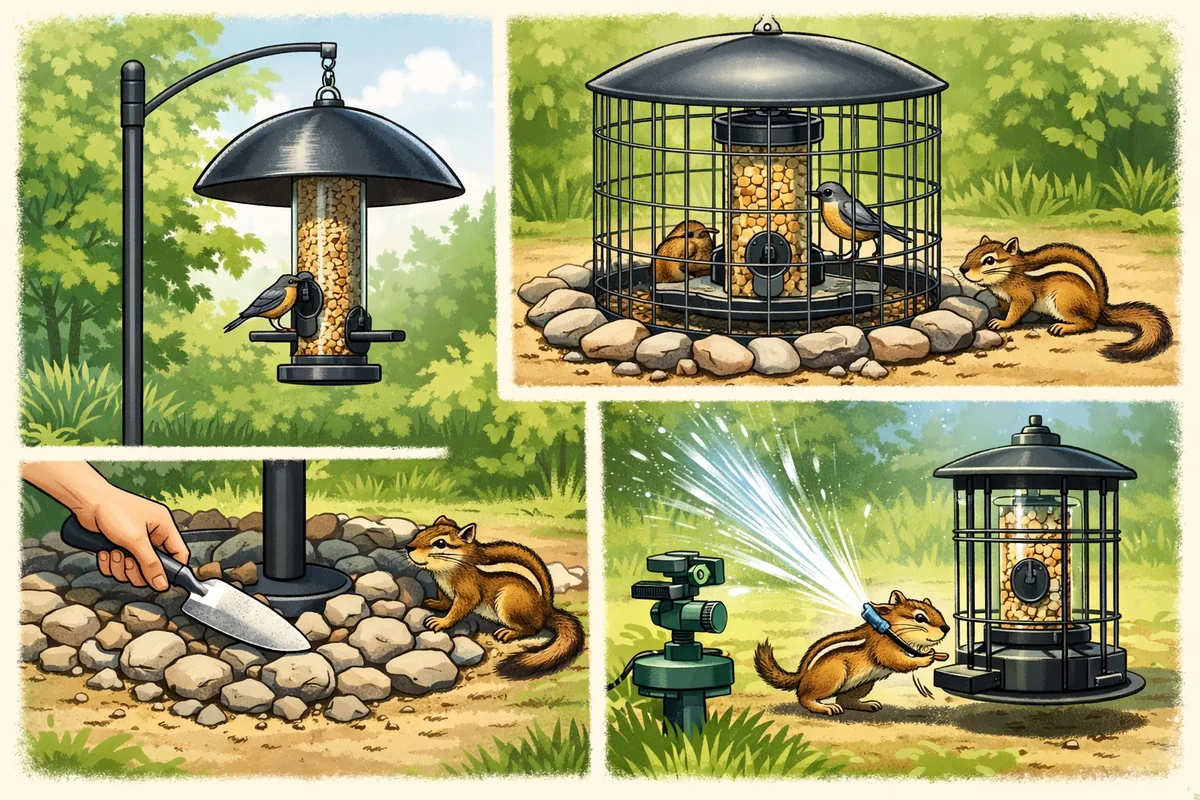
Weight-activated feeders use spring-loaded perches or shrouds that respond to the animal’s weight. When anything heavier than a small bird (typically over 4-6 ounces) lands, the seed ports snap shut. This lets finches and chickadees eat in peace but blocks squirrels and large birds. Based on customer reviews, these feeders work well - as long as the springs remain clean and the mechanism doesn’t freeze up in winter or jam from debris. Cheap models can become unreliable over time, especially if left outside year-round.
Caged Feeders: Pros and Cons
Caged feeders surround the seed tube with a metal mesh, allowing only small birds to slip through the bars. They’re highly effective for deterring squirrels and large birds. The trade-off?
Cardinals, jays, and woodpeckers usually can’t fit, so you’ll see fewer of those at your feeder. Over time, the metal can rust or bend - check annually for sharp edges or openings squirrels might exploit.
Dome and Baffle Designs for Feeders
Domes and baffles act as physical shields. A dome above the feeder blocks drop-in attacks from above, while a baffle below stops climbers from reaching the seed. These are some of the most affordable upgrades you can add to your setup. The catch: baffles only work if installed at the right angle and height. Too close to the feeder, and squirrels will simply reach around; too far, and they’ll bypass it with a jump. Pay attention to placement - a poorly positioned baffle is just a squirrel gymnasium.
If you want a deeper breakdown of commercial and DIY deterrent options, check out the Best Squirrel Traps and Deterrents 2026 guide.
| Method | ★Difficulty Level | ★Time Required | Cost Range | ★Skill Level Required | ★Best For | Effectiveness |
|---|---|---|---|---|---|---|
| Baffle Installation | Easy | 30-45 minutes per feeder | Budget-friendly | Beginner | Most standard bird feeders and pole-mounted setups | High |
| Feeder Placement & Clearance | Medium | 1-2 hours (includes measuring and relocating feeders) | Low | Intermediate | Yards with multiple feeder locations and space to adjust | Very High |
| Physical Barriers & Enclosures | Hard | 2-4 hours (building/installing cages or mesh enclosures) | Moderate | Advanced DIY | Persistent squirrel problems or urban/high-density areas | Excellent |
| Seed Selection (Squirrel-Resistant Seeds) | Easy | 10-15 minutes (simply switch seed type) | Moderate | Beginner | Users seeking a low-effort, non-mechanical solution | Moderate |
| Regular Maintenance & Cleanup | Easy | 15-30 minutes per week | Low | Beginner | Prevention-focused users and long-term maintenance | Supports other methods |
Best Locations to Place Bird Feeders
Where you place your feeder is just as important as the feeder itself. Squirrels are incredible jumpers and climbers, so a poorly placed feeder is an open invitation.
Distance from Trees, Fences, and Roofs
Squirrels can clear a horizontal gap of 8-10 feet and leap up to 4-5 feet vertically. That means most backyard setups are within reach unless you’re strategic. Place feeders at least 10 feet away from any tree trunk, fence, deck railing, or shed. Overhanging branches are especially problematic - squirrels drop down from above and bypass most baffles. If you can’t avoid overhead access, use a dome baffle or switch to a caged feeder.
Ideal Mounting Heights for Feeders
Mount your feeder at least 5-6 feet above the ground. This keeps it out of range of most ground-based jumps. Higher is generally better for squirrel prevention, but it makes refilling and cleaning more cumbersome.
Pole-mounted feeders are easier to squirrel-proof than hanging models, especially if you use a pole baffle. Just don’t mount feeders on deck railings or fence posts - that’s a guaranteed squirrel buffet.
Installing Squirrel Baffles and Guards
Physical barriers are the backbone of any squirrel-proof bird feeder setup. The type of baffle or guard you choose - and how you install it - will make or break your defense.
Types of Squirrel Baffles: Tube, Dome, and Cone
- Tube baffles (cylinder or stovepipe style): Block climbing from below, best for pole-mounted feeders.
- Dome baffles: Hang above the feeder, blocking drop-ins from above or the side.
- Cone baffles: Work like domes but with a more flared shape, sometimes more effective against larger animals.
Material matters. Metal baffles withstand chewing and last for years; plastic ones are lighter and cheaper but can crack or warp. Some baffles are designed only for hanging feeders, others for poles - make sure you match your setup.
Proper Baffle Placement for Maximum Effect
The most common mistake? Mounting baffles too low or too close to the feeder. For pole baffles, position the bottom edge at least 4-5 feet above ground and several inches below the feeder itself. Hanging domes should sit just above the feeder, with no gaps for squirrels to squeeze through. Always secure baffles tightly - clever squirrels will wiggle loose hardware or push lightweight shields aside.
Using Squirrel-Repellent Bird Seed and Additives
Squirrels rely on their sense of taste and smell to decide what’s edible. Some seed types and additives can tip the balance in your favor - though no method is 100% squirrel-proof if other food is scarce.
Hot Pepper Treated Seed: Does It Work?
Capsaicin-coated (hot pepper) bird seed is one of the few chemical deterrents that actually work. Birds lack capsaicin receptors, so they eat the seed with no problem. Squirrels, on the other hand, avoid the burn after a few tries.
Commercially treated seed is safer and more consistent than mixing cayenne into your own blend - DIY batches often clump or coat birds’ feet. Always wear gloves when handling pepper-treated seed; capsaicin can irritate skin and eyes.
Seed Types Squirrels Dislike
- Safflower: Most squirrels find it bitter and will avoid it if tastier options exist.
- Nyjer (thistle): Small, oily seed favored by finches, but ignored by most squirrels.
- White millet: Less attractive to squirrels, but also less popular with some birds.
If you switch to these seeds, you may see fewer squirrel raids. The downside is a possible drop in bird variety - cardinals, jays, and woodpeckers may skip the feeder, too. Persistent squirrels might still sample the seed if there’s nothing else to eat nearby.
DIY Squirrel Deterrent Methods
If you’re handy, building your own baffles or barriers can save money - but you need to get the details right. Homemade solutions can be as effective as store-bought products, but only if installed and maintained properly.
Homemade Baffles and Barriers
- Stovepipe baffles: Slide a section of metal stovepipe over your feeder pole. When sized and mounted correctly, it blocks most climbers.
- PVC pipe baffles: Similar to stovepipe but lighter. Needs a cap or flange to keep squirrels from squeezing through the ends.
- Repurposed materials: Old salad bowls, metal trash can lids, or even plastic planters can work in a pinch.
Homemade baffles are cost-effective but may not last as long as commercial metal shields. Always check for sharp edges or loose parts that could injure birds or other wildlife.
Slippery Poles and Grease: Are They Safe?
It’s tempting to apply petroleum jelly, oil, or cooking spray to poles, hoping to make them too slick to climb. Here’s the problem: these substances can transfer to birds’ feathers, making it hard for them to fly or stay warm. Commercial pole wraps (like smooth metal sleeves) are a safer, cleaner alternative.
Grease also needs frequent reapplication and rarely stops determined squirrels for long.
Step-by-Step Guide: How to Squirrel-Proof Your Bird Feeder
Ready to stop squirrels from emptying your feeder? Here’s a no-nonsense, step-by-step process that works for most yards. Most setups require about 30-60 minutes and basic hand tools.
Gathering Materials and Tools
- Squirrel-proof feeder (weight-activated or caged)
- Compatible baffle or guard (tube, dome, or cone style)
- Mounting pole (if not already in place), or sturdy hanging hook
- Bird seed (hot pepper-treated or squirrel-resistant type)
- Work gloves (especially for spicy seed)
- Hose clamp or zip tie (to secure baffles)
- Screwdriver or wrench (for assembly)
Check that your feeder, pole, and baffle are all compatible. Having everything ready before you start avoids last-minute trips to the hardware store.
Installing and Positioning the Feeder
- Choose a spot at least 10 feet from trees, fences, or buildings. Avoid overhanging branches.
- Mount the pole or hanging hook so the feeder sits 5-6 feet above the ground.
- Attach the baffle below (for poles) or above (for hanging feeders), making sure there are no gaps squirrels could squeeze through.
- Test the setup by gently shaking or tugging - the feeder and baffle should remain stable.
- Fill the feeder with your chosen seed, then watch for the first visitors - both feathered and furry.
Step-by-Step Guide
Prevent squirrels from eating bird seed with this practical, beginner-friendly guide. Follow each step to secure your bird feeders using proven 2026 best practices for lasting results.
Total Time
30 minutes
Difficulty
Beginner
Choose a Squirrel-Proof Feeder
Select a squirrel-proof bird feeder with metal construction and weight-sensitive perches. These feeders close access to seed when heavier animals, like squirrels, try to feed. This prevents most squirrels from accessing bird seed effectively.
Pro Tips:
- Look for feeders labeled 'squirrel-resistant' with positive reviews.
- Metal feeders outlast plastic and resist squirrel chewing.
- Choose feeders with adjustable weight settings for better control.
Important Warnings:
- Avoid feeders with plastic parts—squirrels can chew through them within weeks.
Required Tools:
- Squirrel-proof bird feeder (metal, weight-sensitive)
- Product comparison checklist
Install a Baffle Above or Below the Feeder
Mount a squirrel baffle at least 18 inches in diameter above or below the feeder. Baffles block squirrels from climbing or jumping onto the feeder, reducing seed theft by up to 90%.
Pro Tips:
- Use a dome-shaped or cone baffle for best results.
- Place the baffle at least 4 feet off the ground if installing below.
- Ensure the baffle is securely fastened to prevent sliding.
Important Warnings:
- Check that the baffle is not too close to the feeder, or squirrels may reach around it.
Required Tools:
- Squirrel baffle (18-inch minimum diameter)
- Screwdriver or wrench (for mounting)
- Measuring tape
Position the Feeder Away from Jump-Off Points
Place your feeder at least 8-10 feet away from trees, fences, or structures. Squirrels can leap horizontally up to 10 feet, so maintaining this distance prevents easy access.
Pro Tips:
- Use a freestanding pole in open space for maximum protection.
- Trim nearby branches to maintain clearance throughout the year.
- Measure the distance from all sides, not just one.
Important Warnings:
- Don’t underestimate squirrel jumping ability—less than 8 feet allows easy access.
Required Tools:
- Measuring tape
- Pruning shears (if trimming branches)
Use Squirrel-Deterrent Seed Mixes
Fill your feeder with seed blends containing safflower or hot pepper (capsaicin) additives. Squirrels dislike these, but most birds will eat them. This reduces squirrel visits and preserves seed for birds.
Pro Tips:
- Buy pre-mixed squirrel-deterrent seed for best consistency.
- Wear gloves when handling capsaicin-treated seed to avoid skin irritation.
- Monitor bird activity to ensure local species accept the mix.
Important Warnings:
- Avoid homemade chili powder blends—improper use can harm birds or local wildlife.
Required Tools:
- Squirrel-deterrent bird seed (safflower or capsaicin-treated)
- Protective gloves
Clean Up Spilled Seed Regularly
Sweep or collect spilled seed from the ground beneath feeders every 2-3 days. This removes an easy food source, discouraging squirrels from lingering and attracting fewer pests overall.
Pro Tips:
- Use a small broom and dustpan for efficient daily cleanup.
- Install a seed tray below feeders to catch excess seed.
- Compost collected seed or dispose of it in sealed trash to avoid attracting rodents.
Important Warnings:
- Leaving spilled seed can attract rats and other unwanted pests.
Required Tools:
- Broom and dustpan
- Seed tray (optional)
- Gloves
Maintaining and Monitoring Squirrel Deterrents
Check your feeder and baffle weekly for signs of tampering or damage. Clean seed buildup from feeder ports and baffle surfaces - gunk attracts more pests and can clog moving parts. Keep a mental (or written) log of which birds and squirrels visit; if you see repeated bypass attempts, tweak your setup by moving the feeder, tightening hardware, or doubling up on baffles.
Common Mistakes When Deterring Squirrels
Even the best squirrel-proof bird feeder setup can fail if you overlook a few key details. Here’s what customer feedback shows are the most common pitfalls - and how to avoid them.
Improper Feeder Placement
Most failures happen because feeders are too close to launching points like trees or fences. Squirrels can leap farther than most people realize. Moving the feeder just a few feet away can make all the difference.
Don’t keep repositioning feeders randomly - birds won’t find them, and squirrels will just learn new routes.
Using Ineffective or Harmful Repellents
Skip the mothballs, sticky traps, and chemical sprays. These products can poison birds, pets, and beneficial insects - and many are illegal to use outdoors for wildlife. “Home remedies” like fake owls or noise makers rarely work on persistent squirrels.
Don’t rely on repellents alone; physical barriers are still your best defense.
Troubleshooting Persistent Squirrel Problems
Some squirrels seem to treat baffles as a personal challenge. If you’ve tried everything and still see empty feeders, here’s what to do next.
What to Do if Squirrels Outsmart Your Defenses
Study how squirrels are bypassing your deterrents - are they jumping from above, squeezing through gaps, or prying baffles loose? Document the routes and patterns. Upgrade to more advanced feeders or double up on baffles if needed.
Sometimes, rotating deterrent methods every few weeks keeps squirrels guessing long enough for birds to feed undisturbed.
When to Consider Professional Help
If you’re facing a serious infestation - dozens of squirrels, structural damage, or aggressive animals - it may be time to call in wildlife control. Professionals can install exclusion systems or, where legal, trap and relocate problem animals. Weigh the cost and disruption against your ongoing DIY efforts.
For most homes, a robust physical setup solves the problem without outside help.
Frequently Asked Questions About Squirrel-Proofing Feeders
❓ Frequently Asked Questions
How do I prevent squirrels from eating bird seed?
How do I prevent squirrels from eating bird seed?
To prevent squirrels from eating bird seed:
- Install a squirrel-proof bird feeder with a weight-activated mechanism
- Place baffles above and below feeders to block access
- Position feeders at least 10 feet from trees or ledges
- Use bird seed blends squirrels dislike, such as safflower
Regularly check for damage or new access points.
What is a squirrel-proof bird feeder?
What is a squirrel-proof bird feeder?
A squirrel-proof bird feeder is a feeder designed to block squirrels from accessing bird seed. It typically uses weight-sensitive perches or cages to close off seed ports when heavier animals attempt to feed. The main benefit is reducing seed waste. Some models feature chew-resistant metal parts for added durability.
What should I look for when choosing a squirrel-proof bird feeder?
What should I look for when choosing a squirrel-proof bird feeder?
When choosing a squirrel-proof bird feeder, consider:
- Weight-activated perches: close seed access to squirrels
- Metal construction: resists chewing and weather damage
- Easy disassembly: simplifies cleaning and refilling
- Seed capacity: matches your bird traffic
Choose a model with positive user reviews for long-term reliability.
Why do squirrels target bird feeders?
Why do squirrels target bird feeders?
Squirrels target bird feeders because they are attracted to high-calorie foods like sunflower seeds, peanuts, and corn commonly found in bird mixes. Easy access and proximity to trees make feeders appealing. Limiting access reduces seed loss and helps protect bird feeding areas from damage.
Which bird seeds are least attractive to squirrels?
Which bird seeds are least attractive to squirrels?
Safflower seeds, nyjer (thistle), and white proso millet are least attractive to squirrels. Most users find that squirrels prefer sunflower seeds and peanuts, so avoiding these reduces unwanted visits. However, some persistent squirrels may still sample less-favored seeds if food is scarce.
How often should I check and maintain squirrel-proof feeders?
How often should I check and maintain squirrel-proof feeders?
Check and maintain squirrel-proof feeders every 1–2 weeks. Inspect for damage, refill seed, and clean with mild soap and water to prevent mold and disease. In high-traffic areas or after storms, check more frequently to ensure baffles and locking mechanisms remain effective.
What is the difference between a baffle and a cage-style feeder?
What is the difference between a baffle and a cage-style feeder?
A baffle is a barrier - usually a dome or cone - installed above or below a feeder to physically block squirrels. A cage-style feeder surrounds the seed tube with a metal grid that allows small birds through but blocks larger animals. Both reduce squirrel access but use different methods.
Key Takeaways for Squirrel-Proof Bird Feeding
Keeping squirrels out of your bird feeder is about combining the right feeder, smart placement, and ongoing vigilance. The most effective setups use a weight-activated or caged feeder, a properly placed baffle, and strategic location at least 10 feet from any launching point. Hot pepper-treated seed or less appealing seed types add another layer of protection, but physical barriers matter most.
Don’t expect a “set and forget” solution. Squirrels adapt quickly, so regular inspection and small adjustments are key. If you notice new access routes or damage, tweak your setup before squirrels teach others how to break in.
If you need more options or want to compare commercial traps and deterrents, see the in-depth advice in the Best Squirrel Traps and Deterrents 2026 guide.
For lasting success, keep a log of bird and squirrel activity to fine-tune your approach as seasons change. Check your local regulations before trapping or relocating wildlife. With a little persistence, you’ll enjoy birdwatching without constant raids - and maybe even appreciate the challenge squirrels bring to the backyard game.
Related Articles
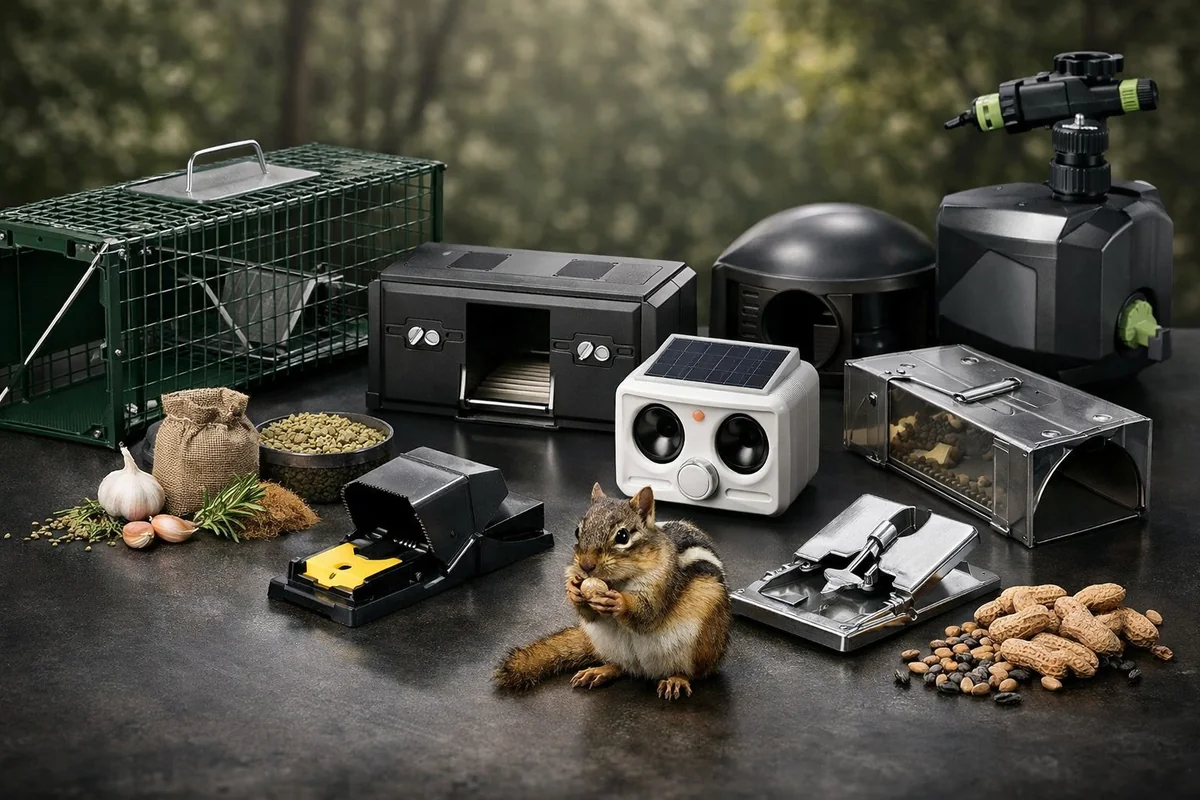
Best Squirrel Traps and Deterrents 2026: Live, Snap, Electric, and Natural Picks
Discover the best squirrel traps, deterrents, and chipmunk solutions for 2026. Compare live, snap, electric, and natural options to protect your home - DIY-friendly, safe, and effective.
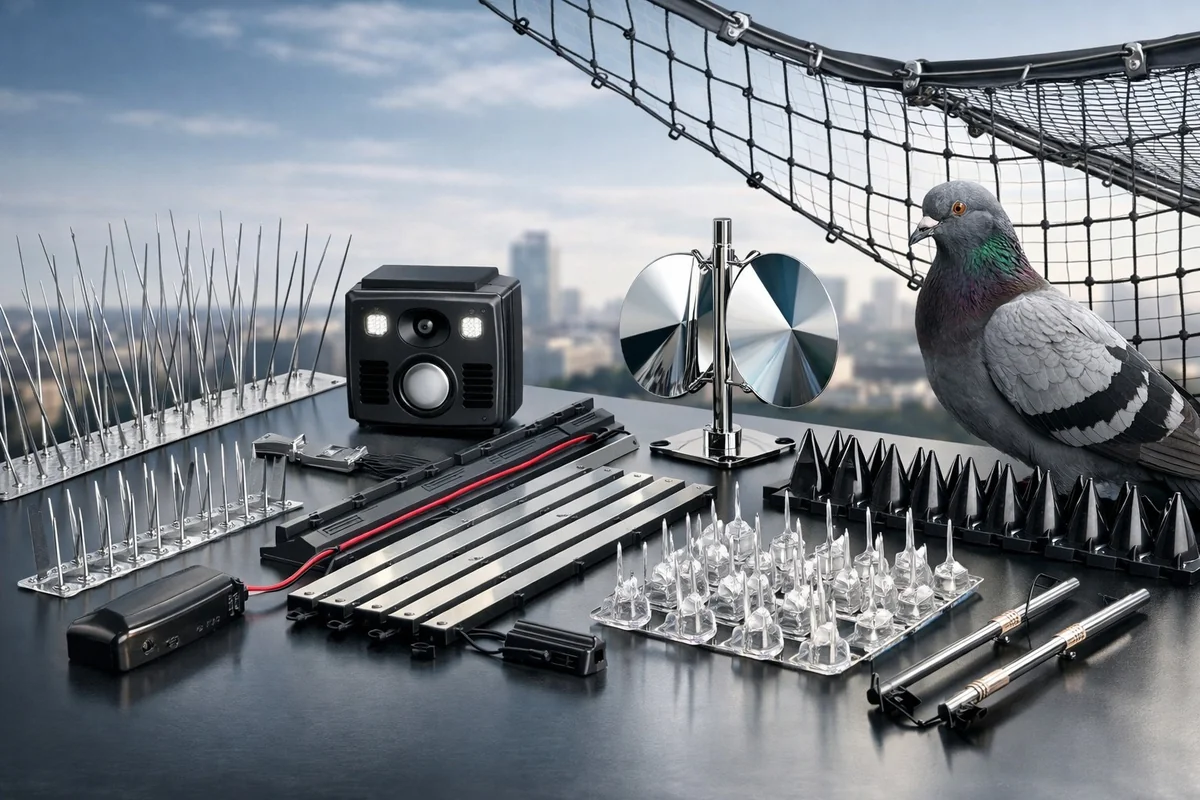
Best Bird Deterrents, Spikes, and Netting 2026: DIY Solutions Ranked
Find the best bird deterrents, spikes, and netting for 2026. Compare top DIY solutions to protect your home and garden from unwanted birds - safe, effective, and budget-friendly options reviewed.
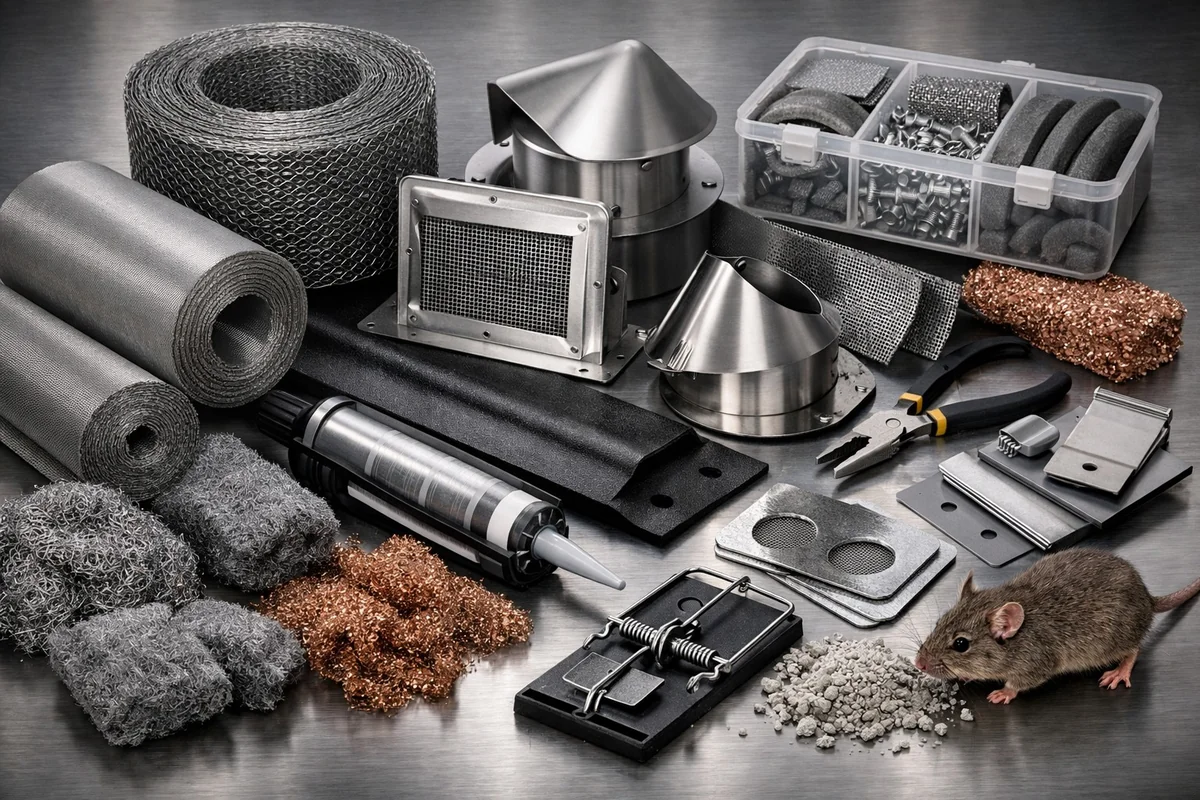
Best Rodent-Proofing Materials and Products 2026: Steel Wool, Mesh, Kits, and More
Find the best rodent-proofing materials, products, and exclusion kits for 2026. Compare steel wool, mesh, sealants, vent covers, and natural deterrents to keep your home rodent-free with expert DIY recommendations.
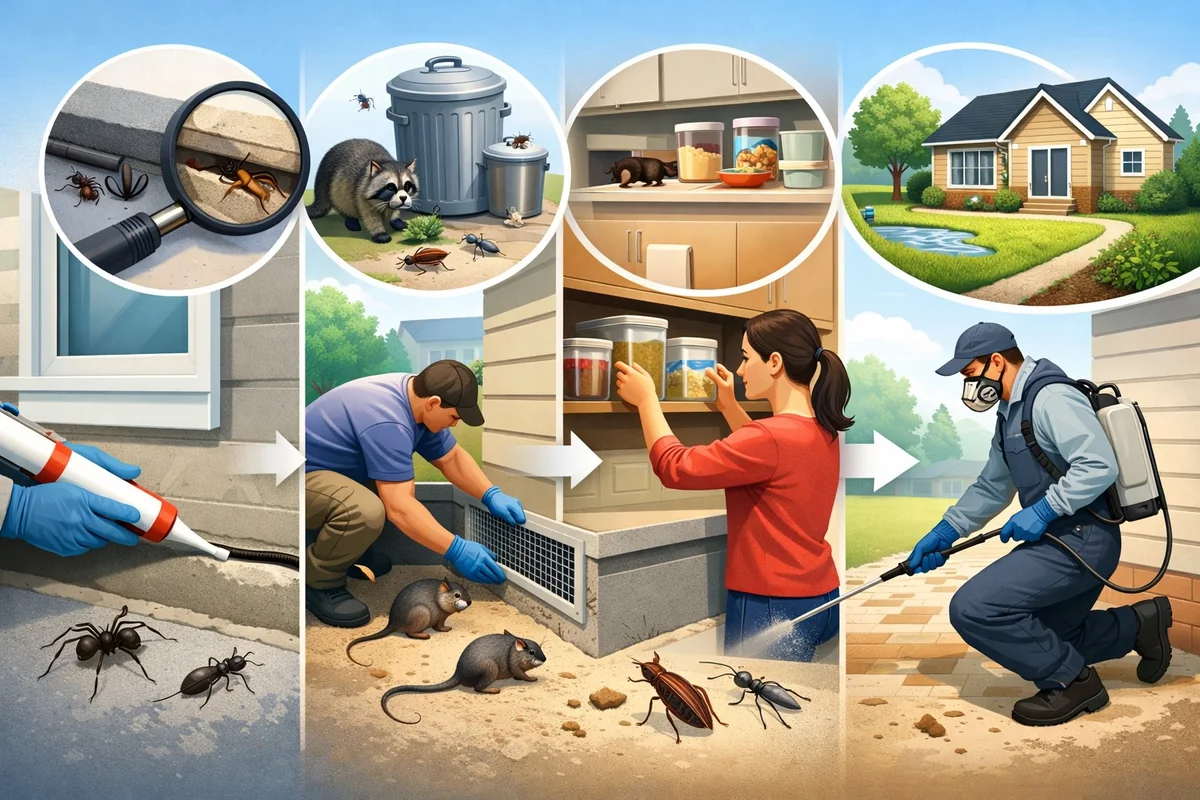
Complete Guide to Pest Prevention in Homes: Stop Pests in 2026
Protect your home in 2026 with this complete pest prevention guide. Discover proven DIY methods, room-by-room tips, safe solutions for families, and expert advice to stop pests before they start.