How to Prevent Ticks in Yards and Play Areas: Proven Tips for 2026
Learn proven, budget-friendly strategies to prevent ticks in your yard and tick-proof play areas in 2026. Step-by-step yard maintenance, safe product use, and expert tips to keep your family and pets protected.
To prevent ticks in your yard and play areas, keep grass short, clear leaf litter, install barriers, and apply safe tick control products to high-risk zones. The process takes 1-2 hours for most yards and requires routine maintenance. Prioritize shaded and wooded edges for best results.
How Ticks Invade Yards and Play Areas
Ticks are stealthy hitchhikers. Most people notice them only after a bite, but by then, ticks could have been living in your yard for weeks. Understanding how ticks find their way into your outdoor spaces is the first step to keeping them out.
Tick Life Cycle and Habitat Preferences
Ticks need moist, shaded areas to survive - think dense brush, tall grass, and leaf piles. They spend most of their lives waiting for a host, like a rodent or deer, to pass by. Each stage - larva, nymph, and adult - hides in slightly different spots, so control strategies need to target all habitats.
Larvae cluster near mouse nests, while nymphs favor leaf litter and shaded soil. Adult ticks climb higher, perching on tall grass and shrub tips. Knowing this helps you focus your prevention efforts where they'll matter most.
Common Entry Points and Attractants
Tall grass, thick shrubs, and piles of leaves are the main zones ticks use to invade. Wildlife - especially deer, mice, chipmunks, and stray pets - bring ticks straight into your yard. If you feed pets outside or hang bird feeders, you’re rolling out a welcome mat for tick-carrying animals.
Food left outdoors keeps them coming back, raising your tick risk dramatically.
For a broader look at tick biology and common problem areas, see our Tick Control guide.
Assessing Your Yard’s Tick Risk Factors
Not all lawns are equally vulnerable. Some features make a yard a tick magnet, while others naturally repel them. A quick survey can reveal your high-risk zones and let you prioritize efforts for maximum impact.
Identifying High-Risk Zones
Perimeter areas - wood lines, stone walls, and overgrown corners - nearly always host more ticks than open lawn. Play equipment parked next to shrubs or woods gets ticks dropped on it by wildlife or blown in by wind. Moisture-trapping landscaping, like thick mulch beds or compost piles, also helps ticks thrive.
Equipment that sits directly on grass or under shade collects ticks faster, so move it at least 3 feet from brush and woods. Compost and woodpiles should be outside the play area and kept dry to discourage rodents and ticks.
Simple At-Home Tick Monitoring Methods
One of the best DIY tools is a tick drag: drag a white cloth across suspect areas and check for clinging ticks. It’s quick and shows you where ticks are most active. Checking pets and your own clothes after time outside is another way to catch early signs of a problem.
DIY tick tubes or cardboard tubes stuffed with treated cotton can double as both monitor and control - if you see cotton missing or find ticks on the tube, you know there’s activity. These checks help you measure progress before and after any control steps.
Essential Yard Maintenance for Tick Prevention
Consistent yard work is the backbone of tick prevention. Ticks rely on damp, shady cover - remove it, and you make your yard far less inviting. Small weekly tasks beat a single big cleanup each season.
Mowing, Pruning, and Clearing Debris
Keep grass under 3 inches to limit tick hiding spots and reduce the number of animals crossing your yard. Prune shrubs and trim low branches to let in more sunlight - this lowers humidity, which ticks hate. Rake and bag leaves, especially in fall, since leaf litter is a favorite nymph hiding zone.
Don’t let yard waste or clippings pile up, even for a few days - they quickly become tick nurseries. Dispose of debris offsite or in sealed bins, not in compost near play areas.
Managing Woodpiles, Compost, and Mulch
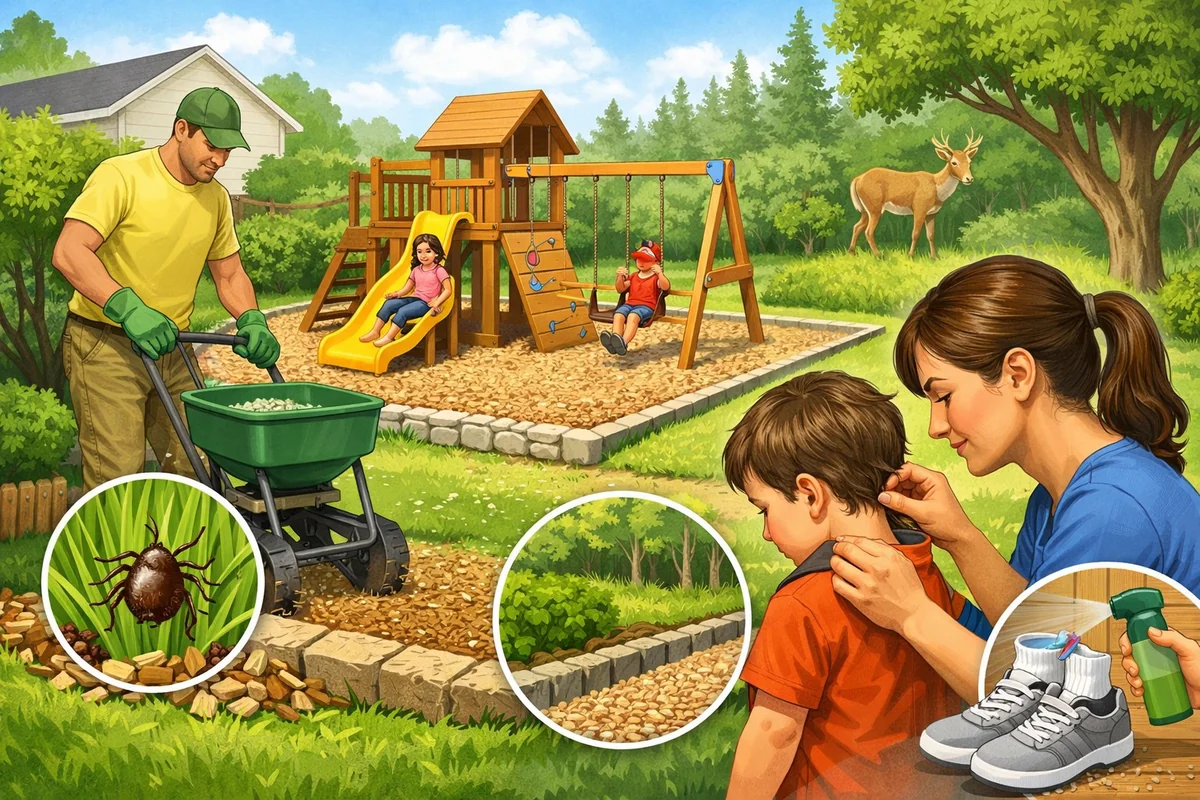
Stack woodpiles on racks at least 12 inches off the ground and away from high-traffic zones. Rodents love woodpiles, and wherever mice go, ticks follow. Avoid thick wood chip mulch in places where kids or pets play; use gravel or thin mulch instead to reduce moisture and tick shelter.
Compost bins should be tightly sealed and placed far from patios and playsets. This keeps rodents - and their ticks - out of areas where your family spends time.
Step-by-Step Guide
Follow these proven steps to reduce tick presence in your yard and play areas using current best practices. Each step is designed to be practical, safe, and effective for homeowners in 2026.
Total Time
1 hour 40 minutes
Difficulty
Beginner
Trim Grass and Vegetation
Mow grass to 2-3 inches and trim back shrubs along pathways and play zones. Shorter grass and well-managed plants reduce tick hiding spots and make the area less attractive to ticks.
Pro Tips:
- Mow every 7-10 days during active tick seasons (spring to fall).
- Use grass clippings for composting—never leave them in play areas.
- Edge along fences and structures thoroughly.
Important Warnings:
- Do not leave grass clippings in the yard—this increases moisture and attracts ticks.
- Wear gloves and long sleeves when handling dense vegetation.
Required Tools:
- Lawn mower (adjustable height)
- String trimmer
- Gardening gloves
Remove Leaf Litter and Debris
Rake and dispose of all leaf litter, sticks, and organic debris from lawns, under bushes, and around play equipment. Clearing organic matter reduces moisture and eliminates common tick habitats.
Pro Tips:
- Bag debris in sturdy lawn bags for municipal pickup.
- Check under decks and around swing sets for buildup.
- Repeat removal after storms or heavy winds.
Important Warnings:
- Do not burn leaves in areas where local ordinances prohibit it.
- Avoid raking when grass is wet to prevent turf damage.
Required Tools:
- Leaf rake
- Lawn bags (biodegradable preferred)
- Dust mask (optional for allergies)
Create a Barrier Zone
Install a 3-foot wide barrier of gravel or wood chips between lawn/play areas and wooded zones. This physical separation limits tick migration into high-traffic areas.
Pro Tips:
- Use landscape fabric under gravel to prevent weed growth.
- Maintain clear, weed-free borders each month.
- Mark barrier edges clearly for mowing.
Important Warnings:
- Wear a dust mask and protective eyewear when handling gravel.
- Do not use untreated wood chips in areas prone to mold.
Required Tools:
- Wheelbarrow
- Shovel
- Gravel or hardwood mulch (enough for 3-foot width)
- Landscape fabric
Apply Tick-Targeted Treatments
Use EPA-registered tick control products (such as permethrin granules or sprays) on lawn edges, under shrubs, and barrier zones. Follow manufacturer instructions for safe application and reapply every 4-6 weeks during peak season.
Pro Tips:
- Select products labeled specifically for tick control.
- Apply on dry days for best absorption.
- Keep children and pets off treated areas until dry (see label).
Important Warnings:
- Never apply treatments near edible gardens or water sources.
- Wear chemical-resistant gloves and a mask when spraying.
Required Tools:
- Tick control granules or spray (EPA-registered)
- Hand spreader or garden sprayer
- Protective gloves and mask
Maintain Pet and Wildlife Controls
Check and treat pets with veterinarian-approved tick preventatives, and secure trash or food sources to deter deer, rodents, and stray animals. Reducing wildlife presence lowers the risk of ticks entering your yard.
Pro Tips:
- Inspect pets daily, especially after outdoor play.
- Install fencing to restrict deer access if feasible.
- Store birdseed and pet food indoors.
Important Warnings:
- Do not use pet products intended for other species—always follow vet recommendations.
- If heavy wildlife traffic is noticed, consult a pest management professional.
Required Tools:
- Veterinarian-approved tick prevention for pets
- Outdoor trash cans with secure lids
- Pet brush and tick removal tool
Physical Barriers and Tick-Proofing Strategies
Physical modifications to your yard can be surprisingly effective at keeping ticks out of play spaces. These strategies work best when combined with regular maintenance and targeted treatments.
Installing Gravel or Mulch Borders
A 3-foot-wide border of gravel or dry mulch makes it harder for ticks to cross from woods into lawns or play areas. This strip dries out quickly, creating a zone most ticks won’t cross on their own. Place these borders between wooded edges and open grass, and around patios, playgrounds, or dog runs.
While these barriers block ground migration, ticks can still drop from animals or be blown in. Don’t assume a border alone is enough - use it as one layer in your prevention plan.
Fencing and Wildlife Deterrents
Deer fencing (at least 8 feet high) cuts down on large animal tick carriers entering your yard. Motion-activated sprinklers or ultrasonic repellents may help keep smaller mammals away, though results are mixed. Fencing can be expensive, and not practical for tight urban lots, but for rural homes, it’s often worth the investment.
Address gaps under fences and trim back brush from fence lines to block rodent access. The fewer wild animals you attract, the fewer ticks you’ll host.
Safe Use of Tick Control Products
Yard sprays and treatments can knock down tick populations fast, but not all products are created equal. The key is balancing effectiveness, safety, and environmental impact - especially with kids and pets in the yard.
Choosing Between Natural and Synthetic Options
Cedar oil, permethrin, and pyrethrin sprays each work in different ways. Cedar oil is a popular natural choice - safe for children and pets, but you’ll need to reapply after rain. Permethrin and pyrethrins (synthetic chemicals) offer longer-lasting control, but raise toxicity concerns and require careful application.
Natural products break down faster and may need to be applied every few weeks. Synthetics last longer but should never be sprayed on toys, garden veggies, or anywhere kids and animals play before the spray dries.
If you’re comparing options, see our Best Tick Sprays and Yard Treatments 2026 for current picks and detailed application tips.
Application Timing and Coverage
Spray in early spring and late summer - these are peak times for nymphs and adults. Focus on shaded, brushy, and perimeter zones; open lawns rarely need full coverage. Always follow label instructions for mixing, safety gear, and re-entry times.
Rain, heavy dew, or lawn sprinklers can wash treatments away - plan to reapply after wet weather. Consistent coverage in problem areas is essential for ongoing control.
Protecting Kids and Pets in Play Areas
Ticks are a real threat to children and pets in the yard. It’s not enough to treat the grass - play areas need extra attention to stay tick-proof and safe for your family.
Safe Play Surface Choices
Artificial turf and rubber mulch create poor tick habitat compared to natural grass or wood chips. These surfaces heat up and dry out quickly, discouraging ticks from staying. Regularly hose down and clean play equipment - dirt and debris attract animals (and their ticks) to your play areas.
Be aware: some artificial surfaces can get uncomfortably hot in summer, so check temperatures before playtime and use shade sails if needed.
Clothing and Repellent Strategies
Dress kids in light-colored, long-sleeved shirts and pants - ticks are easier to spot and remove this way. Permethrin-treated clothing offers lasting tick repellency and is a smart choice for anyone spending time near woods or brush. For pets, use vet-approved tick collars or spot treatments, and check their fur after every outing.
Even with barriers and repellents, always do a tick check after outdoor play. Early removal is your best defense against tick-borne illness.
DIY Tick Tubes and Biological Controls
If you want a hands-on approach that targets ticks at their source, consider DIY tick tubes and biological controls. These methods go after ticks where they breed and feed, instead of just killing adults on the surface.
How Tick Tubes Work
Tick tubes are cardboard tubes filled with permethrin-treated cotton. Mice collect the cotton for nesting; ticks hitching a ride are killed before they ever reach you. This approach is especially effective against nymphs, which mostly feed on rodents.
Timing and placement matter: put tubes out in early spring and again in late summer, along fence lines, stone walls, and brushy edges. Replace or refresh them every season for best results.
Using Beneficial Nematodes and Fungi
Certain beneficial nematodes (Steinernema) and fungi (Metarhizium) naturally infect and kill ticks in the soil. These products are non-toxic to humans, pets, and pollinators, making them ideal for eco-conscious yards. They’re most effective in warm, moist conditions - avoid using them during droughts or extreme heat.
Apply nematodes or fungal spores with a hose-end sprayer to moist, shady soil - focus on known tick hotspots for the best payoff.
Common Mistakes and How to Avoid Them
Plenty of well-meaning homeowners end up frustrated because they overlook one or two critical points. Here are the slip-ups we see most often, and how to stay clear of them.
Overreliance on Sprays Alone
Sprays can reduce tick numbers fast, but the effect is temporary if you ignore habitat and hosts. Skip the yard work, and ticks will bounce back in weeks. You need to tackle both the environment and the tick carriers to keep results lasting.
Neglecting Perimeter and Transition Zones
Most ticks enter from untreated perimeter areas or neighboring properties. Forget to maintain buffer strips, and you’ll see play areas reinfested in no time. It’s critical to keep up with barriers and edge maintenance for real, lasting prevention.
Common Questions About Tick Prevention in Yards
❓ Frequently Asked Questions
How do I prevent ticks in my yard and play areas?
How do I prevent ticks in my yard and play areas?
To prevent ticks in your yard and play areas:
- Keep grass trimmed below 3 inches
- Remove leaf litter and debris regularly
- Create mulch or gravel barriers around play zones
- Use EPA-registered tick control products as directed
- Inspect pets and children after outdoor play
Most users find that combining these steps greatly reduces tick encounters.
What is the most effective tick control method for home yards?
What is the most effective tick control method for home yards?
The most effective tick control method for home yards is an integrated approach combining regular lawn maintenance, physical barriers, and targeted use of EPA-registered acaricides. This reduces tick populations and minimizes exposure. For example, applying permethrin to yard edges and keeping play areas clear can cut tick encounters by up to 90%.
How often should I apply tick treatments in my yard?
How often should I apply tick treatments in my yard?
Tick treatments should typically be applied every 4–6 weeks during peak tick season, which usually runs from late spring through early fall. Frequency may vary based on product type, rainfall, and tick pressure in your area. Always follow label directions, and consider reapplying after heavy rain for best results.
What should I look for when choosing a tick repellent for outdoor areas?
What should I look for when choosing a tick repellent for outdoor areas?
When choosing a tick repellent for outdoor areas, focus on:
- EPA registration: ensures product safety and effectiveness
- Active ingredient: such as permethrin or bifenthrin for yards
- Duration of protection: check for at least 4 weeks coverage
- User reviews: prioritize products with consistent results
Select a product rated for your specific yard size and tick species.
When is the best time of year to treat my yard for ticks?
When is the best time of year to treat my yard for ticks?
The best time to treat your yard for ticks is in early spring, before tick nymphs become active, and again in late summer. Applying treatments at these times targets the most common life stages. In high-risk regions, an additional mid-summer treatment may be recommended for maximum protection.
Why do ticks prefer certain areas of the yard?
Why do ticks prefer certain areas of the yard?
Ticks prefer shaded, humid areas with dense vegetation because they are sensitive to drying out. They often gather in tall grass, leaf litter, and along wooded edges. Managing these areas by thinning brush and keeping grass short can significantly reduce tick habitat and risk of bites.
What is the difference between natural and chemical tick control products?
What is the difference between natural and chemical tick control products?
Natural tick control products use plant-based ingredients like cedar oil, while chemical options rely on synthetic acaricides such as permethrin. Chemical products usually provide longer-lasting, more consistent control, but may pose risks to pets or beneficial insects. Natural options are safer for children and wildlife but may require more frequent application.
Key Takeaways for Lasting Tick Prevention
Preventing ticks in your yard and play areas means combining several strategies: maintain your landscape, install physical barriers, use safe tick control products, and always check for new risks. No single method is enough on its own - success comes from layering these approaches and staying consistent.
If you’re dealing with a large or stubborn infestation, it may be time to call a licensed pest control pro. Professionals can access higher-strength products and target problem areas you might have missed. Weigh the cost and environmental impact against your results - DIY works for most, but not all, situations.
Routine inspections, seasonal reapplications, and keeping up with yard work are the keys to lasting control. Start with the steps above, and you’ll protect your family and pets from ticks throughout the year.
Related Articles
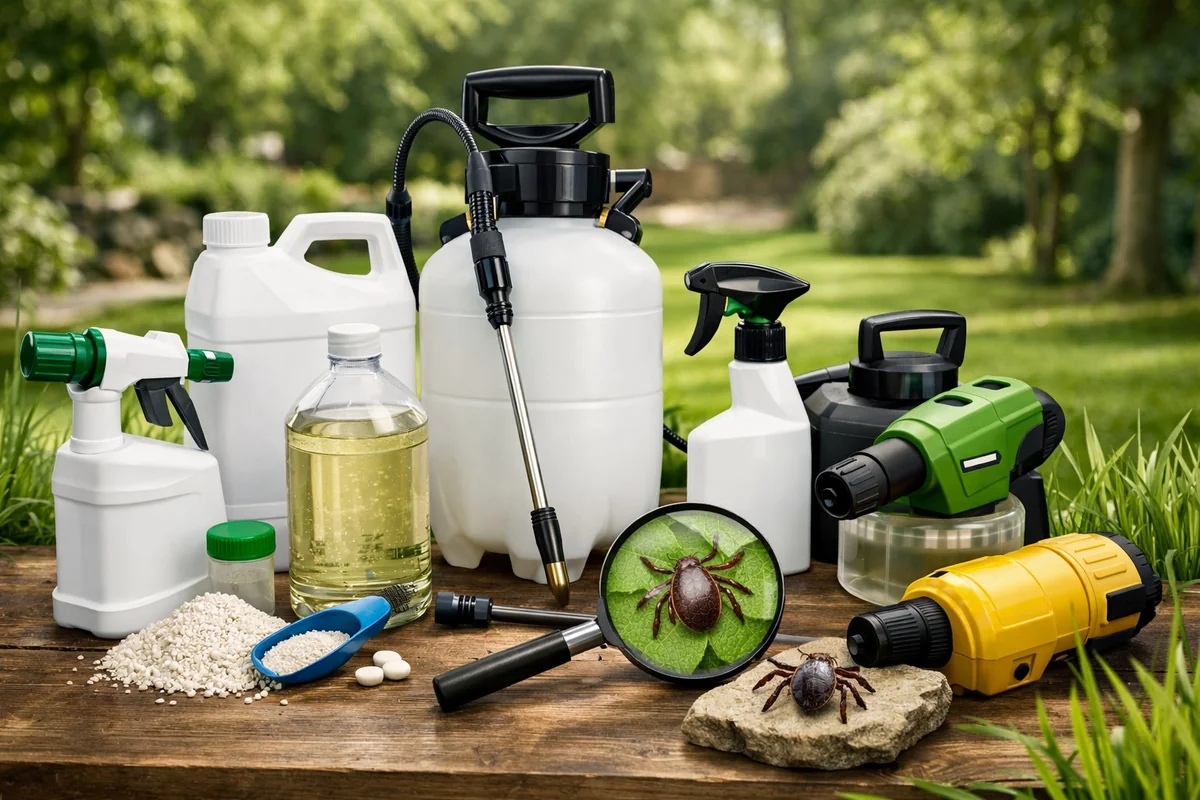
Best Tick Sprays and Yard Treatments 2026: Top Products for Safe Tick Control
Find the best tick sprays and yard treatments for 2026. Compare top tick control products, natural options, and expert tips to keep your yard tick-free and safe for family and pets.

Best Flea Sprays and Powders for Home 2026: Top Picks by Type
Find the best flea sprays and powders for your home in 2026. Explore top-rated, safe, and effective flea control products for carpets, furniture, and pets - plus expert buying tips and FAQs.
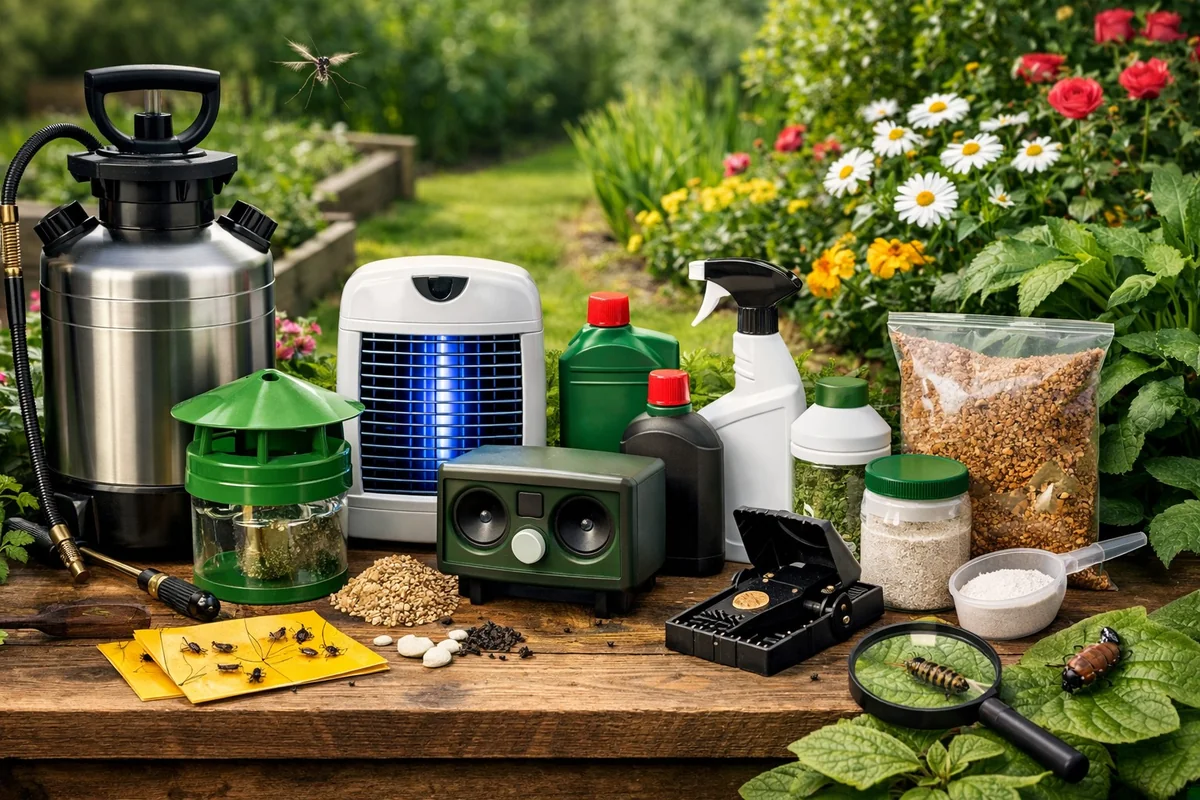
Best Garden Pest Control Products for Yards and Gardens 2026
Discover the best pest control products for gardens and yards in 2026. Compare top-rated sprays, baits, traps, and natural solutions for safe, effective, and budget-friendly outdoor pest removal.
![Best Protective Gear for Pest Control 2026 [Expert Reviews]](https://pestproreviews.com/images/hero/hero_best_protective_gear_for_pest_control_2026_expert.webp)
Best Protective Gear for Pest Control 2026 [Expert Reviews]
Protect yourself during DIY pest control in 2026 with our expert-reviewed guide to the best protective gear. Compare top-rated respirators, gloves, coveralls, and more for safe, effective pest removal at home.