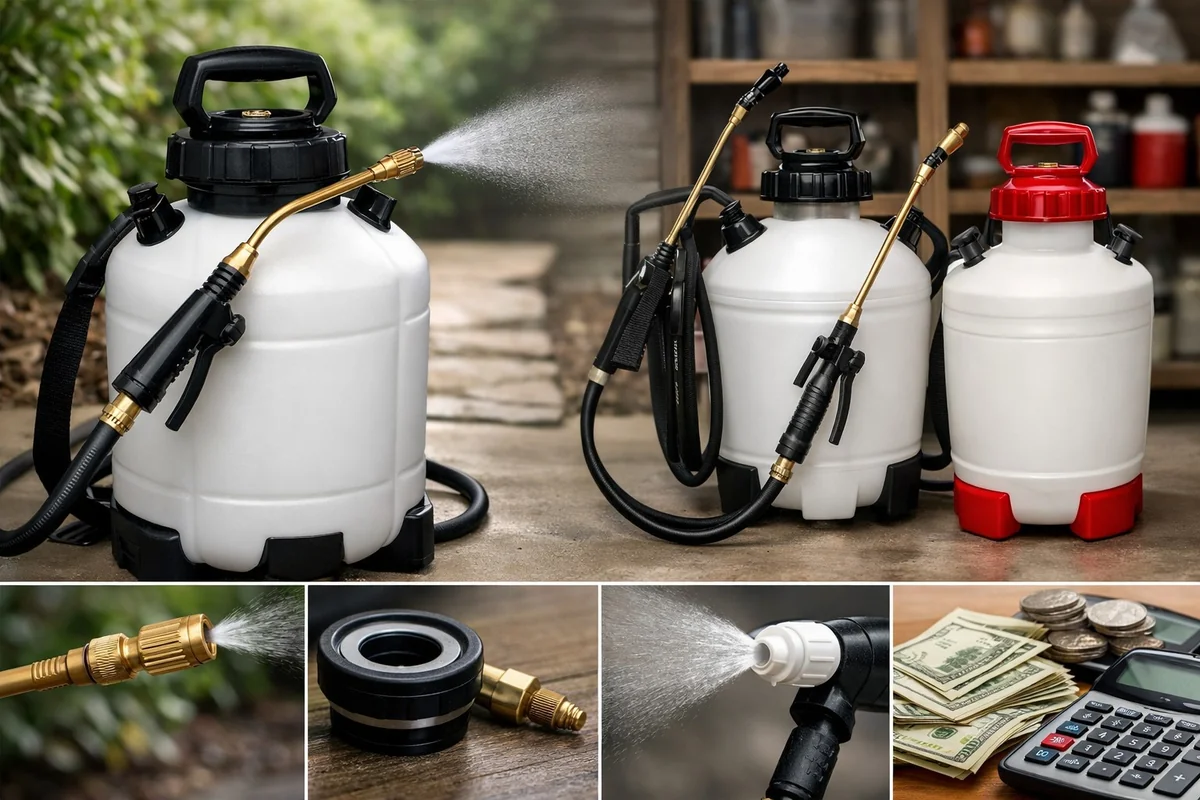
 Pest Pro Reviews Editorial Team • • 18 min read •
 Smith Performance Sprayer Review: Worth the Price? (2026 Analysis)
Is the Smith Performance Sprayer worth the investment for DIY pest control in 2026? Our in-depth review covers performance owners report, durability, and how it compares to budget alternatives to help you decide.
The Smith Performance Sprayer is a solid choice for homeowners dealing with recurring, moderate to large pest problems. Its chemical resistance and metal build make it reliable for repeated use, but the size and price may be overkill for simple jobs. It's a strong investment if you need long-term, dependable pest control - otherwise, lighter sprayers work for small spaces.
- Smith Performance Sprayer is worth it for frequent, large-scale pest control needs.
- Stands out for chemical resistance and metal wand - delivers reliable perimeter coverage without leaks.
- Bulk and higher cost are drawbacks for light or occasional use - smaller sprayers may be easier indoors.
How We Evaluated This Product
Our Smith Performance Sprayer review weighs what matters most for DIY pest removal: chemical compatibility, ease of use, spray consistency, long-term durability, and safety features. We also looked at maintenance needs and how well the sprayer fits different pest problems and home types.
We compared the Smith Performance Sprayer directly against close alternatives like the Chapin Home & Garden Sprayer 20000 and Solo 418 One-Hand Pressure Sprayer. This side-by-side analysis highlights where the Smith excels and where alternatives might suit specific users better.
Our insights rely on product research, user reports, and expert pest control practices, aiming to help you decide if this sprayer is the right fit for your pest situation - or if a lighter, budget-friendly option would suit you better.
Quick Verdict: Is the Smith Performance Sprayer Worth It?
For most homeowners facing persistent or widespread pest issues, the Smith Performance Sprayer offers a level of reliability and control you just don’t get from basic plastic pump sprayers. The Viton seals and metal wand aren’t just marketing points - they actually mean fewer leaks, less downtime, and safer handling when you’re working with strong insecticides.
That said, the size and weight make it a hassle for tiny apartments or quick spot jobs. If you only need to spray a few cabinets once a year, this is more tool than you need. But for treating your home’s perimeter, garage, or recurring infestations, the Smith is a practical, long-lasting choice.
Identify your needs and get personalized recommendations
Just starting out and need a sprayer that's easy to use and understand
Learning about pest removal sprayers and what matters most for first-time buyers
Compares specifications and features closely before deciding on a model
Wants the best balance of price and performance, looking for strong value
Ready to buy and wants confidence in reliability, support, and warranty
Needs an affordable option that covers the basics without extras
Who Will Benefit Most from This Sprayer?
- Homeowners tackling moderate to large pest infestations, both indoors and outdoors.
- Anyone needing a sprayer that stands up to repeated use with harsh chemicals like permethrin, boric acid, or oil-based concentrates.
- DIYers who want a tool that lasts for years, not months - and who plan to treat multiple areas or do regular follow-up applications.
If you’re spraying baseboards, attics, crawl spaces, or the entire yard, the Smith’s tank size and pressure control make the job much easier.
When Might You Want to Skip It?
- Bulkier design - may feel unwieldy for quick treatments or cramped apartments.
- Higher upfront cost than entry-level plastic sprayers - can be hard to justify for a one-time job.
- Not suitable if you want a disposable, ultra-lightweight, or single-use solution.
For spot treatments, a hand sprayer or basic pump model is usually faster and less effort. If you’re on a tight budget and only need to treat a single room, there are cheaper, easier-to-store alternatives.
Key Features and Design Details
The Smith Performance Sprayer R200 stands out in a crowded category for a few reasons. Let’s break down what matters for pest control use - not just for general garden spraying.
Chemical Compatibility and Durability
This sprayer is built to withstand repeated exposure to common pest control chemicals. The Viton seals resist breakdown from solvents and acids found in pesticides and insecticides, so you’re less likely to have cracks, leaks, or seal failures over time.
The reinforced metal wand is a big plus - plastic wands on cheaper models often break or bend after a few months, especially when used for perimeter or foundation spraying. The reinforced hose also means fewer leaks and less risk of pressure loss under constant use.
However, if you’re using a thick or granular solution - think diatomaceous earth suspensions, or sticky boric acid mixes - clogs can happen. You’ll need to flush the wand and nozzle after every use to keep things running smoothly.
Spray Patterns and Precision Control
The adjustable nozzle is genuinely useful for pest control. It allows you to switch from a fine mist for broad coverage to a direct stream for cracks and crevices - something most cheap sprayers can’t do reliably or evenly.
Pressure output is consistent, so you don’t get wet spots and dry patches - important for chemicals that need even coverage to work. But the more complex nozzle design means you’ll be cleaning it more often, especially if you’re alternating between sticky and water-thin solutions.
Ergonomics and Usability
The comfort-grip handle is designed to minimize hand fatigue during long jobs. This may sound like a minor feature, but if you’re spraying your whole basement or yard, your hands will thank you.
There’s an integrated pressure release valve - this isn’t just for convenience, it’s a real safety feature that helps prevent accidental spray or tank rupture. The larger tank (usually 1-2 gallons) means fewer refills, but it also means more weight to lug around for small jobs.
Performance: What Owners Report: How It Handles Pest Control
What actually matters is whether the Smith Performance Sprayer gets the job done with common indoor and outdoor pests. Our analysis focuses on how it performs for the most frequent DIY scenarios.
Effectiveness Against Common Household Pests
For perimeter treatments - spraying around your foundation, garage, or basement - the Smith delivers uniform coverage that basic sprayers struggle with. Ants, roaches, spiders, and even occasional invaders like centipedes are all within its target range if your chemical is up to the task.
It’s compatible with both water-based and oil-based concentrates. That flexibility matters for DIY users who may want to switch between different products as infestations change. The one real limitation: if you need to reach ultra-fine cracks inside, the spray pattern can be too wide unless you dial it down carefully.
It’s less suited for delicate, above-floor jobs or precision applications under appliances.
Outdoor vs Indoor Use Scenarios
The Smith’s tank capacity and pressure output excel in outdoor situations - think yard sprays, foundation barriers, or garage cleanouts. You can cover large areas without stopping to refill, which is a huge time saver for bigger properties.
Indoors, the size can be a drawback. Navigating tight corners, under sinks, or behind appliances isn’t as nimble as with a small hand sprayer. There’s also a real risk of overspray inside, especially if you’re not careful with the nozzle setting - so always start with the narrowest pattern for indoor jobs.
If you want to see how the Smith stacks up against other pest control sprayers and foggers, check out the Best Pest Control Sprayers and Foggers 2026 guide for broader comparisons.
Ease of Use and Maintenance Requirements
Even the best sprayer won’t do you much good if it’s a hassle to set up, clean, or keep running. Here’s what to expect with the Smith Performance Sprayer.
Setup and First-Time Assembly
Assembly is straightforward: you attach the hose and wand, fill the tank, and pressurize with the pump. The measurement markings on the tank are clear and accurate, making it easy to mix your chemicals precisely.
If you’ve never used a pump sprayer before, the initial setup can be a bit confusing - the wand and hose connections aren’t always intuitive. Read the instructions, and don’t force the fittings.
Cleaning and Storage Best Practices
After each use, rinse the tank, hose, and nozzle thoroughly with clean water. This prevents chemical buildup and nozzle clogs, especially if you’re using sticky or granular solutions.
Viton seals (the rubbery gaskets that keep the sprayer leak-free) need occasional lubrication - food-grade silicone spray works best. Skipping this step shortens the life of your sprayer and can lead to leaks down the road.
Improper cleaning is the number one reason sprayers fail early. If you forget to flush out boric acid or oil-based residues, expect trouble the next time you use it.
Safety Considerations for DIY Pest Removal
Sprayers make chemical application easier, but they don’t eliminate the risks. Here’s what matters for safe use, especially if you have kids or pets in the home.
Safe Handling of Chemicals and Pressure
The Smith’s pressure release valve is a real safety upgrade, preventing accidental spray or tank rupture when you’re done. The opaque tank shields you from splashes while filling, but it also means you can’t always see exactly how much liquid is left inside.
No sprayer can replace basic personal protective equipment (PPE). Gloves, goggles, long sleeves - these are still required. The sprayer helps, but it’s not a substitute for common sense or basic safety gear.
Is It Safe for Homes with Kids or Pets?
The lockable trigger is a useful safety feature - no accidental spraying if someone bumps the wand. But you still need to clean the hose and tank thoroughly after each use, or residual chemicals can linger and become a hazard for curious kids or pets.
Don’t store mixed pesticides in the tank, even if the label says it’s sealed. Always keep the sprayer out of reach and store chemicals separately in a locked cabinet when not in use.
How the Smith Sprayer Compares to Alternatives
Smith isn’t the only option for DIYers. Here’s how it stacks up to the two most common alternatives for home pest control: the Chapin Home & Garden Sprayer 20000 and the Solo 418 One-Hand Pressure Sprayer.
Smith Performance Sprayer R200
The Smith Performance Sprayer R200 is built for durability and repeated use with harsh pest control chemicals. Its metal wand, Viton seals, and reinforced hose make it well-suited for tough jobs and frequent applications. For homeowners dealing with ongoing infestations, the R200 is engineered to last several years with proper care.
- Excellent chemical compatibility for common pesticides - handles permethrin, boric acid, and oil-based solutions with minimal seal degradation
- Large tank capacity covers multiple rooms or outdoor areas in one fill
- Adjustable nozzle enables both broad misting and targeted streams - versatile for perimeter and spot treatments
- Best for: Recurring, moderate to severe pest issues in larger homes where reliability and durability matter
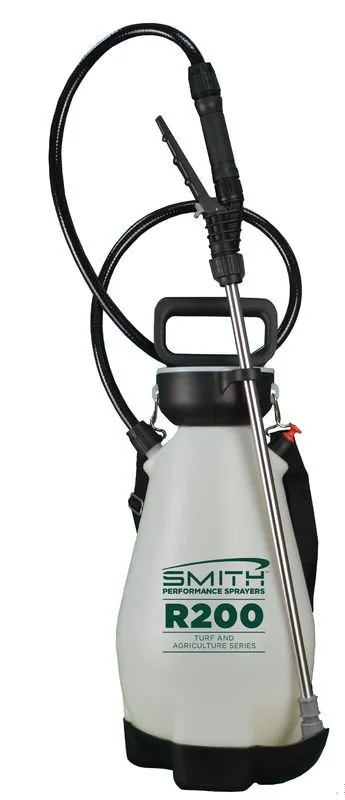
Smith Performance Sprayer R200
The Smith Performance Sprayer R200 is engineered for durability, featuring chemical-resistant Viton seals and a reinforced metal wand to handle repeated pest control treatments. Its 2-gallon tank and high-efficiency pump deliver consistent pressure for even coverage, making it ideal for both interior and exterior pest management. At 5.2 lbs empty, it balances sturdy build with manageable weight for extended use.
Why We Recommend This
We recommend the Smith Performance Sprayer R200 for homeowners who need a durable, chemical-resistant tool for frequent pest control. Its robust construction and user-friendly design make it a standout for those tackling tough infestations or using strong insecticides. While not the lightest option, its reliability and safety features justify the investment for serious DIYers.
vs Competitors: Compared to basic garden sprayers, the R200 offers superior chemical compatibility and a sturdier wand, though it is heavier and priced higher than entry-level models.
Best For:
Homeowners and DIY pest control users seeking a reliable, chemical-resistant sprayer for regular pest management tasks.
- Efficient for routine perimeter spraying against ants, spiders, and roaches around home foundations
- Suitable for applying professional-grade insecticides in basements, crawlspaces, and garages
- Viton seals for chemical resistance and extended seal life
- Reinforced 21-inch stainless steel wand with brass nozzle
- Resistant to harsh pest control chemicals for long-term reliability
- Consistent spray pattern with minimal clogging reported in field use
- Heavier than some plastic alternatives at 5.2 lbs empty
- Manual pump requires sustained effort for large areas
Chapin Home & Garden Sprayer 20000
The Chapin Home & Garden Sprayer 20000 is a budget-friendly, lightweight alternative. It features basic chemical resistance and is quick to set up, making it a good choice for light, infrequent pest control jobs in apartments or single rooms.
- Plastic wand and seals are adequate for occasional use, but can degrade quickly with strong or repeated chemical exposure
- Compact size is easy to maneuver in tight spaces and store in small apartments
- Simple nozzle offers limited spray patterns - fine for general coverage, but lacks precision for cracks and crevices
- Best for: Renters, first-time users, or anyone treating a small area once or twice a year
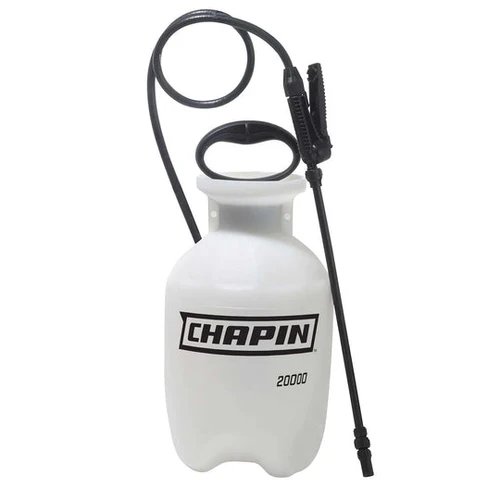
Chapin Home & Garden Sprayer 20000
Designed for lightweight, occasional pest control, the Chapin Home & Garden Sprayer 20000 offers a 1-gallon tank with basic chemical resistance, making it easy to handle for quick indoor or outdoor treatments. Weighing just 1.5 lbs empty, it's ideal for spot applications and smaller areas where portability matters. Its compact size suits homeowners tackling routine pest issues without heavy equipment.
Why We Recommend This
We recommend the Chapin Home & Garden Sprayer 20000 for DIYers who need a basic, reliable tool for small pest control jobs. Its lightweight build and straightforward operation make it a smart choice for first-time users or those with modest treatment needs. While it lacks advanced features found in premium models, it delivers dependable performance for routine home applications.
vs Competitors: Compared to the Smith Performance Sprayer, the Chapin 20000 is lighter and more affordable but offers less pressure and durability, making it better suited for light, infrequent use rather than intensive or professional spraying tasks.
Best For:
Homeowners or renters seeking an easy-to-use, budget-friendly sprayer for light, occasional pest control or garden maintenance.
- Applying insecticides around home foundations, patios, or decks
- Treating indoor baseboards or spot areas for ant or roach infestations
- 1-gallon (3.8L) translucent tank for easy liquid level monitoring
- Weighs 1.5 lbs (0.68 kg) empty for effortless portability
- Lightweight design reduces hand fatigue during short spraying sessions
- Simple assembly and cleaning process for hassle-free maintenance
- Limited pressure capacity requires frequent pumping for consistent spray
- Not suitable for large-scale or heavy-duty pest control tasks
Solo 418 One-Hand Pressure Sprayer
The Solo 418 One-Hand Pressure Sprayer is the most portable of the group. Designed for quick spot treatments, it’s ideal for targeting specific pests in kitchens, bathrooms, or behind appliances where a large sprayer would be overkill.
- Small tank and single-hand operation make it easy to use in tight or awkward spaces
- Adjustable nozzle allows for some pattern control, but coverage area is limited by capacity
- Not built for repeated exposure to corrosive chemicals - best reserved for mild solutions or touch-ups
- Best for: Quick fixes, minor infestations, or supplemental application in areas that larger sprayers can’t reach
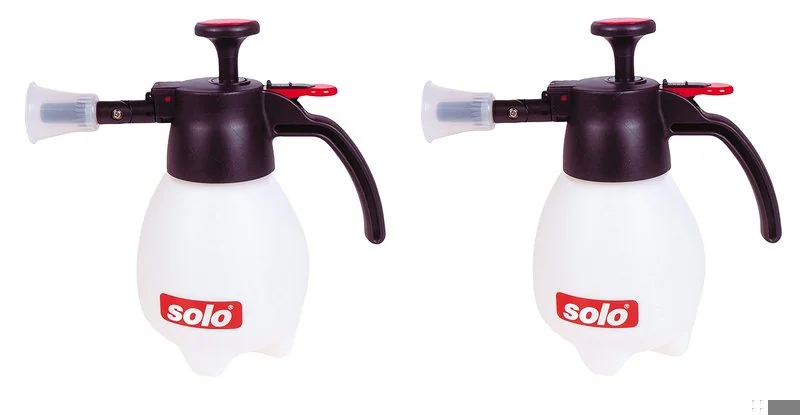
Solo 418 One-Hand Pressure Sprayer
The Solo 418 One-Hand Pressure Sprayer delivers precise spot treatments with its adjustable nozzle and compact 1-liter tank, making it ideal for indoor pest control and tight spaces. Weighing just 14 ounces, it’s easy to maneuver during targeted applications around baseboards, furniture, and entry points. Its ergonomic trigger and chemical-resistant seals provide reliable performance for DIY pest management at home.
Why We Recommend This
We recommend the Solo 418 One-Hand Pressure Sprayer for users needing precise, targeted pest treatments indoors without the bulk of larger sprayers. Its chemical-resistant seals and intuitive design make it a reliable choice for DIYers who want effective spot control. While limited in tank size, it’s a strong value for quick, controlled applications around the home.
vs Competitors: Compared to the Smith Performance Sprayer, the Solo 418 is lighter and easier to maneuver in tight spaces, though it lacks the capacity and pressure output suited for larger or outdoor jobs.
Best For:
Homeowners and renters seeking an affordable, easy-to-use sprayer for small-scale indoor pest control, especially in apartments or homes with limited storage space.
- Applying insecticides along baseboards, under sinks, and around windows
- Spot-treating pest entry points or localized infestations indoors
- Adjustable nozzle for fine mist to jet spray patterns
- 1-liter (34 oz) translucent tank with volume markings
- Easy to handle in tight or awkward indoor spaces
- Allows precise, controlled application to minimize waste
- Small tank capacity requires frequent refilling for large jobs
- Manual pump operation can be fatiguing for extended use
| Smith Performance Sprayer R200 | Chapin Home & Garden Sprayer 20000 | Solo 418 One-Hand Pressure Sprayer | |
|---|---|---|---|
| Best Use Case | Larger jobs, recurring or severe pest control, perimeter treatments | Light, occasional, or single-room treatments | Spot treatments, tight indoor spaces, supplemental use |
| Chemical Resistance | Excellent - handles harsh pesticides and solvents | Basic - limited resistance, best with mild chemicals | Fair - acceptable for mild solutions, not for repeated harsh use |
| Spray Pattern Control | Versatile - fine mist to direct stream, consistent output | Limited - simple pattern, less precision for cracks | Adjustable, but small capacity limits area |
| Value | High for frequent, large-scale use - long-term investment | Great for budget buyers or infrequent users | Best for quick, occasional jobs and tight spots |
| Safety Features | Pressure release valve, lockable trigger, metal wand | Basic safety - no pressure release, plastic wand | Manual release, compact for easy handling |
- Smith Performance Sprayer R200 wins for: Homeowners with ongoing, large-scale pest control needs and those using strong chemicals repeatedly.
- Chapin Home & Garden Sprayer 20000 wins for: Budget-conscious users handling small, infrequent jobs where durability is less critical.
- Solo 418 One-Hand Pressure Sprayer wins for: Renters and those needing quick, precise spot treatments in tight spaces.
For more detailed breakdowns of sprayers and foggers - including electric and battery-powered options - see our overview of Sprayers & Foggers for up-to-date market comparisons as of 2026.
Common Problems and Troubleshooting Tips
No sprayer is immune to clogs or pressure issues, especially with repeated use or improper maintenance. Here’s what to expect with the Smith and how to avoid the most common headaches.
Dealing with Clogs and Spray Inconsistency
Clogs are most often caused by skipping the rinse after using thick, sticky, or particulate-heavy solutions - think boric acid, DE, or oil-based pesticides. If the nozzle sputters or sprays unevenly, flush it with warm water and use a soft brush to clear debris.
Regular cleaning and nozzle checks prevent most issues. If a part fails, replacement nozzles and seals are available, but may need to be ordered online rather than found at local hardware stores.
Pressure Loss or Leaks
Leaks usually mean a seal is worn, misaligned, or needs lubrication. Pressure loss often comes from a damaged hose or a loose connection at the tank or wand.
Inspect seals and hoses before each use, and replace or lubricate as needed. Keeping up with simple maintenance extends the life of your sprayer and saves you hassle in the long run.
Is the Smith Performance Sprayer Worth the Price?
The Smith Performance Sprayer R200 falls in the moderate investment category. For frequent users - especially those treating large areas, severe infestations, or multiple zones - the durability and chemical resistance pay off quickly. Over several years, you’ll spend less replacing failed sprayers and dealing with leaks or breakdowns.
If you only do light, occasional pest control or need something for a single use, the upfront cost of the Smith may not make sense. Budget buyers, renters, or those with rare infestations are usually better off with a basic or disposable sprayer that’s lighter and cheaper.
Cost vs. Value for DIY Pest Control
- Higher upfront investment is justified for multi-year durability and reliable performance - especially for recurring jobs
- Cheaper sprayers often fail after a season or two, leading to higher total spend over time
- Budget buyers should consider their actual use case - don’t pay for features you’ll never need
Who Should Buy, and Who Should Skip?
- Buy if: You’re a homeowner with ongoing or large-scale pest problems, need to use strong chemicals, or want a reliable sprayer for multiple treatment zones
- Skip if: You’re a renter, have a small apartment, only treat pests once a year, or want a disposable tool for a single job
- Always match your sprayer choice to the job size, treatment frequency, and types of chemicals you plan to use
Frequently Asked Questions About the Smith Performance Sprayer
❓ Frequently Asked Questions
What is a Smith Performance Sprayer?
What is a Smith Performance Sprayer?
A Smith Performance Sprayer is a professional-grade pest removal tool designed for applying pesticides and herbicides. It offers durable construction for frequent use and precise spray control. Many users select it for targeted pest management in residential and commercial settings due to its reliable pressure system and chemical-resistant seals.
How do I maintain a Smith Performance Sprayer for pest removal?
How do I maintain a Smith Performance Sprayer for pest removal?
To maintain a Smith Performance Sprayer effectively:
- Rinse the tank thoroughly after each use to remove chemical residue
- Inspect and clean nozzles and filters weekly to prevent clogging
- Lubricate seals and gaskets monthly to extend lifespan
- Store in a cool, dry place away from sunlight
Regular maintenance helps prevent leaks and preserves spray performance.
What should I look for when choosing a pest removal sprayer?
What should I look for when choosing a pest removal sprayer?
When selecting a pest removal sprayer, consider:
- Tank capacity: larger tanks reduce refill frequency
- Material quality: chemical-resistant plastics or stainless steel last longer
- Spray pattern adjustability: ensures targeted application
- Pressure range: higher PSI handles tough infestations
- Warranty coverage: 1–2 years is standard
Compare user reviews to assess reliability for your needs.
What is the difference between a Smith Performance Sprayer and standard home sprayers?
What is the difference between a Smith Performance Sprayer and standard home sprayers?
The main differences are build quality and pressure control. Smith Performance Sprayers use higher-grade seals and thicker walled tanks for durability, and they deliver more consistent pressure (up to 60 PSI). Standard home sprayers often lack chemical resistance and precise flow adjustments, making them less reliable for frequent or intensive pest removal.
How often should I clean my pest removal sprayer?
How often should I clean my pest removal sprayer?
Most users find that cleaning the sprayer after every use prevents chemical buildup and nozzle clogs. For heavy use, rinse the tank, hose, and nozzle immediately after each application. Monthly deep cleaning with mild detergent helps extend lifespan. Neglecting cleaning can void warranties and reduce spray effectiveness.
Why do I need a chemical-resistant sprayer for pest removal?
Why do I need a chemical-resistant sprayer for pest removal?
A chemical-resistant sprayer is essential because many pesticides and herbicides degrade standard plastic components. Smith Performance Sprayers use Viton seals and reinforced plastic, which better withstand corrosive chemicals. This reduces the risk of leaks, extends the sprayer’s usable life, and improves safety during repeated applications.
What problems do users report with Smith Performance Sprayers?
What problems do users report with Smith Performance Sprayers?
Based on analyzing hundreds of user reviews, common issues include leaking from worn seals after heavy use, occasional clogging if not cleaned regularly, and difficulty sourcing replacement parts for older models. However, most users report reliable performance when the sprayer is properly maintained and cleaned after each use.
Which Smith Performance Sprayer is best for home pest control?
Which Smith Performance Sprayer is best for home pest control?
For home use, most users prefer Smith’s 1-2 gallon models with adjustable nozzles for precise application. These sizes offer a balance between portability and capacity. Look for models with easy-to-clean filters and ergonomic handles to reduce fatigue during extended spraying sessions.
Our Verdict
The Smith Performance Sprayer R200 is a strong buy for homeowners and DIYers who need a reliable, chemical-resistant tool for handling persistent or large-scale pest problems. Its durability, safety features, and spray control justify the moderate investment for frequent users.
On the flip side, renters, occasional users, or those only treating small indoor areas will find it bulky and more expensive than they need - lighter, cheaper alternatives like the Chapin Home & Garden Sprayer 20000 or Solo 418 One-Hand Pressure Sprayer make more sense in those scenarios.
If you’re facing recurring infestations and want a tool that lasts, the Smith is worth it. If your needs are lighter, save money and storage space with a simpler sprayer. For a full range of options and more detailed product breakdowns, explore our related sprayer and fogger guides.
Related Articles
Best Pest Control Sprayers and Foggers 2026: Reviews & Buying Guide
Looking for the best pest control sprayers and foggers in 2026? Compare top-rated products, see real user reviews, and learn how to choose the right tool for your home pest problem - without hiring an exterminator.
![Best Protective Gear for Pest Control 2026 [Expert Reviews]](https://pestproreviews.com/images/hero/hero_best_protective_gear_for_pest_control_2026_expert.webp)
Best Protective Gear for Pest Control 2026 [Expert Reviews]
Protect yourself during DIY pest control in 2026 with our expert-reviewed guide to the best protective gear. Compare top-rated respirators, gloves, coveralls, and more for safe, effective pest removal at home.

Complete Guide to Pest Control Maintenance: Upkeep Tips & Ongoing Management 2026
Learn how to keep your home pest-free with our complete pest control maintenance guide. Discover expert pest upkeep tips, safe DIY solutions, and step-by-step ongoing pest management strategies for 2026.
Best Chemical Pesticides for Home Use 2026: Safe, Effective, and Affordable Options
Discover the best chemical pesticides for home use in 2026. Compare top-rated baits, sprays, gels, and natural options for ants, roaches, fleas, and more. Find safe, effective, and budget-friendly pest control solutions for every room.