![Squirrel Traps vs Repellents: Which Works Best? [2026 Comparison]](/images/hero/hero_squirrel_traps_vs_repellents_which_works_best_2026.webp)
 Pest Pro Reviews Editorial Team • • 20 min read •
 Squirrel Traps vs Repellents: Which Works Best? [2026 Comparison]
Trying to choose between squirrel traps and repellents for your home in 2026? This in-depth comparison covers effectiveness, safety, cost, and ease of use - plus top products and tips for chipmunk deterrence.
Squirrel traps physically remove animals, making them best for persistent indoor infestations, while repellents deter entry and work better for light outdoor problems. Traps involve more effort but deliver reliable results; repellents are easier but require regular upkeep. For most homeowners, traps are better for entrenched squirrels, while repellents help prevent new invasions.
- Squirrel traps reliably remove established animals from your property - repellents only work as long as they're maintained.
- Repellents are easier for prevention and outdoor use, but break down quickly with rain or sun.
- Choose traps for recurring, indoor, or heavy infestations; use repellents for mild or outdoor problems, especially if you want to avoid handling animals.
Key Differences Between Squirrel Traps and Repellents
When you’re dealing with squirrels or chipmunks, your main options boil down to two categories: traps and repellents. Each approaches the problem differently, and understanding these differences is key to picking the right solution for your situation.
Identify your needs and get personalized recommendations
Learning about pest removal and looking for easy, safe solutions that work.
Interested in understanding what really matters before making a choice.
Wants to weigh pros and cons, features, and specs before deciding.
Prioritizes getting the best deal for the money without sacrificing quality.
Ready to buy and focused on the best mix of price, features, and support.
Seeks top-tier products with proven results, durability, and support.
How Traps Capture Squirrels
Squirrel traps use a physical mechanism - often a spring-loaded door or a snap latch - triggered by bait or the animal’s movement. Once the squirrel enters, the door snaps shut, containing it until you check the trap. This ensures the animal is removed from your property, not just discouraged from coming back.
The main advantage is reliability: if a squirrel is in the trap, it’s no longer causing damage. But there’s a catch. Traps require daily checking, careful placement, and manual release or disposal, which some people find unpleasant or even stressful.
If you’re not comfortable handling wildlife - dead or alive - this can be a deal-breaker.
The Havahart 1079 Large 1-Door Live Animal Trap is a great example of a well-designed live-capture trap. It’s built with sturdy metal and features a sensitive trigger, so even cautious squirrels are caught. The easy-release door makes humane relocation possible if local laws allow.
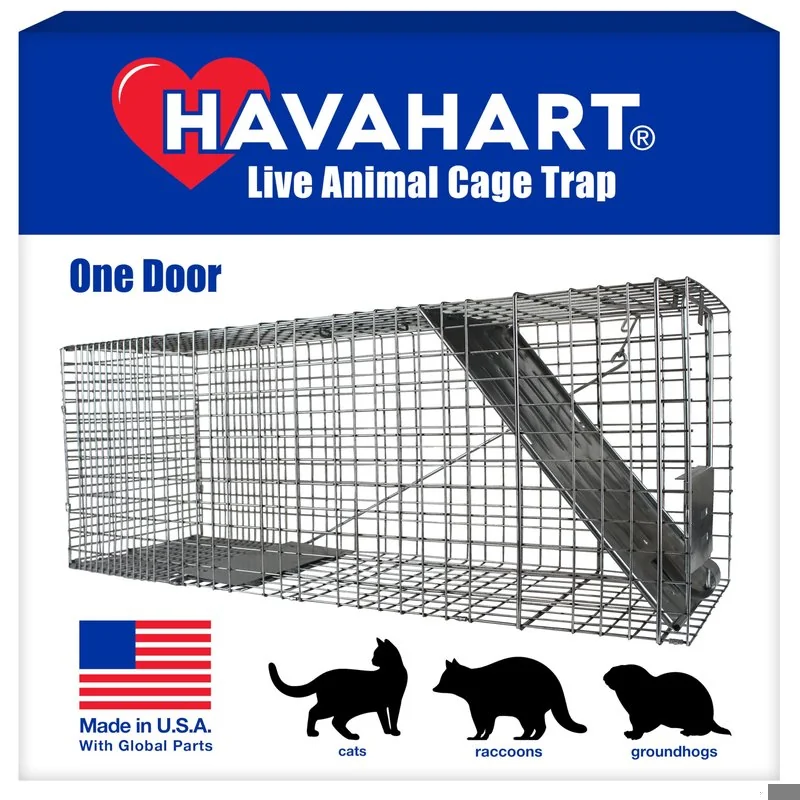
Havahart 1079 Large 1-Door Live Animal Trap
The Havahart 1079 Large 1-Door Live Animal Trap reliably captures squirrels and similarly sized pests for humane relocation. Made from heavy-duty galvanized steel, it resists rust and holds up to repeated outdoor use. Its sensitive trigger mechanism ensures even wary animals are securely caught, making it ideal for homeowners facing persistent squirrel activity.
Why We Recommend This
We recommend the Havahart 1079 Large 1-Door Live Animal Trap for its proven effectiveness, ease of use, and focus on humane animal management. Its durable construction and sensitive trigger make it a reliable choice for homeowners dealing with recurring squirrel problems, especially compared to flimsier alternatives. This is our top pick for those prioritizing animal welfare and long-term usability.
vs Competitors: Compared to lightweight plastic traps, the Havahart 1079 offers superior durability and consistent trigger performance, though it is larger and requires more storage space.
Best For:
Homeowners or property managers seeking a humane, effective solution for live trapping and relocating nuisance squirrels or small animals.
- Safely removing squirrels from attics, garages, or sheds without harm
- Capturing and relocating chipmunks or similar-sized wildlife in residential gardens
- Constructed from galvanized steel for rust resistance and durability
- Sensitive trigger mechanism reduces false escapes
- Humane live-capture method complies with most local wildlife regulations
- Sturdy build withstands repeated outdoor use and various weather conditions
- Requires regular monitoring to avoid animal distress
- May not be permitted in all municipalities - check local regulations before use
This trap is a good fit for homeowners who want a reusable, long-term solution and aren’t put off by the hands-on aspect. The trade-off is its bulky size, which can be a challenge in cramped attics or small crawlspaces.
How Repellents Deter Squirrels
Repellents work by making your property less attractive to squirrels and chipmunks. Most use strong scents (like predator urine or spicy ingredients), bitter tastes, or ultrasonic signals to create an environment these animals want to avoid. The idea is to keep squirrels from entering gardens, attics, or crawlspaces in the first place.
Repellents are non-lethal, easy to apply, and cover wide areas quickly. The main downside is persistence: rain, sunlight, and even regular watering can break down these substances in a matter of days, requiring frequent reapplication to maintain effectiveness. Ultrasonic repellents avoid this problem but have their own limitations (more on that soon).
Tomcat Repellents Animal Repellent Ready-to-Use Spray uses essential oils and natural ingredients, making it a popular choice for people who want to avoid harsh chemicals. This product is well-suited for gardens and landscaped areas and is safe for most plants and pets when used as directed.
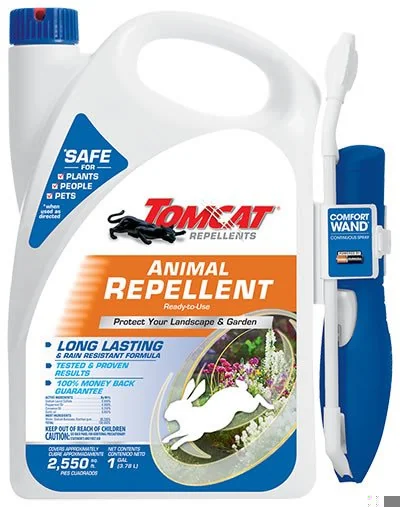
Tomcat Repellents Animal Repellent Ready-to-Use Spray
Tomcat Repellents Animal Repellent Ready-to-Use Spray provides fast-acting, plant-safe squirrel deterrence for outdoor gardens and landscaped areas. The formula uses essential oils and natural ingredients to help protect plants without harsh chemicals, making it suitable for families with pets. Each application covers up to 500 sq ft and is easy to reapply as needed for ongoing protection.
Why We Recommend This
We recommend Tomcat Repellents Animal Repellent Ready-to-Use Spray for those prioritizing safety and convenience in outdoor pest control. Its natural ingredients make it a reliable pick for families and pet owners, and it performs well in typical garden environments. While it does require regular application, this is a worthwhile trade-off for chemical-free protection.
vs Competitors: Compared to granular repellents and chemical-based sprays, Tomcat's ready-to-use formula offers similar effectiveness with fewer safety concerns, though it may require more frequent reapplication than some long-lasting trap-based solutions.
Best For:
Homeowners and gardeners seeking a natural, plant-safe solution to deter squirrels and small mammals without using traps or toxic chemicals.
- Protecting vegetable gardens and ornamental plants from squirrel damage
- Safeguarding landscaped yards and flower beds in pet-friendly households
- Uses essential oils (peppermint, cinnamon, garlic oil) for natural animal deterrence
- Ready-to-use 24 fl oz spray bottle for quick application
- Natural ingredients avoid harsh chemicals, safer around pets and children
- Easy spray application covers large areas quickly
- Requires regular reapplication, especially after rain or irrigation
- Can become costly for large or high-traffic outdoor areas
It’s a budget-friendly option for ongoing maintenance, but you should expect to spray again after rain or heavy dew. This is a common issue with all liquid and granular repellents - there’s no “set and forget.”
Impact on Chipmunks and Other Rodents
Some repellents claim to work on multiple species, but the reality is mixed. Squirrels and chipmunks have different sensitivities to smells and tastes. What drives a chipmunk away might barely register for a squirrel, or vice versa.
If your yard has both, you’ll need to pay attention to the label and possibly adjust your approach.
Traps also have cross-species challenges. A trap sized for squirrels often lets chipmunks slip right through - these smaller rodents need traps with finer mesh and more sensitive triggers. For mixed infestations, a blend of targeted traps and species-specific repellents gives you the best shot at control.
If you’re dealing with both squirrels and chipmunks, it’s smart to review a comprehensive resource like Squirrel & Chipmunk Control to fine-tune your plan.
Effectiveness in Different Infestation Scenarios
Not all squirrel problems are created equal. Whether you’re facing a single invader or a full-blown infestation, your choice between traps and repellents has a direct impact on results.
Best Approach for Indoor vs Outdoor Problems
Traps shine indoors - think attics, crawlspaces, or garages. Squirrels confined to a space are easier to catch, and you avoid the risk of trapping non-target animals like birds or neighborhood cats. With the right placement, you can remove the problem animal in under a week.
Outdoors, traps become a mixed bag. You’ll need to check them regularly to avoid harming non-target wildlife, and local regulations may restrict where and how you can use them. Repellents are preferable for yard and garden perimeters, where you want to create a broad “no-go” zone and reduce the chance of squirrels entering at all.
For homeowners who want a hands-off outdoor solution, ultrasonic repellents like the Victor Heavy-Duty Sonic PestChaser Pro offer a chemical-free option. This device covers a wide area (up to 5,000 sq ft) and is suitable for both indoor and outdoor use. It’s a mid-range investment, but the lack of ongoing spray or granule costs is appealing.
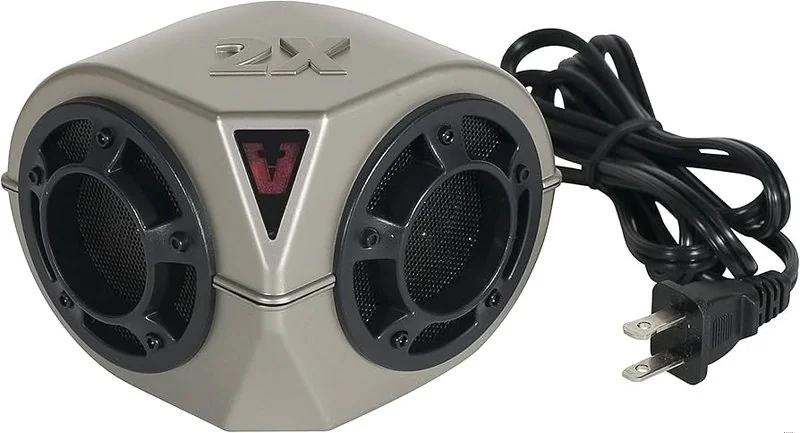
Victor Heavy-Duty Sonic PestChaser Pro
The Victor Heavy-Duty Sonic PestChaser Pro provides chemical-free squirrel and chipmunk deterrence using high-frequency ultrasonic sound, covering up to 5,000 sq ft. Designed for indoor and outdoor use, it offers hands-off protection without the mess or maintenance of traps or sprays. This plug-in device is ideal for long-term, low-effort pest management in yards, garages, and attics.
Why We Recommend This
We recommend the Victor Heavy-Duty Sonic PestChaser Pro for homeowners who want reliable, low-maintenance pest deterrence without resorting to traps or chemicals. Its broad coverage and weather-resistant design make it especially suited for outdoor and semi-enclosed spaces. This model stands out for ease of use and long-term cost savings compared to consumable repellents.
vs Competitors: Compared to spray and granule repellents, this device offers a one-time setup and avoids the need for repeated applications. While some physical traps may provide immediate results, the PestChaser Pro minimizes hassle and ongoing costs.
Best For:
Homeowners seeking a hands-off, chemical-free method for deterring squirrels and chipmunks from large indoor or outdoor spaces.
- Protecting detached garages, sheds, or attics from squirrel intrusions
- Maintaining pest-free patios or outdoor storage areas without traps or poison
- Covers areas up to 5,000 sq ft (464 m²)
- Emits ultrasonic frequencies (32-62 kHz) targeting rodents
- No contact with pests or hazardous chemicals required
- One-time installation with minimal ongoing maintenance
- Requires continuous power source or periodic battery changes
- Effectiveness may vary depending on room layout and objects obstructing sound waves
The trade-off? Effectiveness drops sharply if the signal is blocked by thick walls, dense vegetation, or large obstacles. For open gardens or unfinished attics, though, it’s a convenient prevention tool.
Severity of Infestation: Light vs Heavy
If you’re dealing with occasional squirrel visitors - say, a few chewed tomatoes or signs of digging - repellents can be enough to discourage further activity. But once squirrels build nests or start raising young, repellents rarely force them out. They just learn to ignore the smell or wait for it to fade.
Traps are essential when the population is established and persistent. Removing the actual animals is the only sure way to break the cycle of damage and prevent future generations from taking up residence. In stubborn cases, combining traps for removal and repellents for long-term prevention is the most effective strategy.
If you want a detailed rundown of which products actually work in these scenarios, refer to the Best Squirrel Traps and Deterrents 2026 guide for up-to-date recommendations.
Weather and Environmental Factors
Weather is the silent enemy of most repellents. After a rainstorm, even the best spray or granular formula can lose its potency in a matter of hours. Hot, sunny days speed up breakdown, while cold snaps can affect application and coverage.
Traps are unaffected by rain and sunlight, but winter brings its own challenges. In extreme cold, moving metal parts can freeze or jam, and food baits may spoil quickly. For year-round effectiveness, check traps daily and switch baits seasonally.
Safety and Humane Considerations
It’s easy to focus on results and forget about the safety implications of squirrel control. But if you have pets, kids, or a concern for wildlife, your choice of method really matters.
Risks to Pets, Children, and Non-target Animals
Traps - especially snap or kill traps - can injure pets or other curious animals if left unattended or poorly placed. Even live-capture traps, if forgotten, can cause distress or harm to the animal inside. Always place traps out of reach of children and in locations unlikely to be accessed by pets.
Chemical repellents may contain ingredients that are toxic to cats, dogs, or beneficial wildlife. Always check the label for pet safety, and avoid treating areas where pets eat, play, or rest. Ultrasonic repellents are generally safe, but some small mammals (like hamsters or guinea pigs) may be disturbed by the high-frequency sound.
Humane Trapping and Legal Issues
Live-capture traps, like the Havahart 1079, are designed for humane removal, but relocating wildlife is regulated in many areas. Some states require permits, and others prohibit relocation altogether to prevent the spread of disease. Lethal traps are outright banned in parts of the US and Canada.
Repellents are almost always legal, but formulas must be labeled for use in your specific state or country. Using unapproved chemicals can result in fines or harm to the environment. Always check local regulations before setting traps or applying repellents.
Cost and Maintenance Comparison
Squirrel control isn’t just about the upfront buy - it’s about ongoing costs and the effort you’re willing to put in. Here’s how traps and repellents stack up for most homeowners.
Initial Purchase vs Ongoing Expenses
Traps are typically a one-time purchase. High-quality models like the Havahart 1079 fall in the mid-range category and can be reused for years with minimal upkeep. If you’re dealing with frequent infestations, this becomes more economical over time.
Repellents, on the other hand, require regular reapplication. Even budget-friendly options like Tomcat Repellents Animal Repellent Ready-to-Use Spray can add up if you’re treating high-traffic areas or large gardens. Expect to purchase refills or new bottles every few weeks, especially during rainy seasons.
Ultrasonic devices are a one-time investment but need to be plugged in or have batteries replaced periodically. The Victor Heavy-Duty Sonic PestChaser Pro offers good value for money if you want to avoid the hassle of repeat purchases.
Time and Labor Required
Traps demand more hands-on involvement. You’ll need to check them daily - sometimes more often if local laws require prompt release - and rebait or reset after each catch. If you’re not consistent, trapped animals can suffer or escape.
Repellents are easier to apply but require vigilance. Rain, irrigation, and even heavy dew can reduce their effectiveness, forcing you to redo the job every few days. Maintenance effort scales up with infestation size; small yards are manageable, but large properties can become a chore.
Ultrasonic repellents are the lowest-maintenance option but are only as effective as their placement and coverage. If you have multiple problem areas, you may need more than one device, increasing both upfront and ongoing costs.
Ease of Use and Setup Requirements
If you want a solution that “just works,” ease of use is probably high on your list. Both traps and repellents have quirks that can trip up beginners.
Trap Placement and Baiting Challenges
Placement is everything with traps. For squirrels, you’ll have the best luck setting traps along obvious runways - like attic beams, fence lines, or entry holes. Wrong placement means empty traps and frustrated homeowners.
Bait choice also matters. Squirrels are picky: peanut butter, sunflower seeds, and slices of apple are proven winners, but stale bread or generic “rodent bait” often gets ignored. Traps like the Havahart 1079 require occasional cleaning to remove scent and residue, or the animals will avoid them.
Repellent Application Tips
Repellents are more forgiving. Sprays and granules can be applied quickly, but you’ll want gloves and, in windy conditions, a mask to avoid inhaling particles. Coverage area varies: most sprays treat between 500 and 1,000 sq ft per bottle, so plan accordingly.
For ultrasonic repellents like the Victor PestChaser Pro, placement is critical. The sound waves don’t penetrate walls or thick vegetation, so keep them near known entry points and in open areas for best results. No chemicals means no residue or reapplication, but you’ll want to check that the device is powered and unobstructed.
Chipmunk Deterrent Methods: Are They Different?
Chipmunks present a unique challenge. They’re smaller, faster, and often less predictable than squirrels - meaning not every squirrel control method will work on them.
Effectiveness of Squirrel Traps on Chipmunks
Most squirrel traps are simply too big for chipmunks. These little guys can squeeze through gaps or trigger the trap without getting caught, leading to frustration and wasted effort. Chipmunk-specific traps use smaller mesh and lighter triggers to match their size and behavior.
Trying to use a standard squirrel trap will get you inconsistent results at best. If you know you have both species, invest in different traps for each to maximize your chances of success.
Repellents for Chipmunks vs Squirrels
Repellents can be hit-or-miss with chipmunks. Some scents that send squirrels running don’t bother chipmunks at all. Taste-based repellents - those that make treated plants or areas unpalatable - tend to work better for chipmunks than ultrasonic devices or generic scent formulas.
Many multi-species repellents trade off potency for broader coverage. If chipmunks are your primary concern, look for products with proven effectiveness for small rodents and consider targeting burrow entrances and travel paths directly.
Popular Squirrel Trap and Repellent Products Compared
The market is crowded with options for squirrel and chipmunk control, but a few standout products offer the best mix of reliability, price, and user feedback in 2026. Here’s how the top picks stack up in real-world scenarios.
Best Live-Capture Trap for Homeowners
The Havahart 1079 Large 1-Door Live Animal Trap is a staple for a reason. Built from heavy-duty galvanized steel, it resists rust and withstands repeated use. The sensitive trigger and one-way door design minimize escapes, even with wily adult squirrels.
It’s easy to set and release, making it humane for those who want to relocate animals (where legal). The main trade-off is size: in tight attics or wall voids, you may struggle to get it in place. For outdoor use, its durability stands up to weather and repeated cleaning.
Best for: persistent, indoor or outdoor infestations where humane removal is the priority.
Top Repellent Spray for Gardens
Tomcat Repellents Animal Repellent Ready-to-Use Spray is a practical choice for most backyard problems. Using natural ingredients like essential oils, it deters squirrels and chipmunks without posing a risk to most pets or garden plants. The formula is easy to apply and leaves no lasting residue.
It’s affordable, but the key limitation is weather resistance - expect to reapply after heavy rain or irrigation. For large gardens, you may need several bottles or a routine application schedule to maintain coverage.
Best for: homeowners seeking a budget-friendly, plant-safe solution for light to moderate outdoor issues.
Effective Ultrasonic Repellent Device
The Victor Heavy-Duty Sonic PestChaser Pro offers an alternative for those who want to avoid chemicals altogether. This ultrasonic device is easy to install, covers large areas (up to 5,000 sq ft), and is safe for indoor and outdoor use. There’s no mess, and you don’t have to worry about rain or pets.
The main drawback is that effectiveness drops if the sound is blocked by walls, thick brush, or furniture. It’s best suited for open attics, unfinished basements, or gardens with minimal barriers. Users appreciate the low-maintenance aspect, but results can vary by layout and squirrel persistence.
Best for: prevention in large, open spaces where traditional repellents or traps are impractical.
- Traps (like Havahart 1079) win for removing established or indoor squirrel problems - especially when humane relocation is a priority.
- Repellents (like Tomcat spray or Victor ultrasonic) win for preventive, outdoor, or low-level issues - offering easier, less hands-on control.
Frequently Asked Questions About Squirrel and Chipmunk Control
❓ Frequently Asked Questions
What is the difference between squirrel traps and repellents?
What is the difference between squirrel traps and repellents?
Squirrel traps are physical devices designed to capture squirrels, either for release or removal. Repellents deter squirrels using scent, taste, or sound, making areas less attractive. Traps provide direct population control, while repellents focus on prevention. Most users find traps more reliable for active infestations.
How do I safely use a squirrel trap?
How do I safely use a squirrel trap?
To use a squirrel trap safely:
- Place the trap near squirrel activity, away from pets and children
- Bait with attractants like peanut butter or seeds
- Check the trap at least twice daily to minimize animal stress
- Wear gloves when handling trapped squirrels
- Release or remove squirrels following local wildlife laws
Always read manufacturer instructions for specific guidance.
How effective are squirrel repellents compared to traps?
How effective are squirrel repellents compared to traps?
Squirrel repellents are most effective for mild problems or prevention, but they rarely work for established infestations. Most users report higher success with traps for removing squirrels already inside homes or attics. However, repellents can help reduce reinfestation risk when used alongside exclusion methods.
What should I look for when choosing a squirrel trap?
What should I look for when choosing a squirrel trap?
When choosing a squirrel trap, consider:
- Trap type: live-catch models are humane and legal in most areas
- Material: galvanized steel resists rust and increases lifespan
- Size: should comfortably fit local squirrel species
- Safety features: secure latches and smooth edges prevent injury
Always check local regulations before purchase.
How often should I reapply squirrel repellents?
How often should I reapply squirrel repellents?
Most squirrel repellents require reapplication every 1–2 weeks, especially after rain or heavy moisture. Always follow label instructions for best results. Users find that consistent reapplication is critical to maintaining effectiveness, as scents tend to fade quickly outdoors.
When is the best time to set squirrel traps?
When is the best time to set squirrel traps?
The best time to set squirrel traps is early morning or late afternoon, as squirrels are most active during these periods. Setting traps during these windows increases capture rates. Avoid trapping during extreme temperatures to reduce animal stress.
Why do I need to use both traps and repellents for squirrel problems?
Why do I need to use both traps and repellents for squirrel problems?
Using both traps and repellents targets squirrels already present and helps prevent new ones from entering. Traps remove existing animals, while repellents discourage others from returning. Most experts recommend combining both methods for long-term squirrel control, especially in areas with recurring issues.
Which Squirrel Control Method Should You Choose?
If you’re facing a persistent or indoor infestation, traps are your best bet. They deliver reliable removal and break the cycle of damage, especially when paired with exclusion tactics to prevent re-entry. Repellents alone rarely force out established squirrels, but they play a useful role in long-term prevention after trapping.
For mild, outdoor, or seasonal squirrel problems, repellents are the more convenient and cost-effective approach. They’re easy to apply, widely available, and suitable for gardens or yard perimeters where you want to avoid hands-on animal handling. Just be prepared for regular reapplication, especially in wet climates.
The right solution often combines both methods: traps for immediate removal, repellents for ongoing deterrence. Assess the severity of your problem, consider the effort you’re willing to invest, and check local regulations before starting. Addressing squirrel and chipmunk issues early prevents bigger headaches down the line - and gets you back to enjoying your home and yard, stress-free.
Related Articles
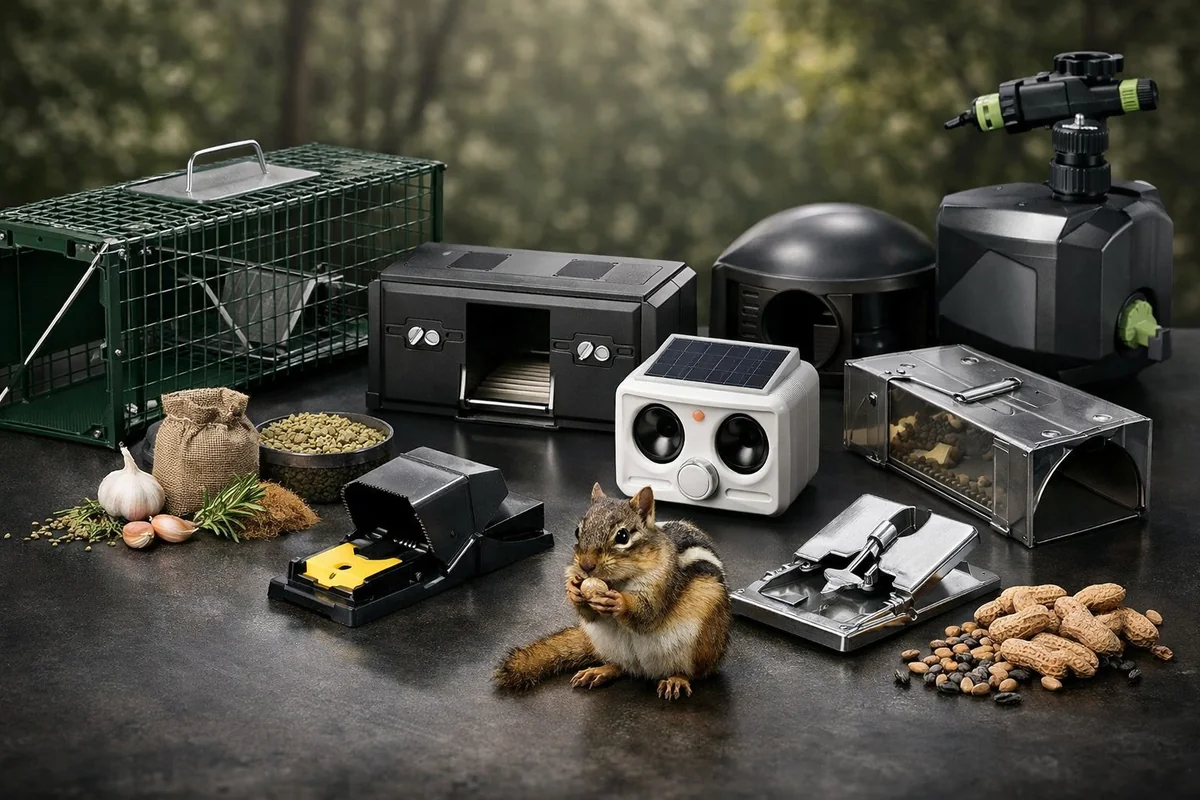
Best Squirrel Traps and Deterrents 2026: Live, Snap, Electric, and Natural Picks
Discover the best squirrel traps, deterrents, and chipmunk solutions for 2026. Compare live, snap, electric, and natural options to protect your home - DIY-friendly, safe, and effective.
Complete Guide to Pest Prevention in Homes: Stop Pests in 2026
Protect your home in 2026 with this complete pest prevention guide. Discover proven DIY methods, room-by-room tips, safe solutions for families, and expert advice to stop pests before they start.
Best Rodent-Proofing Materials and Products 2026: Steel Wool, Mesh, Kits, and More
Find the best rodent-proofing materials, products, and exclusion kits for 2026. Compare steel wool, mesh, sealants, vent covers, and natural deterrents to keep your home rodent-free with expert DIY recommendations.