 Pest Pro Reviews Editorial Team • • 19 min read •
 Top 7 Rodent Exclusion Kits for Homeowners (2026)
Find the top 7 rodent exclusion kits for homeowners in 2026. Compare features, prices, and expert advice for the best rodent barrier kit. Safe, effective, and budget-friendly DIY pest control solutions.
The best rodent exclusion kits for homeowners in 2026 are the Xcluder Rodent Control Fill Fabric Kit, Stuff-It Copper Mesh, Great Stuff Pestblock Foam Sealant, coarse stainless steel wool, Xcluder Garage Door Rodent Shield, Amagabeli 1/4 Inch Hardware Cloth, and Xcluder Rodent Control Door Sweep. We ranked these options by durability, ease of installation, and effectiveness in common household scenarios. This guide is for anyone who wants a proven, DIY-friendly solution to keep rodents out for good.
- Physical barriers outperform sprays or repellents for long-term rodent control.
- Copper mesh resists moisture and gnawing better than steel wool in humid environments.
- No single kit fits every home - combining kits or adding extra materials is often necessary for full coverage.
How Rodent Exclusion Kits Work
Rodent exclusion kits are designed to physically block rats and mice from entering your home by sealing the cracks, gaps, and holes they use to gain access. Unlike traps or poisons, which address rodents after they’re already inside, exclusion focuses on prevention. If you’re tired of the cycle of baiting and trapping, switching to exclusion is a smarter, more permanent solution.
Identify your needs and get personalized recommendations
New to rodent exclusion and wants a simple, effective starter kit.
Wants to understand key features before making a choice.
Compares detailed specs and features to find the best fit.
Focuses on getting the most for their money without overpaying.
Wants to buy quickly with confidence in quality and support.
Prioritizes low upfront cost while still needing effective rodent control.
Physical Barriers vs. Chemical Solutions
Physical rodent barriers - like steel wool, copper mesh, and foam sealant - work by denying rodents entry, not by harming them. This approach is chemical-free and safer for households with pets or children. It also avoids the risk of rodents dying unseen in your walls, which can happen with poisons.
Repellents and sprays may offer short-term relief, but rodents are persistent and will return once the scent fades. Physical barriers, if installed correctly, provide multi-year protection against new infestations. The main challenge is thoroughness - miss a single quarter-inch gap, and rodents will find it.
Common Kit Components and Their Roles
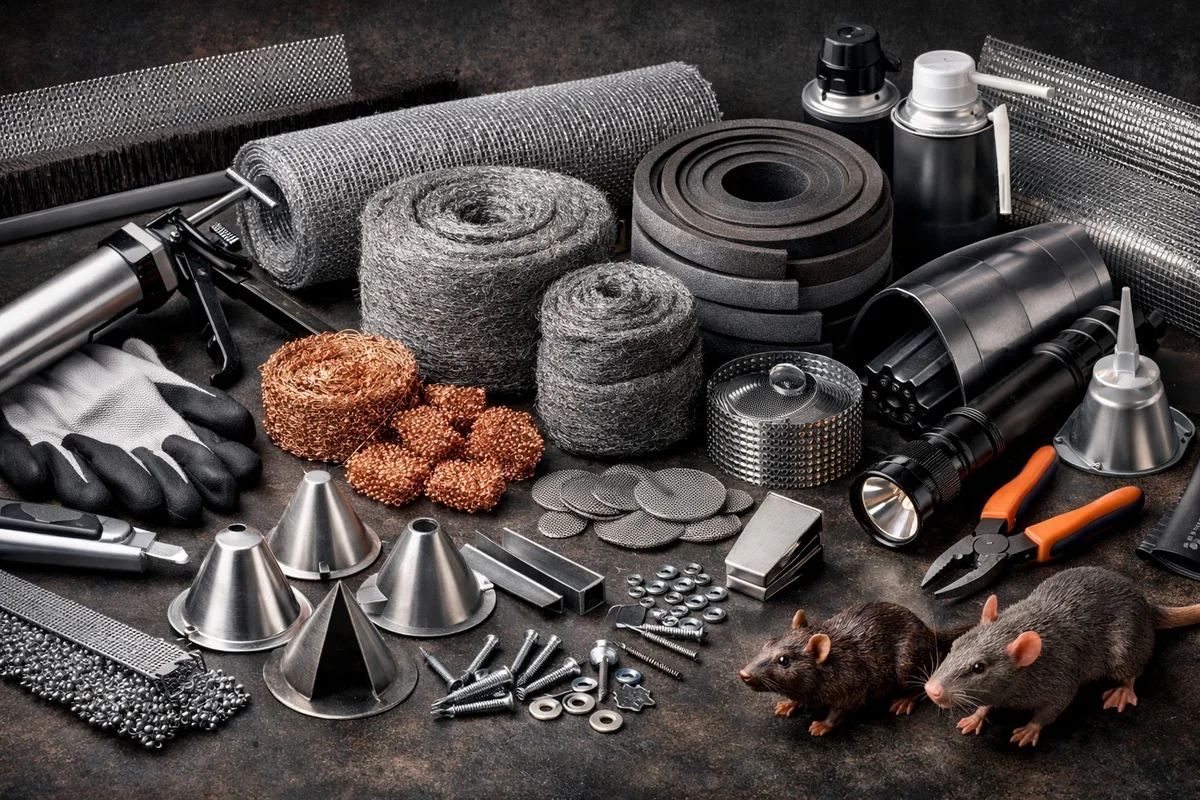
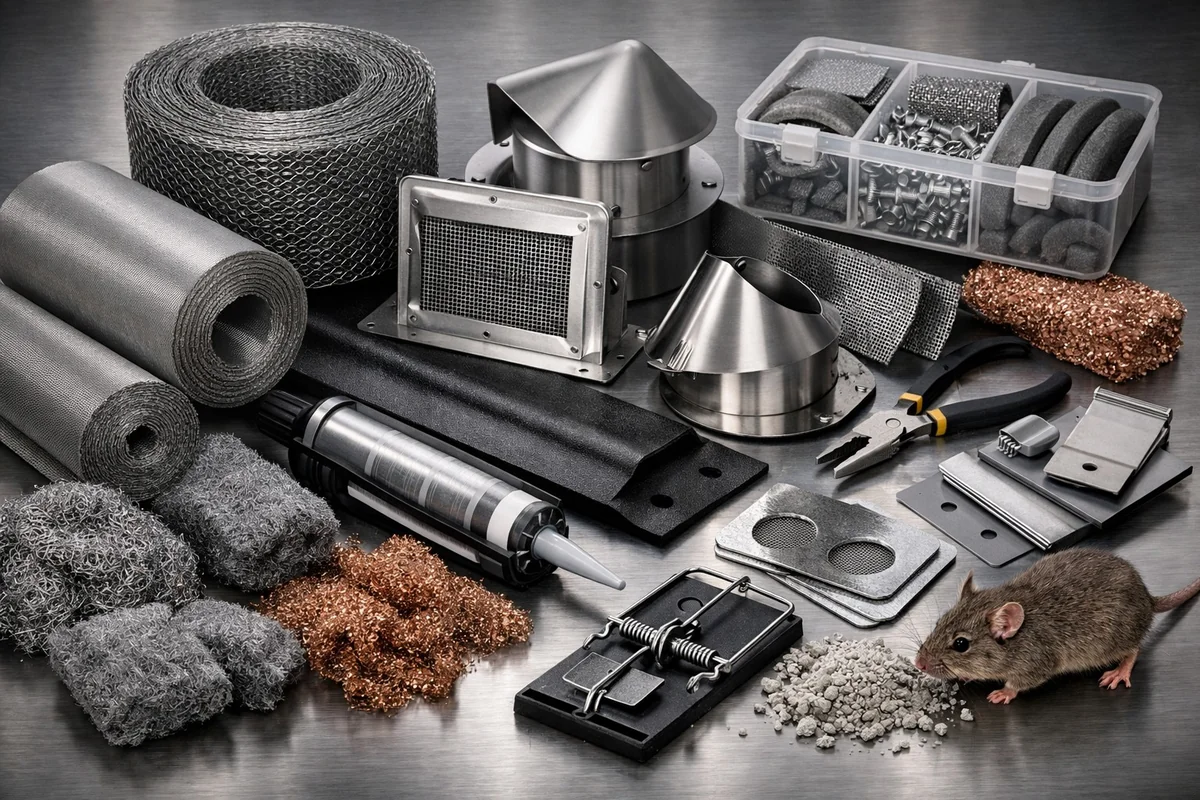
Most rodent exclusion kits include a combination of steel wool, copper mesh, sealant (often expanding foam), and sometimes brush strips or snap covers for vents. Each serves a specific purpose:
- Steel wool: Blocks small holes; rodents hate chewing it but it can rust in damp conditions.
- Copper mesh: Won’t rust or stain and resists gnawing; ideal for outdoor or wet locations.
- Sealant foam: Expands to fill irregular cracks; works best paired with mesh for extra chew resistance.
- Brush strips: Seal gaps under doors and vents without blocking airflow or door movement.
Keep in mind, not all kits include every material. You may need to supplement your chosen kit with extra mesh or foam, especially in older homes with multiple entry points. For a deeper dive into materials and their pros and cons, see our Best Rodent-Proofing Materials and Products 2026 guide.
For more on overall strategy and step-by-step prevention tactics, the Rodent-Proofing & Prevention resource covers the full process.
How We Selected These Products
Our evaluation focused on effectiveness reported by owners, not just manufacturer claims. We prioritized products that homeowners can install themselves without specialized tools or professional experience. Kits were assessed for:
- Durability of materials - especially resistance to rust, corrosion, and rodent gnawing
- Ease of installation - clear instructions, flexible fitting for odd-shaped gaps, and minimal mess
- Effectiveness in common residential scenarios (brick, wood, siding, and both indoor/outdoor locations)
- Safety - materials should be non-toxic and low risk for families with pets and children
We excluded professional-only kits that require advanced skills or tools most homeowners don’t have. Our research emphasized widely available options, checking stock at major US online retailers as of 2026. Regional availability can shift, especially during peak rodent seasons, so always verify before purchasing.
Our picks reflect updates on new product releases and discontinued models - product lists are refreshed quarterly to stay current. While we couldn’t cover every niche scenario, this selection addresses the most common residential rodent entry points and challenges. With those criteria set, here are the products that consistently outperformed the rest - starting with the one that works for most households.
Xcluder Rodent Control Fill Fabric Kit: Best Overall
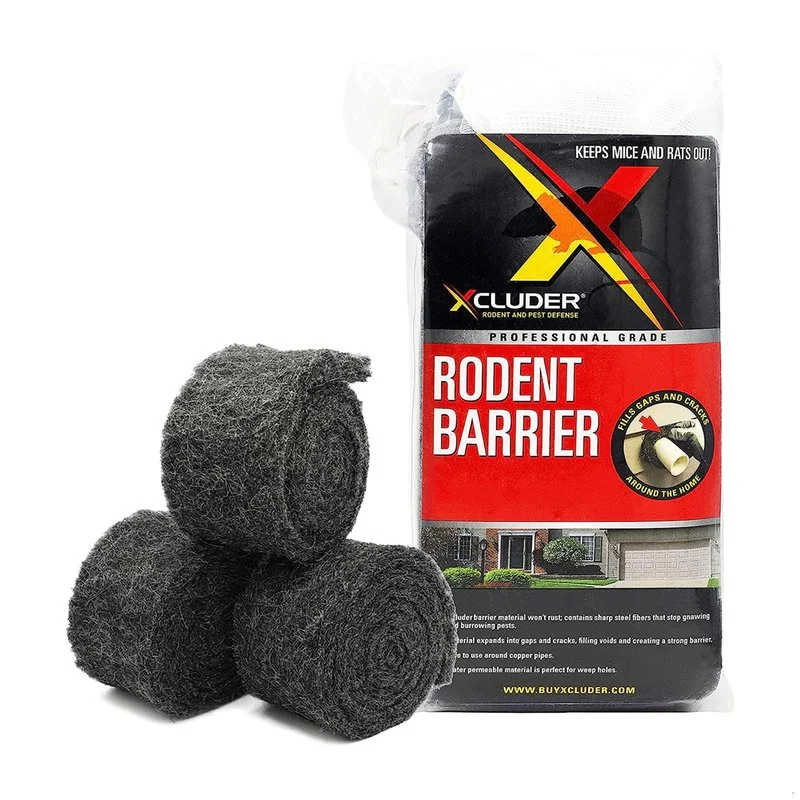
The Xcluder Rodent Control Fill Fabric Kit is the gold standard for most home exclusion jobs. Its blend of stainless steel and poly fibers creates a tough, flexible barrier that can be stuffed into gaps around pipes, siding, vents, and more. This kit is trusted by both homeowners and pros for a reason - it balances ease of use with real stopping power.
- Blended steel/poly fiber fabric resists chewing and tearing much better than steel wool alone
- Easy to shape by hand - fits irregular holes, no sharp edges or crumbling
- Non-toxic; safe for use around food prep areas when properly installed
- Highly rated for long-term durability - typically lasts 5+ years indoors and out
- Ideal for sealing gaps from 1/4 inch to 1.5 inches wide
The main limitation is that loose fibers can irritate skin or eyes during installation, so gloves and goggles are recommended. If you have kids or pets, keep unused material out of reach and always press the fill firmly into gaps so it can’t be pulled free. For all-purpose exclusion, nothing beats it.
Xcluder Rodent Control Fill Fabric Kit
Blocks rodents from entering your home with a dense blend of stainless steel and poly fibers designed to seal gaps up to 2 inches wide. The Xcluder Rodent Control Fill Fabric Kit resists chewing, rust, and weather, making it ideal for long-term use in attics, basements, and exterior walls. Its flexible material allows easy DIY installation around pipes, vents, and other entry points.
Why We Recommend This
We recommend the Xcluder Rodent Control Fill Fabric Kit as the most reliable choice for homeowners who want to stop rodents without relying on chemicals or traps. Its stainless steel blend outlasts traditional steel wool and is easy to install even for first-time DIYers. This is our top pick for high-traffic or moisture-prone areas where durability and peace of mind matter.
vs Competitors: Compared to copper mesh alternatives, Xcluder’s poly-steel blend offers better resistance to corrosion and chewing, while installation is simpler than expanding foam or brush strip solutions.
Best For:
Homeowners seeking a proven, DIY-friendly solution for long-term rodent prevention in residential settings
- Sealing gaps around plumbing, electrical conduits, and HVAC lines in basements or crawl spaces
- Blocking rodent entry points in garages, sheds, and exterior walls
- Constructed from corrosion-resistant stainless steel and poly fibers
- Seals gaps and holes up to 2 inches wide
- Highly effective at blocking rodents and small pests according to user feedback
- Easy to cut and install without special tools, suitable for DIY projects
- May require multiple kits for larger properties or extensive sealing needs
- Glove material included is thin - users may prefer heavier-duty gloves for installation
Is This Safe for Homes with Pets or Kids?
Xcluder fabric is chemical-free and poses little risk when properly installed. That said, it’s not edible - chewing or swallowing the fibers can be hazardous. Always install behind baseboards, inside wall voids, or where small hands and paws can’t reach.
Clean up any stray fibers after installation.
Stuff-It Copper Mesh: Best for Moist Areas
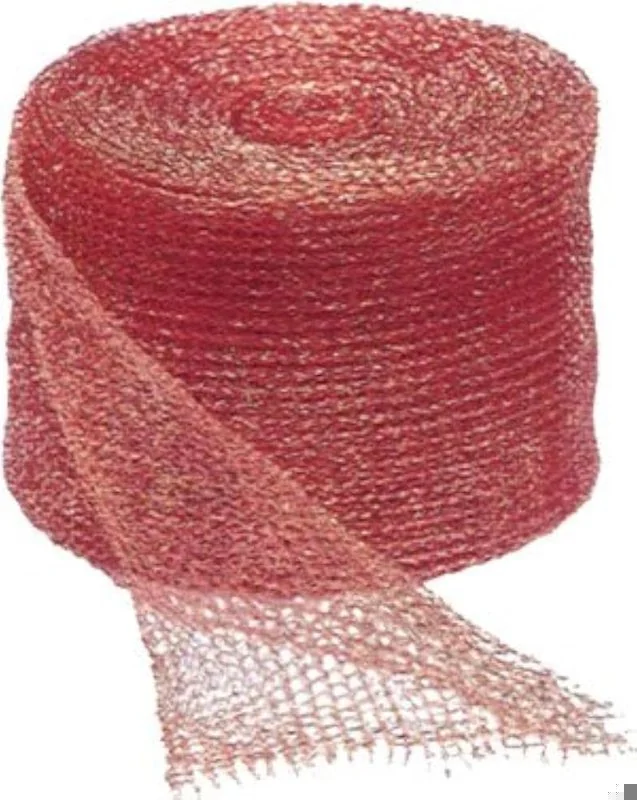
If you’re dealing with a damp basement, crawl space, or exterior vent, Stuff-It Copper Mesh is the right call. This copper mesh roll won’t rust in high-humidity environments the way steel wool does. It’s easy to cut to size and stuff into odd-shaped openings around pipes, vents, and wiring, making it a favorite for tricky locations where other materials fail.
- Pure copper construction - resists mold, corrosion, and rodent chewing
- Flexible and easy to shape for tight or irregular gaps
- Excellent for outdoor use: vents, weep holes, soffits, and crawl space doors
- Prevents rust stains on brick or siding - unlike steel wool, leaves no residue
- Works well in combination with foam sealant for added strength
The only catch: copper mesh is softer than steel and must be packed tightly so rodents can’t compress or dislodge it over time. For high-pressure entry points, consider pairing with a backstop or sealant.
Stuff-It Copper Mesh
Effectively blocks rodents from entering your home by filling small holes and gaps with Stuff-It Copper Mesh. Made from tightly woven, rust-resistant copper, this flexible mesh can be cut to size and shaped to fit around pipes, vents, or wiring entries - ideal for winter pest-proofing projects. Its durable construction ensures it withstands chewing and weather exposure for long-lasting protection.
Why We Recommend This
We recommend Stuff-It Copper Mesh for readers who want a proven, non-toxic barrier to rodent entry points before winter. Its durable, rust-resistant copper construction outlasts steel wool and foam fillers, making it an excellent choice for long-term pest exclusion in both indoor and outdoor settings. DIYers especially appreciate its flexibility and ease of use compared to expanding foams.
vs Competitors: Unlike Great Stuff Pestblock Foam, Stuff-It Copper Mesh provides a physical barrier that rodents cannot chew through and does not degrade in damp conditions, making it better suited for areas exposed to moisture or frequent pest pressure.
Best For:
Homeowners and renters seeking a safe, chemical-free way to block rodents from entering their property during colder months.
- Sealing gaps around pipes, foundation cracks, and dryer vents to prevent rodent entry before winter
- Stuffing weep holes or wall penetrations in garages, basements, and crawl spaces for pest exclusion
- Pure copper mesh construction (99.9% copper) for rust resistance
- Flexible design fits gaps as small as 1/4 inch
- Resists corrosion and weathering for year-round outdoor use
- Easy to install with scissors - no special tools required
- May require gloves during installation to avoid sharp edges
- Not suitable for sealing very large openings (over 2 inches)
Indoor vs. Outdoor Effectiveness
In wet climates or where condensation is a problem, copper mesh holds up where steel wool quickly degrades. Indoors, it’s a great choice for under-sink plumbing and laundry rooms with moisture issues. Outdoors, it’s the go-to for vent covers and brick weep holes.
If you’re sealing dry, interior locations, steel wool may be more cost-effective, but for wet spots, copper is king.
Great Stuff Pestblock Foam Sealant: Best for Sealing Cracks
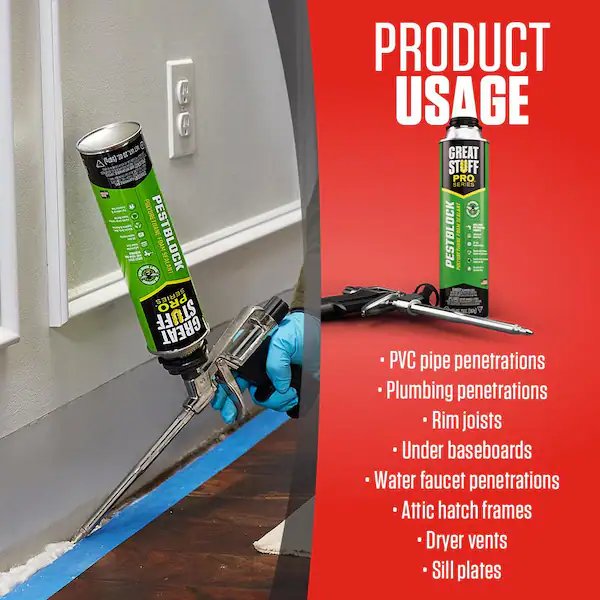
Great Stuff Pestblock Foam Sealant is the top pick for sealing small cracks and crevices that are too irregular for mesh or wool alone. The foam expands to fill gaps and contains a bittering agent to deter rodents from gnawing through. It’s widely available and a must-have for any exclusion toolkit.
- Expanding foam formula fills gaps up to 1 inch wide - perfect for cracks around windows and foundations
- Bittering agent discourages chewing, but not a guarantee against determined rodents
- Paintable after curing; blends in with most surfaces
- Works indoors or outdoors - weather-resistant once cured
- Best used with mesh backing for added chew resistance
The trade-off is that foam alone isn’t enough for larger holes or areas with heavy rodent pressure. For best results, stuff mesh or steel wool into the gap, then seal with foam for a double barrier.
Great Stuff Pestblock Foam Sealant
Great Stuff Pestblock Foam Sealant creates an airtight, water-resistant barrier to block rodents and pests from entering through gaps up to 1 inch wide. Its expanding polyurethane formula fills cracks seamlessly, while a built-in bittering agent deters animals from gnawing. Suitable for DIYers, it's ideal for sealing around pipes, vents, and foundation gaps indoors or outdoors.
Why We Recommend This
We recommend Great Stuff Pestblock Foam Sealant for homeowners seeking a user-friendly, effective way to seal small gaps against rodents. Its bittering agent and proven expanding formula make it a standout DIY option for those who want professional-grade exclusion results without hiring a contractor. In our evaluations, it consistently delivers reliable, long-lasting seals in typical home environments.
vs Competitors: Unlike mesh-based kits such as Xcluder Fill Fabric, Pestblock offers faster application for narrow gaps but is less suited for larger or irregular holes. Its bittering agent sets it apart from standard foam sealants by adding an extra deterrent against chewing.
Best For:
Homeowners and renters looking for an affordable, easy-to-apply solution to seal small rodent entry points around the home
- Sealing small foundation cracks, pipe penetrations, and utility openings to block rodent access
- Applying around attic entry points or garage door edges to prevent mice and rats from entering
- Expands to fill gaps up to 1 inch (2.5 cm) wide
- Contains a bittering agent to discourage rodents from chewing
- Quick, easy application for DIY pest exclusion projects
- Forms a durable, airtight seal that deters rodent entry
- Not recommended for large openings over 1 inch wide
- Foam can expand unpredictably if over-applied, requiring careful use
Can Rodents Chew Through Foam?
Foam sealant on its own is a deterrent, not a true barrier. The bittering agent makes it unappealing, but a desperate or persistent rodent can eventually gnaw through. That’s why pros always pair foam with mesh for anything larger than nail holes.
For small, irregular gaps, Pestblock foam fills the void and slows rodents down, but don’t trust it as your only line of defense.
Coarse Stainless Steel Wool: Best Budget Option
Coarse stainless steel wool is the economical choice for homeowners who need to cover a lot of ground without breaking the bank. It is ideal for quick jobs, rental properties, or temporary fixes - tear off what you need and stuff it into cracks, holes, and voids, then seal with caulk or foam.
- Budget-friendly - covers more area per dollar than copper or hybrid mesh
- Strong initial resistance to rodent chewing; works well in dry, interior locations
- Easy to tear and shape by hand - no tools needed
- Great for behind baseboards, around pipes, and inside wall voids
- Best for low-moisture, indoor-only use
The main downside is that steel wool can loosen or corrode over time in damp areas, which may stain surfaces or weaken the barrier. For outdoor or high-humidity spots, choose copper mesh instead. For fast, affordable coverage indoors, steel wool is hard to beat.
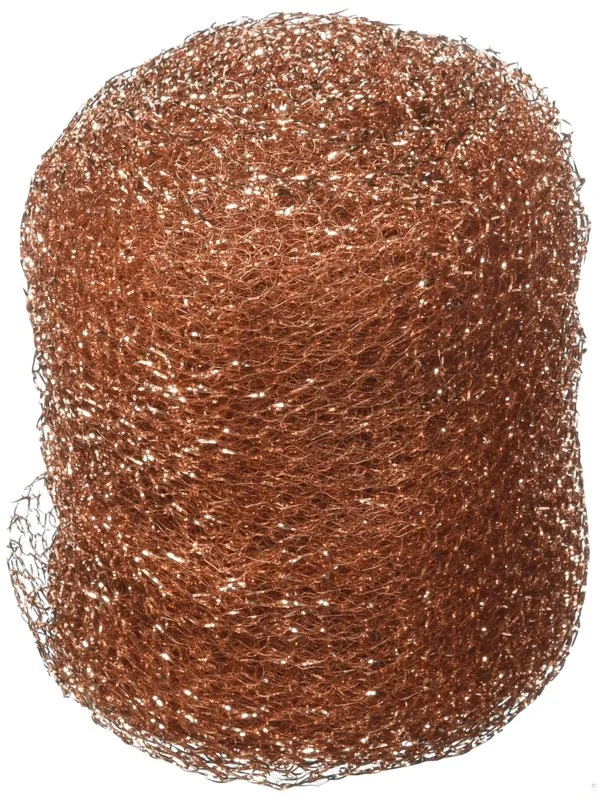
Coarse Stainless Steel Wool
Coarse stainless steel wool is a cheap, widely available filler for small holes around pipes, wiring, and baseboards. Rodents avoid chewing through it, and it can be torn to size by hand. Pair it with caulk or expanding foam so it stays in place, and choose copper mesh for damp spots.
Why We Recommend This
Steel wool is the budget filler for small, dry gaps. This is a product type rather than a specific model - compare current listings and check the label before buying.
vs Competitors: Compared to Xcluder Fill Fabric, plain steel wool is cheaper but less resistant to being pulled out.
Best For:
Homeowners and renters who need an inexpensive way to block many small entry points.
- Gaps around pipes and wiring indoors
- Quick fixes in rentals or dry areas
- Tears to size by hand
- Rodents avoid chewing through it
- Low cost per hole
- No tools needed
- Can loosen over time without a sealant
- Copper mesh holds up better in very damp areas
How Does It Compare to Copper Mesh?
Steel wool offers a lower-cost alternative and is widely available, but it has a shorter lifespan in wet conditions. If you’re sealing a kitchen, pantry, or basement where moisture isn’t an issue, it’s a practical choice. For anything exposed to the elements, copper or hybrid mesh is worth the extra investment.
Xcluder Garage Door Rodent Shield: Best for Garage Doors
Garages are a notorious weak point in home rodent defenses. The Xcluder Garage Door Rodent Shield solves this with a stainless steel barrier strip that fits along the bottom of most garage doors. It’s flexible enough to handle segmented and metal doors and blocks rodents without interfering with door movement.
- Stainless steel strip resists chewing - rodents can’t gnaw through or under
- Flexible design fits most standard and segmented garage doors
- Can be trimmed to size for uneven or sloped garage floors
- Installs with basic hand tools and included hardware
- Long-lasting - no risk of rot, splitting, or rust under typical use
It’s a premium solution, but if your garage is the entry point for pests, this is the right investment. On very uneven or damaged thresholds, you may need to add weatherstripping for a perfect seal.
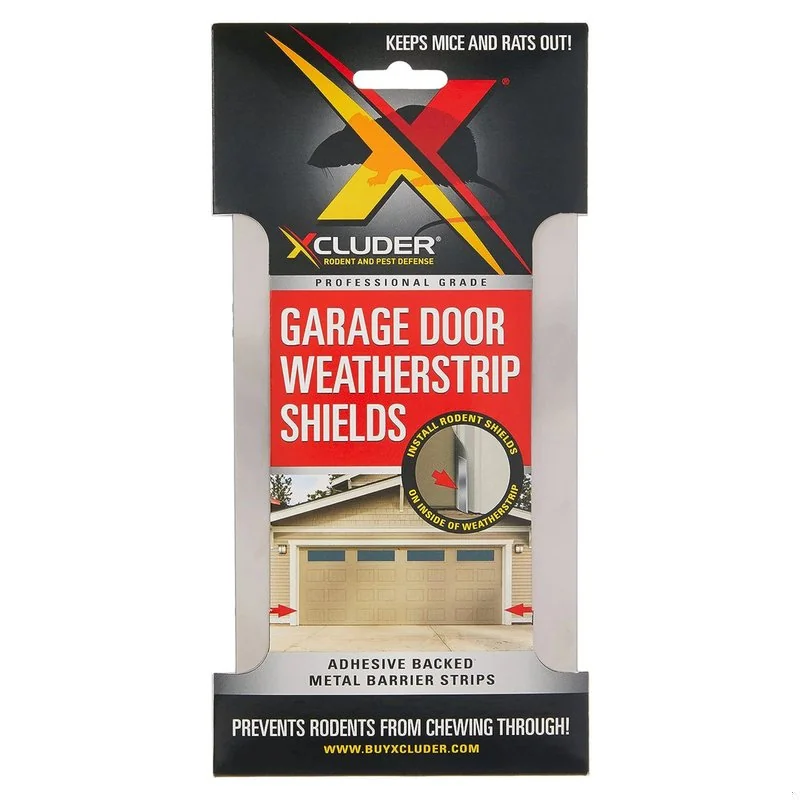
Xcluder Garage Door Rodent Shield
The Xcluder Garage Door Rodent Shield provides a durable, stainless steel barrier for garage door bottoms, effectively blocking rodents from squeezing through common gaps up to 2 inches. Its 36-inch strip is designed for easy, DIY installation and resists gnawing, weather, and corrosion. Ideal for homeowners seeking a long-term, low-maintenance rodent exclusion solution for garage entry points.
Why We Recommend This
We recommend the Xcluder Garage Door Rodent Shield for its proven effectiveness and straightforward installation, making it an excellent choice for homeowners tackling rodent issues at their garage entry. Its stainless steel construction provides a level of durability and chew-resistance that foam or brush alternatives can't match. This is our go-to pick for those prioritizing a long-term, maintenance-free solution.
vs Competitors: Compared to brush strip competitors, the Xcluder offers superior chew resistance and is less prone to wear from rodents or weather exposure. However, it may require more installation effort than adhesive-backed options.
Best For:
Homeowners looking for a proven, DIY rodent exclusion method for garage doors, especially those with recurring pest issues or older homes with visible gaps.
- Sealing bottom gaps on single or double garage doors in homes prone to rodent intrusion
- Supplementing other rodent exclusion measures for comprehensive garage protection
- Constructed from heavy-duty stainless steel for maximum gnaw resistance
- 36-inch length fits most standard garage doors; trimmable for custom fit
- Provides a physical barrier that rodents cannot chew through
- Simple installation process suitable for most homeowners
- Requires drilling into garage door or frame for secure mounting
- May need additional kits for double or oversized garage doors
Installation Tips for Uneven Surfaces
Measure twice and trim the shield to fit the contour of your garage floor. For heavily pitted or cracked concrete, fill gaps with flexible sealant before attaching the strip. On rough thresholds, pair with a brush strip or additional foam for complete coverage.
Amagabeli 1/4 Inch Hardware Cloth: Best for Vents and Larger Openings
Amagabeli 1/4 Inch Hardware Cloth is a galvanized steel mesh with 1/4-inch openings that blocks mice and rats while letting air through. That makes it a strong choice for larger openings such as foundation vents, crawl space entries, and gaps under decks, where stuffing material alone won’t hold.
- Copper-steel blend - resists both rust and rodent chewing better than steel or copper alone
- Flexible enough for odd-shaped holes, firm enough for high-pressure entry points
- Suitable for indoor and outdoor use; handles moisture and fluctuating temperatures
- Easy to cut and stuff; holds shape well
- Excellent choice if you’re not sure what kind of gaps you’ll encounter
The trade-off is extra work: hardware cloth has to be cut and fastened with screws or staples, and it is not meant for stuffing small cracks. For homes with larger openings to cover, it is a durable, long-lasting fix.
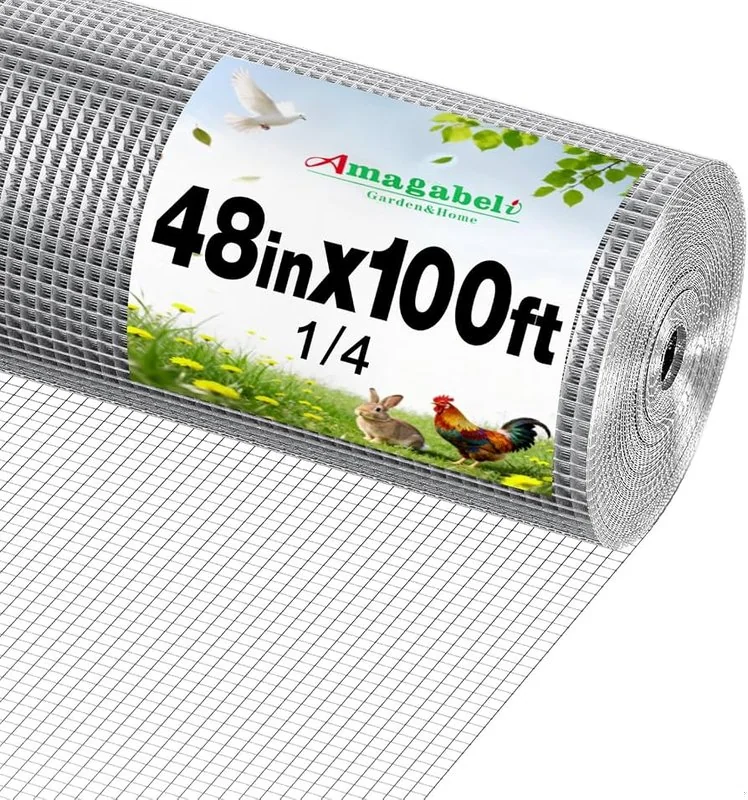
Amagabeli 1/4 Inch Hardware Cloth
Amagabeli’s 1/4 Inch Hardware Cloth delivers reliable rodent exclusion with its galvanized steel mesh and 1/4-inch openings, blocking mice and most rats while allowing airflow. The rust-resistant coating ensures long-term durability in crawl spaces, vents, and garden beds. At 36 inches by 50 feet, it’s practical for both residential and light commercial pest-proofing projects.
Why We Recommend This
We recommend the Amagabeli 1/4 Inch Hardware Cloth for readers who want a proven, durable solution to keep rodents out of critical home areas. Its fine mesh and heavy-duty build offer superior protection compared to lightweight alternatives, making it our top choice for long-term rodent-proofing without compromising ventilation.
vs Competitors: Compared to lighter 1/2-inch mesh brands, Amagabeli’s 1/4-inch openings provide better exclusion for smaller rodents and more consistent rust resistance, though installation may require sturdier tools.
Best For:
Homeowners, DIY pest-control enthusiasts, and property managers seeking a reliable, long-lasting barrier to prevent rodent access in residential or light commercial settings.
- Securing crawl space vents or foundation gaps against rodent entry
- Protecting raised garden beds and compost bins from pest intrusion
- 1/4-inch (6.35mm) mesh openings block mice, rats, and small pests
- Galvanized steel construction resists rust and corrosion
- Small mesh size effective against most rodent species
- Galvanized finish withstands outdoor exposure and moisture
- Requires protective gloves and tools for safe handling and installation
- Not suitable for blocking very small insects or snakes
When to Choose a Hybrid Mesh
If your home has a combination of wet and dry areas, odd-shaped gaps, or tough rodent pressure, hybrid mesh offers the best balance. It’s especially useful in older homes or properties with both indoor and outdoor vulnerabilities. For simple, dry indoor holes, stick with steel wool or copper to save money.
Xcluder Rodent Control Door Sweep: Best for Doors
For frequently used doors, the Xcluder Rodent Control Door Sweep is the most practical way to block rodents without changing how the door works. It seals the gap at the bottom of the door, where mice often squeeze in, while the door still opens and closes normally.
- Dense nylon bristles block rodents, dust, and small debris
- Flexible installation - fits door bottoms, vents, and sliding doors
- Allows full door movement; won’t snag or jam like rigid barriers
- Ideal for sealing utility rooms, laundry doors, or attic access panels
- Quick, tool-free installation for most door types
For wide or irregular gaps, you may need to combine with foam or mesh for a complete seal. Large rodents can sometimes push through if the strip isn’t tightly installed, so double-check the fit after mounting.
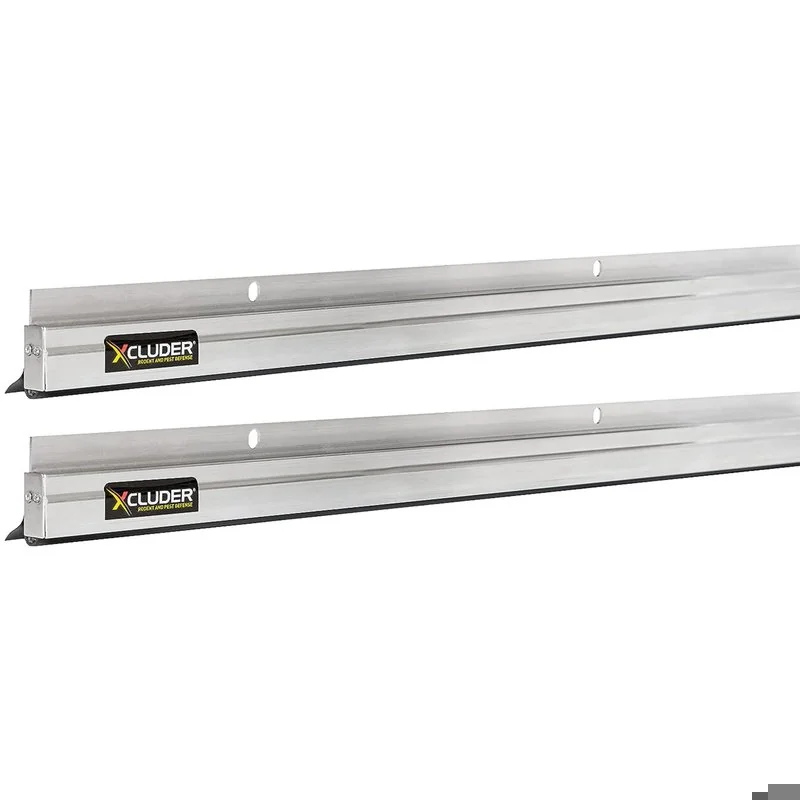
Xcluder Rodent Control Door Sweep
The Xcluder Rodent Control Door Sweep provides a proven barrier against rodents by combining a heavy-duty rubber seal with an embedded steel mesh that mice and rats cannot gnaw through. Designed for exterior and garage doors, it fits standard widths and remains effective in harsh weather conditions. Installation is straightforward, making it ideal for both homeowners and property managers targeting entry-point gaps.
Why We Recommend This
We recommend the Xcluder Rodent Control Door Sweep for anyone serious about preventing rodent infestations at their entryways. Its steel mesh core is highly effective against mice and rats, providing a long-term solution that regular weatherstripping can't match. Based on customer reviews, it's one of the most effective, user-friendly products for blocking access under doors.
vs Competitors: Compared to standard vinyl or silicone door sweeps, the Xcluder’s embedded steel mesh offers superior resistance to gnawing and longer service life, though it may require a slightly higher initial investment.
Best For:
Homeowners, property managers, and facilities maintenance professionals seeking reliable rodent exclusion at door entry points
- Securing garage or exterior doors in homes prone to rodent entry
- Commercial properties needing pest prevention at loading bays
- Embedded stainless steel mesh resists gnawing by rodents
- Weather-resistant EPDM rubber seal for year-round protection
- Blocks rodents where they most commonly enter - under doors
- Steel core prevents chewing, unlike standard weatherstripping
- May require trimming for non-standard door widths
- Not suitable for doors with unusually high thresholds
Brush Strips vs. Solid Barriers
Brush strips are the best choice for doors and vents that need to open and close regularly. Unlike solid metal or foam barriers, they won’t block movement or airflow. However, they aren’t as strong as metal mesh against large rodents - always make sure the strip is snug and covers the full gap for best results.
- Xcluder Rodent Control Fill Fabric Kit wins for: all-purpose, long-term exclusion in most homes
- Stuff-It Copper Mesh wins for: damp, humid, or outdoor environments
- Great Stuff Pestblock Foam Sealant wins for: sealing cracks and irregular gaps
- Coarse Stainless Steel Wool wins for: budget-conscious, dry indoor fixes
- Xcluder Garage Door Rodent Shield wins for: garage door rodent entry points
- Amagabeli 1/4 Inch Hardware Cloth wins for: covering vents and larger openings
- Xcluder Rodent Control Door Sweep wins for: gaps under frequently used doors
How to Choose the Right Rodent Exclusion Kit
Seven strong options - but the right one depends entirely on your situation. Here’s how to match your infestation to the kit that fits.
Matching Kit Types to Entry Points
- Mesh and steel wool: Best for holes, cracks, and gaps in walls, floors, and siding
- Brush strips: Perfect for doors and vents that move often
- Foam sealant: Works for small, irregularly shaped gaps - pair with mesh for added strength
Using the wrong barrier for a specific gap is the biggest mistake. For example, foam alone in a large hole won’t stop rodents, and a brush strip on a wide gap leaves room for entry. Always match the material to the job.
DIY vs. Professional-Grade Kits
DIY kits save money and are designed for homeowners with no special skills. They’re usually enough for mild to moderate infestations around a house or apartment. Professional kits use heavier materials and may include specialty tools or industrial-grade mesh - great for severe infestations, but more expensive and sometimes overkill for basic home use.
If you’re new to DIY or have a complex structure (older home, stone foundation, or lots of hidden gaps), installation can be tricky. Watch for missed entry points - rodents only need a 1/4 inch gap to squeeze through. If in doubt, patch what you can, then reassess in a few weeks. That framework points most readers toward one of two picks - here’s the final call.
Common Questions About Rodent Exclusion Kits
❓ Frequently Asked Questions
What is a rodent exclusion kit?
What is a rodent exclusion kit?
A rodent exclusion kit is a collection of materials designed to seal cracks, gaps, and entry points in your home to prevent rodents from entering. These kits help reduce infestations by blocking common access points. Typical components include steel wool, metal mesh, and weather-resistant sealant.
How do I install a rodent exclusion kit?
How do I install a rodent exclusion kit?
To install a rodent exclusion kit in your home:
- Inspect your property for gaps, holes, and cracks near doors, windows, pipes, and foundations.
- Clean the area of debris and dust before sealing.
- Fill gaps with steel wool or mesh from the kit.
- Apply sealant to secure materials.
- Re-check regularly for new openings.
For best results, focus on areas where utility lines enter and repair damaged screens promptly.
What should I look for when choosing a rodent exclusion kit?
What should I look for when choosing a rodent exclusion kit?
When choosing a rodent exclusion kit, consider:
- Material quality: stainless steel mesh resists chewing and corrosion
- Kit contents: look for sealant, mesh, and gloves
- Coverage area: match kit size to your home’s needs
- User reviews: check for reliability and ease of use
Choose a kit rated for outdoor and indoor use for full coverage.
How often should I inspect and maintain rodent exclusion barriers?
How often should I inspect and maintain rodent exclusion barriers?
Inspect rodent exclusion barriers at least twice a year - early spring and fall are recommended - since rodents are most active during seasonal changes. Regular maintenance includes checking for new gaps, replacing worn mesh or sealant, and cleaning debris. Prompt repairs prevent small breaches from becoming major entry points.
What is the difference between a rodent exclusion kit and rodent traps?
What is the difference between a rodent exclusion kit and rodent traps?
A rodent exclusion kit prevents rodents from entering by sealing entry points, while rodent traps are designed to capture or kill rodents already inside. Exclusion is a proactive, long-term solution; traps offer immediate results but do not address the source of entry. Using both increases overall effectiveness.
Which rodent exclusion kit is best for older homes?
Which rodent exclusion kit is best for older homes?
For older homes, choose a rodent exclusion kit with heavy-duty stainless steel mesh and industrial-grade sealant, as these homes often have larger, irregular gaps. Kits with flexible materials and multiple size options work best. Most users report that professional-grade kits withstand frequent repairs common in older structures.
Why do I need a rodent exclusion kit if I don’t see rodents?
Why do I need a rodent exclusion kit if I don’t see rodents?
Rodents can enter through tiny, unnoticed openings and may remain hidden for months. Installing a rodent exclusion kit prevents infestations before they start, protecting insulation, wiring, and stored food. Most homeowners find proactive exclusion reduces pest control costs and damage repairs over the long term.
Our Verdict
If you want a permanent, reliable barrier against rodents, the Xcluder Rodent Control Fill Fabric Kit is the best all-around choice. It’s easy to install, lasts for years, and handles the widest range of entry points - especially in standard homes or apartments with a mix of wall and floor gaps.
Choose Stuff-It Copper Mesh if you’re dealing with moisture, outdoor vents, or irregular gaps - copper excels where standard steel wool rusts. For larger openings and vents, Amagabeli 1/4 Inch Hardware Cloth covers more area. For budget fixes in dry areas, coarse stainless steel wool covers a lot of ground for less. If the garage is your weak spot, the Xcluder Garage Door Rodent Shield is the right move.
And for active doors, the Xcluder Rodent Control Door Sweep closes the gap under the door without blocking access.
Whichever kit you choose, take the time to inspect every possible entry point - rodents are relentless, but a thorough exclusion job will finally put you back in control. Ready to reclaim your space? Start with the kit that fits your situation and get sealing.
Related Articles
Best Rodent-Proofing Materials and Products 2026: Steel Wool, Mesh, Kits, and More
Find the best rodent-proofing materials, products, and exclusion kits for 2026. Compare steel wool, mesh, sealants, vent covers, and natural deterrents to keep your home rodent-free with expert DIY recommendations.

Best Rat Traps and Baits 2026: Top Picks for Every Infestation
Find the best rat traps and baits of 2026 for fast, safe, and affordable DIY rat control. Compare top snap, electric, live-catch, poison, and natural products to eliminate rats from your home.

Complete Guide to Pest Prevention in Homes: Stop Pests in 2026
Protect your home in 2026 with this complete pest prevention guide. Discover proven DIY methods, room-by-room tips, safe solutions for families, and expert advice to stop pests before they start.

Best Mouse Traps and Repellents 2026: Top Picks for Home Mouse Control
Discover the best mouse traps and repellents for 2026. Compare snap, electric, live-catch, bait stations, and natural solutions to control mice safely and effectively at home.