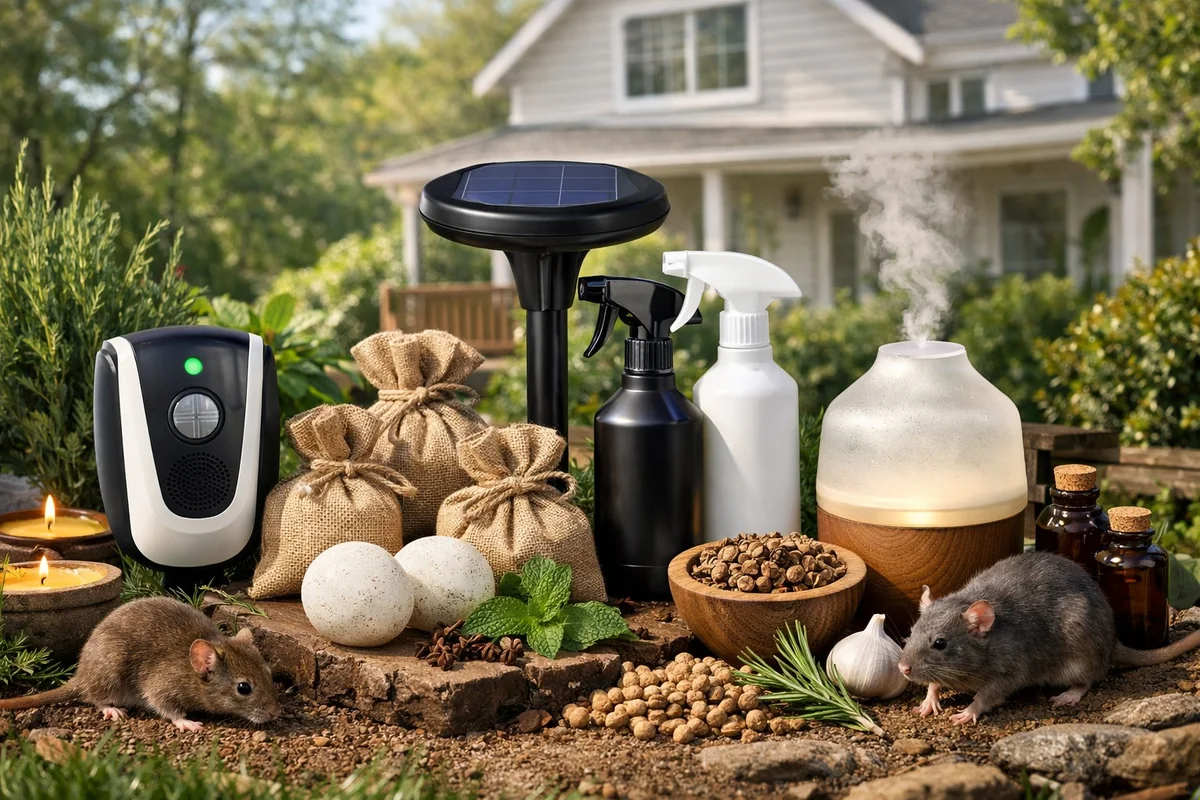

What Repels Rodents? Scents, Remedies and What Really Works
What repels rodents: why sealing gaps beats any smell, and what the evidence says about peppermint, ultrasonic devices, Irish Spring, dryer sheets and vinegar.
What repels rodents most reliably is not a smell but a barrier: closed gaps, food stored in hard containers and no cover near the house. Strong scents such as peppermint, cinnamon or ammonia may make mice and rats avoid a small, closed space for a while, but none keeps them away for long, and home remedies like dryer sheets and Irish Spring soap lack reliable evidence.
What Actually Keeps Rodents Away
Mice and rats go where food, water and shelter are, and they enter through gaps. Remove those and there is nothing for a repellent to do; leave them and no repellent will outweigh them. That is why sealing comes first in every serious rodent plan.
UC IPM's house mouse guide calls exclusion the most successful and permanent form of house mouse control. It advises sealing gaps larger than 1/4 inch with metal or concrete, noting that mice squeeze under gaps that tall and through openings 3/8 inch wide, and that plastic, rubber, foam and wood are ineffective because mice chew through them.
How do mice get in your house? Mostly under doors, around pipes and cables, through vents with torn screens and through gaps at the foundation and roofline, often in autumn as nights turn cold. For the products that seal those gaps and the repellents worth trying, see our guide to the best rodent repellents for the home.
Common Rodent Repellents and What the Evidence Says
The table sorts the repellents people ask about by how they are supposed to work and how much support there is that they keep rodents away from a home.
| Repellent | How It Is Supposed to Work | What the Evidence Shows | Our Take |
|---|---|---|---|
| Sealing gaps with metal | Physically blocks entry | UC IPM calls it the most successful, permanent control | Start here |
| Peppermint and other plant oils | Strong scent rodents may avoid | Short-lived; most products are not reviewed by the EPA | Small closed spaces only |
| Balsam fir pouches | Scent in enclosed spaces | The maker of Fresh Cab says it is EPA-registered; buyer results mixed | Best scent option for storage |
| Ultrasonic devices | High-pitched sound | UC IPM finds little evidence; rodents get used to it | Skip |
| Dryer sheets and scented soap | Perfume masks or deters | No reliable evidence | Skip |
| Mothballs and ammonia | Harsh fumes | Not labeled for rodents; harmful indoors | Never use |
The rodent repellents section compares the specific pouches, sprays and barriers in each category.
Which Smell Do Rats and Mice Hate the Most?
There is no single smell that reliably drives rodents out. Peppermint is the most common choice in commercial repellents, often blended with cinnamon, cedarwood, clove or garlic, and buyers of those products report mixed results: some see droppings stop, others see no change or mice chewing the pouches.
Scent works best where it stays concentrated, inside a closed cabinet, storage bin or parked car, and it fades in days to weeks. Most plant-oil repellents are sold as minimum-risk pesticides, which the EPA says it does not review, so claims about how long they last are the maker's own.
What repels rats the most, then? In practice, an environment with nothing to offer: no food left out, no clutter or woodpiles to hide in, and no gap to get through. Rats are bolder than mice and more likely to push past a smell to reach food.
Home Remedies: Irish Spring, Dryer Sheets, Vinegar and More
- Irish Spring soap: a popular trick for campers and sheds, but there is no reliable evidence it keeps mice out, and mice have chewed into many scented products.
- Dryer sheets: no reliable evidence; the scent fades quickly and mice may use the sheets as nesting material.
- Vinegar: a strong smell that evaporates within hours; no reliable evidence it repels rodents.
- Cayenne and chili: may irritate, but wash away and can irritate pets and people too.
- Coffee grounds: no reliable evidence for rodents.
- Ammonia and mothballs: not labeled as rodent repellents and harmful to breathe indoors.
Does SoFyre really work? Buyers of SoFyre's pouches mostly report that it does not, or that the effect lasts about a day. Like most scent products, it is worth trying only in a small, closed space after sealing and trapping.
What Repels Rodents Outside and in the Garden
Outdoors, scents fade even faster, so barriers and housekeeping do most of the work. Cover vents and gaps under decks with galvanized hardware cloth, store firewood off the ground, use trays or baffles under bird feeders, pick up fallen fruit and keep compost free of meat and eggs.
In the garden, fence beds with hardware cloth and keep dense ground cover away from the house. Granular or spray repellents can be added along the foundation, but expect to reapply them about monthly and after rain. Plants such as mint growing near the house have no reliable record of keeping rodents away either, so put the effort into barriers and cleanup.
What Gets Rid of Rats the Fastest?
Not a repellent. Repellents, at best, discourage rodents from moving in; they do not remove ones already living in walls, attics or burrows, and a scared rodent may simply move deeper inside. The fastest way to clear rats or mice is many snap traps placed on their runways, rat-size traps for rats, pre-baited unset for a few nights where rats are wary.
Once the catches stop, seal the gaps so new ones cannot replace them, and only then add repellents as a backup in closed spaces.
Common Questions About What Repels Rodents
What is a natural deterrent for rodents?
What is a natural deterrent for rodents?
The most effective natural deterrent is a home with nothing to offer: food in sealed containers, no clutter or woodpiles near the walls, and gaps closed with steel wool and metal. Plant-oil scents such as peppermint may add short-term help in closed spaces.
Do predator scents like fox or cat urine repel rodents?
Do predator scents like fox or cat urine repel rodents?
There is no reliable evidence that store-bought predator urine keeps mice or rats out of a home. Rodents living with food and shelter nearby tend to get used to odors that come with no real danger, so treat these products like other scents: brief help at best, after sealing and trapping.
Why did mice come back after I used a repellent?
Why did mice come back after I used a repellent?
Usually because the scent faded or the gaps and food that drew them in were still there. Repellents wear off in days to weeks; rodents return when it does. Seal entry points with metal, remove food and trap the mice inside.
Can repellents drive mice out of walls?
Can repellents drive mice out of walls?
Not reliably. A strong smell may push mice deeper into a wall or attic rather than out of the house, and they can die there or keep nesting. Trap along the walls where they come out to feed, then seal the gaps.
Key Takeaways
Rodents stay away from homes that are closed and empty of food, not from homes that smell of mint. Every scent and gadget in this guide is a supplement at best, useful for a few weeks in a cabinet or a parked car, while ultrasonic devices, dryer sheets, soap and vinegar have little or no reliable evidence behind them.
If rodents are already inside, trap them first, then seal, then add a repellent where you want extra protection. Judge every step by fresh droppings rather than sightings.
This week, find the three biggest gaps into your home and close them with steel wool and metal.
Related Articles
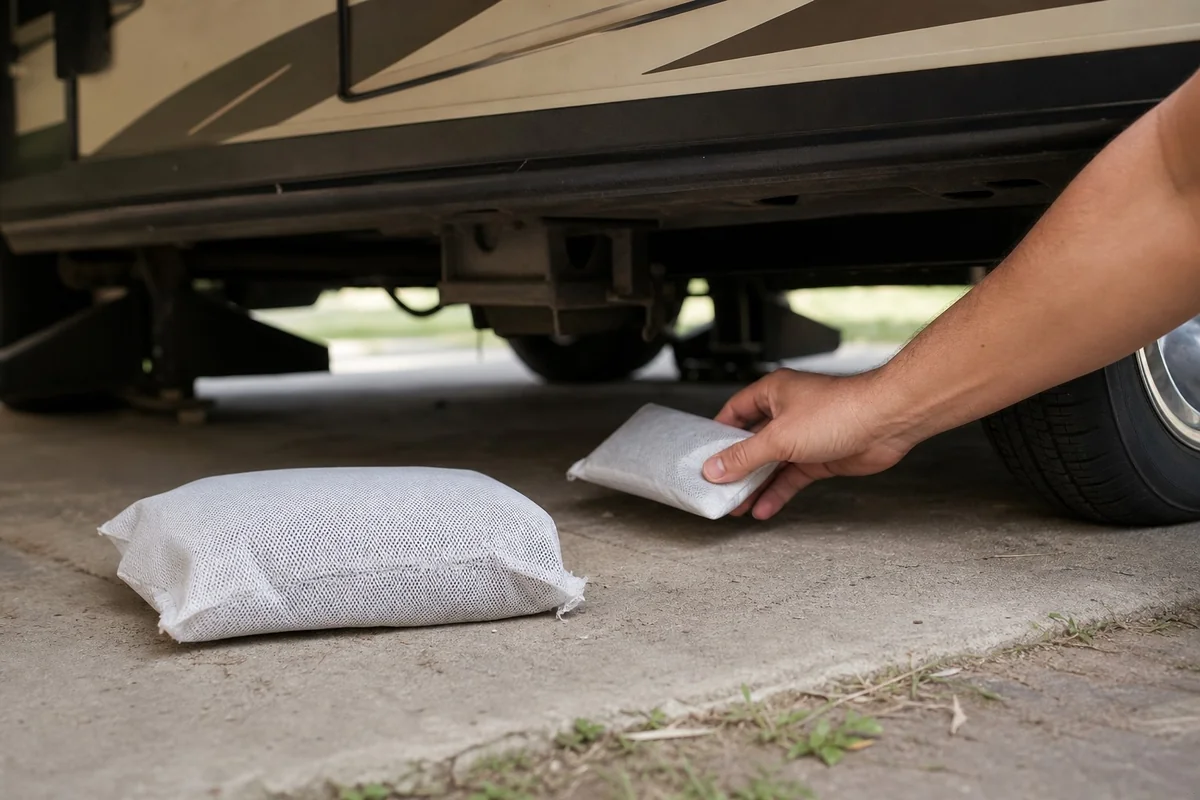
Best Rodent Repellents for RVs and Campers in Storage
The best rodent repellents for RVs and campers: Fresh Cab pouches, BugMD Vamoose Pro, Grandpa Gus's, Mighty Mint and steel wool for sealing, plus a storage plan.
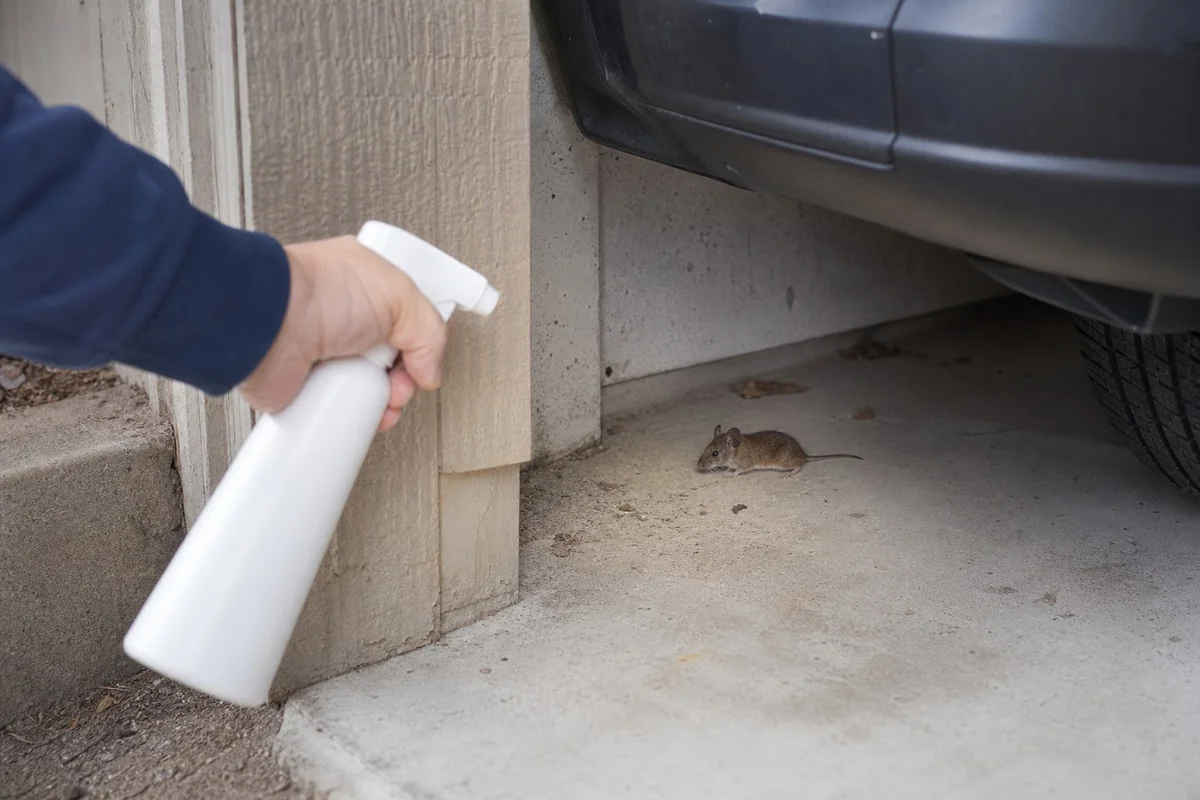
Best Rodent Repellent Sprays: Aerosol, Peppermint and Vehicle
Best rodent repellent sprays: Tomcat Continuous Spray, Mighty Mint, BIO YOLO and Mighty Mint Vehicle Spray, how well sprays work and how to use them with sealing.
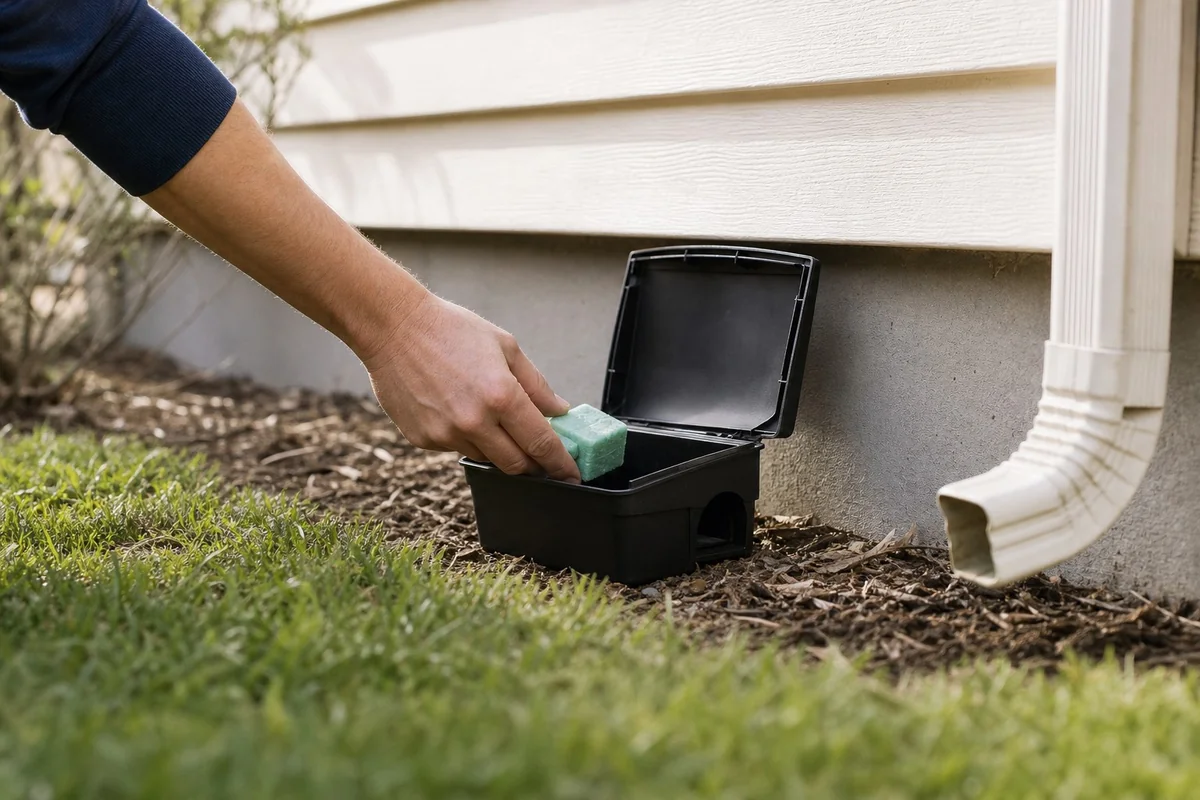
Best Rodent Repellents for the Home: What Actually Keeps Them Out
Best rodent repellents for the home: Xcluder door sweeps and steel wool, Fresh Cab pouches, Tomcat and Mighty Mint sprays, and why ultrasonic falls short.
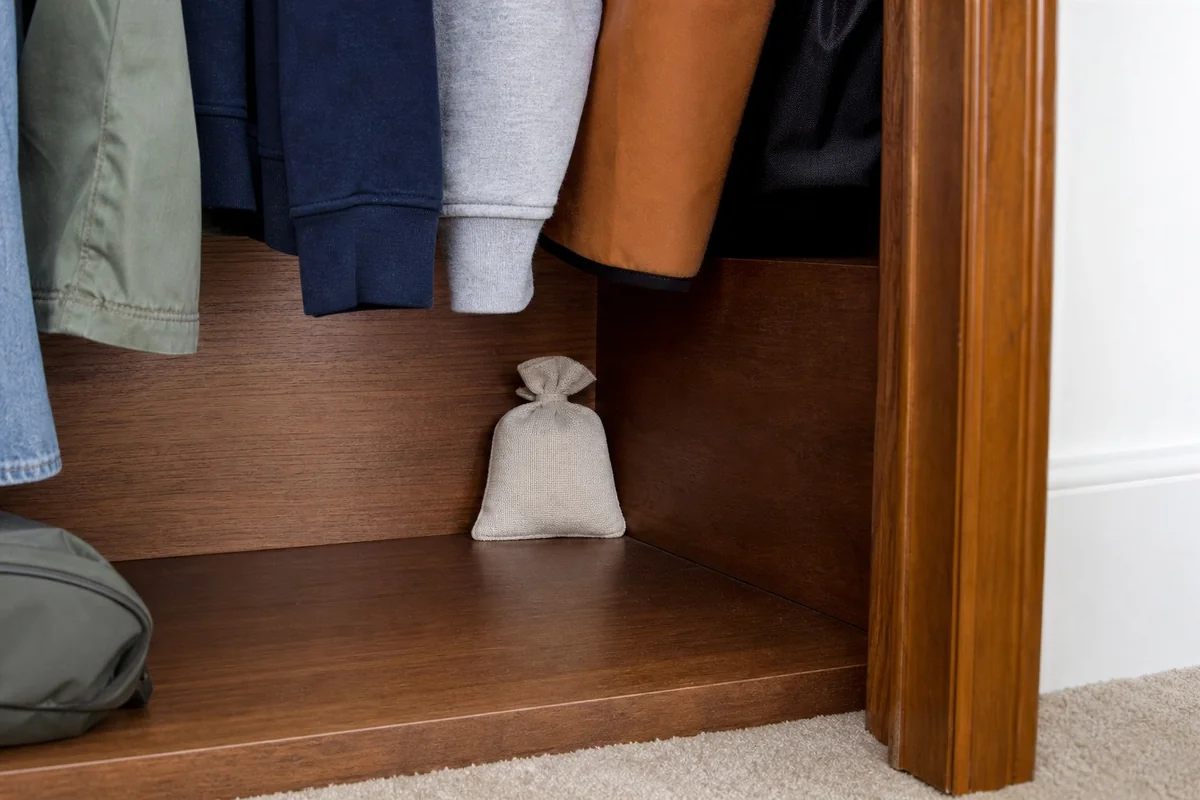
Best Rodent Repellent Pouches for Closets, Storage and Vehicles
Best rodent repellent pouches: Fresh Cab, Victor Scent-Away, Tomcat and ROTIAH, where pouches work and where they do not, and how to use them with traps and sealing.