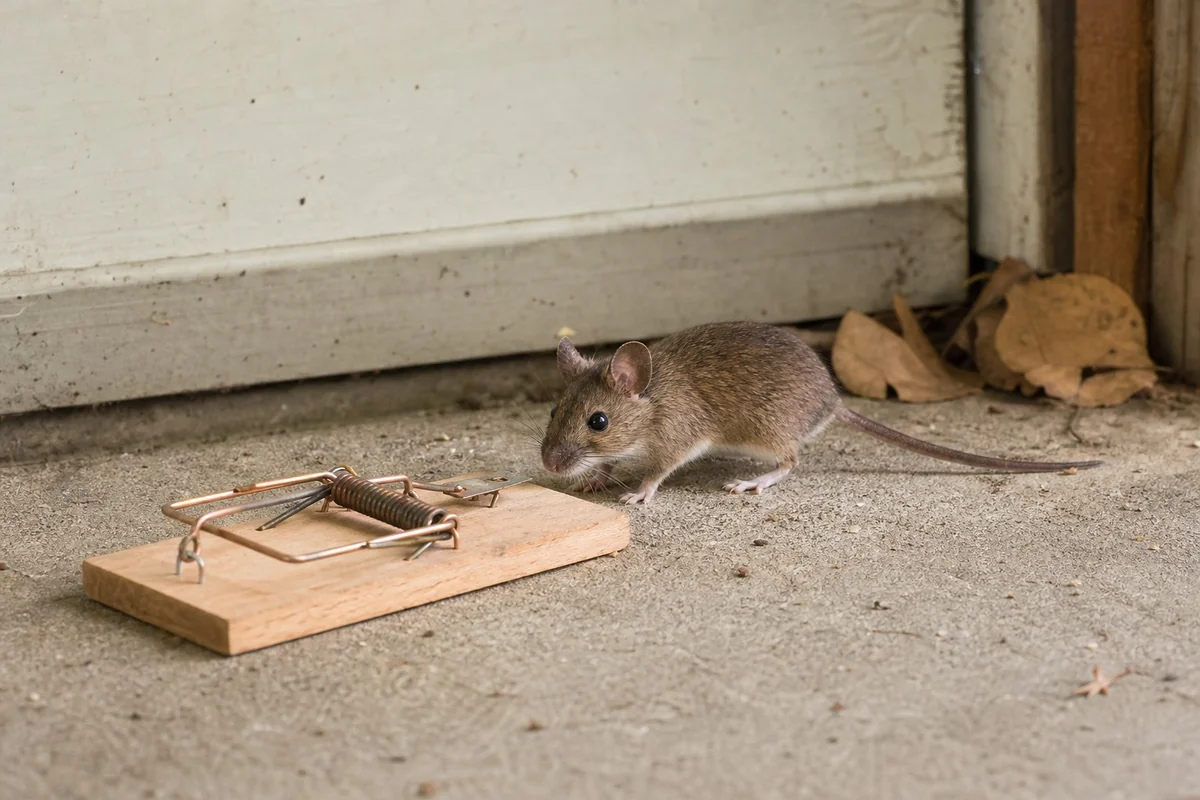

Do Mouse Traps Hurt Mice? How Each Trap Type Compares
Do mouse traps hurt mice? How snap, electronic, live, glue and bucket traps affect the mouse, which kill instantly, and the most humane way to trap.
Mouse traps can hurt mice, and how much depends on the trap and how it is set. A well-set snap or electronic trap kills within moments, while glue traps, live traps left unchecked and water buckets cause prolonged suffering. The kindest approach is a quick-kill trap set correctly, or a live trap checked every morning.
Do Mice Feel Pain in Mouse Traps?
Yes. Mice are mammals with the same basic pain and stress responses as other mammals, so a trap that injures without killing causes real suffering. The question is not whether a trap hurts but for how long, and whether the mouse is held alive in fear before anything else happens.
That is why the design and setting of a trap matter so much. A trap that strikes the head or neck ends things quickly; one that catches a leg, tail or snout leaves the mouse injured and struggling until you find it. For the trap types that kill most reliably, see our guide to the best mouse traps.
How Each Type of Mouse Trap Affects the Mouse
Trap types differ far more in how they treat the animal than in how many mice they catch. The table compares the common ones.
| Trap Type | What Happens to the Mouse | Main Welfare Concern | How to Reduce Suffering |
|---|---|---|---|
| Snap trap | Bar strikes the head or neck and kills quickly | Leg or tail catches when set badly | Press bait into the back of the pedal, check daily |
| Electronic trap | Shock inside a chamber kills quickly | Weak batteries can fail to kill | Replace batteries when the low-battery light shows |
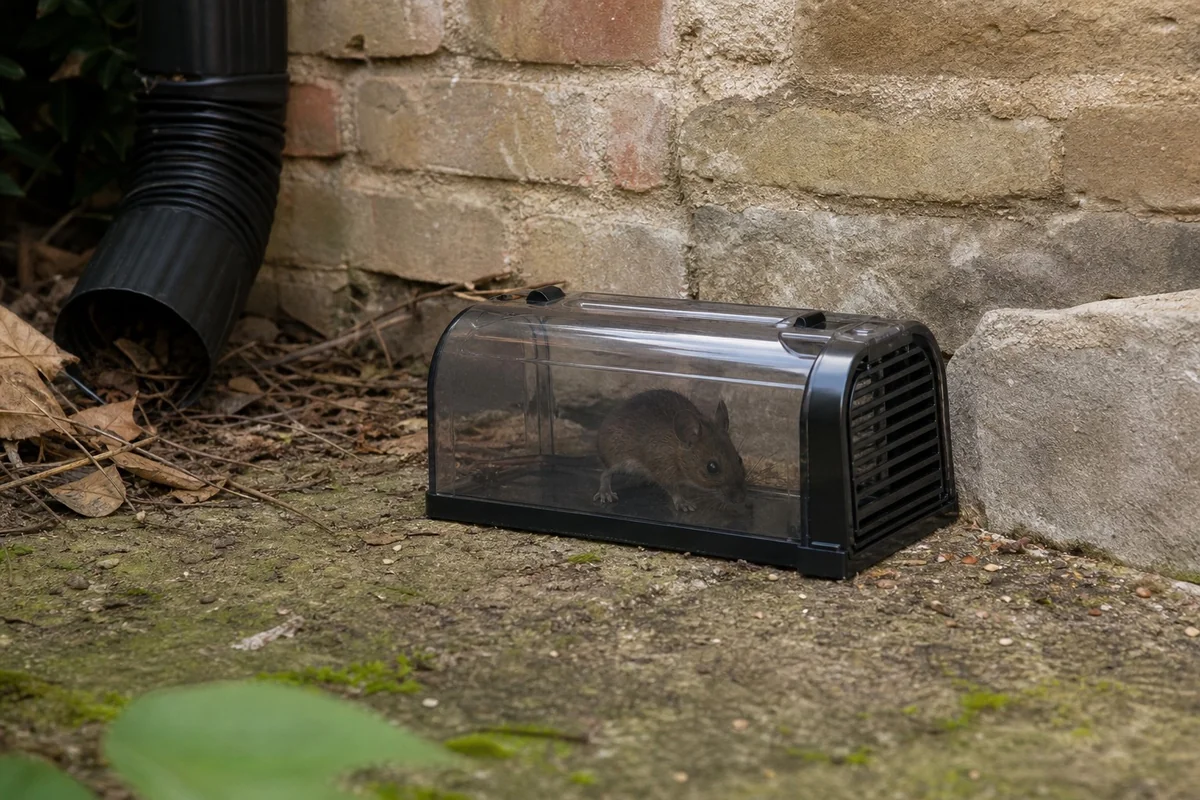
| Live-catch trap | Held alive until released | Stress, hunger and cold if left too long | Check every morning, follow local rules on release |
| Glue trap | Stuck alive on the board | Prolonged struggle and distress | Avoid them for mice |
| Water bucket trap | Falls into water and drowns | Drowning is not considered humane | Keep a bucket trap dry and check it daily |
UC IPM's house mouse guide states that drowning is not considered humane and points to veterinary euthanasia guidelines, and it notes that adult mice often avoid glue boards, so glue mostly catches young mice. The mouse traps section covers each of these trap types in more detail.
Do Mouse Traps Kill Instantly?
A snap trap that hits the neck or the back of the head usually kills almost instantly, because the bar breaks the neck or spine. The catch is the word “usually.” If the mouse approaches from the side, the bait sits on the front edge of the pedal, or the trap is too weak for a large mouse, the bar can land on a leg, tail or snout instead.
Electronic traps also kill quickly when the batteries are fresh, since the mouse has to step fully onto the plates inside the chamber. As batteries weaken, the shock may stun rather than kill, which is why the low-battery light matters.
How Long Can a Mouse Survive in a Trap?
It depends on the trap. A mouse caught by a leg in a snap trap, held in a live trap or stuck to a glue board can survive for hours, and on a glue board or in a live trap without food or water it can last much longer, suffering the whole time.
That is the strongest argument for checking every trap first thing each morning. Mice are mostly active at night, so a morning check finds overnight catches before a long day in the trap. It also makes the difference between a live trap that is humane and one that is not.
Is It Cruel to Trap Mice?
Trapping is not inherently cruel; leaving mice in a home is not kind either, because a growing population spreads droppings and urine and damages food and wiring. The cruelty comes from traps that cause slow deaths and from traps that are set badly or checked rarely.
- Kindest kill: a properly set snap trap or a well-maintained electronic trap.
- Kindest no-kill: a live trap checked every morning.
- Least humane: glue boards and water buckets, which cause prolonged suffering.
Whichever you choose, sealing the gaps mice use to get in means fewer mice to trap at all.
Can Mouse Traps Hurt People and Pets?
A mouse snap trap can pinch a finger hard enough to bruise and sting, and it happens most often while setting a wooden trap with the fingers near the bar. Rat traps use a much stronger spring and can cause a more serious injury, so they deserve extra care.
Cats and dogs can catch a paw, nose or tongue in an open snap trap when they investigate the bait, and they can get stuck on glue boards. In a home with pets, use enclosed tunnel or electronic traps and put them behind appliances or inside cabinets.
Common Questions About Whether Mouse Traps Hurt
What should I do if a mouse is still alive in a snap trap?
What should I do if a mouse is still alive in a snap trap?
Act quickly to end its suffering. Wearing thick gloves, either release it if it is only lightly held and uninjured, or end its life quickly; many people ask a pest professional or vet for help. Then reset traps so the bait sits at the back of the pedal.
Are live traps more humane than snap traps?
Are live traps more humane than snap traps?
Only if you check them often and release mice properly. A live trap left for a day or more causes stress, hunger and cold, and a mouse released near the house usually comes back. A well-set snap trap that kills instantly can be the kinder option.
Can a mouse trap break a finger?
Can a mouse trap break a finger?
A standard mouse snap trap pinches hard and can bruise, but serious injuries are uncommon. Rat traps have much stronger springs and can cause more damage, so set any wooden trap by the edges and keep fingers out of the bar's path.
Is it safe to release a mouse caught in a glue trap?
Is it safe to release a mouse caught in a glue trap?
Freeing a mouse from glue is difficult and often injures it; vegetable oil loosens the glue, but the stress and injuries remain. The better answer is to avoid glue traps for mice and use snap, electronic or live traps instead.
Key Takeaways
The difference between a humane trap and a cruel one is time. Quick-kill traps that are set well, and live traps that are emptied each morning, keep that time short; glue boards and water buckets stretch it out.
How you set and check a trap matters as much as which one you buy. Bait the back of the pedal, place traps against walls, keep batteries fresh and look at every trap first thing in the morning.
Tonight, reset any trap you own so the bait sits at the back of the pedal and the bait end touches the wall.
Related Articles
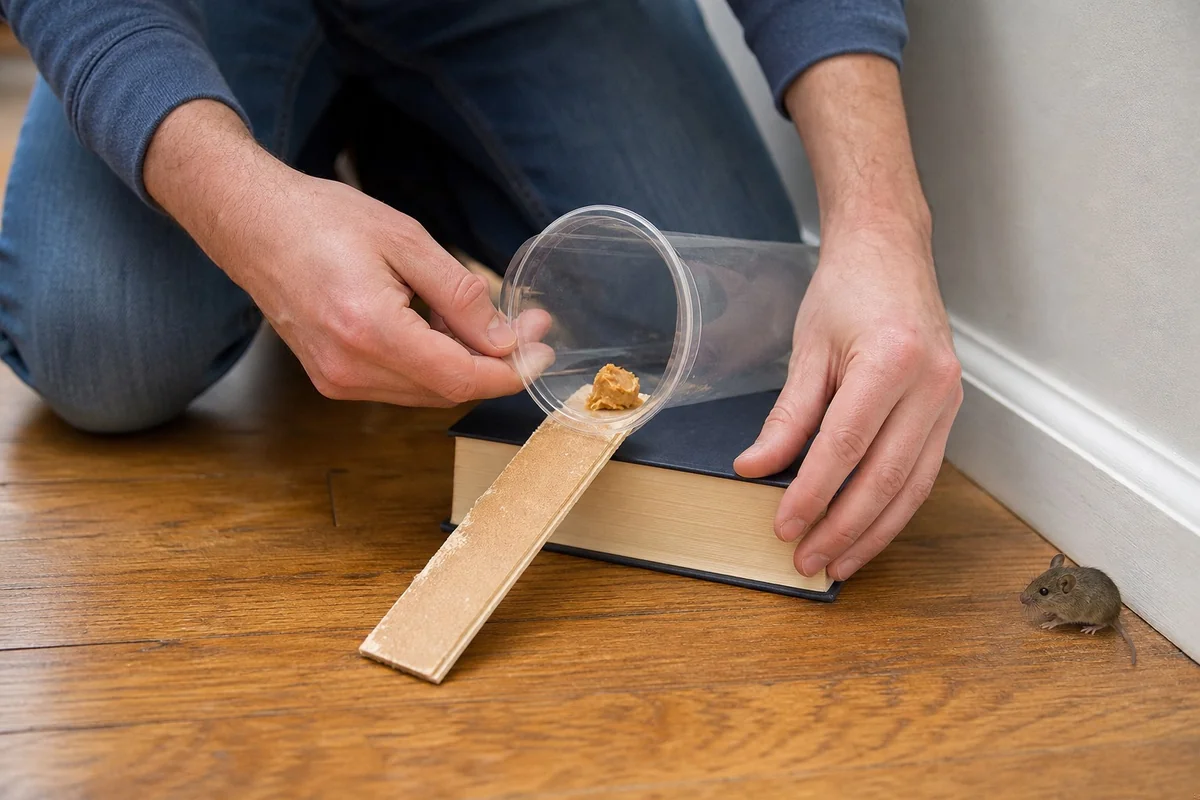
How to Make a DIY Mouse Trap for Indoors
How to make a DIY mouse trap for indoors: a dry bucket trap with a spinning bottle and ramp, plus simpler toilet paper roll and cup designs and common mistakes.
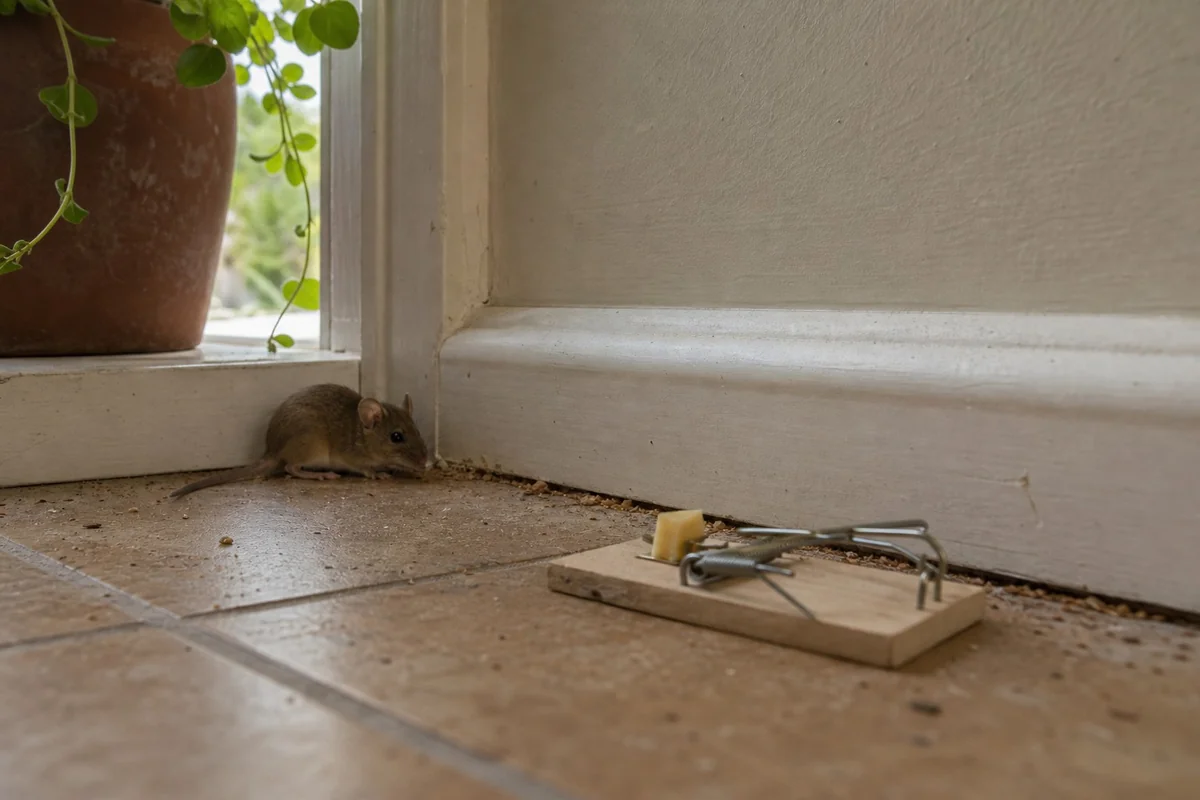
Do Mouse Traps Work? Why Some Fail and How to Fix It
Mouse traps work when they sit on the runways mice use. Why traps fail, how a snap trap kills, whether mice learn to avoid traps, and traps for rats.
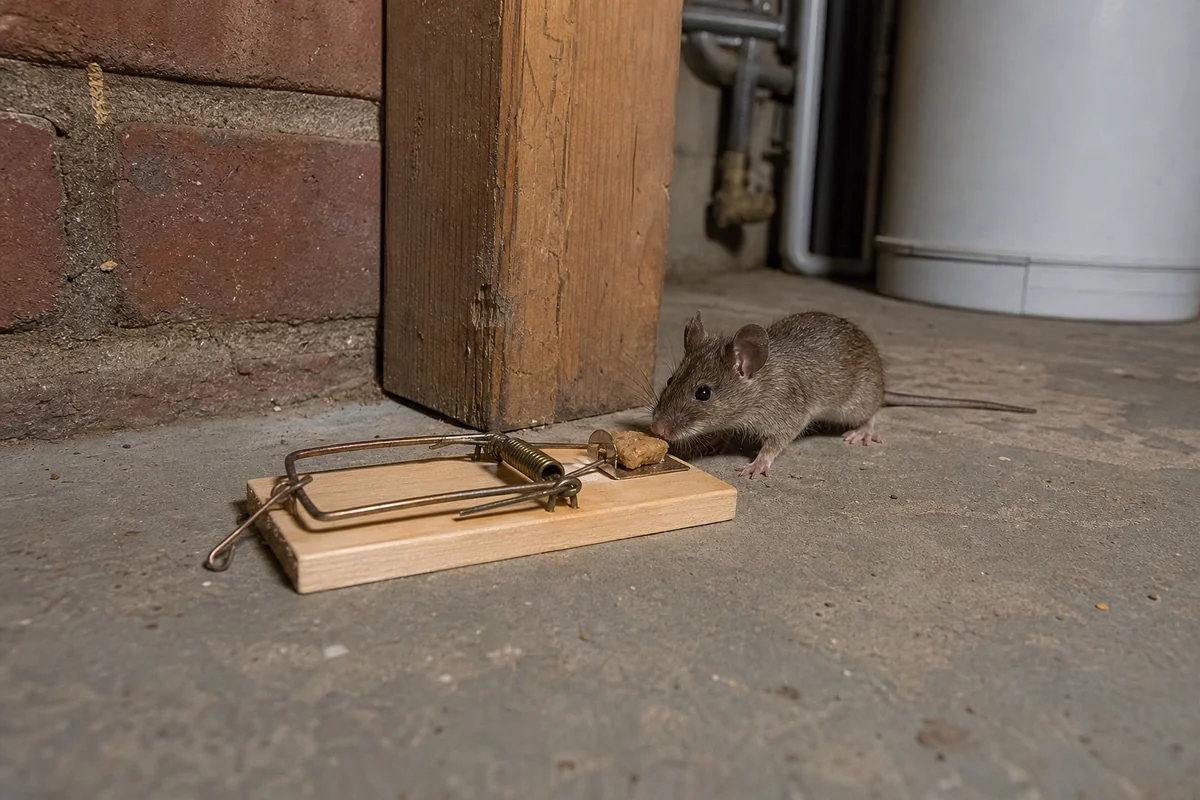
Best Mouse Traps: Snap, Electronic, Live and Glue Picks
The best mouse traps for every home: snap traps for most infestations, electronic and enclosed traps for kids and pets, and live-catch traps for no-kill homes.
Best Mouse Traps for Homes With Pets: Enclosed and No-Kill Picks
The best mouse traps for homes with pets: enclosed electronic and tunnel snap traps that keep bait out of reach, plus live traps for no-kill households.