
 Pest Pro Reviews Editorial Team • • 15 min read •
Best Rat Traps for the Home: Snap, Covered, Electric and Live
The best rat traps for the home: Tomcat and Tougher Than Tom snap traps, TRATPER and UCatch covered traps, the Rat Zapper and a live cage, plus how to set them.
The best rat trap for most homes is the Tomcat Rat Snap Trap, a cheap rat-size snap trap that buyers say often works the first night. The Tougher Than Tom Sure-Catch is the sturdier snap pick, TRATPER and UCatch tunnel traps suit homes with pets, the Rat Zapper is the no-touch electronic option, and the Anyhall cage is for no-kill trapping.
- Rat-size snap traps are the most effective and economical way to trap rats, and a mouse trap is too weak to hold one.
- Rats avoid new objects, so traps left baited but unset for a few nights catch far more than traps set on day one.
- Where pets or children can reach, a covered tunnel trap or an electronic trap keeps the killing mechanism out of reach.
What Separates a Rat Trap From a Mouse Trap
A rat is a much bigger, stronger animal than a house mouse, and a mouse trap is not built for it. A rat can set off a mouse trap, take a glancing blow and pull free injured, and a rat that escapes once is very hard to catch again. A real rat trap has a larger body, a wider trigger and a spring strong enough to kill on contact.
The size gap works the other way too. UC IPM's rat pest guide warns that mice and small young rats often will not trigger a rat snap trap, so check what you are dealing with first. Rat gnaw marks are about 1/6 inch wide, roughly twice the size of a mouse's scratchy marks, and rat droppings are clearly larger than the rice-grain droppings of mice.
The other difference is behavior. Rats quickly detect and avoid new objects and new foods, so they often ignore a fresh trap for days. That caution, called neophobia, decides more catches than the brand of trap; our article on whether rat traps work explains why rats walk around traps and how to change that. For the wider plan, including bait stations and repellents, see our overview of mouse and rat control.
Identify your needs and get personalized recommendations
Rats in a space pets and children never enter; you want many traps cheaply.
Traps go where a dog, cat or child could find them.
You want catches hidden and emptied without contact.
You will not use kill traps and can check a cage every morning.
Rat Trap Types Compared
We compared rat traps on how quickly they kill, how safe they are to set and use around a household, how well they hold a large rat and what buyers report about reliability. Our sources were makers' specifications and instructions, Amazon listings and Amazon's review digests, plus extension and public health guidance; we did not test the traps. The table shows how the main types differ before you look at individual picks.
| Trap Type | How It Works | Best For | Key Trade-Off |
|---|---|---|---|
| Plastic snap trap | Toothed jaws snap shut when the rat touches the trigger | Basements, garages, crawl spaces and attics | Exposed jaws; keep away from pets and children |
| Covered tunnel trap | Snap mechanism inside a housing with an entry at each end | Rooms that pets or children can reach | Costs more per trap; some are tight for very large rats |
| Electronic trap | Battery-powered shock inside a closed chamber | Owners who never want to see or touch a catch | Expensive per trap; indoor use only; reliability varies |
| Live cage trap | Door locks shut behind the rat | Households set on no-kill trapping | Release is restricted in some areas; must be checked daily |
| Wooden snap trap | Spring bar on a wooden base | Large numbers of traps on a small budget | Harder and riskier to set; quality varies by batch |
| Glue board | Adhesive holds the animal alive | Not recommended for rats | Often fails to hold a large rat; cruel and risky to pets |
Plastic snap traps and covered tunnel traps cover most homes, which is why four of the six picks are snap designs. The rat traps section has a guide for each setting, from the attic to the chicken coop.
Best Plastic Rat Snap Traps
Plastic rat snap traps are the workhorse of rat control. They cost little enough that you can buy the number a real infestation needs, they kill quickly when a rat steps on the trigger, and most set by squeezing rather than by pulling back a bare spring bar. For a room-by-room setup, our guide on how to trap rats indoors shows where they go.
Tomcat Rat Snap Trap: Best Overall
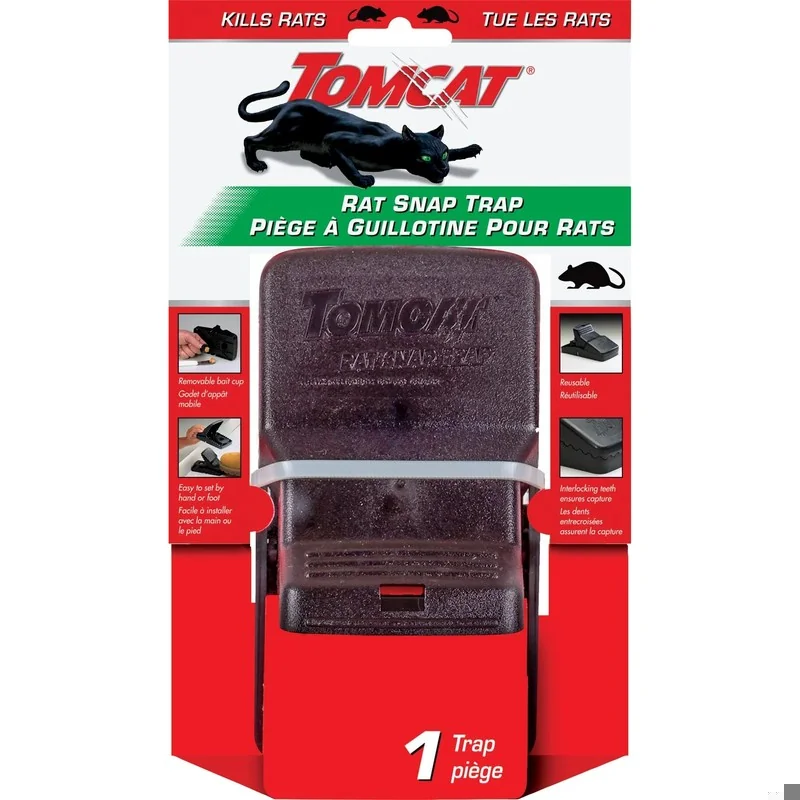
The Tomcat Rat Snap Trap (model 0361710) is a high-impact plastic rat trap with interlocking teeth and a removable bait cup. It is our top pick because buyers consistently describe it as effective, often on the first night, and it is cheap enough to buy by the handful.
- Each trap measures 8.63 x 3 x 5 inches and is listed for indoor and covered outdoor use.
- The maker says it sets by hand or foot: press the top down until it clicks into position.
- The bait cup lifts out, so you can bait and clean the trap without setting it, which makes pre-baiting easy.
- Buyers find it very easy to bait and set and safer for fingers than a wooden trap.
- Durability feedback is mostly negative: buyers report thin plastic pins and the bait cup attachments breaking.
Choose it for kitchens behind appliances, basements, garages and crawl spaces that pets cannot reach. Because individual traps can wear out, buy a few more than you plan to set.
Tomcat Rat Snap Trap
Best for: Most homes, garages and crawl spaces, set in numbers
- ✓Buyers find it very effective, often the first night
- ✓Sets by hand or foot
- ✓Removable bait cup
- −Buyers report thin plastic pins and bait cups breaking
- −Exposed jaws; keep away from pets
Specifications (4)
- Target Species
- Rat
- Material
- Plastic
- Product Dimensions
- 8.63"L x 3"W x 5"H
- Recommended Uses For Product
- Indoor,Outdoor
Tougher Than Tom Sure-Catch: Best Heavy-Duty Snap Trap
The Tougher Than Tom Sure-Catch 2-Pack is a reinforced polymer rat trap with a high-tension steel spring, a rear setting lever and a bottom-loading bait cup. It is the pick for owners who have broken cheaper plastic traps and want to empty traps without touching the rat.
- The pack holds 2 traps, model TTT-RatTrap.
- The maker describes one-handed setting with the rear lever and a one-click release that drops the catch into the trash.
- The bait cup loads from below, so your fingers stay out of the strike zone while baiting.
- Buyers find it easy and safe to set and say it works better than regular snap traps; opinions on durability differ.
- It has a much shorter sales record than the Tomcat, so long-term durability is less proven.
Pick it for a garage, shed or crawl space where you want a heavier trap that sits steady. If you need many traps on a budget, the Tomcat gives you more of them for the money.
Tougher Than Tom Sure-Catch Rat Trap
Best for: A sturdier snap trap with no-touch disposal
- ✓One-handed setting with a rear lever, per the maker
- ✓Bottom-loading bait cup keeps fingers clear
- ✓One-click release into the trash
- −Short sales record; durability less proven than the Tomcat
Specifications (1)
- Unit Count
- 2 Count
Best Covered Rat Traps for Homes With Pets
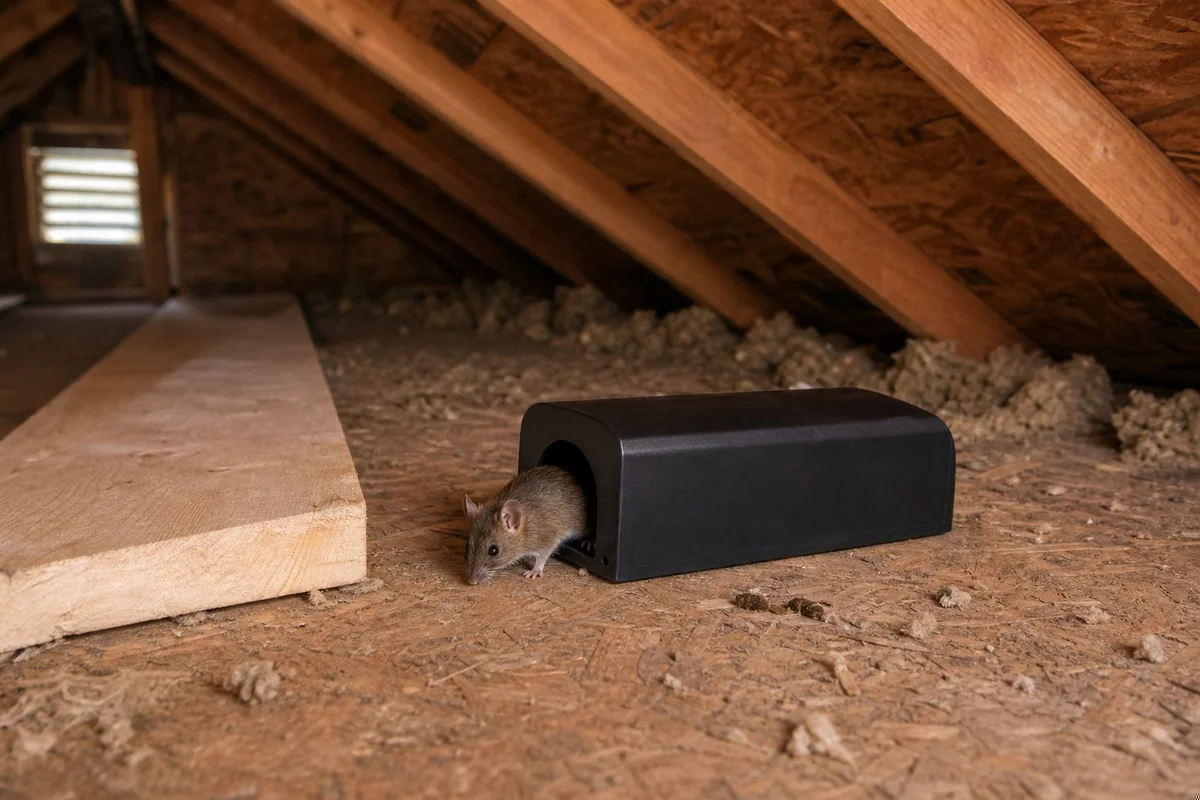
A covered tunnel trap hides the snap mechanism inside a plastic housing with an entrance at each end. A rat runs through the tunnel as it would along a wall, while a dog's muzzle or a child's hand cannot reach the jaws. If rats are in the roof space, these also fit well along joists; our guide to rat traps for the attic covers that setup.
TRATPER Rat Traps: Best Covered Trap
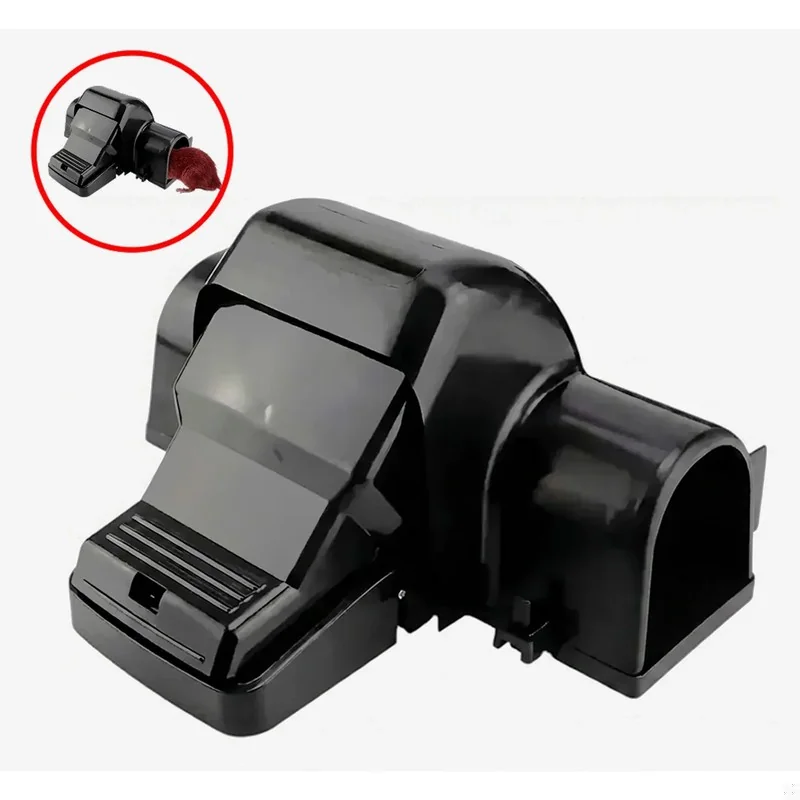
TRATPER's trap is a black ABS tunnel with an entrance at each end and a toothed snap jaw inside, sold in pairs. It is our covered pick because buyers praise both its catches and how safe it is around pets.
- Each trap measures about 6 x 5 x 8 inches, according to the listing.
- The maker says the trapping mechanism sits inside the enclosed tunnel to keep children and pets out of harm's way.
- Setting is hands-free: put bait in, place the trap and push the lever down.
- Buyers report quick catches, easy baiting and setting, and solid construction with strong jaws.
- Some buyers call individual units poor quality, so test each one when it arrives.
Choose it for kitchens, laundry rooms and living spaces where pets or children could find a trap. Its size suits wide runways along walls better than tight gaps behind appliances.

TRATPER Rat Traps 2-Pack
Best for: Rooms pets or children can reach
- ✓Mechanism enclosed in the tunnel
- ✓Buyers report quick catches
- ✓Strong jaws, per buyers
- −Some buyers report poor-quality units
Specifications (3)
- Target Species
- Rat, Chipmunk, Large Mouse, Large Mice
- Unit Count
- 2 Count
- Product Dimensions
- 6"L x 5"W x 8"H
UCatch Dual-Entry Rat Trap: Best for Pets and Chickens
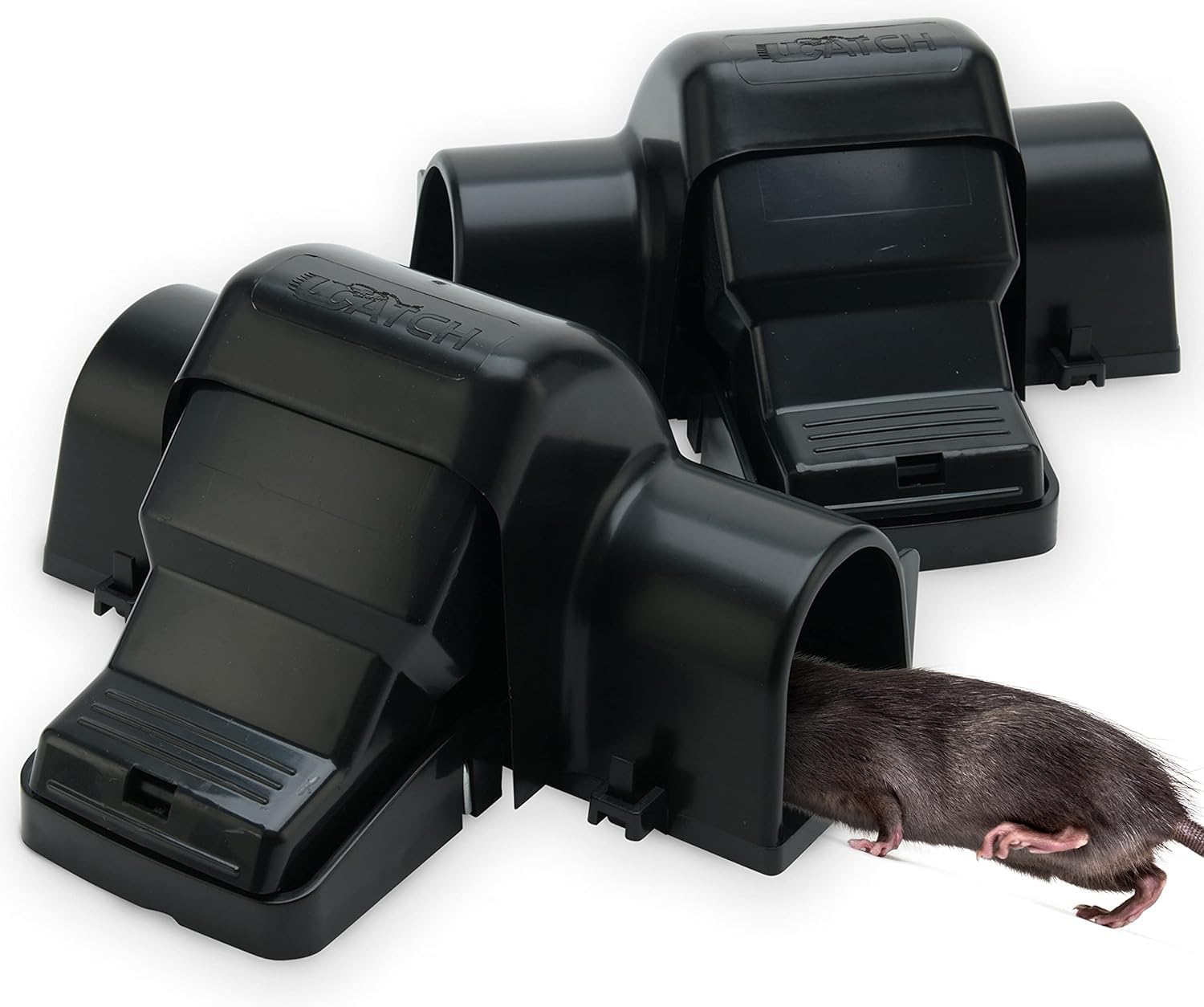
The UCatch 2-Pack is a dual-entry tunnel trap in ABS plastic with hands-free setting and disposal, listed for rats, mice and chipmunks indoors and out. Buyers single it out for safety around animals.
- The pack holds 2 traps made of ABS plastic.
- The maker describes setting it by inserting bait and pressing the lever down, then emptying it without touching the catch.
- Buyers say it is much safer than traditional traps around pets and chickens.
- Size feedback is mostly negative: buyers say the entry and bait cup are too narrow for very large rats.
- Durability feedback is mixed, from months outdoors to breaking after first use.
Pick it for homes with curious pets, and for sheds and coops where rats are average size. For coop placement in detail, see our guide to rat traps for a chicken coop.
UCatch Dual-Entry Rat Trap
Best for: Homes with curious pets, sheds and coops
- ✓Buyers say it is much safer around pets and chickens
- ✓Easy no-touch disposal
- −Buyers say the entry is too narrow for very large rats
- −Mixed durability feedback
Specifications (3)
- Material
- Premium ABS plastic
- Unit Count
- 2 Count
- Target Species
- Rat, Mouse, Chipmunk, Squirrel
Best Electronic Rat Trap
Electronic traps lure the rat into a closed chamber and kill it with a high-voltage shock when it steps on the metal plates. They suit people who cannot face handling a snap trap or a dead rat. UC IPM notes that electrocution traps cost considerably more than other traps, still need pre-baiting and need to be checked often.
Victor Rat Zapper Classic: Best No-Touch Trap
The Rat Zapper Classic 4-Pack (model RZC001-4) is a battery-powered chamber trap that the maker describes as delivering a continuous shock for 2 minutes after a rat enters. You tip the trap over the trash to empty it and never see the catch.
- The pack holds 4 traps; each runs on 4 AA batteries, not included.
- The maker rates one battery set for up to 20 rats and lists it for mice and average-size rats.
- A blinking green light signals a catch and a red light signals low batteries.
- It is for indoor use only, including attics, garages, basements and sheds, per the maker.
- Buyers find it easy to bait and empty, but reliability is mixed: some units stop working after a single kill and some lights never turn on.
Choose it for an attic or basement where you want catches hidden and handled without contact. Keep spare batteries and a couple of snap traps as backup, since a dead unit catches nothing. Electronic traps are also quieter than snap traps; our article asking whether rat traps are loud compares the noise.

Victor Rat Zapper Classic 4-Pack
Best for: Indoor trapping without seeing or touching a catch
- ✓No-see, no-touch disposal
- ✓Green light signals a catch
- ✓Four traps per pack
- −Buyers report some units failing after one kill
- −Indoor use only; needs 4 AA batteries each
Specifications (3)
- Power Source
- Battery Powered
- Target Species
- Mouse, Rat
- Unit Count
- 4 Count
Best Live Rat Trap
A live cage holds the rat unharmed until you deal with it. Before you buy one, know what public health guidance says. The CDC advises against live traps and glue traps, because trapped rodents panic and urinate, which raises your risk of disease.
UC IPM adds that live trapping is not recommended for nonprofessionals. In California, it notes, a trapped rat must legally be euthanized or released immediately where it was caught, and releasing rats elsewhere spreads the problem to neighbors and harms native wildlife. Rules differ by state and city, so check yours before trapping; our article on whether rat traps are humane weighs this against kill traps.
Anyhall Live Cage Traps: Best No-Kill Trap
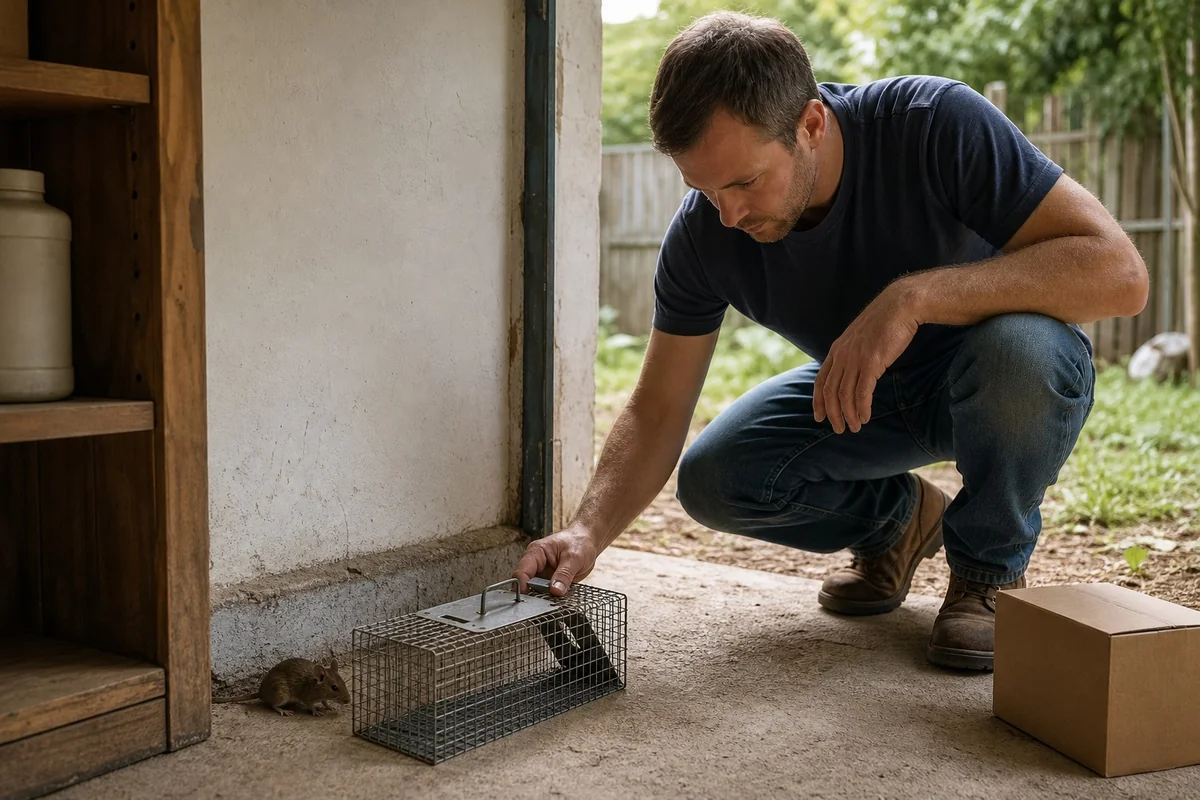
The Anyhall 2-Pack is an iron mesh cage with a large trigger pedal and a sliding door that locks automatically once the pedal is tripped. It is the pick for households that will not use kill traps and can follow the rules above.
- Each cage measures 12.5 x 5.5 x 4.5 inches, model 2RNB.
- The maker lists it for rats, mice, chipmunks and voles, and says it is not suitable for large squirrels or opossums.
- The maker advises safety gloves for release and a cloth over the cage to calm the animal.
- Buyers rate it highly on catch rate, quality and value, and some report catching a whole family of rats.
- Size feedback is mixed: some buyers find it too small for their needs.
Choose it only if you can check it every morning and handle the catch the way your local rules require. For most households, a kill trap ends the problem with less risk to you.

Anyhall Live Cage Traps 2-Pack
Best for: No-kill households that can check traps daily
- ✓Buyers rate catch rate and quality highly
- ✓Large trigger pedal
- ✓Two cages per pack
- −Release of rats is restricted in some areas; check local rules
- −Not for large squirrels or opossums, per the maker
Specifications (3)
- Material
- Iron
- Product Dimensions
- 12.5"L x 5.5"W x 4.5"H
- Unit Count
- 2 Count
Why Wooden Traps and Glue Boards Are Not on This List
Wooden rat traps are the classic design, and they can work, but the ones among our candidates drew mostly negative feedback where it matters most. Buyers of Victor's wooden rat traps (a pooled digest across that product line) report traps that will not stay set, go off while being set and are dangerous to fingers. The JT Eaton Bigfoot drew mostly negative feedback on quality, durability and setting.
Several budget plastic multi-packs missed for the same reason. Buyers of the Guarden 6-pack say most traps will not stay set for more than a few minutes, and buyers of the Feeke 6-pack report traps that break or will not stay open. The Kat Sense tunnel trap is a good mouse trap, but buyers say it is too small for rats.
Glue boards are left out entirely. UC IPM calls them difficult to use and not generally recommended for nonprofessional use, and never outdoors, where wildlife gets stuck. UGA's extension guidance adds that sticky traps probably will not hold a large rat, and a rat stuck alive suffers until someone kills it.
How to Set Rat Traps So They Catch Rats
Finding the best spots matters more than the trap you buy, according to UC IPM. Look for droppings, gnaw marks, greasy rub marks along walls and pipes, and burrows along the foundation. The best spots sit between where rats shelter and where they feed.
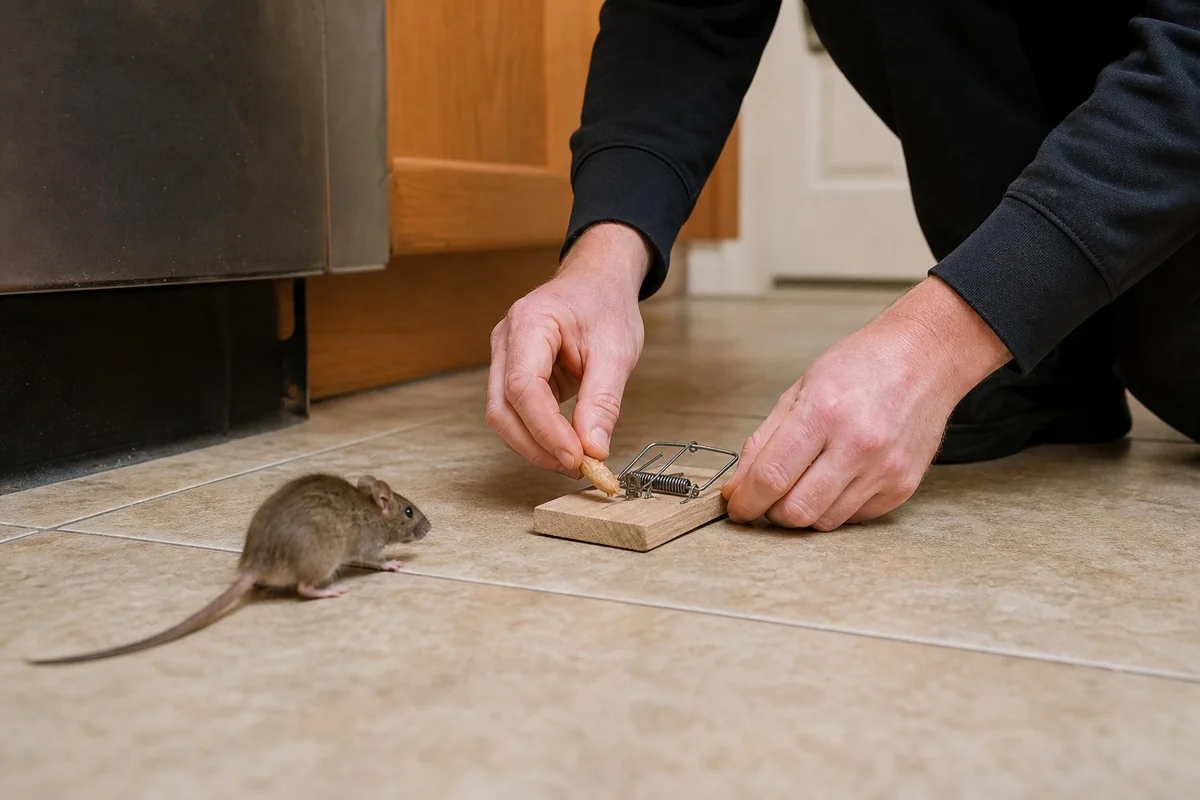
- Angle: set each trap at a right angle to the wall with the trigger end nearly touching it, so a rat running along the wall crosses the trigger. Traps set parallel to the wall go in pairs, back to back, to catch rats from either direction.
- Height: Norway rats travel on the ground, along walls and behind objects; roof rats climb, so their traps go on ledges, shelves, pipes, fences and beams as well as the floor.
- Bait: a pea-sized amount of nuts, dried fruit, bacon, dry pet food or peanut butter is enough. Tie dry bait to the trigger with thread so the rat has to tug at it.
- Spacing: UC IPM suggests rat traps about 10 to 20 feet apart, and a dozen or more for a heavily infested home.
- Anchoring: where you can, fasten traps to the surface they sit on, which focuses the snap and stops a rat dragging the trap away.
Will Rats Fall for the Same Trap Twice?
Rarely. UC IPM warns that a rat that sets off a trap without being caught becomes very hard to trap again, so the first set has to count. Leave traps baited but unset until the bait has been taken several times, then set all of them on the same night.
The CDC notes that rats may take several days to approach a trap, so give an unset trap time before moving it. Once rats are eating from it, set it with the same bait so nothing about it changes. If an indoor trap stays untouched for a week while fresh droppings appear nearby, move it closer to the signs.
How to Choose the Right Type of Rat Trap
Start with who else uses the space, then how you feel about handling a catch. Rats rarely come out during the day, and most homes need several traps working at once, so the right type is the one you can set in numbers and check every morning.
- A basement, garage or crawl space only adults use: plastic snap traps, the Tomcat for numbers or the Tougher Than Tom for a sturdier build.
- Rooms with dogs, cats or small children: a covered tunnel trap, the TRATPER for strong catches or the UCatch where animals are curious.
- Outdoors or around a coop: covered traps only; open jaws and glue catch pets and birds. Our guide to outdoor rat traps covers the yard.
- No contact with the catch at all: the Rat Zapper, indoors, with snap traps as backup.
- No-kill households: the Anyhall cage, checked every morning and used within your local rules.
Whichever type you choose, seal the gaps rats use while you trap. UC IPM advises sealing holes larger than 1/4 inch and notes that young rats squeeze under a door with a 1/2-inch gap.
Common Questions About Rat Traps
Do I need different traps if I also have mice?
Do I need different traps if I also have mice?
Yes. A mouse, or a small young rat, is often too light to trigger a rat-size snap trap and can eat the bait without setting it off. If you find small droppings and scratchy gnaw marks as well as large ones, set mouse traps alongside your rat traps on the same runways.
Are traps better than poison for rats inside the house?
Are traps better than poison for rats inside the house?
Yes, indoors traps are the better choice. A poisoned rat does not die at once; it usually crawls into a wall void or behind an appliance, dies there and leaves a bad smell you cannot reach. Poison is also a risk to children and pets, so keep any bait stations outdoors and use them only as the label allows.
What is a rat's biggest fear?
What is a rat's biggest fear?
Rats are most wary of anything new or out of place in their territory, and of open spaces where they feel exposed. That is why traps work best tucked along walls and behind objects, left unset for a few nights until the rats treat them as part of the room.
What do I do with a dead rat in a trap?
What do I do with a dead rat in a trap?
Put on disposable gloves, then either release the rat straight into a plastic bag or bag the whole trap if it is cheap. Seal the bag and put it in the trash, then wash your hands well. Clean a reusable trap with soapy water before you set it again, and never touch a rat with bare hands.
Why does the bait disappear without the trap going off?
Why does the bait disappear without the trap going off?
Usually the bait is too large or too loose, so the rat can lick or pull it free from the edge. Use a pea-sized amount pressed into the cup, or tie dry bait to the trigger with thread. If the trap is set and still not firing, check that it is a rat-size trap set on its sensitive setting.
Should I keep rat traps out after the rats are gone?
Should I keep rat traps out after the rats are gone?
Keeping a few traps in place is a good idea where rats have been before, such as the attic or garage. Rats move toward houses in fall, and a trap that is already there is no longer new to them. Check them weekly and replace old bait.
Which One Should You Buy?
- Tomcat Rat Snap Trap wins for: most homes, set in numbers
- Tougher Than Tom Sure-Catch wins for: a sturdier snap trap with no-touch disposal
- TRATPER Rat Traps wins for: rooms pets or children can reach
- UCatch Dual-Entry Rat Trap wins for: curious pets, sheds and coops
- Victor Rat Zapper Classic wins for: never seeing or touching a catch
- Anyhall Live Cage Traps wins for: no-kill households
For most homes, buy a handful of Tomcat Rat Snap Traps: buyers find them effective, they cost little, and their removable bait cup makes pre-baiting easy. Set them at right angles to the walls where you find droppings and rub marks.
Choose the Tougher Than Tom if cheap traps have broken on you, the TRATPER or UCatch wherever pets or children roam, the Rat Zapper if you never want to touch a catch, and the Anyhall cage only if your local rules allow release. For attic, outdoor and coop setups, the rat traps section has a guide for each.
Tonight, put out baited but unset traps on the three busiest runways, and set them once the bait starts disappearing.
Guides in This Topic
 Best Rat Traps for the Attic: Snap, Covered and Electric Picks
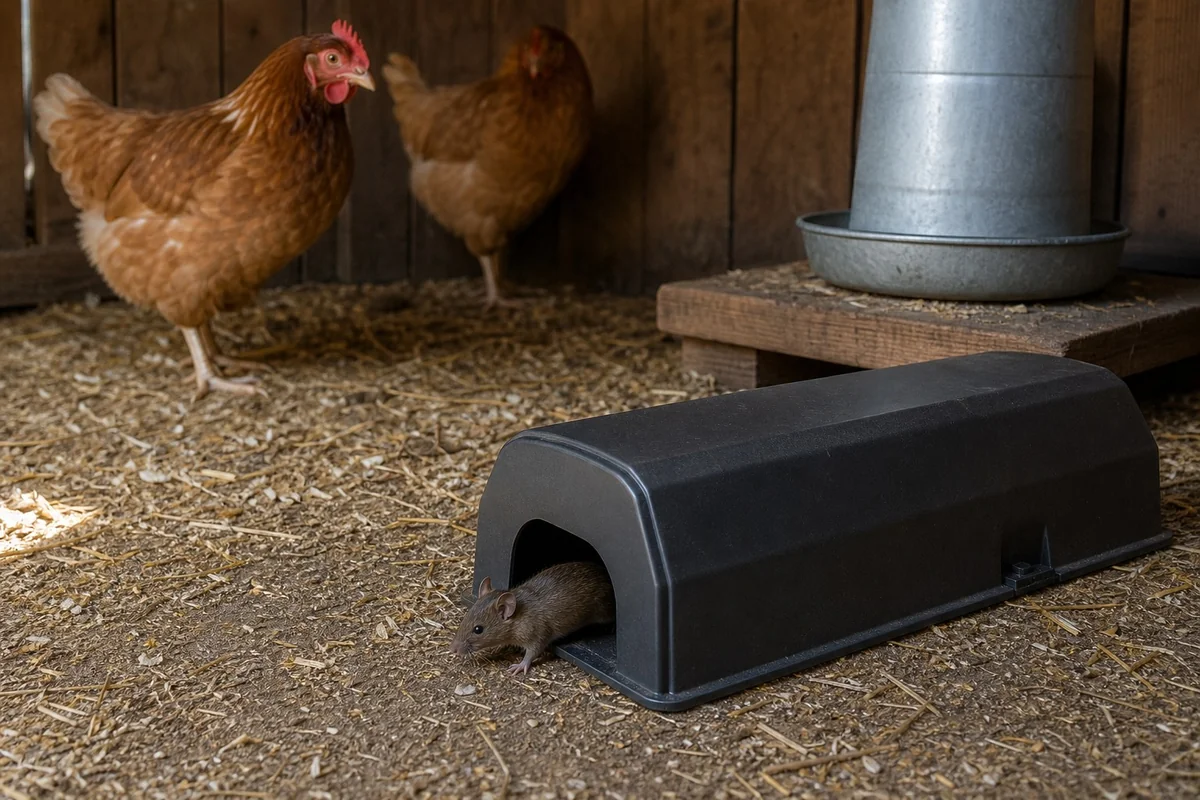 Best Rat Traps for a Chicken Coop: Covered, Hen-Safe Picks
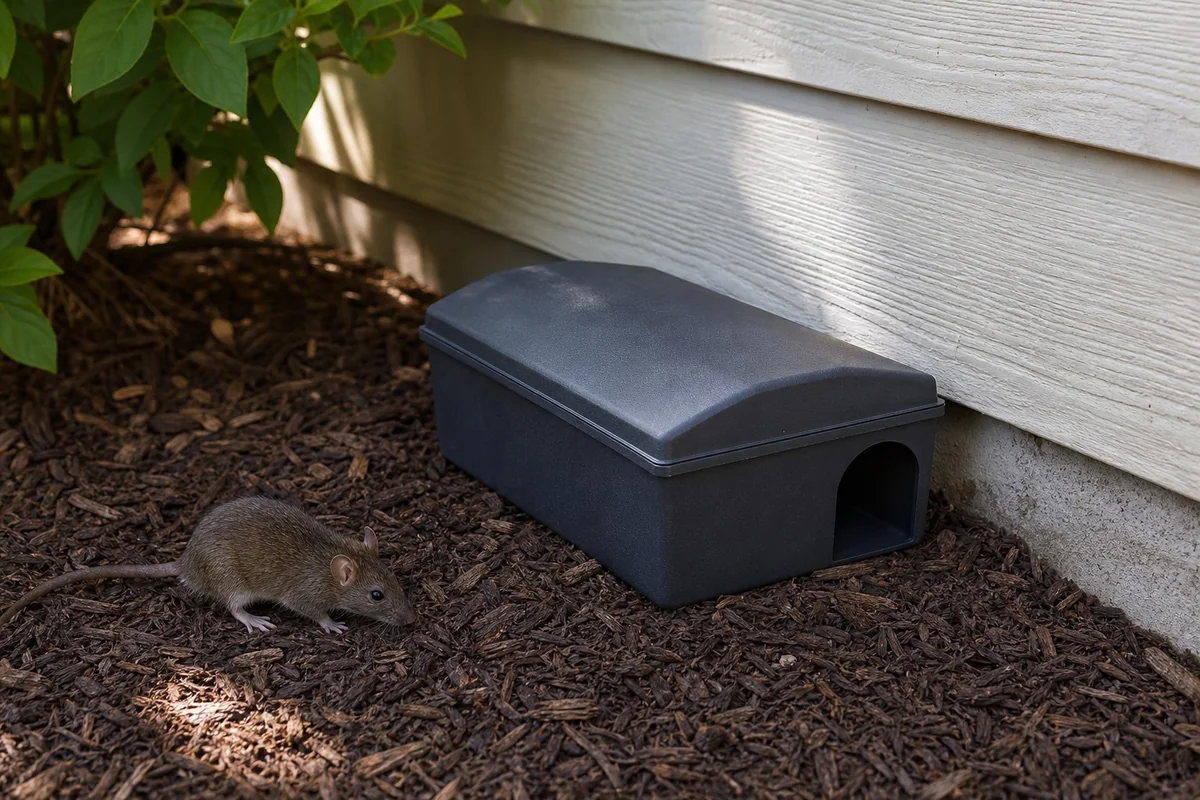 Best Outdoor Rat Traps: Covered and Pet-Safe Picks
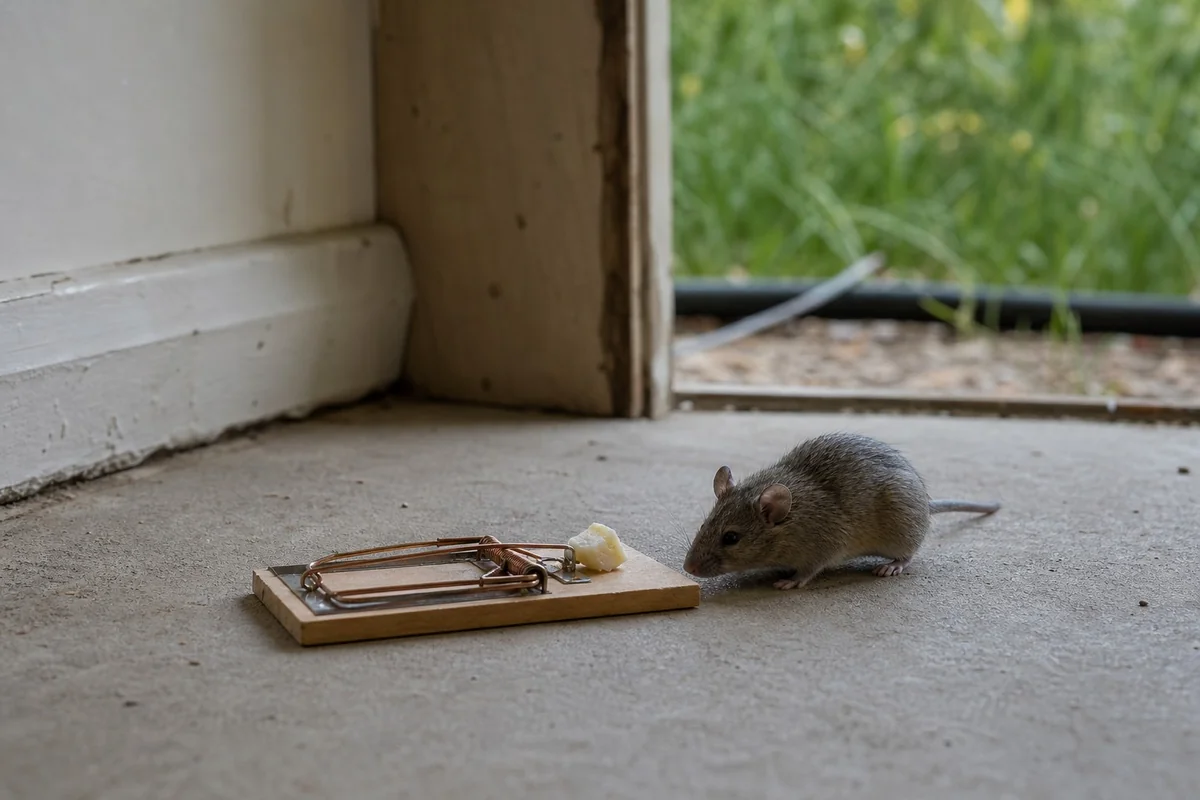 Are Rat Traps Loud? What You Will Hear and Why
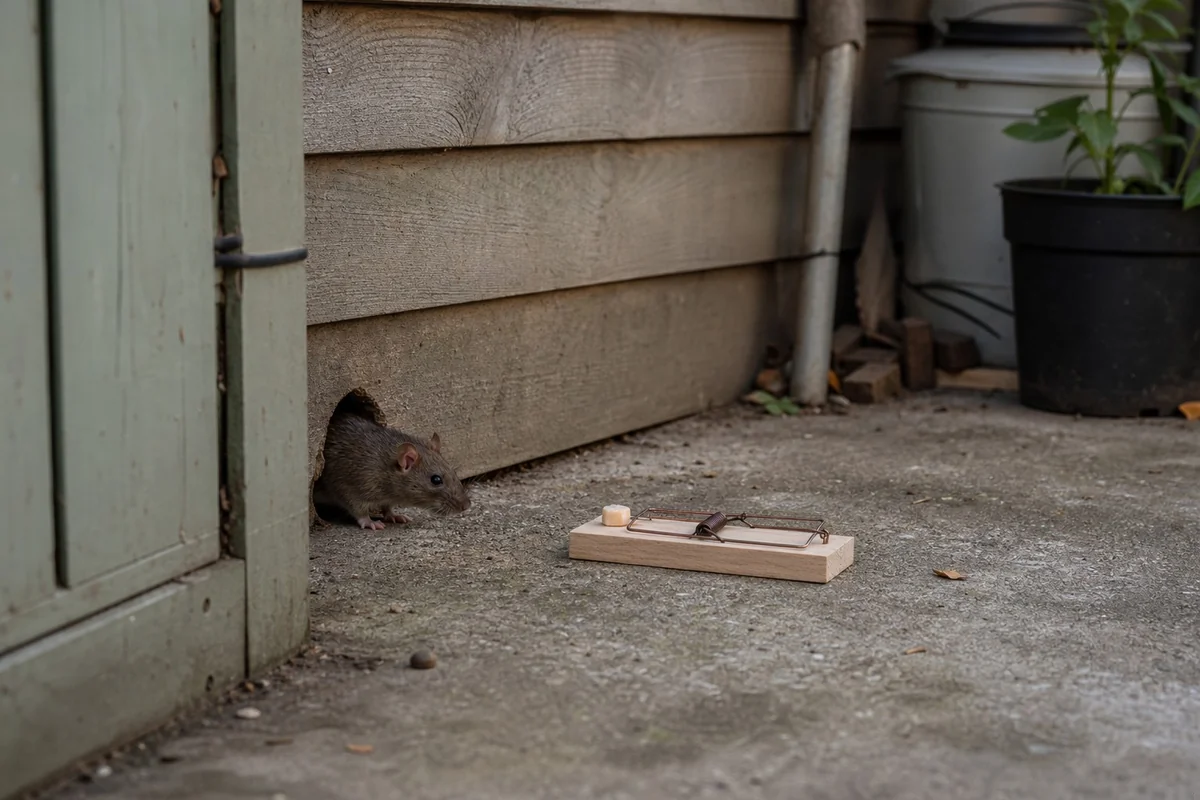 Do Rat Traps Work? Why Rats Avoid Them and How to Fix It
 Are Rat Traps Humane? How Each Method Compares
 How to Trap Rats Indoors Step by Step
 How to Make a Bucket Rat Trap That Rats Cannot Escape