How to Get Rid of Ants Naturally: What Works and What Does Not
The best natural way to get rid of ants: food control, sealed gaps, soapy water and a slow sugar bait, plus why vinegar, cinnamon and coffee grounds disappoint.
The best thing to get rid of ants naturally is a combination of food control, sealed entry points, soapy water for the trail and a slow sugar bait that workers carry home. Natural sprays and scents only deal with ants you can see; lasting results come from cutting off food and reaching the colony.
What “Natural” Ant Control Really Means
Natural ant control means getting rid of ants without synthetic insecticides. It covers three kinds of tools: changes to the home that take away food and entry points, physical killers such as soapy water and diatomaceous earth, and mineral or plant-based ingredients such as borax and peppermint oil.
Natural does not automatically mean harmless or effective. Borax is a natural mineral, but it still needs to be kept away from children and pets, and peppermint oil is plant-based but toxic to cats. Meanwhile many kitchen remedies shared online, from cinnamon to coffee grounds, have no good evidence that they work at all.
The useful question is what each method actually does to the colony. UC IPM advice on managing ants around the home starts with cleaning, sealing and baiting rather than spraying, and that order works just as well for a natural approach.
Why Ants Keep Coming Back
The ants on your counter are foragers from a colony that usually nests outdoors or inside a wall. When a forager finds food, it lays a scent trail that recruits more workers, which is why one crumb can turn into a line of ants within an hour.
Killing the foragers does not affect the nest, which simply sends more. That explains the common experience with natural sprays: the counter looks clear tonight and the trail is back by morning. Lasting control needs one of two things, removing what they come for or getting something into the nest that shrinks the colony.
Natural Ant Remedies Compared
Here is how the common natural options stack up, from the ones that change the outcome to the ones that only feel productive. The deciding question for each is whether it reaches the colony or only the ants in front of you.
| Method | Reaches the Colony | Speed | Verdict |
|---|---|---|---|
| Food and entry control | No, but removes the reason ants come | Days to weeks | Works |
| Slow borax or boric acid sugar bait | Yes | About a week to thin out | Works |
| Soapy water | No | Immediate | Works on visible ants |
| Diatomaceous earth | No | Slow, while dry | Barrier in cracks |
| Essential oil sprays | No | Immediate on contact | Short-lived; risky for cats |
| Vinegar, cinnamon, coffee grounds, baking soda | No | Not established | No reliable evidence |
Only two items reach the root of the problem: food and entry control, which removes the reason ants come in, and a slow borate sugar bait, which reaches the nest. Our guide to homemade ant killers that work indoors covers the bait recipe in detail, and the homemade ant killers section gathers the sprays and pet-safe options.
The Natural Methods That Work
Five natural methods make a real difference, and they work best together rather than one at a time.
- Food and water control: store sugar, honey, cereal and pet food in sealed containers, wipe up spills and grease, take out the trash and fix leaking taps. Ants come for food and moisture, and a clean kitchen makes any bait you set the best meal around.
- Sealing entry points: follow the trail to the gap it uses, often along a window frame, pipe or baseboard, and caulk it. UC IPM notes that petroleum jelly can plug a crack temporarily until you can caulk it properly.
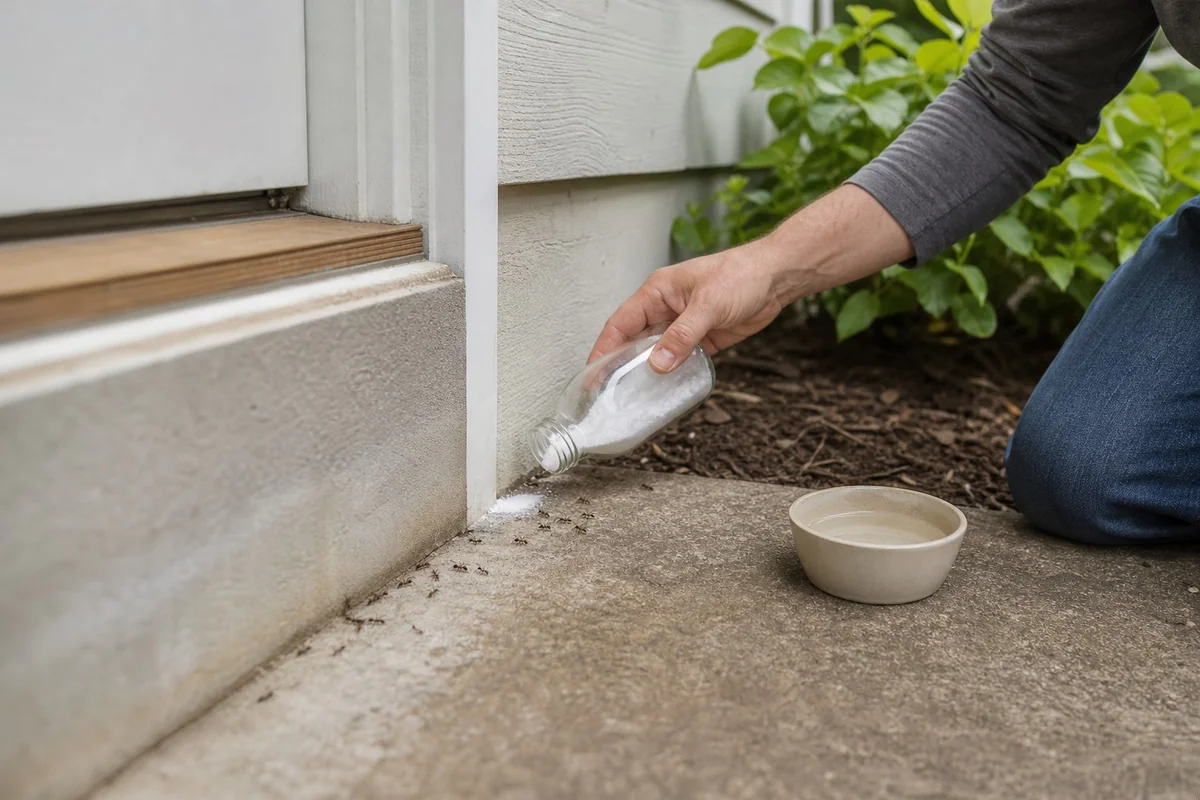
- Soapy water: wiping or spraying the trail with soapy water kills the ants it soaks and removes the scent trail, so fewer workers follow. It is fast and safe, but it has no lasting effect.
- Slow sugar baits with borax or boric acid: a weak bait lets workers carry the borate home and share it with the colony, including the queens. It is the slowest method, often a week or more before ants thin out, but it is the only natural one that reaches the nest.
- Diatomaceous earth: a thin dusting in cracks dries out ants that walk through it while it stays dry. It works as a barrier in gaps, not as a colony killer.
Natural Remedies That Disappoint
Vinegar, lemon juice, cinnamon, cayenne, coffee grounds, chalk and baking soda all appear on lists of natural ant killers. Some of them wipe away a scent trail like any cleaner, and ants may walk around a fresh line of powder, but none of them reaches the nest, and we found no reliable evidence that any keeps ants out for long.
Essential oil sprays sit in between. UC IPM notes that plant oils such as peppermint, clove and orange have contact activity but little lasting effect, so they kill ants they hit and then fade. They also bring a real risk for cats, which are sensitive to many essential oils.
These remedies are not harmful to try on a counter, but relying on them alone usually means weeks of wiping the same trail. Pair any of them with food control and a bait if you want the ants gone.
A Natural Plan for Indoors and Outside
Indoors, the order matters: wipe the trail with soapy water, clear the food that drew the ants, set a weak sugar bait in a closed jar beside the entry point, and seal the gap once the ants stop using it. Expect fewer ants within about a week and full control over several weeks.
Outside, natural control is about limits. UC IPM calls eliminating ants outdoors unrealistic and points out that ants also eat pests such as fleas and termites, so the goal is to keep them from coming in. Bait along the foundation, trim plants and mulch back from the walls, and fix sprinklers that keep the soil wet against the house.
Common Questions About Getting Rid of Ants Naturally
What do ants hate the worst?
What do ants hate the worst?
No smell reliably keeps ants away. Strong scents such as peppermint or vinegar may make them detour for a while, but they return once it fades. What ants truly cannot cope with is a clean kitchen with sealed food and no gaps to enter through.
What is the best homemade ant killer?
What is the best homemade ant killer?
A weak sugar bait with a little boric acid or borax, offered in a closed container on the trail. Workers drink it and share it with the colony. Soapy water is the best homemade killer for ants you can see, but it does not reach the nest.
Is boric acid a natural ant killer?
Is boric acid a natural ant killer?
Boric acid and borax come from natural boron minerals, so many natural guides include them. Natural does not mean harmless, though: both need to stay in closed stations out of reach of children and pets.
Do coffee grounds keep ants away?
Do coffee grounds keep ants away?
There is no reliable evidence that they do. Ants may avoid a fresh pile of grounds for a short time, but grounds do not reach the nest and quickly lose any effect, especially outdoors after watering or rain.
Are ants in the garden worth getting rid of?
Are ants in the garden worth getting rid of?
Usually not, unless they nest against the house or farm aphids on your plants. UC IPM notes that ants eat pests such as fleas and termites, and that wiping out outdoor ants is unrealistic. Focus on keeping them out of the house and off aphid-infested plants.
Key Takeaways
Ants keep coming because a colony keeps sending foragers to a reliable meal. Natural control succeeds when it takes that meal away and gets something into the nest; it fails when it only removes the workers you happen to see.
Vinegar, cinnamon, coffee grounds and similar remedies may move ants around but rarely solve anything, and essential oils carry a risk for cats. If ants are still trailing after two weeks of cleaning and baiting, or they are nesting in wood, it is time for a store-bought bait or a professional inspection.
Tonight, clear the counter, wipe the trail with soapy water and note where the ants come in.
Related Articles
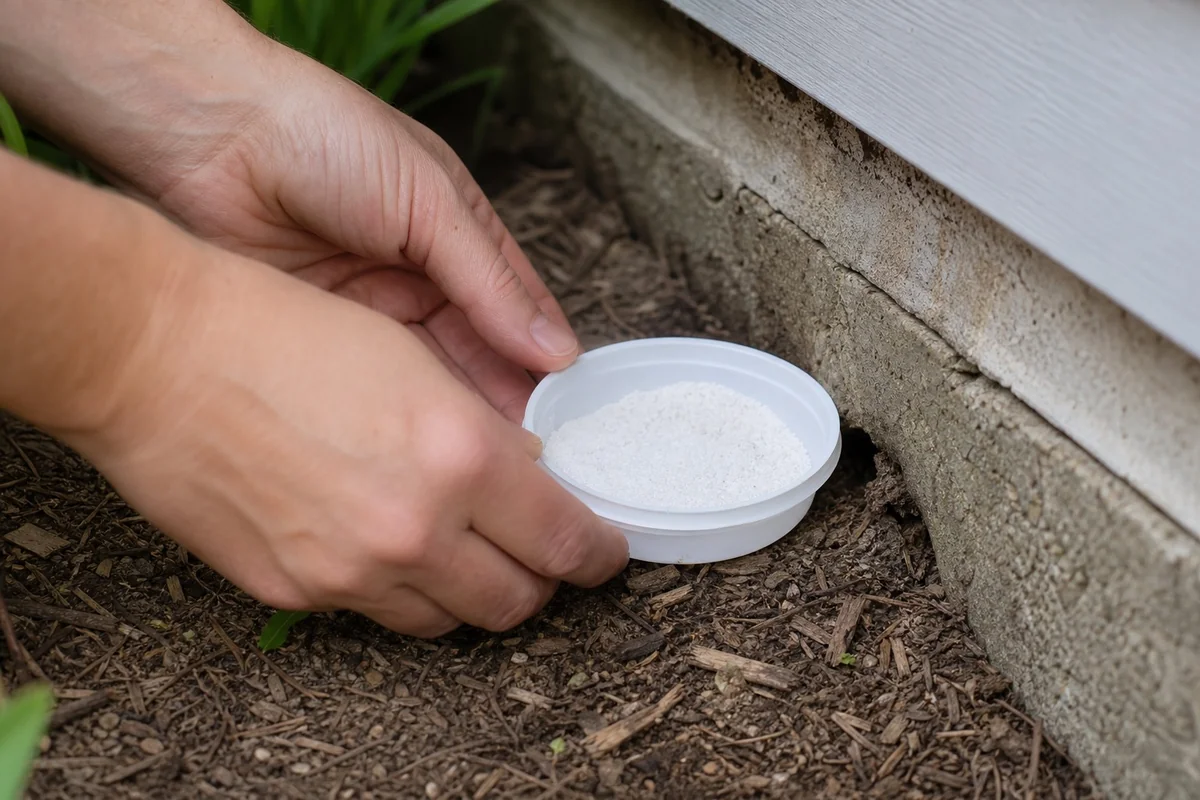
Homemade Ant Killers for Outside: Borax Bait Stations That Work
Best homemade ant killer for outside: a weak borax sugar bait in shaded stations along trails, plus soap spray, pots, garden beds and remedies that fail outdoors.
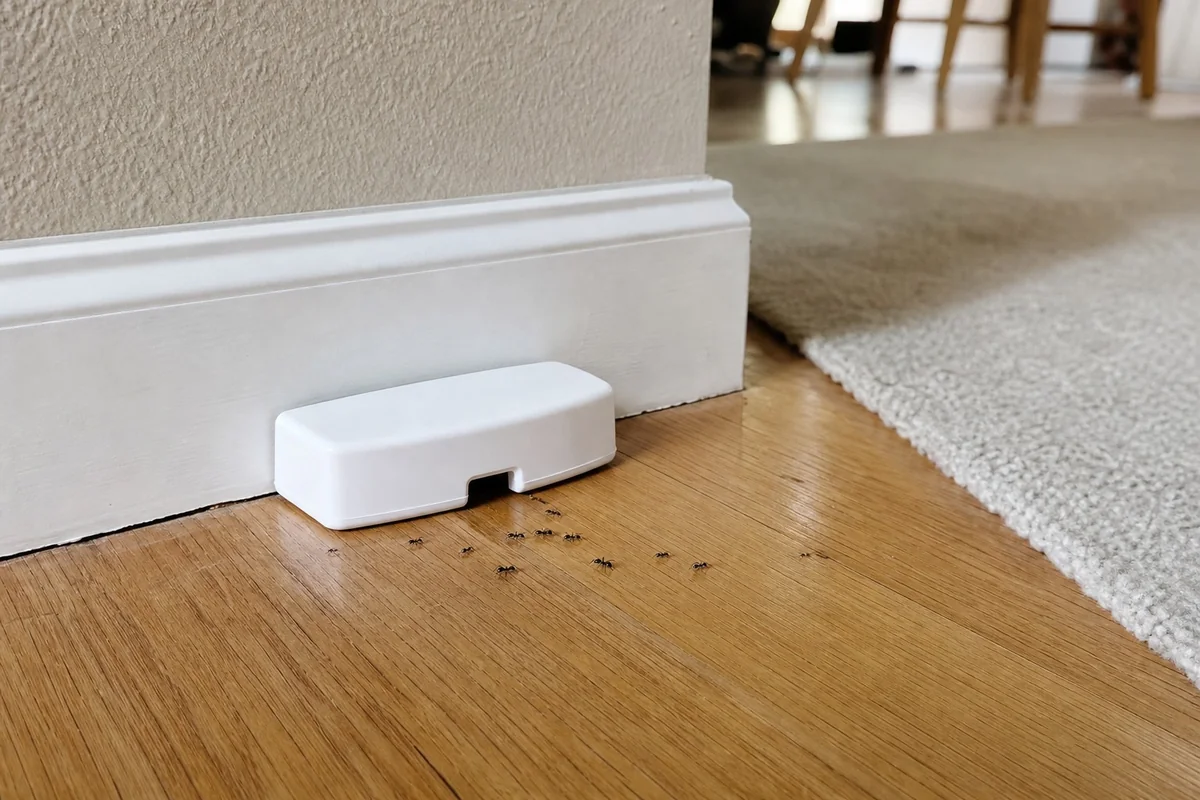
Best Kid-Safe Ant Killers for Indoors: Child-Resistant Picks
Best kid-safe ant killers for indoors: Raid child-resistant stations, TERRO bait out of reach and plant-based sprays, plus what Poison Control says about ant bait.
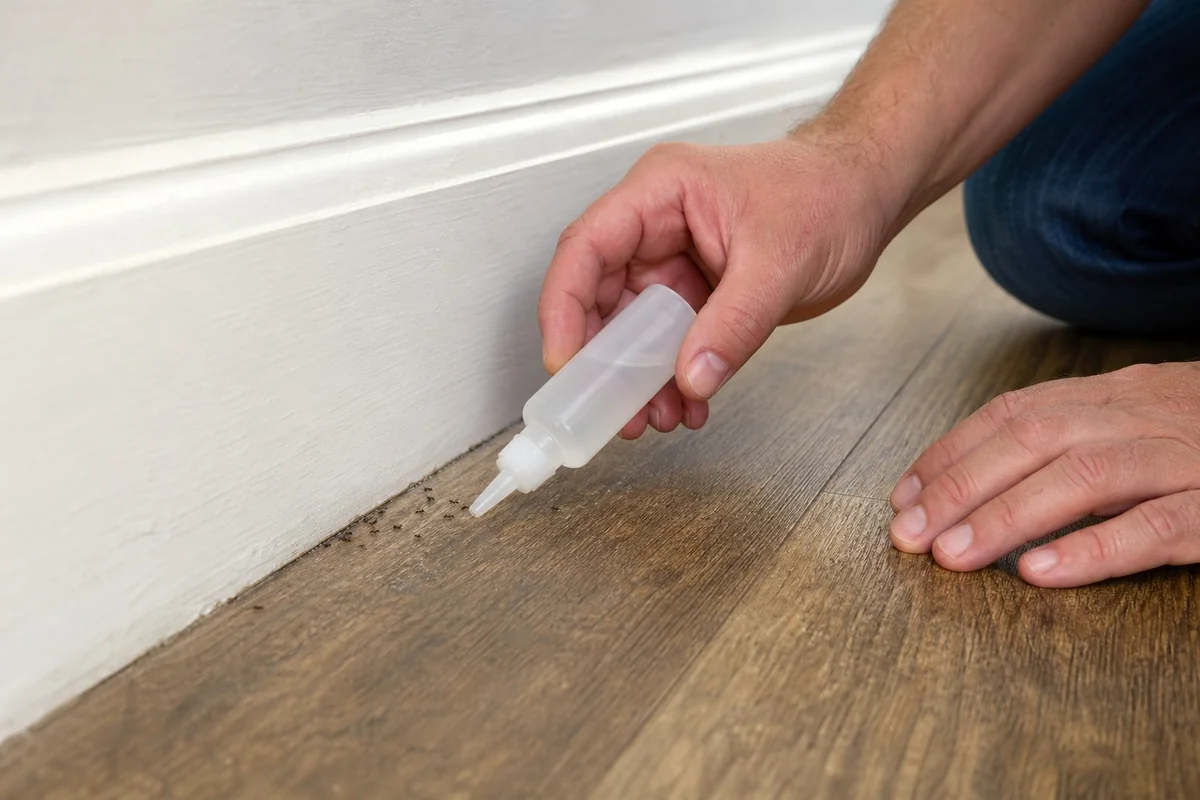
Homemade Ant Killers That Work Indoors: Recipe and Setup
The homemade ant killer that works indoors: a weak boric acid sugar bait in a closed jar, how to set it, why strong borax mixes fail and which remedies do little.
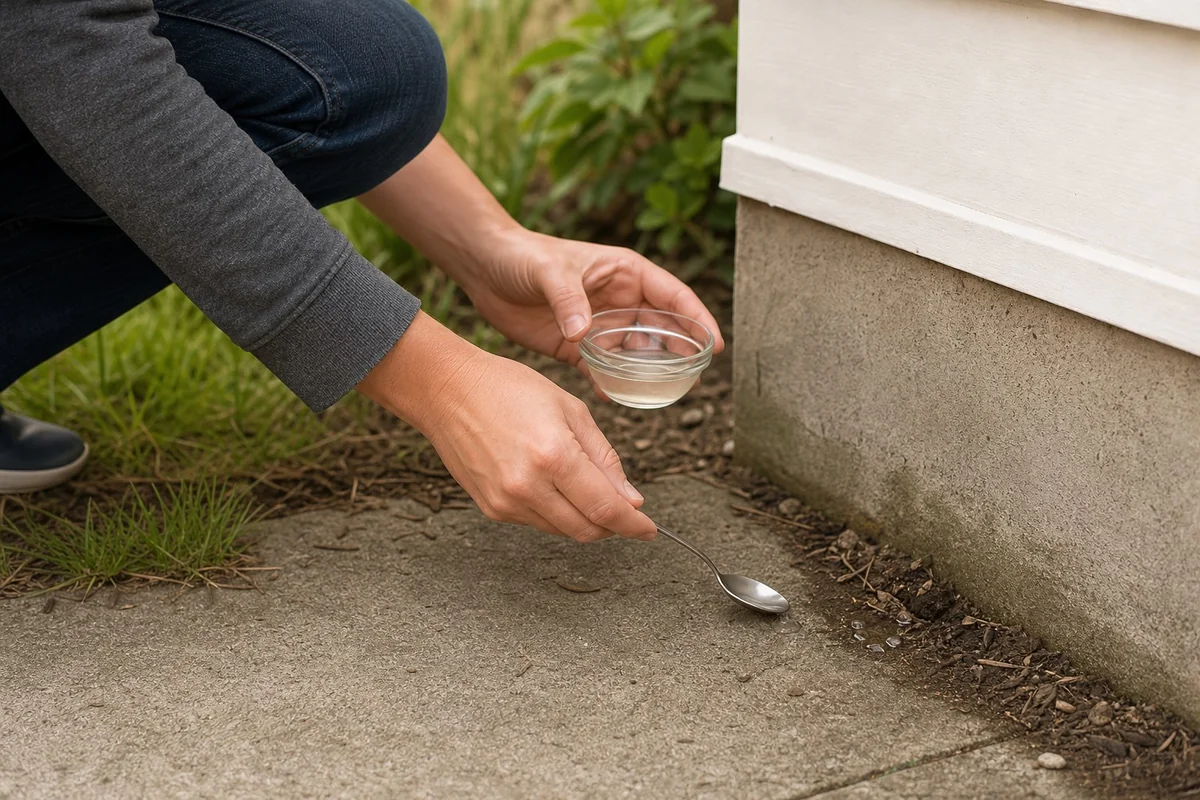
Homemade Pet-Safe Ant Killer Recipes and a Safe Setup
Homemade ant killers for homes with pets: soapy water for trails, plain diatomaceous earth for cracks and weak borax bait in a sealed jar, plus recipes to avoid.