
How to Prevent Birds from Nesting in Gutters (2026 Guide)
Learn how to prevent birds from nesting in gutters with proven DIY methods. Step-by-step instructions, tool comparisons, and expert tips for safe, effective gutter bird prevention in 2026.
To prevent birds from nesting in gutters, inspect and clean your gutters early in spring, then install mesh or brush-style gutter guards for a physical barrier. Combine guards with visual or gel deterrents in problem areas. The process takes 2-4 hours and basic DIY skills - check local wildlife laws before removing any active nests.
Why Birds Nest in Gutters and the Problems It Causes
Birds see gutters as ready-made nesting sites, especially where debris collects or covers offer shelter. These locations provide the protection and elevation many species prefer. The result: nests that block water flow and create a domino effect of home maintenance headaches.
Common Bird Species That Target Gutters
House sparrows and starlings are the main culprits in most residential settings. They’ll squeeze into tight spaces and use whatever nesting material is available, even bits of plastic or string. Pigeons and robins also use gutters in urban or suburban areas, though their nests are usually larger and bulkier.
Species matters: small birds like sparrows build compact nests that can wedge deep into gutters, while pigeons pile up larger mounds that block entire sections. Materials range from twigs and leaves to trash, all of which increase blockage risk.
Risks of Bird Nests in Gutters
Blocked gutters can’t channel rainwater properly, so water overflows and damages fascia boards, siding, or even the foundation. Over time, water damage repairs can run into thousands of dollars if left unchecked.
Bird droppings also accelerate gutter corrosion, eating through metal and shortening the lifespan of your system. Health-wise, droppings harbor bacteria and parasites - especially in older nests - which can pose risks if disturbed. Nests often bring secondary pests like mites, ticks, or even rodents looking for leftover food or warmth.
If you’re dealing with persistent birds, you may want to review our Bird Control overview for broader strategies beyond just gutters.
Essential Tools and Materials for Gutter Bird Prevention
Stopping birds from nesting in gutters starts with the right barrier. Not every guard or deterrent works equally well - what keeps out pigeons might not bother sparrows. Here’s what matters for real-world gutter bird prevention.
Choosing the Right Gutter Guards
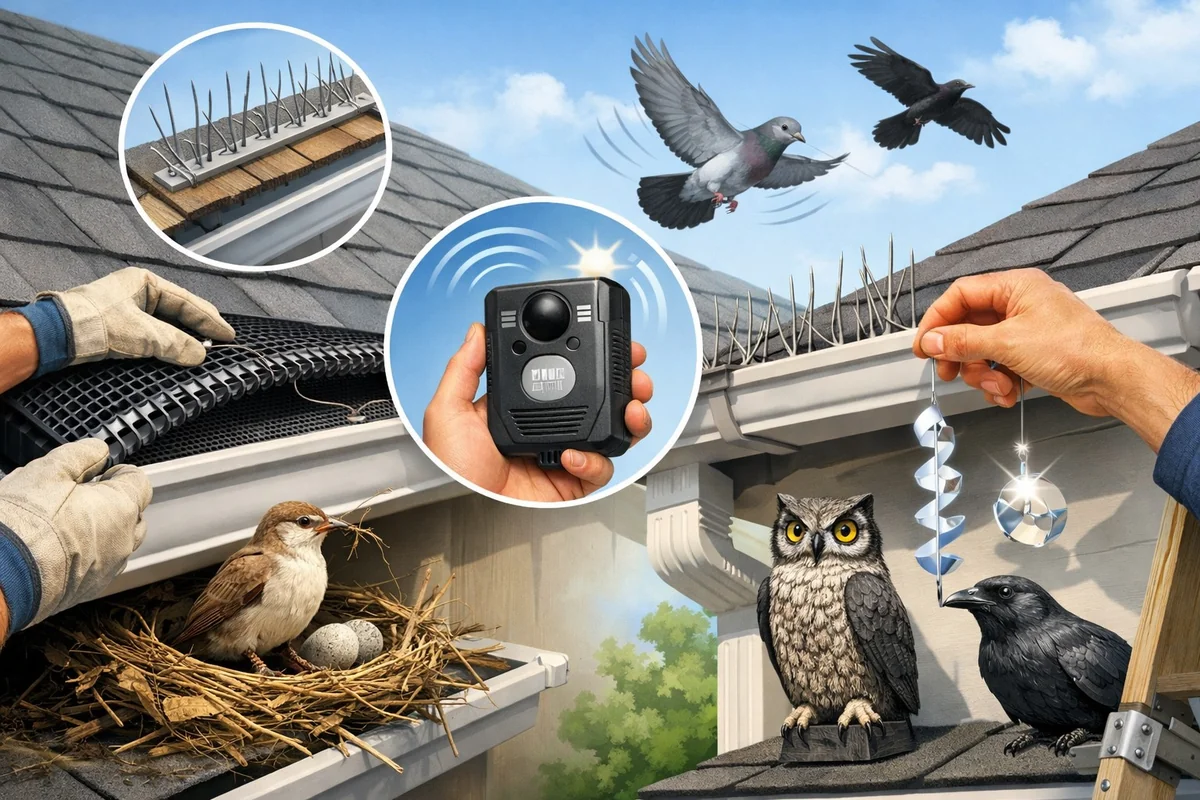
- Mesh guards (especially stainless steel) keep out both debris and birds, making them a top choice for long-term results.
- Brush-style guards discourage larger birds by filling the gutter void, but smaller birds or windblown seeds can still get through.
- Stainless steel mesh resists pecking and UV damage far better than plastic, which can crack or warp over time.
- Brush guards require more frequent cleaning, because trapped leaves and seeds can create compost-like buildup that attracts new pests.
Additional Deterrent Products
- Bird spikes: Effective against perching and roosting, but small birds may nest beside or even between them.
- Reflective tape/decoys: Startle birds visually, but lose impact quickly as birds get used to them. Best as part of a layered defense.
- Gel repellents: Make surfaces sticky or uncomfortable, but need reapplication after rain and may be less effective in heavy debris areas.
For a breakdown of the most reliable physical and visual deterrents as of 2026, see our Best Bird Deterrents, Spikes, and Netting 2026 guide for pros, cons, and use cases.
| Method | ★Difficulty Level | ★Time Required | Cost Range | ★Best For | Effectiveness |
|---|---|---|---|---|---|
| Install Gutter Guards or Mesh Screens | Medium | 2-4 hours for 50 ft gutter | Moderate | Homeowners seeking long-term, minimal-maintenance solutions | Very High |
| Use Visual Deterrents (Reflective Tape, Decoy Predators) | Easy | 1-2 hours for setup and placement | Budget-friendly | Quick temporary fixes or beginners preventing first-time nesting | Moderate |
| Regular Manual Cleaning and Nest Removal | Hard | 2-3 hours per cleaning, recurring every 2-4 weeks in nesting season | Low (if DIY), Moderate (if hiring help) | Areas with frequent nesting or gutter blockages; those able to perform routine maintenance | High (if performed consistently) |
| Apply Physical Barriers (Bird Spikes or Strips) | Medium | 2-3 hours for installation on standard home | Moderate | Properties with persistent bird issues; users comfortable with basic tools | High |
| Professional Pest Control Assessment and Treatment | N/A - service-based | 1-2 hours for assessment; follow-up varies by recommendation | Premium | Complex cases, multi-story homes, or when DIY options have failed | Excellent |
Step-by-Step Guide: How to Stop Birds Nesting in Gutters
Ready to tackle the problem head-on? These are the actions that actually make a difference - no gimmicks, just practical steps you’d use on your own house.
Step-by-Step Guide
Follow this step-by-step guide to prevent birds from nesting in your gutters using modern, effective methods. Each step is designed for safety, efficiency, and long-term results following current best practices.
Total Time
1 hour 30 minutes
Difficulty
Beginner
Inspect and Clean Gutters Thoroughly
Remove all debris, old nests, and leaves from gutters using a scoop and hose. Work in small sections to ensure no organic material remains, as leftover debris attracts birds. Clean, clear gutters are less appealing for nesting and improve water flow.
Pro Tips:
- Wear gloves to protect against sharp debris and contaminants.
- Use a gutter scoop for compacted material.
- Flush gutters with water to confirm they’re fully clear.
Important Warnings:
- Never clean gutters from the roof—use a stable ladder to prevent falls.
- Avoid contact with bird droppings; they may carry disease.
Required Tools:
- Sturdy ladder (rated for your weight)
- Gutter scoop or small plastic trowel
- Work gloves (water-resistant)
- Garden hose with spray nozzle
Install Gutter Guards or Mesh Screens
Fit high-quality gutter guards or fine mesh screens over gutters. Secure them according to manufacturer instructions to block birds from accessing gutter cavities. Proper installation prevents birds from entering while allowing water to flow freely.
Pro Tips:
- Choose stainless steel or aluminum mesh for durability.
- Measure gutter width before purchasing guards.
- Test fit a small section before full installation.
Important Warnings:
- Confirm guards are compatible with your roof and gutter type to avoid leaks.
- Do not leave sharp edges exposed; they can cause injury or damage shingles.
Required Tools:
- Gutter guards or mesh screens (fine mesh, rust-resistant)
- Measuring tape
- Tin snips or heavy-duty scissors
- Screwdriver or drill (as required by guard type)
Seal Gaps and Repair Damage
Check for and seal any gaps, cracks, or loose joints along your gutters and fascia. Use exterior-grade silicone or gutter sealant to block small openings. Well-sealed gutters prevent birds from squeezing into hidden spots and starting nests.
Pro Tips:
- Inspect corners and end caps closely—they’re common entry points.
- Allow sealant to cure fully before next steps (see manufacturer instructions).
Important Warnings:
- Do not apply sealant onto wet or dirty surfaces—it will not adhere properly.
- If you find extensive rot or damage, consult a professional for repairs.
Required Tools:
- Exterior-grade silicone or gutter sealant
- Caulking gun
- Putty knife
Install Bird Deterrents Around Gutters
Mount bird deterrents such as reflective tape, predator decoys, or spike strips near gutters. Position deterrents strategically at known nesting points to discourage birds from approaching. Rotating or moving deterrents every few weeks increases effectiveness.
Pro Tips:
- Reflective tape and spinning devices work best in sunny locations.
- Reposition decoys monthly to prevent birds from adapting.
- Use deterrents rated for exterior use to withstand weather.
Important Warnings:
- Do not install deterrents where they could obstruct water flow.
- Never use glue traps or harmful chemicals—these are inhumane and often illegal.
Required Tools:
- Reflective bird deterrent tape or spinning devices
- Predator decoys (e.g., owl or hawk models)
- Bird spike strips (UV-stable plastic or stainless steel)
- Zip ties or mounting hardware
Schedule Regular Inspections and Maintenance
Check gutters and deterrents every 2-3 months, especially before nesting season (early spring). Remove any new debris and repair or reposition deterrents as needed. Routine maintenance ensures that birds do not find opportunities to nest over time.
Pro Tips:
- Set reminders on your calendar for seasonal checks.
- Inspect after storms, as debris and damage may occur.
- Photograph problem areas to track recurring issues.
Important Warnings:
- Skipping maintenance increases the risk of clogs and bird nests.
- If persistent nesting occurs, consult a licensed pest control specialist.
Required Tools:
- Work gloves
- Ladder
- Replacement deterrents (if needed)
Inspecting Gutters for Existing Nests
Check gutters in early spring - this is when most birds start searching for nest sites. Look for clumps of twigs, leaves, or grass poking from the gutter edge, plus droppings or feathers on the ground below. Use binoculars for a quick scan, but a stable ladder is best for a close look.
If you spot a nest, don’t rush to remove it. Many regions protect active nests of native species during breeding season, and fines for illegal removal can be steep. If there are eggs or chicks, you’ll need to wait or call your local wildlife authority for advice.
Cleaning Gutters Safely and Effectively
Wear protective gloves and a dust mask - bird droppings and old nesting material can harbor parasites or pathogens you don’t want to breathe in. Use a gutter scoop or small trowel to remove all debris, working away from the downspout to prevent clogs.
After clearing the bulk, flush the gutter with a hose to check for hidden blockages. Bag up all nesting debris and seal it before placing it in the trash to prevent spreading mites or ticks.
Installing Gutter Guards and Bird Deterrents
Measure your gutters and cut mesh or brush guards for a snug fit - leave no gaps where birds could squeeze in. Overlap sections by at least an inch, and use screws or clips recommended by the manufacturer for secure attachment. Birds can be surprisingly persistent about prying up loose edges.
In areas with heavy bird activity, double up: use both a physical guard and a visual deterrent (like reflective tape) for extra coverage. Place spikes only where birds tend to perch, not just anywhere - they won’t stop nesting inside the gutter if there’s still access.
Comparing Gutter Guard Types for Bird Prevention
Not all gutter guards offer equal bird protection. The right choice depends on your bird problem, debris load, and how much maintenance you’re willing to do. Here’s how the main options stack up.
Mesh vs Brush Gutter Guards
- Mesh guards block both nesting birds and most debris, delivering all-season protection with minimal upkeep.
- Brush guards deter larger birds but let some debris (and smaller birds) through - expect to clean them every few months, especially in leafy neighborhoods.
- Brush guards can create a mess if left unchecked, trapping organic matter that attracts insects or holds moisture.
Plastic vs Metal Guards
- Metal guards (aluminum or stainless) stand up to bird pecking, sun, and temperature swings - ideal for long-term installs.
- Plastic guards are lighter and easier to cut, making them a budget-conscious DIY option, but they’re prone to warping or cracking in hot/cold climates.
- Metal mesh can be harder to cut and shape for odd corners - but the durability usually pays off if you’re dealing with persistent birds.
When and How to Remove Existing Bird Nests Legally
Nest removal is not as simple as just pulling out the debris - it can be illegal or even dangerous in some cases. Here’s what you need to know to stay on the right side of the law and protect your health.
Understanding Local Wildlife Protection Laws
Many regions protect the active nests of native species (like robins or swallows) under laws such as the Migratory Bird Treaty Act in the US. Removing an occupied nest can result in fines, even if it’s causing damage. On the other hand, non-native or invasive birds (like house sparrows or European starlings) are usually exempt - these nests can be removed when found.
If you’re unsure, contact your local wildlife agency before removing any nest, especially during spring or early summer when breeding is at its peak.
Best Practices for Safe Nest Removal
- Only remove nests after you’ve confirmed they’re unoccupied (no eggs or chicks present).
- Wear gloves and a mask to avoid exposure to droppings or parasites.
- Seal all nest material in a bag before disposal.
- Clean and disinfect the gutter area after removal to eliminate odors and discourage birds from returning.
Common Mistakes in Gutter Bird Prevention and How to Avoid Them
Even with good intentions, it’s easy to make mistakes that let birds right back in - or worse, create new problems. Here’s what to watch out for if you want your efforts to last.
Relying Only on Visual Deterrents
Reflective tape, plastic owls, and other visual tools can help - but birds adapt fast. Within weeks, many species ignore stationary decoys or shiny tape, especially if there’s still an easy way into the gutter. Use these only as a backup to physical guards, not your main defense.
Adding more visual deterrents won’t fix the problem if birds can still slip under a guard or through a gap. The most reliable solution is a physical barrier, reinforced by visual tools in high-pressure areas.
Improper Installation of Gutter Guards
Loose or poorly sized guards leave gaps that birds will find - think like a sparrow, and assume any opening bigger than a quarter is fair game. Overlapping sections and using the right fasteners keeps guards tight and tamper-resistant.
Incorrect installation can also cause water to overflow, negating the main benefit of gutters in the first place. Follow the manufacturer’s instructions carefully, and check your work after the first heavy rain.
Maintenance Tips to Keep Gutters Bird-Free Year-Round
Prevention isn’t a one-and-done job. Regular checks and cleanings are what keep birds - and water damage - from coming back, especially as seasons change or after major storms.
Seasonal Inspection and Cleaning Schedule
- Inspect gutters in spring (before nesting starts) and again in fall (after leaves drop).
- After major storms, check for displaced guards or new debris that could attract birds.
- Clean out any buildup before it can become nesting material - this is your best bet for year-round success.
Spotting Early Signs of Return
- Watch for small twigs, feathers, or fresh droppings - these are early warning signs.
- Birds landing repeatedly on your roof or near downspouts are often scoping for new nest sites.
- Act quickly if you spot these signs - removing early attempts is much easier than dealing with a full nest.
Frequently Asked Questions About Bird-Proofing Gutters
❓ Frequently Asked Questions
How do I prevent birds from nesting in my gutters?
How do I prevent birds from nesting in my gutters?
To prevent birds from nesting in gutters:
- Install gutter guards or mesh screens to physically block access
- Regularly clean gutters to remove debris and old nests
- Use bird deterrents like spikes or reflective tape nearby
- Trim overhanging branches that provide easy access
Most experts recommend checking gutters every spring and fall for best results.
What is the best type of gutter guard to stop birds?
What is the best type of gutter guard to stop birds?
A micro-mesh gutter guard is a fine screen that covers your gutters, blocking birds and small debris. It offers effective protection with minimal maintenance. For example, stainless steel micro-mesh guards resist rust and last longer than plastic options.
How often should I clean my gutters to prevent bird nests?
How often should I clean my gutters to prevent bird nests?
Clean your gutters at least twice a year - once in spring and once in fall - to prevent bird nests and debris buildup. In areas with heavy foliage or frequent bird activity, quarterly cleaning is recommended. Consistent maintenance reduces the risk of clogs and nesting problems.
Why do birds choose to nest in gutters?
Why do birds choose to nest in gutters?
Birds often nest in gutters because they offer shelter, protection from predators, and easy access to nesting materials. Gutters filled with leaves or debris are especially attractive. Preventing debris buildup and installing barriers are key steps to making gutters less appealing to birds.
What should I look for when choosing a bird deterrent for gutters?
What should I look for when choosing a bird deterrent for gutters?
When choosing a bird deterrent for gutters, focus on these factors:
- Material durability: stainless steel or UV-resistant plastic lasts longer
- Ease of installation: look for simple mounting systems
- Effectiveness: select proven options like spikes or mesh
- Maintenance needs: minimal upkeep is ideal
Choose products with positive user reviews and clear installation instructions.
Can bird nests in gutters cause damage?
Can bird nests in gutters cause damage?
Yes, bird nests can block water flow, leading to gutter overflows and potential water damage to your roof and walls. Nests may also attract insects or cause gutters to sag under excess weight. Removing nests promptly and using guards helps prevent these issues.
How do I safely remove a bird nest from my gutters?
How do I safely remove a bird nest from my gutters?
To safely remove a bird nest from gutters:
- Check local wildlife regulations before removing active nests
- Wear gloves and protective gear
- Gently lift out the nest and any debris
- Dispose of materials according to local guidelines
- Clean the gutter thoroughly
Tip: Install gutter guards afterward to prevent future nesting.
Key Takeaways for Effective Gutter Bird Prevention
Physically blocking access is the single most effective way to prevent birds nesting in gutters - mesh or brush guards work best, backed up by regular inspections and cleaning. Never rely on visual deterrents alone, and always check local wildlife laws before removing any nest.
If you’re dealing with a persistent bird problem or protected species, don’t hesitate to contact wildlife experts for advice. DIY works for most homes, but recurring issues may need a professional touch.
Stay proactive: check your gutters every spring and fall, and take action at the first sign of bird activity. A few hours of prevention saves you from expensive repairs - and keeps your home healthy and pest-free.
Related Articles

Best Bird Deterrents, Spikes, and Netting 2026: DIY Solutions Ranked
Find the best bird deterrents, spikes, and netting for 2026. Compare top DIY solutions to protect your home and garden from unwanted birds - safe, effective, and budget-friendly options reviewed.
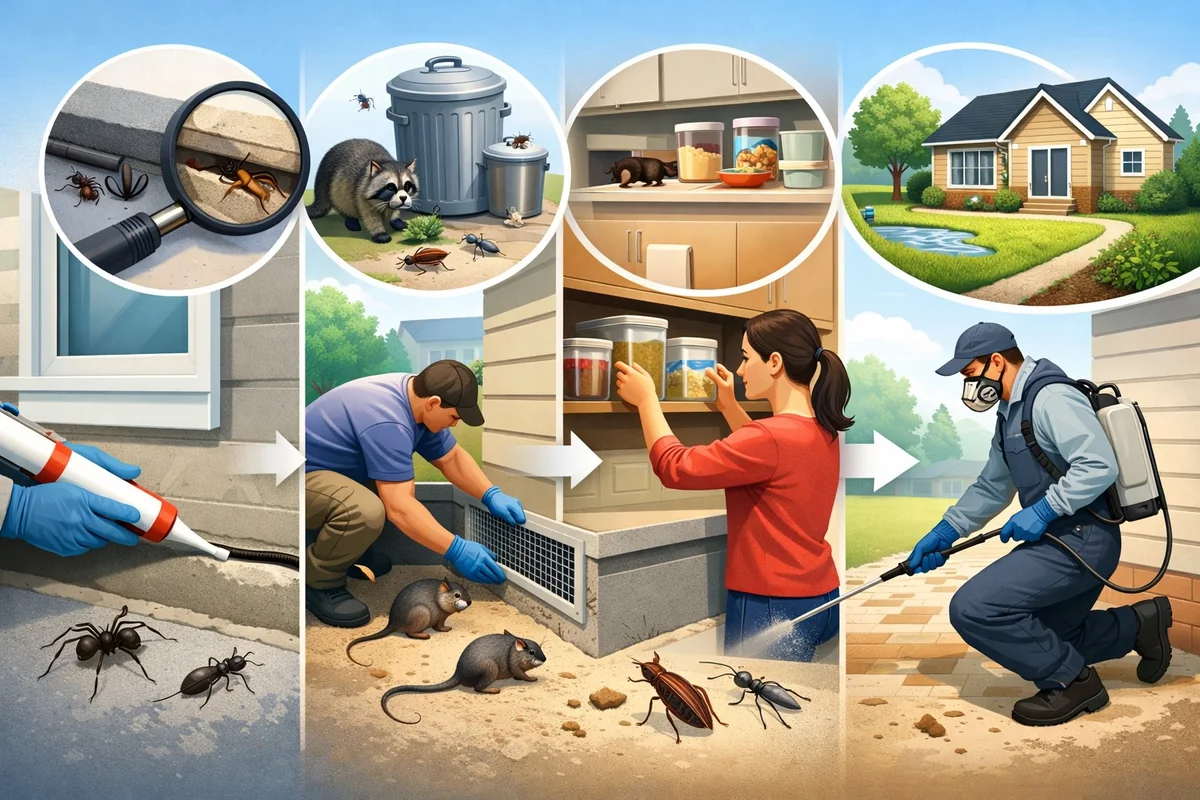
Complete Guide to Pest Prevention in Homes: Stop Pests in 2026
Protect your home in 2026 with this complete pest prevention guide. Discover proven DIY methods, room-by-room tips, safe solutions for families, and expert advice to stop pests before they start.
![Best Protective Gear for Pest Control 2026 [Expert Reviews]](https://pestproreviews.com/images/hero/hero_best_protective_gear_for_pest_control_2026_expert.webp)
Best Protective Gear for Pest Control 2026 [Expert Reviews]
Protect yourself during DIY pest control in 2026 with our expert-reviewed guide to the best protective gear. Compare top-rated respirators, gloves, coveralls, and more for safe, effective pest removal at home.
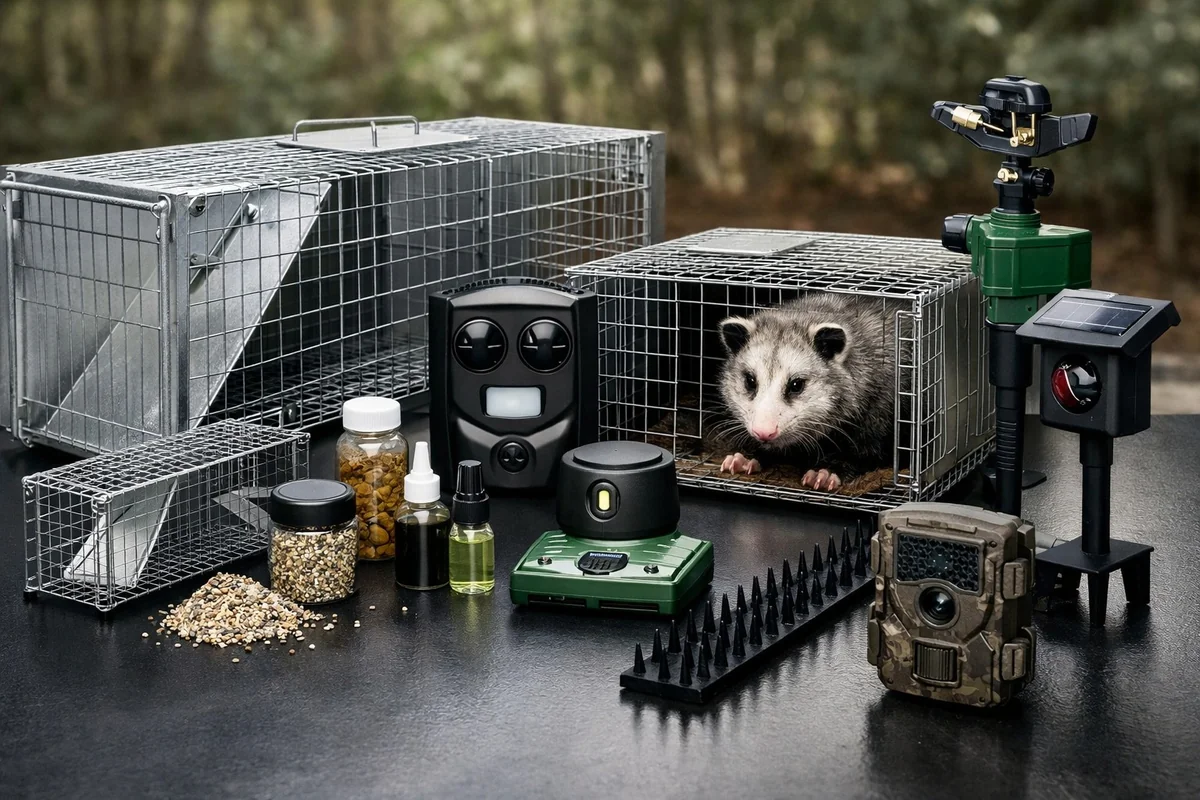
Best Raccoon Traps and Deterrents 2026: Live Traps, Repellents, and Safe DIY Options
Discover the best raccoon traps, deterrents, and opossum traps for 2026. Compare humane live-catch options, electronic repellents, and prevention tools to protect your home quickly and safely - DIY solutions for every budget.