
How to Prevent Raccoons from Raiding Trash Cans (2026 DIY Guide)
Learn proven methods to prevent raccoons from raiding your trash cans in 2026. Step-by-step DIY solutions, expert tips, and common mistakes to avoid for safe, effective raccoon trash protection.
To prevent raccoons from raiding trash cans, use locking lids, odor control, and secure storage methods. The process takes about 20-30 minutes and only basic tools are needed. Consistent maintenance and combining barriers with scent deterrents provide the best protection for your garbage in 2026.
Why Raccoons Target Trash Cans
Raccoons are masters at finding easy meals, and unsecured trash cans are basically open buffets for them. These animals are opportunistic omnivores, meaning they’ll eat almost anything - leftover pizza, old fruit, or even scraps of pet food tossed in the bin.
They’re mostly active at night, using their nimble paws to pry open lids and dig through bags. In cities and suburbs where people leave garbage out, raccoon populations thrive on these easy pickings. Unprotected trash is one of the main reasons raccoons become frequent visitors.
Raccoon Behavior and Food Motivation
Raccoons don’t just go after garbage out of desperation. They actively prefer it because it’s calorie-dense, reliable, and usually easy to access. Their intelligence and dexterity allow them to manipulate handles, flip lids, and even unlatch simple locks if they’re not well-secured.
In 2026, urban raccoon populations are higher than ever in many areas, partly because humans keep giving them opportunities. Once they find a food source, they’ll return night after night until it’s no longer worth the effort.
Common Signs of Raccoon Activity
If you wake up to tipped cans, scattered trash, or shredded garbage bags, there’s a good chance raccoons are the culprits. Look for muddy paw prints around the bin or distinctive holes torn into bags - raccoons tend to claw and rip, while dogs usually just bite or drag.
Repeated messes on consecutive mornings indicate a learned food source. If you’re seeing this pattern, you’re dealing with raccoons that have you on their nightly route. That’s when it’s time to step up your trash protection strategy.
For more on dealing with these animals and related wildlife, check out Raccoon & Opossum Control.
Assessing Your Trash Can Vulnerability
Before you invest in new cans or start rigging elaborate traps, it pays to look at your current setup. Not all garbage cans are equally easy for raccoons to break into. Certain designs, materials, and placement choices make your cans more or less attractive (and accessible) to wildlife.
Trash Can Material and Lid Design
Plastic cans with loose, lightweight lids are basically an invitation for raccoons. They can tip these over or simply pry the lid off with a little persistence. Metal cans, especially those with tight-fitting or locking lids, put up a much better fight.
Flip-top lids or side hinges offer little resistance to a determined raccoon. Screw-top lids or models with built-in locking mechanisms work far better. If your trash can is old, cracked, or missing parts, it’s especially vulnerable - even a small gap is enough for a raccoon’s paw.
Location and Accessibility Factors
Where you store your cans matters just as much as the design. Cans left out overnight or stored in open, unfenced yards are easy targets. If your bins are close to fences, trees, or sheds, raccoons can use these structures to climb and gain leverage for opening lids.
Storing garbage cans inside a garage or sturdy shed is the single most effective way to prevent raccoon raids. However, that’s not always practical for every household, especially if you have limited space or need to keep cans accessible to trash collectors. Assess your space honestly to see what changes are realistic.
Choosing the Best Raccoon-Proof Trash Can
If your current trash can is failing the raccoon test, switching to a more secure model can make a huge difference. The best raccoon-proof cans combine tough materials with lid designs that are hard for animals - but still manageable for you - to open and close regularly.
Locking Mechanisms and Secure Lids
Gravity locks, snap-tight clamps, and twist-style lids are all designed to prevent raccoons from simply lifting or pushing the lid open. Some cans come with these locks built in, while others require you to add aftermarket hardware. Either way, a secure locking mechanism is the most reliable way to stop raccoon break-ins.
Just be aware: the more secure the lock, the more effort it might take for you to open it - especially if you have arthritis or mobility issues. Some locks can also trip up trash collectors if they’re not clearly labeled or easy to remove on collection day.
Material Strength and Durability
Thick-walled, heavy-duty plastic or metal cans are much harder for raccoons to gnaw, claw, or tip over. Reinforced hinges and handles keep the lid attached even if a raccoon tries to pry or twist it open. Heavier cans are less likely to end up toppled and scattered across your driveway.
The trade-off is that heavy cans can be cumbersome to move - especially when full. Make sure you pick a model that balances durability with practicality for your household. For a deeper look at top-performing deterrents and traps, see our Best Raccoon Traps and Deterrents 2026 guide.
DIY Methods to Stop Raccoons from Raiding Garbage
If you’re not ready to invest in a new trash can, several proven DIY methods can make your existing setup much harder for raccoons to break into. Most of these solutions can be put together in under an hour with basic supplies from a hardware store or around the house.
Bungee Cords and Straps
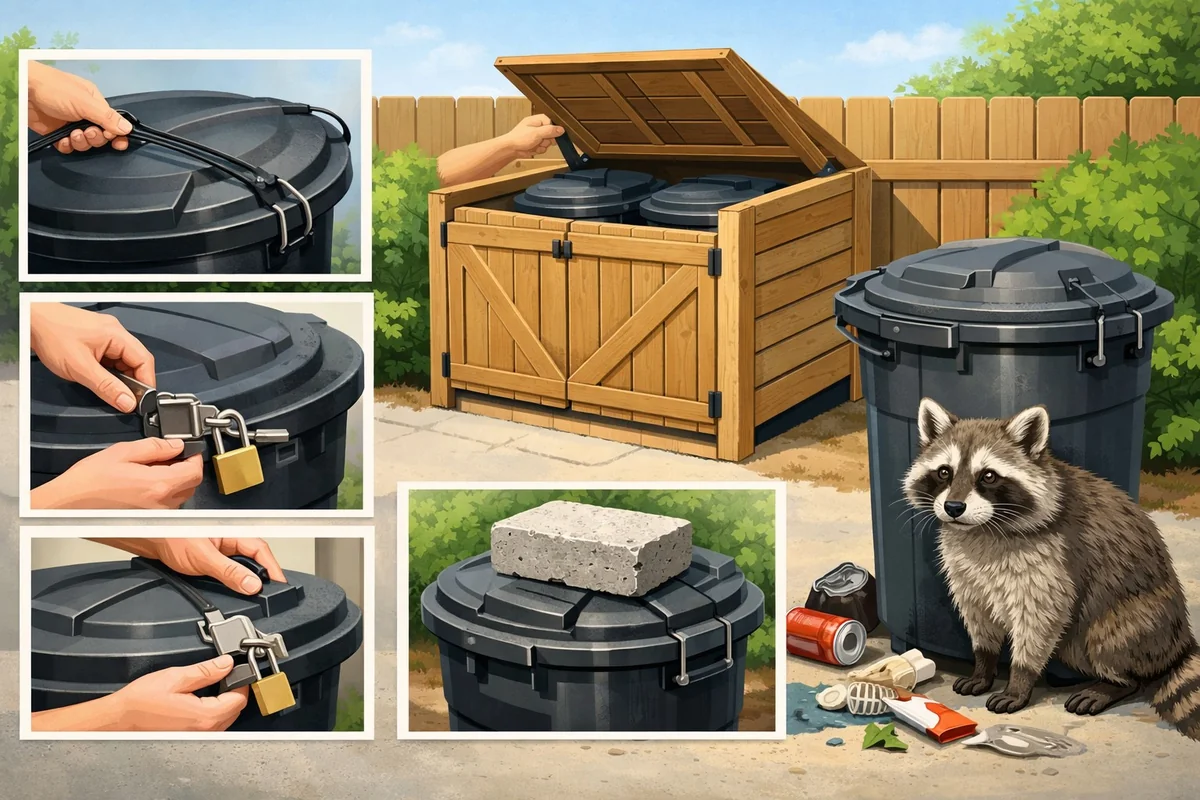
Bungee cords are a classic for a reason - they’re cheap, quick, and surprisingly effective when used properly. Latch the cords across the lid in an X pattern or use locking straps specifically designed for trash cans. This prevents raccoons from simply flipping the lid up.
Bungee cords do wear out over time, and some raccoons will chew through them if they’re persistent. For best results, use thick, high-quality cords and inspect them weekly for damage. Keep in mind that you’ll need to remove and reattach the cords every trash day, which can get old fast if your collection schedule is frequent.
Homemade Repellents and Scent Deterrents
Masking food odors is another effective layer of defense. Spraying ammonia or vinegar around the rim of the can (never inside, as this can damage plastic) can make the area less appealing. There are also commercial raccoon repellents that use predator urine, capsaicin, or other strong scents.
The catch: scents fade quickly, especially after rain or wind, and raccoons can get used to them with repeated exposure. If you have pets or small children, be cautious - the same smells that turn away raccoons can bother your family too.
Weighting Down Lids and Securing Cans
Adding weight to your trash can lid - like a brick or small sandbag - can deter tipping and make it much harder to lift the lid. Some people also use cinder blocks to anchor the whole can, especially in areas with frequent raccoon traffic.
This method is low-tech but not foolproof. Strong, motivated raccoons can sometimes push the can over anyway, and it’s not always convenient to move a weighted lid every collection day. Physical barriers are best combined with other methods for maximum effectiveness.
Step-by-Step Guide: Securing Your Trash Cans
Ready to raccoon-proof your trash cans? Here’s a practical, step-by-step approach you can implement in about 30 minutes. These instructions cover the most effective DIY methods and highlight where to add extra protection if raccoons are particularly persistent in your area.
Step-by-Step Guide
Learn how to prevent raccoons from raiding your trash cans using proven, modern pest control methods. This guide provides clear, actionable steps with practical tips and trusted advice for effective raccoon deterrence.
Total Time
45 minutes
Difficulty
Beginner
Secure Trash Can Lids
Install locking or raccoon-proof lids on all outdoor trash cans. Fasten the lid tightly using built-in clasps or bungee cords to prevent raccoons from prying it open. This step blocks initial access and is the foundation for effective raccoon deterrence.
Pro Tips:
- Choose lids rated as 'animal-resistant' or 'bear-resistant' for best results.
- Check lids weekly for cracks or damage.
- Replace worn bungee cords every 6–12 months to maintain tension.
Important Warnings:
- Do not use loose-fitting lids—raccoons can remove them easily.
- Avoid overfilling cans, as this can prevent lids from sealing properly.
Required Tools:
- Raccoon-proof or locking trash can lid
- Heavy-duty bungee cords (24-36 inch, UV-resistant)
Store Cans in a Protected Area
Move trash cans into a garage, shed, or fenced enclosure overnight. Position cans at least 6 feet from fences or trees to limit raccoon access. This reduces visibility and physical access, making raids less likely.
Pro Tips:
- Install a motion-activated light near storage areas.
- Keep doors and gates closed and latched.
- If indoors isn’t possible, use a lockable outdoor storage bin.
Important Warnings:
- Don’t leave trash cans outside overnight if possible—this is when raccoons are most active.
- Ensure enclosures are free from gaps larger than 2 inches.
Required Tools:
- Garage, shed, or outdoor storage bin
- Padlock or latching mechanism (if needed)
Minimize Trash Odors
Double-bag all food waste and regularly clean trash cans with a 10% bleach solution. Reducing odors makes your garbage less attractive, lowering the risk of raccoon visits.
Pro Tips:
- Rinse food containers before discarding.
- Sprinkle baking soda in the bottom of cans to absorb odors.
- Clean cans thoroughly every 2–4 weeks.
Important Warnings:
- Never mix bleach with ammonia or other cleaners—this produces toxic fumes.
- Allow cans to dry fully before replacing bags to prevent mold.
Required Tools:
- Trash bags (heavy-duty, scented optional)
- Bleach (household, 10% solution)
- Baking soda
- Rubber gloves
- Scrub brush
Install Deterrents and Barriers
Place motion-activated lights or sprinklers near trash cans and install metal mesh screens around the base of storage areas. These deterrents startle raccoons and create physical obstacles, making your cans less appealing targets.
Pro Tips:
- Set deterrents to activate at dusk, when raccoons are most active.
- Use hardware cloth with 1/4-inch mesh to prevent entry.
- Test deterrents monthly to ensure proper function.
Important Warnings:
- Do not direct motion-activated sprinklers toward walkways or doors—risk of accidental activation.
- Secure all mesh edges to prevent sharp protrusions.
Required Tools:
- Motion-activated light or sprinkler
- Hardware cloth or wire mesh (1/4-inch)
- Staple gun or zip ties
- Scissors or wire cutters
Maintain Regular Trash Disposal
Take trash to the curb on the morning of collection, not the night before. Remove any spilled waste immediately and check for signs of raccoon activity weekly. Prompt removal limits the time available for raccoons to access garbage.
Pro Tips:
- Set phone reminders for trash day morning.
- Sweep up debris after each pickup.
- Log any raccoon sightings to adjust your deterrence methods.
Important Warnings:
- Leaving trash out overnight significantly increases raccoon activity.
- If raccoon problems persist, consult a licensed wildlife professional.
Required Tools:
- Trash pickup schedule
- Dustpan and broom
- Notebook or tracking app (optional)
Gathering Tools and Materials
Most people can get started with items you might already have: bungee cords, locking straps, bricks, and a bottle of ammonia or vinegar. For households with repeated raccoon problems, add-on locking hardware or a weighty sandbag can make a big difference.
Expect to spend a moderate amount - usually less than the cost of replacing a trash can. The actual time commitment is short, but regular upkeep is key to sustained results.
Installing Locks or Straps Effectively
Placement is everything. Attach bungee cords or straps so they cross over the lid, forming a tight seal that can’t be easily pried up. For vertical cans, run the cord from handle to handle over the lid; for horizontal cans, use corner anchors or purchase a compatible locking kit.
Check the tension - too loose and raccoons slip a paw underneath; too tight and you risk damaging the lid. Make sure the locking mechanism is easy for you to remove on trash day and doesn’t block the can from being emptied by collection crews.
Applying Scent Deterrents Safely
When using ammonia or vinegar, apply the liquid to a rag or cotton ball and place it inside a small container (like a yogurt cup) on top of the trash or just inside the can. This prevents spills that could damage the can or create a mess for sanitation workers.
Reapply after heavy rain or every few days for best results. Keep containers out of reach of kids and pets, and avoid overuse if humans are sensitive to strong odors. Commercial repellents should always be used as directed and never sprayed directly on food-contact surfaces.
Mistakes to Avoid When Raccoon-Proofing Garbage
Even well-intentioned DIY efforts can fail if you overlook common vulnerabilities. Raccoons are persistent and surprisingly clever, so small mistakes in your setup can undo all your work. Here’s what we see go wrong most often.
Overlooking Small Entry Points
A loose hinge, small crack, or broken handle may not seem like much, but raccoons only need a gap the width of their paw to start working the lid open. Regularly inspect your cans for damage or weak points, especially after a storm or rough handling by trash collectors.
Ignoring minor damage is one of the fastest ways to lose the battle - raccoons will exploit any opportunity. Fix or replace damaged components right away to maintain your defenses.
Relying Solely on Scent Deterrents
While strong odors can help mask food smells, raccoons adapt quickly if there’s a big reward waiting inside. Weather also plays a role - rain, wind, and even hot sun degrade the effectiveness of most repellents within a day or two.
Always combine physical barriers (like locks or weights) with any scent-based deterrents for the best long-term results. If you’re using only smell, you’re likely to see raccoons return as soon as the odor fades or they get used to it.
Tips for Long-Term Raccoon Prevention
Short-term fixes work, but raccoons are in it for the long haul if you don’t change your habits. These best practices will help you keep raccoons away from your trash cans for good - and might even help your neighbors as well.
Trash Storage and Pickup Timing
Put your cans out only on the morning of pickup, not the night before. This minimizes the overnight window when raccoons are most active. If possible, store garbage inside a garage or locked shed until collection day.
Coordinating with neighbors is key - if just one house leaves trash out all week, the raccoons will keep coming back and may expand their range. A neighborhood-wide effort is far more effective than going it alone.
Cleaning and Odor Control
Wash trash cans regularly with soap and water, and use sealed garbage bags to contain all waste. Enzyme cleaners are especially good at breaking down food residues that cause lingering smells - much more effective than regular soap for organic spills.
Odor control doesn’t require expensive gear; a clean can is a far less tempting target for a hungry raccoon. This basic habit can save you money and hassle compared to upgrading all your trash cans.
Frequently Asked Questions About Raccoon Trash Protection
❓ Frequently Asked Questions
How do I stop raccoons from getting into my trash cans?
How do I stop raccoons from getting into my trash cans?
To stop raccoons from getting into your trash cans:
- Use locking or animal-resistant lids
- Secure cans with bungee cords or heavy weights
- Store cans in a garage or shed overnight
- Rinse containers to remove food odors
- Place cans on smooth surfaces raccoons can’t climb
Most users find these steps reduce break-ins significantly.
What is an animal-proof trash can?
What is an animal-proof trash can?
An animal-proof trash can is a waste container designed with secure, lockable lids and reinforced materials to prevent access by raccoons and other pests. These cans reduce mess and deter repeated raids. For example, many models use metal latches or tight-seal mechanisms to withstand animal tampering.
Which raccoon deterrents are most effective for home use?
Which raccoon deterrents are most effective for home use?
For home use, the most effective raccoon deterrents are:
- Heavy-duty, locking trash cans: physically block entry
- Motion-activated lights or sprinklers: startle raccoons away
- Ammonia or vinegar-soaked rags: mask food smells
- Ultrasonic repellers: disrupt raccoon behavior
Choose deterrents based on yard layout and frequency of visits, and combine methods for best results.
Why do raccoons target residential trash cans?
Why do raccoons target residential trash cans?
Raccoons target residential trash cans because they are opportunistic feeders attracted to the strong scent of leftover food. Easy access to unsecured lids allows raccoons to find high-calorie meals. For example, loose bags or overfilled cans are more likely to be raided than tightly sealed containers.
What should I look for when choosing an animal-resistant trash can?
What should I look for when choosing an animal-resistant trash can?
When choosing an animal-resistant trash can, focus on:
- Locking mechanism: sturdy latches or clasps
- Material: thick, reinforced plastic or metal
- Lid seal: tight-fitting to block odors
- Capacity: large enough for weekly use
Look for independent testing or certification to confirm animal resistance before buying.
How often should I clean my trash cans to deter raccoons?
How often should I clean my trash cans to deter raccoons?
Clean your trash cans at least once per week using water and mild detergent. Regular cleaning removes food residue and odors that attract raccoons. Users report that consistent cleaning, combined with locking lids, can reduce animal visits by over 70%. Avoid harsh chemicals that may damage the can material.
What is the difference between a raccoon-proof and a bear-proof trash can?
What is the difference between a raccoon-proof and a bear-proof trash can?
A raccoon-proof trash can is designed to resist tampering by raccoons, featuring secure lids and moderate reinforcement. Bear-proof cans use heavier materials and locking systems tested to withstand much stronger forces. Bear-proof models often exceed local requirements for wildlife-prone areas, while raccoon-proof options are lighter and lower cost.
Key Takeaways for Raccoon-Proofing Trash Cans
Preventing raccoons from raiding your trash cans means combining physical barriers with odor control. Locks, tight-fitting lids, and regular cleaning make your garbage much less appealing. Routine maintenance and rapid repairs keep your defenses strong, even against persistent raccoons.
If you’ve tried multiple methods and raccoons still get in, it may be time to invest in a professional-grade trash can or contact local wildlife removal experts. Some cities now offer raccoon-proof can upgrades or advice through municipal programs - ask your waste management provider if these are available.
Don’t overlook safety or local laws - always follow regulations about trash storage, repellents, and wildlife handling in your area. Take action early, and you’ll save yourself hours of cleanup and hassle in the long run.
Related Articles
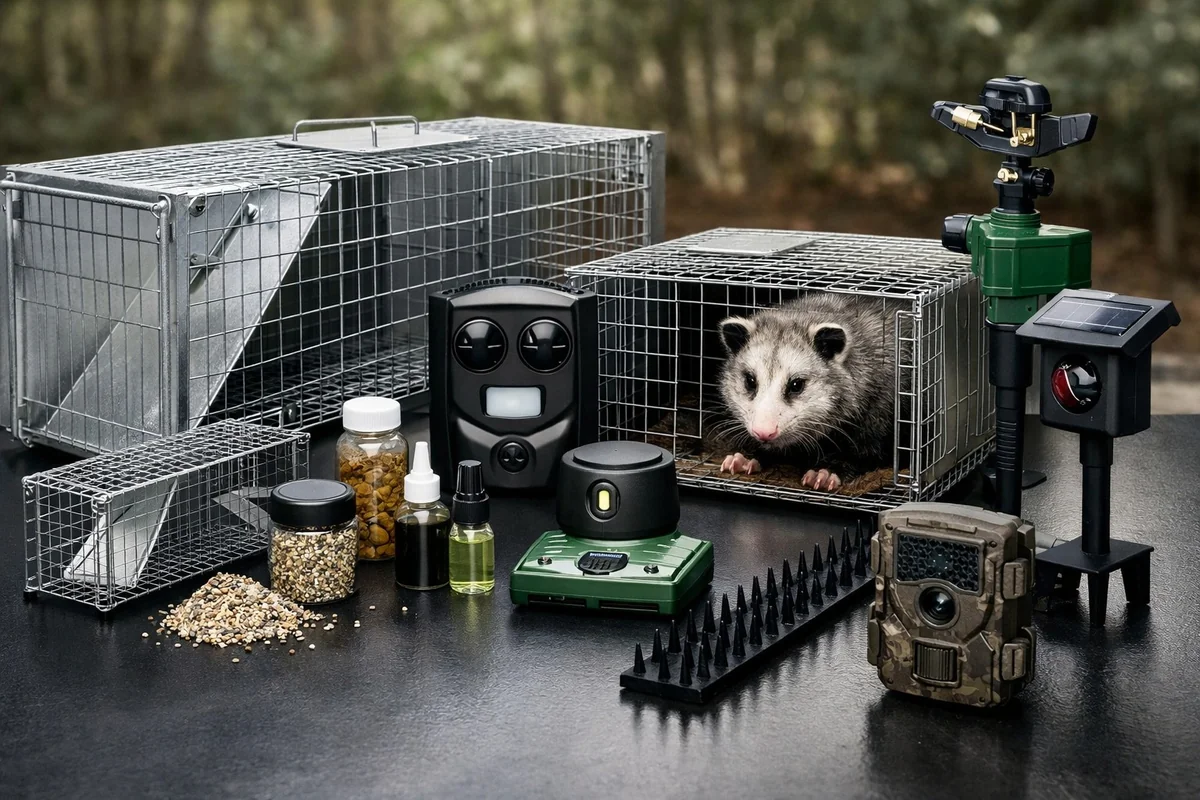
Best Raccoon Traps and Deterrents 2026: Live Traps, Repellents, and Safe DIY Options
Discover the best raccoon traps, deterrents, and opossum traps for 2026. Compare humane live-catch options, electronic repellents, and prevention tools to protect your home quickly and safely - DIY solutions for every budget.
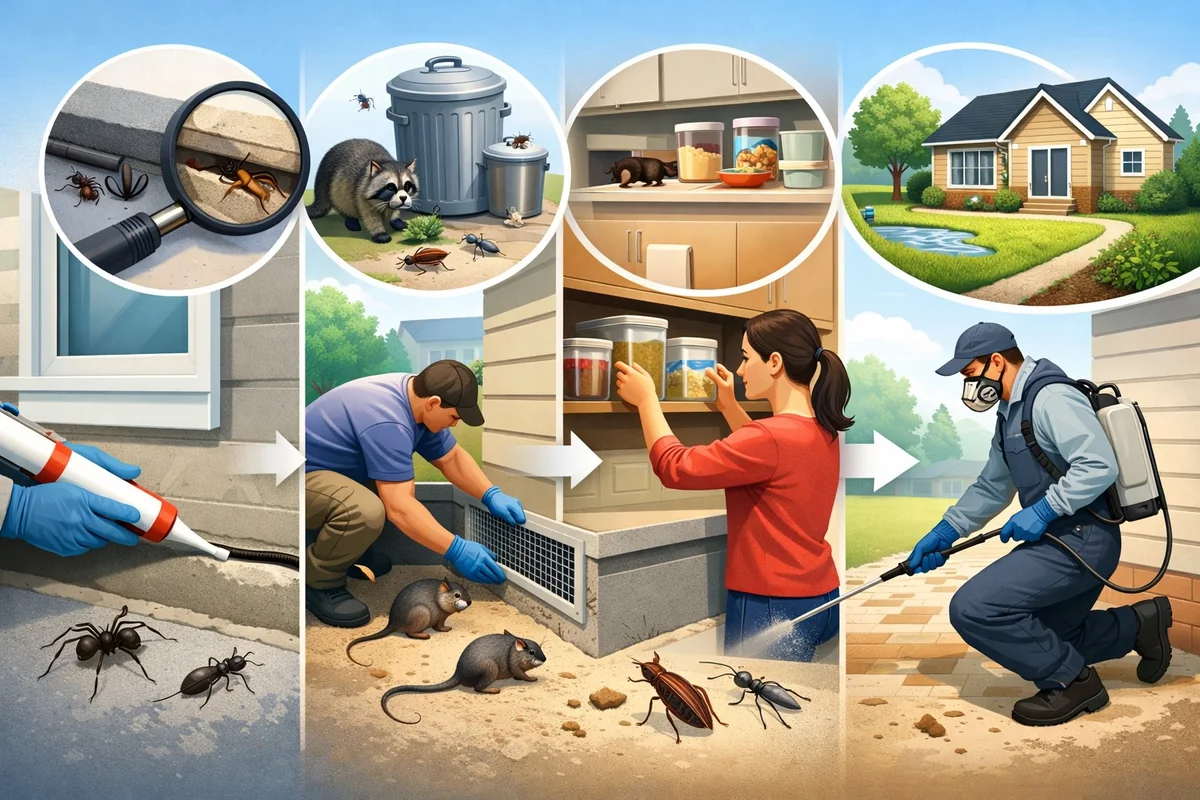
Complete Guide to Pest Prevention in Homes: Stop Pests in 2026
Protect your home in 2026 with this complete pest prevention guide. Discover proven DIY methods, room-by-room tips, safe solutions for families, and expert advice to stop pests before they start.
![Best Protective Gear for Pest Control 2026 [Expert Reviews]](https://pestproreviews.com/images/hero/hero_best_protective_gear_for_pest_control_2026_expert.webp)
Best Protective Gear for Pest Control 2026 [Expert Reviews]
Protect yourself during DIY pest control in 2026 with our expert-reviewed guide to the best protective gear. Compare top-rated respirators, gloves, coveralls, and more for safe, effective pest removal at home.
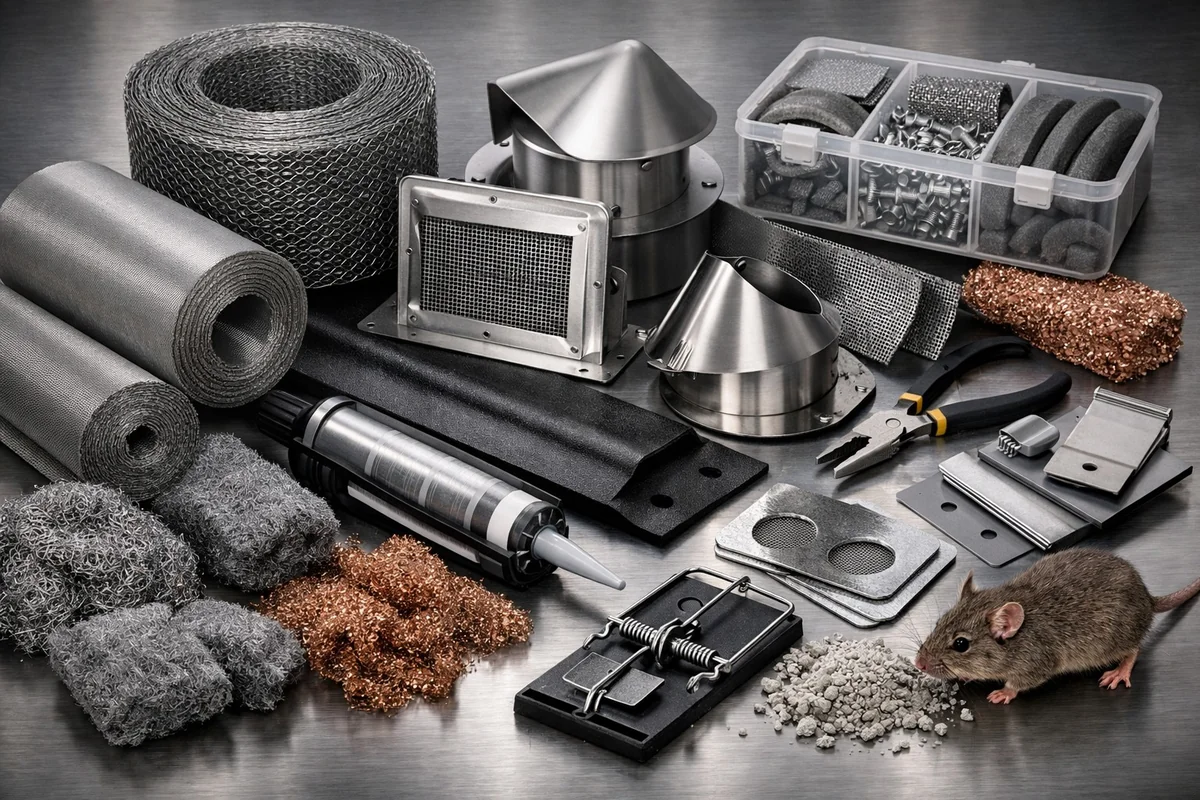
Best Rodent-Proofing Materials and Products 2026: Steel Wool, Mesh, Kits, and More
Find the best rodent-proofing materials, products, and exclusion kits for 2026. Compare steel wool, mesh, sealants, vent covers, and natural deterrents to keep your home rodent-free with expert DIY recommendations.