 Pest Pro Reviews Editorial Team • • 18 min read •
 Raccoon Traps vs Repellents: Which Is More Effective? (2026 Comparison Guide)
Compare raccoon traps and repellents in 2026: effectiveness, price, safety, and ease of use. Find out which raccoon or opossum control method is best for your home, plus expert product picks.
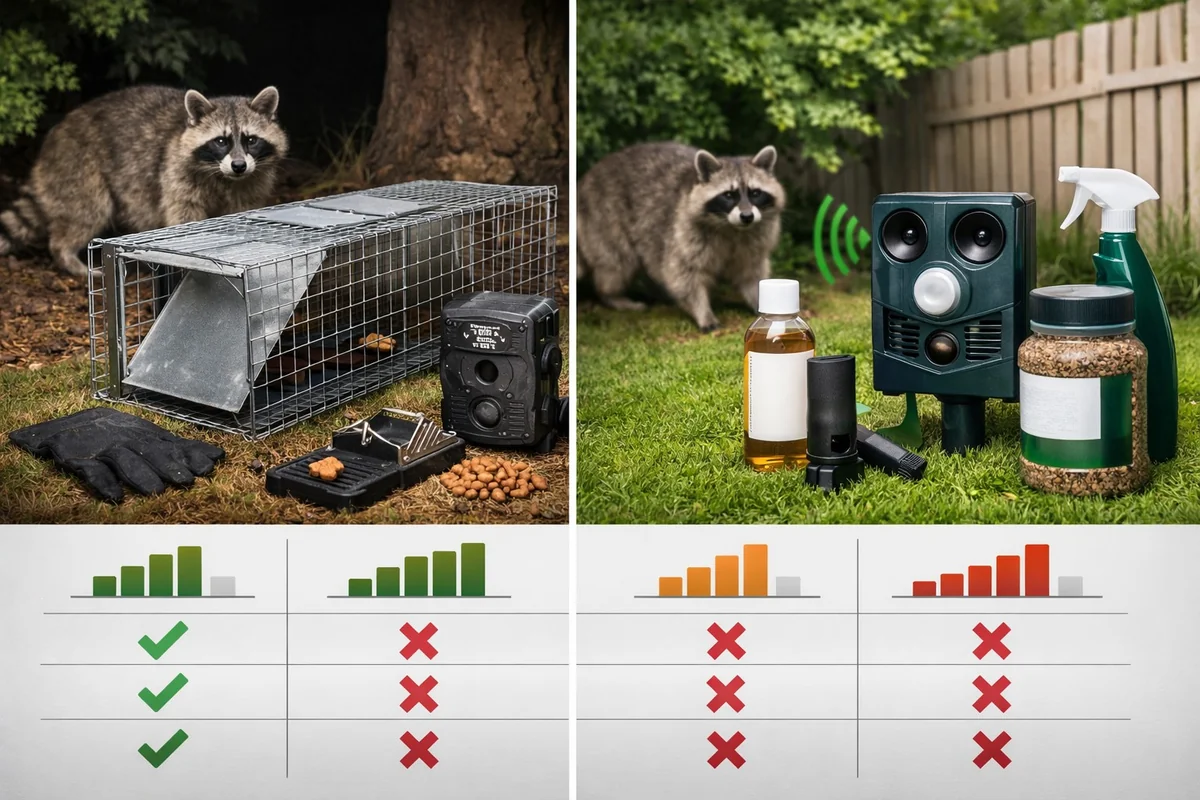
Raccoon traps vs repellents: Traps win for removing raccoons already inside your home, while repellents work better for keeping new ones out. Traps give you direct control but take more effort and monitoring. Repellents are easier to use, but raccoons may ignore them if food is available.
Choose traps for active infestations, repellents for prevention.
- Traps provide the fastest, most reliable solution for raccoons already inside or causing damage.
- Repellents are best for prevention and low-level activity but need frequent upkeep.
- Pairing trapping with repairs and repellents delivers the most lasting raccoon control for homeowners in 2026.
Key Differences: Raccoon Traps vs Repellents
When comparing raccoon traps and repellents, the fundamental difference comes down to how each method tackles the problem. Traps physically capture raccoons, letting you remove them from your property. Repellents, on the other hand, try to make your space unappealing so raccoons stay away in the first place.
Traps use mechanical action and bait. You set a live cage in a likely raccoon path, bait it with something irresistible (like marshmallows or fish), and wait for the animal to trigger the door. The trapped raccoon can then be relocated or released, depending on local laws.
Repellents use scents, tastes, or sounds that raccoons dislike. Some rely on strong odors (predator urine, ammonia), others on bitter chemicals that make food unpalatable, and a few, like ultrasonic devices, emit high-frequency noises to annoy or startle the animals. Effectiveness varies - raccoons are clever and persistent, especially if there’s food or shelter at stake.
Identify your needs and get personalized recommendations
Learning about raccoon removal for the first time and seeking simple, safe options.
Interested in understanding the basics and avoiding common pitfalls with pest removal.
Compares features and specs across traps and repellents to find the best fit.
Prioritizes getting the best mix of performance and price.
Ready to buy and wants a reliable, effective solution as soon as possible.
Seeks the top-performing product with the best price-to-benefit ratio.
When to Use Traps or Repellents
Traps are best when there’s already a raccoon inside your attic, crawl space, or garage. You need to remove the animal physically to stop damage and health risks. Repellents work better for deterring raccoons from entering in the first place, or when you’ve seen only minor signs of activity in the yard.
Keep in mind, legal and ethical factors matter. Some regions ban relocation, require permits, or have humane handling rules. Always check with wildlife authorities before trapping.
Limitations of Each Approach
Traps require commitment. You must check them at least daily, handle captured animals safely, and deal with non-target catches. Repellents can wash away in the rain and need regular reapplication to stay effective.
Neither traps nor repellents guarantee permanent exclusion. If you don’t fix how raccoons got in - like patching entry points or securing garbage - they’ll keep coming back.
For a deeper dive into how these strategies fit into a full wildlife plan, see our Raccoon & Opossum Control overview.
Effectiveness of Raccoon Traps for Home Use
Live cage traps are the gold standard for homeowners dealing with raccoons inside their property. The most common type uses a spring-loaded door, triggered when the animal steps on a baited plate or pulls on a lever.
The Havahart 1079 Large 1-Door Humane Animal Trap is a staple for this job. It’s a sturdy, reusable cage specifically designed for raccoons and opossums, with a single door and a sensitive trigger plate. The design aims for humane capture, letting you relocate the animal if your state or province allows it.
Trap size and placement are critical. For raccoons, you need a large enough cage - at least 32 inches long - with strong wire mesh to prevent escapes. Place it along active raccoon trails or near signs like droppings or torn insulation, and always use gloves to keep human scent off the trap.
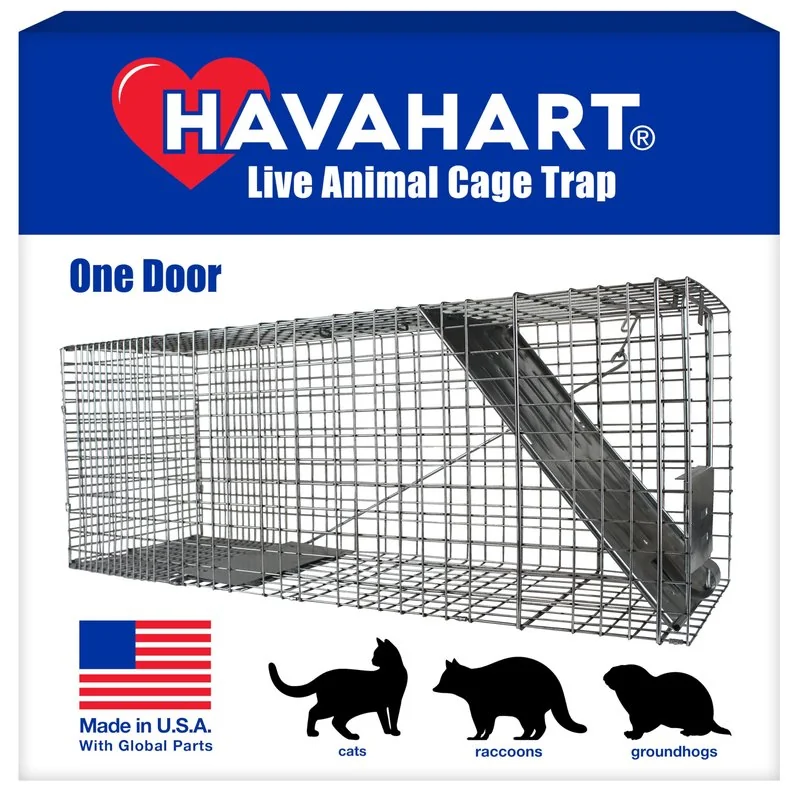
Havahart 1079 Large 1-Door Humane Animal Trap
Designed for humane, effective raccoon and opossum removal, the Havahart 1079 Large 1-Door Trap uses a sensitive trigger plate and sturdy steel construction to securely capture animals without injury. Measuring 32 x 10 x 12 inches, it provides ample space for large wildlife while remaining portable for residential use. Ideal for homeowners needing a reliable, reusable live trap that complies with animal welfare standards.
Why We Recommend This
We recommend the Havahart 1079 for anyone needing a proven, humane approach to raccoon or opossum removal. Its reliable trigger mechanism, durable materials, and generous size make it stand out for safe capture and relocation, especially where regulations require non-lethal control. For those prioritizing animal welfare and legal compliance, this is our top live trap pick.
vs Competitors: Compared to smaller traps or chemical repellents, the Havahart 1079 delivers more consistent results for larger wildlife and reduces the risk of harming non-target animals.
Best For:
Homeowners, property managers, and renters seeking a humane, effective solution for raccoon and opossum problems without resorting to lethal methods.
- Safely capturing and relocating raccoons from residential yards or attics
- Addressing opossum infestations in garages, sheds, or garden areas
- Single spring-loaded door for secure containment
- Sensitive trigger plate minimizes missed captures
- Humane live capture method supports safe relocation when permitted
- Sturdy build withstands outdoor conditions and repeated use
- Requires regular monitoring to avoid prolonged animal stress
- Not suitable for smaller pests or indoor use due to size
This trap is best for people dealing with raccoons already inside walls, attics, or crawl spaces. It offers reliable performance and holds up for years if stored indoors and cleaned after each use. The trade-off is the time commitment: you need to check it daily, handle a wild animal, and comply with your local laws.
Success Rates and Real-World Challenges
In reported use, success rates depend on several factors. Experienced raccoons can sometimes steal bait without triggering the trap, or avoid it entirely if they sense human scent.
Using the right bait - sweet foods like marshmallows, or fish for extra scent power - improves your odds. Minimizing disturbance around the trap helps too. Homeowners often find that the first night or two are the most productive; after that, trap-shy raccoons may avoid the area.
Non-target animals (like stray cats or opossums) may wander into your trap, so check it every morning. Relocating wildlife is regulated in many areas, and improper handling can stress or injure the animal.
Legal and Ethical Considerations
Laws on raccoon trapping and relocation vary widely. Some areas require a permit, others ban moving raccoons more than a mile, and some prohibit relocation altogether to prevent disease spread.
Improper use - such as leaving a trap unchecked or setting it in extreme weather - can lead to animal suffering and even fines. Always check your local regulations before you start trapping, and consider contacting a wildlife officer if you’re unsure.
For more on choosing and using these tools, see Best Raccoon Traps and Deterrents 2026.
Effectiveness of Raccoon Repellents for Home Use
Repellents take a less direct approach - rather than removing raccoons, they make your home or yard less inviting. There are three main types: scent-based, taste-based, and ultrasonic repellents. Each targets a different aspect of raccoon behavior.
Bonide Repels-All Animal Repellent Granules is a popular scent-based option. It uses natural ingredients - like garlic, dried blood, and essential oils - to create an odor barrier that repels raccoons, opossums, and other nuisance animals from gardens and yards.
Application is straightforward: sprinkle the granules around the perimeter of your garden, flowerbed, or any area where you’ve seen animal activity. The formula is designed to be rain-resistant, but will still need reapplication after heavy storms or watering.
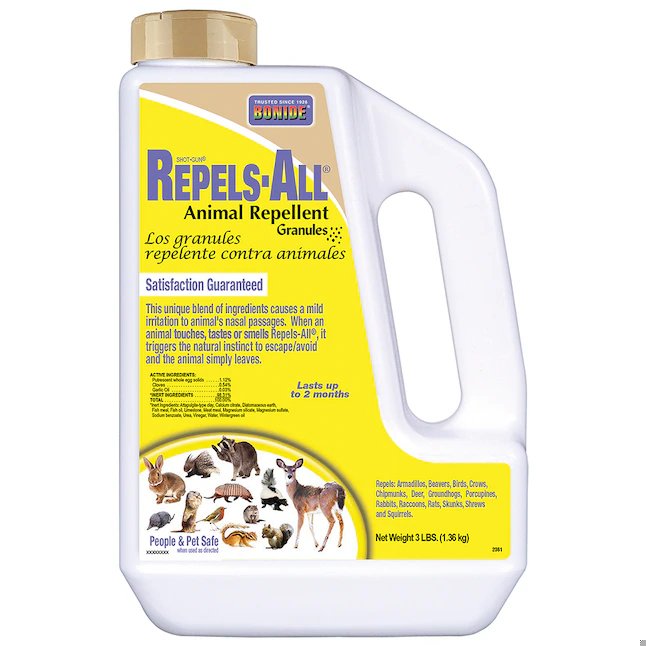
Bonide Repels-All Animal Repellent Granules
Bonide Repels-All Animal Repellent Granules uses natural ingredients like garlic, dried blood, and essential oils to create a scent barrier that deters raccoons, opossums, and other nuisance animals. The 3-pound resealable bag covers up to 5,000 sq ft, making it suitable for gardens, lawns, and landscaping. Easy to apply, it helps prevent minor wildlife issues from becoming infestations.
Why We Recommend This
We recommend Bonide Repels-All Animal Repellent Granules for those prioritizing prevention and low-maintenance wildlife control. Its natural ingredients and broad coverage make it a practical choice for keeping raccoons and other pests from turning a minor issue into a full infestation. As a cost-effective, easy-to-use option, it’s especially well-suited for routine yard and garden protection.
vs Competitors: Compared to spray repellents and ultrasonic devices, Bonide Repels-All offers wider coverage and longer residual action, though it may require more frequent reapplication during rainy periods.
Best For:
Homeowners, gardeners, and property managers looking for a preventative, non-lethal solution to deter nuisance wildlife from outdoor spaces.
- Ideal for homeowners seeking to prevent raccoon and opossum intrusion before it escalates
- Suitable for gardeners protecting vegetable patches, flower beds, or newly planted areas
- Granular formula with natural active ingredients (garlic, dried blood, essential oils)
- Covers up to 5,000 sq ft per 3 lb bag
- Easy, mess-free application with standard spreaders or by hand
- Addresses a broad range of nuisance animals, not just raccoons
- Requires regular reapplication, especially after heavy rain
- Less effective for established infestations compared to trapping solutions
This repellent is ideal for homeowners looking for a preventive measure or those with low-level raccoon activity outdoors. It’s a budget-friendly option that doesn’t require direct contact with the animal. However, if you’re dealing with raccoons already nesting inside, scent repellents alone won’t drive them out.
For broader coverage or areas with high raccoon pressure, motion-activated repellents bring extra muscle. The Critter Ridder Motion-Activated Animal Repellent Sprinkler by Havahart uses a sudden burst of water to startle raccoons and other wildlife, teaching them to avoid the treated area.
It’s especially effective for gardens, ponds, and trash storage areas where raccoons are active at night. The motion sensor is adjustable, and the sprinkler covers a wide area without using chemicals that could affect pets or children.
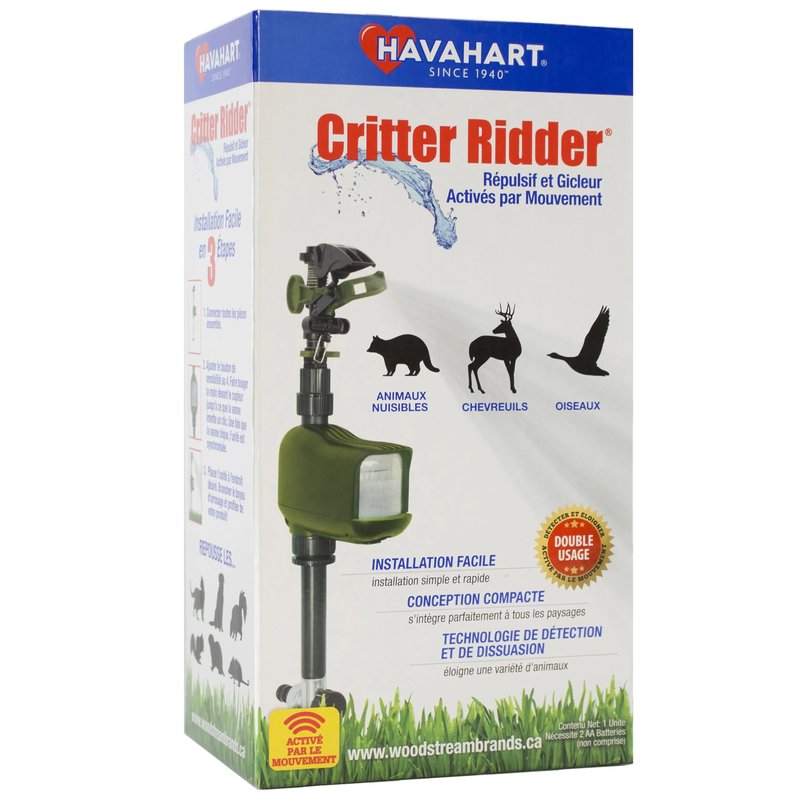
Critter Ridder Motion-Activated Animal Repellent Sprinkler
Automatically deters raccoons and other wildlife with a sudden spray of water, the Havahart Critter Ridder Motion-Activated Animal Repellent Sprinkler covers up to 1,200 square feet per unit. Its adjustable sensitivity and 100-degree detection arc make it suitable for safeguarding gardens, yards, and trash areas where raccoon activity is frequent.
Why We Recommend This
We recommend the Havahart Critter Ridder Motion-Activated Sprinkler for readers dealing with high raccoon pressure or large outdoor areas where passive repellents fall short. Its adjustable coverage and proven behavioral deterrent make it a top choice for humane, non-toxic pest management, especially when traps are impractical or undesirable.
vs Competitors: Compared to static spray or scent-based repellents, this motion-activated sprinkler provides broader coverage and immediate feedback, though it requires more setup and maintenance than granular repellents.
Best For:
Homeowners or property managers dealing with frequent raccoon or wildlife intrusions in outdoor spaces, especially those seeking chemical-free and humane deterrent methods.
- Protecting vegetable gardens or fruit trees from persistent raccoon raids
- Preventing raccoon access to garbage bins or compost areas in suburban yards
- Motion-activated infrared sensor with 100-degree detection arc
- Covers up to 1,200 sq ft with a single sprinkler
- Effectively startles raccoons and conditions avoidance behavior without chemicals
- Covers large areas, making it suitable for gardens and trash enclosures
- Requires access to a hose and consistent water supply
- May need multiple units for irregularly shaped or very large properties
This device suits people with persistent raccoon or opossum visitors in open spaces. The main trade-off is setup: you’ll need a hose connection and some patience to dial in the sensitivity. Occasional false triggers (wind, neighborhood cats) are possible, so placement and adjustment matter.
The Victor Heavy-Duty Sonic PestChaser Pro represents the ultrasonic approach. While primarily marketed for squirrels and chipmunks, some users deploy it against raccoons with mixed results. It emits a high-frequency sound that’s unpleasant to rodents and, in some cases, raccoons.
Setup is simple - plug it in or use batteries, and place it in attics, garages, or other indoor spaces where raccoons might explore. The device is chemical-free and safe for most pets, though some dogs and cats may notice the sound.
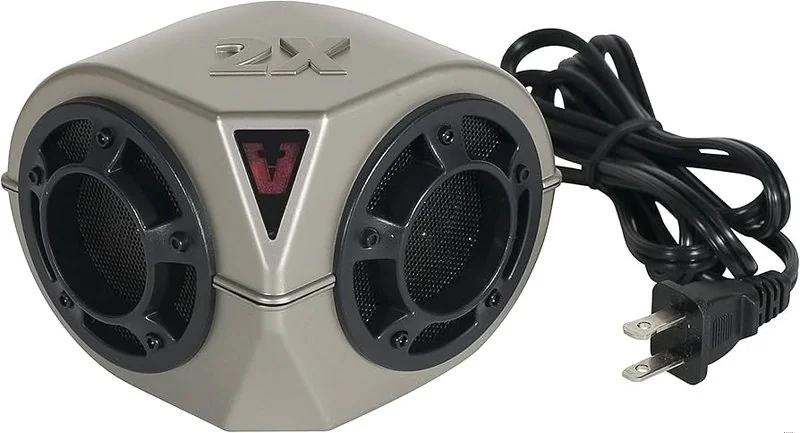
Victor Heavy-Duty Sonic PestChaser Pro
The Victor Heavy-Duty Sonic PestChaser Pro provides chemical-free squirrel and chipmunk deterrence using high-frequency ultrasonic sound, covering up to 5,000 sq ft. Designed for indoor and outdoor use, it offers hands-off protection without the mess or maintenance of traps or sprays. This plug-in device is ideal for long-term, low-effort pest management in yards, garages, and attics.
Why We Recommend This
We recommend the Victor Heavy-Duty Sonic PestChaser Pro for homeowners who want reliable, low-maintenance pest deterrence without resorting to traps or chemicals. Its broad coverage and weather-resistant design make it especially suited for outdoor and semi-enclosed spaces. This model stands out for ease of use and long-term cost savings compared to consumable repellents.
vs Competitors: Compared to spray and granule repellents, this device offers a one-time setup and avoids the need for repeated applications. While some physical traps may provide immediate results, the PestChaser Pro minimizes hassle and ongoing costs.
Best For:
Homeowners seeking a hands-off, chemical-free method for deterring squirrels and chipmunks from large indoor or outdoor spaces.
- Protecting detached garages, sheds, or attics from squirrel intrusions
- Maintaining pest-free patios or outdoor storage areas without traps or poison
- Covers areas up to 5,000 sq ft (464 m²)
- Emits ultrasonic frequencies (32-62 kHz) targeting rodents
- No contact with pests or hazardous chemicals required
- One-time installation with minimal ongoing maintenance
- Requires continuous power source or periodic battery changes
- Effectiveness may vary depending on room layout and objects obstructing sound waves
This ultrasonic repellent is best for those wanting a low-effort, ongoing deterrent without maintenance. It’s not a silver bullet, especially for raccoons already inside, but can help as part of a broader prevention plan.
Best Use Cases for Repellents
Repellents are most effective for prevention, or when dealing with mild raccoon activity outdoors. They work well for protecting new garden beds, trash cans, or crawl space vents before an animal moves in.
Combining repellents with physical barriers (like hardware cloth over vents or tight-fitting trash lids) boosts your odds. For best results, apply them consistently and re-treat after heavy rain or cleaning.
Common Pitfalls and Limitations
Repellents can lose strength quickly, especially after rain or irrigation. Some raccoons ignore even the strongest scents when food is plentiful or shelter is available.
Repellents are rarely successful at evicting raccoons already nesting indoors. In that scenario, you’ll need to use traps or hire professional help.
Price and Value: What to Expect
Cost is a big factor for anyone tackling raccoon problems themselves. Live cage traps, like the Havahart 1079, fall into the mid-range investment category. They’re reusable, so you buy once and use for years - especially if you store the trap indoors and clean it properly after each catch.
Repellents like Bonide Repels-All Granules are budget-friendly per application, but recurring costs add up if you need to treat large areas or reapply after every rainfall. Motion-activated sprinklers and ultrasonic devices usually require a moderate upfront investment, but little ongoing cost unless batteries need frequent replacement.
Cost Comparison: Traps vs Repellents
- Live cage traps: moderate investment, reusable for multiple captures, longevity with proper care
- Granular or liquid repellents: budget-friendly per bottle, ongoing cost with each application
- Motion-activated or ultrasonic devices: moderate upfront cost, minimal ongoing expense unless battery-powered
Long-Term Value and Maintenance
Traps last for years with basic upkeep - wash them after each use and store indoors. Repellents need regular reapplication, especially in wet climates or after yard work disturbs the treated area.
Both methods typically need to be combined with exclusion repairs (like sealing holes or reinforcing soffits) for permanent raccoon control. Otherwise, you’ll be repeating the process season after season.
Safety and Risks for Families and Pets
Safety is a real concern when using any wildlife control method at home. Traps - especially heavy-duty live cages - can injure pets or even children if triggered accidentally. Always place traps in areas inaccessible to kids and pets, and use warning signs if setting them outdoors.
There’s also the risk of catching non-target wildlife. If an opossum, skunk, or neighbor’s cat is caught, you’ll need to release it unharmed - a stressful situation for both animal and human. Handling raccoons poses a risk of bites and disease transmission (like rabies or roundworm), so use thick gloves and never touch the animal directly.
Chemical repellents can cause irritation or allergic reactions for sensitive pets or people. Read labels carefully, especially if you have dogs or cats that roam treated areas. Ultrasonic devices are generally safe, but some pets - especially small dogs or cats - may react to the sound.
Natural repellents, like predator urine, can create strong, lingering odors indoors. Use these only in outdoor spaces or attics you rarely access.
Comparing Ease of Use and Setup
Setting up a live trap takes planning. You must select the right location - along raccoon runways or near food sources - bait it with the right lure, and check it every morning. Some cages require minor assembly or adjustments to the trigger plate for best results.
Legal requirements may also dictate where and how you can use traps. For instance, some states require traps to be labeled with your contact info or checked at least every 24 hours.
Repellents are easier for most people. Granular or liquid products get sprinkled or sprayed in affected areas, with minimal setup time. Motion-activated sprinklers need a hose and a clear line of sight, while ultrasonic devices plug into a wall or run on batteries.
The main chore is remembering to reapply or refill as needed, especially after rain or yard work disturbs the application.
Opossum Deterrent Methods: Do Traps or Repellents Work?
Opossum control shares a lot with raccoon control, but there are some differences worth noting. Opossums are less destructive and usually less persistent than raccoons. They’re also more likely to move on if food sources are removed or access points are blocked.
Both traps and repellents can work, but opossums may respond to different scents. For example, repellents with strong ammonia or garlic odors tend to be especially effective for opossums. Live traps should be checked frequently - opossums are sensitive to stress and can injure themselves if left too long.
Legal and ethical considerations for trapping opossums are usually less strict than for raccoons, but always check your local regulations. The best approach is securing food sources (pet food, compost, trash) and closing entry points to prevent access in the first place.
If you use a repellent, reapply after heavy rain and monitor for signs of activity. For homeowners facing both raccoon and opossum issues, a combination of repellent types and exclusion repairs delivers the best results.
Frequently Asked Questions About Raccoon and Opossum Control
❓ Frequently Asked Questions
What is the difference between raccoon traps and raccoon repellents?
What is the difference between raccoon traps and raccoon repellents?
Raccoon traps physically capture raccoons for relocation, while repellents deter them using scent or taste. Traps offer a direct way to remove animals from a property, commonly using cage designs. Repellents are easier to deploy but may provide only temporary results, especially if food sources remain accessible.
How do I safely set up a raccoon trap?
How do I safely set up a raccoon trap?
To safely set up a raccoon trap:
- Choose a sturdy, humane cage trap with a sensitive trigger
- Place the trap near raccoon activity, such as known entry points
- Bait it with foods like marshmallows or canned fish
- Check the trap every 12 hours
Always wear gloves to avoid scent transfer and comply with local wildlife regulations.
How effective are raccoon repellents compared to traps?
How effective are raccoon repellents compared to traps?
Most users find that raccoon traps are more reliable for complete removal, with capture rates of 70–85% when set up correctly. Repellents can reduce activity temporarily but often need frequent reapplication and are less effective if attractants remain. However, repellents provide a non-capture option and are easier for DIY use.
What should I look for when choosing a raccoon trap?
What should I look for when choosing a raccoon trap?
When choosing a raccoon trap, focus on:
- Size: should accommodate adult raccoons (at least 32" x 10" x 12")
- Material: galvanized steel resists rust and damage
- Trigger sensitivity: improves catch rates
- Safety features: smooth edges to prevent animal injury
Check for local trapping regulations before purchase.
How often should I reapply raccoon repellents?
How often should I reapply raccoon repellents?
Raccoon repellents should be reapplied every 7–14 days, or after heavy rain, for best results. Most water-based and granular repellents lose potency quickly outdoors. Always follow the product label instructions. Persistent raccoon issues may require combining repellents with exclusion or trapping methods for longer-term control.
When is the best time to set raccoon traps?
When is the best time to set raccoon traps?
The best time to set raccoon traps is at dusk, as raccoons are most active overnight. Setting traps in the evening increases catch rates by targeting their peak foraging hours. Always check traps early in the morning to reduce animal stress and comply with humane trapping guidelines.
Why do I need to remove raccoons from my property?
Why do I need to remove raccoons from my property?
Raccoons can damage roofing, insulation, and wiring, and carry diseases like rabies and roundworm. Removing raccoons helps prevent costly repairs and health risks. Ignoring infestations often allows populations to grow, increasing the risk of property damage and wildlife conflicts.
Our Verdict: Which Method Is Best for You?
For homeowners and renters tackling a raccoon problem in 2026, traps are the clear winner when you need to remove animals already inside your home or causing property damage. They let you solve the immediate issue and, when used properly, are humane and reusable for years. The Havahart 1079 Large 1-Door Humane Animal Trap is the go-to for most people who want a reliable, proven solution with minimal ongoing cost.
Repellents shine for prevention and keeping low-level activity from turning into a real infestation. Products like Bonide Repels-All Animal Repellent Granules are affordable and easy to use, while motion-activated devices and ultrasonic repellents add another layer for outdoor spaces or attics. Just know that repellents alone rarely solve entrenched raccoon problems - think of them as part of a toolkit, not the only tool.
If you want lasting peace of mind, combine both methods with exclusion repairs: trap and remove any animals already inside, seal up entry points, then use repellents to reinforce your defenses. This integrated approach gives you the best shot at a raccoon- and opossum-free home for the long haul.
Related Articles
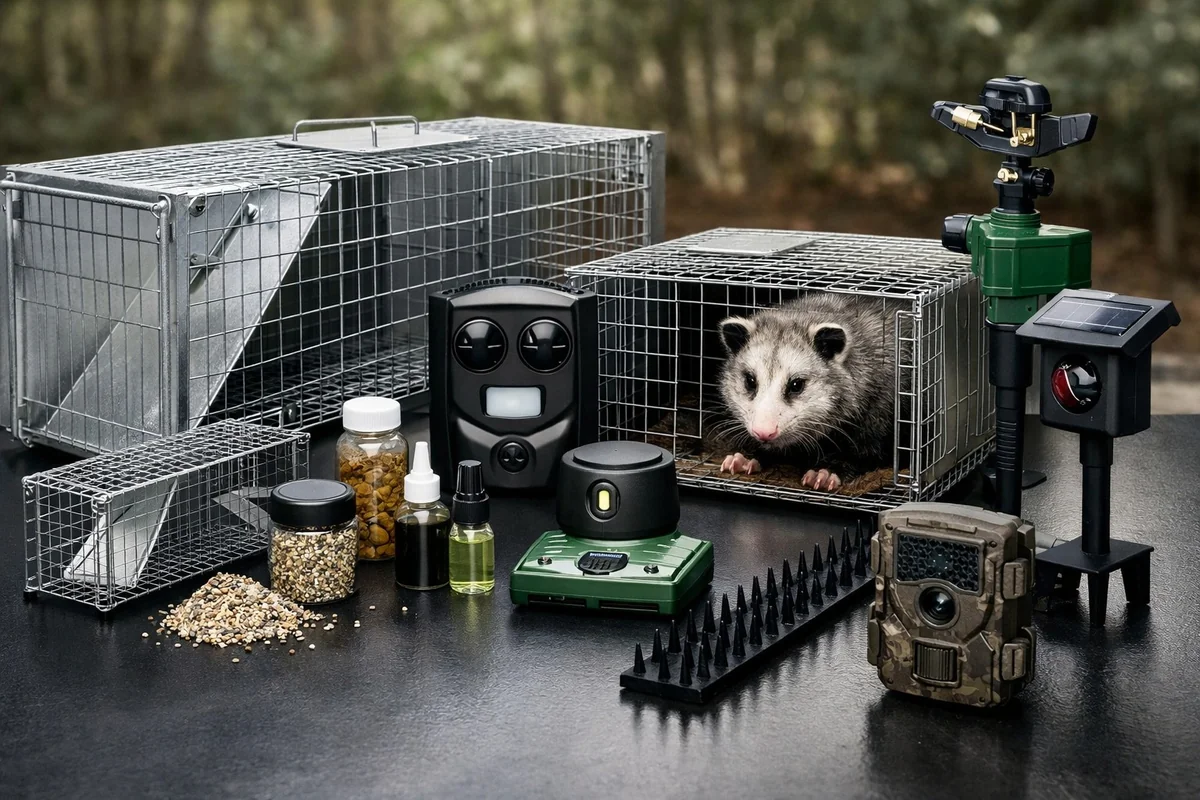
Best Raccoon Traps and Deterrents 2026: Live Traps, Repellents, and Safe DIY Options
Discover the best raccoon traps, deterrents, and opossum traps for 2026. Compare humane live-catch options, electronic repellents, and prevention tools to protect your home quickly and safely - DIY solutions for every budget.

Complete Guide to Pest Prevention in Homes: Stop Pests in 2026
Protect your home in 2026 with this complete pest prevention guide. Discover proven DIY methods, room-by-room tips, safe solutions for families, and expert advice to stop pests before they start.
![Best Protective Gear for Pest Control 2026 [Expert Reviews]](https://pestproreviews.com/images/hero/hero_best_protective_gear_for_pest_control_2026_expert.webp)
Best Protective Gear for Pest Control 2026 [Expert Reviews]
Protect yourself during DIY pest control in 2026 with our expert-reviewed guide to the best protective gear. Compare top-rated respirators, gloves, coveralls, and more for safe, effective pest removal at home.

Best Pest Traps and Monitors 2026: Top Reviews for Every Pest Problem
Discover the best pest traps and monitors for 2026. In-depth reviews and expert buying advice for ants, roaches, rodents, bed bugs, flies, and more. Find safe, effective, and budget-friendly solutions for your home.