
Are Rat Traps Humane? How Each Method Compares
Are rat traps humane? How snap, electronic, live, glue and poison methods compare on suffering, why live traps fall short, and how to set traps so they kill cleanly.
A rat trap is humane when it kills almost instantly or holds the rat unharmed for as short a time as possible. A rat-size snap trap set correctly and checked every morning meets that test; glue boards, poison and drowning do not. Live cages sound kinder than they are, and how you set and check any trap matters as much as which one you buy.
What Makes a Rat Trap Humane
Rats feel pain and fear like other mammals, so the welfare question comes down to one thing: how long the animal suffers between being caught and dying or going free. A trap that kills in a moment causes less suffering than one that leaves the rat injured, stuck or frightened for hours.
That gives three tests. A humane kill trap kills quickly and reliably, not by catching a leg. A humane capture holds the rat without injury, and only briefly. Neither should hurt pets, birds or other animals that wander in.
Judged that way, a well-made rat-size snap trap usually comes out ahead, which surprises people who assume “humane” means “live.” For the traps that kill most reliably, see our guide to the best rat traps for the home.
How Rat Trap Types Compare on Welfare
UC IPM's rat pest guide calls snap traps the safest, most effective and most economical way to trap rats, and does not recommend glue boards or live traps for nonprofessionals. The table sets each method against the three tests above; the rat traps section covers specific models of each type.
| Method | What Happens to the Rat | Main Welfare Problem | How to Make It Kinder |
|---|---|---|---|
| Rat-size snap trap | Killed quickly by a blow to the head or neck | Injury if it catches a leg or tail | Use a rat-size trap at a right angle to the wall, fastened down |
| Covered tunnel snap trap | Killed inside a closed tunnel | Same as a snap trap if poorly set | Test that it latches; check every morning |
| Electronic trap | Killed by a high-voltage shock in a chamber | A weak battery may stun instead of kill | Replace batteries at the low-battery signal |
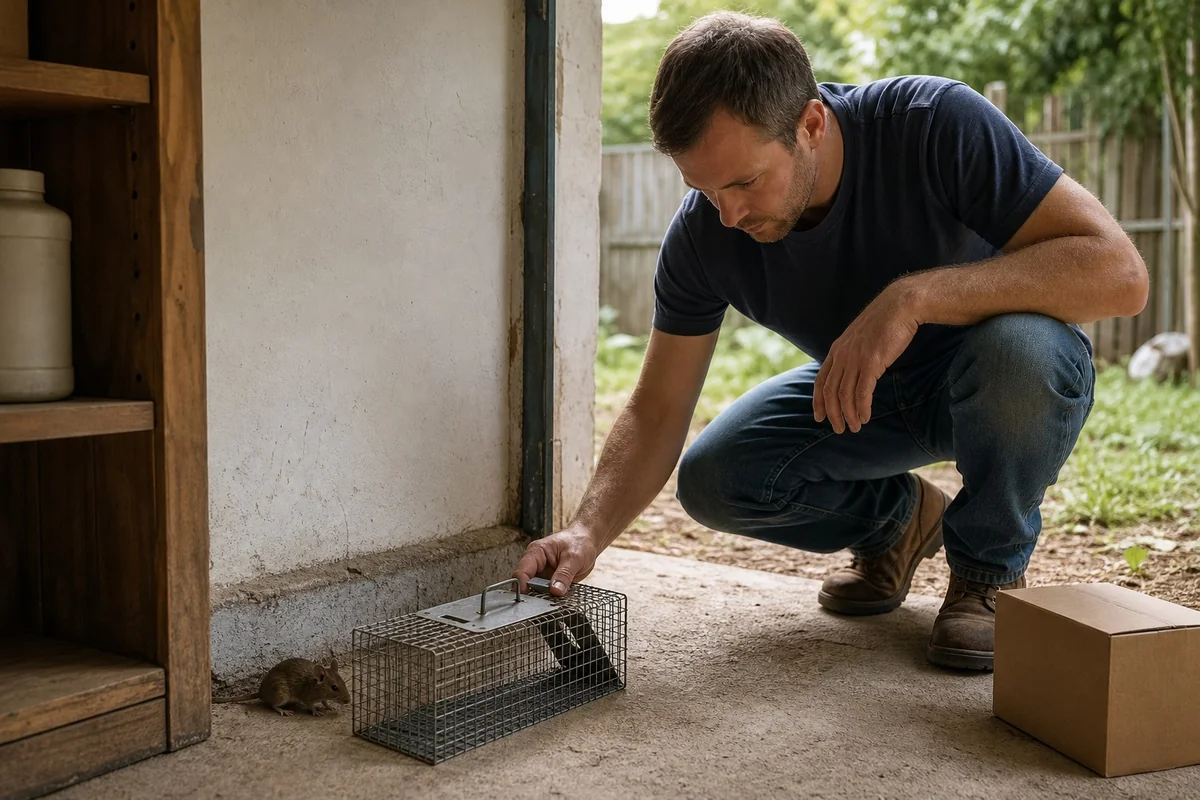
| Live cage trap | Held alive, then killed or released | Fear, heat, cold and thirst; release problems | Shade, a covered cage and a check at first light |
| Glue board | Stuck alive until someone kills it | Prolonged panic; may tear free injured | Do not use for rats |
| Poison bait | Dies over several days | Slow death; pets and wildlife at risk | Only in sealed stations, as a last resort, by the label |
| Water bucket | Drowns | Not considered humane | Use a dry bucket and check it daily |
Glue boards are the worst of the common options. The CDC advises against them because a trapped rodent panics and urinates, which raises your risk of disease, and a rat can stay stuck alive for a long time if nobody checks.
Why a Well-Set Snap Trap Is Usually Kindest
A snap trap is only as humane as its fit and setup. A mouse trap on a rat, a trap set at the wrong angle or one that jumps when it fires can catch a foot or a tail instead of the head. The rat is then hurt, alive and harder to catch next time.
- Use a rat-size trap: a mouse trap's spring is too weak to kill a rat outright.
- Set it at a right angle to the wall, trigger end almost touching it, so the rat meets the trigger head first.
- Keep the bait small, a pea-sized amount at the back of the cup, so the rat has to reach over the strike bar.
- Fasten the trap down: UC IPM notes that securing a trap to the surface focuses the force of the snap.
- Check every morning, so an injured rat is not left for a day.
Are Live Traps Really Humane?
Live traps keep the rat unharmed while it is in the cage, but that is only half the story. A trapped rat spends hours frightened, exposed to weather and without water, and the CDC advises against live traps for the same urine and disease reason as glue boards.
The bigger problem is what happens next. UC IPM does not recommend live trapping for nonprofessionals and notes that in California a trapped rat must legally be euthanized or released right where it was caught. Moving it elsewhere just hands the problem to someone else, and roof rats and Norway rats are not native to the United States, so released rats harm local birds and other wildlife.
Rules on releasing rats vary by state and city, so check yours before buying a cage. If you do use one, set it in shade, cover most of the cage with a cloth, and check it at first light every day.
How Long Will a Rat Stay Alive in a Trap?
In a live cage or on a glue board, a rat can survive for many hours or days, suffering from fear, heat or cold and thirst the whole time. A rat caught by a leg in an undersized or badly set snap trap can also live for hours. That is why every trap, of every type, should be checked first thing each morning.
Rats are mostly active at night, so a morning check finds overnight captures within hours. Never leave a set trap of any kind while you are away for a day or more; spring it or remove it before you go.
Do Rats Learn to Avoid Traps?
Yes, quickly. Rats quickly detect and avoid new objects, and UC IPM warns that a rat that sets off a trap without being caught becomes very difficult to trap again. So rats do become aware of traps, and a bad experience makes them warier.
Will a rat come back if it escapes a trap? It usually stays in the area, often injured, and avoids that trap from then on. Using rat-size traps and setting several on the same night gives an escaped rat fewer chances to learn, since the next trap it meets is already familiar bait.
Trap shyness is a welfare issue as much as a nuisance. A trap-shy rat stays in your home longer, often carrying an injury, and keeps breeding while you try new tricks.
What Is the Most Humane Way of Getting Rid of Rats?
The most humane plan is the one that ends the problem with the fewest animals harmed. Start by removing food and shelter: covered garbage, sealed pet food, no fallen fruit, and firewood stacked off the ground. Fewer rats are then drawn to the house in the first place.
Next, seal the way in. UC IPM advises closing openings larger than 1/4 inch with steel wool, wire screen or sheet metal, since rats chew through plastic, foam and caulk. Then trap the rats already inside with quick-kill traps checked every morning, so no new rats replace them and trapping ends sooner.
Common Questions About Humane Rat Traps
Are electric rat traps humane?
Are electric rat traps humane?
They can be, when the batteries are fresh and the rat enters fully, because the shock kills inside a closed chamber within moments. The weak point is power: a fading battery may stun rather than kill, so replace batteries as soon as the low-battery light shows and check the trap every morning.
Is a bucket trap humane?
Is a bucket trap humane?
Not when it holds water. Drowning is not considered a humane way to kill rodents, and a rat can struggle for a long time. A dry bucket works as a live trap instead, but a rat can jump surprisingly high, so it needs tall smooth sides and a check every morning.
Are covered tunnel traps more humane than open snap traps?
Are covered tunnel traps more humane than open snap traps?
For the rat, about the same: inside the tunnel the same kind of jaw strikes the same way. The welfare gain is for other animals, since a dog's paw, a bird or a child's hand cannot reach the jaws. Outdoors and in homes with pets, that makes covered traps the kinder choice overall.
Do humane rat traps work as well as kill traps?
Do humane rat traps work as well as kill traps?
Live cages do catch rats, but they catch fewer per trap because each holds one animal until you empty it, and every catch leaves you with a rat to deal with. Snap traps can be set in larger numbers and reset quickly, which shortens an infestation.
Key Takeaways
The welfare of a trapped rat comes down to time. A rat-size snap trap that strikes the head ends it in moments; a cage emptied each morning keeps it to hours; glue, poison and drowning stretch it out much longer.
Live traps feel kinder but leave you with a rat to release, and release is often against the rules or simply moves the problem. Prevention and sealing reduce how many rats need trapping at all, and a trap you check every morning is kinder than a better trap you forget about.
Before setting any trap tonight, decide when you will check it tomorrow morning.
Related Articles
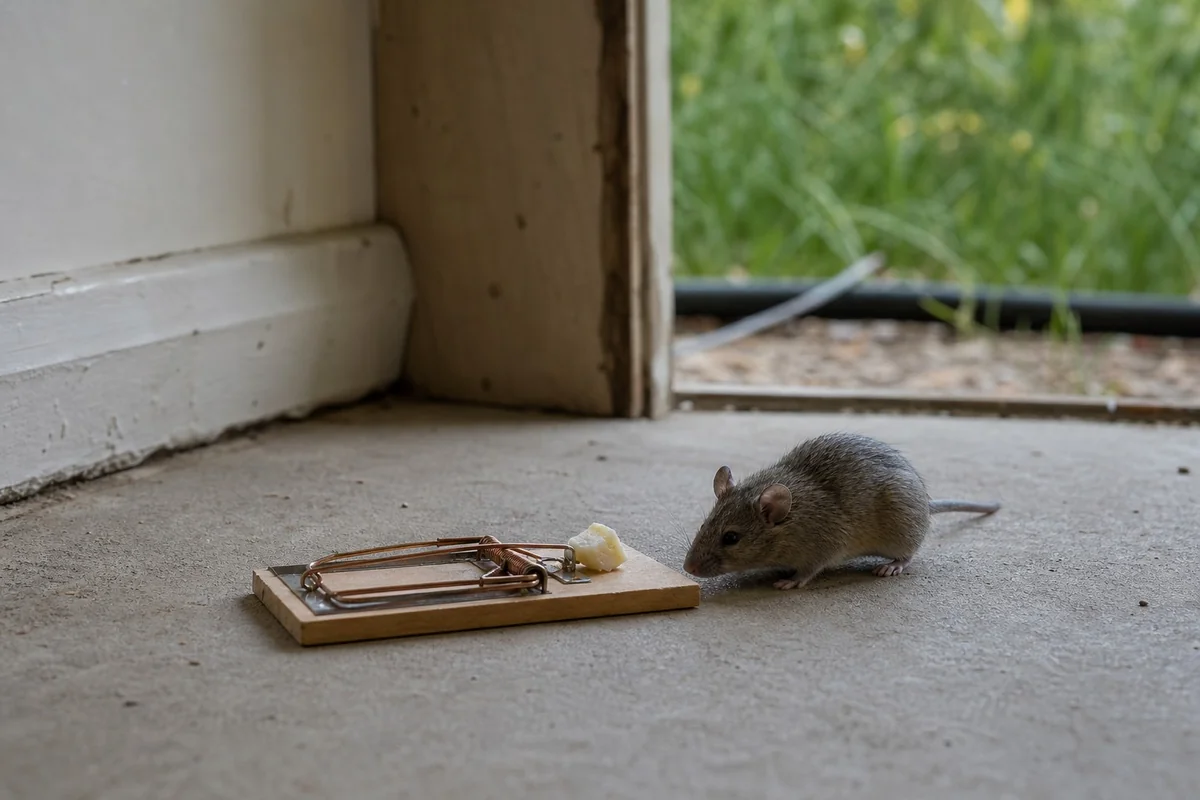
Are Rat Traps Loud? What You Will Hear and Why
Are rat traps loud? How snap, covered, electronic, live and glue traps sound, what noise after the snap means, and how to keep trap noise away from bedrooms.
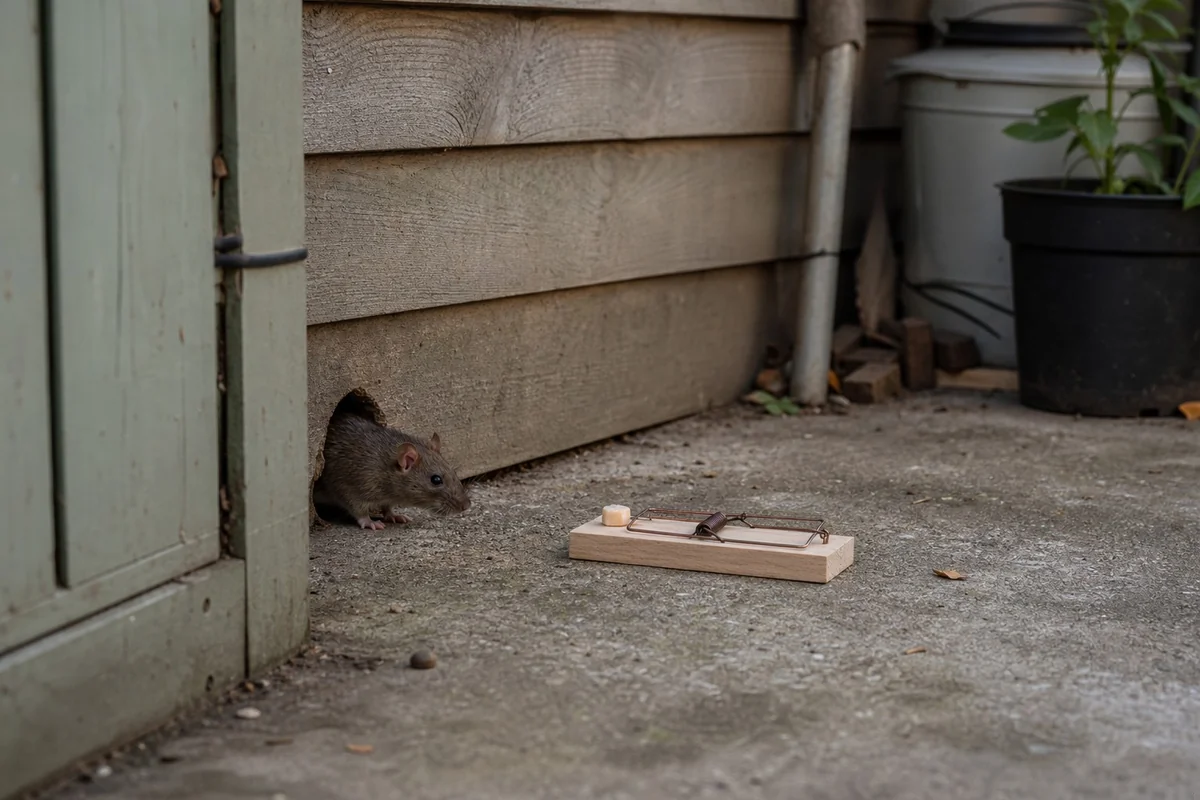
Do Rat Traps Work? Why Rats Avoid Them and How to Fix It
Rat traps work when they respect a rat's caution. Why rats avoid traps, how each trap type performs, whether glue traps and bait boxes work,, how to judge results.

Best Rat Traps for the Home: Snap, Covered, Electric and Live
The best rat traps for the home: Tomcat and Tougher Than Tom snap traps, TRATPER and UCatch covered traps, the Rat Zapper and a live cage, plus how to set them.
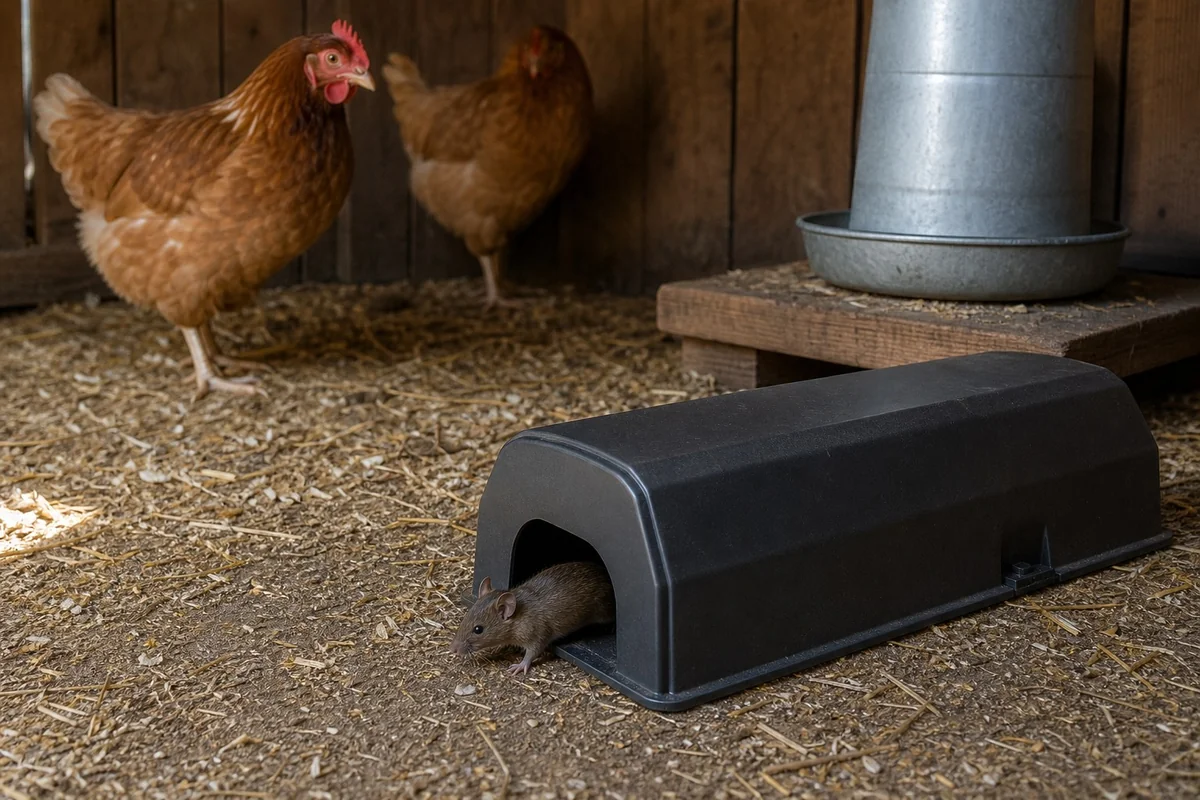
Best Rat Traps for a Chicken Coop: Covered, Hen-Safe Picks
The best rat traps for a chicken coop: UCatch and TRATPER covered traps, a low Filpestco tunnel, a boxed Tomcat and a live cage, plus how to trap safely around hens.