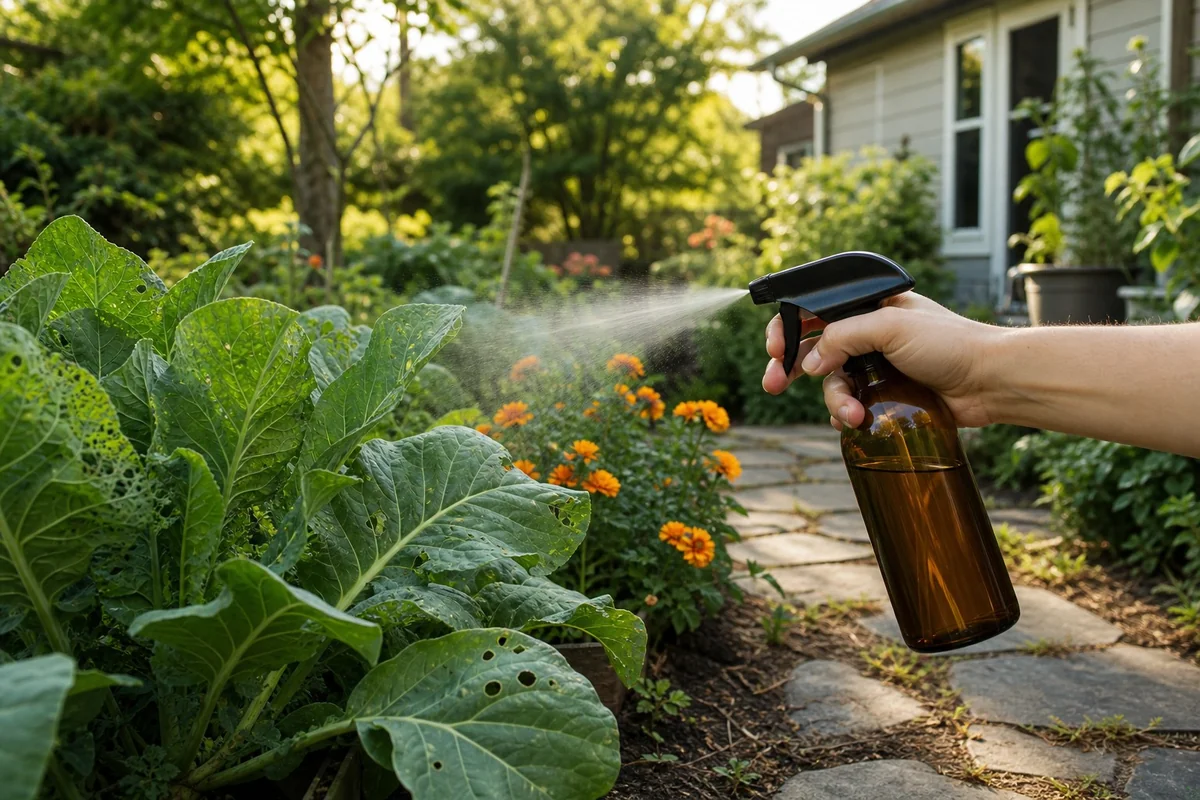

Best Natural Pest Control for the Yard and Garden: Lawn to Beds
Best natural pest control for your yard: lawn care that resists pests, nematodes for grubs, Bt, soap and oil for beds, and habitat fixes for mosquitoes and ticks.
The best natural pest control for a yard is a healthy lawn and garden that pests struggle to take over: grass mowed high and watered deeply, beds cleared of debris, standing water emptied and beneficial insects left alone. When pests break through, targeted natural products do the rest, including beneficial nematodes for lawn grubs, Bt for caterpillars, insecticidal soap for aphids and iron phosphate for slugs.
Start With a Yard That Resists Pests
Stressed grass and crowded, wet beds attract more pests than vigorous plants do. A few habits change the balance in your favor before any product is needed:
- Mow high: taller grass shades the soil, keeps roots deeper and crowds out weeds that shelter pests.
- Water deeply and less often: early-morning watering that soaks the root zone suits grass better than daily sprinkling and leaves less damp surface for slugs and fungus gnats overnight.
- Feed moderately: heavy nitrogen produces soft growth that aphids, chinch bugs and armyworms prefer.
- Fix drainage: low spots that stay wet breed mosquitoes and favor slugs and snails.
- Clean up debris: rake leaf litter from the yard's edges, remove fallen fruit and move woodpiles and stacked boards away from the house.
- Choose tough plants: grasses and ornamentals suited to your climate need less help and recover faster from damage.
These steps are the yard version of the approach described in our guide to natural pest control for the home and garden. The natural pest control section has more on plants, sprays and vegetable beds.
Natural Controls for Lawn Pests
Brown patches are not always pests. Drought, dog urine, dull mower blades and disease cause the same symptoms, so confirm the cause before treating.
- White grubs: the C-shaped larvae of Japanese beetles and other scarabs eat grass roots, and damaged turf lifts like a loose carpet. Beneficial nematodes, microscopic worms sold live, hunt grubs in moist soil; apply them in the evening and water before and after. Milky spore targets Japanese beetle grubs only and builds up slowly over several seasons.
- Chinch bugs: they thrive in hot, dry, sunny lawns, so deep watering and less nitrogen are the first defense; resistant grass varieties help in the South.
- Armyworms and sod webworms: these caterpillars chew grass blades, often overnight. Bt kurstaki works on young caterpillars that eat treated grass, and birds pecking at the lawn are a sign they are present.
- Moles: they hunt insects and worms rather than eating grass; trapping is the reliable method, while castor oil repellents give mixed results.
| Lawn Pest | Sign | Natural Control |
|---|---|---|
| White grubs | Turf lifts like a carpet; skunks and birds dig | Beneficial nematodes; milky spore for Japanese beetle grubs |
| Chinch bugs | Yellow then brown patches in sunny, dry spots | Deep watering, less nitrogen, resistant grass |
| Armyworms, sod webworms | Chewed blades, bare patches appearing overnight | Bt kurstaki on young caterpillars |
| Moles | Raised ridges and volcano-shaped mounds | Trapping |
Natural Controls for Garden Beds and Shrubs
Beds and shrubs host the widest range of pests, and also the most natural enemies. University of California IPM's guide to natural enemies warns that broad-spectrum sprays kill the predators and parasites that would otherwise control pests, so reach for targeted methods first:
- Aphids, whiteflies and mealybugs: blast them off with water, then use insecticidal soap on what returns, covering the undersides of leaves.
- Scale and spider mites on shrubs: horticultural oil smothers them; apply in mild weather and keep it off drought-stressed plants.
- Caterpillars on flowers and shrubs: hand-pick large ones and use Bt kurstaki on small ones.
- Japanese beetles: knock them into soapy water early in the morning, when they are sluggish; beetle traps often lure more beetles into the yard than they catch.
- Slugs and snails: remove boards and dense ground cover near beds, water in the morning and scatter iron phosphate bait.
- Earwigs: roll up damp newspaper overnight as a trap and empty it in the morning.
Organic farmers rely on the same toolkit at a larger scale: crop rotation, cover crops, row covers, beneficial insects, and a short list of approved products such as Bt, spinosad, soaps, oils and kaolin clay. They also accept some damage, which keeps prey around for the predators that protect the next crop.
Keeping Mosquitoes, Ticks and Fleas Down Naturally
Biting pests in the yard respond best to habitat changes, since most natural sprays fade within days.
- Mosquitoes: empty birdbaths, plant saucers, toys and clogged gutters every week, since larvae need only a few days of standing water to develop. Use Bt israelensis dunks in rain barrels and ponds you cannot drain; they affect mosquito and fly larvae, not fish or pets.
- Ticks: keep grass short, clear leaf litter and brush along the yard's edge, and put a strip of wood chips or gravel between lawn and woods.
- Fleas: they survive in shaded, moist spots where pets rest, so let sun reach those areas and rake out debris; beneficial nematodes also attack flea larvae in the soil.
Plant-based yard sprays made with cedar or other essential oils can lower numbers for a few days, but they need frequent reapplication, especially after rain, and they work best on top of these habitat changes rather than in place of them.
Common Questions About Natural Yard Pest Control
Is milky spore worth using on a lawn?
Is milky spore worth using on a lawn?
Only for Japanese beetle grubs, and only if you can wait. Milky spore builds up in the soil over several seasons and does not affect other grub species, so beneficial nematodes are the faster choice for a lawn with mixed grubs.
What do organic farmers use instead of pesticides?
What do organic farmers use instead of pesticides?
Mostly prevention: crop rotation, cover crops, resistant varieties, row covers and habitat for beneficial insects. When they need a product, they use approved ones such as Bt, spinosad, soaps, oils and kaolin clay.
When should I apply beneficial nematodes to my lawn?
When should I apply beneficial nematodes to my lawn?
When grubs are young and feeding near the surface, typically late summer into early fall in many regions, with soil temperatures warm and moist. Apply in the evening or on a cloudy day and water before and after, since sunlight and dry soil kill nematodes.
How often should I check my yard for pests?
How often should I check my yard for pests?
Walk the yard once a week during the growing season, looking under leaves, at lawn edges and in standing water. Weekly checks catch problems while a hose, hand-picking or a single targeted treatment can still handle them.
Key Takeaways
- A lawn mowed high, watered deeply and fed moderately resists grubs, chinch bugs and armyworms better than any product.
- Confirm what is causing lawn damage before treating; a soap flush brings caterpillars and chinch bugs to the surface.
- Beneficial nematodes, Bt, insecticidal soap, horticultural oil and iron phosphate each target specific yard pests, so match the product to the pest you found.
- Avoid broad-spectrum sprays, which kill the lady beetles, lacewings and parasitic wasps that protect garden beds.
- Standing water, leaf litter and shade drive mosquito, tick and flea numbers, so change the habitat first and use plant-based sprays only as a short-term top-up.
Related Articles

Natural Pest Control for a Vegetable Garden: A Season Plan
Natural pest control for a vegetable garden: crop rotation, row covers, a season-by-season plan, fixes for common pests, and how to spray food crops safely.
Natural Pest Control for Plants: DIY Methods and Safe Sprays
Natural pest control for plants: identify the pest, remove it by hand or water, make a safe soap spray, and choose soap, oil, neem or Bt for aphids, mites and more.
Natural Pest Control for the Home and Garden: What Works
Natural pest control for home and garden: prevention, beneficial insects and low-toxicity soap, oil, neem and Bt, with safety tips for pets and bees.
Best Natural Bug Sprays for the Home: Contact Kill and Repellent
The best natural bug sprays for the home: STEM, Safer Home, Orange Guard, Vanquar and Waspika peppermint and Chomp! for travel, plus how to use them indoors.