 Pest Pro Reviews Editorial Team • • 9 min read •
Best Pesticides for Plants at Home: Soap, Neem and Systemic
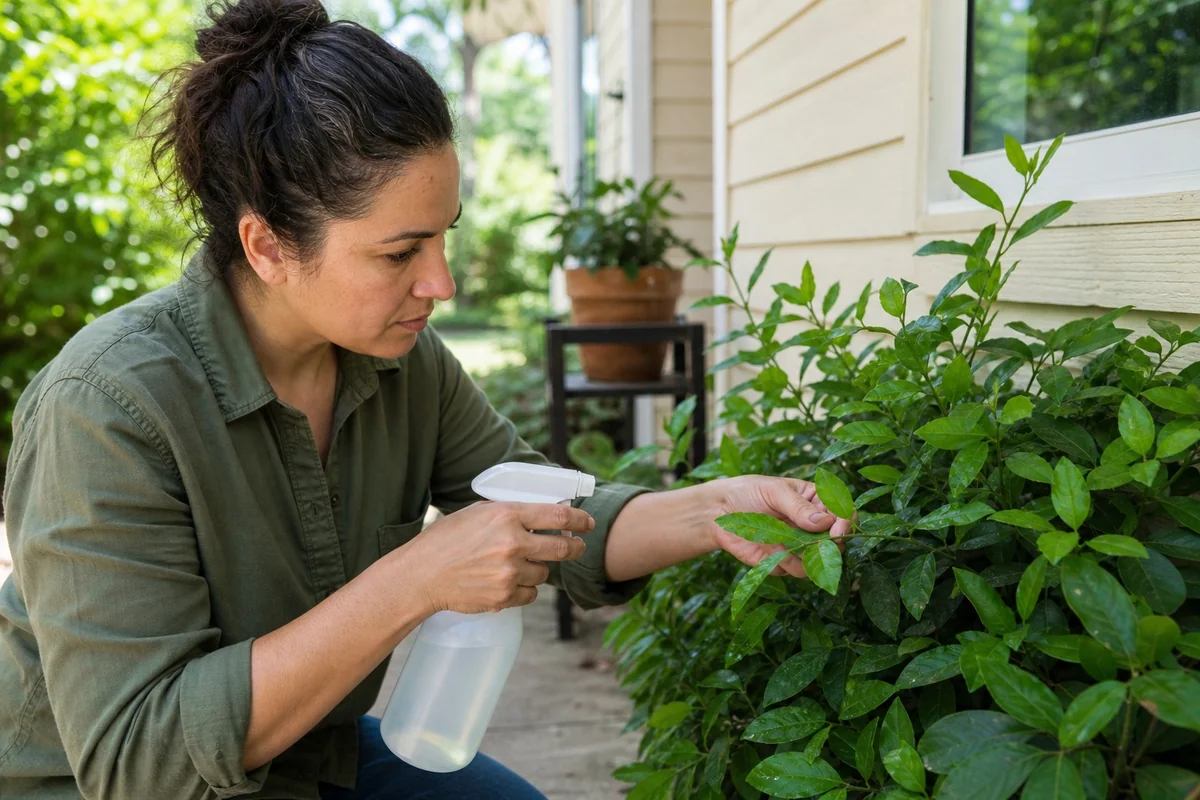
The best pesticides for plants at home: Captain Jack's Super Soap, Safer soap concentrate, neem oil, systemic houseplant granules and a 3-in-1 for roses.
The best pesticide for plants at home is Bonide's Captain Jack's Insecticidal Super Soap, a ready-to-use spray that pairs insecticidal soap for aphids and mites with spinosad for caterpillars and other leaf feeders, and is approved for organic gardening. Safer's soap concentrate suits frequent spraying, Captain Jack's Neem Oil adds disease control, Bonide's systemic granules suit houseplants, and BioAdvanced 3-in-1 covers roses and ornamentals.
- Insecticidal soaps kill only the soft-bodied insects they soak, so thorough coverage, especially of leaf undersides, matters more than how often you spray.
- Products for edible plants list the crops they are approved for and how long to wait before harvest; systemic houseplant granules are not for herbs, vegetables or fruit.
- Any spray can damage sensitive plants; test a few leaves and wait a day or two before treating a whole plant.
Which Pesticide Fits Your Plants?
Start with two questions: what is the pest, and will you eat the plant? Soft-bodied pests such as aphids, whiteflies, mealybugs and spider mites fall to insecticidal soap and oils. Caterpillars and beetle larvae need a product they eat, such as spinosad or Bt. Edible plants need a product labeled for them, while houseplants and roses can take products that never belong on a tomato.
Soap is the backbone of most plant pest control because it is gentle and leaves no residue. University of California Cooperative Extension's guide to soap sprays as insecticides explains the catch: soap works only when it soaks the insect, so pests hiding under leaves or arriving the next day are untouched. Plan on repeat sprays every few days while pests are active.
Before reaching for any product, the non-chemical steps in our guide to natural pest control for the home and garden often solve the problem, and the natural pest control section covers DIY methods for plants and vegetable beds.
Identify your needs and get personalized recommendations
Food crops.
Ornamental pots.
Pests and leaf disease.
Plant Pesticide Types Compared
| Type | How It Works | Best For | Edibles? |
|---|---|---|---|
| Insecticidal soap | Kills soft insects on contact | Aphids, whiteflies, mites, mealybugs | Yes, per label |
| Soap plus spinosad | Contact plus ingestion | Soft insects, caterpillars, thrips | Yes, on listed crops |
| Neem oil | Smothers, repels, disrupts growth; controls some fungi | Mites, aphids, whiteflies, mildew | Yes, per label |
| Systemic granules | Absorbed by roots, kills feeding insects | Houseplant mealybugs, aphids, scale, gnats | No |
| Synthetic 3-in-1 spray | Insecticide, fungicide and miticide | Roses, flowers, shrubs | No, ornamentals only |
We compared plant pesticides on their active ingredients, the pests and plants they list, whether they are approved for edible crops and organic gardening, and what buyers report about results and plant damage. Our sources were the makers' listings, Amazon's review digests and the extension guidance cited here; we did not test the products. We left out plant sprays whose buyers mostly report damaged or killed plants, one with mostly negative value and bottle-size reviews, and sprays with mostly negative sprayer reviews.
Best Pesticides for Garden and Edible Plants
These products are approved for organic gardening and list vegetables, herbs and fruit. Read each label for the crops it covers and spray in the evening, when bees are not foraging.
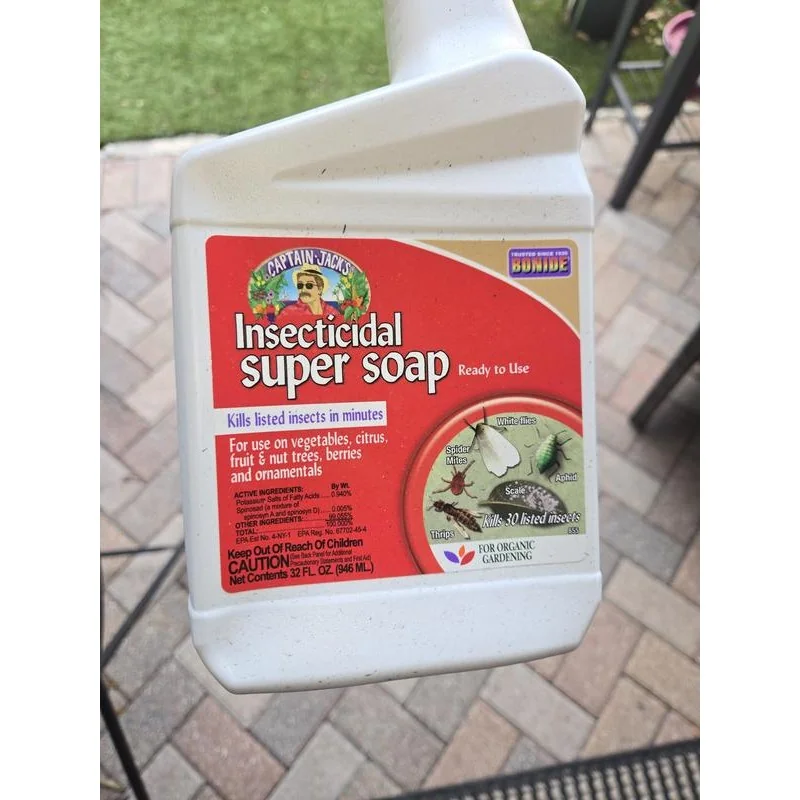
Bonide Captain Jack's Insecticidal Super Soap: Best Overall Pesticide for Plants
Captain Jack's Super Soap combines potassium salts of fatty acids with spinosad in a 32-ounce ready-to-use bottle that kills two ways, per the maker: on contact for soft insects and by ingestion for leaf feeders.
- The maker lists aphids, spider mites, caterpillars, thrips, chinch bugs, weevils, flies and more.
- It is labeled for home gardens, lawns, ornamentals and greenhouses, including crops such as cabbage, onions, berries, herbs and fruit trees.
- Buyers find it effective, say plants thrive and report no bad smell; some mention skin irritation, so wear gloves.
Choose it when you have a mix of aphids and caterpillars and want one spray for the vegetable bed and the shrubs. Spinosad is toxic to bees until it dries, so spray late in the day and keep it off open flowers.
Bonide Captain Jack's Insecticidal Super Soap 32 oz
Best for: Soft insects and caterpillars on edibles and shrubs
- ✓Kills by contact and ingestion, per the maker
- ✓Approved for organic gardening, per the maker
- ✓Effective with no bad smell, per buyers
- −Spinosad toxic to bees until dry
- −Skin irritation, per some buyers
Specifications (2)
- Active Ingredients
- Potassium Salts of Fatty Acids, Spinosad
- Liquid Volume
- 32 fluid ounces
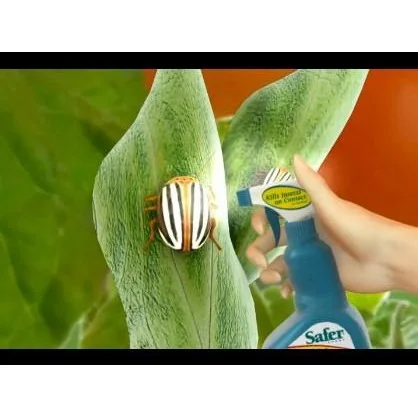
Safer Insect Killing Soap Concentrate: Best for Frequent Spraying
Safer's 16-ounce concentrate of potassium salts of fatty acids mixes into many bottles of spray, which suits gardeners who treat often.
- It is OMRI Listed for organic use and can be used up to the day of harvest, per the maker.
- The maker lists aphids, mealybugs, whiteflies, leafhoppers, spider mites, soft scales, squash bugs and thrips, and recommends spraying every 5 to 7 days while insects are present.
- Buyers find it versatile and safe around people and pets; results on plants are mixed, with some shrubs damaged.
Choose it for regular aphid and mite control across flowers, herbs, vegetables and houseplants. Mix it with soft or distilled water if your tap water is hard, since minerals reduce how well soap works, and test sensitive plants first.
Safer Insect Killing Soap Concentrate 16 oz
Best for: Frequent aphid and mite control
- ✓OMRI Listed, per the maker
- ✓Up to the day of harvest, per the maker
- ✓Safe around people and pets, per buyers
- −Some shrubs damaged, per buyers
- −Contact only; repeat every 5 to 7 days
Specifications (3)
- Active Ingredients
- Potassium Salts of Fatty Acids
- Liquid Volume
- 16 fluid ounces
- Item Form
- Spray
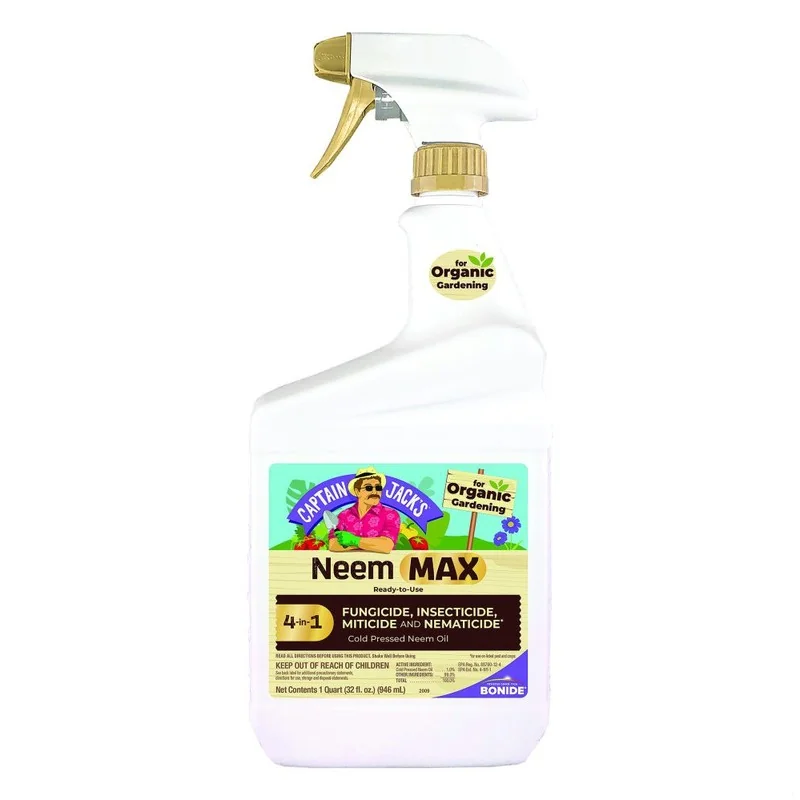
Bonide Captain Jack's Neem Oil: Best for Pests and Leaf Diseases
Captain Jack's ready-to-use neem spray uses clarified hydrophobic extract of neem oil in a 32-ounce bottle and works as an insecticide, miticide and fungicide, per the maker.
- The maker lists spider mites, aphids and whiteflies, plus diseases such as powdery mildew and rust.
- It is approved for organic gardening and can be used up to the day of harvest, with reapplication every 7 to 14 days, per the maker.
- Buyers report healthier plants; many also report leaf damage and a strong smell.
Choose it for roses, fruit trees and vegetables that struggle with both mites and powdery mildew. Because buyers often report damage, test a few leaves, spray only in cool weather and never on drought-stressed plants. The National Pesticide Information Center's neem oil fact sheet notes that neem breaks down quickly on leaves and is slightly toxic to fish, so keep it away from ponds.
Bonide Captain Jack's Neem Oil Spray 32 oz
Best for: Mites plus powdery mildew and rust
- ✓Controls insects and some fungal diseases, per the maker
- ✓Up to the day of harvest, per the maker
- ✓Healthier plants, per buyers
- −Leaf damage, per many buyers
- −Strong smell, per buyers
Specifications (2)
- Active Ingredients
- Clarified Hydrophobic Extract of Neem Oil
- Liquid Volume
- 32 fluid ounces
Best Pesticide for Houseplants
Houseplant pests such as mealybugs and scale hide in leaf joints where sprays struggle to reach. A systemic product treats the whole plant from the roots.
Bonide Systemic Houseplant Insect Control: Best for Houseplants
Bonide's 8-ounce shaker of granules is mixed into potting soil and taken up by the roots, protecting containerized plants for up to 8 weeks, per the maker.
- It kills mealybugs, aphids, scale and other listed insects that feed on the plant, and the maker says it does not harm insects that do not feed on plants.
- The label says it is not for edible plants such as herbs, vegetables or fruit-bearing plants.
- Buyers find it effective, especially on fungus gnats; many say the container arrives less than half full and treats fewer pots than expected.
Choose it for ornamental houseplants with recurring mealybugs or scale. The listing does not name the active ingredient, so read the label, keep treated pots away from pets that chew plants, and never use it on kitchen herbs or plants that go outdoors where bees visit.
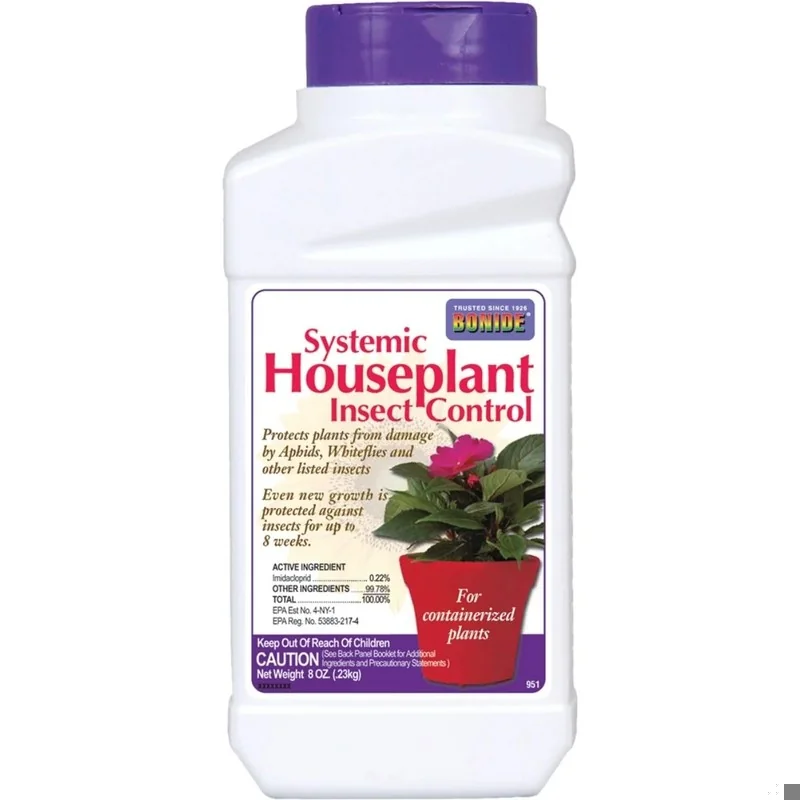
Bonide Systemic Houseplant Insect Control Granules 8 oz
Best for: Mealybugs and scale on ornamental houseplants
- ✓Up to 8 weeks of protection, per the maker
- ✓Not washed away by watering, per the maker
- ✓Effective on fungus gnats, per buyers
- −Not for edible plants
- −Container less than half full, per buyers
Specifications (2)
- Item Form
- Granules
- Unit Count
- 8 Ounce
Best Pesticide for Roses and Ornamentals
Roses and flowering shrubs often face insects, mites and fungal disease at once. A combination spray handles all three, but it is a synthetic product for ornamentals only.
BioAdvanced 3-in-1 Insect, Disease and Mite Control: Best for Roses
BioAdvanced's ready-to-use 24-ounce spray combines an insecticide, a fungicide and a miticide for roses, flowers, shrubs and trees, per the maker.
- The maker lists aphids, adult Japanese beetles, whiteflies and spider mites, plus black spot, powdery mildew, rust and scab.
- It is rainproof after 4 hours and protects for up to 14 days, per the maker.
- Buyers find it effective, especially on mites, and report new healthy growth; a few raise concerns about toxicity.
Choose it for roses and ornamental shrubs with both pests and leaf disease. The label says to apply when pollinators are not present, so spray in the evening and avoid open blooms; it is not for vegetables or fruit, and the listing does not name its active ingredients, so read the label before buying.
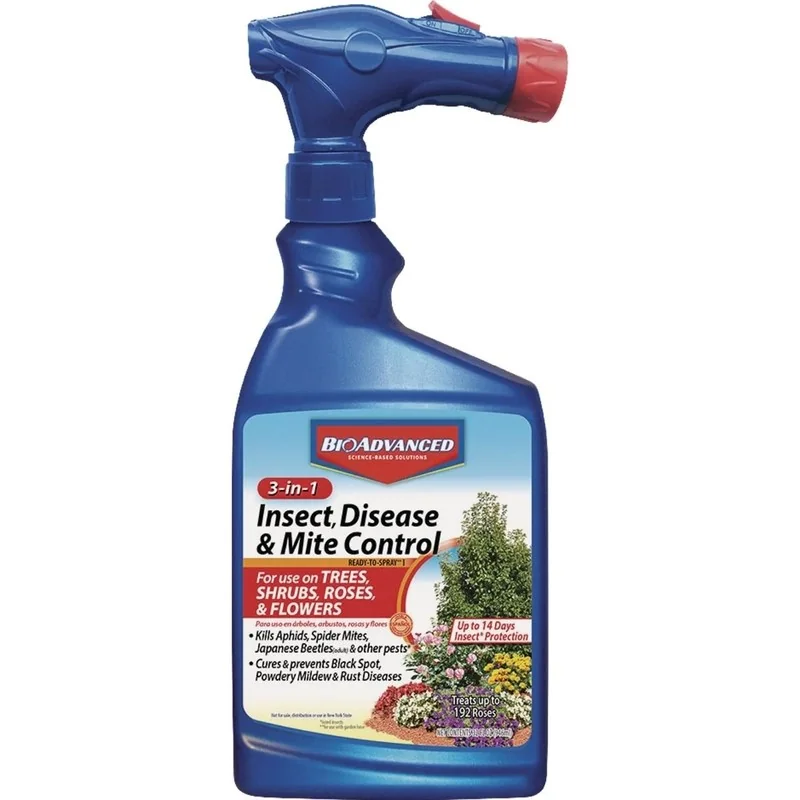
BioAdvanced 3-in-1 Insect, Disease and Mite Control 24 oz
Best for: Roses and ornamentals with pests and disease
- ✓Rainproof in 4 hours, per the maker
- ✓Up to 14 days of protection, per the maker
- ✓Effective on mites, per buyers
- −Ornamentals only, not edibles
- −Active ingredients not named in the listing
Specifications (1)
- Liquid Volume
- 24 fluid ounces
- Captain Jack's Insecticidal Super Soap wins for: soft insects and caterpillars on edibles and shrubs
- Safer Soap Concentrate wins for: frequent aphid and mite control
- Captain Jack's Neem Oil wins for: mites plus powdery mildew and rust
- Bonide Systemic Houseplant Granules wins for: mealybugs and scale on ornamental houseplants
- BioAdvanced 3-in-1 wins for: roses and ornamentals with pests and disease
How to Apply Plant Pesticides Safely
- Identify the pest: and confirm the label lists it and your plant.
- Test first: spray a few leaves and wait a day or two for spotting or browning.
- Spray in the cool of the day: early morning or evening, never in hot sun.
- Cover every surface: leaf undersides, stems and growing tips, where most pests feed.
- Protect pollinators: keep sprays off open flowers and spray when bees are not active.
- Follow the harvest interval: and rinse produce before eating it.
- Repeat as the label directs: most natural products need several rounds to catch newly hatched pests.
Baking soda and vinegar come up often as home remedies. Baking soda sprays are used against powdery mildew, not insects, and vinegar scorches leaves rather than killing pests, so neither replaces a labeled insecticide. Plants used as pesticide sources, such as neem trees, chrysanthemums (the source of pyrethrins) and the soil bacteria behind spinosad and Bt, give the most dependable natural products when bought in a labeled, measured form.
Common Questions About Pesticides for Plants
Does houseplant pest spray work?
Does houseplant pest spray work?
Yes, against the pests it lists, if it reaches them. Soap and neem sprays kill or slow mites, aphids and whiteflies on contact, but mealybugs and scale hidden in leaf joints often survive, which is where systemic granules or dabbing with rubbing alcohol help.
What plants can be used as pesticides?
What plants can be used as pesticides?
Neem trees, chrysanthemums and a few others are the sources of commercial natural insecticides such as neem oil and pyrethrins. Homemade plant extracts vary too much in strength to rely on, so labeled products made from these plants are the dependable way to use them.
Can I use the same pesticide on houseplants and vegetables?
Can I use the same pesticide on houseplants and vegetables?
Only if the label lists both. Insecticidal soaps and many neem sprays cover edibles and houseplants, while systemic granules and synthetic rose sprays are for ornamentals only and must never be used on food plants.
Why did my plant get damaged after spraying?
Why did my plant get damaged after spraying?
Sprays applied in heat or sun, on drought-stressed plants or at too strong a mix often scorch leaves. Some plants are sensitive to soaps and oils, which is why labels advise testing a few leaves and waiting before treating the whole plant.
Which One Should You Buy?
Bonide's Captain Jack's Insecticidal Super Soap is the pesticide to buy for most home gardens. It handles both the soft insects and the leaf-chewing caterpillars that damage vegetables and shrubs, and it is approved for organic gardening.
Choose Safer's concentrate for repeat spraying, Captain Jack's Neem Oil when mildew and mites appear together, Bonide's systemic granules for ornamental houseplants and BioAdvanced 3-in-1 for roses. With any of them, test a few leaves first and spray when bees are not foraging.
Before you buy, check whether the plant is edible, since that rules out the systemic granules and the 3-in-1 spray.
Related Articles
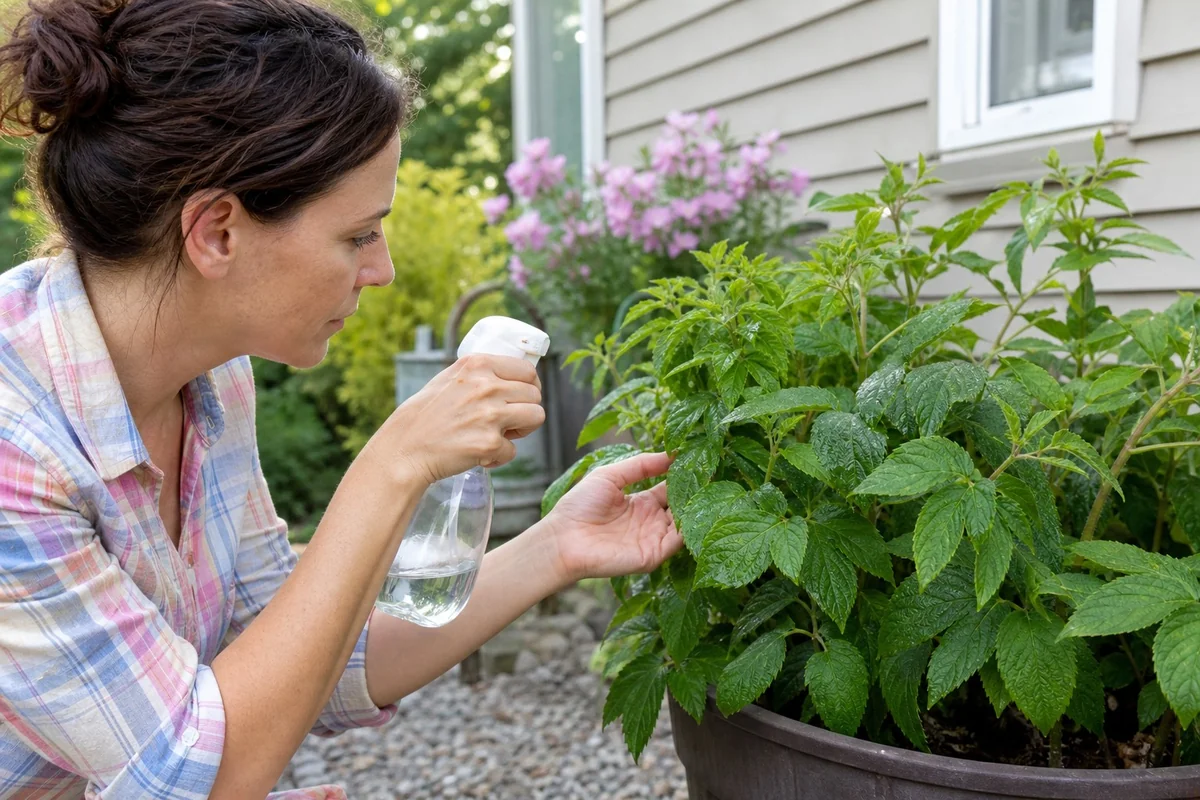
Natural Pest Control for Plants: DIY Methods and Safe Sprays
Natural pest control for plants: identify the pest, remove it by hand or water, make a safe soap spray, and choose soap, oil, neem or Bt for aphids, mites and more.
Best Natural Bug Sprays for the Home: Contact Kill and Repellent
The best natural bug sprays for the home: STEM, Safer Home, Orange Guard, Vanquar and Waspika peppermint and Chomp! for travel, plus how to use them indoors.
Natural Pest Control for the Home and Garden: What Works
Natural pest control for home and garden: prevention, beneficial insects and low-toxicity soap, oil, neem and Bt, with safety tips for pets and bees.
Best Natural Pest Control for the Yard and Garden: Lawn to Beds
Best natural pest control for your yard: lawn care that resists pests, nematodes for grubs, Bt, soap and oil for beds, and habitat fixes for mosquitoes and ticks.