 Pest Pro Reviews Editorial Team • • 12 min read •
Best Rat Traps for the Attic: Snap, Covered and Electric Picks
The best rat traps for the attic: Tomcat snap traps in numbers, TRATPER and Filpestco covered traps, UCatch for roof rats and the Rat Zapper, plus where to set them.
The best rat traps for the attic are rat-size snap traps you can set in numbers along joists and eaves, led by the Tomcat Rat Snap Trap. The TRATPER 4-Pack and Filpestco tunnel traps enclose the jaws, the UCatch suits slimmer roof rats, and the Rat Zapper kills out of sight in a closed chamber.
- Attic rats are usually roof rats, the climbing species, so traps belong on joists, top plates and beams along their routes, not just on the attic floor.
- Snap traps are the safest and most effective choice; poison makes rats die inside walls and ceilings, where you cannot reach them.
- Trap first, then seal the roofline, vents and pipe openings, or new rats will keep moving in.
Why Attics Need a Different Trapping Plan
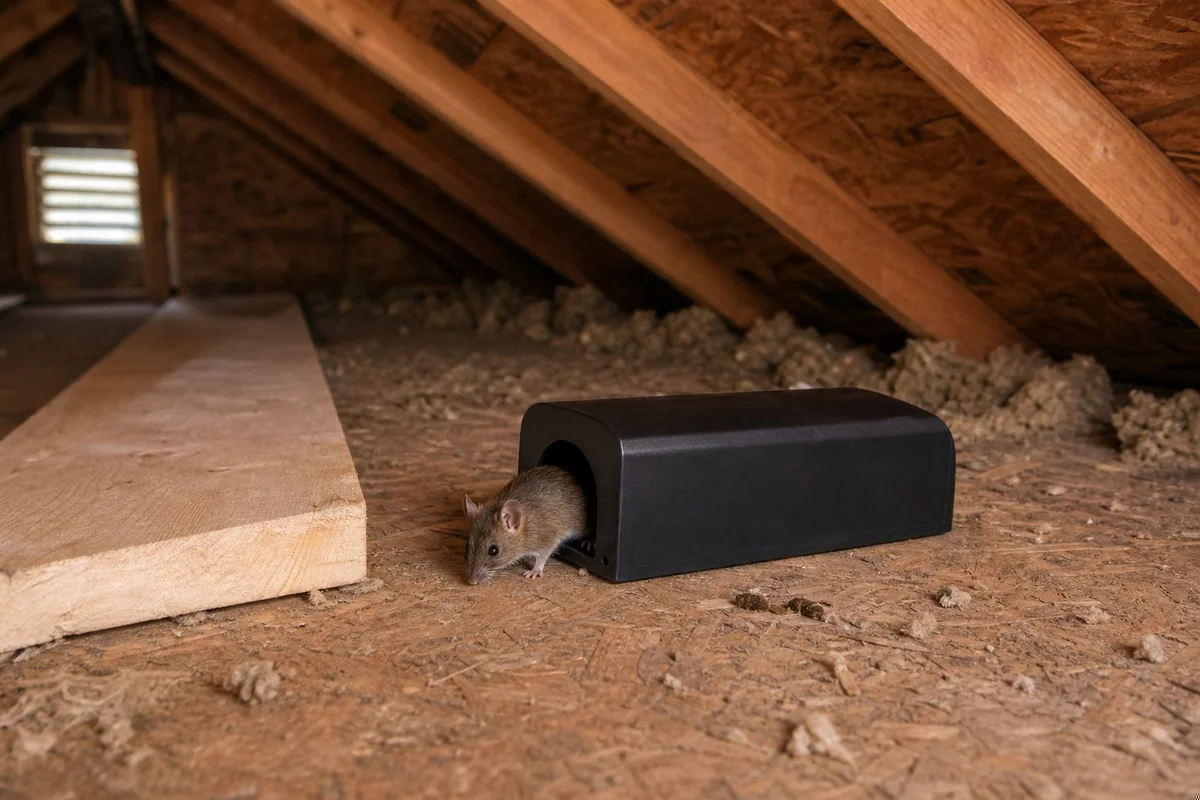
Rats in the attic are most often roof rats. UC IPM's rat pest guide describes them as slim, agile climbers with tails longer than their head and body, which nest in attics, wall voids and false ceilings and climb down to forage. They are also smaller and sleeker than Norway rats, and the guide notes they are thought to be even warier of new objects.
That changes how you trap. Roof rats run along the tops of walls, rafters, pipes and beams, so traps need to sit on those routes and be fastened in place, rather than scattered across the insulation. UC IPM also points out that traps can be set and left indefinitely in attics where rats have been a problem, which makes a reusable trap a good long-term buy.
The attic has its own practical problems: loose insulation, little headroom near the eaves, summer heat and a hatch you do not want to climb through every day. For traps for the rest of the house, see our guide to the best rat traps for the home, and the rat traps section covers the yard and coop.
Identify your needs and get personalized recommendations
Many runways and only adults go up.
A pull-down ladder or open hatch others use.
Runways under a low roof slope.
Catches hidden and emptied without contact.
How We Selected These Attic Traps
We compared rat traps on whether they kill quickly, how well they sit on joists and boards, whether the jaws are enclosed, how easy they are to empty from an awkward position and what buyers report about catches and durability. Our sources were manufacturer specifications and instructions, Amazon listings and Amazon's review digests, plus UC IPM and CDC guidance; we did not test the traps. Because attics often need many traps, cost per trap counted as well.
We left out glue boards, which UC IPM does not recommend for nonprofessionals and which leave a rat stuck alive in a space you check rarely. Live cages were also left out: the CDC advises against them, and a caught rat in a hot attic suffers quickly. Wooden traps and several budget multi-packs drew mostly negative buyer feedback on setting or staying set, so the picks below start with the trap that gives you the most catches for the money.
Tomcat Rat Snap Trap: Best Overall for Attics
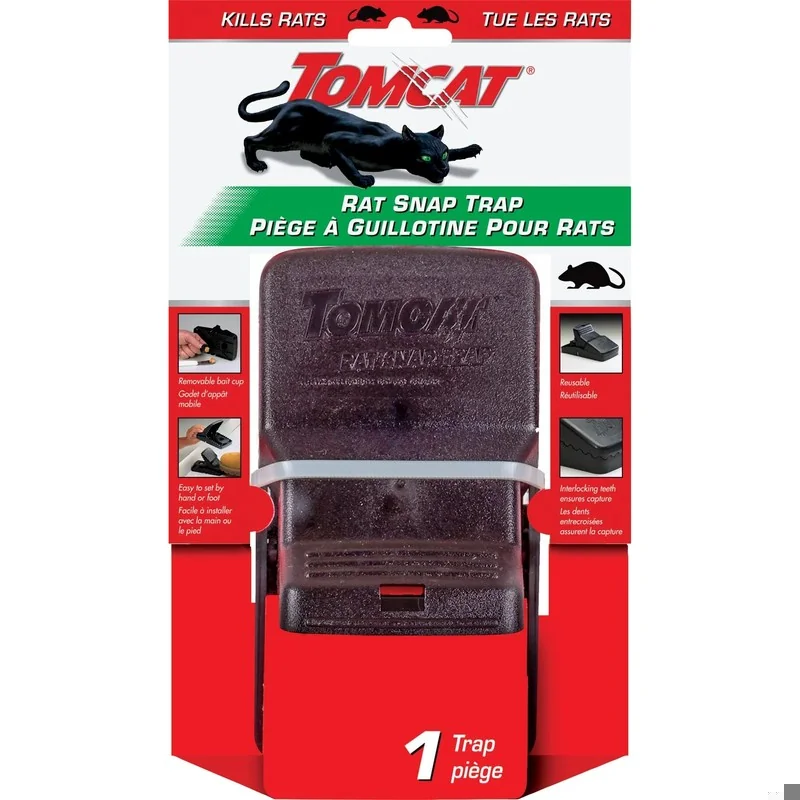
The Tomcat Rat Snap Trap (model 0361710) is a plastic rat-size snap trap with interlocking teeth and a removable bait cup. It is our top attic pick because buyers consistently find it effective, often on the first night, and it costs little enough to set the dozen or more traps a heavy attic infestation can need.
- Each trap measures 8.63 x 3 x 5 inches, slim enough to sit on top of a single joist or top plate.
- The maker says it sets by hand or foot, so you can press it shut on a board without reaching across the jaws.
- The bait cup lifts out, which lets you pre-bait and rebait without setting the trap.
- Buyers find it very easy to bait and set and safer for fingers than a wooden trap.
- Durability feedback is mostly negative, with thin plastic pins and bait cups breaking, and the jaws are exposed.
Choose it for attics only adults enter, set in numbers along every runway. Buy a few spares, since individual traps can wear out.
Tomcat Rat Snap Trap
Best for: Attics only adults enter, set in numbers
- ✓Buyers find it very effective, often the first night
- ✓Sets by hand or foot
- ✓Removable bait cup
- −Buyers report thin plastic pins and bait cups breaking
- −Exposed jaws; keep away from pets
Specifications (3)
- Target Species
- Rat
- Material
- Plastic
- Product Dimensions
- 8.63"L x 3"W x 5"H
TRATPER Rat Traps 4-Pack: Best Covered Trap for Attics
The TRATPER 4-Pack is a dual-entry covered snap trap with the mechanism inside the tunnel. In an attic, the enclosed jaws mean you can reach across a joist in poor light without risking a finger, and loose insulation cannot fall onto the trigger.
- The pack holds 4 traps, each about 6 x 5 x 8 inches.
- Setting is hands-free: put bait in, place the trap and push the lever down.
- Buyers report quick catches, solid construction with strong jaws, and safety around people and pets.
- Durability feedback is mixed, with some units failing to snap properly, so test each one on arrival.
Pick it for attics that children reach through a pull-down ladder, or for anyone uneasy reaching near open jaws. Its height makes it a better fit for the middle of the attic than for tight spots under the eaves.

TRATPER Rat Traps 4-Pack
Best for: Attics children or pets can reach
- ✓Mechanism enclosed in the tunnel
- ✓Buyers report quick catches
- ✓Strong jaws, per buyers
- −Some buyers report poor-quality units
Specifications (3)
- Unit Count
- 4 Count
- Product Dimensions
- 6"L x 5"W x 8"H
- Recommended Uses For Product
- Chipmunk trap, Rat trap
Filpestco Tunnel Snap Trap: Best Low-Profile Covered Trap
The Filpestco 4-count is a covered tunnel snap trap in ABS plastic with an interlocking-tooth jaw inside. At about 4 inches tall, it is the lowest of the covered picks, which helps where the roof slopes down to the eaves.
- Each trap measures 8 x 5.6 x 4 inches, and the maker says it is sized for large rats with a sensitive trigger for smaller ones.
- The maker describes one-touch setting and one-touch disposal, so you never handle the catch.
- Buyers find it easy to bait, set and clean, and safe around dogs and chickens.
- Catch-rate feedback is mixed: some buyers catch many rodents in a few days, others report bait eaten without the trap firing.
Choose it for the low edges of the attic and for runways along the top plate where a taller trap will not fit. Use a pea-sized amount of bait pressed firmly into the cup, since loose bait is the usual cause of empty traps.

Filpestco Tunnel Snap Trap 4-Count
Best for: Low spaces near the eaves
- ✓Lowest covered pick at about 4 inches tall
- ✓One-touch setting and disposal, per the maker
- ✓Buyers say it is safe around dogs
- −Mixed catch-rate feedback, including bait taken without firing
- −Mixed durability feedback
Specifications (3)
- Product Dimensions
- 8"L x 5.6"W x 4"H
- Material
- Acrylonitrile Butadiene Styrene (ABS)
- Unit Count
- 4 Count
UCatch Dual-Entry Rat Trap: Best for Roof Rats
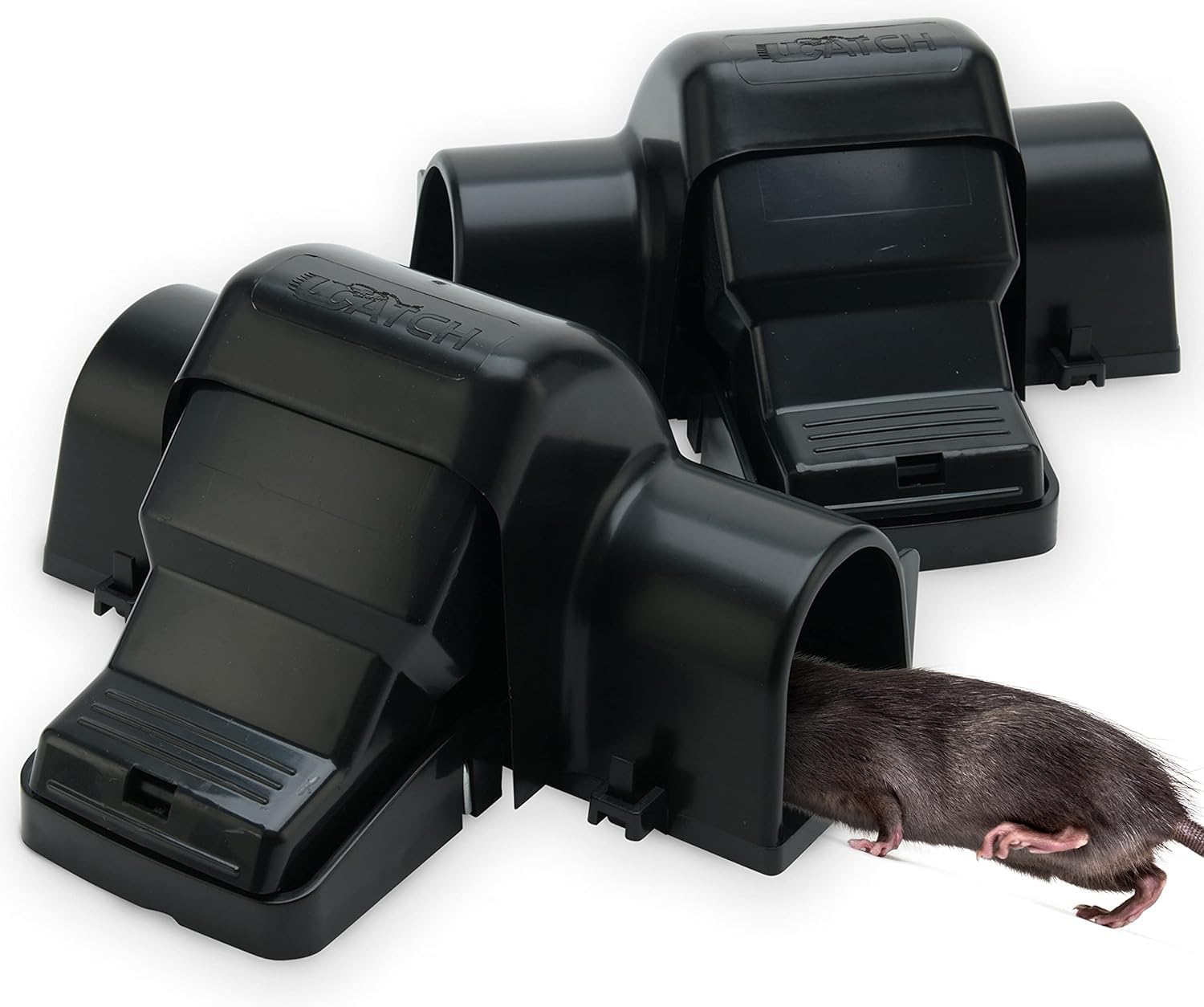
The UCatch 2-Pack is a dual-entry ABS tunnel trap with hands-free setting and disposal. Buyers say its entry and bait cup are too narrow for very large rats, which matters less in attics, where the usual intruder is the smaller, slimmer roof rat.
- The pack holds 2 traps made of ABS plastic.
- The maker describes setting it by inserting bait and pressing the lever down, and emptying it without touching the catch.
- Buyers say it is much safer than traditional traps around pets and easy to empty.
- Durability feedback is mixed, from months of use to breaking after first use.
Pick it when droppings and sightings point to roof rats, and when you want a covered trap that is easy to empty from a crouch. If you see heavy, thick-bodied rats, choose the TRATPER instead.
UCatch Dual-Entry Rat Trap
Best for: Attics with slim roof rats
- ✓Buyers say it is much safer around pets and chickens
- ✓Easy no-touch disposal
- −Buyers say the entry is too narrow for very large rats
- −Mixed durability feedback
Specifications (3)
- Material
- Premium ABS plastic
- Unit Count
- 2 Count
- Target Species
- Rat, Mouse, Chipmunk, Squirrel
Victor Rat Zapper Classic: Best No-Touch Attic Trap
The Rat Zapper Classic 4-Pack (model RZC001-4) is a battery-powered chamber trap, and its maker lists attics among the places it is designed for. A rat that enters gets a continuous shock for 2 minutes, per the maker, and you tip the trap over a bag to empty it.
- The pack holds 4 traps; each runs on 4 AA batteries, not included.
- The maker rates one battery set for up to 20 rats and lists it for mice and average-size rats.
- A blinking green light signals a catch, which you can sometimes see from the hatch with a flashlight.
- Buyers find it easy to bait and empty, but reliability is mixed: some units stop working after one kill and some lights never turn on.
Choose it if you never want to see or handle a rat. Keep a couple of snap traps as backup, and check it daily anyway, since a dead unit catches nothing; UC IPM notes these traps also need pre-baiting.

Victor Rat Zapper Classic 4-Pack
Best for: Attic trapping without seeing or touching a catch
- ✓No-see, no-touch disposal
- ✓Green light signals a catch
- ✓Four traps per pack
- −Buyers report some units failing after one kill
- −Indoor use only; needs 4 AA batteries each
Specifications (3)
- Power Source
- Battery Powered
- Target Species
- Mouse, Rat
- Unit Count
- 4 Count
- Tomcat Rat Snap Trap wins for: setting many traps on a budget
- TRATPER Rat Traps 4-Pack wins for: covered jaws in attics others can reach
- Filpestco Tunnel Snap Trap wins for: low spaces near the eaves
- UCatch Dual-Entry Rat Trap wins for: slim roof rats
- Victor Rat Zapper Classic wins for: never seeing or touching a catch
The right mix depends on who uses the attic and where the rats are running.
How to Choose an Attic Rat Trap
Most attics are best served by a mix: inexpensive snap traps in numbers, plus a few covered traps where you reach blindly or where others might climb up. Start from the space and the rat, then the budget.
- Attic only adults enter: a set of Tomcat traps, fastened to boards along every runway.
- Children or pets can reach it: TRATPER or UCatch covered traps.
- Low roof pitch at the eaves: the Filpestco, the lowest covered trap here.
- Slim rats with long tails: roof rats fit the UCatch well; thick-bodied Norway rats need the TRATPER or Tomcat.
- No contact at all: the Rat Zapper, with a snap trap or two as backup.
Plan on more traps than you expect. UC IPM suggests rat traps about 10 to 20 feet apart along runways, and a dozen or more for a heavily infested home.
Where to Place Rat Traps in an Attic
Roof rats travel the edges of the attic: along the top plates of exterior walls, over joists, beside ducts and pipes, and toward the gaps where they enter. Droppings, greasy rub marks on rafters, shredded insulation and gnawed wiring show their routes. Set traps on those routes, at right angles with the trigger end toward the path.
- On boards across joists: a short plank gives the trap a flat, solid base above the insulation.
- Fastened down: UC IPM advises securing traps to the surface, which focuses the snap and stops a rat dragging the trap into the insulation.
- Along the eaves and top plates: where roof rats run the length of the house.
- Near entry points: beside gaps at vents, pipes and the roofline, where every rat passes.
- Beside nests and food stashes: where you find shredded material or hoarded seeds and nuts.
Pre-bait every trap unset for several nights, and give roof rats longer than you would Norway rats. Once the bait is taken calmly, set all the traps on the same evening and check them each morning.
What Will Keep Rats Out of Your Attic
Trapping clears the rats already inside; sealing keeps new ones out. Do it in that order: if you seal first, rats trapped inside chew new holes or die in the walls. Once catches stop, close every opening larger than 1/4 inch that UC IPM's guidance covers.
- Vents: cover attic and foundation vents with 1/2-inch galvanized wire cloth or expanded metal, never lightweight chicken wire, which rats pass through.
- Plumbing vent pipes: screen the tops of roof vent pipes wider than 2 inches.
- Pipes, cables and wires: seal openings where they enter walls and the roofline with steel wool, wire screen or sheet metal.
- Tree limbs and vines: cut back branches that overhang the roof and remove ivy climbing the walls.
- Utility lines: if rats run along overhead lines, contact the utility company or a pest professional.
Cleaning Up the Attic After Rats
Rat droppings, urine and nests can carry disease, and an attic concentrates them. The CDC advises opening the space to air for 30 minutes before cleanup where possible, and never sweeping or vacuuming droppings or nesting material, since that throws particles into the air.
Spray droppings, nests and dead rats with household disinfectant or a fresh bleach solution of 1 part bleach to 9 parts water, wait 5 minutes, then wipe up with paper towels. Double-bag dead rats and nest material, and put the bags in a covered trash can. For a heavy infestation, the CDC lists coveralls, rubber boots, goggles and a respirator with HEPA filtration.
Common Questions About Attic Rat Traps
Can I just throw rat poison in the attic?
Can I just throw rat poison in the attic?
No. Poisoned rats do not die at once; they crawl into wall voids and ceiling spaces, die where you cannot reach them and leave a lasting smell. Loose poison in an attic can also reach pets and children through the hatch. Snap traps let you remove every rat you catch.
What time of day do rats leave the attic?
What time of day do rats leave the attic?
Mostly after dark. Rats are active mainly at night, so roof rats usually climb down from the attic around dusk to forage and return before dawn. Scratching overhead in the evening and early morning is typical, and it tells you the best time to bait and check traps.
How long can rats survive trapped in the attic?
How long can rats survive trapped in the attic?
Not long without food and water, but sealing them in rarely gets that far: a trapped rat chews a new way out through wood, vents or ceiling drywall. That is why you trap until catches stop and only then seal the entry points.
How do I get rid of rats in the ceiling without attic access?
How do I get rid of rats in the ceiling without attic access?
Trap where the ceiling space opens into rooms or the outside: at gaps around light fixtures, vents and pipes, and along the roofline or soffits outside. Set traps on runways near those openings, then seal them once catches stop. If you cannot reach any of them, a pest professional can cut a small inspection opening.
Should I remove the nests before trapping?
Should I remove the nests before trapping?
No, leave them until the rats are caught. Disturbing nests scatters rats and makes them warier of the area, while traps placed beside the nests catch them on their usual routes. Clean nests out afterward, wetting them with disinfectant first and wearing gloves.
Which One Should You Buy?
For most attics, buy a set of Tomcat Rat Snap Traps and fasten them to boards along the joists, top plates and eaves where you find droppings. Buyers find them effective, often on the first night, and they cost little enough to cover every runway.
Add TRATPER covered traps if children or pets can get into the attic, or if you would rather not reach near open jaws in poor light. Choose the Filpestco for the low space near the eaves, the UCatch when slim roof rats are the culprits, and the Rat Zapper if you never want to see or handle a catch, keeping a snap trap or two as backup.
Whichever you choose, trap first and seal the roofline second. This weekend, take a flashlight up, mark the busiest runways, and put out pre-baited, unset traps on them.
Related Articles
Best Outdoor Rat Traps: Covered and Pet-Safe Picks
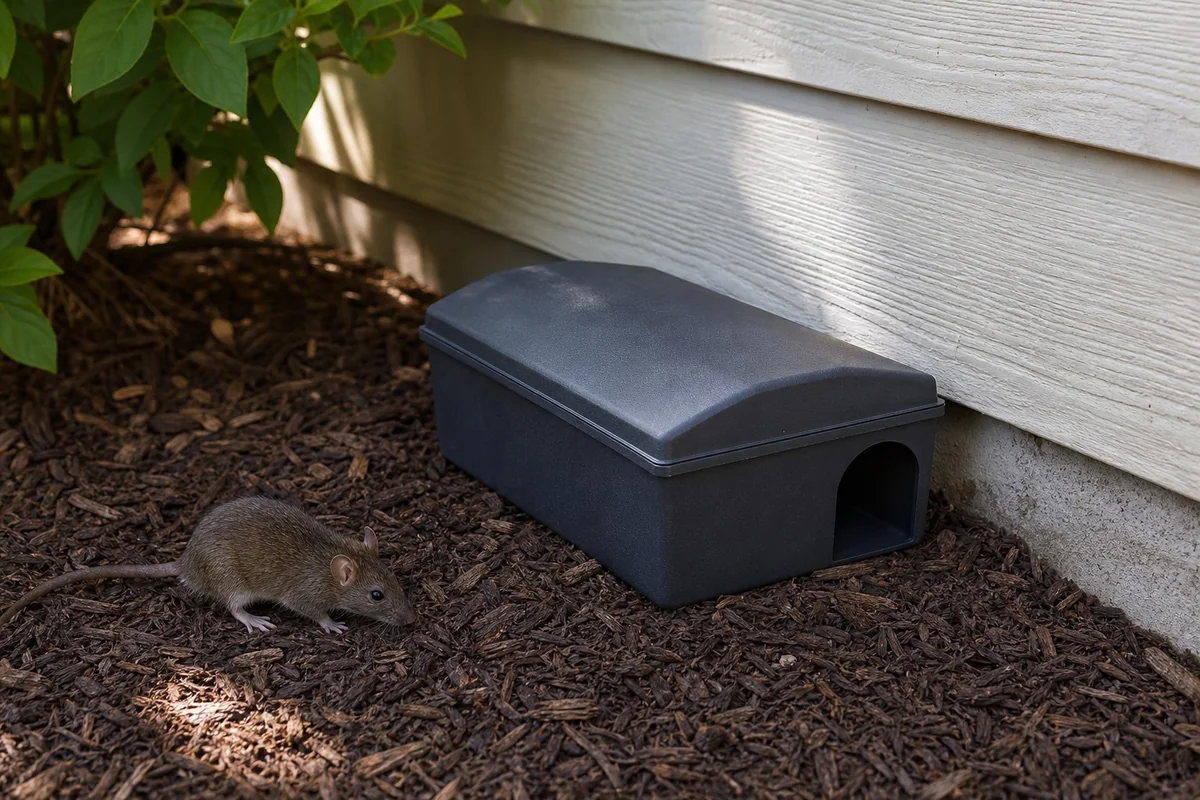
The best outdoor rat traps: UCatch and TRATPER covered snap traps for yards with pets, the Tomcat for sheltered spots, a live cage, and where to place them.
Best Rat Traps for a Chicken Coop: Covered, Hen-Safe Picks
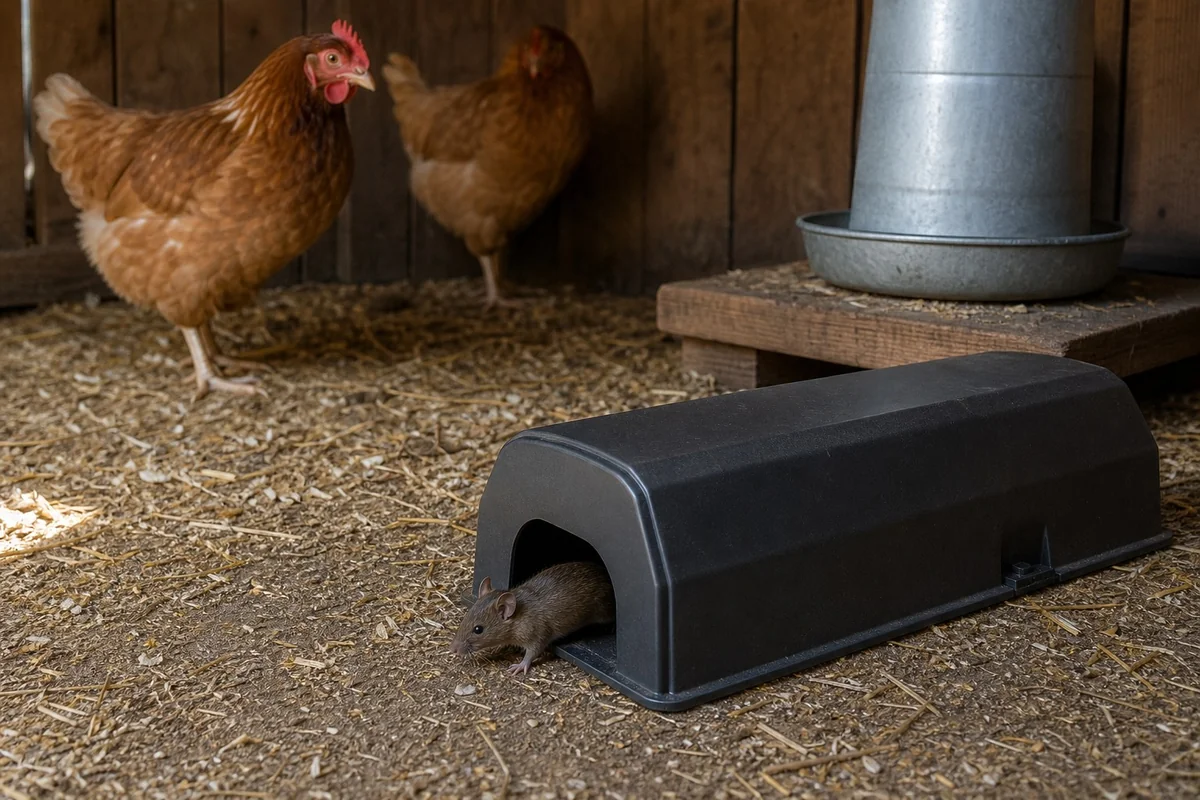
The best rat traps for a chicken coop: UCatch and TRATPER covered traps, a low Filpestco tunnel, a boxed Tomcat and a live cage, plus how to trap safely around hens.

Best Rat Traps for the Home: Snap, Covered, Electric and Live
The best rat traps for the home: Tomcat and Tougher Than Tom snap traps, TRATPER and UCatch covered traps, the Rat Zapper and a live cage, plus how to set them.
Are Rat Traps Loud? What You Will Hear and Why
Are rat traps loud? How snap, covered, electronic, live and glue traps sound, what noise after the snap means, and how to keep trap noise away from bedrooms.